
Exquisite Animals
Whether you have a particular animal in mind or you're interested in exploring the diverse range of species we feature, you've arrived at the perfect destination; enjoy full access to our extensive collection.
Filters
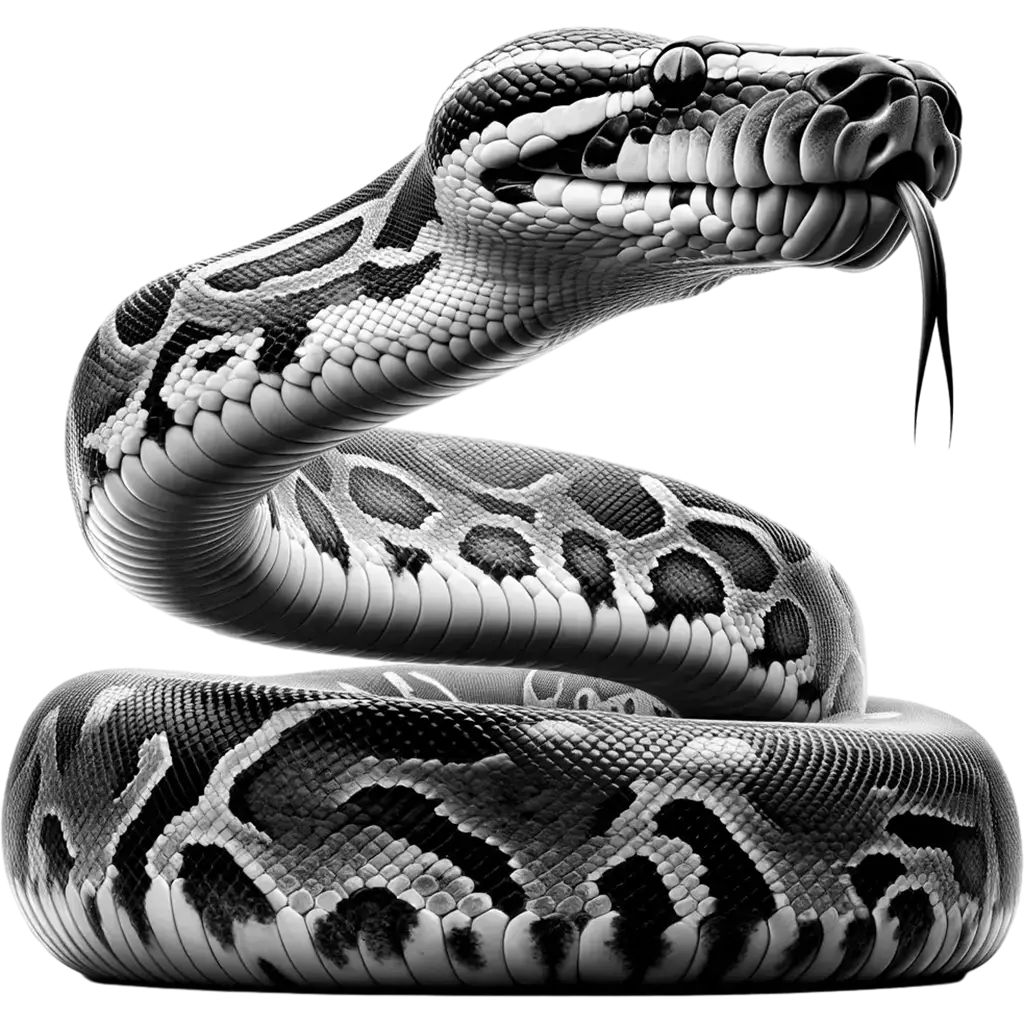
The African Rock Python, Python sebae, is a large, non-venomous snake native to sub-Saharan Africa. It is one of the largest snake species on the continent, with adults commonly reaching lengths of 3 to 4.5 meters, and some exceptional individuals exceeding 6 meters. Their skin is thick and covered in patterned scales that vary in color from brown to olive, featuring dark brown blotches bordered by lighter colors, providing excellent camouflage in their natural habitats. African Rock Pythons lead solitary lives, primarily active during the twilight hours (crepuscular) and at night (nocturnal). They are excellent swimmers and can be found in a variety of habitats, including savannas, forests, grasslands, and near water bodies. These powerful constrictors hunt by ambushing prey, using their camouflage to blend into the surroundings. Once they capture their prey, they coil around it and suffocate it before consumption. Young pythons may climb trees, but adults are mostly terrestrial due to their size. Their diet is diverse, consisting mainly of mammals and birds. Juvenile pythons may start with smaller prey such as rodents or birds, but as they grow, they can tackle larger animals, including antelopes, crocodiles, and occasionally even small hippos. They have a slow metabolism, allowing them to survive for extended periods without food after consuming a large meal. The digestion process is efficient, capable of breaking down the entire prey, including bones and feathers, leaving no trace behind. Mating for African Rock Pythons occurs primarily in the early spring. Males compete for females through wrestling matches, where they try to pin each other to the ground. After successful copulation, the female lays a clutch of 20 to 100 eggs, which she incubates by coiling around them and contracting her muscles to generate heat. This maternal care continues until the eggs hatch, about 90 days later. The population of African Rock Pythons is not currently considered endangered, but it faces threats from habitat loss, hunting for their skin, and being killed out of fear by humans. Their adaptability to different environments has helped maintain their population, but in some regions, they are in decline. Conservation efforts are important to ensure their survival, emphasizing the need for habitat protection and education to reduce human-wildlife conflicts.
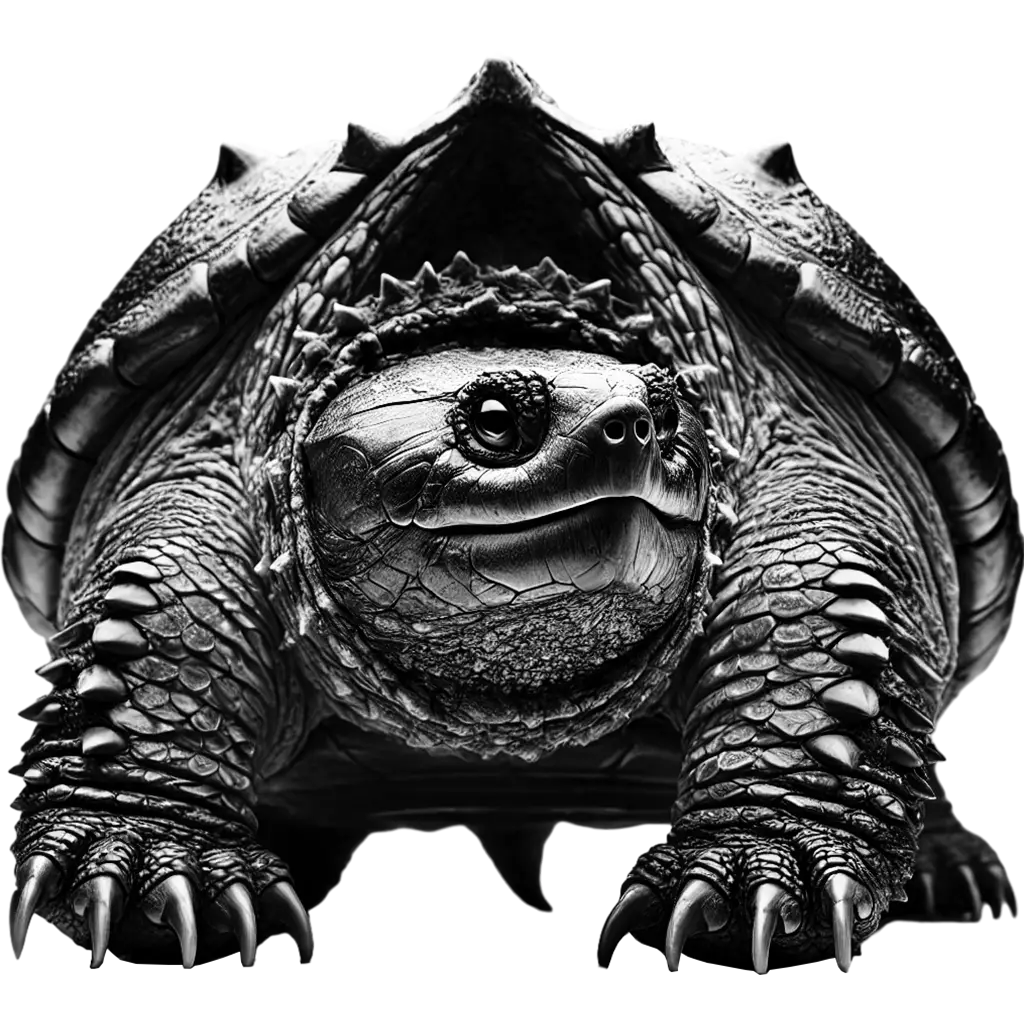
The Alligator Snapping Turtle is the largest freshwater turtle in North America, recognized for its prehistoric, rugged appearance. Its shell is covered in ridged, bony scutes that resemble an alligator's skin, helping it blend into its environment. The turtle has an enormous head with powerful, hooked jaws capable of exerting an incredible bite force. Males are significantly larger than females, with some individuals weighing over 100 kg. This species is well-adapted to life underwater, with a unique worm-like lure inside its mouth to attract unsuspecting prey. Alligator Snapping Turtles are primarily solitary and prefer slow-moving freshwater habitats, such as rivers, swamps, and bayous. They are highly sedentary, spending most of their time submerged, waiting for prey. These turtles rarely leave the water, except for females when they lay eggs. Their movement on land is slow and cumbersome, but they are surprisingly agile in the water. They are known for their extreme patience, using ambush tactics to catch prey rather than actively chasing it. Carnivorous by nature, the Alligator Snapping Turtle relies on its ingenious hunting strategy. It lies motionless at the bottom of the water with its mouth wide open, revealing its pink, worm-like appendage that wiggles to lure in fish. When an unsuspecting prey approaches, the turtle snaps its jaws shut with extraordinary speed and force. In addition to fish, it preys on amphibians, small mammals, and even other turtles. It will also scavenge carrion when the opportunity arises. Mating occurs in spring, with females laying eggs in sandy or soft-soil areas near the water's edge. They bury their eggs, but unlike some reptiles, they do not guard the nest. The incubation period lasts around 100-140 days, with the sex of the hatchlings determined by temperature. Hatchlings are vulnerable to predators such as raccoons, birds, and fish. Once they reach adulthood, they have few natural threats aside from humans. The Alligator Snapping Turtle population has been declining due to habitat destruction, overharvesting for meat, and illegal poaching for the pet trade. Conservation efforts focus on habitat protection, breeding programs, and legal restrictions on hunting. Many states in the U.S. have implemented protective laws to prevent further population loss, but illegal trade remains a significant threat to their survival.
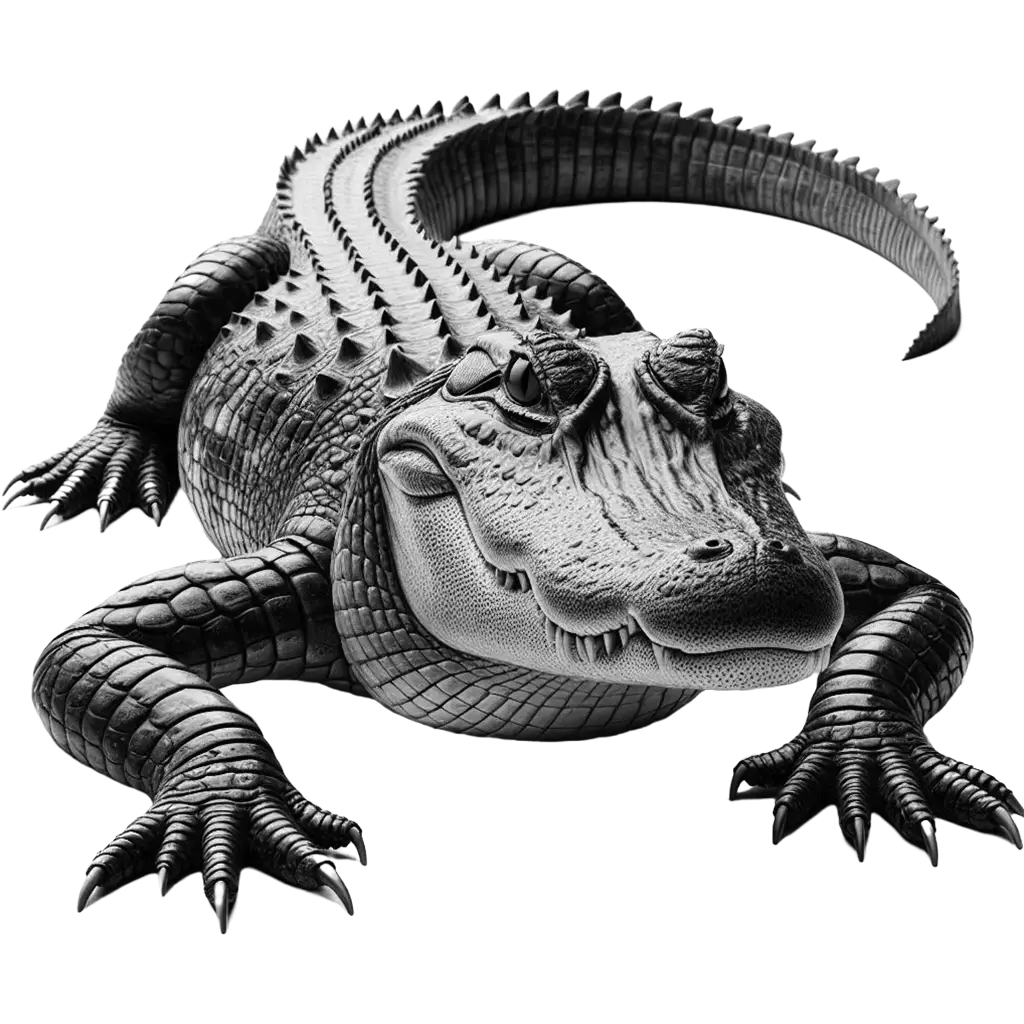
The American Alligator, Alligator mississippiensis, is a formidable reptile native to the southeastern United States, easily recognized by its armored body, strong tail, and powerful jaws. Adults typically measure between 3 to 4.6 meters in length, with males being larger than females. Their skin is a dark, olive-brown color with lighter undersides, featuring bony plates called osteoderms for protection. This reptile's eyes and nostrils are positioned on top of its head, allowing it to see and breathe while submerged. American Alligators inhabit freshwater environments such as swamps, rivers, lakes, and marshes, showcasing a remarkable ability to adapt to different water conditions. They are apex predators within their ecosystem, playing a crucial role in maintaining the balance by controlling the population of prey species. These alligators are known for their 'death roll' technique—a powerful spinning movement used to dismember prey. They are mostly nocturnal hunters, relying on their stealth and strength to catch fish, birds, mammals, and other reptiles. The diet of the American Alligator varies with age and size. Juveniles primarily feed on small fish, insects, and amphibians, while adults can tackle larger prey such as turtles, deer, and even smaller alligators. Their powerful jaws can crush hard shells, allowing them to access a wide range of food sources. This adaptability in diet has been crucial to the survival of the species, especially in changing environments. Mating season for American Alligators occurs in the spring, when temperatures rise. Males bellow to attract females and establish dominance over territories. After mating, females build nests of vegetation, where they lay 20 to 50 eggs. The heat from the decomposing vegetation helps incubate the eggs over a period of about 65 days. Females are fiercely protective of their nests and young, showcasing a maternal instinct not commonly observed in reptiles. The population of the American Alligator has made a remarkable recovery from near extinction in the 20th century, largely due to conservation efforts and legal protection. Once threatened by hunting and habitat loss, they are now classified as Least Concern by the IUCN. However, continued habitat preservation and monitoring are essential to ensure the species remains a thriving part of its ecosystem. Their success story is a testament to the effectiveness of wildlife management and conservation strategies.
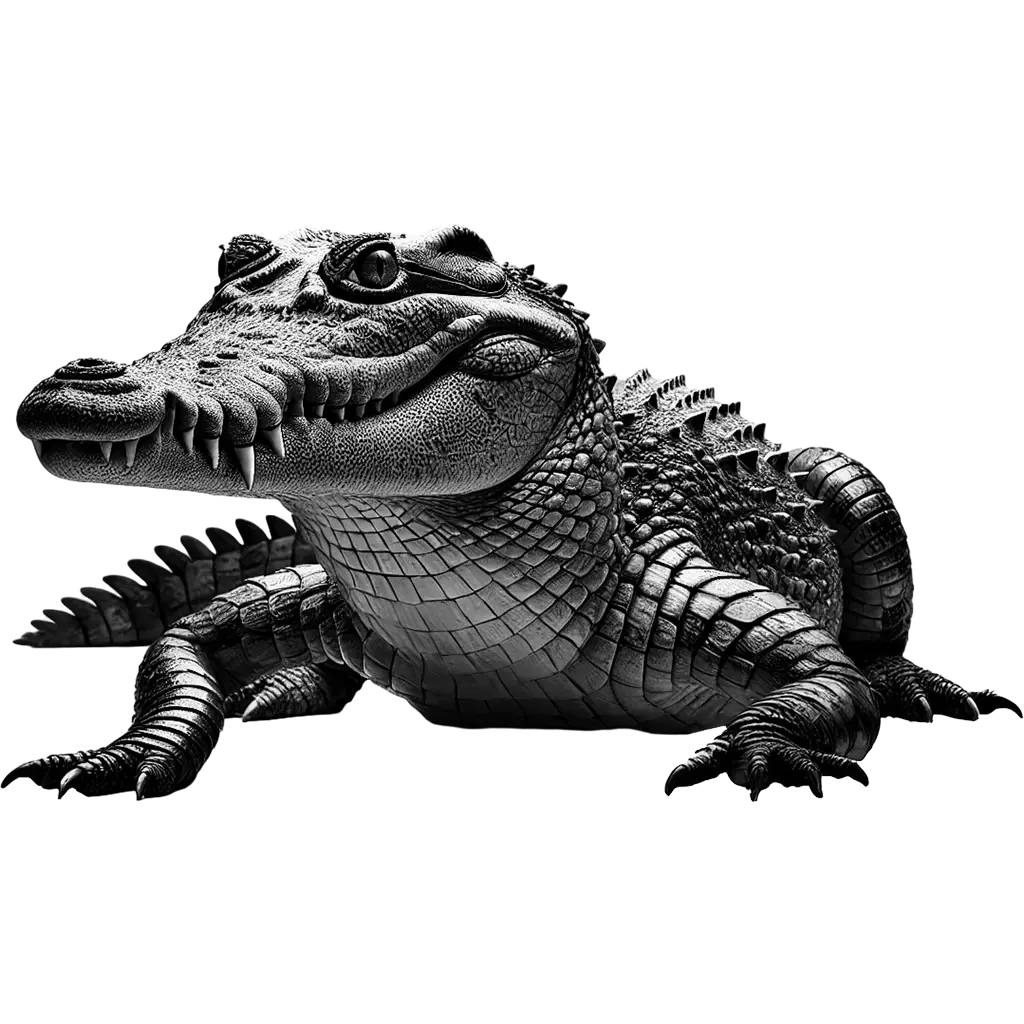
The American Crocodile is a large reptilian predator that inhabits coastal wetlands, rivers, and estuaries in the Americas. It is easily distinguished from its close relative, the American Alligator, by its long, V-shaped snout and lighter grayish-green coloration. Adults range between 3 to 5 meters in length, with some exceptional individuals exceeding 6 meters. Their streamlined body, webbed feet, and powerful tail allow them to be highly efficient swimmers, making them formidable aquatic predators. This species is mostly solitary and highly territorial, particularly during the breeding season. American Crocodiles prefer warm coastal habitats and are one of the few crocodilian species capable of tolerating brackish and saltwater environments. They regulate body temperature by basking in the sun during the day and retreating to shaded areas or water when temperatures rise too high. Although primarily nocturnal hunters, they can also be active during the day, particularly in cooler weather. American Crocodiles are strict carnivores and rely on an ambush strategy to capture prey. They wait motionless in the water, striking with extreme speed when unsuspecting fish, birds, or mammals come within reach. Their diet varies with age; juveniles primarily consume small fish, crustaceans, and amphibians, while adults target larger prey, including turtles and mammals. They are also known to scavenge carcasses, taking advantage of any available food source. Mating occurs in the dry season, with males engaging in displays of dominance to attract females. After fertilization, the female constructs a nest of sand and vegetation, where she lays between 30 and 60 eggs. She remains close to the nest, guarding it from predators such as raccoons and monitor lizards. Once the eggs hatch after 75-85 days, she carefully transports the hatchlings to the water, offering them some level of protection during their early vulnerable weeks. Although once heavily hunted for their skin, American Crocodile populations have stabilized in some regions due to conservation efforts and legal protections. However, they remain vulnerable due to habitat destruction, human encroachment, and conflicts with coastal communities. Conservation programs focus on habitat preservation, reducing poaching, and educating the public about coexistence with these ancient reptiles.

The Black-Necked Spitting Cobra displays a sleek, matte dark body accentuated by a striking glossy black band encircling its neck. Its broad, flattened head features prominent, piercing eyes and an extendable hood that flares impressively when threatened. The snake's smooth, well-defined scales and slender, muscular build give it an elegant yet intimidating appearance, serving as a clear warning to potential predators. This species is primarily active during the day with additional crepuscular activity at dawn and dusk. It inhabits savannas, woodlands, and grasslands with scattered trees and rocky outcrops, where it relies on camouflage to remain hidden. Often seen basking in the sun to regulate its body temperature, it is a solitary creature that patrols a defined territory. When disturbed, it can quickly employ its venomous spray as a defensive measure. Its deliberate, measured movements are interspersed with rapid, sudden strikes during hunting, ensuring efficiency in both offense and defense. As a carnivorous predator, the Black-Necked Spitting Cobra preys on small mammals, birds, and other reptiles. It uses its keen senses to detect subtle movements among the undergrowth before striking with precision. The venom it delivers not only immobilizes its prey swiftly but also initiates the digestive process, breaking down tissues for efficient absorption of nutrients. Although it primarily hunts live prey, it may scavenge when opportunities arise, contributing to its versatile feeding strategy and maintaining the balance of local ecosystems. During the breeding season, males perform brief, ritualistic displays to attract females. After a short courtship, copulation occurs and the female later lays a clutch of eggs, which hatch after a period of incubation. These encounters are brief, reducing risk to both parties during this vulnerable period. Found across sub-Saharan Africa, this cobra occupies a range of dry, open habitats. While it is locally common in some areas, overall trends show a gradual decline due to habitat destruction and human persecution. Conservation efforts continue to monitor its populations and protect its natural environment, ensuring its unique role in the ecosystem endures.
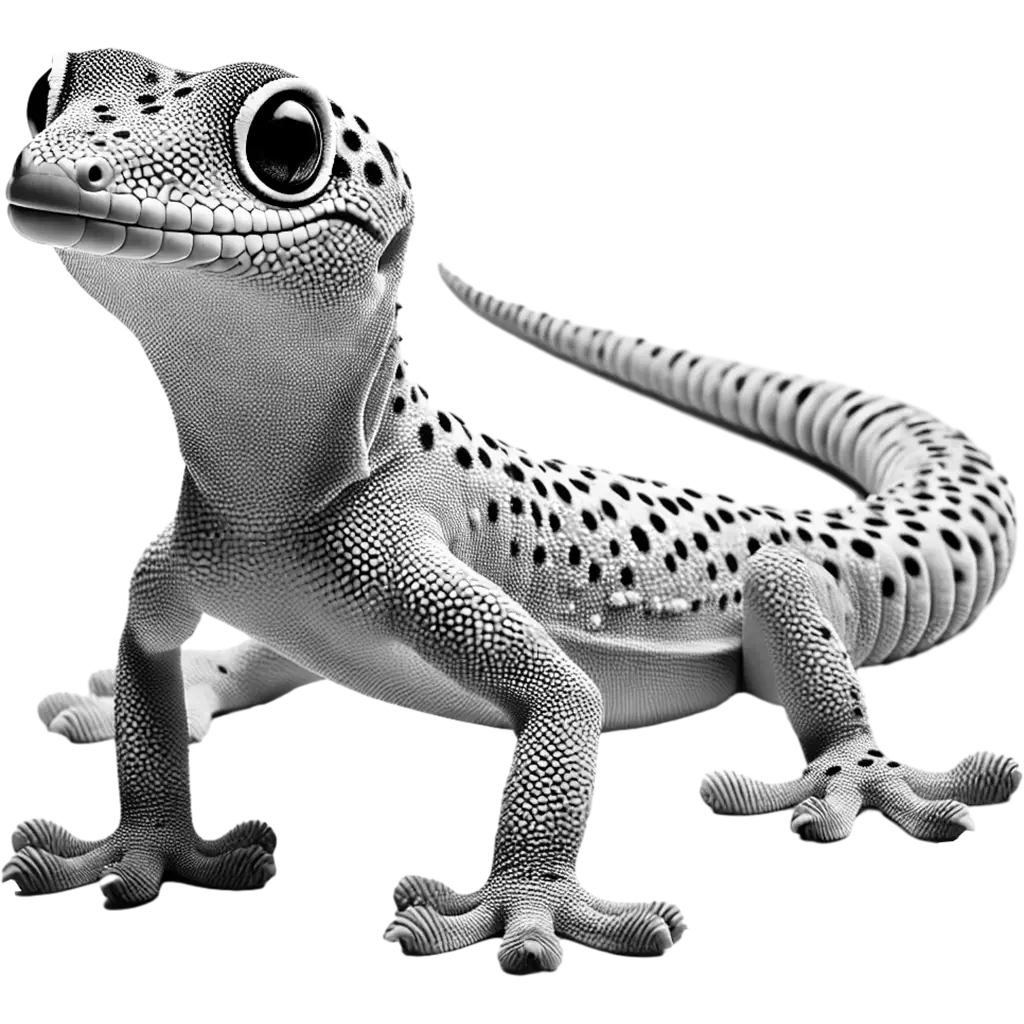
The Brilliant South American Gecko is a small, striking reptile characterized by its vibrant, iridescent scales that shimmer in hues of blue, green, and orange. Its slender, elongated body and flat head, accentuated by large, expressive eyes, create a captivating mosaic of colors that distinguishes it from other geckos. The vivid color patches along its flanks and delicate limbs enhance its overall elegance, making it a true jewel of the tropical forest. Living in the dense, humid understory of South American forests and among rocky outcrops, this gecko is highly active during the day. It flits nimbly among branches and crevices, skillfully navigating the complex terrain in search of food and shelter. Males often patrol and defend small territories, using visual displays and subtle body movements to communicate with rivals and potential mates. Their behavior is marked by rapid, darting movements interspersed with quiet periods of rest, reflecting a balance between energy expenditure and cautious vigilance. The diet of the Brilliant South American Gecko is strictly insectivorous. It forages among leaves and bark, using its keen eyesight and rapid reflexes to capture small insects such as ants, beetles, and spiders. This high-protein diet supports its energetic lifestyle and contributes to the natural control of insect populations within its ecosystem. The gecko's efficient hunting techniques and specialized tongue allow it to secure food quickly, ensuring that it meets its nutritional needs in a competitive environment. During the breeding season, males display intensified coloration and perform brief, dynamic courtship rituals to attract females. These displays include rapid dashes, head-bobbing, and subtle color shifts that signal their readiness to mate. Once a pair forms, the female lays a small clutch of eggs, which incubate in secure, hidden crevices until they hatch, ensuring a swift transition from egg to independent hatchling. Populations of the Brilliant South American Gecko remain stable in undisturbed tropical habitats, though they are vulnerable to deforestation and overcollection for the pet trade. While widespread in suitable environments, localized declines underscore the importance of habitat conservation and sustainable management practices to secure the future of this dazzling species.

The Diamondback Terrapin, malaclemys terrapin, is a distinctive species of turtle known for its uniquely patterned shell, which resembles the diamond-shaped markings of a terrapin's back. Adults can vary significantly in size depending on their sex and subspecies, generally measuring between 12 to 20 cm in shell length, with females typically larger than males. The terrapin's skin ranges from gray to white, adorned with dark spots, streaks, or blotches, which helps camouflage them in their brackish water habitats. Their shell colors can vary from grayish-green to brown, often with concentric, diamond-like rings on the scutes. Native to the tidal marshes and estuaries of the eastern and southern United States, Diamondback Terrapins are the only species of turtle in North America that live exclusively in brackish water - a mix of salt and fresh water. This habitat preference makes them uniquely adapted to life in coastal marshes, where they play a vital role in the ecosystem. Terrapins are known for their strong swimming ability, using webbed feet to navigate the fluctuating waters of their habitats. The diet of the Diamondback Terrapin mainly consists of mollusks, crustaceans, and small fish, which they forage from the muddy bottoms of marshes and shallow waters. Their strong, muscular jaws are well adapted for crushing the shells of their prey, particularly snails and clams, which constitute a significant part of their diet. This feeding behavior helps control the population of these invertebrates, maintaining a balanced ecosystem. Reproduction for Diamondback Terrapins involves nesting on sandy or gravelly beaches adjacent to their marsh habitats, where females lay clutches of 4 to 18 eggs. The nesting season typically occurs from May to July, with eggs hatching after 60 to 90 days. Hatchlings are independent from birth and must make their way to the water while avoiding a host of predators. The population of the Diamondback Terrapin is considered near threatened, facing pressures from habitat loss, road mortality, predation of eggs and juveniles, and incidental capture in crab traps. Conservation efforts include habitat restoration, protective legislation, and the use of bycatch reduction devices in fishing gear to prevent accidental captures. These measures aim to preserve the unique ecological niche of the Diamondback Terrapin and ensure its survival in the face of increasing environmental challenges.

The Eastern Box Turtle, terrapene carolina carolina, is a subspecies of the common box turtle and is native to the eastern United States. This small, land-dwelling turtle is known for its highly domed carapace, which can range in color from brown to black, often adorned with bright yellow, orange, or red markings. The Eastern Box Turtle's plastron (the lower part of the shell) is hinged, allowing the turtle to completely close its shell to protect itself from predators. Adults typically measure between 4.5 to 6 inches (11.4 to 15.2 cm) in length, making them a manageable size for the habitats they occupy. Eastern Box Turtles prefer deciduous forests, meadowlands, and marshy areas, where they can find abundant food and places to hide. They are omnivores, feeding on a wide variety of plant and animal matter, including fruits, mushrooms, insects, worms, and even carrion. Their varied diet plays a significant role in their ecosystem, contributing to the control of insect populations and the dispersal of plant seeds. These turtles are known for their longevity, with some individuals living more than 100 years in the wild. Their slow rate of reproduction, however, makes their populations vulnerable to rapid declines. Females lay a small clutch of eggs, typically 3 to 6, once a year in a nest dug into the soil. The sex of the hatchlings is determined by the incubation temperature of the eggs, a characteristic common to many reptiles. The Eastern Box Turtle has experienced declines in population due to habitat loss, road mortality, and collection for the pet trade. They are currently considered Vulnerable by the IUCN Red List, with specific populations under significant threat. Conservation efforts include habitat preservation, road-crossing signs in high-traffic areas, and regulations on the collection of wild individuals. The Eastern Box Turtle's distinctive appearance and behavior have made it a beloved species among naturalists and wildlife enthusiasts. Educational programs and citizen science projects often include this turtle, highlighting its importance in local ecosystems and the need for conservation efforts to ensure its survival.
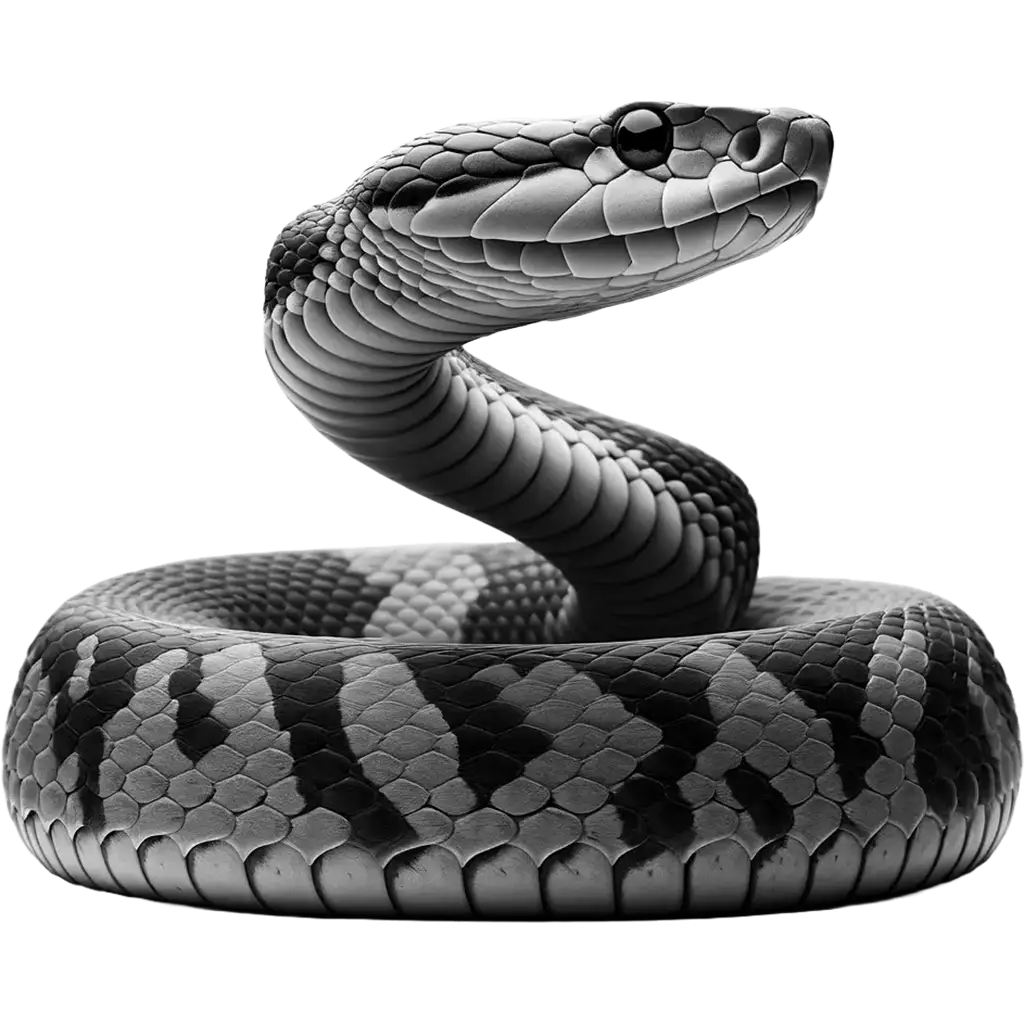
The Eastern copperhead, agkistrodon contortrix, is a venomous snake native to the eastern United States, recognized by its distinctive copper-colored head and patterned body. Adult copperheads typically measure between 60 to 90 cm (24 to 36 inches) in length, with a heavy, muscular build. Their bodies are adorned with crossbands that are chestnut to reddish-brown, bordered by darker colors, blending into the forest floor and leaf litter of their habitats. This camouflage makes them masters of ambush, waiting patiently for prey to come within striking distance. Copperheads inhabit a wide range of terrestrial and arboreal environments, including forests, rocky areas, and river floodplains. They are most active from late afternoon into the evening, particularly during the warmer months. Despite their venomous bite, copperheads are generally not aggressive towards humans and will often freeze or flee to avoid confrontation. Bites are usually the result of accidental encounters, with the snake's venom being less potent compared to other North American venomous snakes, resulting in a high rate of survival among bite victims. The diet of the Eastern copperhead consists mainly of small rodents, birds, lizards, and insects. They employ a 'sit-and-wait' hunting strategy, striking quickly when prey ventures too close, then waiting for the venom to take effect before consuming their meal. This predatory behavior plays a crucial role in controlling local rodent populations, contributing to the ecological balance. Reproduction in copperheads involves mating in the spring and late summer, with females giving birth to live young, typically between 2 to 10 offspring, in late summer or early fall. Young copperheads are born with a bright yellow-tipped tail, which they use as a lure to attract prey. The population of the Eastern copperhead is considered stable, though they face threats from habitat destruction and human encroachment. Their presence in suburban and rural areas often leads to conflicts with humans, underscoring the importance of public education on snake behavior and conservation. Conservation efforts focus on preserving natural habitats and promoting coexistence with these native reptiles, ensuring the continuation of their role within local ecosystems.
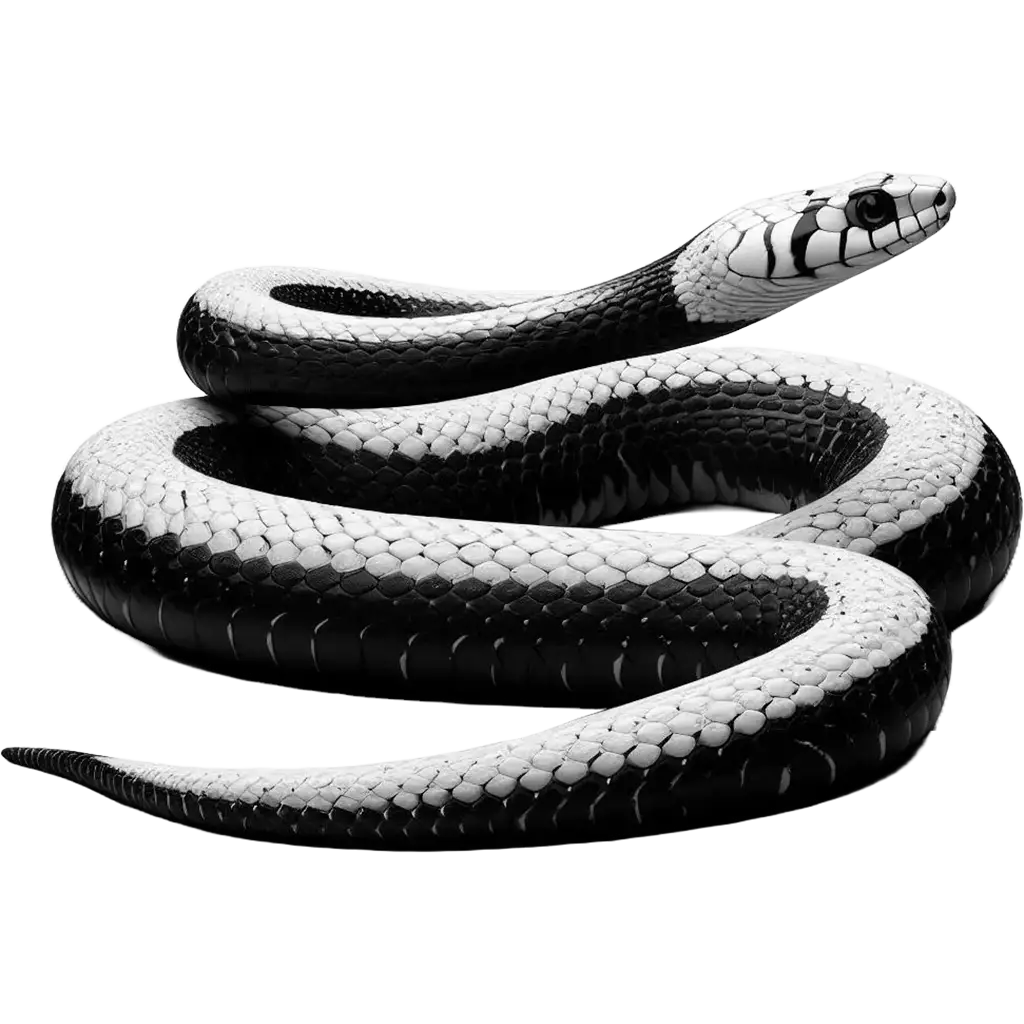
The Eastern Coral Snake, micrurus fulvius, is a highly venomous snake native to the southeastern United States. Characterized by its distinctive color pattern of black, yellow, and red bands, this slender snake can reach lengths of up to 30 inches (76 cm), though most are smaller. The vivid bands serve as a warning to predators about the snake's potent venom, with a common rhyme, 'red touch yellow, kill a fellow; red touch black, venom lack,' helping to distinguish it from non-venomous mimic species. The Eastern Coral Snake has a small head, rounded snout, and smooth scales, with a black nose being a key identifying feature. Eastern Coral Snakes inhabit a variety of habitats, including wooded areas, marshes, and pine flatwoods, preferring moist, covered areas such as leaf litter or loose soil where they can hide. They are secretive and elusive, rarely seen by humans due to their reclusive nature and tendency to avoid confrontation. These snakes are primarily diurnal, active during the day in cooler weather, but become more nocturnal in hot summer months. The diet of the Eastern Coral Snake mainly consists of other small snakes, lizards, and occasionally frogs. They use their potent neurotoxic venom to immobilize prey quickly, delivered through small, fixed fangs located at the front of the mouth. The venom disrupts the victim's nervous system, leading to paralysis and death, allowing the coral snake to consume its prey without struggle. Reproduction in Eastern Coral Snakes involves oviparous (egg-laying) reproduction, with females laying 2 to 12 eggs in the late spring or early summer. The eggs are deposited in hidden, moist places like rotting logs or under leaf litter, where they incubate for two to three months before hatching. The young snakes are fully venomous at birth, equipped with venom as potent as that of adults, and receive no parental care. The Eastern Coral Snake is considered to be of Least Concern in terms of conservation status, but like many species, it faces threats from habitat destruction and fragmentation. Its secretive nature and potent venom make it less likely to be collected for the pet trade, unlike many other exotic reptiles. Conservation efforts for the Eastern Coral Snake and its habitat are essential for maintaining the delicate balance of their ecosystems, emphasizing the importance of preserving biodiversity and natural habitats.
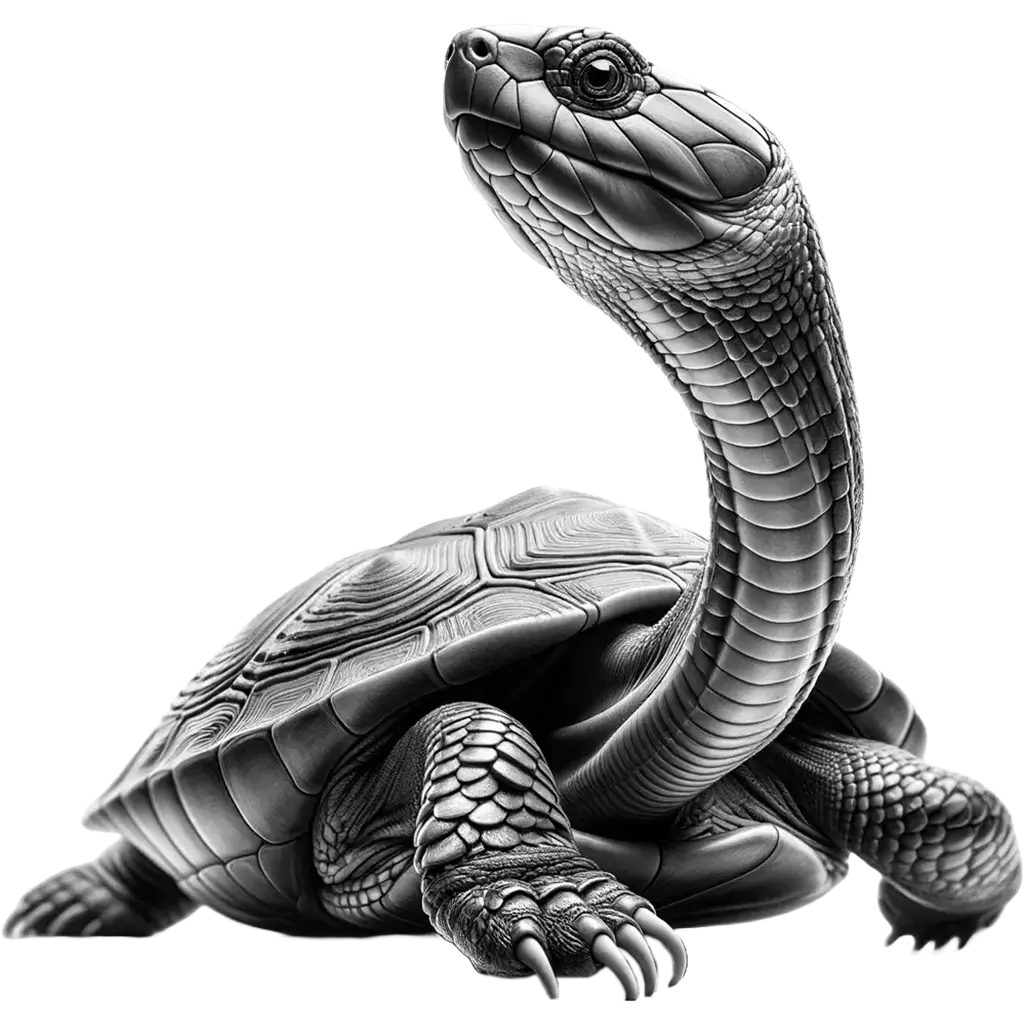
The Eastern Long-Necked Turtle, chelodina longicollis, is a distinctive species of freshwater turtle native to eastern Australia. Known for its remarkably long neck, which is almost as long as its shell, this turtle can reach a shell length of about 25 cm in adults. The shell is typically dark brown to black, while the skin ranges from dark grey to brown, with the neck often lighter in color. This species has webbed feet, aiding in its proficiency as a swimmer, and sharp claws for digging and defense. Eastern Long-Necked Turtles inhabit a wide range of freshwater environments, including rivers, lakes, swamps, and ponds. They are highly adaptable and can often be found in slow-moving or still waters where they can easily hunt for food. These turtles are predominantly aquatic but will travel overland, especially after rain, to find new water bodies or nesting sites. Their long necks, which they use to strike at prey, allow them to breathe at the surface without exposing much of their body, providing an advantage against predators. The diet of the Eastern Long-Necked Turtle primarily consists of aquatic invertebrates, such as insects and worms, as well as small fish and amphibians. They are ambush predators, using their elongated necks to quickly strike at passing prey. This diet reflects their role as important predators within their aquatic ecosystems, helping to maintain healthy waterways. Reproduction in Eastern Long-Necked Turtles involves the females laying eggs in nests dug into sandy or soft soil, usually close to water. Clutches typically contain 4 to 20 eggs, which are laid in the warmer months. The eggs undergo temperature-dependent sex determination, with the temperature during incubation influencing the sex of the hatchlings. This reproductive strategy allows for flexibility in sex ratios, depending on environmental conditions. The population of the Eastern Long-Necked Turtle is considered stable, though they face threats from habitat destruction, pollution, and predation by introduced species such as foxes. Conservation efforts focus on habitat protection, pollution control, and reducing road mortality. This species is a common and beloved sight in eastern Australia, playing a vital role in the health of freshwater ecosystems.
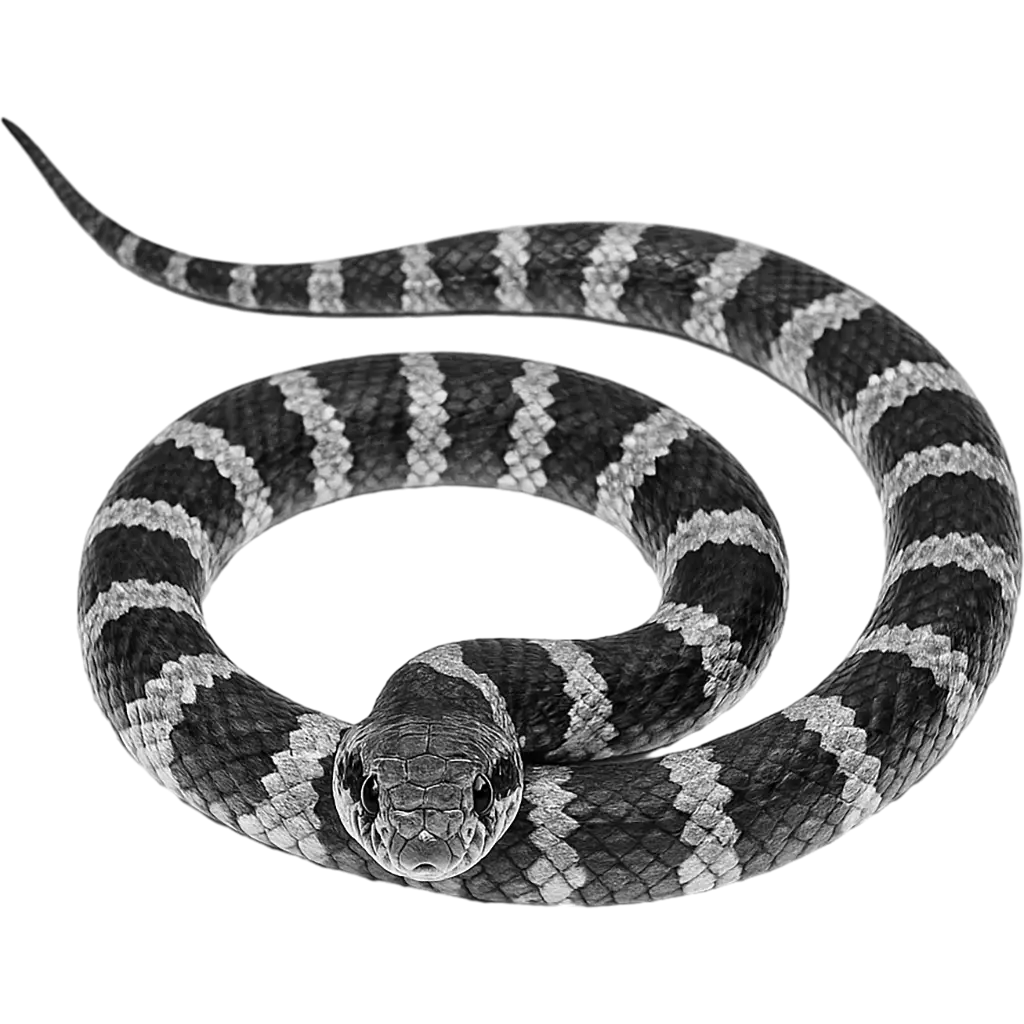
The Eastern Milk Snake boasts a sleek, elongated body adorned with bold, contrasting bands of red, black, and cream. Its smooth, glossy scales reflect light as it glides effortlessly over varied terrains, and its triangular head merges seamlessly with a slender, sinuous form. The natural banding not only adds striking visual appeal but also serves as an effective camouflage in its environment. The Eastern Milk Snake is diurnal and highly active, often seen basking on rocks and tree stumps in search of warmth and prey. It roams a variety of habitats from woodlands to farmlands, moving with a quiet, methodical grace. Adaptable and alert, this snake uses its acute senses to navigate complex terrains and avoid potential threats. Its solitary nature is balanced by territorial behaviors that ensure sufficient resources for survival. This snake's diet centers on small rodents, lizards, and eggs, which it captures with precision and constriction. Employing a combination of stealth and rapid striking ability, it secures its meal before beginning the digestion process that efficiently extracts vital proteins and nutrients. Its predatory habits are essential for controlling small animal populations in its ecosystem. During the breeding season, Eastern Milk Snakes engage in brief but essential mating encounters. Males exhibit subtle undulations and vibrational cues to attract receptive females. Courtship involves tail intertwining and gentle contact that facilitates the exchange of sperm, ensuring genetic diversity and successful reproduction. Observations indicate that Eastern Milk Snakes maintain healthy populations across diverse regions. Although threats like habitat loss and road mortality exist, their adaptive behavior and broad ecological tolerance support stable numbers and ongoing resilience in the wild.