
Exquisite Animals
Whether you have a particular animal in mind or you're interested in exploring the diverse range of species we feature, you've arrived at the perfect destination; enjoy full access to our extensive collection.
Filters
- Invertebrates (42)
- Fish (49)
- Amphibians (15)
- Reptiles (43)
- Mammals (228)
- Birds (185)
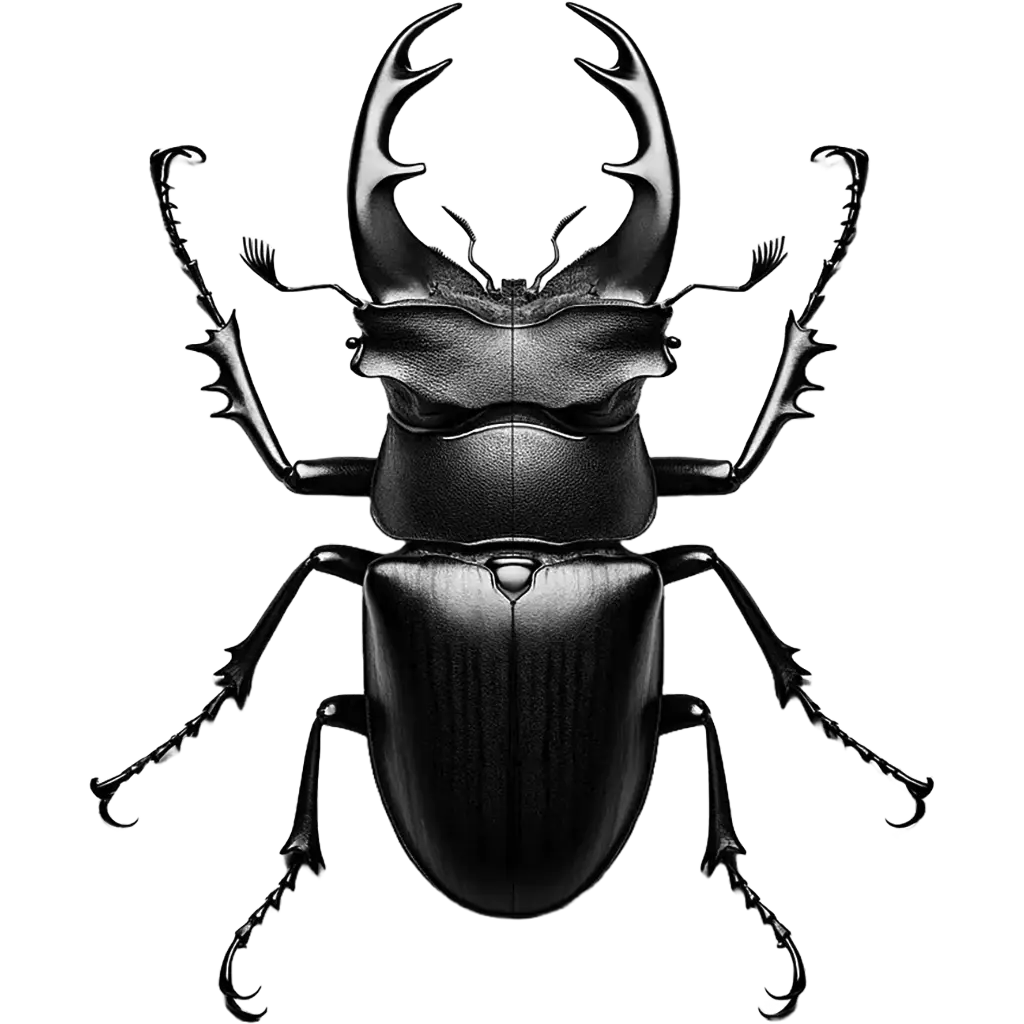
The Aegus Beetle, aegus laevicollis, a genus of stag beetles, belonging to the family Lucanidae, is one of the most recognizable and spectacular of beetles, known for the impressive, oversized mandibles of the males, which resemble the antlers of a stag, hence their name. These mandibles are used in combat with other males over mating rights, making them a unique example of sexual dimorphism in the insect world. Stag Beetles can vary significantly in size, with some species' males reaching up to 12 cm in length, though most are between 2 to 7 cm. Their body is typically black, brown, or reddish-brown, with a shiny, hard exoskeleton. Stag Beetles are found in woodlands, forests, and gardens across Europe, Asia, and North America. They prefer habitats with a plentiful supply of decaying wood, which is crucial for the larvae's development. The larvae, which can be up to 8 cm long, feed on this decomposing wood for several years before pupating and emerging as adults. This lengthy larval stage plays a vital role in the ecosystem, aiding in the decomposition process and nutrient cycling. The diet of adult Stag Beetles primarily consists of sap, fruit, and tree juices. Unlike their larvae, which are detritivores, the adults are not dependent on decaying wood for nutrition. Instead, they often feed on the sap from damaged trees, using their mandibles to access it. Reproduction in Stag Beetles involves a fascinating display of male combat, where they use their mandibles to wrestle and flip opponents. After mating, females lay their eggs in or on the ground near decaying wood, where the larvae will have immediate access to food upon hatching. This reproductive strategy ensures the continuation of the species and the ongoing process of wood decomposition in their habitats. The population of Stag Beetles is considered vulnerable in some areas due to habitat loss, pollution, and the removal of dead wood from forests, which reduces larval feeding sites. Conservation efforts focus on protecting natural habitats, promoting the retention of dead wood in forests, and raising awareness about the ecological importance of these remarkable insects. Despite their fearsome appearance, Stag Beetles are harmless to humans and play a crucial role in their ecosystems.
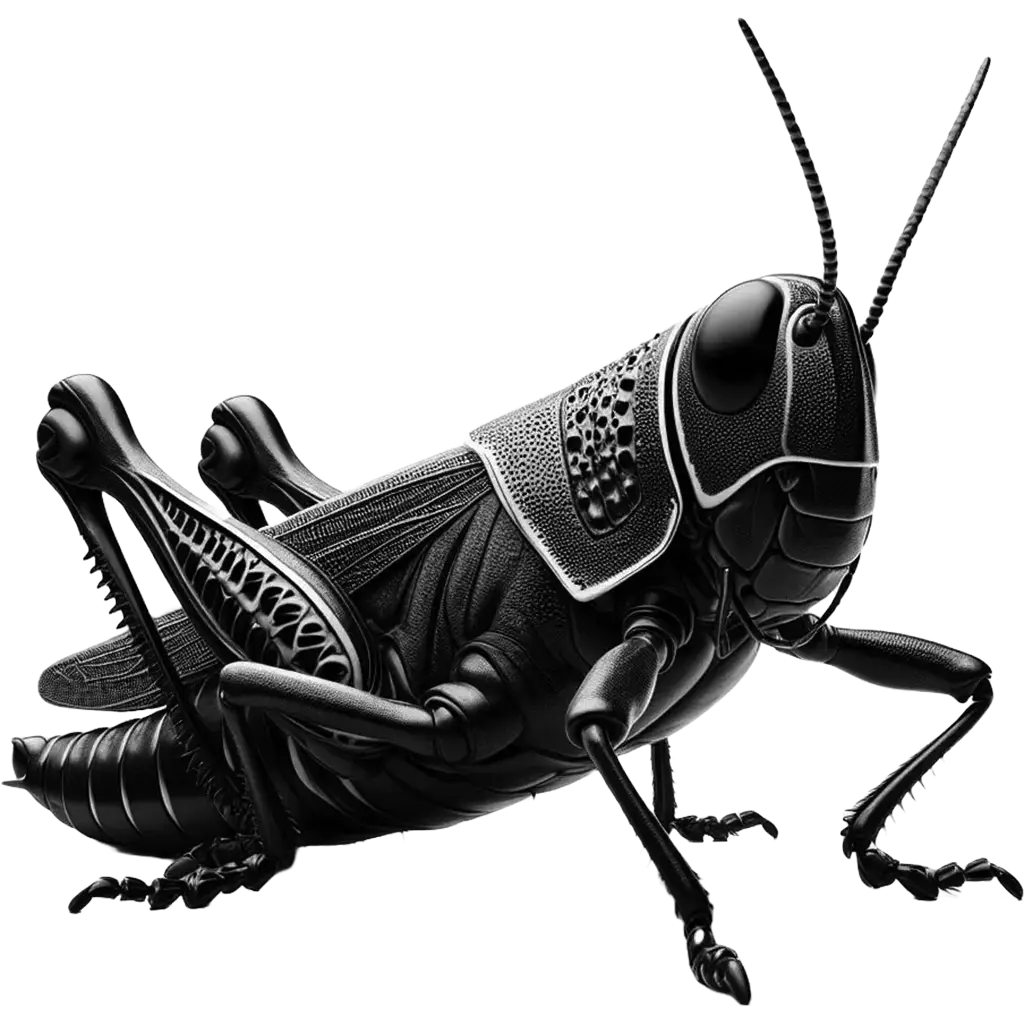
The American Grasshopper, schistocerca americana, is a robust insect known for its sizeable body and striking coloration, which ranges from yellow to olive-green, often with black or brown markings that provide camouflage in their natural grassland habitats. Adults can grow up to 2.5 inches (about 6.35 cm) in length, making them one of the larger grasshopper species in North America. Their powerful hind legs are not only adapted for jumping great distances but also feature sharp edges that can be used for defense. The wings, when extended, reveal a more delicate, sometimes brightly colored underwing, contrasting with their otherwise earthy tones. This visual warning is part of their defense strategy against predators, alongside their ability to fly short distances to escape threats. American Grasshoppers are highly adaptable and can be found in a variety of environments across the United States, from grasslands to agricultural fields, where they sometimes become significant pests. They exhibit a solitary phase under normal population densities but can become gregarious and form large swarms under favorable environmental conditions, leading to extensive crop damage. These insects are diurnal, most active during the day, especially in warm, sunny weather, which energizes them for feeding and mating. Their lifecycle includes several stages, from egg to nymph to adult, with the nymphs resembling smaller, wingless versions of the adults. The entire lifecycle can span a single season, with eggs laid in the soil surviving through the winter to hatch in spring. The diet of the American Grasshopper is primarily herbivorous, consisting of a wide range of plants, including grasses, weeds, and crops. This diverse diet allows them to thrive in many environments but also makes them a threat to agriculture. They have mandibles designed for chewing tough plant material, and when food is abundant, they can consume large quantities, contributing to their potential as pests. However, in natural settings, they play a vital role in the ecosystem by controlling plant growth and serving as a food source for various predators. Mating habits of the American Grasshopper involve males attracting females through a series of calls and displays, which may include wing flicking and producing a characteristic sound by rubbing their hind legs against their wings. After mating, females lay eggs in the soil, where they remain overwinter until environmental conditions trigger hatching. This reproductive strategy ensures that the next generation can take advantage of the spring growth of vegetation, providing ample food for the newly hatched nymphs. The population dynamics of the American Grasshopper are influenced by weather conditions and available food sources, with numbers fluctuating from year to year. While they are not considered endangered, their populations can experience dramatic changes due to agricultural practices, such as the use of pesticides and habitat modification. Despite these challenges, the American Grasshopper remains a common and resilient species, capable of adapting to a changing environment and continuing to play a crucial role in its ecosystem.
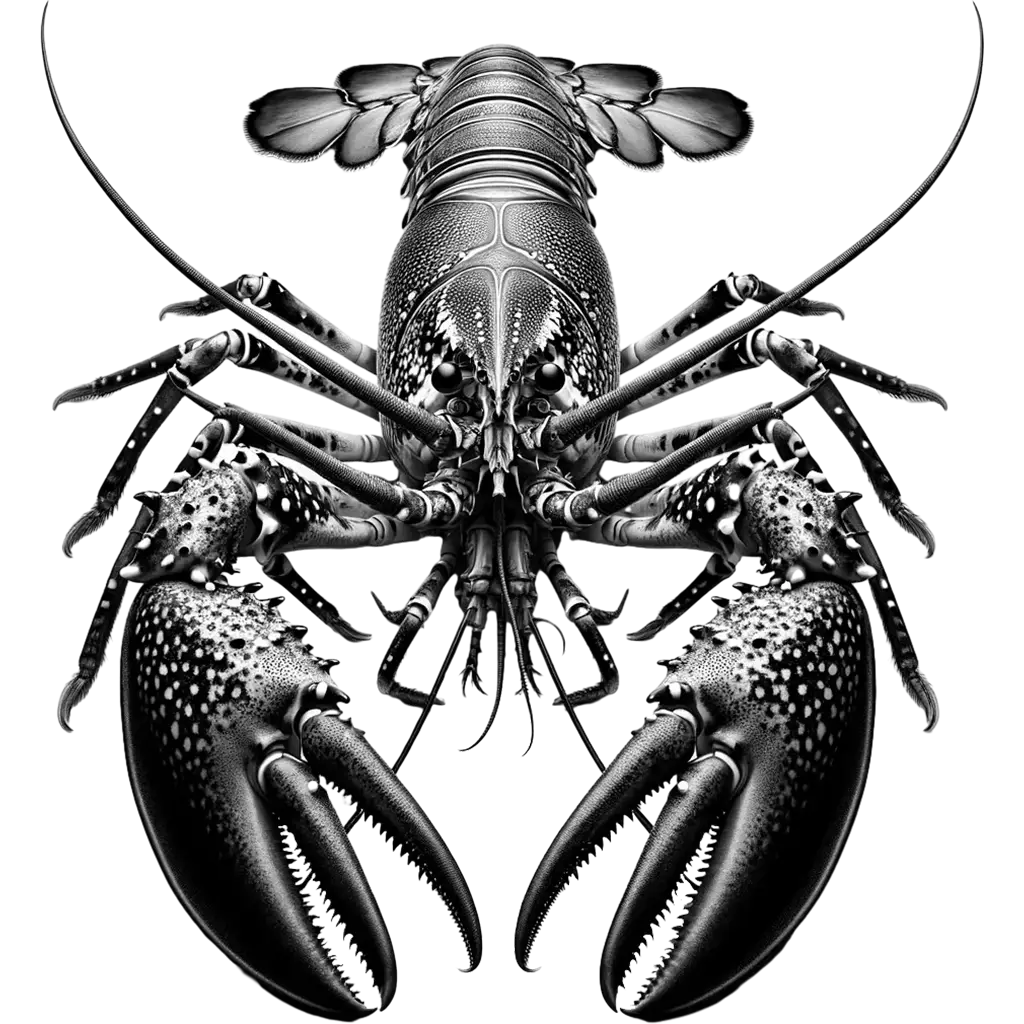
The American Lobster, homarus americanus, is a large marine crustacean found along the Atlantic coast of North America, from Labrador to New Jersey. It is distinguished by its heavy, segmented body covered in a hard exoskeleton, two large claws (one larger and one smaller, specialized for crushing and cutting), and a series of smaller limbs. Adults can grow to more than 60 centimeters in length and weigh over 20 kilograms, although sizes around a third of that are more common. The coloration of American Lobsters can vary widely, including shades of blue, green, brown, and even occasionally yellow or white, though they all turn bright red when cooked. American Lobsters are bottom-dwellers, preferring rocky environments where they can hide from predators. They are nocturnal, spending the day in burrows or crevices and emerging at night to feed. These lobsters are highly territorial and use their claws to fight for dominance and habitat. They are capable of a fascinating behavior known as autotomy, where they can detach a limb to escape predators or fights, with the ability to regenerate it over time. Their life cycle involves several larval stages before settling to the bottom and growing into adulthood, a process that can take 5 to 8 years. The diet of the American Lobster is omnivorous, consisting of fish, small crustaceans, mollusks, and occasionally plant matter. They use their powerful claws to capture, crush, and tear their prey before consuming it. This varied diet is crucial for their growth and the development of their hard exoskeleton, which they must periodically molt and regenerate as they grow larger. Molting is a vulnerable time for lobsters, as they shed their old shell and grow a new one, requiring them to hide from predators until their new exoskeleton hardens. Mating occurs shortly after the female molts, when her exoskeleton is still soft. The male deposits a spermatophore, or sperm packet, into the female, which she can store for up to a year before using to fertilize her eggs. Females carry the fertilized eggs attached to their swimmerets under their tail for 9 to 12 months before they hatch into planktonic larvae. These larvae go through several molting stages in the open water before settling to the bottom and starting their benthic life. The population of the American Lobster has seen fluctuations due to overfishing, environmental changes, and disease. However, strict regulations and conservation efforts, including size limits, protection of breeding females, and restrictions on fishing methods, have helped stabilize and even increase lobster populations in some areas. The American Lobster is not only an important species ecologically but also economically, as a valuable seafood commodity, making its sustainability a priority for both conservationists and the fishing industry.
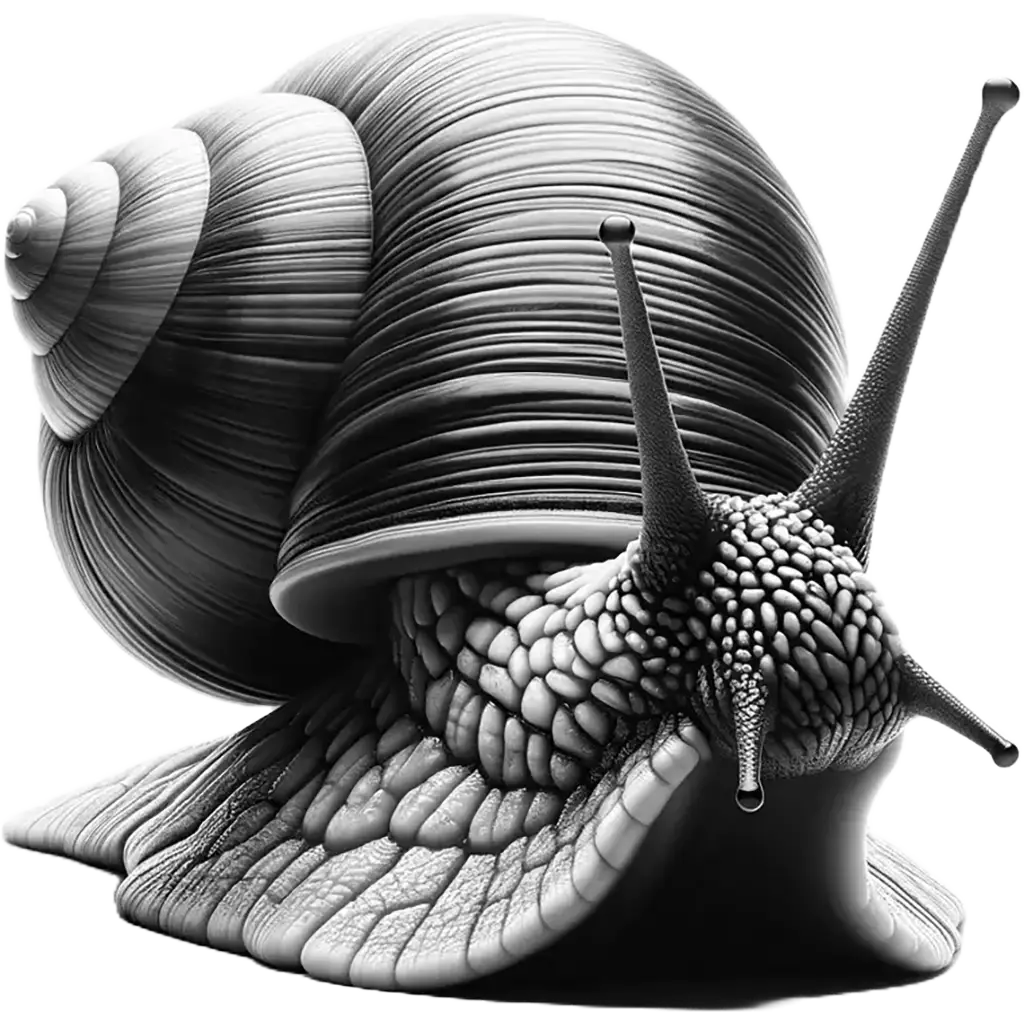
The Burgundy Snail, helix pomatia, also known as the Roman snail or edible snail, is a terrestrial pulmonate gastropod mollusk. It is one of the largest snail species, with a shell diameter of about 4 to 5 cm and a height of 4 to 6 cm. The shell is globular in shape, typically light brown or cream in color with darker brown spiral bands. These snails are distinguished by their large size, the distinctive coloring of their shells, and a white, calcareous lip around the shell's opening. Native to Europe, the Burgundy Snail inhabits a wide range of environments, from forests and gardens to vineyards, where it prefers calcium-rich, moist soil for burrowing and hibernation. It is known for its slow movement and nocturnal habits, emerging at night or after rain to feed and mate. During the day, it often retreats into its shell, sealing the opening with a layer of mucus to maintain moisture. The diet of the Burgundy Snail primarily consists of fresh vegetation, including leaves, stems, and flowers of numerous plant species, making it a herbivore. It plays a significant role in the ecosystem by decomposing dead organic matter and recycling nutrients back into the soil, although it can be considered a pest in agricultural and garden settings due to its consumption of cultivated plants and vegetables. Reproduction in Helix pomatia is hermaphroditic, meaning each individual possesses both male and female reproductive organs. Mating occurs in late spring or early summer, followed by the laying of 40 to 50 eggs in moist soil. These snails have a unique reproductive behavior, including a courtship ritual that can last several hours. The population of the Burgundy Snail has been declining in some areas due to over-collection for culinary use, habitat loss, and pesticide use. It is considered a delicacy in French cuisine, known as 'escargot,' and is harvested under strict regulations in some regions to ensure sustainability. Conservation efforts are aimed at protecting its natural habitat and regulating harvesting practices to prevent further decline. The Burgundy Snail's role in traditional cuisine has also sparked interest in snail farming (heliculture) as a means to satisfy culinary demand while conserving wild populations.
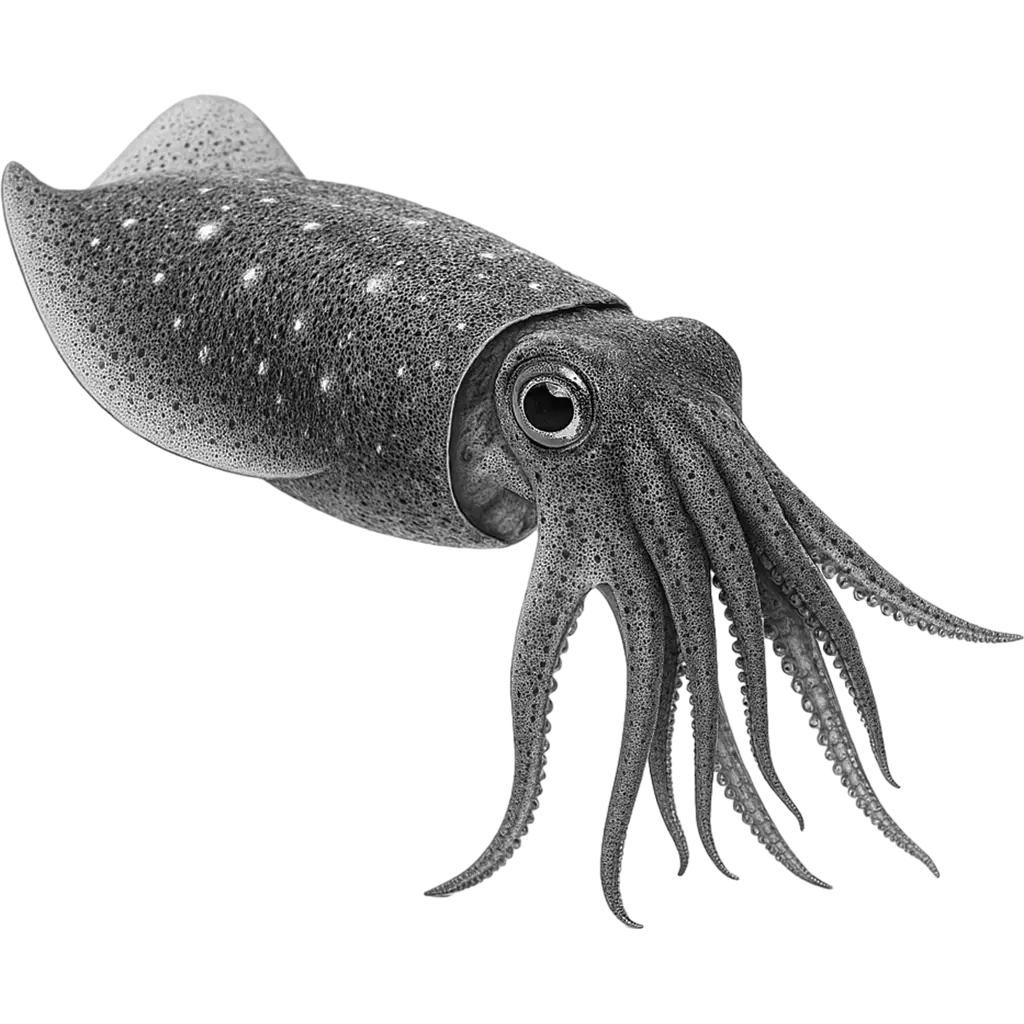
The Caribbean Reef Squid exhibits a sleek, elongated body with a soft mantle that shimmers in silvery hues and iridescent blues. Its large eyes and a crown of retractable tentacles, each lined with tiny suckers, give it an otherworldly appearance. The flexible skin rapidly changes color, enabling it to blend with vibrant coral backgrounds, while its streamlined shape aids swift, fluid movements in the water. The Caribbean Reef Squid is highly active, known for its dynamic lifestyle in complex reef systems. It often moves in small, transient groups, yet maintains a solitary streak when hunting. Using jet propulsion, it zips through coral outcrops and open waters, displaying remarkable agility and responsiveness. These squid exhibit intricate behaviors, such as rapid color shifts to communicate or to warn off rivals. This adaptability enables them to efficiently exploit the abundant resources of their warm, tropical environment, making them resilient and integral to the reef ecosystem. The diet of the Caribbean Reef Squid predominantly comprises small fish, crustaceans, and other invertebrates. It employs sudden bursts of speed and stealth to ambush prey, ensuring high energy intake to support its vigorous lifestyle. Rich in proteins and essential nutrients, its food sources sustain both growth and quick reflexes. This opportunistic carnivorous approach plays a key role in regulating prey populations, contributing to the overall balance and health of coastal marine habitats. During mating, Caribbean Reef Squid engage in elaborate displays marked by rapid color changes and synchronized movements. Males and females participate in a complex courtship, with males often showcasing vibrant patterns to attract partners. These encounters are brief yet intense, with minimal parental involvement once eggs are laid, and the fertilization process is external, occurring in the surrounding water. The courtship rituals are highly competitive, ensuring only the fittest secure successful mating. The Caribbean Reef Squid is known for its large, stable population throughout the Caribbean region. Populations tend to fluctuate seasonally with water temperature and food availability, yet remain abundant overall. Continuous research confirms their widespread presence in diverse coastal habitats, making them a vital component of the marine food web and an indicator of ecosystem health. Recent surveys consistently show that their numbers remain robust across various ecological zones.
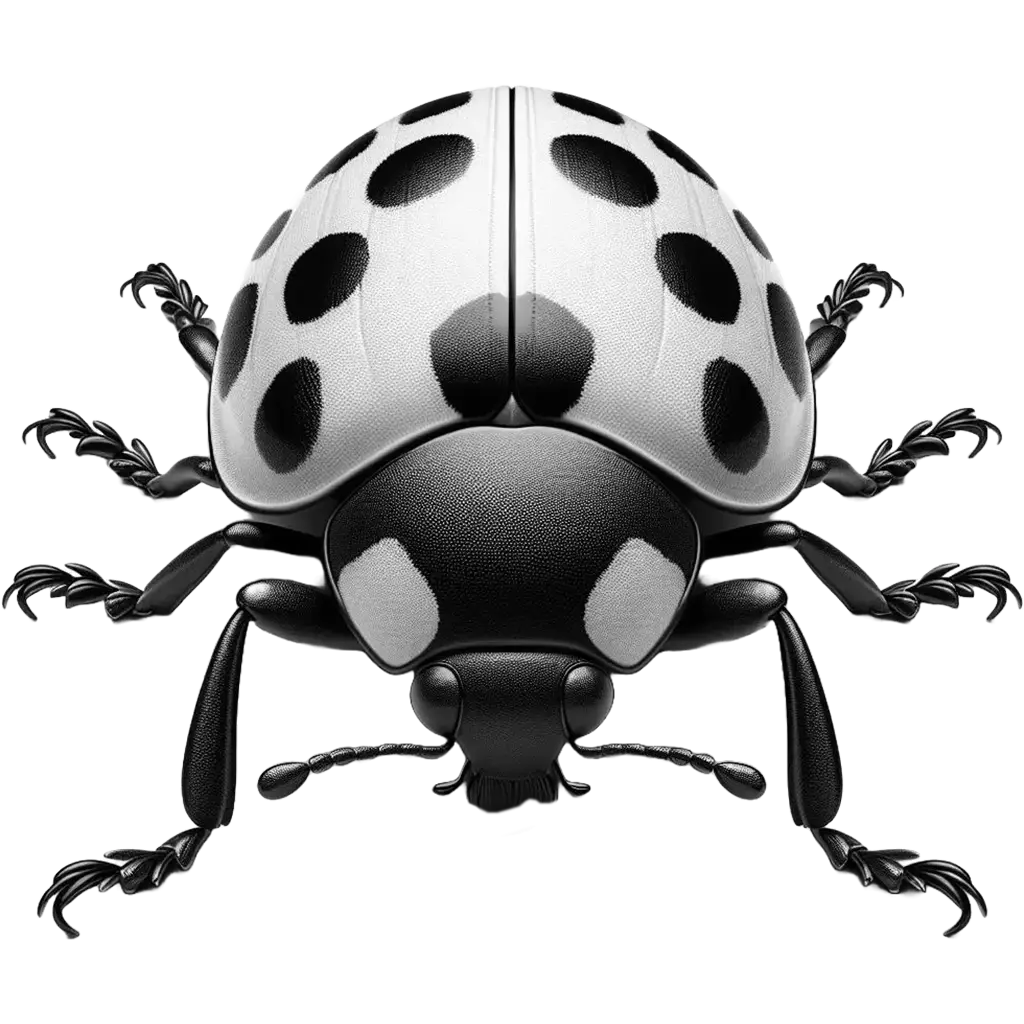
Common Ladybugs, coccinella septempunctata, are celebrated for their vibrant colors and beneficial role in agriculture and gardens worldwide. These small beetles, often characterized by their red and black spotted appearance, vary greatly in color and pattern, with hues ranging from yellow to orange and even black. Ladybugs are compact and dome-shaped, with a size ranging from 1 to 10 mm, depending on the species. Their distinctive spots and bright colors serve as a warning to predators about their bitter taste and potential toxicity. Found in diverse habitats including forests, fields, grasslands, and gardens, Ladybugs are incredibly adaptable. They are most active during warm months, engaging in their crucial role as natural pest controllers. By consuming vast quantities of aphids, scale insects, and other plant-damaging pests, they help maintain the health of plants and reduce the need for chemical pesticides. The diet of Ladybugs primarily consists of aphids and other soft-bodied insects, which makes them invaluable allies in controlling pest populations. A single Ladybug can consume up to 5,000 aphids in its lifetime, showcasing their efficiency as natural predators. Some species also feed on fungal growths and plant material, exhibiting a wide range of feeding habits within the family. Reproduction in Ladybugs involves the laying of eggs in clusters or rows on the underside of leaves, typically in close proximity to aphid colonies. This strategic placement ensures that emerging larvae have immediate access to food. The lifecycle of a Ladybug, from egg to adult, encompasses several stages: egg, larva, pupa, and adult, with the entire process taking about four to six weeks to complete. The population of Ladybugs is generally stable, but certain species have experienced declines due to habitat loss, pesticide use, and competition from invasive species. Conservation efforts focus on promoting organic farming practices, which help preserve Ladybug habitats and food sources. Ladybugs are not only a symbol of good luck in many cultures but also an indicator of a healthy, balanced ecosystem, emphasizing the importance of their conservation.

The Common Octopus, octopus vulgaris, is a highly intelligent and adaptable cephalopod found in a variety of marine environments around the world, from tropical waters to temperate seas. This species is characterized by its bulbous head, eight long arms lined with suction cups, and a mantle that can dramatically alter its shape and color for camouflage and communication. Adult Common Octopuses can vary significantly in size, with an arm span of up to 1 meter and a body weight that can reach up to 9 kilograms. Their skin is capable of instantaneously changing texture and color thanks to specialized cells called chromatophores, allowing them to blend into their surroundings with astonishing precision. Common Octopuses inhabit a range of underwater environments, including coral reefs, seabeds, and rocky crevices, at depths of up to 200 meters. They are solitary creatures, each establishing its own den as a base from which to hunt and as a safe retreat from predators. These octopuses are known for their remarkable problem-solving abilities, use of tools, and capacity to escape enclosures, demonstrating a level of intelligence considered unusual for invertebrates. They are mostly nocturnal, hunting at night with a diet that includes crabs, mollusks, and small fish, captured using their arms and the element of surprise. The diet of the Common Octopus is predominantly carnivorous, relying on stealth and dexterity to catch prey. They employ various hunting strategies, including pouncing on prey, sneaking up from beneath, or using their arms to probe into crevices. After capturing their meal with their suction cups, they use a powerful beak to crack shells and a venomous saliva to subdue and digest their food. Reproduction for the Common Octopus involves a unique and ultimately fatal life cycle. Males use a specialized arm called the hectocotylus to transfer sperm packets to the female. After mating, the female lays thousands of eggs in a protected area and guards them diligently, aerating and cleaning them until they hatch. During this period, the female does not eat and dies shortly after the eggs hatch, a characteristic life strategy known as semelparity. The hatchlings are fully independent, drifting as plankton before settling on the ocean floor to begin their solitary lives. The Common Octopus is considered to be of least concern by conservation standards, with a widespread distribution and a high reproductive rate. However, they face threats from overfishing and habitat destruction. Their short lifespan, typically only one to two years, necessitates rapid growth and early reproduction. Conservation efforts are focused on sustainable fishing practices and the protection of marine habitats to ensure the ongoing survival and health of octopus populations around the globe.

The Common Starfish, asterias rubens, is a widely recognized marine invertebrate found across the North Atlantic, from the Arctic Ocean to the Mediterranean Sea. This species typically exhibits five arms radiating from a central disc, though specimens with more arms can occasionally be found. The Common Starfish can reach a diameter of up to 30 cm, making it one of the larger starfish species in its range. Its upper surface is covered in short spines and is usually orange, brown, or sometimes purple in color, helping it blend into the sandy or rocky seabed. Common Starfish inhabit a variety of marine environments, from tidal pools to depths of several hundred meters. They are benthic creatures, spending the majority of their time on the sea floor where they are adept at climbing over rocks and navigating through seaweed. This species is known for its remarkable ability to regenerate lost arms, a process that can take several months. The diet of the Common Starfish consists mainly of mollusks, including mussels, clams, and oysters. They are capable of exerting considerable force to pry open the shells of their prey, then extending their stomachs out of their mouths to digest the soft tissues inside. This feeding behavior has significant ecological implications, as it helps control the population of bivalves and maintain the balance within marine ecosystems. Reproduction in the Common Starfish occurs through external fertilization, with both males and females releasing their gametes into the water column where fertilization takes place. The resulting larvae are planktonic, drifting in the ocean currents for several weeks before settling on the seabed and undergoing metamorphosis into the adult form. The population of the Common Starfish is considered stable and is not currently at risk. However, it faces threats from pollution, habitat destruction, and the impacts of climate change on ocean temperatures and currents. Conservation efforts focus on protecting marine habitats and monitoring the health of starfish populations, which are indicators of the overall health of marine ecosystems.
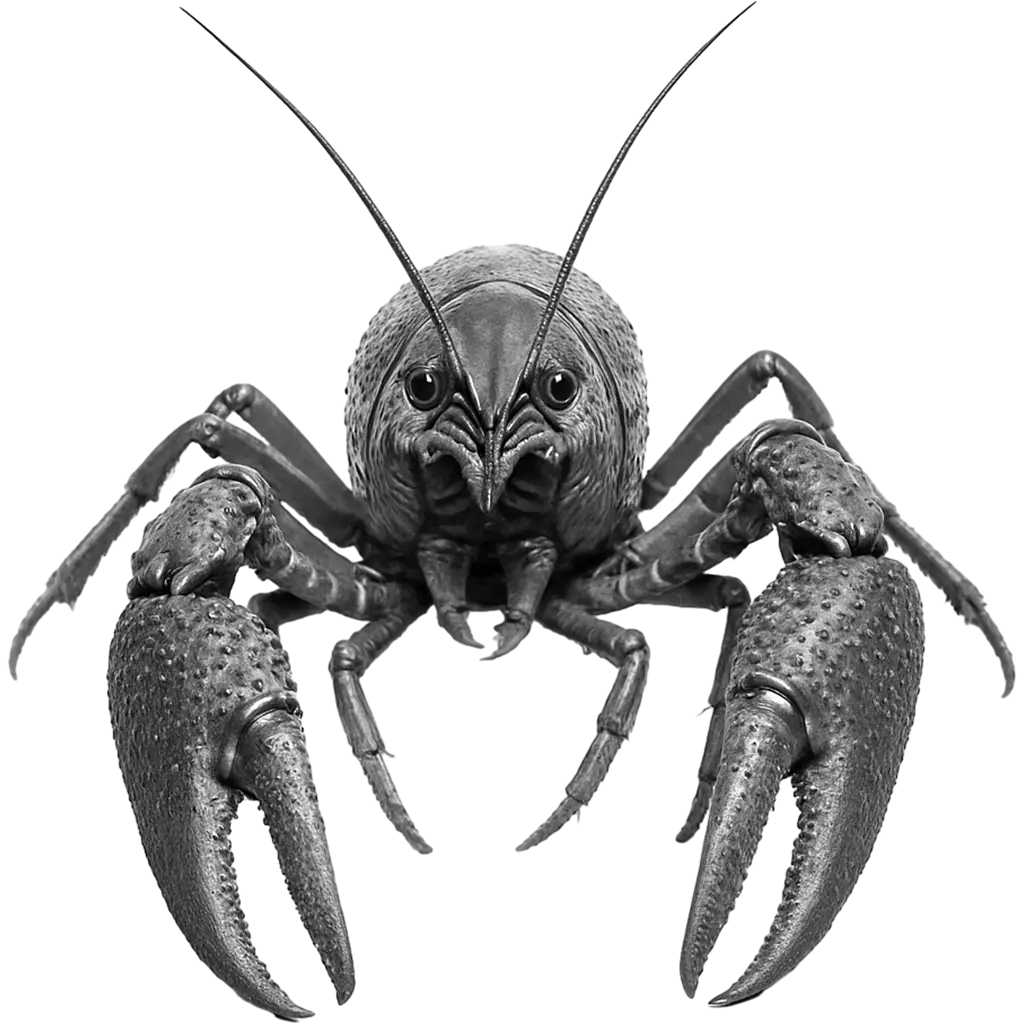
The common yabby is characterized by a robust, segmented body with a sturdy exoskeleton that provides protection. Its limbs are adorned with prominent, clawed pincers and sensitive antennae. The organism features a fan-like tail which aids in swift aquatic movements. Its coloration is usually mottled brown and green, perfectly blending with its freshwater habitat. The body structure, from the rigid shell to the dexterous claws, exemplifies nature's ingenious design for survival in water. The common yabby is an active and resilient freshwater invertebrate that spends most of its time exploring the riverbed and lake floors. It is known for its methodical and deliberate movements, often scuttling along the substrate in search of food or a safe hiding spot. Its behavior includes burrowing into soft sediments to create shelters and escape from predators. This species is nocturnal and becomes more active during the early hours of dawn and dusk when water is cooler. During these periods, it engages in subtle social interactions with other individuals. Its alert nature and careful foraging habits help it adapt to changes in its environment, while its ability to retreat into narrow crevices underscores its survival strategy in variable freshwater conditions. The common yabby is an opportunistic feeder with a varied diet that provides the essential nutrients required for its active lifestyle. It scavenges for detritus, consuming decaying plant matter and organic debris from the bottom of water bodies. In addition to scavenging, it actively forages for algae and small invertebrates, ensuring a balanced intake of proteins, fibers, and minerals. This dietary strategy not only fuels its high metabolic rate but also plays an integral role in maintaining the cleanliness and ecological balance of its environment. Its feeding process involves using its claws to explore crevices and sift through sediment, allowing it to extract nutrients efficiently. This multifaceted approach to nutrition enables the yabby to thrive even in environments where food sources are sporadic or nutrient levels fluctuate significantly. During mating seasons, common yabbies engage in brief, competitive encounters that prioritize timing and physical agility. Males display subtle body movements and extend their claws to signal readiness, while females choose partners based on overall vitality. The mating process is swift, ensuring that fertilization occurs promptly, with minimal energy expenditure dedicated to prolonged courtship. This concise ritual fosters genetic diversity and ensures rapid reproduction. The common yabby boasts a healthy and widespread population throughout its native freshwater ecosystems. Despite pressures from habitat alteration and overexploitation in some regions, populations remain robust due to their high reproductive rates and adaptability. Continuous monitoring shows that while localized declines may occur, overall numbers are stable, ensuring the species continues to flourish across diverse aquatic habitats in Australia.
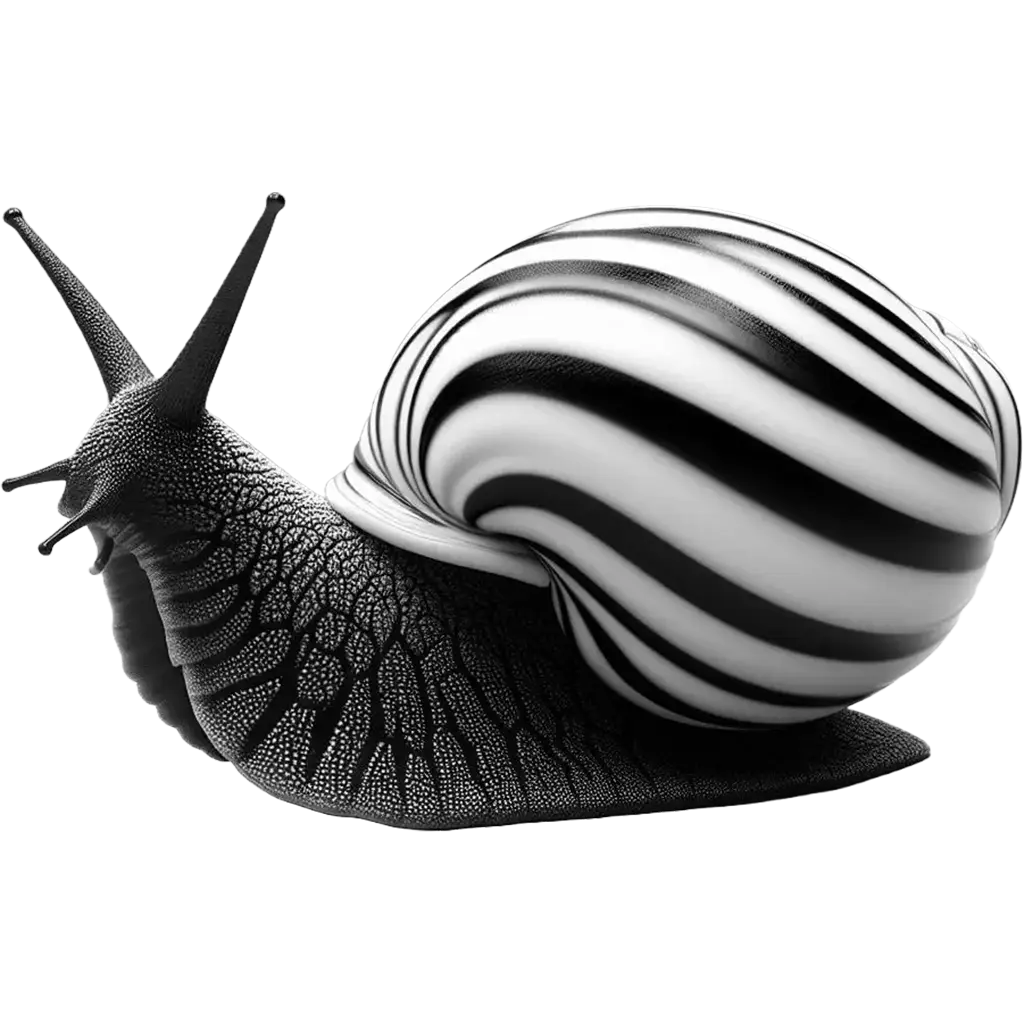
The Cowry Snail, cypraea tigris, often simply referred to as the Tiger Cowry, is a marine gastropod renowned for its highly polished, beautifully patterned shell. This species is widespread across the tropical and subtropical waters of the Indo-Pacific region, from the east coast of Africa, across the Indian Ocean, to the central Pacific Ocean. The shell of the Tiger Cowry can reach up to 15 centimeters in length, making it one of the largest cowry species. Its smooth, elongated oval shell features a glossy finish with a distinctive pattern of dark brown spots on a cream or yellowish background, resembling a tiger's coat, hence its common name. Tiger Cowries prefer coral reef environments, where they hide during the day and emerge at night to feed. They are often found in shallow waters but can also inhabit depths of up to 20 meters. The snail's body is enveloped by a mantle, which extends over the shell when the animal is active, secreting substances that help maintain the shell's lustrous appearance. The diet of the Cowry Snail is diverse, including algae, coral polyps, and small invertebrates. They use a specialized radula (a toothed, ribbon-like tongue) to scrape and consume food from hard surfaces, playing a role in the ecosystem by helping control algae growth and contributing to the health of coral reefs. Reproduction in Cowry Snails involves the laying of eggs in protective capsules, which the female attaches to the underside of rocks or coral. Each capsule contains numerous eggs, from which larvae emerge and undergo a planktonic stage before settling to the bottom and developing into juvenile snails. This reproductive strategy contributes to their wide distribution across tropical and subtropical seas. The Tiger Cowry is not currently considered endangered, but it faces threats from habitat destruction, particularly the degradation of coral reefs, and from collection for the ornamental shell trade. Despite these challenges, the species remains relatively abundant in suitable habitats. Conservation efforts for coral reefs indirectly benefit the Tiger Cowry by preserving its natural habitat and the biodiversity of reef ecosystems.
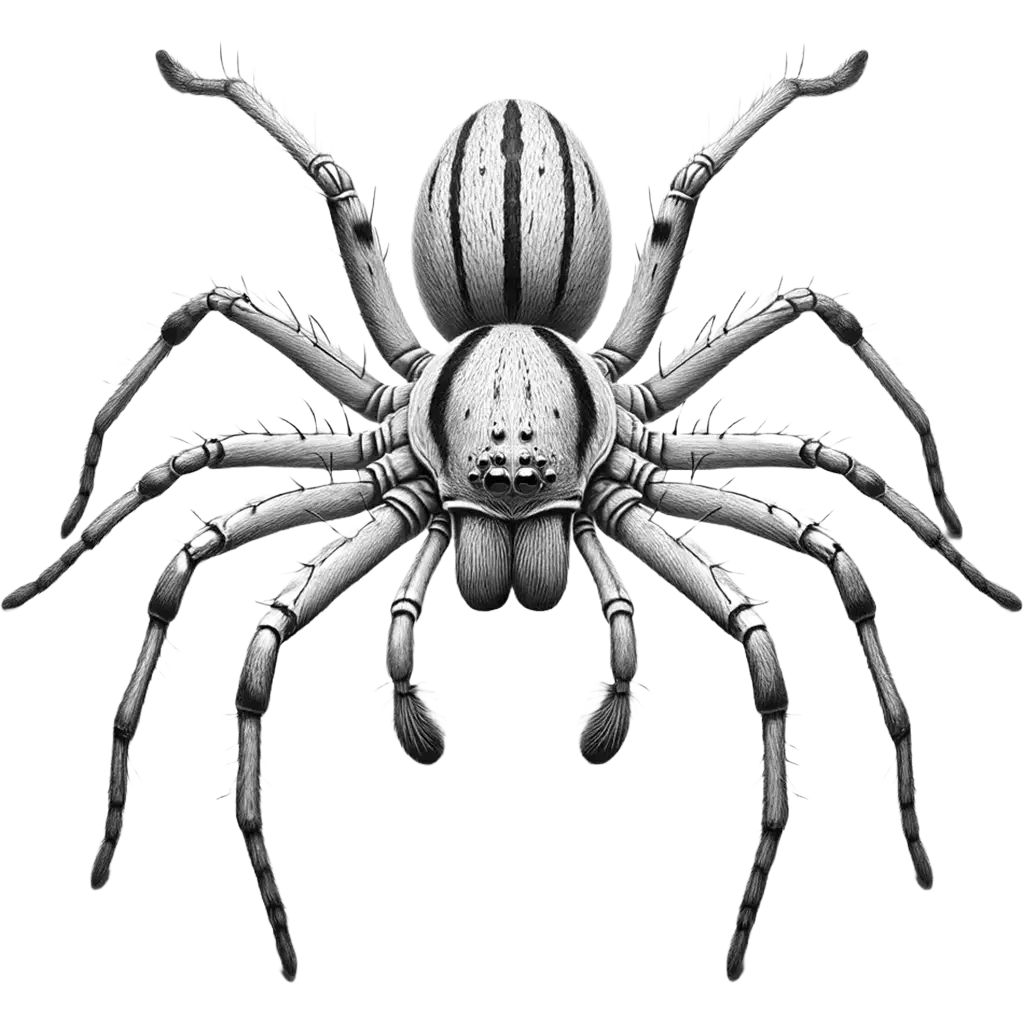
The Diving Bell Spider, argyroneta aquatica, stands out as the only spider known to live almost entirely under water. Adults typically measure between 10 to 15 mm in length, with females generally larger than males. Their coloration ranges from dark grey to brown, with a velvety appearance due to fine hairs covering their body and legs. These hairs help trap air, giving the spider a silvery sheen when submerged. Found in freshwater ponds, streams, and marshes across Europe and parts of Asia, the Diving Bell Spider creates a unique underwater 'diving bell' web, which it fills with air carried down from the surface. This bubble acts as a gill, allowing the spider to extract oxygen from the water, and serves as a habitat for eating, molting, mating, and raising offspring. This remarkable adaptation enables the spider to spend its entire life underwater. The diet of the Diving Bell Spider primarily consists of aquatic invertebrates, such as mosquito larvae and small crustaceans. They are ambush predators, waiting within or near their bubble to catch prey that swims too close. Their underwater web also helps to trap air bubbles released by fermenting organic matter, which can attract prey. Reproduction involves the male preparing a smaller diving bell adjacent to the female's, where courtship and mating occur. The female lays her eggs inside her bell, where she guards them until they hatch. The spiderlings are born with the ability to form their own miniature air bubbles, enabling them to disperse underwater. The population of the Diving Bell Spider is considered stable, though it is susceptible to threats from water pollution and habitat destruction. These spiders are indicators of clean, oxygen-rich water and play a role in controlling mosquito populations. Conservation efforts for Argyroneta aquatica emphasize the importance of maintaining healthy freshwater ecosystems and promoting biodiversity.
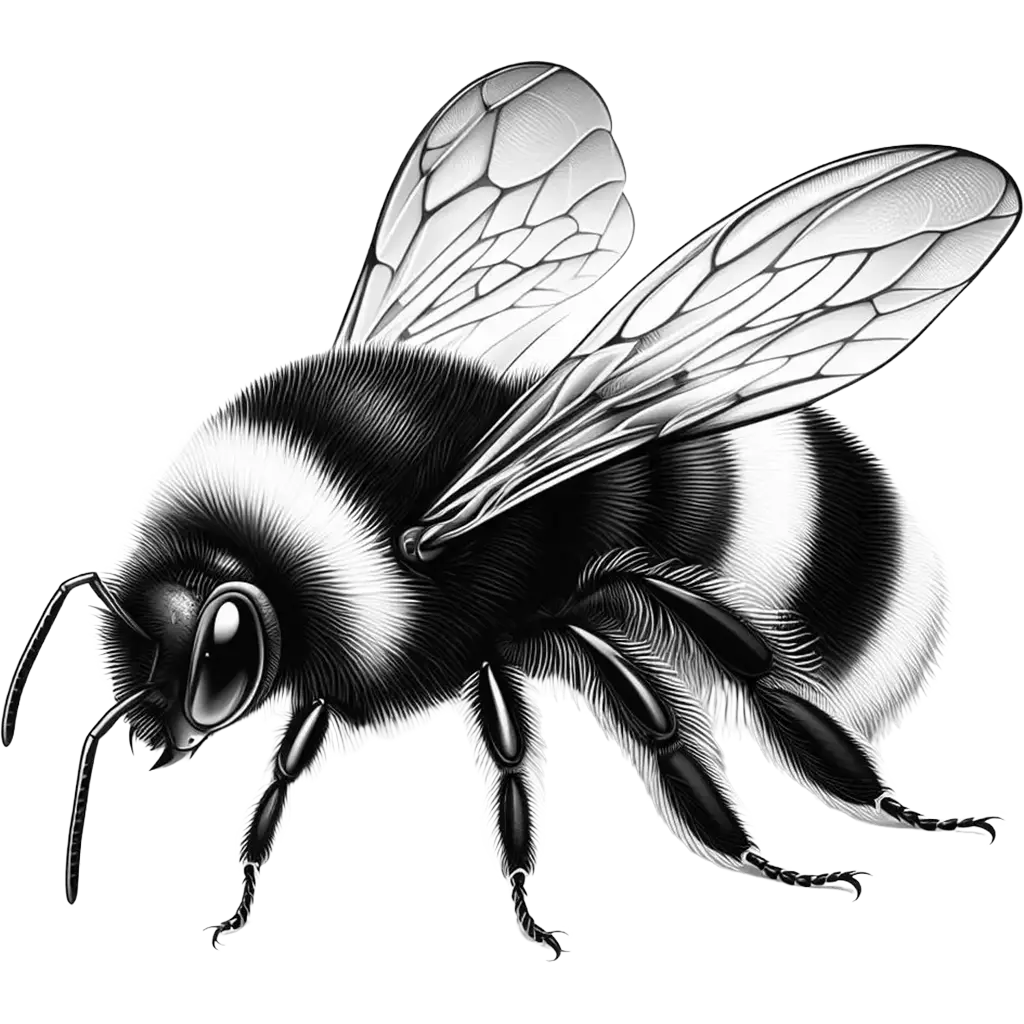
The Early Bumblebee, bombus pratorum, is a small but vibrant species of bumblebee commonly found across Europe and parts of Asia. Recognizable by its distinctive yellow and black banding and a bright orange tail, this species plays a crucial role in pollinating a wide variety of plants during the spring and early summer months. Adult workers typically measure between 9 to 14 millimeters in length, with queens being larger, up to 17 millimeters long. Males, which appear later in the season, can be identified by their slightly smaller size and more extensive yellow markings. Preferring a variety of habitats that provide ample foraging opportunities, including gardens, meadows, and woodlands, the Early Bumblebee is known for its adaptability. It is among the first bumblebee species to emerge in the spring, hence its common name. The species is crucial for the pollination of early-flowering plants, including fruit trees and wildflowers, contributing significantly to the biodiversity and health of ecosystems. The diet of Bombus pratorum primarily consists of nectar and pollen collected from a broad range of flowers. Their short proboscis makes them particularly adept at feeding on and pollinating flowers with open or shallow structures. Despite this, they exhibit remarkable flexibility in accessing deeper nectar sources by 'nectar robbing,' where they bite a hole in the base of a flower to reach the nectar without pollinating the plant. Reproduction for the Early Bumblebee begins when queens emerge from hibernation in early spring to establish new colonies. After mating, the queen lays eggs that develop into workers, males, and new queens throughout the spring and early summer. Colonies of Bombus pratorum are relatively small, often consisting of fewer than 100 individuals, and by late summer, new queens mate and then find a suitable place to hibernate through the winter, completing the species' life cycle. While the Early Bumblebee is currently not listed as endangered, it faces threats common to many pollinators, including habitat loss, pesticide exposure, and climate change. Conservation efforts focused on preserving and creating flower-rich habitats, along with reducing pesticide use, are vital for supporting the health of bumblebee populations. The presence and activity of Bombus pratorum are beneficial indicators of the overall health of ecosystems, underscoring the importance of pollinators in maintaining biodiversity and supporting agriculture.