
Exquisite Animals
Whether you have a particular animal in mind or you're interested in exploring the diverse range of species we feature, you've arrived at the perfect destination; enjoy full access to our extensive collection.
Filters
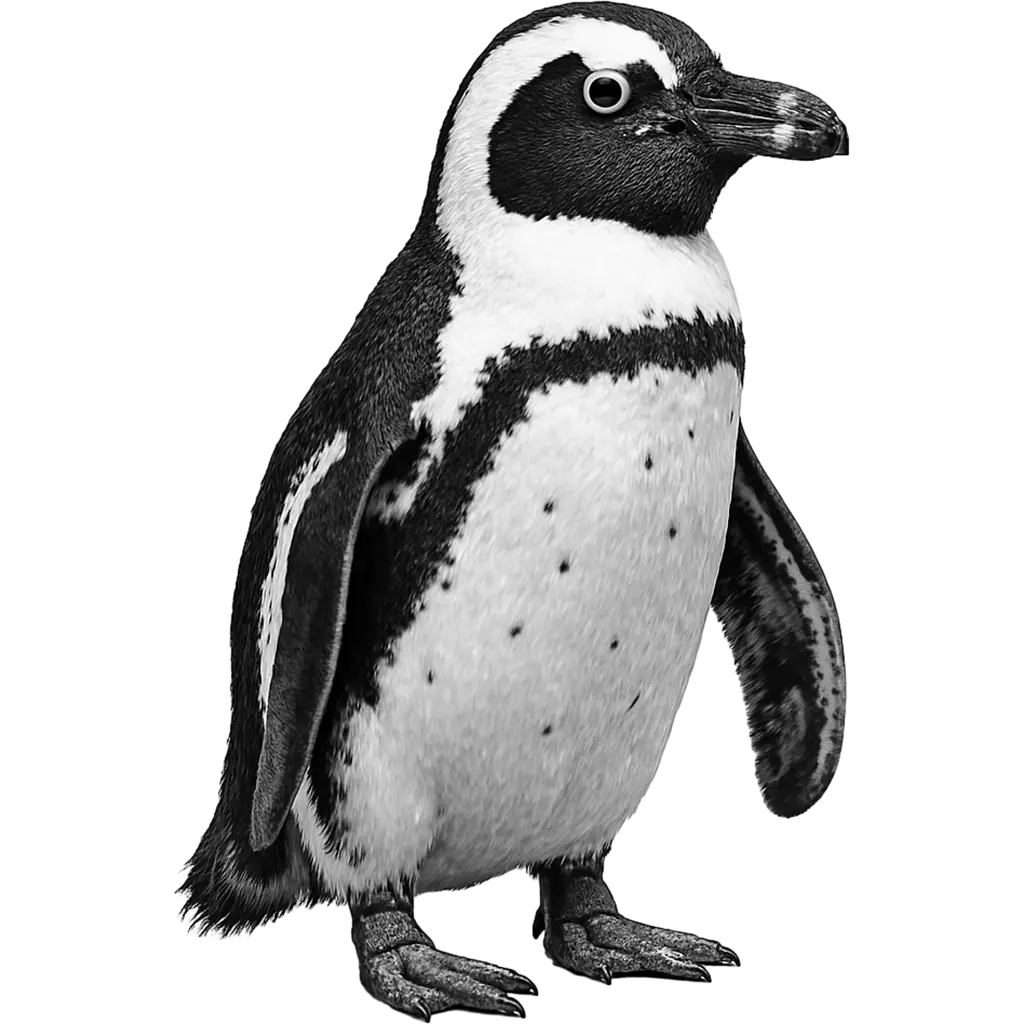
African Penguins exhibit a striking tuxedo-like appearance with vivid black and white plumage. Their compact, robust bodies and short, powerful flippers allow them to swim gracefully through the ocean, while bright red-orange patches near the eyes add a touch of color. Their overall look combines elegance and functional design, perfectly suited for life in coastal habitats. In bustling colonies along rocky shores and sandy beaches, African Penguins display highly social behaviors. They forage cooperatively in the ocean, diving skillfully after small fish and communicating through a series of calls both above and below water. On land, they congregate in large groups, engaging in communal preening and resting in the sun to regulate body temperature. Their activity is deeply influenced by tidal cycles and seasonal variations, and they exhibit a playful yet cautious demeanor in their dynamic environment. Their diet is primarily composed of small fish such as sardines and anchovies, which they catch with swift, precise dives. Occasional consumption of crustaceans and cephalopods supplements their protein intake. This specialized feeding strategy supports their energy demands for long foraging trips and vigorous swimming, while also playing an important role in maintaining the health of their marine ecosystem. During the breeding season, African Penguins form loose bonds within colonies. Courtship involves a series of soft calls, synchronized movements, and mutual preening rituals. After a single egg is laid, both parents take turns incubating and later feeding the chick, ensuring it gains the necessary survival skills in a challenging coastal environment. Wild populations are currently estimated at around 25,000 mature individuals; however, ongoing threats from pollution, overfishing, and habitat loss continue to reduce their numbers. Conservation programs focused on habitat protection and sustainable fishing practices remain critical for securing their future.

The African Pied Wagtail, motacilla aguimp, is a striking bird characterized by its contrasting black and white plumage and distinctive wagging tail behavior. This species typically measures between 18 to 20 cm in length, displaying a sleek, streamlined body that is primarily black with a white belly, chest, and eyebrow stripes. The tail, long and constantly in motion, is black with white outer feathers, a characteristic that is not only the origin of its common name but also a behavior observed while the bird is walking or feeding, which is thought to startle insects into movement. Native to sub-Saharan Africa, the African Pied Wagtail inhabits a variety of open landscapes near water bodies, including rivers, lakes, and urban water features like garden ponds and pools. They are highly adaptable and can often be found in both rural and urban settings, where they are known for their bold nature, frequently approaching humans closely. This species is resident throughout its range, meaning it does not typically migrate, though some populations may move locally depending on water availability and climate conditions. The diet of the African Pied Wagtail mainly consists of insects and other small invertebrates, which it catches using a variety of foraging techniques, including picking prey from the ground while walking or running and occasionally catching insects in flight. Their preference for foraging near water bodies helps control insect populations in these areas, playing an important role in their ecosystems. Breeding behavior for the African Pied Wagtail involves the construction of a cup-shaped nest, which is often placed in a variety of locations, from natural ledges to human-made structures. The female lays 2 to 5 speckled eggs per clutch, which both parents incubate. The chicks are altricial at birth, requiring several weeks of care before they are ready to fledge. The population of the African Pied Wagtail is considered stable, with the species classified as Least Concern by the IUCN. However, like many bird species, they face threats from habitat destruction and pollution. Conservation efforts aimed at protecting natural waterways and wetland habitats are essential for ensuring the continued health and survival of this and other water-associated bird species.
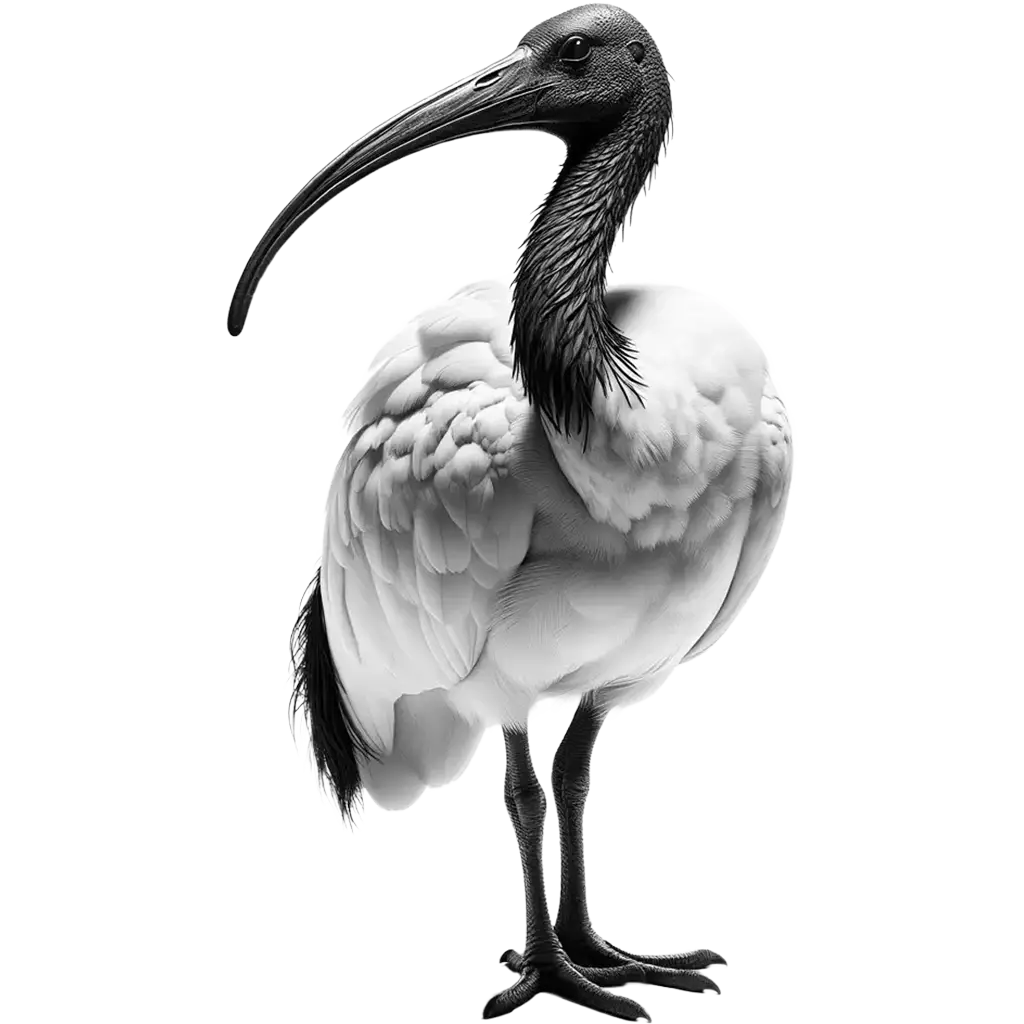
The African Sacred Ibis, threskiornis aethiopicus, is a striking wading bird native to sub-Saharan Africa and parts of Iraq. It is notable for its predominantly white plumage, contrasting black head and neck, and an impressive wingspan that features black flight feathers. Adults typically measure about 68 to 89 cm in length, with a distinctive down-curved bill that is adapted for foraging in mud and shallow water. This species is often seen in a variety of wetland habitats, including lakes, marshes, riverbanks, and agricultural fields, showcasing its adaptability to different environments. Historically venerated in ancient Egyptian culture, where it was associated with the god Thoth, the African Sacred Ibis is now often found in both wild and urbanized areas, feeding on a wide range of prey. Its diet includes insects, small mammals, reptiles, and various aquatic organisms, highlighting its role as a versatile forager and a contributor to the ecological balance in its habitats. Reproduction for the African Sacred Ibis involves nesting in large colonies, often on islands or among dense vegetation near water bodies. The nests are constructed from sticks and reeds, with both males and females participating in building the nest and raising the offspring. Females typically lay 2 to 3 eggs, which are incubated for about 28 days. The chicks are altricial, requiring care and feeding from both parents until they fledge. The population of the African Sacred Ibis is considered stable in its native range, though it has been introduced to other parts of the world, where it is sometimes viewed as an invasive species. In some areas, its adaptability and generalist feeding habits have allowed it to thrive, leading to concerns about its impact on local wildlife and ecosystems. Conservation efforts for the African Sacred Ibis focus on habitat protection and monitoring of population dynamics, especially in regions where it is considered invasive. The species' historical significance and ecological role underscore the importance of balanced management strategies to ensure that it continues to thrive in its native habitats while minimizing negative impacts in areas where it has been introduced.
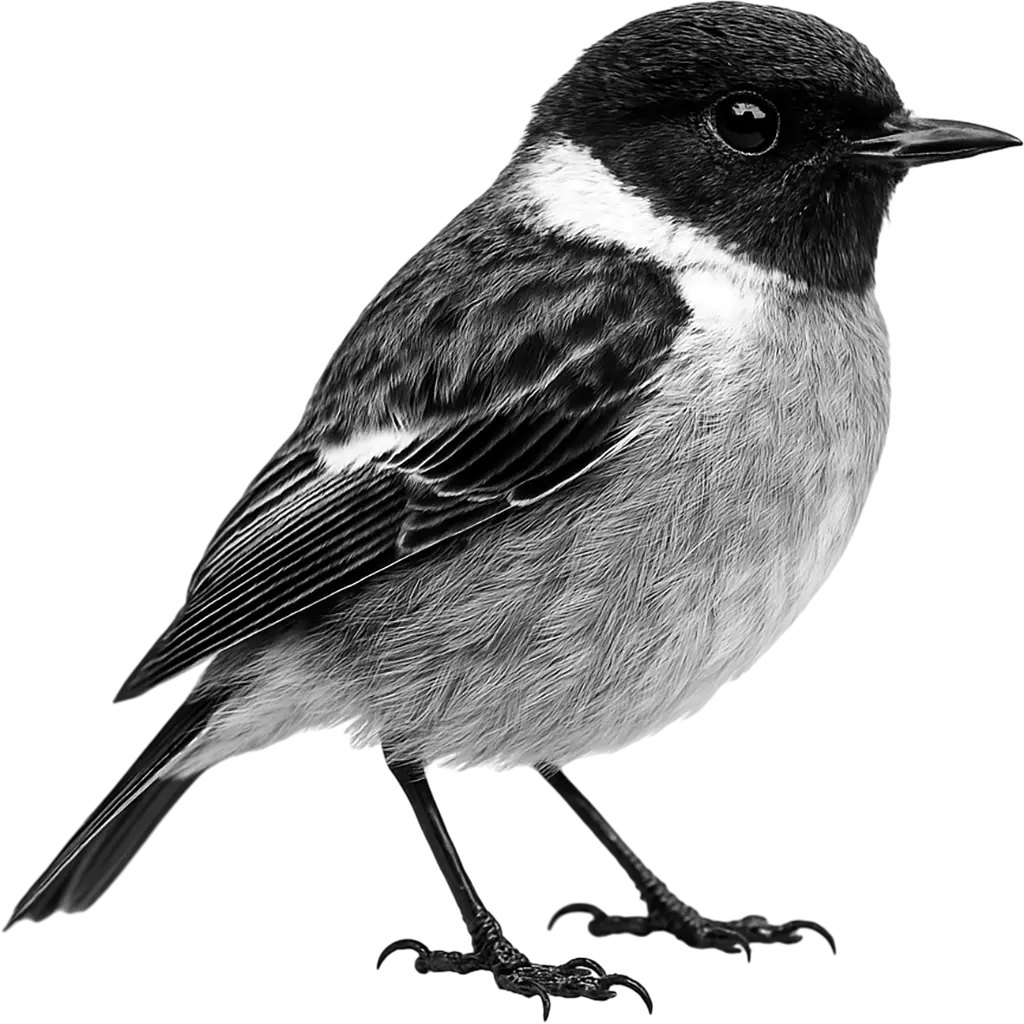
African Stonechats possess a small, compact frame adorned with muted plumage in shades of brown and gray, accentuated by subtle streaks along the wings and back. Their short tail and sharp, alert eyes, combined with a contrasting dark facial mask, give them a lively, distinctive appearance that blends naturally with open savannas and scrub environments. In its natural habitat, the African Stonechat is highly active and alert, spending early mornings and late afternoons perching on low shrubs and fence posts to scan its surroundings for prey. It hops energetically between perches and frequently communicates with soft vocalizations. Social behaviors are modest outside the breeding season, and individuals often forage in loose groups. Their activity adjusts with seasonal food availability, ensuring that they effectively capitalize on optimal foraging conditions in dynamic landscapes. The diet of the African Stonechat is predominantly insectivorous, with a supplementary intake of seeds. It forages on the ground and from low branches, quickly capturing small insects such as beetles, flies, and caterpillars with sudden bursts of speed. Occasional consumption of seeds provides additional nutrients, supporting its energetic lifestyle. This versatile feeding behavior not only fulfills its dietary needs but also plays a role in seed dispersal, contributing to ecological balance in its habitat. During the breeding season, males perform brief courtship displays by emitting soft calls and flying in short, agile dashes to attract females. Once paired, the duo constructs a modest nest where the female lays 3-4 eggs, which hatch in about 14-16 days. Both parents help protect and feed the chicks, ensuring they rapidly acquire essential survival skills. Wild populations of African Stonechats are generally stable across sub-Saharan grasslands and savannas, though localized declines from habitat loss have been recorded. Conservation measures focusing on sustainable land use and habitat restoration are critical to maintain these birds' ecological role in their natural environments.

The American Flamingo, phoenicopterus ruber, is a vibrant bird known for its striking pink feathers, long, lean legs, and distinctive downward-bending beak. This species stands tall, reaching heights of up to 1.2 to 1.45 meters. The intensity of their pink coloration, which ranges from light pink to a more intense red, is derived from carotenoids in their diet. Juveniles start with a gray plumage that gradually turns pink as they age, a process that can take up to three years. Their long necks and legs are specifically adapted for wading in shallow waters, where they spend much of their time. American Flamingos are highly social birds, often found in large flocks that can number in the thousands. These flocks provide safety in numbers from predators and are an essential aspect of their breeding behavior, creating spectacular displays during mating rituals. Flamingos are known for their synchronized performances, involving intricate group dances that include head-flagging, wing displays, and loud calling. They inhabit saline lakes, estuarine lagoons, and mangrove swamps, where they feed and breed, primarily in the Caribbean, coastal Colombia, Venezuela, and the Galápagos Islands. The diet of the American Flamingo is primarily composed of small organisms such as algae, crustaceans, and aquatic invertebrates. Their beaks are specially adapted to filter feed; they stir up the mud with their feet, then dip their beak into the water upside down to sieve out their food. The carotenoids found in their diet are metabolized and give their feathers the characteristic pink hue. This diet is crucial not only for their coloration but also for their overall health and breeding success. Mating in flamingos occurs in large colonies where nests are built from mud, and each pair lays a single large, white egg. The mating season varies geographically, but it typically occurs during the spring and early summer. Both parents share the responsibility of incubating the egg for about 28 to 32 days, and they continue to feed and care for the chick after it hatches, using a special type of milk produced in their digestive tract. The population of the American Flamingo had faced declines due to habitat loss, pollution, and exploitation for feathers and eggs. However, conservation efforts, including habitat protection and legal protection from hunting and egg collection, have helped stabilize some populations. Ongoing challenges include environmental changes that affect their food supply and breeding sites. Conservation and research efforts are crucial for the continued survival of the American Flamingo, emphasizing the importance of international cooperation in preserving these iconic birds and their habitats.
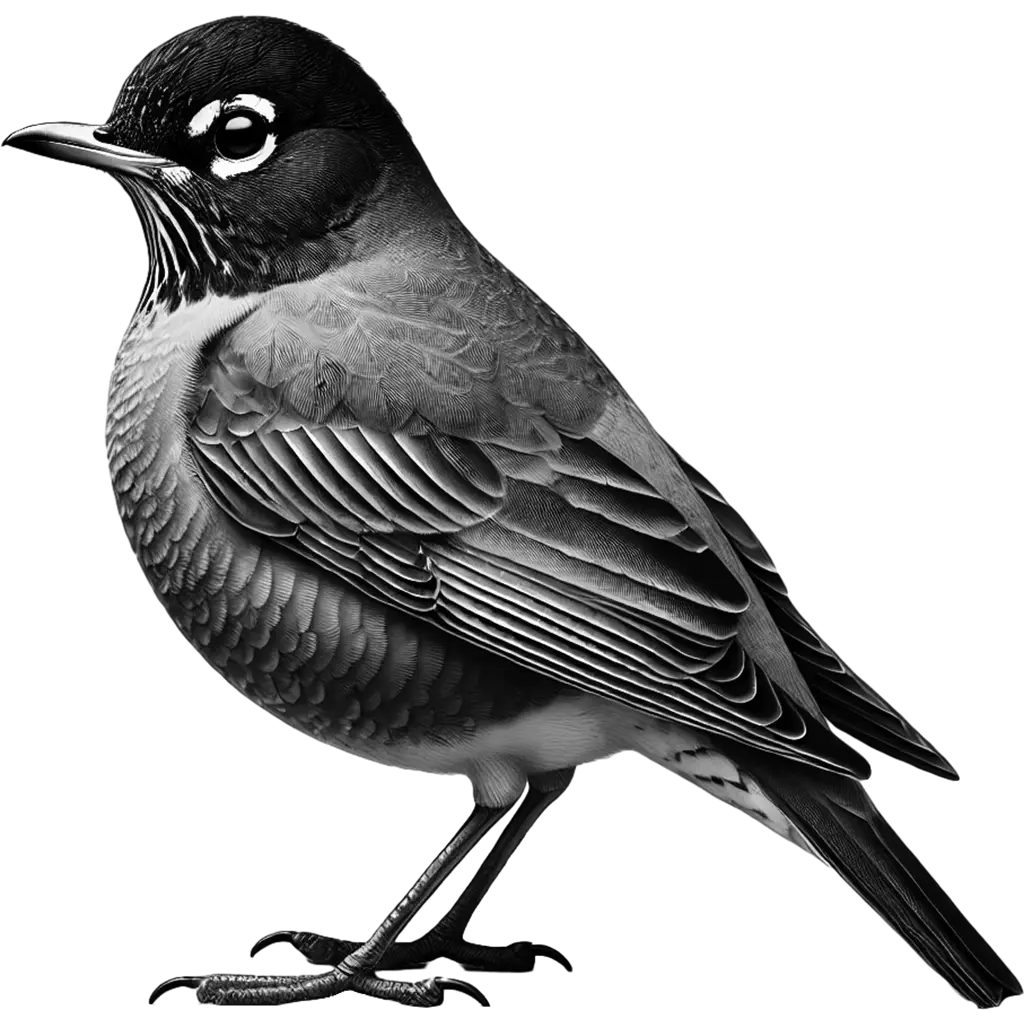
The American Robin is a medium-sized songbird commonly found throughout North America. It is easily recognizable due to its bright orange-red breast, dark gray to black upper body, and striking white eye rings. With a body length of about 23-28 cm and an average weight of 77-85 grams, it is one of the most familiar and widespread birds in the United States and Canada. Its slender yellow beak and long legs help it forage efficiently, whether in grassy fields or urban settings. This species is highly adaptable and can be found in forests, gardens, grasslands, and even cities. American Robins are territorial during the breeding season but form large communal roosts in the fall and winter. They are often seen hopping on lawns, tilting their heads to locate worms underground. While northern populations migrate south for winter, robins in warmer climates tend to stay year-round. American Robins have an omnivorous diet that shifts seasonally. During the spring and summer, they consume large quantities of insects and earthworms, using their sharp eyesight to detect movement in the soil. In the fall and winter, they switch to a fruit-heavy diet, feeding on berries and small fruits. This diet flexibility allows them to thrive in diverse habitats and climates. Mating season begins in early spring, with males establishing territories and attracting mates through melodious songs. American Robins are seasonally monogamous, meaning they typically stay with one mate for the duration of the breeding season. Females build nests using mud, grass, and twigs, laying 3-5 pale blue eggs per clutch. Incubation lasts about 12-14 days, and both parents participate in feeding the chicks, which fledge within two weeks of hatching. The American Robin population remains stable and is one of the most abundant bird species in North America. However, they face threats such as habitat destruction, pesticide exposure, and window collisions in urban areas. Despite these challenges, their adaptability and wide range make them a resilient species. Conservation efforts focus on preserving natural habitats, reducing pesticide use, and raising awareness about window bird strikes.
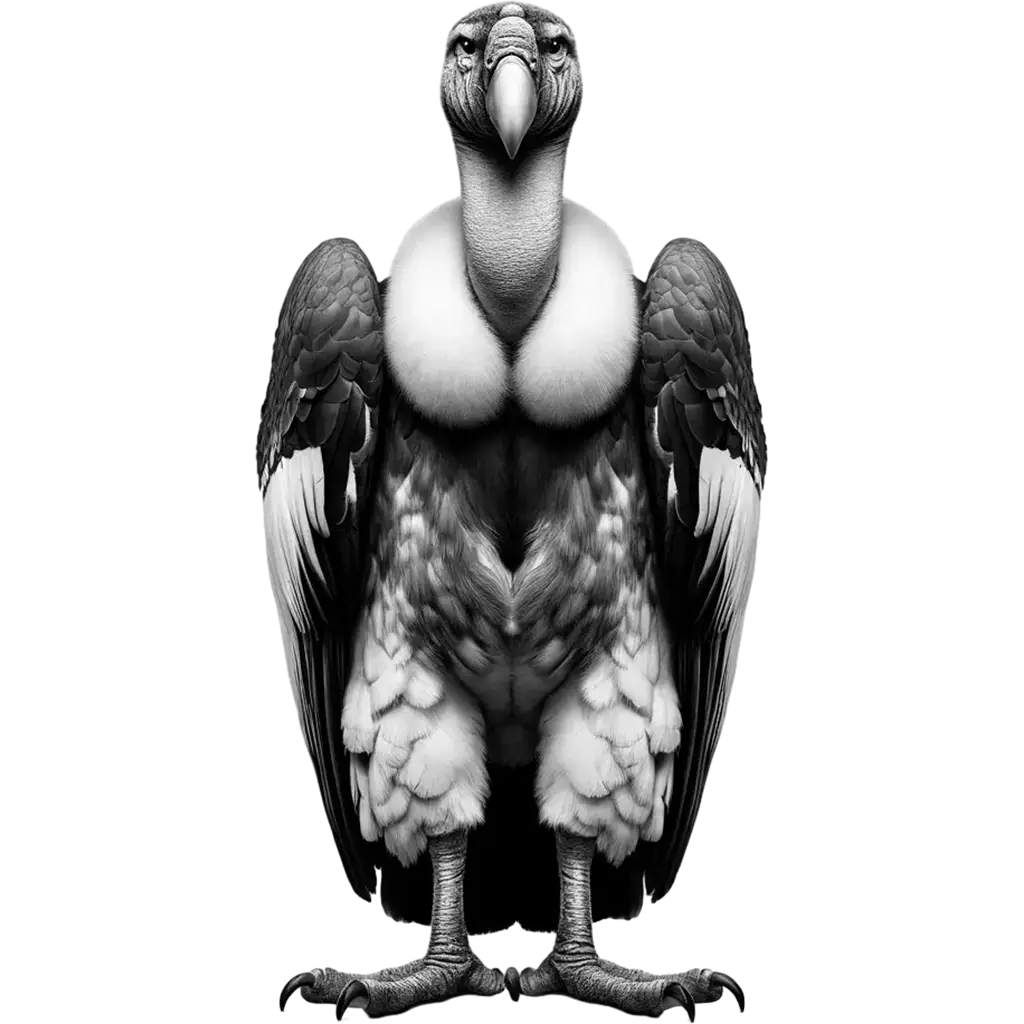
The Andean Condor, vultur gryphus, is a majestic bird of prey that reigns over the skies of South America. It is one of the largest flying birds in the world, with a wingspan that can exceed 3 meters, allowing it to glide effortlessly on thermal air currents. The adult male boasts a distinctive white ruff at the base of the neck, a large, bulbous head with minimal feathering, and deep red to blackish skin. Females and younger condors are slightly smaller and lack the male's dramatic coloring and comb. The bird's overall plumage is primarily black, with striking white flight feathers on the wings, adding contrast and visibility against the backdrop of the Andean mountains. The Andean Condor is primarily found along the Andes mountain range, from Venezuela to the southern tip of Chile and Argentina. It prefers rocky, open areas at high altitudes, up to 5,000 meters, where it can take advantage of the updrafts to soar with minimal effort. These condors are known for their remarkable soaring ability, spending much of their time in flight searching for food. They play a crucial role in the ecosystem as scavengers, feeding on the carcasses of dead animals, which helps prevent the spread of disease. The condors are highly social birds, often seen roosting and flying in groups, and their presence is deeply interwoven with South American folklore and mythology. The diet of the Andean Condor consists almost exclusively of carrion. These birds use their keen eyesight to scan the landscape for dead animals, ranging from small rodents to large ungulates. Their preference for carrion means they are not typically hunters but rather play an essential part in the natural cleanup crew of their habitats. This scavenging lifestyle allows them to cover vast areas in search of food, contributing to the health of their ecosystem by removing decaying matter. Mating rituals of the Andean Condor are elaborate, involving displays of flight, feather spreading, and vocalizations to attract a mate. They are monogamous birds, forming long-term pair bonds that can last for life. The breeding cycle is slow, with the female laying a single egg every other year. Nests are typically located on inaccessible rock ledges, where the parents take turns incubating the egg for about 60 days. Both parents are involved in rearing the chick, which depends on them for food and protection for up to a year after hatching. The Andean Condor is considered near threatened, with declining populations due to habitat loss, poisoning from eating contaminated carrion, and persecution. They have a low reproductive rate, which makes their populations vulnerable to these threats. Conservation efforts are underway to protect their habitats, reduce human-wildlife conflicts, and educate local populations about the importance of condors to the ecosystem. These efforts include breeding programs and legal protections to ensure the survival of this iconic species, which is not only a symbol of the Andes but also an integral part of the South American natural heritage.
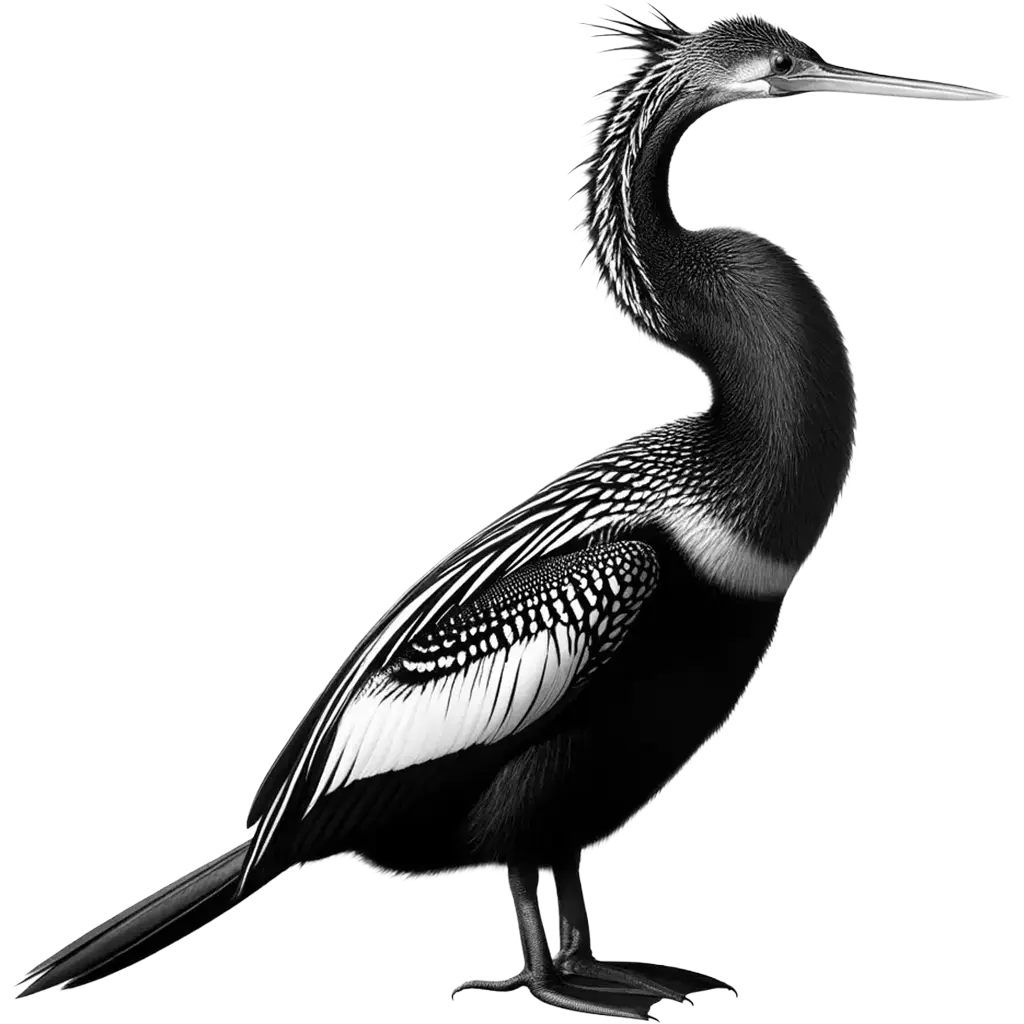
The Anhinga, Anhinga Anhinga, also known as the Snakebird, is a distinctive water bird native to freshwater lakes, swamps, and slow-moving rivers across the American tropics, from the southeastern United States to Argentina. This bird is named for its long, thin neck, which gives it a snake-like appearance when swimming with its body submerged. Adults can measure between 85 to 90 cm in length, with a wingspan of approximately 120 cm. They have a slender body, sharp beak, and webbed feet. The males are predominantly black with silver wing patches, while females and juveniles have a lighter, brownish neck and chest. Anhingas are adapted for an aquatic lifestyle, diving underwater to spear fish and other small aquatic animals with their sharp beaks. Unlike many water birds, their feathers are not waterproof, allowing them to dive more easily but requiring them to spread their wings to dry after swimming to avoid becoming waterlogged. Their diet consists mainly of fish, which they catch by diving underwater and impaling with their sharp beak. They also eat amphibians, insects, and small reptiles. Their specialized hunting technique involves stalking their prey underwater, moving slowly and then striking quickly with their neck and beak. Reproduction for Anhingas occurs once they have established a territory, usually in a colony with other water birds. They build nests in trees or bushes near water, where the female lays 2 to 5 eggs. Both parents share in incubation and feeding the chicks, which are born altricial (naked and helpless) and depend on their parents for warmth and food. The population of the Anhinga is considered stable, though they face threats from habitat destruction and pollution. As indicators of healthy wetland ecosystems, their presence and population levels can reflect the overall health of their aquatic habitats. Conservation efforts for Anhingas focus on protecting and restoring wetland habitats and ensuring clean water sources.

The Arctic Tern, sterna paradisaea, is a remarkable bird known for its extraordinary migratory journey, the longest of any animal in the world, covering distances of up to 90,000 kilometers annually from its breeding grounds in the Arctic to its wintering grounds in the Antarctic and back. This slender bird is characterized by its small body, measuring around 33 to 39 centimeters in length, with a wingspan of 65 to 75 centimeters. Its appearance is distinguished by a white plumage, a black cap, a long, pointed red bill, and short red legs. The underparts are a softer white, and the wings are pale grey. During flight, the Arctic Tern's graceful, buoyant flight pattern and sharp, forked tail make it easily recognizable. Arctic Terns breed in colonies on sandy or rocky coastlines and islands across the Arctic and sub-Arctic regions. They are highly social birds during the breeding season, aggressively defending their nests from predators and intruders with a fearless tenacity. Their life at sea outside of the breeding season is less understood, but it is known that they spend months on the wing, feeding and resting over the oceans. These terns are superbly adapted to a life of continuous flight, with their light body and long wings enabling them to exploit wind currents and thermals to save energy. The diet of the Arctic Tern consists mainly of fish and small marine invertebrates. They are skilled hunters, often seen hovering over the water before plunging in to catch their prey with precision. This diet is rich in the nutrients necessary for their long migratory flights and breeding. The ability to feed in both Arctic and Antarctic regions ensures a constant food supply throughout their annual cycle. Mating and reproduction are significant phases in the life of an Arctic Tern. The breeding season begins soon after they return to their Arctic breeding grounds in late spring. Courtship involves aerial displays and the male presenting fish to the female. They nest in open ground, where the female lays one to three eggs. Both parents share the duties of incubating the eggs and feeding the chicks. The young terns are ready to fly within three to four weeks but may depend on their parents for food for up to four months. The population of the Arctic Tern is considered to be of least concern by conservation standards, but it faces threats from climate change and habitat loss. Changes in sea temperatures affect the abundance of their prey, while human activities can disturb their breeding sites. Conservation efforts are focused on protecting breeding and feeding areas to ensure that these incredible birds can continue their epic journeys across the globe. Monitoring and research into their migration patterns are also vital for understanding the impacts of environmental changes on their populations.
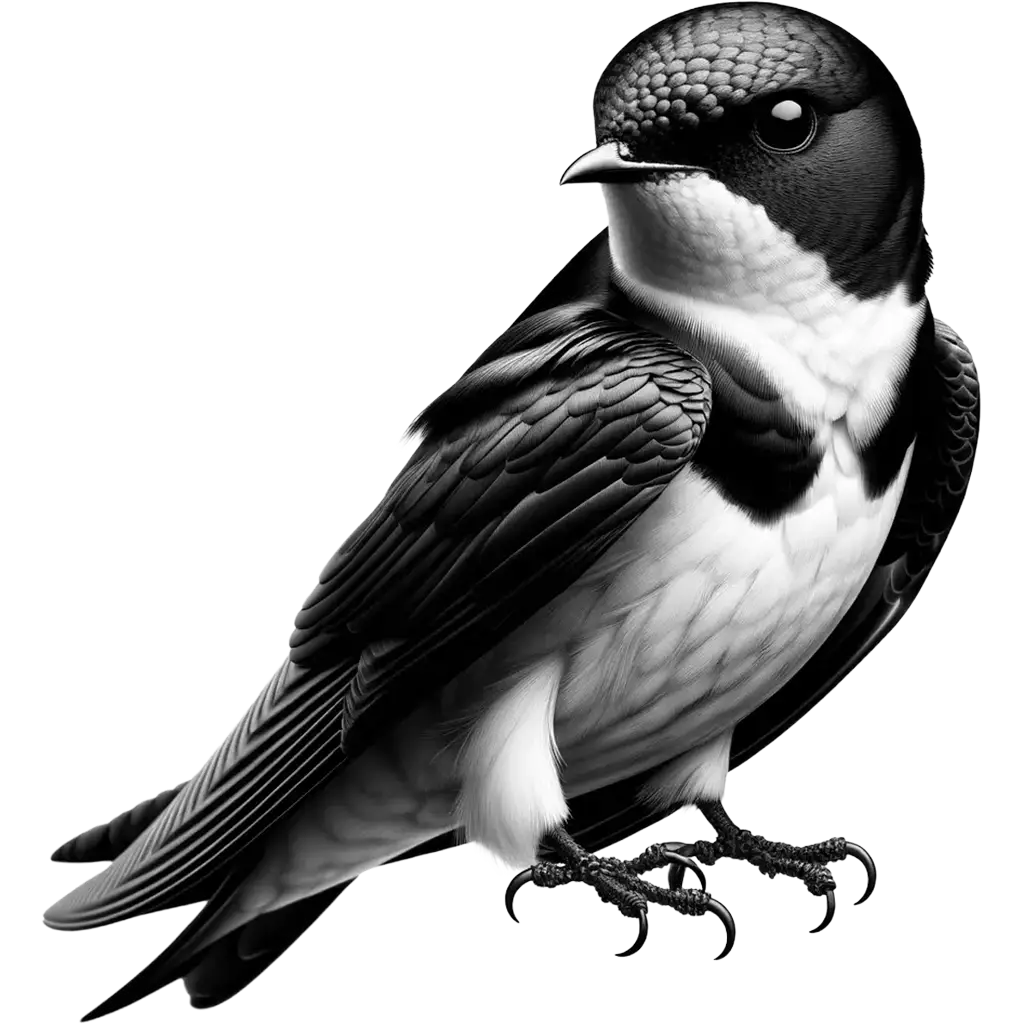
The Asian House Martin, delichon dasypus, is a small and agile bird, easily identified by its glossy blue-black upper parts and contrasting pure white underparts. This species features a distinctive short forked tail and a relatively wide wingspan for its size, which facilitates its exceptional aerial agility. Adult birds typically measure about 13 cm in length, making them one of the smaller species within the swallow family. Their sleek body and rapid flight are adaptations that enable them to catch insects while on the move, showcasing their efficiency as aerial foragers. Asian House Martins are highly sociable birds, often seen in large flocks during migration and in their breeding territories. They exhibit remarkable nesting behavior, constructing cup-shaped mud nests under the eaves of buildings or on natural cliff faces. These nests are built collaboratively by both male and female birds, who gather mud pellets in their beaks to form the nest's structure. This species is migratory, spending the breeding season in temperate regions across Asia and migrating to warmer southern areas for the winter. Their social structure and nesting habits play a crucial role in their survival, offering protection from predators and harsh weather conditions. Dietarily, the Asian House Martin feeds almost exclusively on a wide variety of airborne insects, including flies, aphids, and beetles. Their foraging strategy involves flying at high altitudes, where they skillfully maneuver to capture their prey. This diet is essential for their high-energy lifestyle, especially during breeding and migration periods. Their feeding habits also benefit human populations by controlling insect populations, highlighting their ecological importance. Mating and reproduction for the Asian House Martin involve monogamous pairs that often return to the same nesting sites year after year. The breeding season sees these birds laying two to three eggs per clutch, with both parents involved in incubating the eggs and feeding the chicks. This cooperative breeding strategy ensures a high level of care for the offspring, increasing their survival rates. The population of the Asian House Martin is considered stable, although it faces threats from habitat loss and pollution. Their adaptation to nesting on human-made structures has allowed them to thrive in many areas, but conservation efforts are necessary to ensure that suitable nesting and feeding habitats remain available. Monitoring and protecting their natural habitats are crucial for sustaining healthy populations of this beneficial and beautiful bird species.
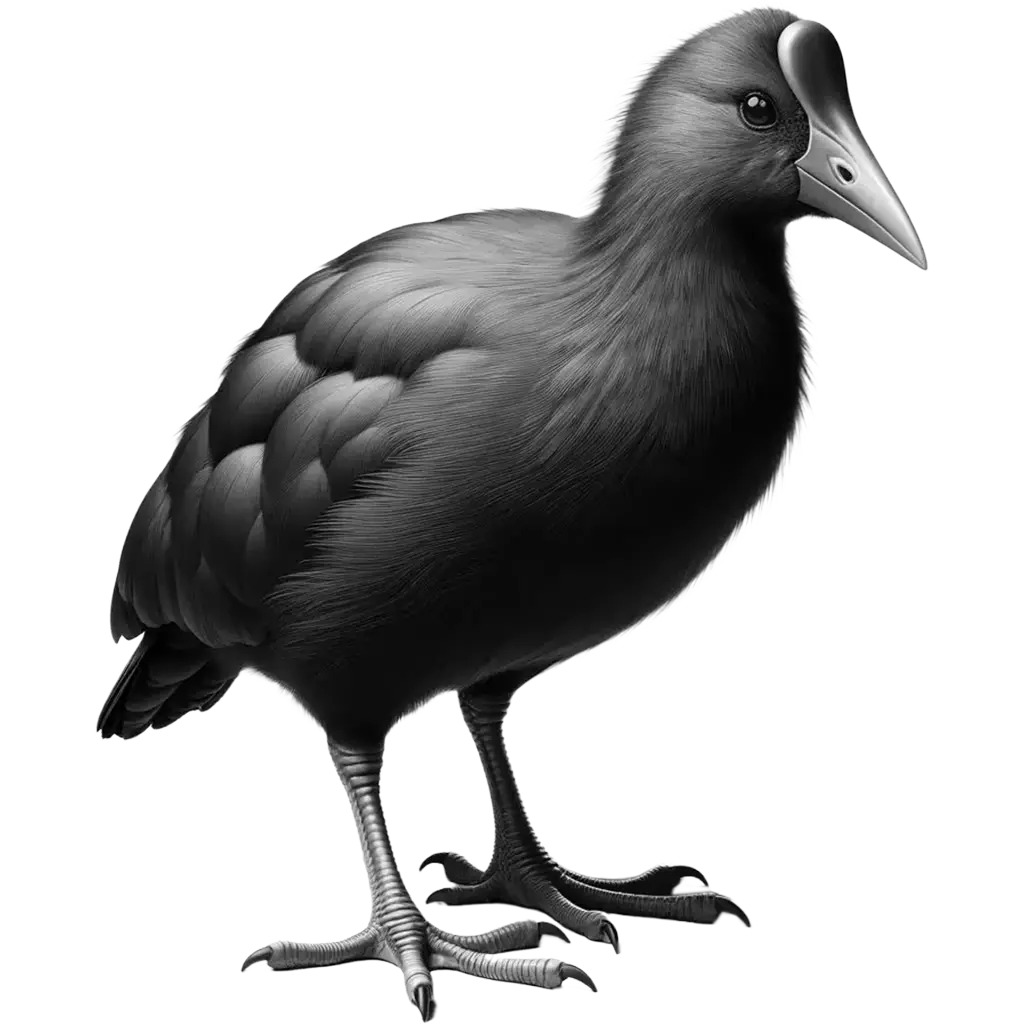
The Australasian Swamphen, porphyrio melanotus, formerly known as the Purple Swamphen, is a vivid and sizeable waterbird that is part of the rail family. This species is easily identifiable by its deep blue plumage, contrasting with its black back and wings. Adults have a distinctive red beak and frontal shield, which add a splash of color to their overall dark appearance. They typically measure between 40 to 50 cm in length, making them one of the larger species within their habitat. The long, coral-red legs and toes are well adapted for walking on the floating vegetation and soft mud of their wetland environments. Native to the wetlands of Australia, New Zealand, and parts of the Pacific and Southeast Asia, the Australasian Swamphen prefers habitats that include reed beds, swamps, and marshes. They are highly adaptable birds that can also be found in man-made water bodies, such as agricultural and urban wetlands. These birds are known for their loud calls and aggressive behavior, especially when defending their territory. The diet of the Australasian Swamphen is omnivorous but mainly consists of plant material, including shoots, leaves, and seeds of aquatic vegetation. They also consume insects, snails, and small fish, showcasing their opportunistic feeding habits. This varied diet allows them to thrive in a wide range of wetland environments. Reproduction for the Australasian Swamphen involves communal living, where several birds share a territory and contribute to nesting duties. They build large, bulky nests from reeds and other plant material, usually in dense vegetation to conceal them from predators. The communal nests can contain multiple clutches of eggs from different females, with all members of the group participating in incubation and chick rearing. The population of the Australasian Swamphen is considered stable and even increasing in some areas, benefiting from the creation of artificial wetlands and the adaptation to human-altered landscapes. Despite facing threats from habitat destruction and pollution in certain regions, conservation efforts, including habitat restoration and protection, have helped maintain healthy populations. The Australasian Swamphen is a key species for wetland ecosystems, contributing to the biodiversity and health of these habitats.
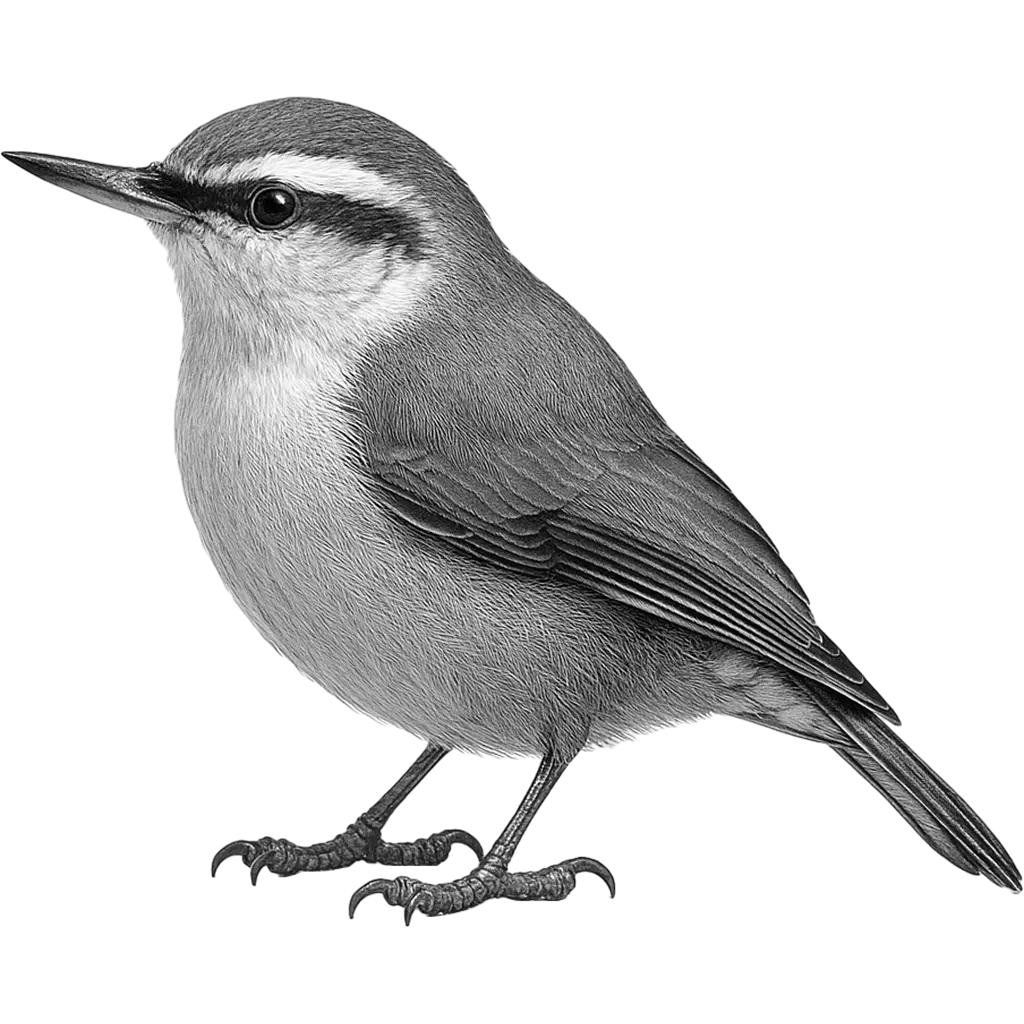
The Bahama Nuthatch is a small, agile bird with soft, mottled plumage in shades of gray and brown that blends perfectly with the bark of pine trees. Its slender body, short pointed bill, and modest, rounded tail give it a delicate, understated elegance. The subtle markings on its face and wings further enhance its charming appearance and camouflage in its natural habitat. Active during the early morning and late afternoon, the Bahama Nuthatch hops energetically along tree trunks and low branches in the dense pine forests of the Bahamas. It moves quickly through its environment, using soft calls to communicate with nearby individuals while foraging. Social interactions are gentle yet vital, as the birds rely on subtle vocalizations to maintain territories and coordinate foraging in areas with limited food resources. Their constant vigilance helps them avoid predators and navigate the intricacies of fragmented woodland habitats. Feeding mainly on insects and small seeds, the Bahama Nuthatch uses its sharp bill to extract prey from crevices in the bark and sift through leaf litter. Its diet provides essential proteins and nutrients that support its high-energy, agile lifestyle. The bird's foraging not only sustains its own health but also aids in controlling insect populations and dispersing seeds, thus contributing to the overall health of its ecosystem. During the breeding season, males engage in brief but intricate courtship displays involving soft vocalizations and gentle movements to attract females. Once paired, the female builds a concealed nest in which she lays 2-3 eggs that hatch within 14-16 days. Both parents then share in the nurturing of the chicks until they are capable of fending for themselves. Population estimates indicate that the Bahama Nuthatch remains critically low, with fewer than 300 mature individuals surviving in increasingly fragmented habitats. The species is highly vulnerable to continued deforestation and invasive predators, underscoring the urgent need for robust conservation measures and habitat protection initiatives.