
Anhinga Anhinga
Anhinga
Freshwater ponds, swamps, and slow-moving rivers in subtropical and tropical regions
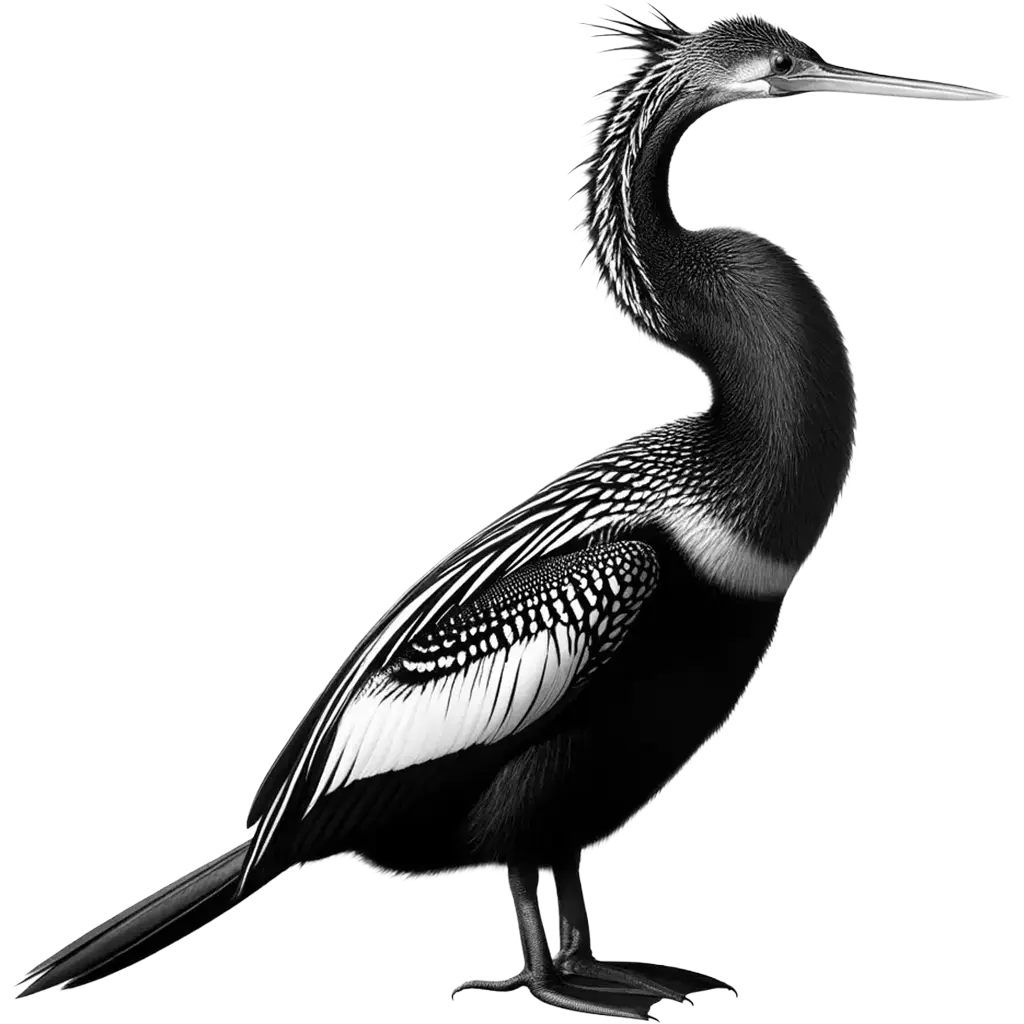
The Anhinga, Anhinga Anhinga, also known as the Snakebird, is a distinctive water bird native to freshwater lakes, swamps, and slow-moving rivers across the American tropics, from the southeastern United States to Argentina. This bird is named for its long, thin neck, which gives it a snake-like appearance when swimming with its body submerged. Adults can measure between 85 to 90 cm in length, with a wingspan of approximately 120 cm. They have a slender body, sharp beak, and webbed feet. The males are predominantly black with silver wing patches, while females and juveniles have a lighter, brownish neck and chest.
| Population: | Listed as Least Concern, with stable populations |
| Generation Length: | 5-6 years |
| Average Weight: | 1.2-1.4 kg |
| Average Length: | 85-90 cm, with a wingspan of about 1.2 meters |
| Lifespan: | 12-15 years in the wild |
| Diet: | Piscivorous, with a specialized hunting technique for underwater prey |
| Conservation Status: | Least Concern (LC) |
Anhingas are adapted for an aquatic lifestyle, diving underwater to spear fish and other small aquatic animals with their sharp beaks. Unlike many water birds, their feathers are not waterproof, allowing them to dive more easily but requiring them to spread their wings to dry after swimming to avoid becoming waterlogged.
Their diet consists mainly of fish, which they catch by diving underwater and impaling with their sharp beak. They also eat amphibians, insects, and small reptiles. Their specialized hunting technique involves stalking their prey underwater, moving slowly and then striking quickly with their neck and beak.
Reproduction for Anhingas occurs once they have established a territory, usually in a colony with other water birds. They build nests in trees or bushes near water, where the female lays 2 to 5 eggs. Both parents share in incubation and feeding the chicks, which are born altricial (naked and helpless) and depend on their parents for warmth and food.
The population of the Anhinga is considered stable, though they face threats from habitat destruction and pollution. As indicators of healthy wetland ecosystems, their presence and population levels can reflect the overall health of their aquatic habitats. Conservation efforts for Anhingas focus on protecting and restoring wetland habitats and ensuring clean water sources.
Classifications
The Key Attributes
Features
- Movement:
Swimming, diving, flying
- Territorial Behavior:
Solitary or in small groups, except in communal roosting and nesting sites
- Speed:
Excellent swimmer and diver, capable of swift flight
- Diet:
Carnivore
- Physical Features:
- Long, slender neck and sharp, pointed beak
- Black body with silvery-white feather edging
- Long tail and webbed feet
- Specialized feathers that become waterlogged, aiding in diving and underwater hunting
- Primary Senses:
- Sight
Understanding Habitat and Range
Geography
- Habitat:
Freshwater ponds, swamps, and slow-moving rivers in subtropical and tropical regions
- Migration Patterns:
Partially migratory, depending on water levels and food availability
- Geographical Range:
The southern United States, Mexico, Central and South America, and the Caribbean
- Climate Preferences:
Prefers warm, subtropical to tropical climates
Navigating the Wilderness
In the wild
- Predators:
Large birds of prey, alligators, and large snakes
- Prey:
Primarily fish, also consumes aquatic invertebrates and amphibians
- Feeding Behavior:
Specializes in hunting fish and amphibians, diving from the surface and spearing prey with its beak
- Diet:
Piscivorous, with a specialized hunting technique for underwater prey
- Defensive Mechanisms:
- Diving and swimming away from threats
- Camouflage among aquatic vegetation
- Nesting in colonies to reduce predation risk
- Preferred Food Sources:
- Clear, shallow waters where fish are abundant
Insights Into Reproduction
Mating
- Mating System:
Monogamous
- Number of Offspring:
2-4 eggs
- Incubation Period:
25-30 days
- Parental Involvement:
- Both parents share in incubation and feeding of the young
Youngsters Section
Anhinga
Fun Fact
The anhinga, also known as the snakebird, is a water bird found in warm shallow waters.
It gets its nickname because its long neck and sharp beak resemble a snake when swimming. Unlike other water birds, anhingas lack waterproof feathers, making them sit with wings spread to dry after diving.

Download word search puzzles
Word Search Puzzles
Check Out Other Birds
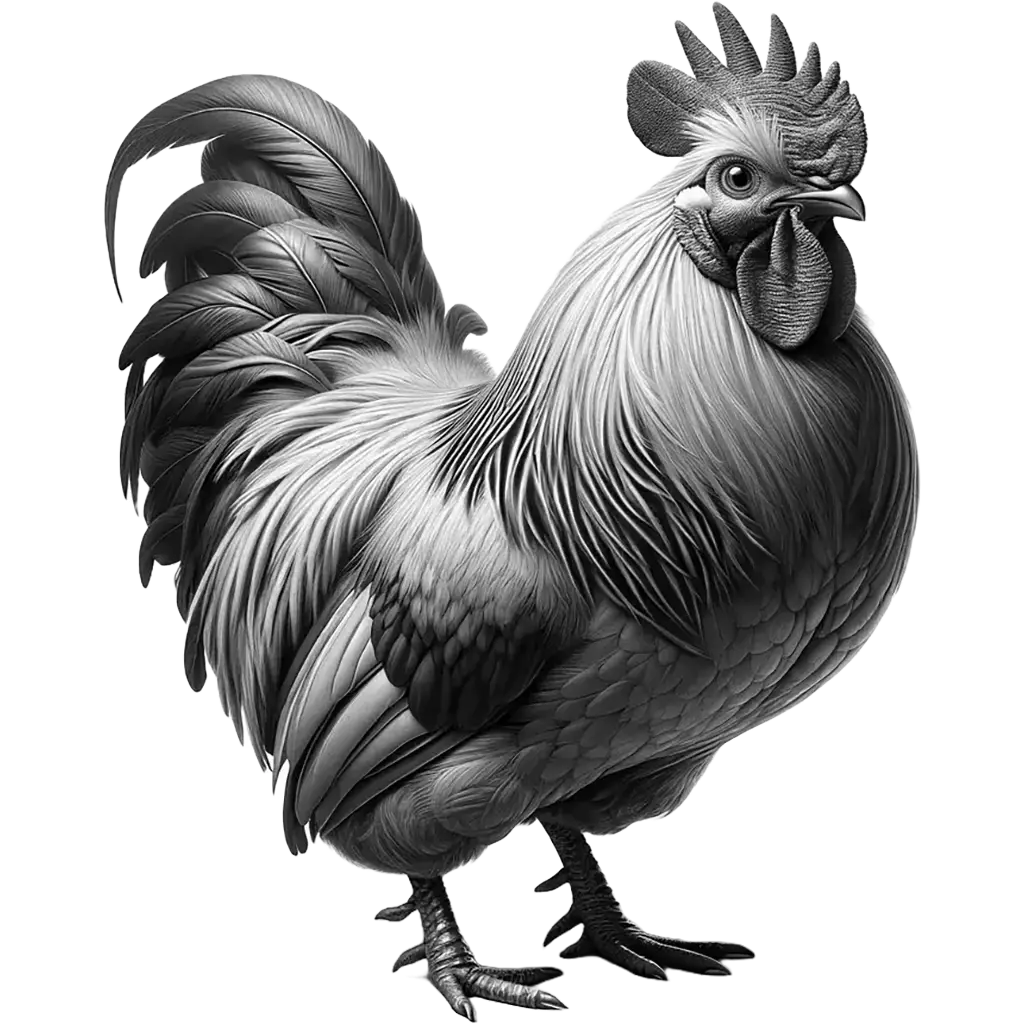
The Sri Lankan Junglefowl, gallus lafayettii, is a vibrant and significant bird species native to Sri Lanka, serving as the national bird of the country. Males are particularly striking, adorned with a combination of fiery orange-red plumage, glossy black tail feathers, and a distinctive yellow or red wattle. Females, in
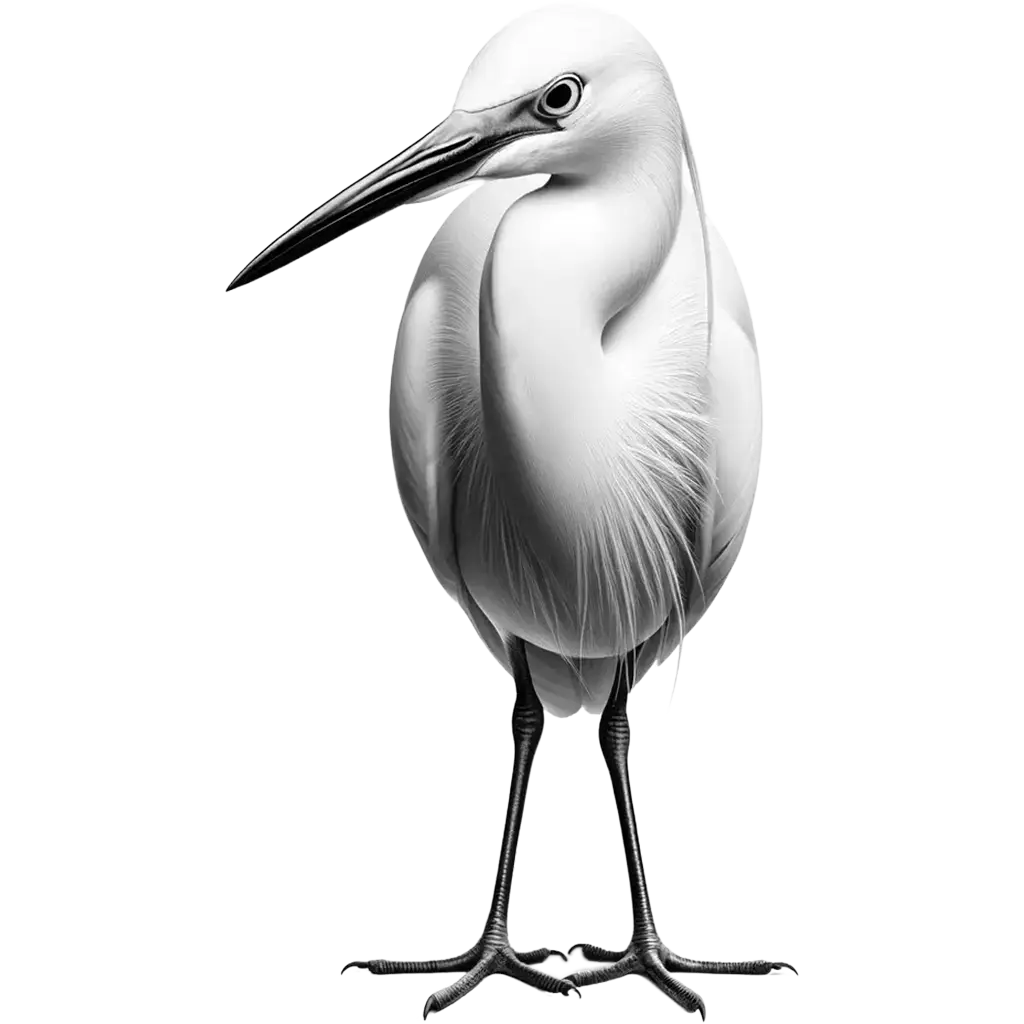
The Little Egret, egretta garzetta, is a small, graceful heron renowned for its brilliant white plumage, slender black bill, and long black legs, with distinctive yellow feet. Measuring approximately 55 to 65 cm in length with a wingspan of 88 to 106 cm, this bird possesses an elegant neck and
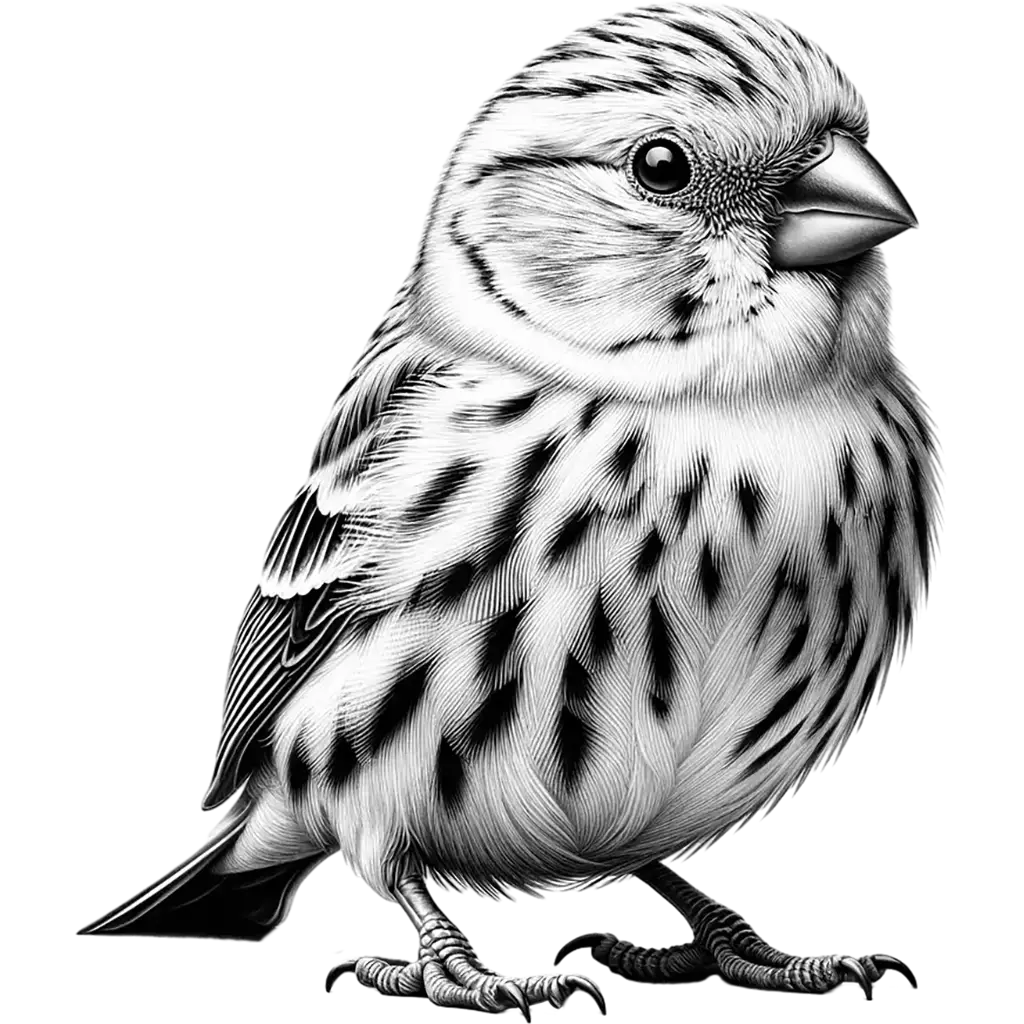
The Domestic Canary, serinus canaria domestica, is a small songbird that originated from the wild Canary Islands' native species, the Atlantic canary. These birds are highly valued for their melodious song and vibrant plumage, which comes in a variety of colors including yellow, orange, white, red, and combinations thereof, due
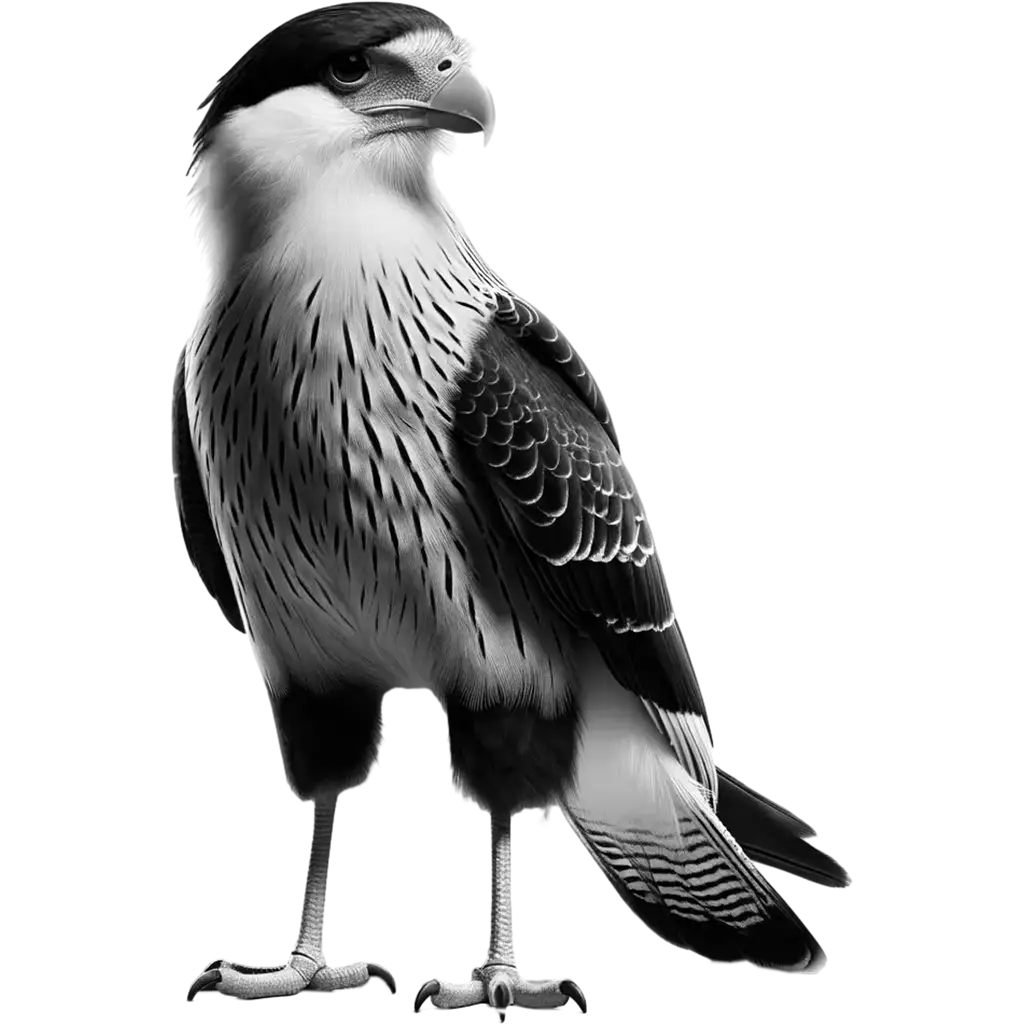
The Chimango Caracara, milvago chimango, is a small raptor found widely across southern South America, including Argentina, Chile, Uruguay, Paraguay, and the southern regions of Brazil. This bird of prey is part of the Falconidae family and is known for its adaptability to various environments, including open grasslands, agricultural areas,