
Exquisite Animals
Whether you have a particular animal in mind or you're interested in exploring the diverse range of species we feature, you've arrived at the perfect destination; enjoy full access to our extensive collection.
Filters
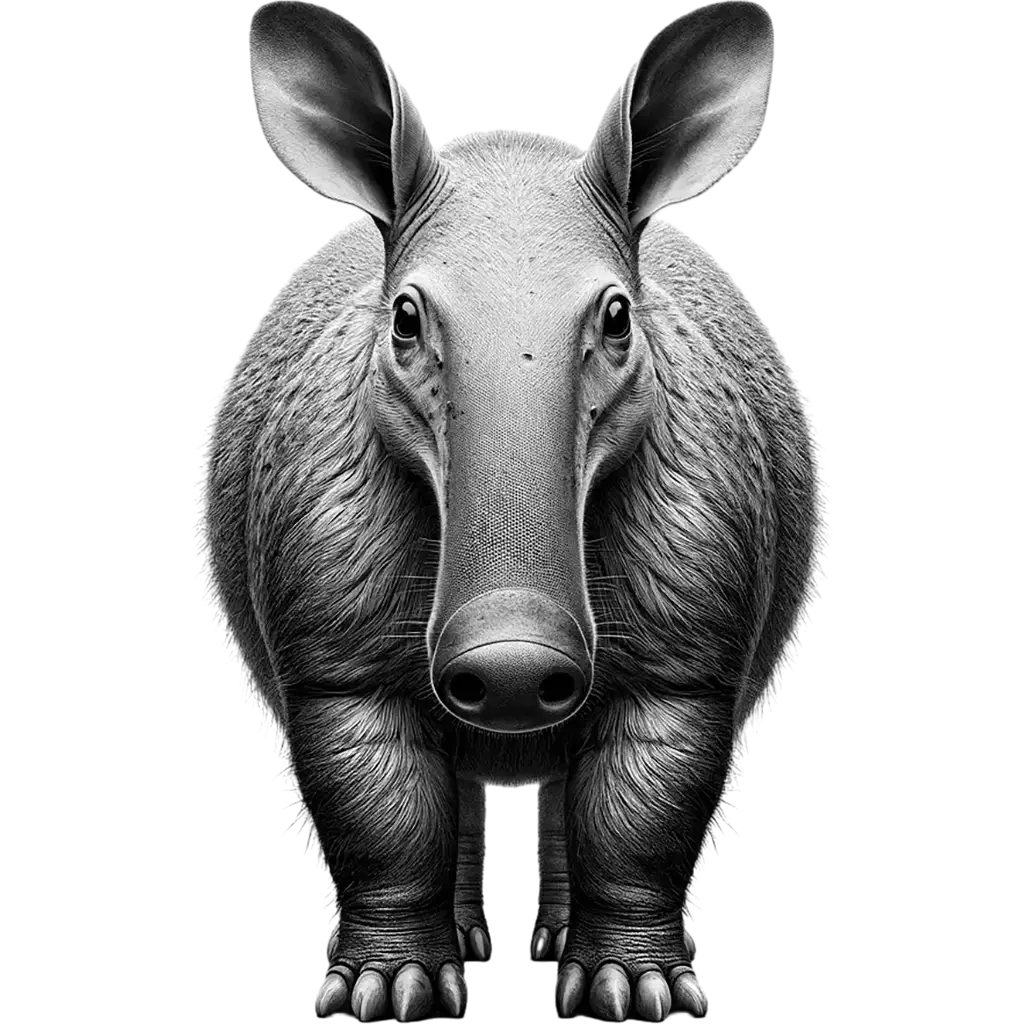
The Aardvark, orycteropus afer, is a unique mammal native to Africa, distinguished by its pig-like snout, long ears, and powerful limbs equipped with large claws. It measures approximately 1 to 1.5 meters in length and weighs between 40 to 65 kg. The Aardvark's body is covered in coarse, sparse fur that ranges in color from pinkish-gray to brown, providing camouflage in its natural habitat. Its tail is thick at the base, tapering to a point, adding to its distinctive silhouette. This nocturnal creature is solitary, spending the day in extensive burrows it digs to escape the African heat and predators. Aardvarks are specialized feeders, with their diet almost exclusively consisting of ants and termites, which they locate with their keen sense of smell. At night, they venture out to feed, using their strong, spade-like claws to break into termite mounds and their long, sticky tongue to collect their prey. This diet makes them an important part of their ecosystem, controlling insect populations and aerating the soil through their digging activities. The diet of the Aardvark is highly specialized, focusing on ants and termites. They can consume up to 50,000 insects in one night, using their powerful claws to open nests and their elongated tongue, which can be up to 30 cm long, to lap up insects. Their stomach is muscular and acts as a gizzard to grind the food, aided by ingested stones and sand. Reproduction in Aardvarks is solitary except during the mating season. Females give birth to a single calf after a gestation period of approximately seven months. The calf is born in the safety of the underground burrow and remains hidden for two weeks before starting to accompany its mother on foraging trips. It is weaned around three months but may stay with the mother until the next calf is born. The population of the Aardvark is considered stable, though they face threats from habitat destruction and hunting. Their secretive nature and nocturnal habits make them difficult to study, and much about their behavior and ecology remains unknown. Conservation efforts focus on habitat protection and reducing hunting pressures to ensure the survival of this unique species in the wild.
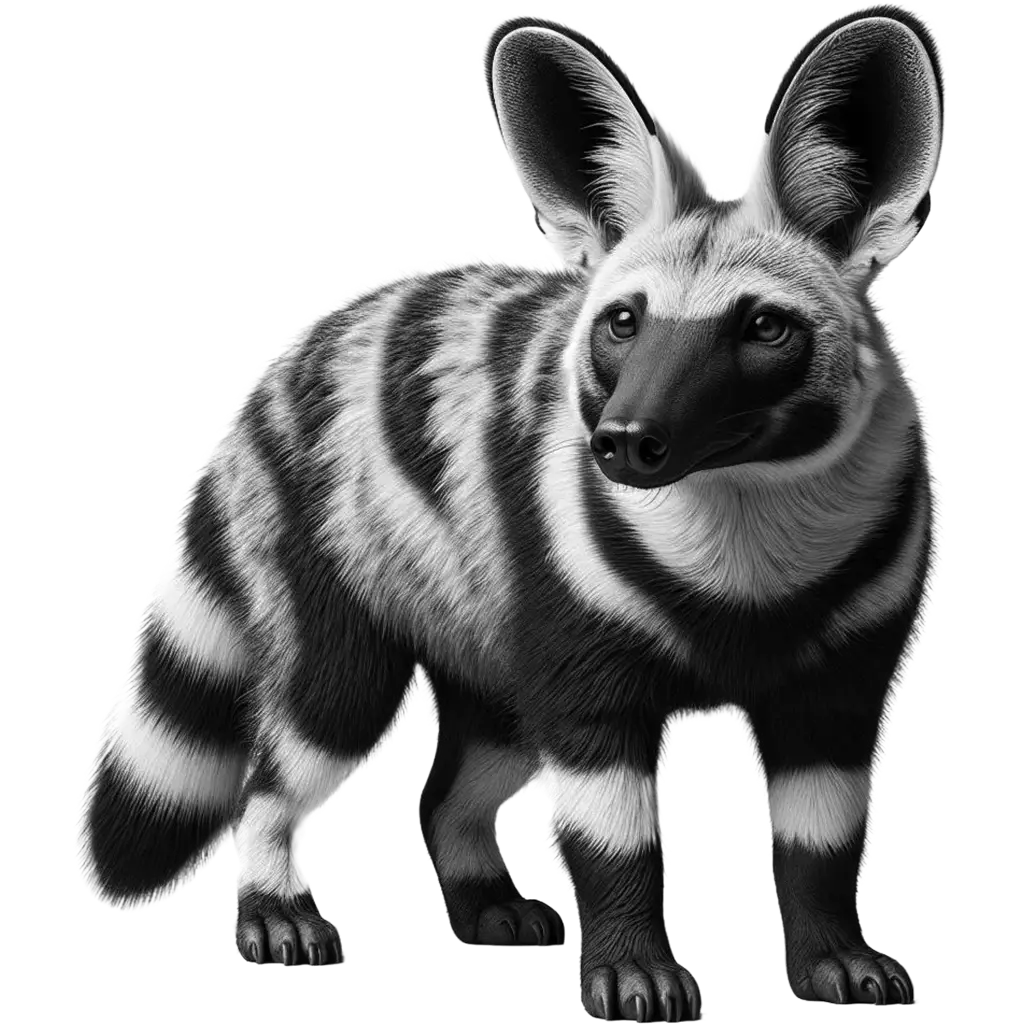
The Aardwolf, proteles cristatus, is a small, insectivorous mammal, distinct from its larger carnivorous relatives in the Hyaenidae family, such as hyenas. With a shoulder height of about 40 to 50 cm and weighing between 8 to 14 kg, the Aardwolf possesses a slender frame, covered in a coarse yellow-brown to white coat, marked with distinct black stripes along its body and legs. Its long, bushy tail and pointed ears add to its unique appearance, while its mane, which can be erected in response to threats, gives it a larger and more intimidating look. Primarily nocturnal, the Aardwolf inhabits the open, dry plains and bushland of Eastern and Southern Africa. Unlike other hyenas, it is not a scavenger but specializes in feeding on termites, particularly those of the genus Trinervitermes. It uses its keen sense of hearing to detect termites and a long, sticky tongue to consume them. This specialized diet means the Aardwolf plays a crucial role in controlling termite populations, benefiting its ecosystem. The Aardwolf's diet is almost exclusively composed of termites, capable of consuming up to 200,000 termites in a single night. It has adapted to this diet with a reduced dentition, as it does not need strong jaws to crush bone or tear flesh. During the rainy season, when termite activity is high, the Aardwolf can be seen foraging alone, using its acute hearing and sense of smell to locate termite mounds. Reproduction in the Aardwolf involves monogamous pairs that share a territory, which they defend against other pairs. Females give birth to two to four cubs after a gestation period of about 90 days. Cubs are raised in underground dens, emerging at about two months old to accompany their parents on foraging trips. This family structure is vital for the survival of the young, providing them protection and teaching them how to forage. The population of the Aardwolf is considered stable, though it faces threats from habitat loss and occasional poisoning, often due to mistaken identity as a livestock predator. Conservation efforts for the Aardwolf include habitat protection and raising awareness to prevent accidental poisoning. Their role as termite controllers highlights the importance of the Aardwolf in maintaining the balance of their natural habitats.
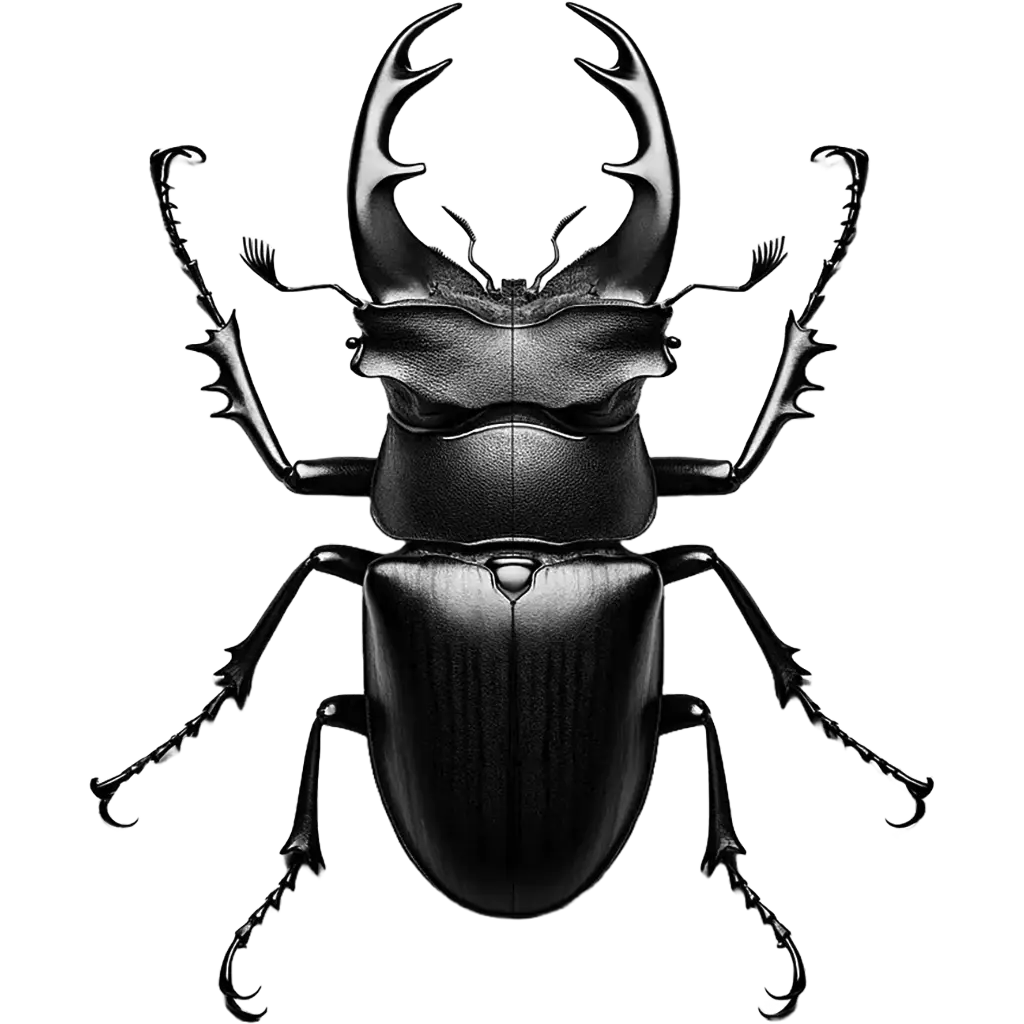
The Aegus Beetle, aegus laevicollis, a genus of stag beetles, belonging to the family Lucanidae, is one of the most recognizable and spectacular of beetles, known for the impressive, oversized mandibles of the males, which resemble the antlers of a stag, hence their name. These mandibles are used in combat with other males over mating rights, making them a unique example of sexual dimorphism in the insect world. Stag Beetles can vary significantly in size, with some species' males reaching up to 12 cm in length, though most are between 2 to 7 cm. Their body is typically black, brown, or reddish-brown, with a shiny, hard exoskeleton. Stag Beetles are found in woodlands, forests, and gardens across Europe, Asia, and North America. They prefer habitats with a plentiful supply of decaying wood, which is crucial for the larvae's development. The larvae, which can be up to 8 cm long, feed on this decomposing wood for several years before pupating and emerging as adults. This lengthy larval stage plays a vital role in the ecosystem, aiding in the decomposition process and nutrient cycling. The diet of adult Stag Beetles primarily consists of sap, fruit, and tree juices. Unlike their larvae, which are detritivores, the adults are not dependent on decaying wood for nutrition. Instead, they often feed on the sap from damaged trees, using their mandibles to access it. Reproduction in Stag Beetles involves a fascinating display of male combat, where they use their mandibles to wrestle and flip opponents. After mating, females lay their eggs in or on the ground near decaying wood, where the larvae will have immediate access to food upon hatching. This reproductive strategy ensures the continuation of the species and the ongoing process of wood decomposition in their habitats. The population of Stag Beetles is considered vulnerable in some areas due to habitat loss, pollution, and the removal of dead wood from forests, which reduces larval feeding sites. Conservation efforts focus on protecting natural habitats, promoting the retention of dead wood in forests, and raising awareness about the ecological importance of these remarkable insects. Despite their fearsome appearance, Stag Beetles are harmless to humans and play a crucial role in their ecosystems.

The African Buffalo is a large, powerful herbivore native to sub-Saharan Africa. It is one of the most formidable and unpredictable animals on the continent, known for its muscular body, thick dark coat, and distinctive curved horns. Males, also known as bulls, have larger horns that fuse at the base to form a thick protective structure called a 'boss.' These animals can grow up to 3.4 meters in length and weigh between 500-900 kg, making them one of the heaviest bovids. African Buffalos are highly social and live in large herds that can number in the hundreds or even thousands. These herds provide protection against predators and are structured around dominant females and their offspring. Males often form bachelor groups when not competing for mates. The herds move seasonally in search of water and fresh grazing land, often traveling long distances to sustain themselves during the dry season. As herbivores, African Buffalos graze mainly on grasses but will also browse on shrubs and trees when grass is scarce. They rely heavily on access to water and are often found near rivers, wetlands, or waterholes. Their powerful digestive system allows them to process coarse vegetation efficiently. Their constant grazing plays a crucial role in shaping the African savanna ecosystem, helping maintain balanced plant growth. Mating season occurs during the rainy season when food is abundant. Dominant males compete for mating rights through displays of strength, including horn clashes. After a gestation period of 11-12 months, females give birth to a single calf, which remains dependent on its mother for several months. Calves are protected within the herd and learn survival skills from older members before becoming independent. While African Buffalos are currently classified as Near Threatened, they face significant challenges, including habitat destruction, poaching, and diseases such as bovine tuberculosis. Their population remains relatively stable in protected areas, but hunting pressures in unregulated regions pose ongoing risks. Conservation efforts focus on habitat preservation, disease management, and regulating human-wildlife interactions to ensure the species' long-term survival.
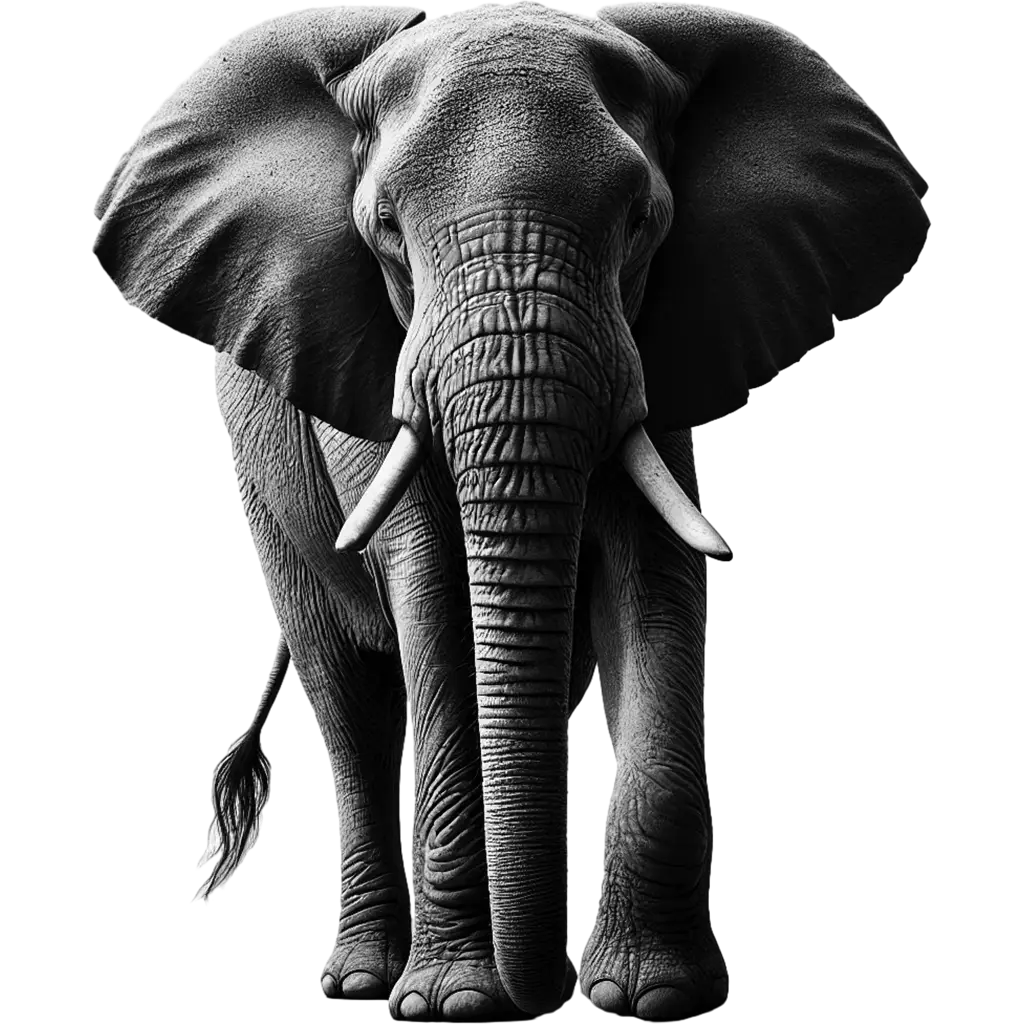
The African Bush Elephant is the largest land animal on Earth, distinguished by its massive size, large ears, and long tusks. Males can grow over 7 meters in length and weigh up to 12,000 kg, while females are smaller but still formidable. Their large, fan-like ears help dissipate heat, while their long, muscular trunks are used for feeding, drinking, and communication. The species is known for its wrinkled, thick skin that helps retain moisture and protect against harsh sun exposure. These elephants live in close-knit, matriarchal herds, led by an experienced female. They are highly intelligent, displaying strong family bonds and complex social behaviors. Herds move seasonally across vast distances in search of food and water, communicating through deep rumbles, infrasound, and body gestures. Males typically leave their birth herds upon reaching adolescence, forming loose bachelor groups before becoming solitary as they mature. As herbivores, African Bush Elephants consume up to 300 kg of vegetation daily. They have a varied diet, feeding on grasses, leaves, bark, and fruits. Their tusks allow them to strip tree bark for nutrients, dig for water, and defend against threats. They play a critical role in shaping ecosystems by dispersing seeds and modifying landscapes, creating habitats for other species. Mating occurs when males enter musth, a period of heightened aggression and reproductive drive. Dominant bulls compete for access to females, who give birth after a 22-month gestation period—the longest of any land mammal. Calves are dependent on their mothers for several years, receiving care and protection from the entire herd. This strong social structure ensures the survival of young elephants. Despite their ecological importance, African Bush Elephants face severe threats from poaching for their ivory, habitat destruction, and human-wildlife conflict. Their population has declined significantly, leading to their classification as Endangered. Conservation efforts focus on anti-poaching measures, habitat protection, and promoting coexistence between humans and elephants to prevent further population loss.

The African Forest Buffalo, syncerus caffer nanus, also known as the dwarf buffalo, is significantly smaller than its cousin, the African cape buffalo. It stands about 1 meter tall at the shoulder and weighs between 250 to 320 kilograms. Its body is compact and muscular, with a reddish or chocolate brown coat, distinct from the darker hues of the larger savannah buffalo. The forest buffalo's horns are much smaller and curve backwards, and its ears are often fringed with hair, giving it a somewhat shaggier appearance than its savannah counterpart. The African Forest Buffalo is a gregarious animal, living in herds of up to 20 individuals, though larger groups have been observed where food is abundant. These herds are often composed of females and their offspring, with males either solitary or forming smaller bachelor groups. Forest buffaloes are highly adaptable, residing in dense rainforests, swamps, and floodplains across Central and West Africa. They are diurnal, spending the day grazing and resting in the shade to avoid the midday heat. Their social structure is complex, with a hierarchy that influences access to resources and mates. Diet-wise, the African Forest Buffalo primarily grazes on grasses, but in the dense forest environment, it also browses on leaves, shoots, and even fruits. This diet flexibility allows it to thrive in various habitats, from open clearings to dense underbrush. The availability of water is a crucial factor in their habitat preference, as they need to drink daily. This dependence on water sources often dictates their movement patterns and grazing areas. Mating season for the African Forest Buffalo varies depending on the geographical location but generally occurs during the rainy season when food is plentiful. Males display their dominance and compete for females through physical displays and clashes. After a gestation period of about 11 months, a single calf is born. Calves are vulnerable at birth but are quickly able to stand and move with the herd, relying on their mother's milk for nutrition in the early months. The population of the African Forest Buffalo is considered stable in some areas, but it faces threats from habitat loss due to deforestation and agricultural expansion. Additionally, they are hunted for their meat and horns, adding pressure to their populations. Conservation efforts are crucial to ensure their survival, focusing on habitat protection and the management of hunting practices to maintain sustainable populations within their natural range.
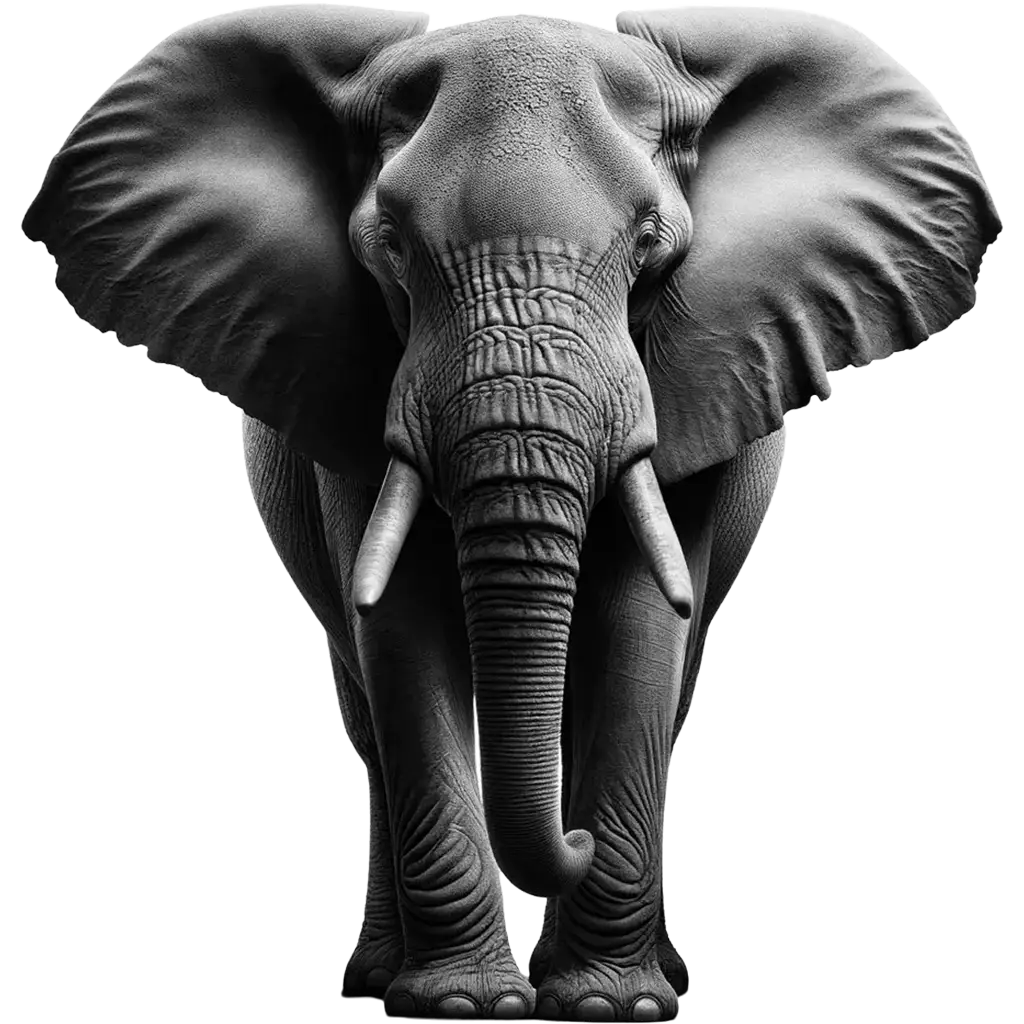
The African Forest Elephant, loxodonta cyclotis, is the smaller of the two African elephant species, distinguished by its more rounded ears and straighter tusks, which are thinner and downward pointing compared to those of its savannah cousin. Adults typically stand 2.5 meters tall at the shoulder, making them smaller than the African bush elephant. Their skin is a dark grey color, often appearing brown due to wallowing in mud and dusting themselves with dirt. This not only cools them down but also provides a protective layer against parasites and the sun. The forest elephant's dense, leafy habitat influences their compact size and agility, enabling them to navigate through tight spaces in the forest. African Forest Elephants play a pivotal role in their ecosystem as keystone species, facilitating forest regeneration through seed dispersal. Their diet primarily consists of fruit, leaves, and bark, and as they travel, seeds are excreted in different areas, promoting plant growth and diversity. These elephants are highly social, forming matriarchal herds that include females and their offspring, while males tend to be more solitary or form smaller bachelor groups. Communication among forest elephants involves a range of sounds, some of which are infrasonic, below the range of human hearing. They are known for their intelligence, demonstrated by complex social behaviors and memory. The diet of the African Forest Elephant significantly impacts the biodiversity of their habitat. They consume a variety of plant material, which helps to maintain the health of the forest ecosystem. By selectively feeding on certain plants, they contribute to the spatial distribution and composition of the forest. Their ability to break down vegetation and create clearings also allows for new plants to grow, further contributing to the ecological balance of their environment. Mating rituals of the African Forest Elephant involve elaborate displays and vocalizations by males to attract females and assert dominance. These rituals can lead to fierce competitions among males, especially during the breeding season. Females give birth to a single calf after a gestation period of about 22 months, which is one of the longest of any land animal. The social structure of the herd provides protection and support for the calves, with all members participating in their care. The population of the African Forest Elephant has been declining due to habitat destruction and poaching for their ivory tusks. Classified as critically endangered, their numbers have significantly reduced, posing a severe threat to their survival. Conservation efforts are crucial to protect their remaining habitats and to enforce anti-poaching laws. International cooperation and community-based conservation strategies are essential to ensure the long-term survival of the African Forest Elephant, reflecting the need for a global commitment to wildlife conservation.

The African Manatee, trichechus senegalensis, is a gentle aquatic mammal found in the waterways of West Africa, from Senegal to Angola. This species, one of the least studied of all manatees, has a robust, streamlined body that can reach lengths of up to 4.5 meters and weigh as much as 590 kg. Its skin is a wrinkled, grayish-black, covered in fine, sparse hairs that enhance its tactile sense. The African Manatee's flippers are used for propulsion and manipulation of food, and its paddle-shaped tail aids in swimming. Unlike other marine mammals, manatees have a unique upper lip that is split in the middle and movable, allowing them to grasp and manipulate vegetation. African Manatees inhabit a variety of freshwater and marine environments, including rivers, coastal estuaries, lagoons, and coastal marine waters where seagrass beds are abundant. They are mostly solitary animals, although they can occasionally be found in small groups, especially in areas with abundant food resources. Manatees are known to migrate in response to changes in water levels and availability of fresh water, showcasing their adaptability to varying environmental conditions. The diet of the African Manatee is herbivorous, primarily consisting of a wide variety of aquatic plants, including mangrove leaves, water hyacinths, and over 60 other plant species. This diet reflects their role as 'ecosystem engineers,' helping to maintain healthy aquatic environments by controlling the growth of vegetation. Manatees are also known to consume fish and invertebrates, indicating a more varied diet than previously thought. Reproduction in African Manatees is not well understood, but it is known that they have a low reproductive rate, with females giving birth to a single calf every two to five years after a gestation period of about 13 months. The slow reproductive rate, combined with a long lifespan of up to 70 years, makes population recovery slow and the species vulnerable to threats. The population of the African Manatee is classified as Vulnerable by the IUCN, facing threats from habitat loss, entanglement in fishing nets, hunting for meat and oil, and collisions with watercraft. Conservation efforts are crucial for their survival, focusing on habitat protection, research, and community-based conservation programs to reduce hunting and bycatch. The protection of the African Manatee is vital for the health of West Africa's aquatic ecosystems.
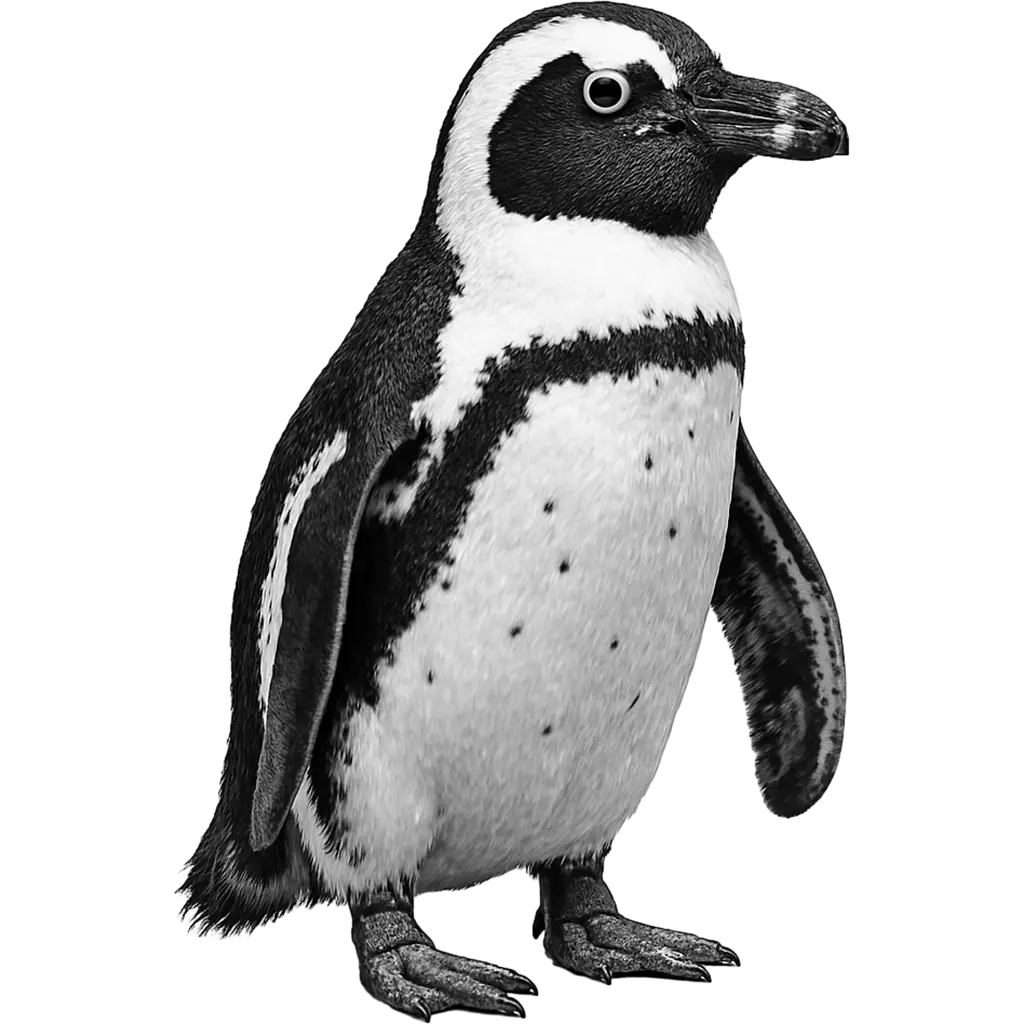
African Penguins exhibit a striking tuxedo-like appearance with vivid black and white plumage. Their compact, robust bodies and short, powerful flippers allow them to swim gracefully through the ocean, while bright red-orange patches near the eyes add a touch of color. Their overall look combines elegance and functional design, perfectly suited for life in coastal habitats. In bustling colonies along rocky shores and sandy beaches, African Penguins display highly social behaviors. They forage cooperatively in the ocean, diving skillfully after small fish and communicating through a series of calls both above and below water. On land, they congregate in large groups, engaging in communal preening and resting in the sun to regulate body temperature. Their activity is deeply influenced by tidal cycles and seasonal variations, and they exhibit a playful yet cautious demeanor in their dynamic environment. Their diet is primarily composed of small fish such as sardines and anchovies, which they catch with swift, precise dives. Occasional consumption of crustaceans and cephalopods supplements their protein intake. This specialized feeding strategy supports their energy demands for long foraging trips and vigorous swimming, while also playing an important role in maintaining the health of their marine ecosystem. During the breeding season, African Penguins form loose bonds within colonies. Courtship involves a series of soft calls, synchronized movements, and mutual preening rituals. After a single egg is laid, both parents take turns incubating and later feeding the chick, ensuring it gains the necessary survival skills in a challenging coastal environment. Wild populations are currently estimated at around 25,000 mature individuals; however, ongoing threats from pollution, overfishing, and habitat loss continue to reduce their numbers. Conservation programs focused on habitat protection and sustainable fishing practices remain critical for securing their future.

The African Pied Wagtail, motacilla aguimp, is a striking bird characterized by its contrasting black and white plumage and distinctive wagging tail behavior. This species typically measures between 18 to 20 cm in length, displaying a sleek, streamlined body that is primarily black with a white belly, chest, and eyebrow stripes. The tail, long and constantly in motion, is black with white outer feathers, a characteristic that is not only the origin of its common name but also a behavior observed while the bird is walking or feeding, which is thought to startle insects into movement. Native to sub-Saharan Africa, the African Pied Wagtail inhabits a variety of open landscapes near water bodies, including rivers, lakes, and urban water features like garden ponds and pools. They are highly adaptable and can often be found in both rural and urban settings, where they are known for their bold nature, frequently approaching humans closely. This species is resident throughout its range, meaning it does not typically migrate, though some populations may move locally depending on water availability and climate conditions. The diet of the African Pied Wagtail mainly consists of insects and other small invertebrates, which it catches using a variety of foraging techniques, including picking prey from the ground while walking or running and occasionally catching insects in flight. Their preference for foraging near water bodies helps control insect populations in these areas, playing an important role in their ecosystems. Breeding behavior for the African Pied Wagtail involves the construction of a cup-shaped nest, which is often placed in a variety of locations, from natural ledges to human-made structures. The female lays 2 to 5 speckled eggs per clutch, which both parents incubate. The chicks are altricial at birth, requiring several weeks of care before they are ready to fledge. The population of the African Pied Wagtail is considered stable, with the species classified as Least Concern by the IUCN. However, like many bird species, they face threats from habitat destruction and pollution. Conservation efforts aimed at protecting natural waterways and wetland habitats are essential for ensuring the continued health and survival of this and other water-associated bird species.
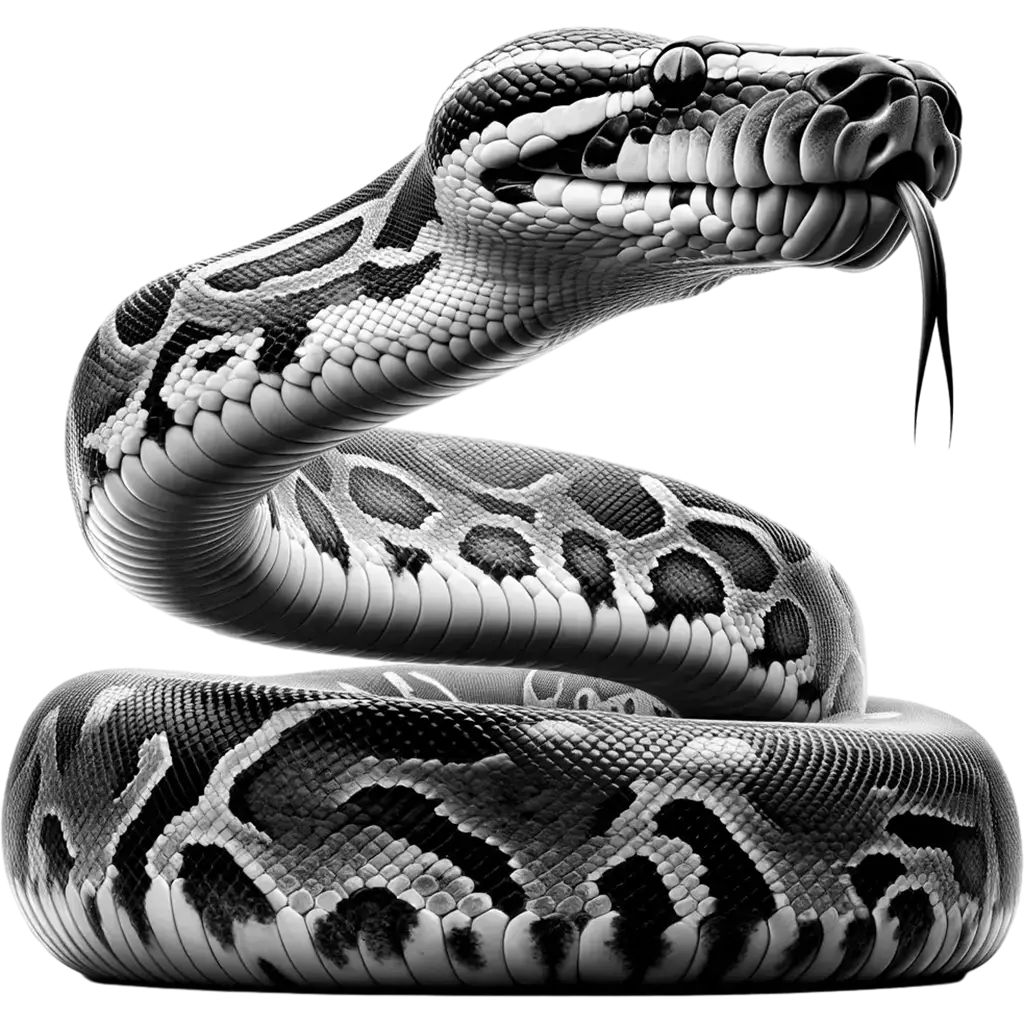
The African Rock Python, Python sebae, is a large, non-venomous snake native to sub-Saharan Africa. It is one of the largest snake species on the continent, with adults commonly reaching lengths of 3 to 4.5 meters, and some exceptional individuals exceeding 6 meters. Their skin is thick and covered in patterned scales that vary in color from brown to olive, featuring dark brown blotches bordered by lighter colors, providing excellent camouflage in their natural habitats. African Rock Pythons lead solitary lives, primarily active during the twilight hours (crepuscular) and at night (nocturnal). They are excellent swimmers and can be found in a variety of habitats, including savannas, forests, grasslands, and near water bodies. These powerful constrictors hunt by ambushing prey, using their camouflage to blend into the surroundings. Once they capture their prey, they coil around it and suffocate it before consumption. Young pythons may climb trees, but adults are mostly terrestrial due to their size. Their diet is diverse, consisting mainly of mammals and birds. Juvenile pythons may start with smaller prey such as rodents or birds, but as they grow, they can tackle larger animals, including antelopes, crocodiles, and occasionally even small hippos. They have a slow metabolism, allowing them to survive for extended periods without food after consuming a large meal. The digestion process is efficient, capable of breaking down the entire prey, including bones and feathers, leaving no trace behind. Mating for African Rock Pythons occurs primarily in the early spring. Males compete for females through wrestling matches, where they try to pin each other to the ground. After successful copulation, the female lays a clutch of 20 to 100 eggs, which she incubates by coiling around them and contracting her muscles to generate heat. This maternal care continues until the eggs hatch, about 90 days later. The population of African Rock Pythons is not currently considered endangered, but it faces threats from habitat loss, hunting for their skin, and being killed out of fear by humans. Their adaptability to different environments has helped maintain their population, but in some regions, they are in decline. Conservation efforts are important to ensure their survival, emphasizing the need for habitat protection and education to reduce human-wildlife conflicts.
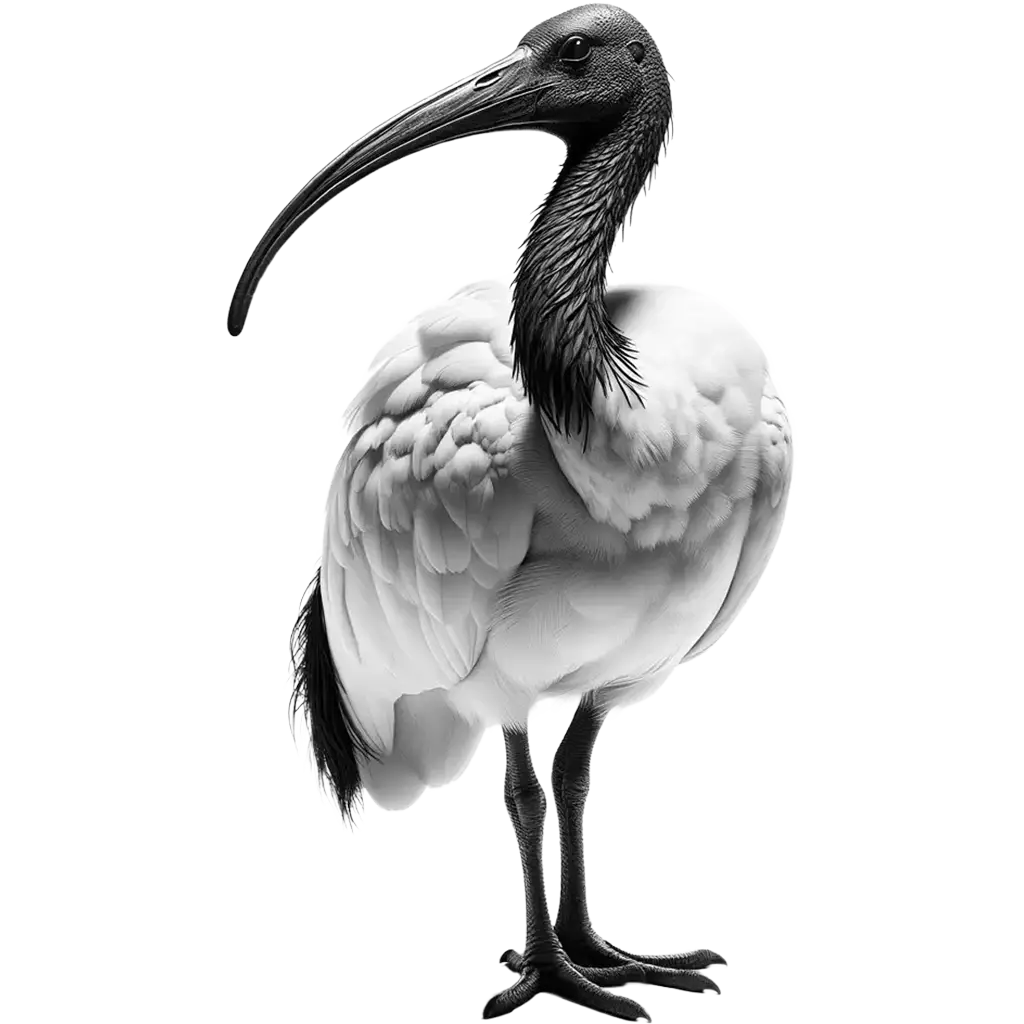
The African Sacred Ibis, threskiornis aethiopicus, is a striking wading bird native to sub-Saharan Africa and parts of Iraq. It is notable for its predominantly white plumage, contrasting black head and neck, and an impressive wingspan that features black flight feathers. Adults typically measure about 68 to 89 cm in length, with a distinctive down-curved bill that is adapted for foraging in mud and shallow water. This species is often seen in a variety of wetland habitats, including lakes, marshes, riverbanks, and agricultural fields, showcasing its adaptability to different environments. Historically venerated in ancient Egyptian culture, where it was associated with the god Thoth, the African Sacred Ibis is now often found in both wild and urbanized areas, feeding on a wide range of prey. Its diet includes insects, small mammals, reptiles, and various aquatic organisms, highlighting its role as a versatile forager and a contributor to the ecological balance in its habitats. Reproduction for the African Sacred Ibis involves nesting in large colonies, often on islands or among dense vegetation near water bodies. The nests are constructed from sticks and reeds, with both males and females participating in building the nest and raising the offspring. Females typically lay 2 to 3 eggs, which are incubated for about 28 days. The chicks are altricial, requiring care and feeding from both parents until they fledge. The population of the African Sacred Ibis is considered stable in its native range, though it has been introduced to other parts of the world, where it is sometimes viewed as an invasive species. In some areas, its adaptability and generalist feeding habits have allowed it to thrive, leading to concerns about its impact on local wildlife and ecosystems. Conservation efforts for the African Sacred Ibis focus on habitat protection and monitoring of population dynamics, especially in regions where it is considered invasive. The species' historical significance and ecological role underscore the importance of balanced management strategies to ensure that it continues to thrive in its native habitats while minimizing negative impacts in areas where it has been introduced.