

Motacilla Aguimp
African Pied Wagtail
Open habitats near water, including rivers, lakes, and urban areas
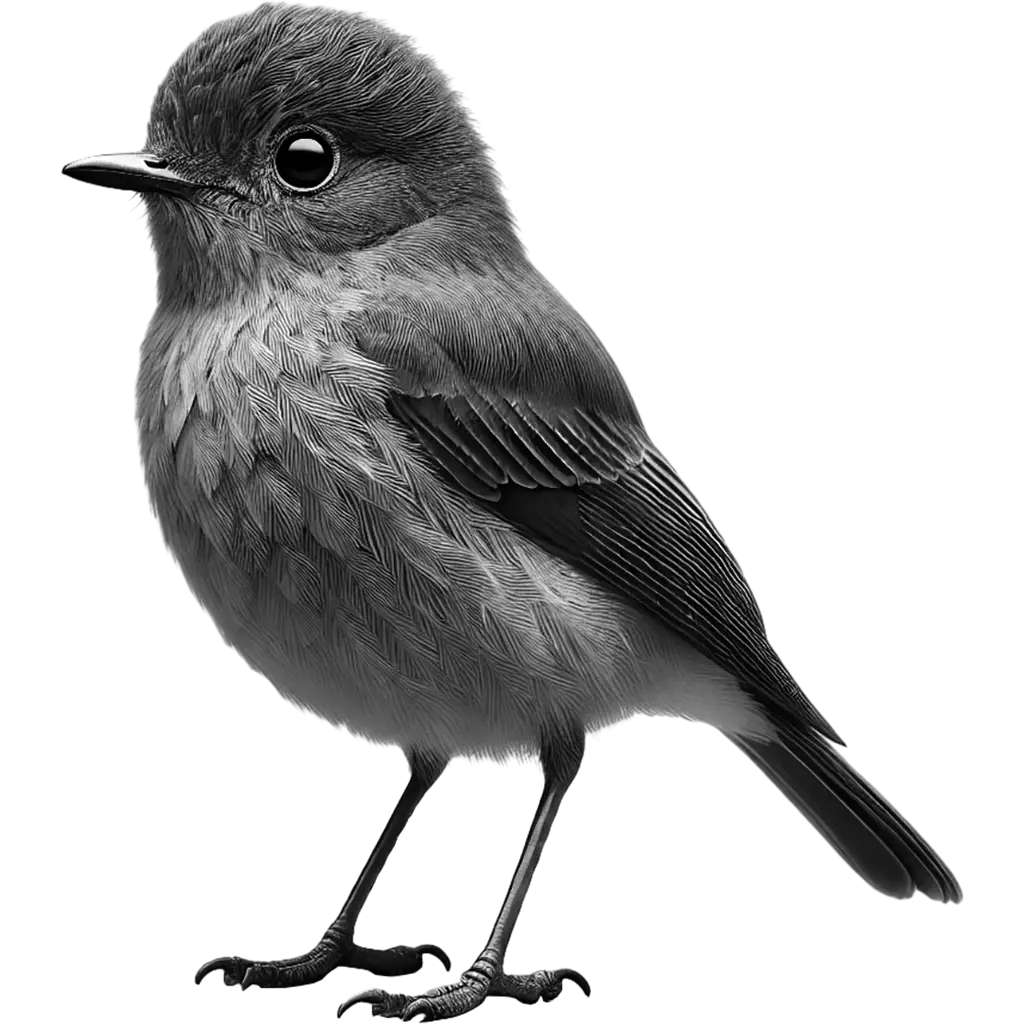
The African Pied Wagtail, motacilla aguimp, is a striking bird characterized by its contrasting black and white plumage and distinctive wagging tail behavior. This species typically measures between 18 to 20 cm in length, displaying a sleek, streamlined body that is primarily black with a white belly, chest, and eyebrow stripes. The tail, long and constantly in motion, is black with white outer feathers, a characteristic that is not only the origin of its common name but also a behavior observed while the bird is walking or feeding, which is thought to startle insects into movement.
| Population: | Listed as Least Concern, with stable and widespread populations |
| Generation Length: | 2-3 years |
| Average Weight: | 25-40 grams |
| Average Length: | 20 cm |
| Lifespan: | Unknown in the wild, but similar species can live up to 12 years |
| Diet: | Primarily insectivorous |
| Conservation Status: | Least Concern (LC) |
Native to sub-Saharan Africa, the African Pied Wagtail inhabits a variety of open landscapes near water bodies, including rivers, lakes, and urban water features like garden ponds and pools. They are highly adaptable and can often be found in both rural and urban settings, where they are known for their bold nature, frequently approaching humans closely. This species is resident throughout its range, meaning it does not typically migrate, though some populations may move locally depending on water availability and climate conditions.
The diet of the African Pied Wagtail mainly consists of insects and other small invertebrates, which it catches using a variety of foraging techniques, including picking prey from the ground while walking or running and occasionally catching insects in flight. Their preference for foraging near water bodies helps control insect populations in these areas, playing an important role in their ecosystems.
Breeding behavior for the African Pied Wagtail involves the construction of a cup-shaped nest, which is often placed in a variety of locations, from natural ledges to human-made structures. The female lays 2 to 5 speckled eggs per clutch, which both parents incubate. The chicks are altricial at birth, requiring several weeks of care before they are ready to fledge.
The population of the African Pied Wagtail is considered stable, with the species classified as Least Concern by the IUCN. However, like many bird species, they face threats from habitat destruction and pollution. Conservation efforts aimed at protecting natural waterways and wetland habitats are essential for ensuring the continued health and survival of this and other water-associated bird species.
Classifications
The Key Attributes
Features
- Movement:
Walking, running, flying
- Territorial Behavior:
Territorial during the breeding season
- Speed:
Quick on the ground and agile in flight
- Diet:
Insectivore
- Physical Features:
- Slender body with long legs and a long, constantly wagging tail
- Distinctive black and white plumage, with males having a black back and females a grey back
- Sharp, thin beak for catching insects
- Primary Senses:
- Sight
- Hearing
Understanding Habitat and Range
Geography
- Habitat:
Open habitats near water, including rivers, lakes, and urban areas
- Migration Patterns:
Largely resident, with some local movements
- Geographical Range:
Sub-Saharan Africa
- Climate Preferences:
Warm, temperate to tropical climates
Navigating the Wilderness
In the wild
- Predators:
Birds of prey, cats, and large reptiles
- Prey:
Insects, spiders, worms, and other small invertebrates
- Feeding Behavior:
Feeds on insects and small invertebrates, often caught on the ground or in flight
- Diet:
Primarily insectivorous
- Defensive Mechanisms:
- Agility and speed to escape predators
- Nesting in hidden or inaccessible places
- Preferred Food Sources:
- Areas with abundant insect activity near water sources or open fields
Insights Into Reproduction
Mating
- Mating System:
Monogamous
- Number of Offspring:
2-5 eggs
- Incubation Period:
About 12-14 days
- Parental Involvement:
- Both parents feed and care for the young
Youngsters Section
African Pied Wagtail
Fun Fact
The African Pied Wagtail is known for its distinctive "wagging" tail behavior.
This bird's tail is constantly moving up and down, a behavior thought to flush out insects for feeding. African Pied Wagtails are often found near water sources, such as rivers and lakes. They are adaptable, thriving in habitats ranging from urban areas to countryside, making them a common sight across sub-Saharan Africa.

Download word search puzzles
Word Search Puzzles

Check Out Other Birds
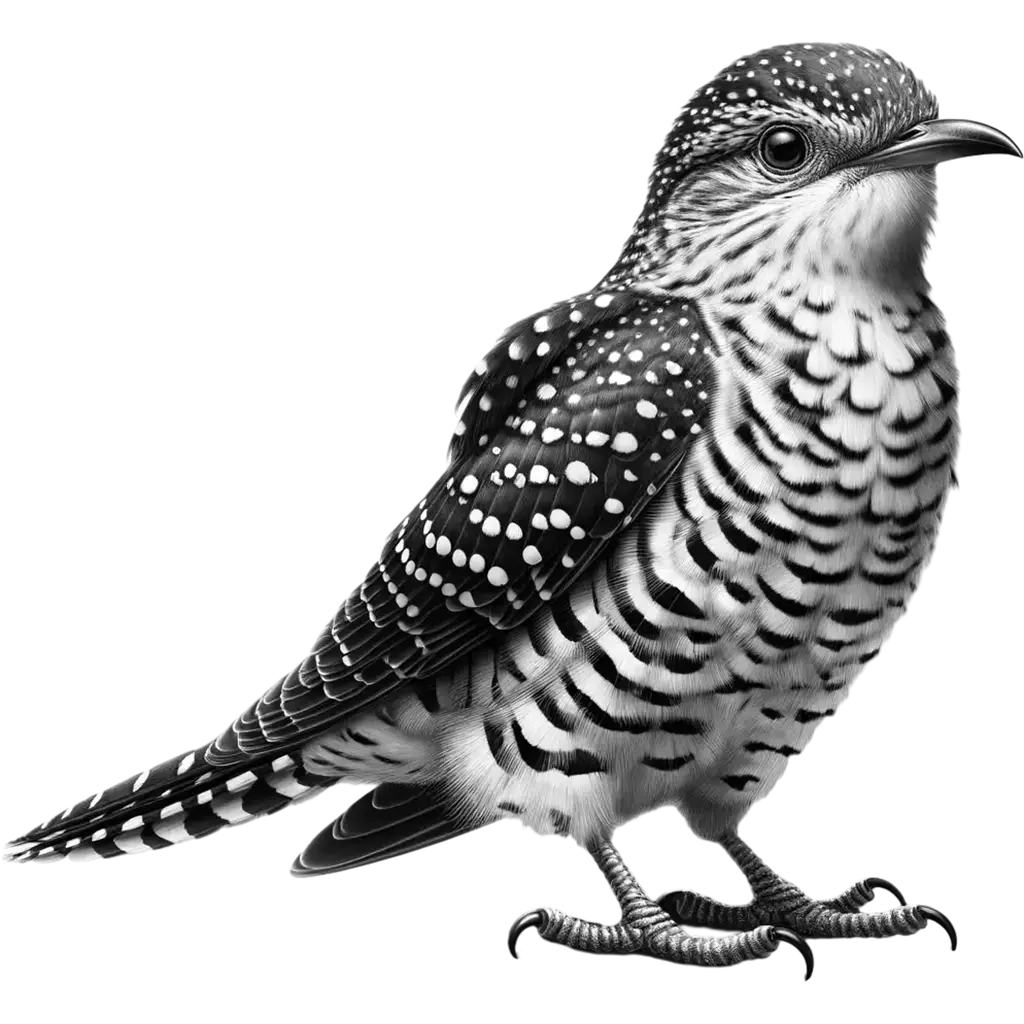
The Great Spotted Cuckoo, clamator glandarius, is a distinctive bird known for its striking appearance and brood parasitism behavior. Adults typically measure 35 to 40 cm in length, making them one of the larger species within the cuckoo family. They boast a predominantly grey body, with a long, dark tail
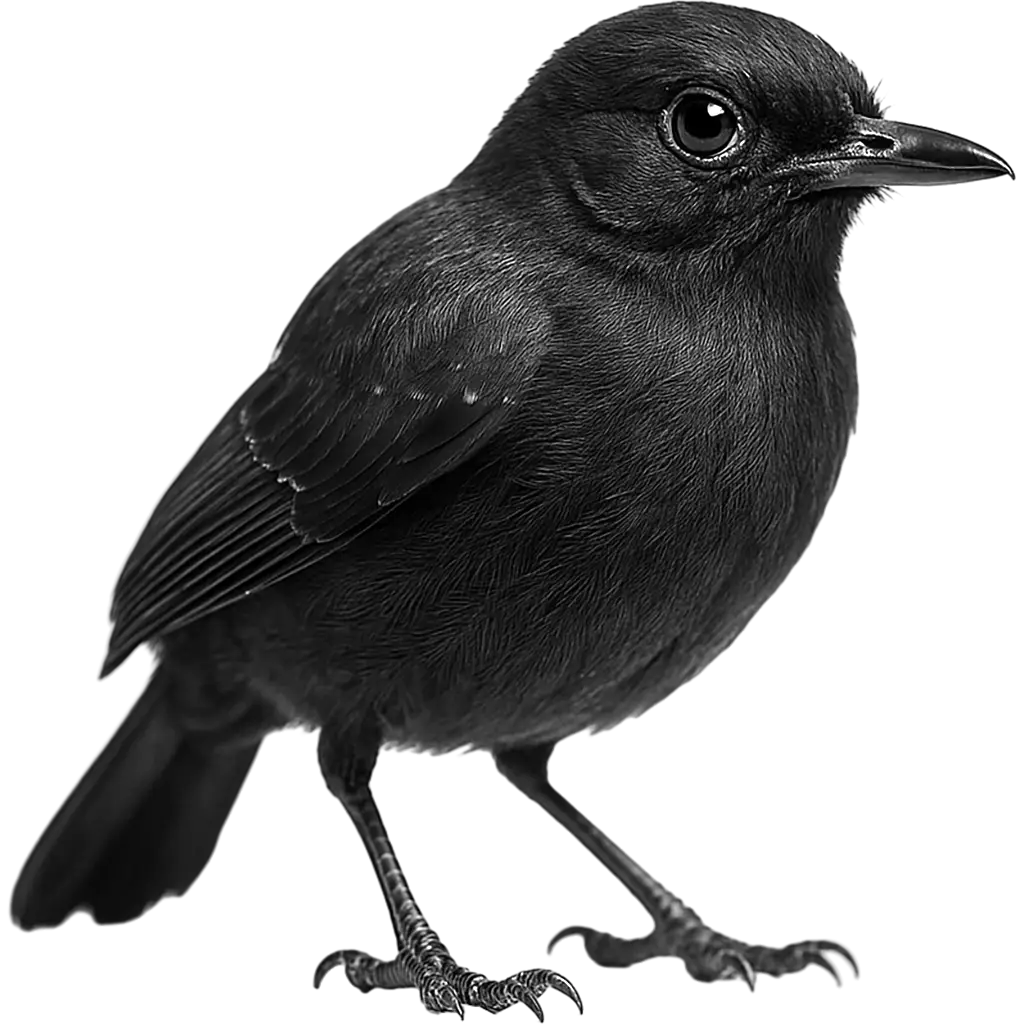
The Dusky Antbird has a modest yet distinctive appearance with muted dark plumage that blends seamlessly into the dappled shadows of the rainforest understory. Its rounded head, small sharp beak, and subtle eye-ring create a gentle expression, while a short tail and compact body enhance its agile silhouette. Soft, earthy
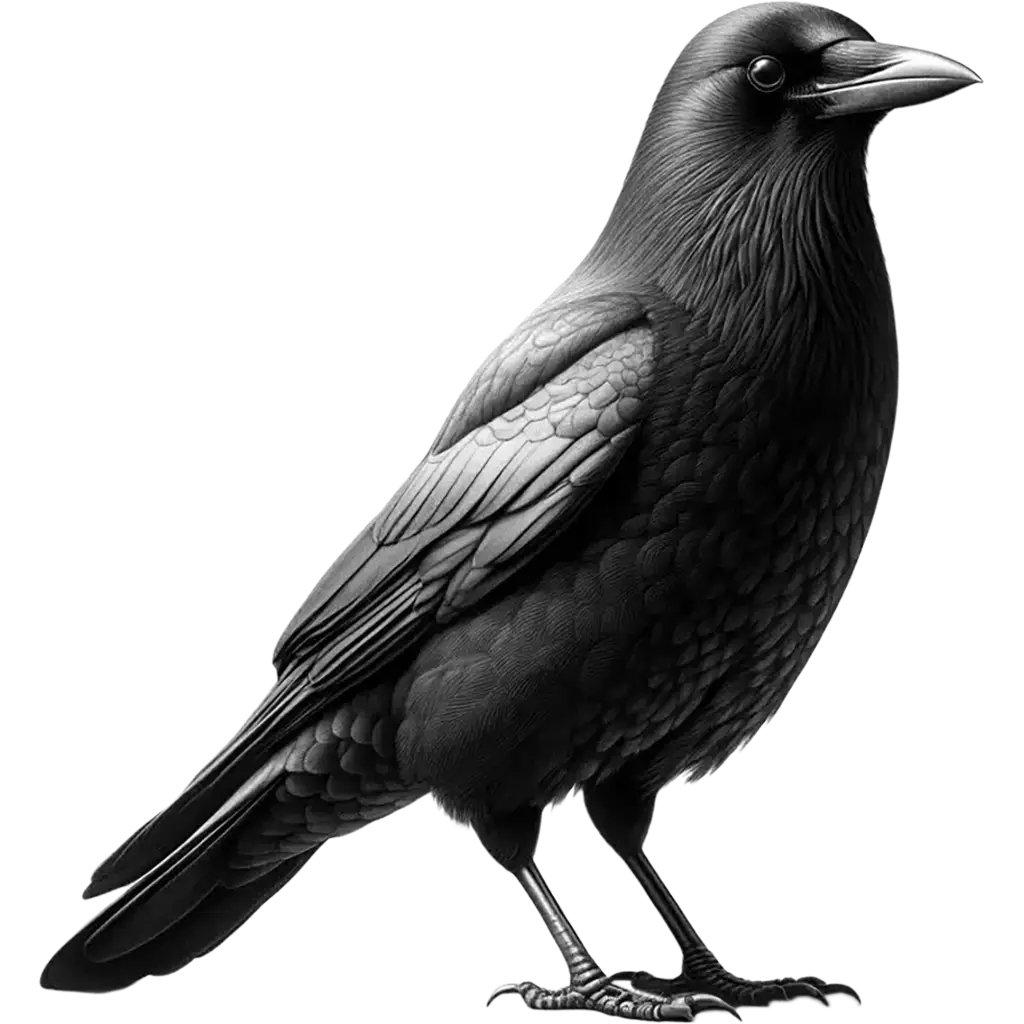
The Little Crow, corvus bennetti, is a species of bird found primarily in Australia, notable for its adaptability and resilience in various environments. This bird is smaller than other crows, measuring approximately 48 cm in length, with a sleek, all-black plumage that may appear slightly brown in direct sunlight. The
The Tumbes Pewee is a small, compact bird with subtle olive and gray plumage that blends seamlessly into its tropical surroundings. Its soft, rounded head is accented by distinct facial markings and a slightly hooked, sharp bill, all of which enhance its overall delicate yet alert appearance. The bird's long,