
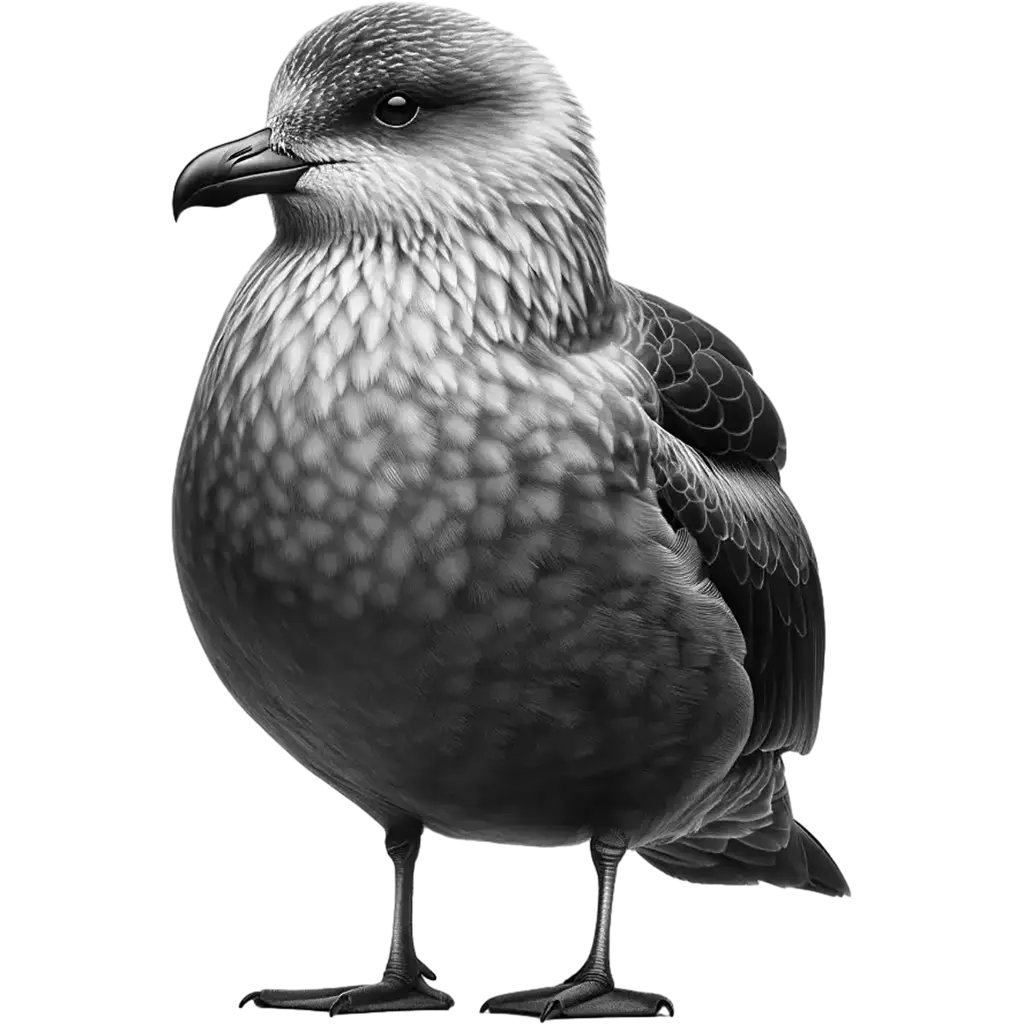
Stercorarius Pomarinus
Pomarine Jaeger
Open ocean, coastal regions, and tundra for breeding
The Pomarine Jaeger, stercorarius pomarinus, is a robust seabird known for its powerful flight and aggressive hunting tactics. This species exhibits considerable size variation, with a length ranging from 45 to 60 cm and a wingspan of 110 to 135 cm, making it the largest of the jaeger species. It has a distinctive appearance during the breeding season, characterized by its dark cap, pale face, and a body that varies from dark morphs to light brown with barring. Notably, adults have long, twisted central tail feathers that extend well beyond the tail, a feature that is less pronounced or absent in juveniles and non-breeding adults.
| Population: | Listed as Least Concern, with a wide range and large population |
| Generation Length: | 5-6 years |
| Average Weight: | 450-800 grams |
| Average Length: | 45-58 cm, with a wingspan of 110-125 cm |
| Lifespan: | Up to 15-20 years in the wild |
| Diet: | Primarily piscivorous but opportunistic, eating a wide range of marine and terrestrial foods |
| Conservation Status: | Least Concern (LC) |
Pomarine Jaegers are highly migratory, breeding in the Arctic tundra and wintering at sea in the Southern Hemisphere. They are pelagic outside the breeding season, seldom seen on land, and are known for their remarkable long-distance flights across oceans. Their presence at sea ranges widely, from the open ocean to coastal waters, where they often follow ships.
The diet of the Pomarine Jaeger is varied, consisting of fish, small birds, and eggs. However, they are best known for their kleptoparasitic behavior, chasing other seabirds such as gulls and terns to force them to regurgitate their food, which the jaegers then capture. This opportunistic feeding strategy showcases their adaptability and skill as predators.
Breeding occurs in solitary pairs or loose colonies on Arctic tundra, where the Pomarine Jaeger nests on the ground. The female typically lays 1 to 2 eggs, and both parents share incubation duties and the care of the chicks. Their nesting sites are aggressively defended from intruders, reflecting their territorial nature.
The population of the Pomarine Jaeger is considered stable, though it faces threats from climate change and habitat disturbance, particularly in its Arctic breeding grounds. Conservation efforts are focused on monitoring population trends and protecting critical habitat areas. The species' widespread range and adaptability to different environments suggest a resilience to various environmental changes, but continued vigilance is necessary to ensure its long-term conservation.
Classifications
The Key Attributes
Features
- Movement:
Flying, swimming
- Territorial Behavior:
Territorial during breeding season, aggressive towards other birds when feeding
- Speed:
Fast and agile flyer, capable of impressive aerial acrobatics
- Diet:
Carnivore
- Physical Features:
- Robust body with long central tail feathers
- Hooked bill and strong legs
- Variable plumage, ranging from dark brown to pale morphs
- Powerful wings for sustained flight
- Primary Senses:
- Sight
- Hearing
Understanding Habitat and Range
Geography
- Habitat:
Open ocean, coastal regions, and tundra for breeding
- Migration Patterns:
Long-distance migrant, traveling from Arctic breeding grounds to southern oceans
- Geographical Range:
Circumpolar regions for breeding; migrates to all oceans
- Climate Preferences:
Breeds in Arctic climates; winters in temperate to tropical oceanic climates
Navigating the Wilderness
In the wild
- Predators:
Few natural predators due to its aggressive nature and remote habitat
- Prey:
Fish, squid, small birds, eggs, and rodents
- Feeding Behavior:
Known for piracy (kleptoparasitism), stealing food from other birds; also hunts fish, small mammals, and birds
- Diet:
Primarily piscivorous but opportunistic, eating a wide range of marine and terrestrial foods
- Defensive Mechanisms:
- Aggressive defense of territory and prey
- Speed and maneuverability in flight
- Preferred Food Sources:
- Open oceans and coastal areas rich in fish and marine invertebrates
Insights Into Reproduction
Mating
- Mating System:
Monogamous
- Number of Offspring:
Usually 1-2 eggs
- Incubation Period:
About 27-31 days
- Parental Involvement:
- Both parents share in incubation and feeding of the young
Youngsters Section
Pomarine Jaeger
Fun Fact
Pomarine Jaegers are skilled aerial pirates, often harassing other seabirds to steal their food mid-flight.
These birds are remarkable for their long migrations, traveling from Arctic breeding grounds to the tropics. They have a distinctive twisted tail feather known as a "spoon" which aids in identification. Their powerful flight and aggressive behavior make them formidable hunters and scavengers in their oceanic habitats.

Download word search puzzles
Word Search Puzzles

Check Out Other Birds
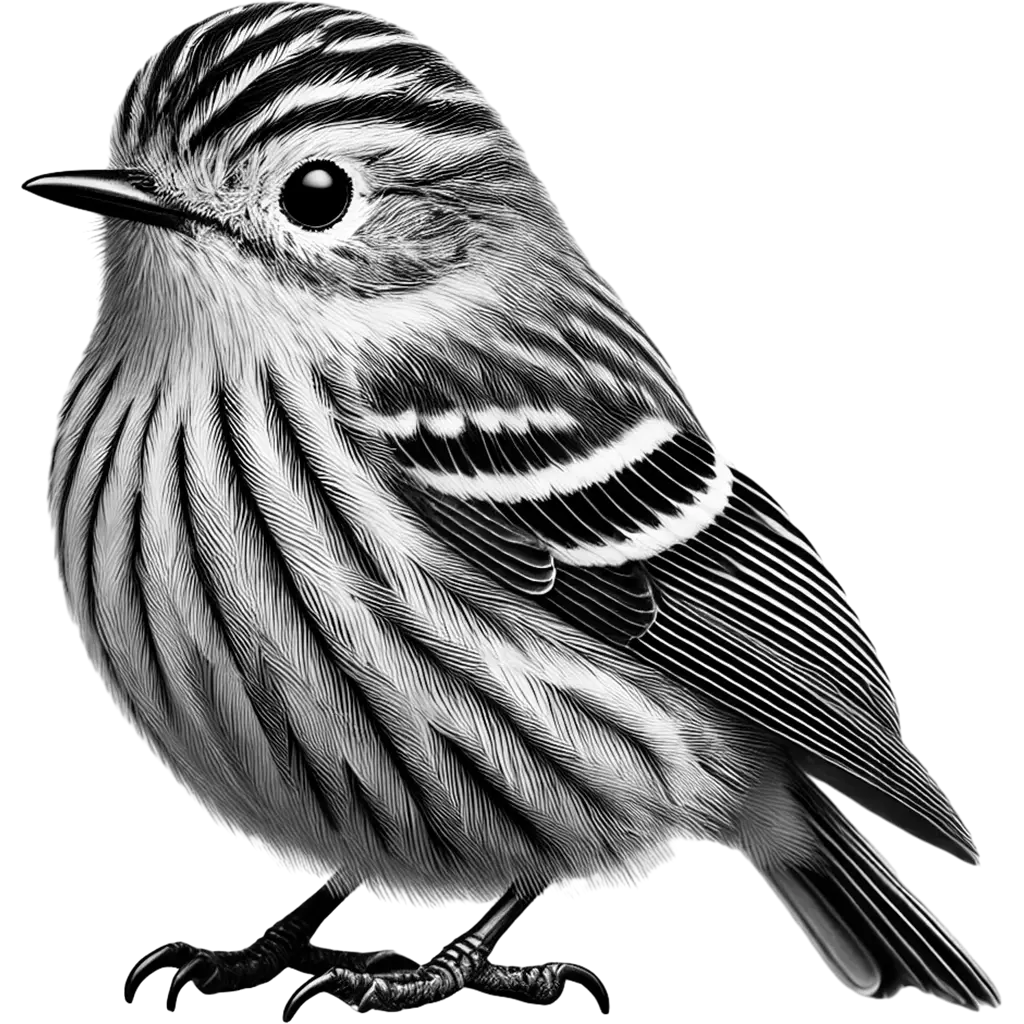
The Striped Flowerpecker is a small, delicate bird boasting a compact body covered in soft, lightly hued plumage. Distinctive narrow stripes run gracefully along its back and wings, accentuating its refined silhouette. A short, conical bill is perfectly adapted for picking tiny fruits, while a long, slender tail provides balance
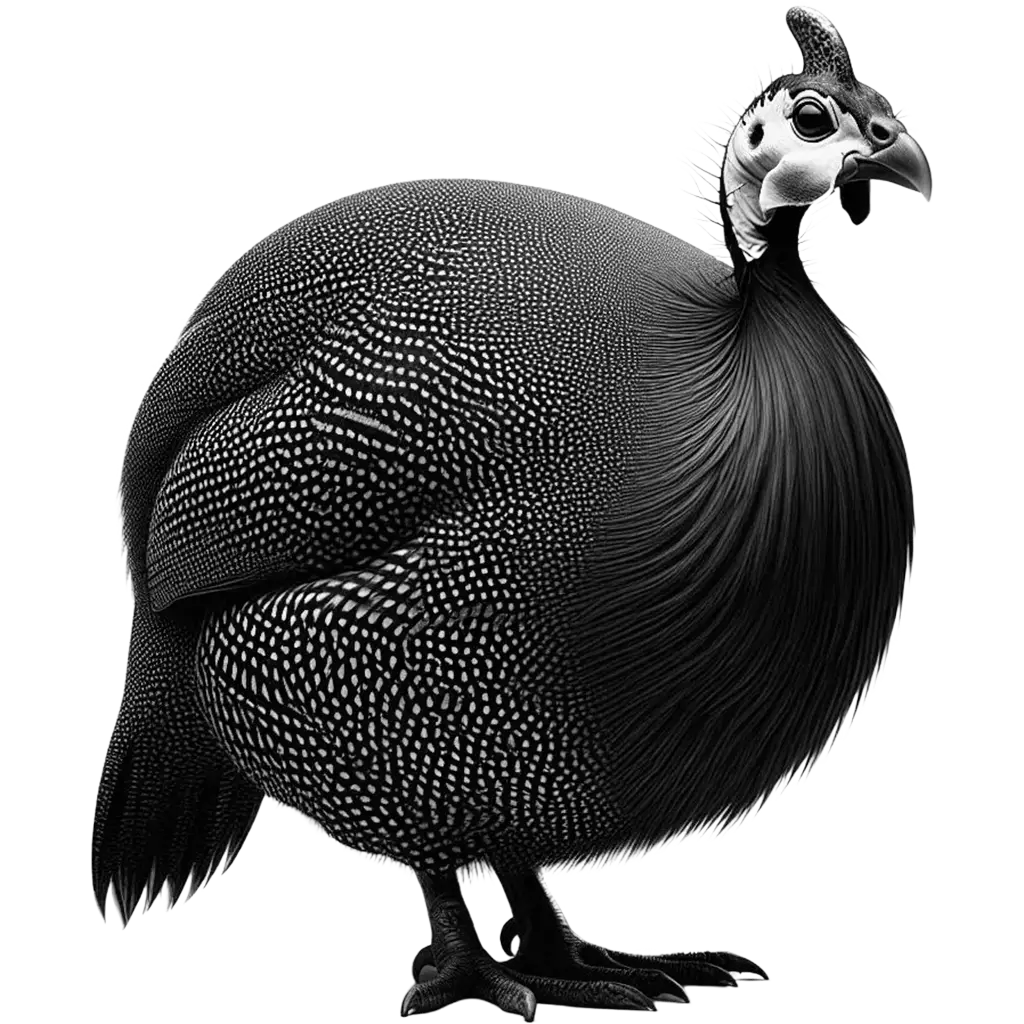
The Black Guineafowl, agelastes niger, is a rare and elusive bird species found in the dense rainforests of West and Central Africa, particularly in regions stretching from Sierra Leone to Ghana and extending to the Congo Basin. This species is distinguished by its entirely black plumage, which contrasts with its
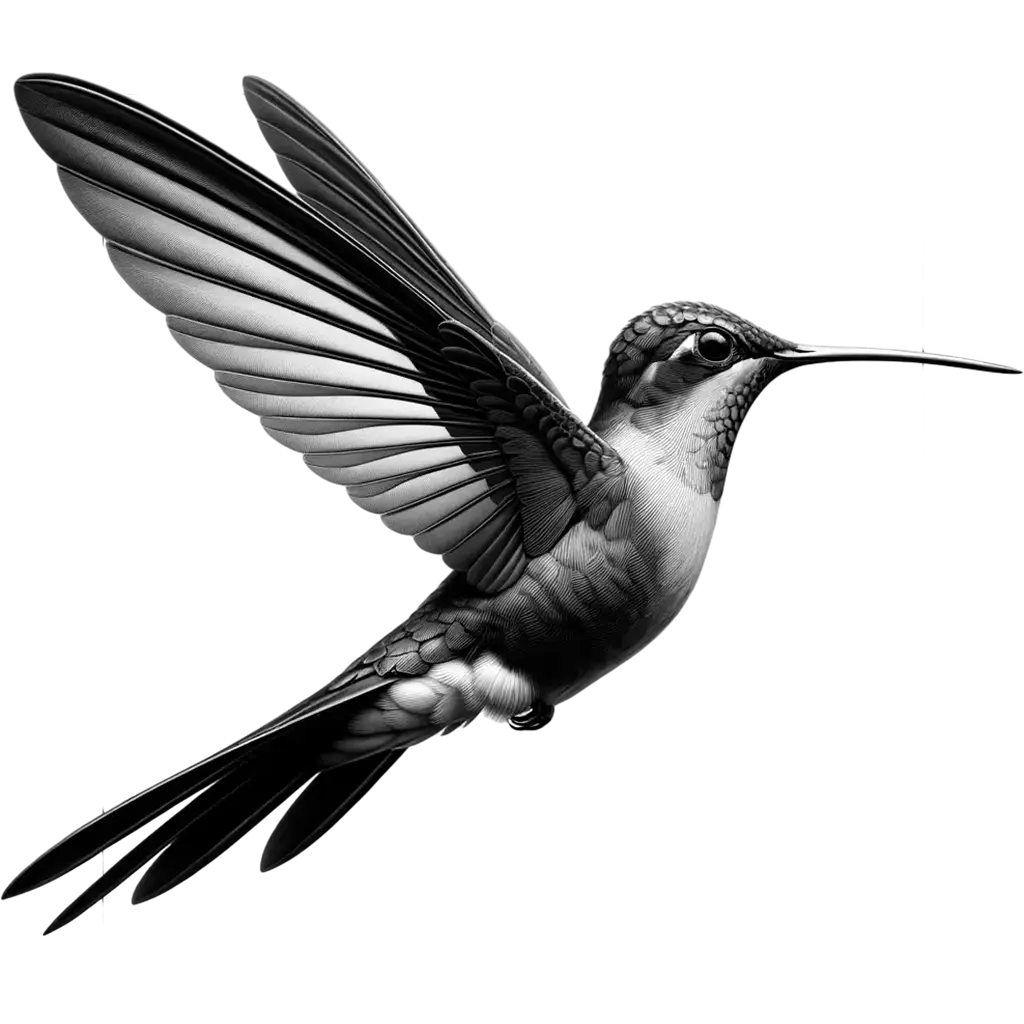
The Sword-Billed Hummingbird, ensifera ensifera, stands out as one of the most extraordinary species of hummingbirds, primarily due to its remarkable bill, which is longer than its body, excluding the tail. This unique adaptation, measuring up to 11 cm in length, allows it to access nectar from deep tubular flowers
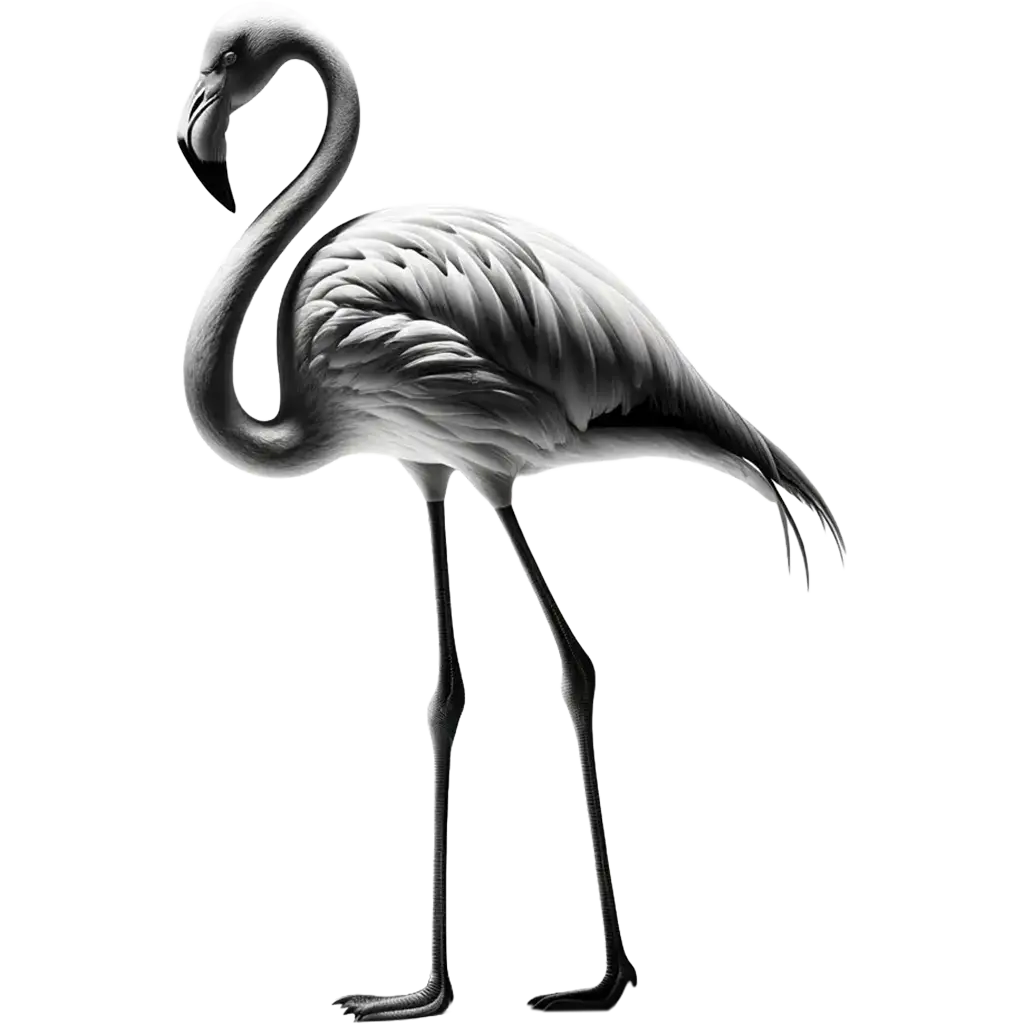
The American Flamingo, phoenicopterus ruber, is a vibrant bird known for its striking pink feathers, long, lean legs, and distinctive downward-bending beak. This species stands tall, reaching heights of up to 1.2 to 1.45 meters. The intensity of their pink coloration, which ranges from light pink to a more intense