
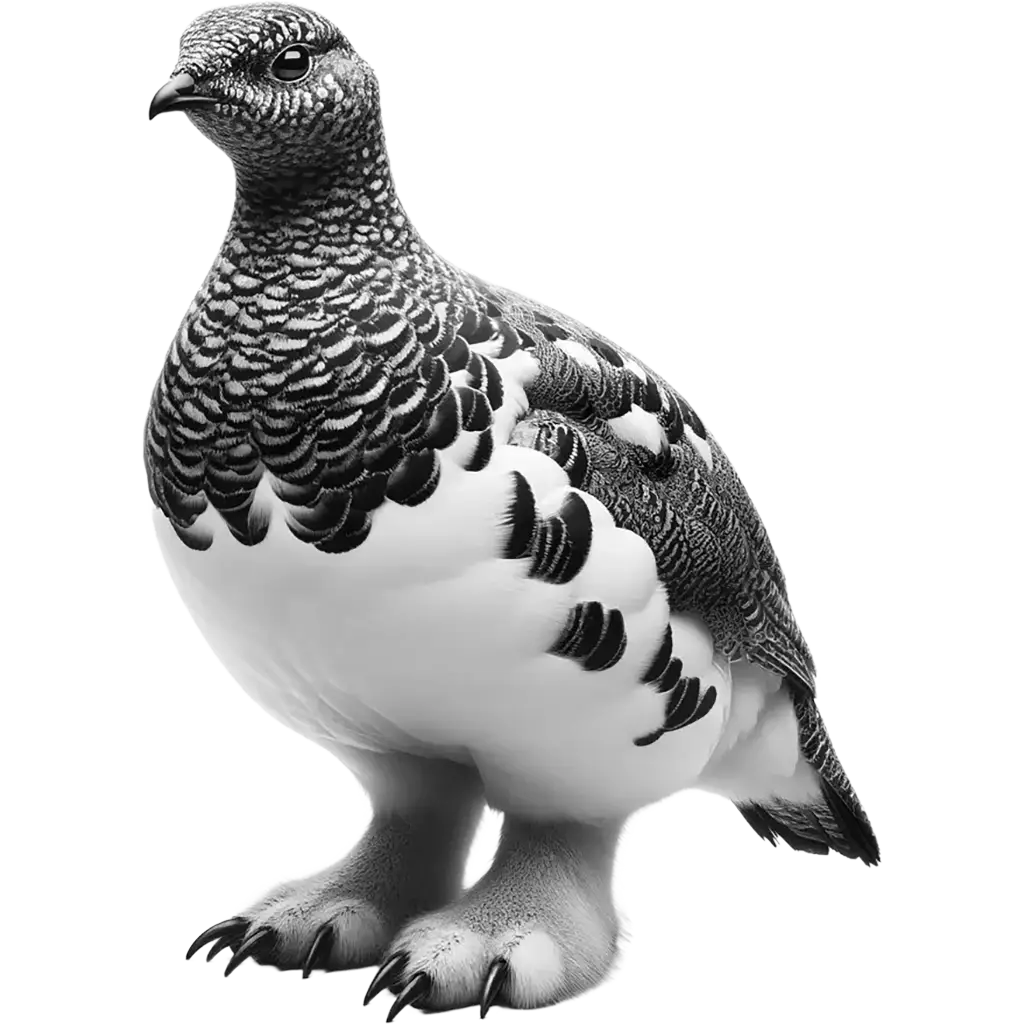
Lagopus Muta
Rock Ptarmigan
Arctic and alpine tundra, often found in rocky, mountainous areas
The Rock Ptarmigan, lagopus muta, is a hardy bird adapted to life in the Arctic tundra and alpine regions. Recognizable by its seasonal plumage changes, it sports pure white feathers in winter to blend with the snow, transitioning to brown and grey patterns during the summer for camouflage among rocks and vegetation. This medium-sized bird, measuring 34 to 36 cm in length, has feathered feet, an adaptation for insulation against the cold ground. The male can be distinguished by a red comb above the eye, more prominent during the breeding season.
| Population: | Listed as Least Concern, with stable populations |
| Generation Length: | 3-4 years |
| Average Weight: | 400-600 grams |
| Average Length: | 34-36 cm |
| Lifespan: | 5-8 years in the wild |
| Diet: | Mainly leaves, flowers, and seeds, supplemented by buds and twigs in winter |
| Conservation Status: | Least Concern (LC) |
Inhabiting cold, treeless environments across the northern hemisphere, including Greenland, Scandinavia, Russia, Alaska, and Canada, Rock Ptarmigans are ground-nesting birds that show remarkable adaptations to their frigid habitats. They are sedentary, enduring extreme winter temperatures by utilizing snow for insulation and shelter.
The diet of the Rock Ptarmigan primarily consists of twigs, buds, leaves, and berries, with a particular preference for willow and birch in the winter. During the summer, insects and flowers supplement their diet, providing essential nutrients for breeding and molting. Their feeding habits play a crucial role in the fragile tundra ecosystem, influencing the vegetative landscape.
Reproduction for Rock Ptarmigans involves the female laying 6 to 10 eggs in a shallow ground nest, camouflaged among the tundra vegetation. The male may guard the nesting territory but does not assist in incubating the eggs or rearing the chicks. The precocial chicks are born fully feathered and are able to leave the nest shortly after hatching, relying on their mother for warmth and protection.
The population of the Rock Ptarmigan is considered stable, though it faces potential threats from climate change, which could alter their tundra and alpine habitats. Conservation efforts are focused on monitoring population trends and protecting their habitat from the impacts of global warming. The Rock Ptarmigan's ability to blend into its environment, along with its ecological significance, makes it a symbol of the pristine wilderness areas it inhabits.
Classifications
The Key Attributes
Features
- Movement:
Walking, flying
- Territorial Behavior:
Territorial during breeding season
- Speed:
Capable of rapid flight over short distances
- Diet:
Herbivore
- Physical Features:
- Plumage changes color seasonally for camouflage
- Feathered feet to act as snowshoes in winter
- Compact, stocky body with rounded wings
- Short, feathered bill
- Primary Senses:
- Sight
- Hearing
Understanding Habitat and Range
Geography
- Habitat:
Arctic and alpine tundra, often found in rocky, mountainous areas
- Migration Patterns:
Sedentary, with altitudinal movements related to season and snow cover
- Geographical Range:
Circumpolar in arctic and subarctic regions, including parts of North America, Europe, and Asia
- Climate Preferences:
Cold, often harsh climates with substantial seasonal changes
Navigating the Wilderness
In the wild
- Predators:
Foxes, birds of prey, and humans
- Prey:
Not applicable
- Feeding Behavior:
Feeds primarily on buds, leaves, and twigs of tundra plants
- Diet:
Mainly leaves, flowers, and seeds, supplemented by buds and twigs in winter
- Defensive Mechanisms:
- Camouflage plumage blending with the environment
- Remaining motionless to avoid detection
- Preferred Food Sources:
- Arctic and alpine plants, particularly willow and birch
Insights Into Reproduction
Mating
- Mating System:
Polygynous
- Number of Offspring:
4-10 eggs
- Incubation Period:
About 21-25 days
- Parental Involvement:
- Females primarily responsible for nesting and rearing the young
Youngsters Section
Rock Ptarmigan
Fun Fact
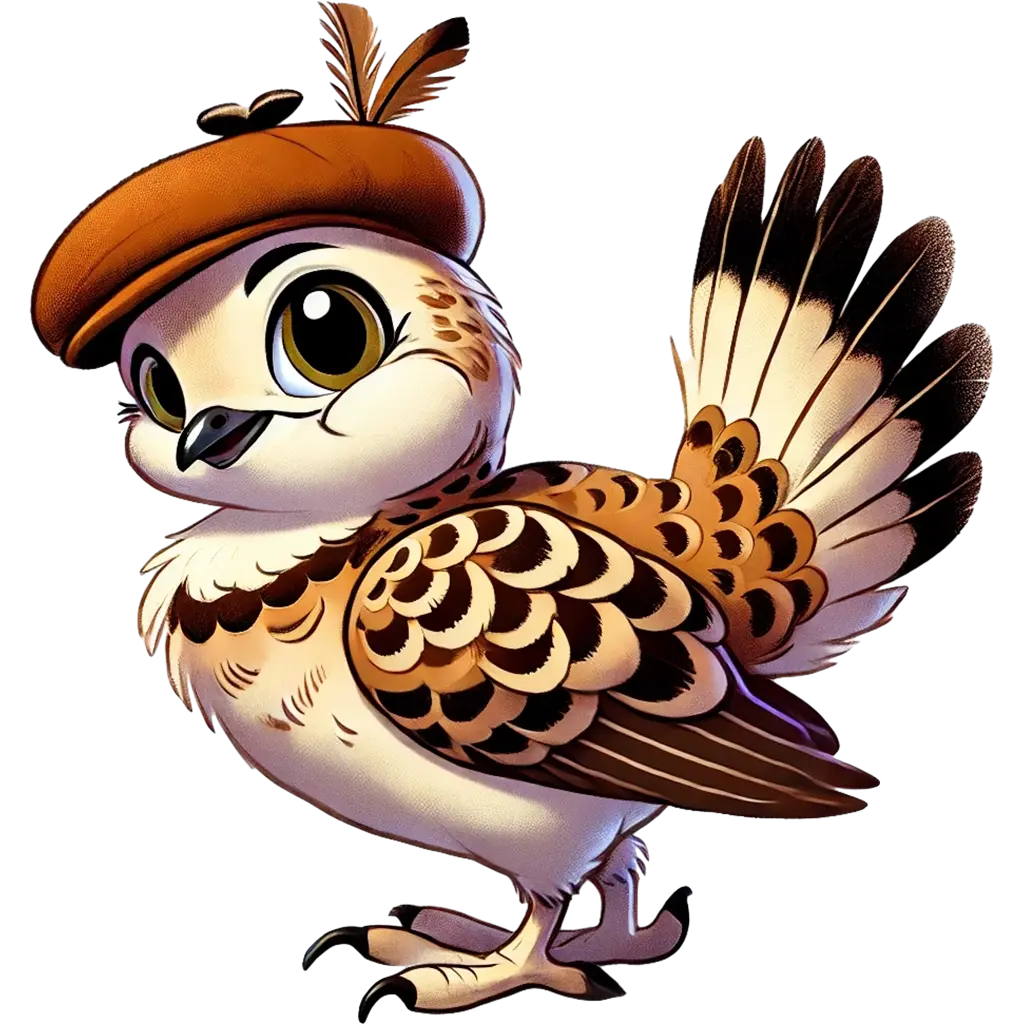
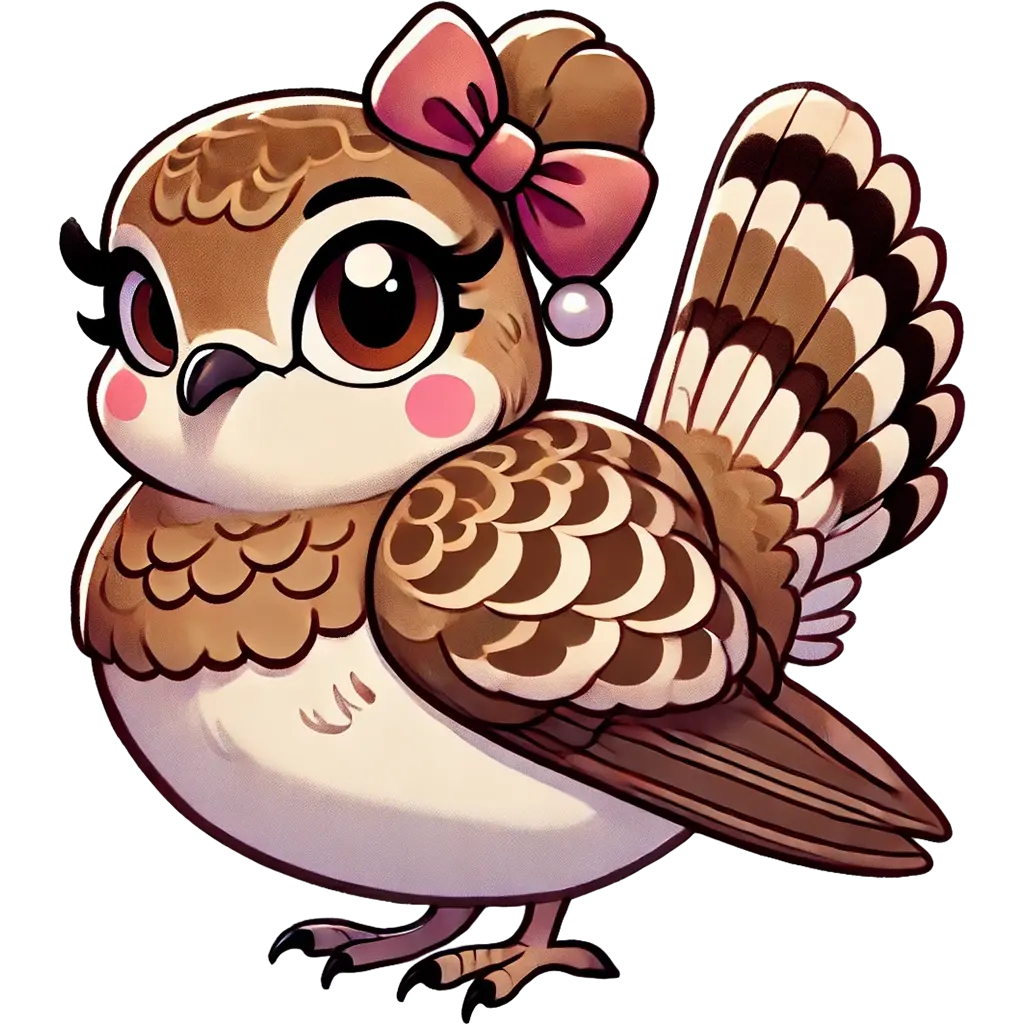
The Rock Ptarmigan is a bird known for its seasonal plumage change, adapting to blend with its environment.
In winter, its feathers turn white to match the snow, while in summer, they shift to brown, camouflaging with the tundra. This helps in avoiding predators. Additionally, Rock Ptarmigans have feathered feet, which act like snowshoes, aiding in walking on snow.

Download word search puzzles
Word Search Puzzles
Check Out Other Birds
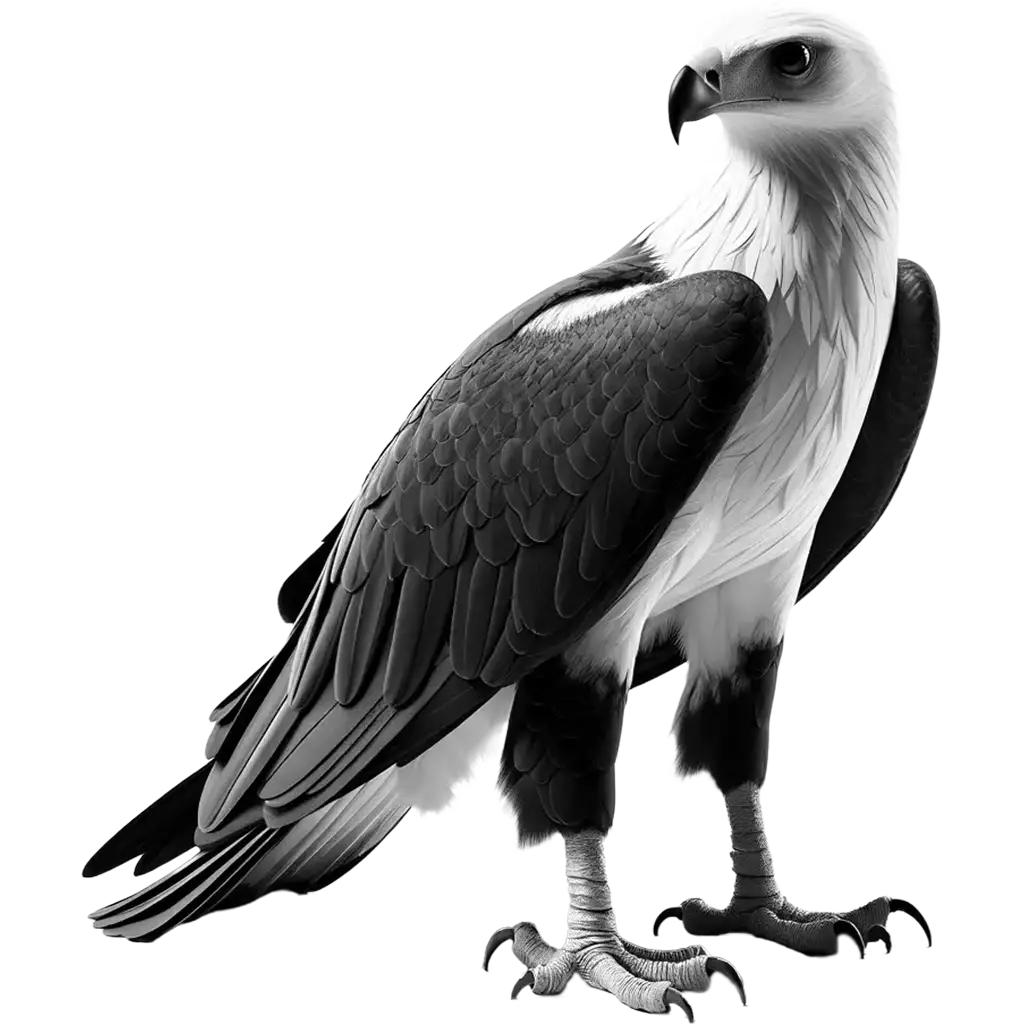
The Wedge-Tailed Eagle, aquila audax, is a powerful bird of prey and one of the largest eagles in the world, recognized by its long, distinctive wedge-shaped tail. Adults can have a wingspan of up to 2.5 meters and weigh between 3 to 6 kg, with females generally larger than males.
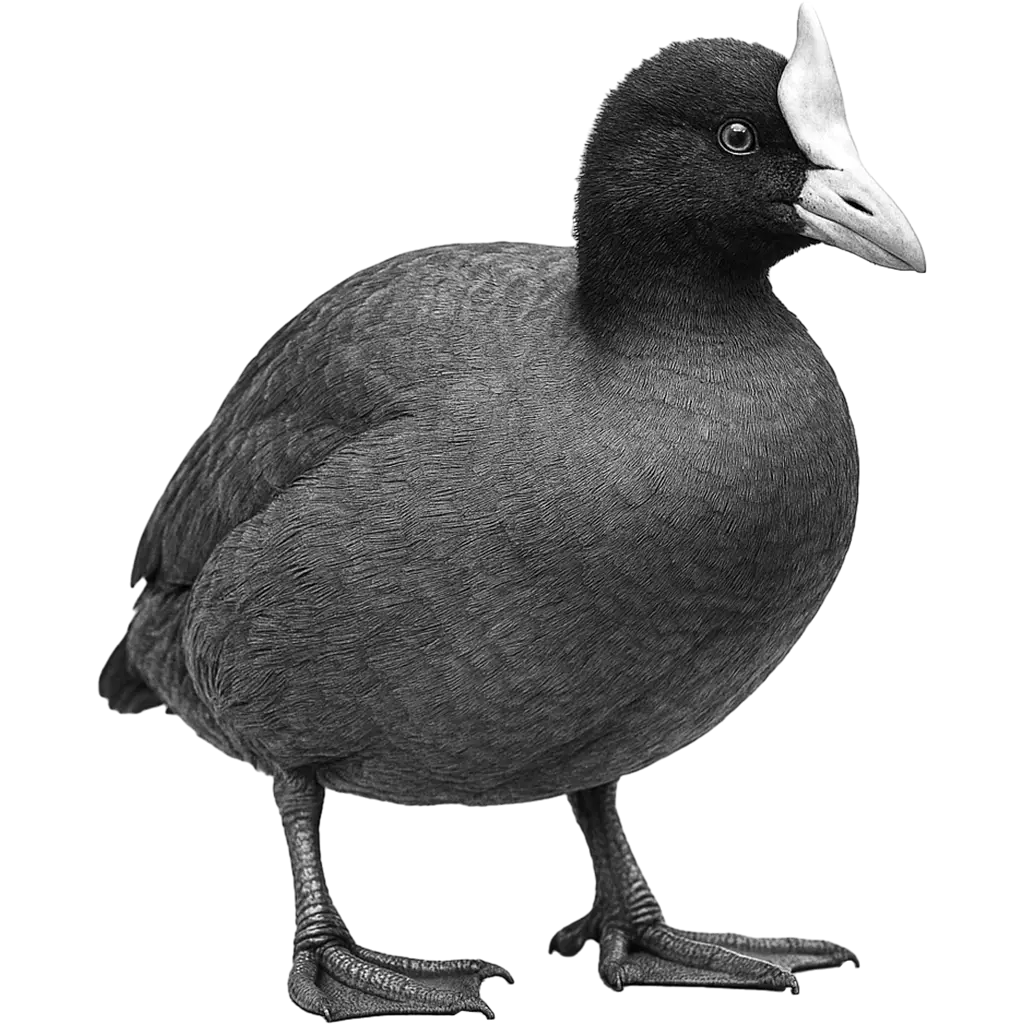
The Horned Coot is a robust waterbird measuring between forty-six and sixty-two centimeters in length and weighing from 1.6 to 2.29 kilograms. Its plumage is uniformly black, contrasting with a pale yellowish bill. Unique to this species are three filamentous wattles at the bill base, the central one potentially erectile
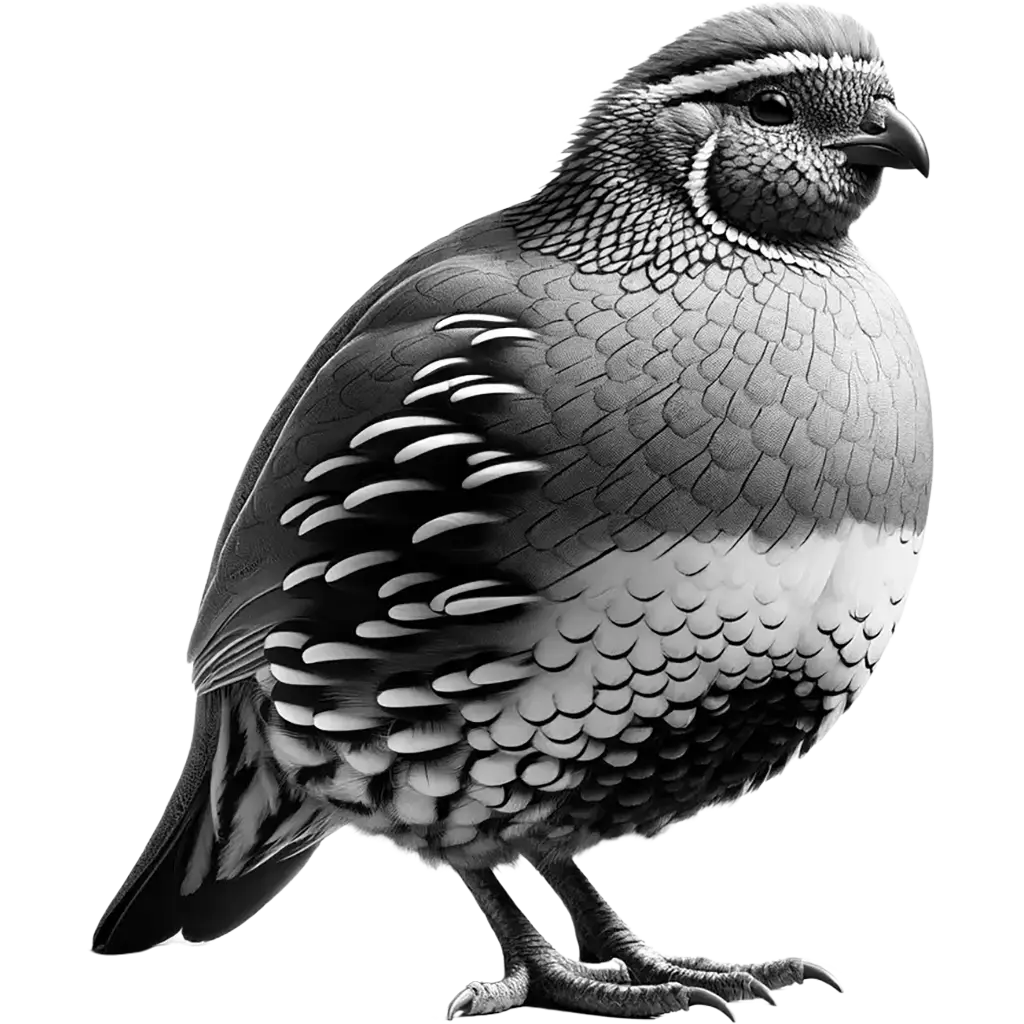
The Scaled Quail, callipepla squamata, also known as the blue quail or cottontop, is a distinctive bird native to the arid and semi-arid regions of the American Southwest and Mexico. Adults are recognized by their blue-grey plumage and the striking, scaled appearance on their breast and back, from which their
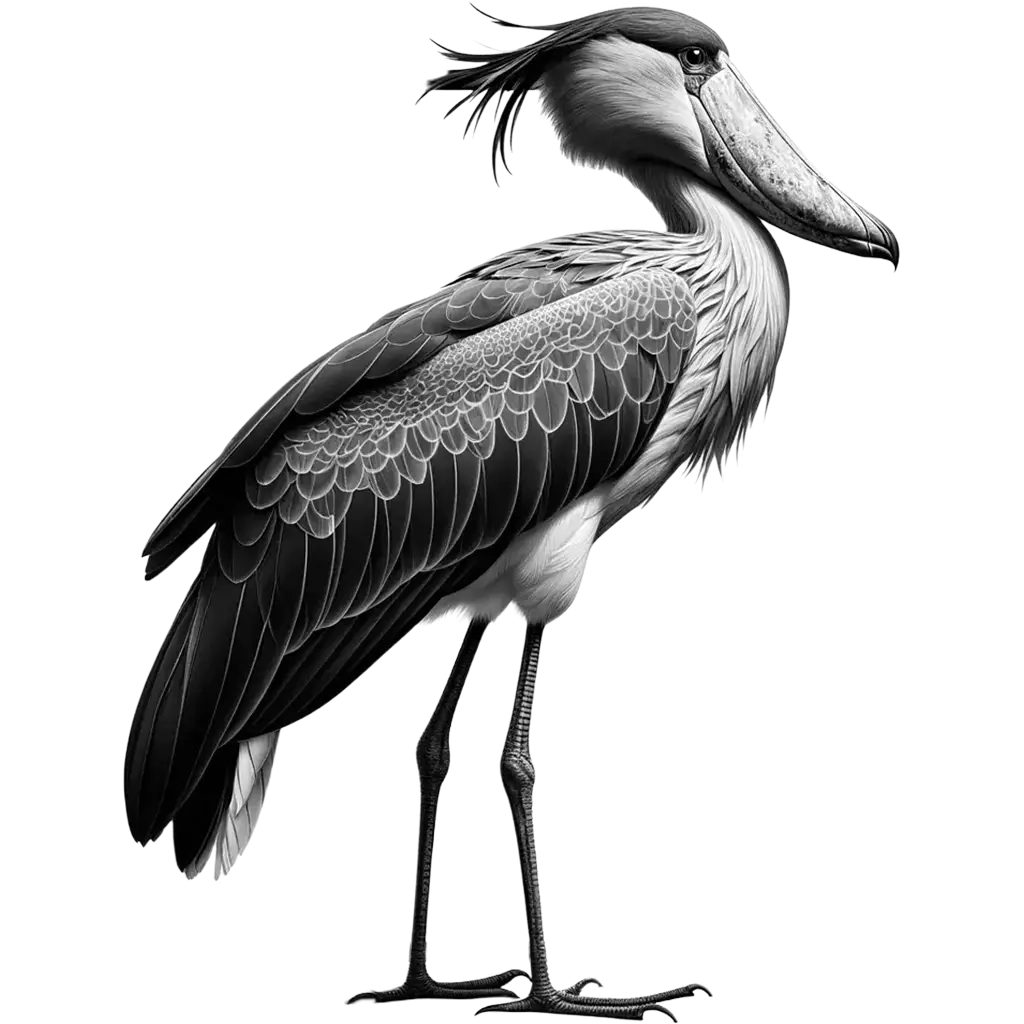
The Shoebill, balaeniceps rex, is a large, prehistoric-looking bird native to the freshwater swamps of central tropical Africa. Known for its massive, shoe-shaped bill, which can grow up to 24 cm in length, the Shoebill stands approximately 110 to 140 cm tall and exhibits a wingspan of about 230 to