
Exquisite Animals
Whether you have a particular animal in mind or you're interested in exploring the diverse range of species we feature, you've arrived at the perfect destination; enjoy full access to our extensive collection.
Filters
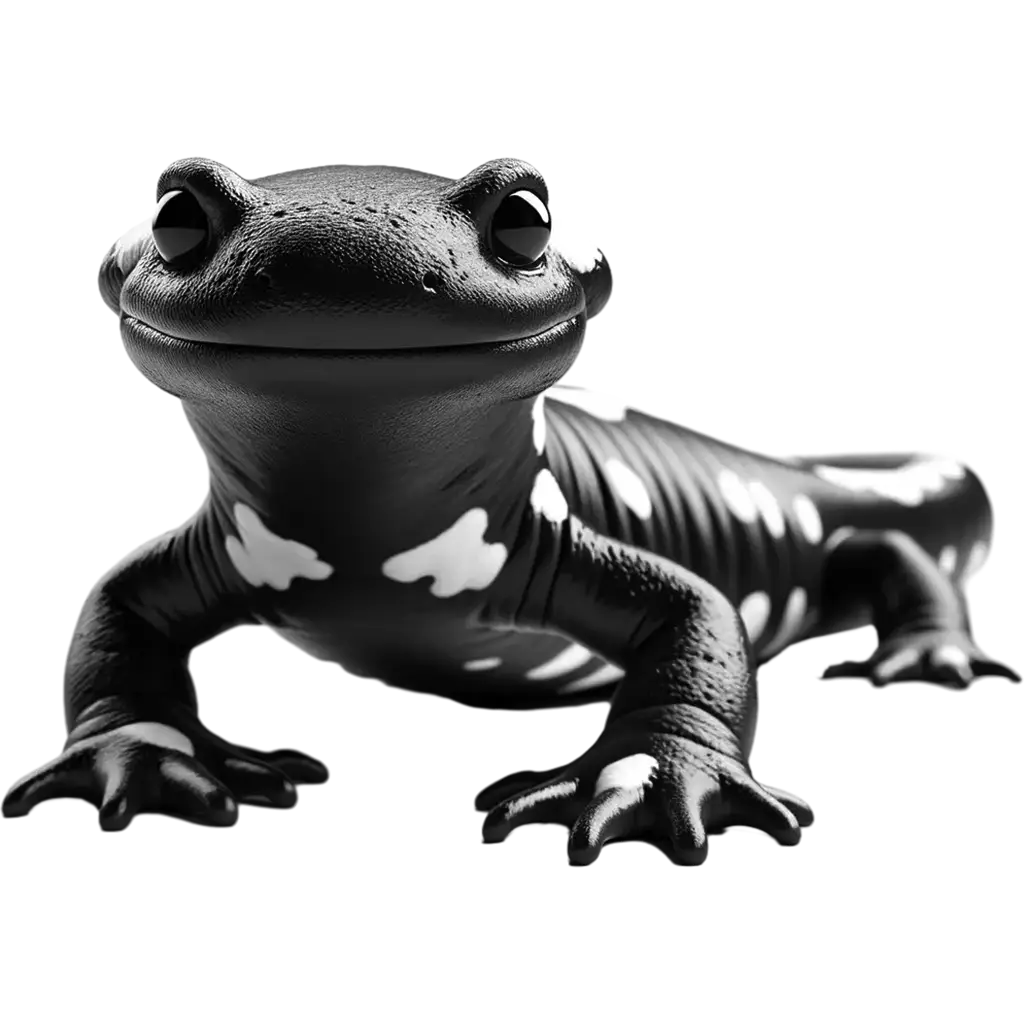
The Alpine Salamander, Salamandra atra, is a unique species of salamander native to the mountainous regions of central and southern Europe. Characterized by its completely black, glossy skin, this amphibian can reach up to 14 centimeters in length. Its robust body, short limbs, and distinctive yellow or white markings (in some subspecies) contrast sharply with the dark, often snow-dappled landscapes it inhabits. The Alpine Salamander's skin secretes a toxic substance as a defense mechanism against predators, making it one of the few amphibians capable of living at high altitudes, often above 1,000 meters. The Alpine Salamander leads a secretive life, primarily nocturnal and hiding under rocks or in crevices during the day. Its habitat consists of damp, forested mountainous areas where temperatures are cool and moisture is abundant. Unlike most amphibians, it is not dependent on water bodies for its lifecycle, as it is entirely terrestrial. This salamander is highly adapted to its harsh environment, showing remarkable resilience to the cold and even snow. It feeds on a variety of small invertebrates, including insects, spiders, and worms, which it hunts at night. Dietarily, the Alpine Salamander is insectivorous, consuming a wide range of invertebrates. Its hunting strategy is opportunistic, relying on the slow and meticulous stalking of prey, utilizing the element of surprise to capture meals. This dietary flexibility helps the salamander to thrive in its alpine environment, where food sources can be scarce and seasonal. The mating habits of the Alpine Salamander are extraordinary, with internal fertilization occurring during the late summer months. Unlike most amphibians, it gives birth to fully developed live young, bypassing the aquatic larval stage entirely. This viviparous reproduction is a rare adaptation among amphibians, allowing the Alpine Salamander to inhabit areas devoid of standing water. Females can carry the embryos for up to three years before giving birth to one or two fully formed juveniles, ensuring their immediate survival in the cold mountain climate. The population of the Alpine Salamander is considered stable in most of its range, but it faces threats from habitat destruction, pollution, and climate change. Its limited mobility and specialized habitat requirements make it vulnerable to environmental changes. Conservation efforts are focused on habitat protection and monitoring population trends to ensure the continued survival of this remarkable amphibian in its alpine home.

The American Bullfrog, lithobates catesbeianus, is a large, aquatic frog native to North America and recognized for its prominent size and deep, resonant call that resembles the bellowing of a bull. Adult bullfrogs can reach lengths of up to 20 cm (8 inches) from snout to vent, making them the largest frogs in North America. Their skin is smooth and varies in color from olive-green to brown, with darker bands on their legs and a creamy underside. Males are distinguishable by their larger tympanums (ear drums) compared to their eyes, and during the breeding season, they develop yellow throats. Bullfrogs are found in a wide range of freshwater habitats, including ponds, lakes, marshes, and slow-moving rivers, where they prefer areas with abundant vegetation for cover. They are highly adaptable and have been introduced to many areas outside their native range, where they often become invasive and outcompete native species. Their diet is exceptionally varied and includes insects, small mammals, birds, and other amphibians, indicating their opportunistic and predatory nature. Bullfrogs are known for their impressive leaping ability, using their powerful hind legs to launch themselves at prey or escape threats. Reproduction in bullfrogs occurs in late spring to early summer when males gather in bodies of water and produce their characteristic calls to attract females. Females lay thousands of eggs in large, floating masses in still waters. The eggs hatch into tadpoles, which can take up to two years to metamorphose into adult frogs, a longer larval stage than most other North American frogs. The population of the American Bullfrog is considered stable in its native range but is increasing in areas where it has been introduced. While not currently at risk of extinction, its impact on local ecosystems as an invasive species is a concern. Conservation efforts in non-native regions focus on controlling bullfrog populations to protect native wildlife. The American Bullfrog's adaptability and the ecological impact of its predatory habits underscore the complexities of amphibian conservation and the unintended consequences of species introductions.

The Axolotl, ambystoma mexicanum, is an intriguing species of salamander known for its unique ability to retain juvenile features throughout its adult life, a condition known as neoteny. Unlike most amphibians, Axolotls do not undergo a complete metamorphosis and instead remain aquatic and gilled. They typically grow to about 15 to 25 centimeters in length, featuring a wide head, lidless eyes, and a smile-like mouth. Their body is supported by frilly external gills on each side of the head, used for breathing underwater. Axolotls come in a variety of colors, from wild-type greenish-brown with speckles to albino, leucistic (pale with pink eyes), and melanoid (dark) morphs, making them popular in the pet trade. Axolotls are endemic to the lake complex of Xochimilco near Mexico City, though they now primarily exist in water channels and remaining lake fragments. Their natural habitat is freshwater lakes and canals, where they hide among vegetation and debris. Due to urbanization and pollution, their environment is drastically changing, which significantly impacts their population. Axolotls are nocturnal, spending their days hiding and coming out at night to feed. They are solitary creatures except during the breeding season. Their ability to regenerate lost body parts, including limbs, heart, and other organs, has made them a subject of extensive scientific research. The diet of the Axolotl is carnivorous, consisting of small fish, worms, insect larvae, and crustaceans. In captivity, they are often fed a variety of foods, including pellets, beef heart, and live food such as bloodworms and brine shrimp. Their method of feeding is by suction, drawing water and food into their mouths by quickly closing their gills, which creates a vacuum. Breeding in Axolotls takes place in water, where the female lays eggs that the male fertilizes externally. After fertilization, the female deposits her eggs on plants or other submerged surfaces. Each female can lay up to 1,000 eggs per breeding season. The eggs hatch into larvae in about two weeks, depending on the water temperature. The larvae are fully aquatic and resemble miniature adults, complete with external gills for breathing. The Axolotl is currently listed as Critically Endangered by the IUCN Red List, primarily due to habitat loss, pollution, and the introduction of invasive species. Conservation efforts are underway, including habitat restoration and captive breeding programs, to prevent their extinction. The Axolotl's unique regenerative abilities and genetic makeup continue to provide valuable insights into developmental biology and regenerative medicine, making their conservation even more critical.

The Cuban Spotted Toad is a robust amphibian with a mottled, warty skin that displays an array of brown and green spots, offering excellent camouflage against the forest floor. Its broad, rounded head and short, sturdy limbs give it a compact build, while its small, recessed eyes and subtle facial features add to its unassuming charm. This striking appearance is enhanced by a slight sheen on its skin that reflects the dappled light of its natural environment. In its natural habitat, the Cuban Spotted Toad leads a predominantly nocturnal lifestyle. It emerges at dusk from its burrows to explore the moist undergrowth and edges of freshwater bodies, where it forages for food. Adapted to a life beneath the surface, it constructs extensive burrow systems that serve as both shelter and breeding sites. By day, it remains hidden under leaf litter or beneath rocks, conserving energy and avoiding predators. Its deliberate movements and slow, methodical exploration of its habitat are essential for survival in a competitive, resource-scarce environment. Feeding primarily on small insects, the Cuban Spotted Toad relies on its keen senses to detect ants, beetles, and other invertebrates hidden among the forest detritus. It uses its wide, powerful mouth to capture prey in sudden, precise strikes. Occasionally, it supplements its diet with plant matter, ensuring a balanced intake of nutrients during periods when insect availability is low. This varied diet not only meets its energetic needs but also plays a crucial role in controlling insect populations, thus maintaining the ecological balance of its habitat. During the breeding season, Cuban Spotted Toads gather in temporary ponds formed by seasonal rains. Males call softly from hidden perches to attract females, and brief, competitive encounters ensue before mating occurs. The female then lays a clutch of eggs in shallow water, after which both parents depart, leaving the hatchlings to survive on their own. This brief, yet effective, reproductive process ensures species continuity. The Cuban Spotted Toad is endemic to Cuba and is found only in isolated, suitable habitats. While it remains common in pristine areas, ongoing threats from deforestation, agricultural expansion, and pollution have led to localized declines. Conservation efforts focusing on habitat protection are essential to ensuring that its populations remain stable and resilient in the face of human impact.
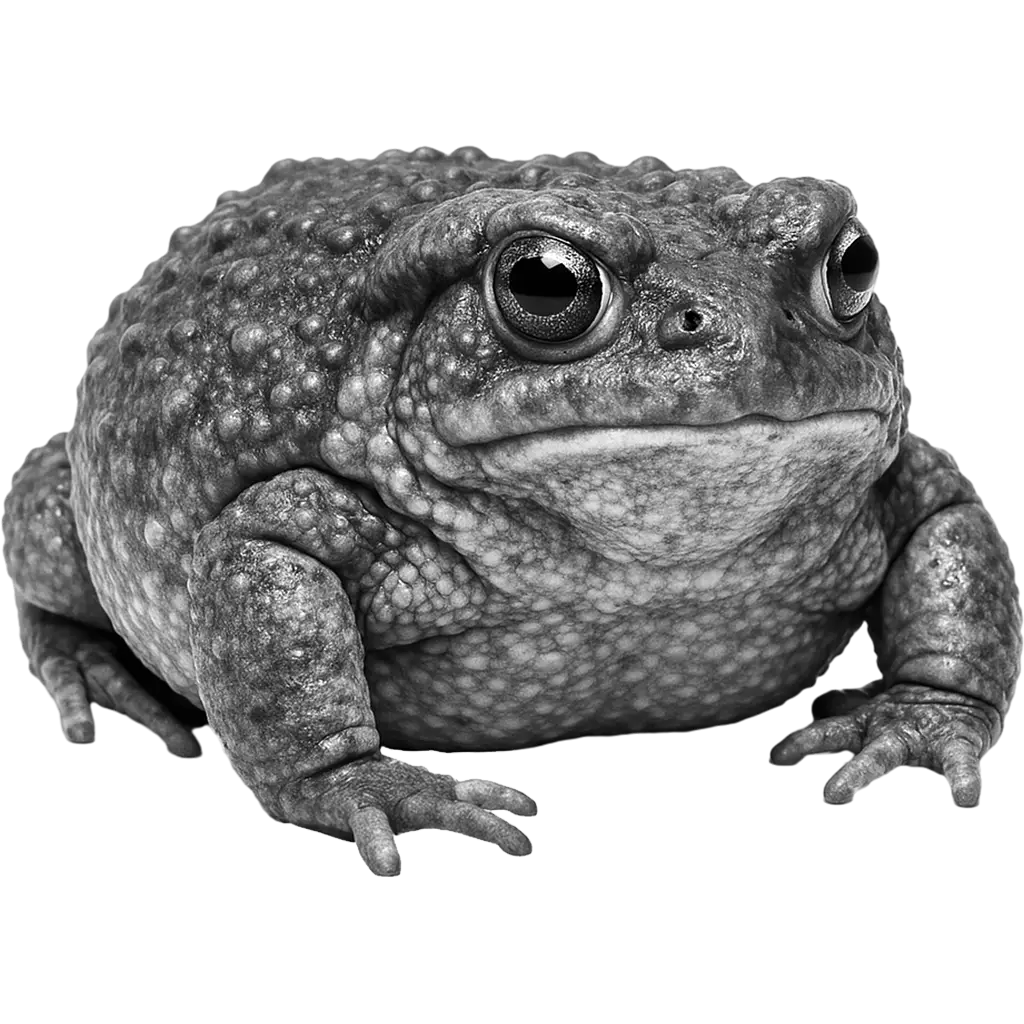
The Fat Toadlet possesses a noticeably plump body with smooth, moist skin that exhibits a subtle blend of olive and brown tones. Its large, round eyes and compact frame give it an endearing appearance while its short, sturdy limbs support rapid hops across damp surfaces. The textured skin, occasionally marked with fine blemishes, enhances its natural camouflage in leafy, moist environments. In its natural habitat, the Fat Toadlet is highly active during the rainy season, emerging at dusk to explore damp, sheltered areas. It exploits temporary pools and wetlands, moving briskly through leaf litter in search of prey. Often solitary, this amphibian makes quick, energetic hops to evade threats while occasionally congregating near water bodies during breeding periods. These movements and behaviors allow the toadlet to effectively capitalize on the seasonal abundance of its moist surroundings and avoid predation. The Fat Toadlet's diet is predominantly composed of small invertebrates, including ants, beetles, and other minute arthropods. It uses keen eyesight and rapid tongue flicks to capture prey, ensuring a continuous supply of essential proteins and nutrients. This insectivorous habit supports its high metabolism and energetic lifestyle. By consuming a diverse array of prey items, the toadlet maintains a balanced diet that fuels both daily activities and sporadic, vigorous foraging sessions. During the breeding season, Fat Toadlets engage in explosive breeding events where numerous individuals gather at temporary water bodies. Males call persistently to attract females, and quick, competitive mating events follow. The brief courtship period results in synchronized egg laying, ensuring that offspring hatch under optimal conditions. Overall, these breeding behaviors allow the species to maximize reproductive success even in ephemeral habitats. Current observations indicate that the Fat Toadlet enjoys a stable population, with widespread distribution across its native range. Despite occasional threats from habitat loss and pollution, its rapid reproductive cycle supports steady numbers. Field surveys consistently report healthy populations, and effective adaptation strategies help maintain its presence in diverse wetland ecosystems.

The Giant Leaf Frog, Phyllomedusa bicolor, is a remarkable amphibian native to the Amazon rainforest, known for its striking appearance and unique adaptations. This species is characterized by its vibrant green color, which provides excellent camouflage among the foliage where it resides. The underbelly of the frog is a stark contrast, displaying a creamy-white hue, while its sides are adorned with distinctive pink or purple flushes. Adults can grow up to 11 cm in length, making them one of the larger species within the Phyllomedusa genus. Their large, protruding eyes enhance their night vision, crucial for nocturnal activities. Giant Leaf Frogs lead a largely arboreal lifestyle, spending most of their time in the treetops of the rainforest. They are known for their unique method of locomotion, moving in a slow, deliberate manner that mimics the movement of leaves in the breeze, further aiding their camouflage. These frogs are nocturnal, emerging at night to feed and mate. During the day, they rest on the undersides of leaves, folded in a way that minimizes water loss, a critical adaptation to their environment. The diet of the Giant Leaf Frog primarily consists of insects, including flies, crickets, and moths, which they catch with their long, sticky tongues. This carnivorous diet helps control insect populations in their habitat, playing an essential role in the ecological balance of the rainforest. The frogs' hunting strategy involves remaining still and waiting for prey to come within range, showcasing their patience and precision. Mating for the Giant Leaf Frog occurs during the rainy season, when males vocalize to attract females. They engage in amplexus, where the male grasps the female to fertilize the eggs as she lays them. Uniquely, they lay their eggs on leaves overhanging water bodies, ensuring that the hatching tadpoles drop into the water below. This reproductive strategy minimizes the risk of desiccation and predation for the vulnerable eggs and tadpoles. The population of the Giant Leaf Frog is currently facing pressures from habitat destruction and the pet trade. Although not listed as endangered, their reliance on pristine rainforest habitats makes them vulnerable to deforestation and climate change. Conservation efforts are crucial to protect these habitats and ensure the survival of this fascinating species. Their role in traditional medicine has also drawn scientific interest, highlighting the need for sustainable management of their populations and the environments they inhabit.
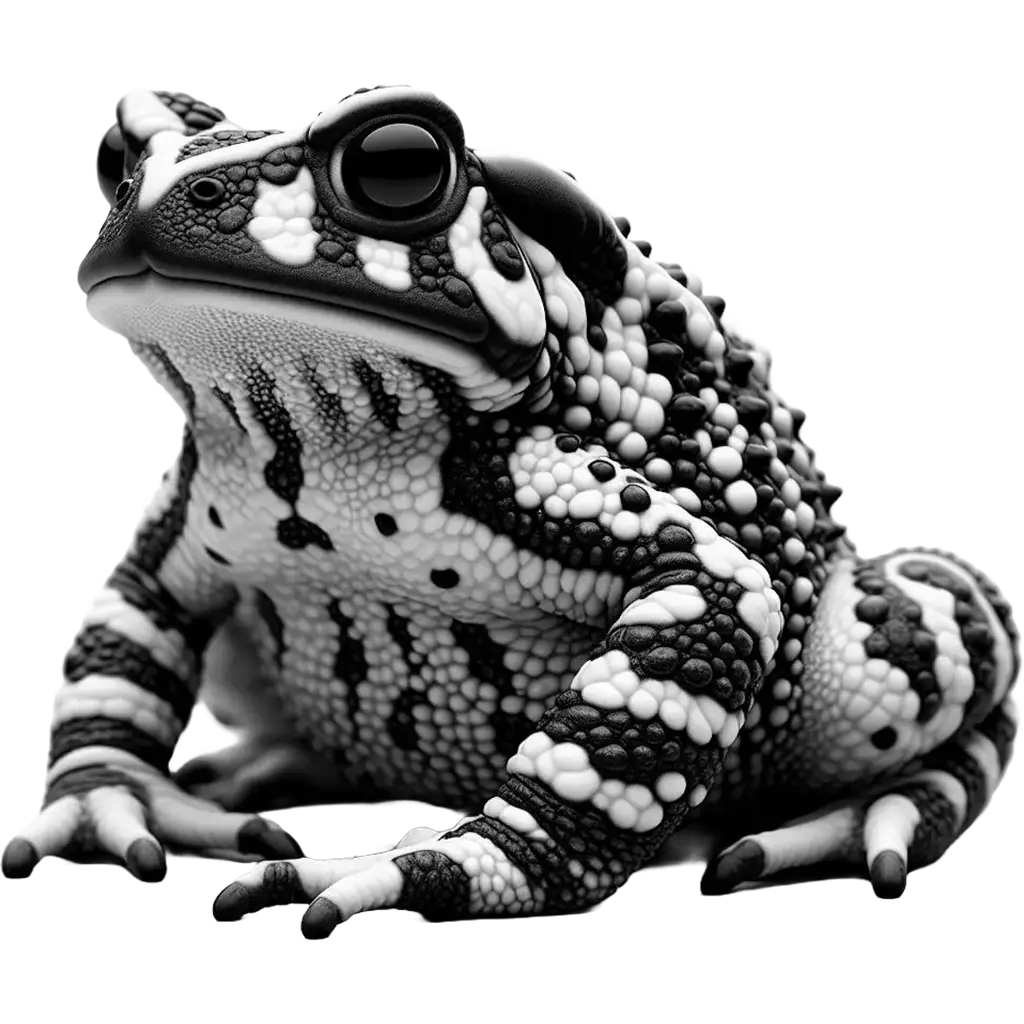
The Gray Treefrog, Dryophytes versicolor, is a small, adaptable amphibian native to much of the eastern United States and parts of Canada. This species is renowned for its remarkable ability to change color from gray to green, depending on its environment and activity, aiding in camouflage among trees and foliage. Adult Gray Treefrogs typically measure between 3.2 to 5.1 centimeters (1.25 to 2 inches) in length, with females generally larger than males. They possess a slightly rough skin texture and are characterized by their bright yellow or orange inner thighs, a feature visible when they jump. Gray Treefrogs inhabit a wide range of forested environments, particularly those near ponds, lakes, or marshes, which are crucial for their breeding. They are arboreal, spending much of their time in trees, and are known for their strong adhesive toe pads that allow them to climb and cling to vertical surfaces easily. These frogs are nocturnal, becoming most active at night when they feed on a variety of insects and other small invertebrates. The diet of the Gray Treefrog consists mainly of insects such as moths, flies, and beetles, which they catch with their sticky tongues. This insectivorous diet plays a significant role in controlling pest populations in their habitats. Reproduction for Gray Treefrogs occurs in the spring and early summer when males call to attract females to breeding sites in standing water. Females lay hundreds of eggs in small clusters attached to vegetation in the water. The eggs hatch into tadpoles, which undergo metamorphosis into froglets within a few months, completing their transition to terrestrial life. The Gray Treefrog is currently considered to be of Least Concern by the IUCN, reflecting its wide distribution and presumed large population. However, like many amphibian species, they face threats from habitat loss, pollution, and climate change, which could impact their breeding sites and overall survival. Conservation efforts for Gray Treefrogs include protecting wetland habitats, monitoring populations, and reducing pesticide use to ensure the continued health and diversity of this and other amphibian species in their ecosystems.
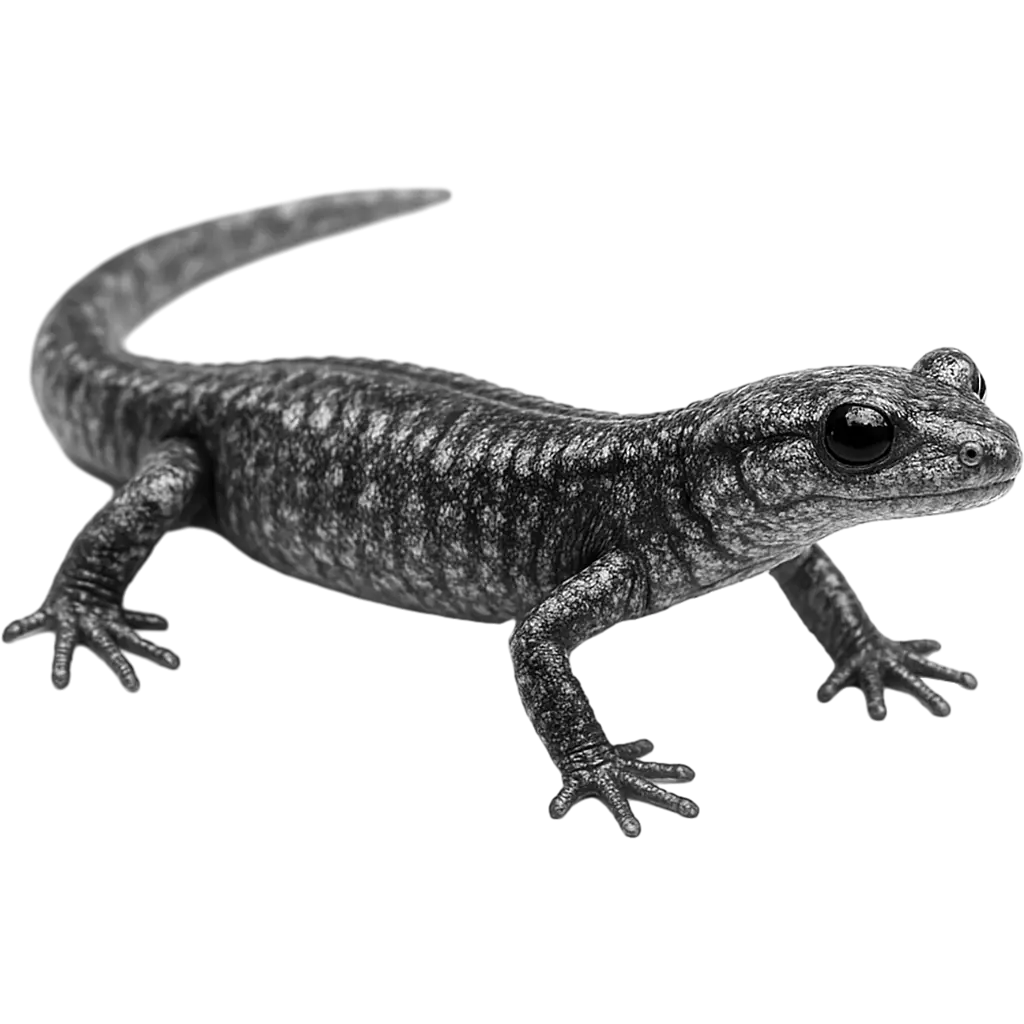
The Korean crevice salamander has a slender, elongated body measuring roughly eight to twelve centimeters in total length, including a laterally compressed tail nearly as long as its torso. Its skin is smooth and moist, colored dark brown to gray with a lighter dorsal stripe that can range from tan to reddish brown. It features fourteen to fifteen distinct costal grooves along its sides, a broad, flattened head with small, protruding eyes, and short limbs adapted for crawling under rocks. Korean crevice salamanders are primarily nocturnal and secretive, spending daylight hours hidden beneath limestone rocks and within mossy crevices in mixed hardwood and pine forests. These lungless amphibians require consistently moist microhabitats to facilitate cutaneous respiration, moving slowly across damp substrates and rarely venturing into open areas. Typically solitary outside of the breeding season, they emerge at night or during rainfall to forage using their keen sense of smell and vision under low light. Their terrestrial lifestyle involves careful navigation of talus slopes and rockslides, where they exploit narrow gaps to avoid predators. Although plethodontid behaviors vary, Korean crevice salamanders appear to exhibit site fidelity, returning to familiar refuges after foraging. Their activity patterns are closely tied to ambient humidity and temperature, with sun exposure and dry conditions causing them to retreat deeper into crevices until conditions improve. The diet of the Korean crevice salamander consists chiefly of small terrestrial invertebrates, including insects such as springtails and beetle larvae, arachnids like spiders, and soft-bodied annelid worms. Using a projectile tongue typical of plethodontid salamanders, they capture prey by rapidly extending their jaw structure to snare insects in tight rock crevices. Their hunting strategy combines stealthy approach with sudden tongue projection, often under the cover of darkness or damp conditions. Nutritionally, these invertebrates provide essential proteins, lipids, and micronutrients necessary for growth, cutaneous respiration, and reproduction. Seasonal variations in prey availability influence feeding frequency and activity levels, with increased foraging observed during spring and autumn when humidity is high. By consuming a balanced mix of small arthropods and worms, these salamanders maintain energy reserves vital for survival in cool, mountainous habitats. Mating behaviors of the Korean crevice salamander remain poorly documented, but they likely follow plethodontid patterns involving internal fertilization via spermatophore deposition. Courtship may include tactile displays, such as head rubbing and tail fanning to transfer pheromones. Females presumably lay small clutches of eggs in moist crevices under rocks or leaf litter. Embryonic development is expected to be direct, with miniature juvenile salamanders emerging without an aquatic larval stage. Currently classified as Least Concern, the Korean crevice salamander is endemic to southwestern Korean limestone forests and is known from over twenty sites, where it is locally common. Despite its restricted range, habitat conditions remain favorable, and no major population declines have been recorded. Ongoing surveillance aims to monitor potential threats, such as deforestation and rock extraction, but existing populations show resilience, maintaining stable numbers in protected and undisturbed areas.
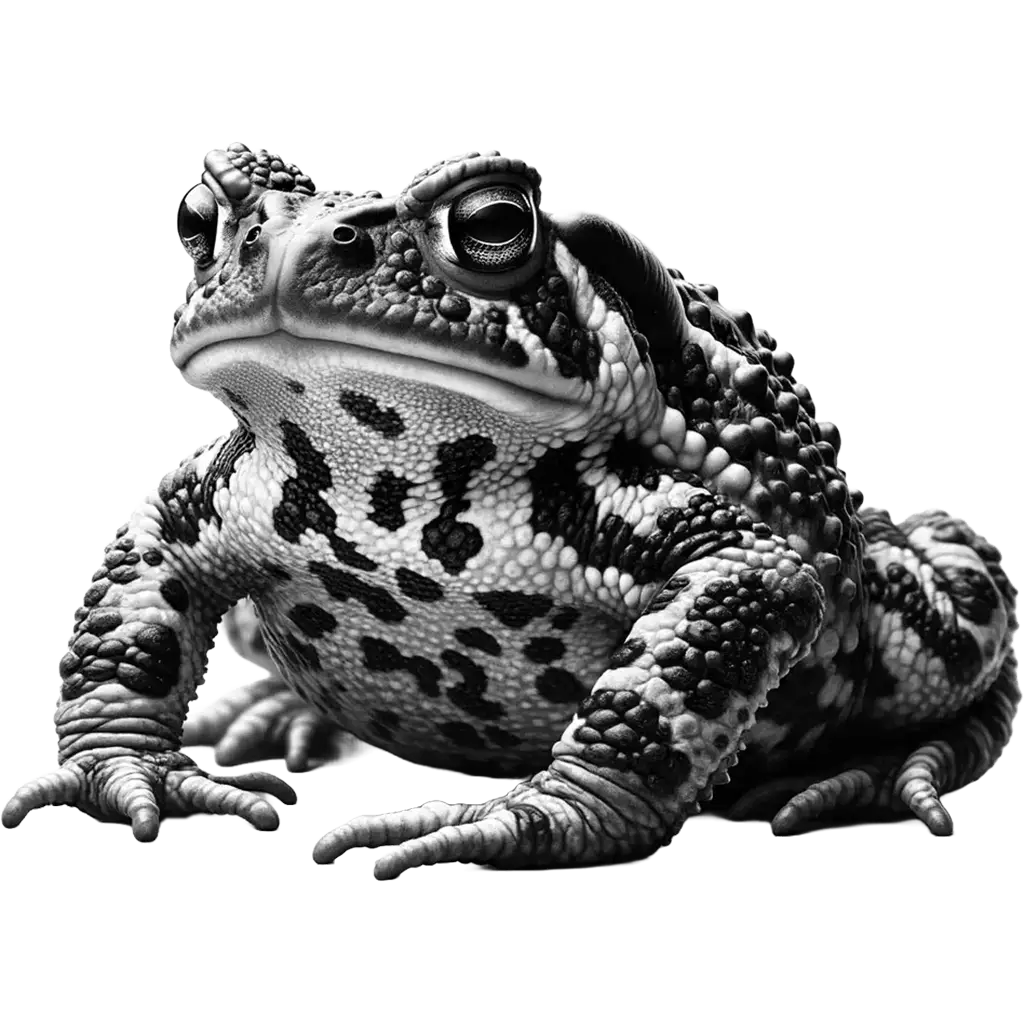
The Natterjack Toad, epidalea calamita, is a distinctive amphibian species known for the yellow line running down the middle of its back. Smaller than the common toad, adults typically measure about 6 to 7 cm in length. Their skin is warty and varies in color from greenish to brownish, providing camouflage against the sandy, coastal, and heathland habitats they prefer. Notably, Natterjack Toads possess shorter limbs compared to other toads, which facilitates their distinctive running rather than hopping movement. Natterjack Toads are primarily found in Western Europe, including the UK, Spain, and Portugal, inhabiting areas with sandy soils that allow them to burrow. They are nocturnal, emerging at night to feed and breed in shallow, warm pools that are temporary, avoiding deeper waters where predators are more common. Their presence is an indicator of healthy, undisturbed habitats, but they can also adapt to man-made environments like gravel pits and quarries. The diet of the Natterjack Toad consists mainly of insects, worms, and other small invertebrates. Their foraging strategy involves ambushing prey rather than actively pursuing it, utilizing their excellent night vision to spot meals. This diet plays a crucial role in controlling insect populations in their ecosystems. Reproduction for Natterjack Toads occurs in the spring, when males call to attract females to temporary pools for mating. The male's call, a distinctive rapid trill, is one of the loudest of any European amphibian, carrying over long distances. Females lay strings of eggs, which hatch into tadpoles in a few weeks. The tadpoles then undergo metamorphosis into toadlets, a process heavily dependent on the availability of suitable breeding pools. The population of the Natterjack Toad is considered vulnerable and is declining in several areas due to habitat loss, pollution, and climate change. Conservation efforts are focused on habitat restoration and protection, including the creation and maintenance of breeding sites and legal protection of their habitats. These efforts are crucial for the survival of the Natterjack Toad, a species that contributes to the biodiversity and ecological balance of the environments they inhabit.
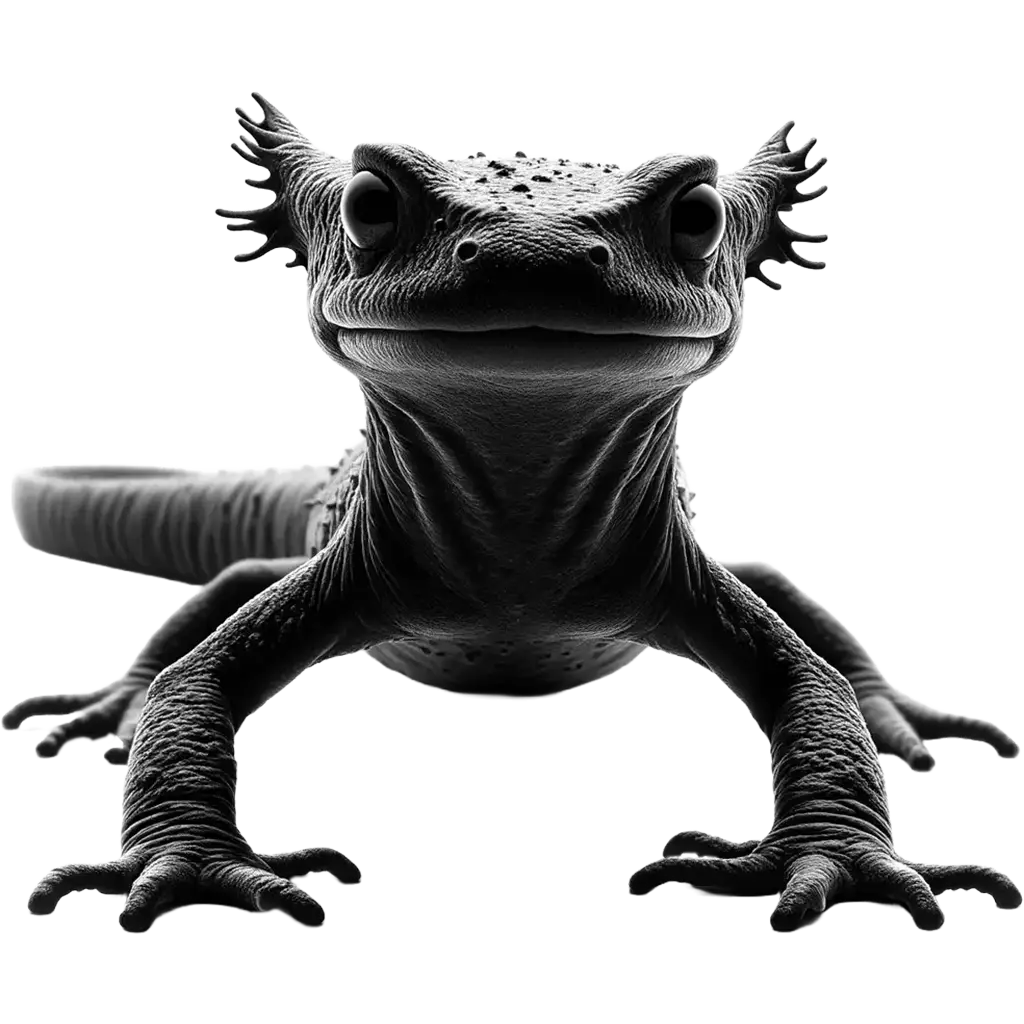
The Northern Crested Newt, triturus cristatus, is a striking amphibian known for its impressive size and distinctive appearance among European newts. Adult males can reach lengths of up to 18 cm, making them one of the largest newt species in their range. During the breeding season, males display a dramatic, jagged crest along their back and tail, which is used to attract females and assert dominance. Their skin is dark brown or black with a rough texture, contrasted by a vibrant orange or yellow belly marked with a unique pattern of black spots, which serves as a warning to predators about their toxicity. Native to Europe, the Northern Crested Newt inhabits a variety of freshwater environments, including ponds, lakes, and slow-moving rivers, as well as terrestrial habitats like forests and grasslands close to these water bodies. They are highly dependent on aquatic habitats for breeding but spend a significant portion of the year in terrestrial environments, where they hide under logs, rocks, and leaf litter. The diet of the Northern Crested Newt consists primarily of invertebrates, including worms, insects, and larvae. In the aquatic phase, they also prey on tadpoles and small aquatic creatures. Their hunting strategy involves using their well-developed sense of smell to locate prey, which they then capture using their sticky tongues. Reproduction occurs in the spring when newts return to the water to mate. Males perform elaborate courtship displays to attract females, involving undulating their crests and tails to release pheromones. Females lay eggs individually, carefully wrapping them in leaves of aquatic plants for protection. The larvae hatch after a few weeks and undergo metamorphosis into terrestrial juveniles by the end of the summer. The population of the Northern Crested Newt is considered to be decreasing, with habitat loss, pollution, and the introduction of fish into breeding sites posing significant threats. They are protected under European law, which mandates conservation efforts to protect their habitats and ensure the survival of this species. These efforts include habitat restoration, the creation of new ponds, and the monitoring of existing populations to better understand their ecology and inform conservation strategies.

The Ornate Chorus Frog, pseudacris ornata, is a small, vibrantly patterned amphibian native to the southeastern United States. This species is known for its striking appearance, featuring a background color that can range from green to brown, overlaid with darker markings that often form a bold, net-like pattern. Adult Ornate Chorus Frogs typically measure between 2.5 to 3.8 cm (1 to 1.5 inches) in length, making them one of the smaller frog species within their range. Their diminutive size and cryptic coloration enable them to blend seamlessly into their surroundings, providing camouflage from predators. Ornate Chorus Frogs inhabit a variety of wetland environments, including marshes, swamps, and temporary ponds, particularly those within pine forests. They rely on these aquatic habitats for breeding, which occurs from late fall to early spring, coinciding with the rainy season. The males' distinctive, trilling call, which is used to attract females, can be heard emanating from these wetlands, contributing to the species' common name. The diet of the Ornate Chorus Frog primarily consists of small invertebrates, such as insects and spiders. Their foraging strategy involves waiting silently for prey to come within striking distance before capturing it with their quick, sticky tongues. Reproduction for Ornate Chorus Frogs is characterized by explosive breeding events that occur shortly after significant rainfall. Females lay clutches of eggs in shallow waters, which hatch into tadpoles before undergoing metamorphosis into juvenile frogs. This rapid lifecycle allows them to take advantage of temporary aquatic habitats that may dry up later in the year. The population of the Ornate Chorus Frog is considered stable in some areas but is facing threats from habitat loss, pollution, and climate change, which impact their breeding sites and overall survival. Conservation efforts are focused on protecting and restoring their wetland habitats, monitoring populations, and implementing measures to mitigate the effects of environmental changes. The preservation of the Ornate Chorus Frog and its habitat is crucial for maintaining the biodiversity and ecological integrity of southeastern wetland ecosystems.

Rhinella stanlaii is a small toad characterized by its rough, warty skin and robust, compact body. It exhibits a natural mosaic of brown and green hues, with prominent parotoid glands and dark, expressive eyes that enhance its rugged appearance. Its textured skin and subtle coloration allow it to blend into the forest floor, providing effective camouflage among leaf litter and undergrowth. Predominantly nocturnal, Rhinella stanlaii emerges at dusk to explore the moist forest floor in search of shelter and sustenance. It inhabits tropical and subtropical moist forests where high humidity prevails, often staying near temporary water bodies. During daylight, it retreats under thick leaf litter or burrows into soft soil to avoid predators and conserve moisture. Its deliberate, energy-efficient movements enable it to navigate uneven terrain, and although it is largely solitary, individuals may converge during the rainy season when breeding opportunities arise. This lifestyle is essential. The diet of Rhinella stanlaii is primarily insectivorous, focusing on a diverse array of invertebrates available on the forest floor. It forages mainly at night, using its keen sense of smell and rapid tongue to capture insects, spiders, and small arthropods. Occasional consumption of soft-bodied worms supplements its nutritional intake, ensuring a balanced diet rich in proteins and essential nutrients. This feeding strategy not only supports its growth and energy needs but also helps regulate local insect populations, contributing to the ecological balance of its habitat. During the breeding season, Rhinella stanlaii engages in explosive breeding, gathering in large numbers near temporary pools formed by seasonal rains. Males call out with distinctive, resonant croaks to attract receptive females. After external fertilization, females lay hundreds of eggs, which develop rapidly into free-swimming larvae. No parental care is provided, and the larvae are left to fend for themselves in the aquatic environment. Population estimates for Rhinella stanlaii are limited due to its elusive nature and remote habitat. Preliminary surveys suggest that this species maintains modest numbers within its restricted range. While not widely abundant, local populations appear stable under current environmental conditions. However, ongoing habitat loss and environmental disturbances pose potential risks, warranting further research and conservation attention to ensure its long-term survival.