

Lithobates Catesbeianus
American Bullfrog
Freshwater ponds, lakes, marshes, and slow-moving rivers
The American Bullfrog, lithobates catesbeianus, is a large, aquatic frog native to North America and recognized for its prominent size and deep, resonant call that resembles the bellowing of a bull. Adult bullfrogs can reach lengths of up to 20 cm (8 inches) from snout to vent, making them the largest frogs in North America. Their skin is smooth and varies in color from olive-green to brown, with darker bands on their legs and a creamy underside. Males are distinguishable by their larger tympanums (ear drums) compared to their eyes, and during the breeding season, they develop yellow throats.
| Population: | Listed as Least Concern, but invasive populations pose ecological problems in non-native areas |
| Generation Length: | 4-6 years |
| Average Weight: | 500-800 grams |
| Average Length: | 10-20 cm |
| Lifespan: | 7-10 years in the wild |
| Diet: | Generalist predator with a diet that includes a wide range of animal prey |
| Conservation Status: | Least Concern (LC) |
Bullfrogs are found in a wide range of freshwater habitats, including ponds, lakes, marshes, and slow-moving rivers, where they prefer areas with abundant vegetation for cover. They are highly adaptable and have been introduced to many areas outside their native range, where they often become invasive and outcompete native species.
Their diet is exceptionally varied and includes insects, small mammals, birds, and other amphibians, indicating their opportunistic and predatory nature. Bullfrogs are known for their impressive leaping ability, using their powerful hind legs to launch themselves at prey or escape threats.
Reproduction in bullfrogs occurs in late spring to early summer when males gather in bodies of water and produce their characteristic calls to attract females. Females lay thousands of eggs in large, floating masses in still waters. The eggs hatch into tadpoles, which can take up to two years to metamorphose into adult frogs, a longer larval stage than most other North American frogs.
The population of the American Bullfrog is considered stable in its native range but is increasing in areas where it has been introduced. While not currently at risk of extinction, its impact on local ecosystems as an invasive species is a concern. Conservation efforts in non-native regions focus on controlling bullfrog populations to protect native wildlife. The American Bullfrog's adaptability and the ecological impact of its predatory habits underscore the complexities of amphibian conservation and the unintended consequences of species introductions.
Classifications
The Key Attributes
Features
- Movement:
Swimming, jumping
- Territorial Behavior:
Males are territorial during the breeding season
- Speed:
Capable of quick jumps and rapid swimming
- Diet:
Carnivore
- Physical Features:
- Large, robust body with a broad head and large mouth
- Long powerful legs for jumping and swimming
- Smooth, moist skin with varying patterns of green, brown, and yellow
- Eardrums (tympanum) prominent and often larger than the eyes in males
- Primary Senses:
- Sight
- Hearing
- Tactile
Understanding Habitat and Range
Geography
- Habitat:
Freshwater ponds, lakes, marshes, and slow-moving rivers
- Migration Patterns:
Non-migratory, but can disperse overland after heavy rains
- Geographical Range:
Native to eastern North America, but widely introduced elsewhere, including the western U.S., Europe, Asia, and South America
- Climate Preferences:
Temperate to subtropical climates
Navigating the Wilderness
In the wild
- Predators:
Snakes, large birds, mammals, and larger amphibians, including other bullfrogs
- Prey:
Varied, including insects, small fish, rodents, birds, and other amphibians
- Feeding Behavior:
Opportunistic predator, eating almost anything they can overpower and swallow, including insects, small mammals, birds, and other amphibians
- Diet:
Generalist predator with a diet that includes a wide range of animal prey
- Defensive Mechanisms:
- Camouflage within aquatic vegetation
- Powerful leaps to escape predators
- Vocalizations to warn other frogs and assert territory
- Preferred Food Sources:
- Aquatic environments rich in prey species
Insights Into Reproduction
Mating
- Mating System:
Polygynous
- Number of Offspring:
Up to 20,000 eggs in a single breeding season
- Incubation Period:
Egg tadpoles emerge within 3-5 days, metamorphose in 3-12 months
- Parental Involvement:
- No parental care post-egg laying; tadpoles are independent
Youngsters Section
American Bullfrog
Fun Fact
The American Bullfrog is the largest frog in North America, known for its deep, resonant call.
These frogs have a voracious appetite, consuming insects, small mammals, birds, and even other frogs. Their powerful legs allow them to leap great distances, aiding in both hunting and escape from predators. Found in a variety of wetland habitats, they are highly adaptable and can thrive in disturbed environments.

Download word search puzzles
Word Search Puzzles


Check Out Other Amphibians

The Axolotl, ambystoma mexicanum, is an intriguing species of salamander known for its unique ability to retain juvenile features throughout its adult life, a condition known as neoteny. Unlike most amphibians, Axolotls do not undergo a complete metamorphosis and instead remain aquatic and gilled. They typically grow to about 15
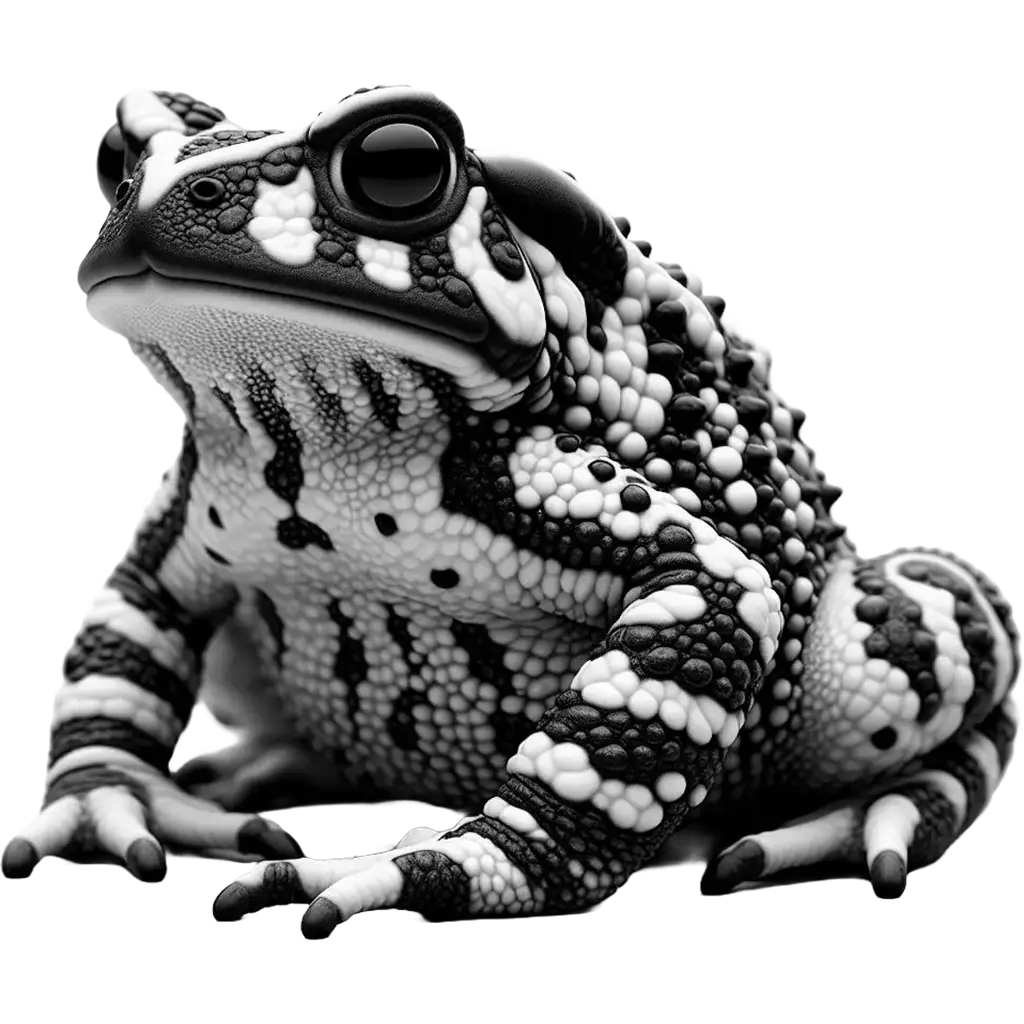
The Gray Treefrog, Dryophytes versicolor, is a small, adaptable amphibian native to much of the eastern United States and parts of Canada. This species is renowned for its remarkable ability to change color from gray to green, depending on its environment and activity, aiding in camouflage among trees and foliage.

The Cuban Spotted Toad is a robust amphibian with a mottled, warty skin that displays an array of brown and green spots, offering excellent camouflage against the forest floor. Its broad, rounded head and short, sturdy limbs give it a compact build, while its small, recessed eyes and subtle facial
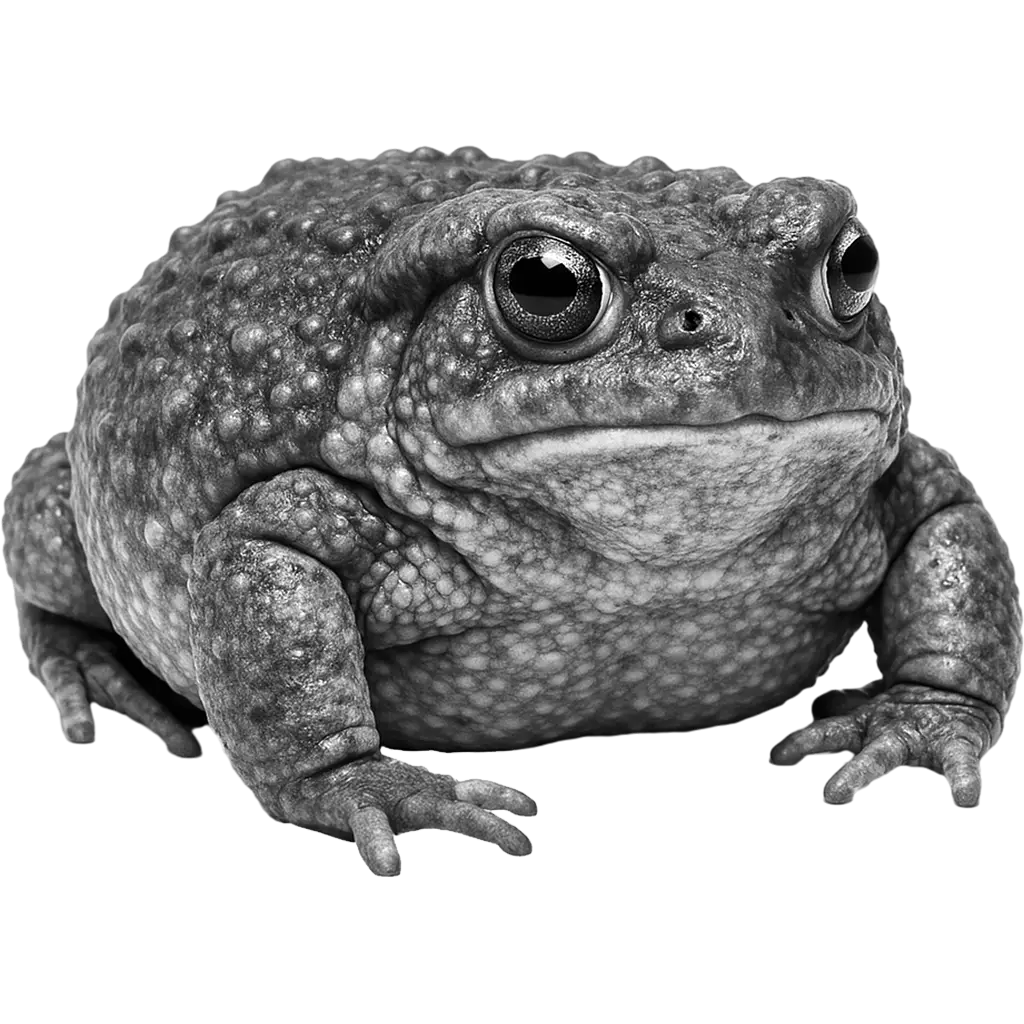
The Fat Toadlet possesses a noticeably plump body with smooth, moist skin that exhibits a subtle blend of olive and brown tones. Its large, round eyes and compact frame give it an endearing appearance while its short, sturdy limbs support rapid hops across damp surfaces. The textured skin, occasionally marked