
Exquisite Animals
Whether you have a particular animal in mind or you're interested in exploring the diverse range of species we feature, you've arrived at the perfect destination; enjoy full access to our extensive collection.
Filters
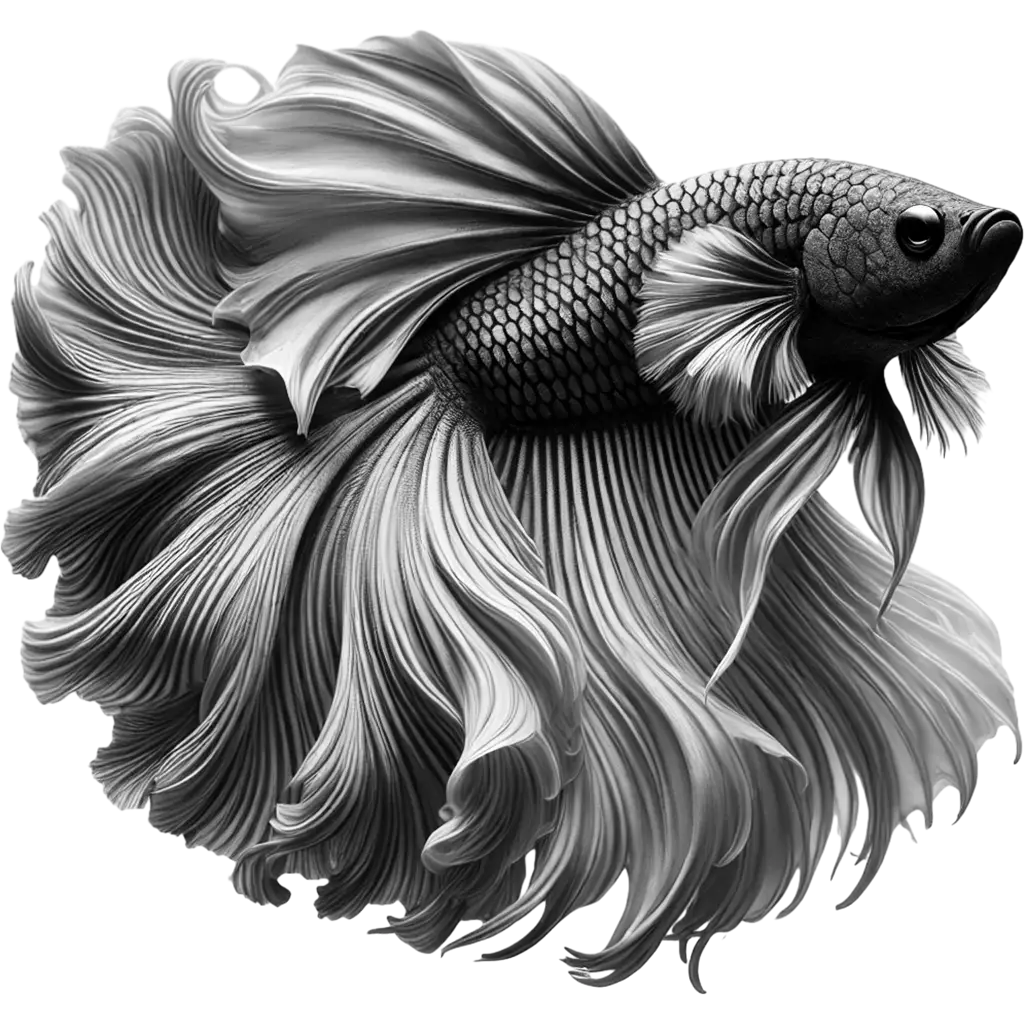
The Betta Bellica is a small, vibrant freshwater fish distinguished by its slender, streamlined body and shimmering scales that reflect a spectrum of iridescent colors. Its most striking features are the elaborate, flowing fins that flare dramatically during courtship and territorial displays. The overall appearance is both elegant and bold, making it a standout among betta species. In its natural habitat, Betta Bellica inhabits shallow, warm freshwater bodies such as rice paddies, streams, and ditches. These fish are highly adapted to stagnant or slow-moving waters, where they navigate through dense aquatic vegetation. Their behavior is marked by frequent, agile movements as they patrol their territory, interspersed with periods of calm hovering near the water's surface during sunny days. The diet of Betta Bellica is primarily carnivorous, focusing on small aquatic invertebrates, insect larvae, and zooplankton. Their feeding strategy involves a combination of stealth and sudden bursts of speed to capture prey. This high-protein diet supports their energetic metabolism and enhances their ability to sustain rapid, vigorous movements during territorial conflicts and courtship rituals. During the breeding season, males become highly territorial and engage in vivid display behaviors to attract females. They flare their fins, change their colors, and perform short, aggressive bouts with rival males. Once a female is attracted, the courtship process involves intricate displays and subtle movements, culminating in the release of a large number of eggs. After fertilization, the eggs hatch within a very short period, with minimal parental care required thereafter. Although Betta Bellica is common in its native range, localized pressures such as water pollution, habitat modification, and overcollection for the aquarium trade necessitate careful management. Conservation efforts that focus on preserving natural freshwater habitats are crucial to maintaining sustainable populations of this striking and dynamic species.
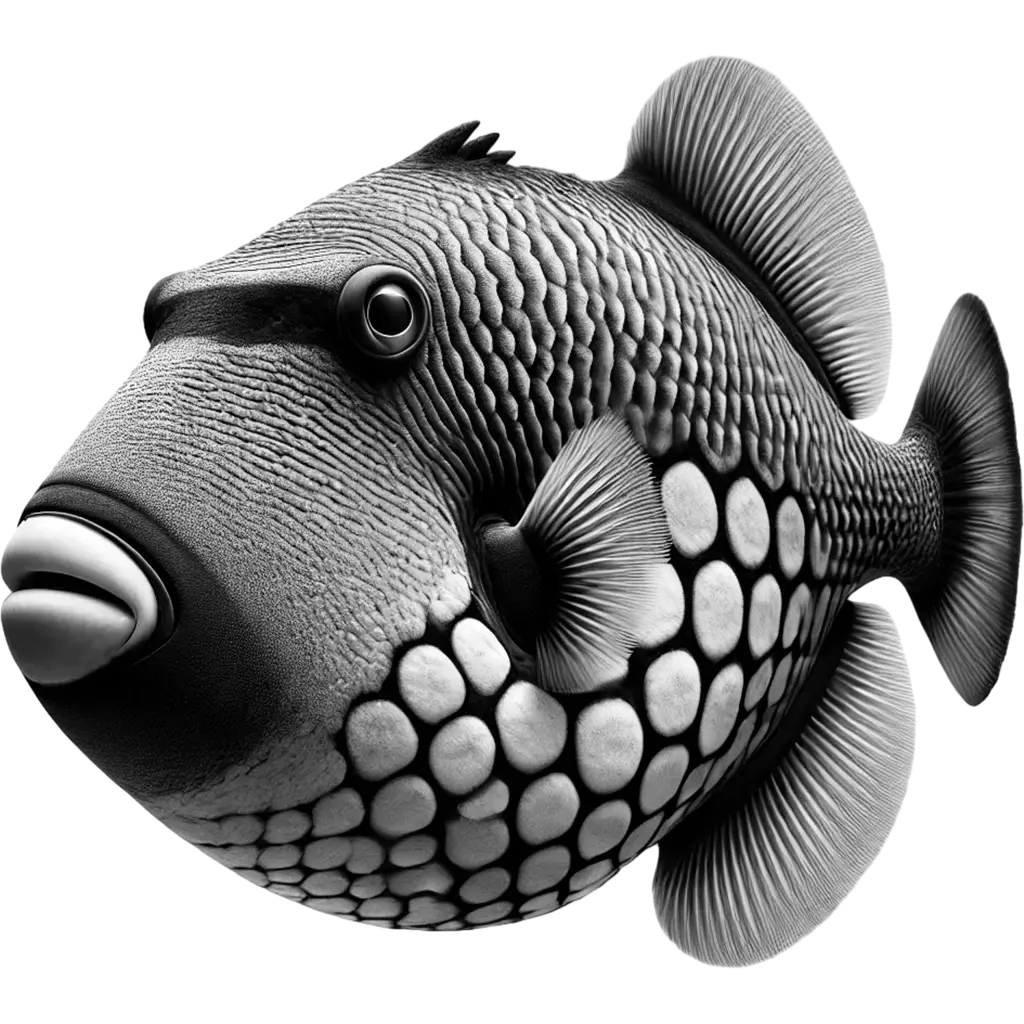
The Blackbelly Triggerfish exhibits a robust, laterally compressed body adorned with striking patterns and a distinctive black belly contrasting with vibrant hues on its fins and upper body. Its rough, textured skin and prominent dorsal 'trigger' spines not only define its appearance but also serve as a defense mechanism. With a broad, angular head and piercing eyes, this fish displays an elegant yet rugged silhouette that is perfectly adapted for life among coral reefs. Active throughout the day, the Blackbelly Triggerfish is typically found patrolling the shallow, sunlit waters of coral reefs and rocky substrates. It often forms small groups or may be seen alone, exhibiting cautious yet confident behavior while navigating complex reef structures. This fish is known for its territorial displays, where it uses rapid, darting movements and aggressive posturing to defend its space from intruders. Its behavior includes periodic resting on the reef floor, where it blends seamlessly with the environment, and sudden bursts of activity when chasing potential prey or evading predators. The triggerfish's lifestyle is characterized by a balanced mix of leisurely foraging and dynamic, high-energy interactions, making it a versatile and remarkably resilient inhabitant of diverse marine ecosystems. Often, these triggerfish are observed engaging in playful, exploratory behavior that further highlights their adaptability. Feeding primarily on a diet of hard-shelled invertebrates, small fish, and crustaceans, the Blackbelly Triggerfish uses its powerful jaws to crush and consume prey with remarkable efficiency. Its diet is complemented by the occasional ingestion of algae, which helps supplement its nutritional intake during periods of food scarcity. The triggerfish's feeding strategy involves a methodical approach; it surveys the reef with keen vision and then launches sudden, precise strikes at unsuspecting prey. By targeting organisms that dwell in crevices and among coral, it plays a critical role in maintaining the ecological balance of its habitat. This varied diet ensures that the triggerfish obtains a rich mix of proteins, carbohydrates, and essential minerals, which are vital for supporting its energetic bursts of movement and sustaining its overall health in a competitive marine environment. During the breeding season, Blackbelly Triggerfish engage in brief, vigorous courtship displays. Males exhibit vivid color changes and perform rapid, circling maneuvers to attract females. Once paired, spawning occurs in a communal setting, with eggs released and fertilized externally. This coordinated reproductive strategy ensures high fertilization success, while the absence of parental care allows adults to focus on territorial defense and foraging. Blackbelly Triggerfish are generally common within healthy reef ecosystems, though localized populations may experience declines due to overfishing and coral degradation. Their numbers are maintained by effective spawning aggregations, yet ongoing environmental pressures and habitat loss continue to pose challenges. Continued conservation efforts are essential to ensure that these striking fish remain a vibrant and robust part of marine biodiversity.

The Blobfish, psychrolutes marcidus, scientifically referred to as members of the family Psychrolutidae, are deep-sea fish known for their unique, gelatinous appearance that has captivated public imagination. These fish typically inhabit the deep waters off the coasts of mainland Australia and Tasmania, as well as New Zealand, living at depths between 600 to 1,200 meters where the pressure is several dozen times higher than at sea level. Blobfish vary in size, but they can reach up to 30 cm in length. Their most notable feature is their soft, jelly-like flesh, which is slightly less dense than water, allowing them to float above the seafloor without expending energy on swimming. Due to the extreme depths at which they live, Blobfish are rarely seen by humans, and much of their lifestyle and behavior remain a mystery. They are believed to lead a largely sedentary life, feeding on invertebrates such as crustaceans and sea pens that drift into their mouths. The lack of muscular structure in their bodies means they are not active hunters; instead, they rely on their environment to bring food to them. The diet of the Blobfish consists primarily of small, benthic invertebrates. They are opportunistic feeders, consuming whatever edible matter comes their way. This feeding strategy is well-suited to the energy-scarce environment of the deep sea, where food is scarce and hard to come by. Little is known about the reproduction of Blobfish, including their mating rituals or gestation periods. Their reproductive habits are presumed to involve the laying of eggs, which are likely fertilized externally. Given the sparse population density of deep-sea environments, finding a mate is presumably a significant challenge for these creatures. The population status of the Blobfish is not well-documented, due in part to the difficulties of conducting research in their deep-sea habitats. However, they are believed to be vulnerable to the impacts of deep-sea fishing and trawling, which can destroy their environment and inadvertently catch them as bycatch. Conservation efforts for deep-sea species like the Blobfish are focused on regulating fishing practices and protecting deep-sea habitats from human-induced damage.
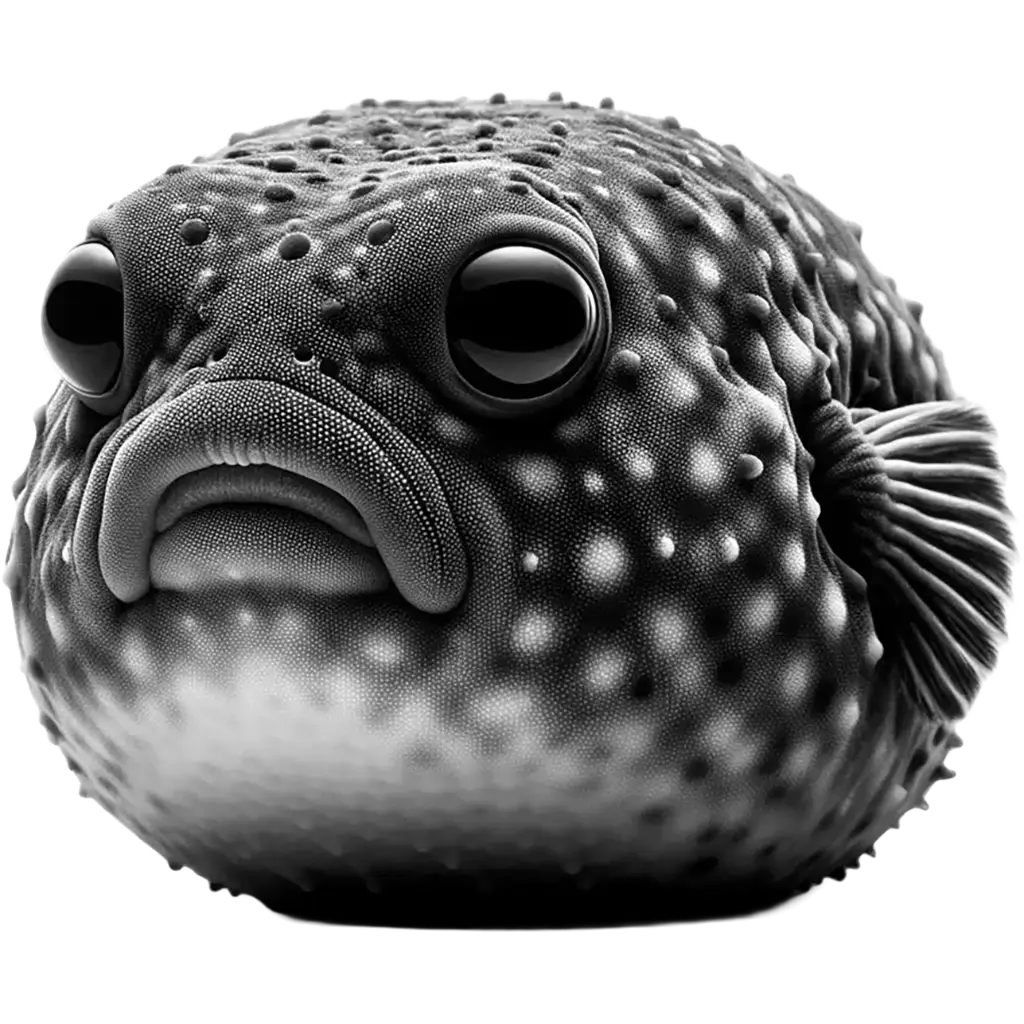
The Cyclopterus, more commonly known as the lumpfish or Cyclopterus lumpus, is a distinctive marine fish known for its rounded body and unique skin texture, which is covered in tubercles rather than scales, giving it a lumpy appearance. Adult lumpfish can vary in color from deep blue and green to purplish hues, with males and females exhibiting different colorations, especially during the breeding season. They can grow up to 60 cm in length and weigh as much as 5 kg, though sizes vary widely across different populations. Their pelvic fins have evolved into a suction disk, allowing them to adhere to rocks and other surfaces in turbulent waters. Lumpfish are found in the cold waters of the North Atlantic Ocean, from the northeastern coast of North America to the coasts of Greenland and Europe. They are demersal fish, preferring rocky bottoms and kelp forests where they can use their suction disks to anchor themselves against strong currents. During spawning season, they migrate to shallower waters to reproduce. The diet of the lumpfish primarily consists of small crustaceans, mollusks, and echinoderms, which they forage from the sea floor. Their feeding habits contribute to the ecological balance of their habitat, controlling the populations of their prey species. Juveniles, known as 'lumpfish larvae', feed on plankton, gradually shifting to a diet of larger prey as they grow. Reproduction for lumpfish involves a fascinating journey to coastal regions, where females lay thousands of eggs in shallow waters. Males become territorial during this time, guarding and aerating the eggs until they hatch. This parental investment is unusual among fish and highlights the unique reproductive strategies of lumpfish. The population of Cyclopterus lumpus faces threats from overfishing, particularly due to the demand for their roe, which is marketed as a cheaper alternative to caviar. Additionally, habitat degradation poses a significant risk to their spawning grounds. Conservation measures, including sustainable fishing practices and habitat protection efforts, are crucial for ensuring the continued survival of this intriguing species.
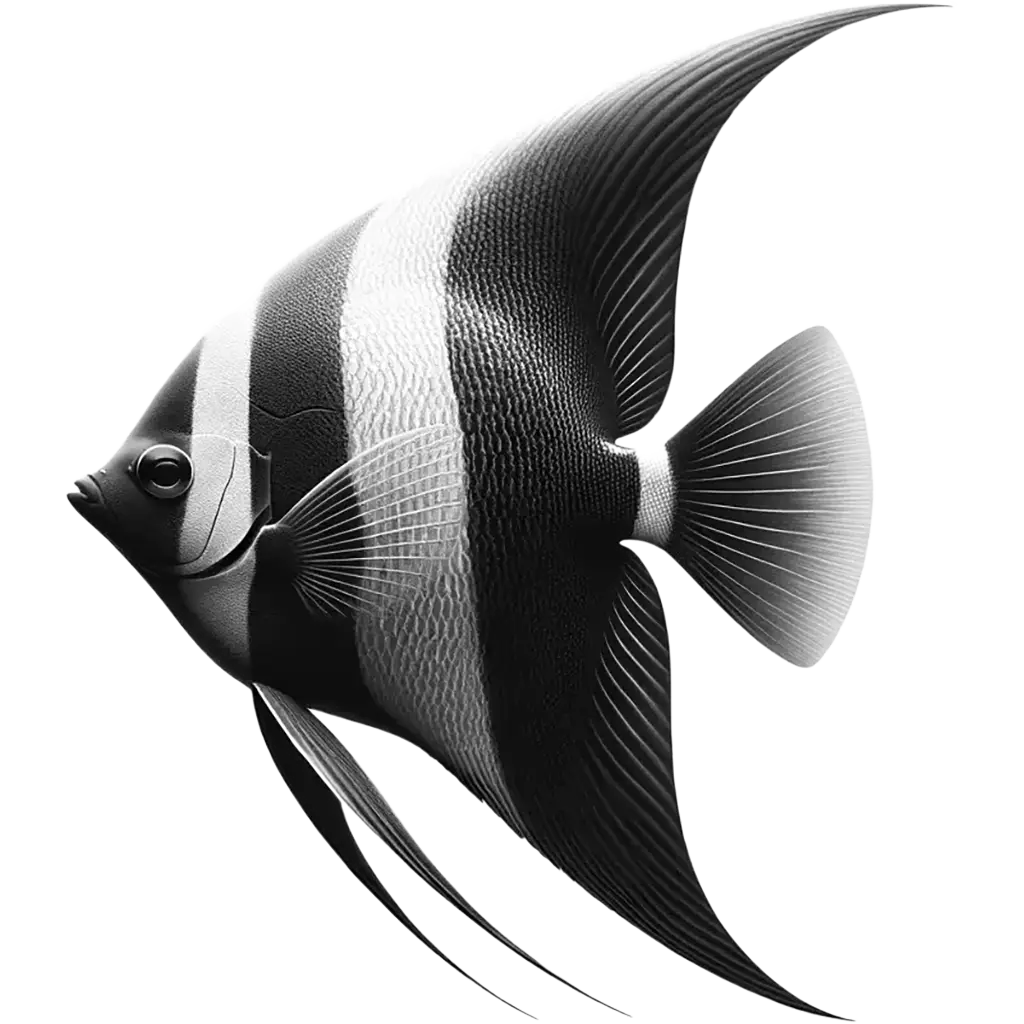
The Deep Angelfish, pterophyllum altum, also known as the Altum Angelfish, is a striking freshwater fish native to the Orinoco and Amazon basins of South America. It is the largest species within the Pterophyllum genus, with adults capable of reaching up to 18 cm in height and 15 cm in length. Characterized by its majestic, elongated fins and slender body, the Altum Angelfish displays a captivating coloration of silver with brown or black vertical stripes, enhancing its presence in the aquatic environment. The natural habitats of the Deep Angelfish are slow-moving, clear water rivers and floodplain areas where dense vegetation provides shelter and breeding sites. These conditions are essential for their survival, offering protection from predators and a rich source of food. Altum Angelfishes are known for their shy and peaceful demeanor, thriving in well-planted aquariums that mimic their natural environment. The diet of the Deep Angelfish in the wild consists predominantly of small crustaceans, insect larvae, and other tiny aquatic organisms. In captivity, they adapt well to a variety of foods, including flakes, frozen, and live foods, highlighting their omnivorous nature. Proper nutrition is vital for maintaining their health and vibrant coloration. Reproduction among Deep Angelfish involves complex courtship behaviors, with pairs forming strong bonds. They are known to clean a vertical surface, such as a leaf or aquarium glass, where the female lays eggs that the male then fertilizes. Both parents exhibit protective behaviors, guarding the eggs and, later, the fry from potential threats. The population of the Deep Angelfish in the wild faces challenges from habitat destruction and pollution. While not currently listed as endangered, their reliance on specific habitat conditions makes them vulnerable to environmental changes. In the aquarium trade, the Altum Angelfish is highly prized for its beauty and grace, contributing to its popularity among enthusiasts. Conservation efforts and sustainable aquarium trade practices are essential to ensure the preservation of this magnificent species in the wild and in captivity.
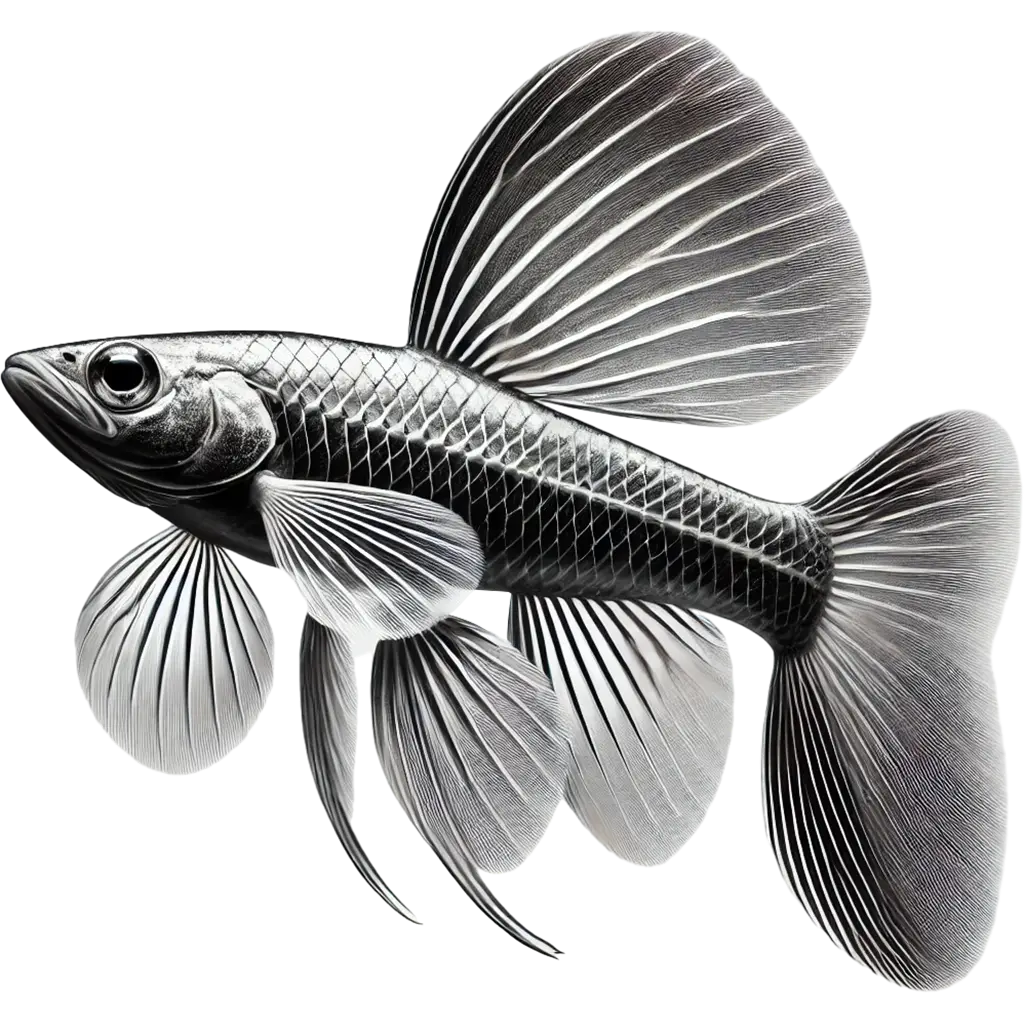
The Diamond Darter is a small, translucent freshwater fish with silvery sides and a white belly. Its back is yellow-tan, adorned with four wide olive-colored saddles, and it features a distinctive dark blotch on the snout below the eyes. Adults typically measure between 3 to 5 inches in length. Notably, the Diamond Darter lacks a swim bladder, an adaptation that allows it to remain near the river bottom with minimal effort. This elusive species inhabits large, warm-water rivers characterized by clear water and extensive sand and gravel bars free of mud and silt. Primarily active during dawn and dusk, Diamond Darters lie on the riverbed, often burying themselves in the sand with only their eyes exposed. This behavior serves both as a predatory strategy and a means of evading predators. Their crepuscular nature makes them well-suited to the dim light conditions of their habitat. Feeding predominantly on bottom-dwelling invertebrates, the Diamond Darter's diet includes mayfly larvae and other aquatic insects. By consuming these organisms, it plays a vital role in maintaining the ecological balance of its riverine environment. Its feeding habits involve lying in wait on the riverbed, using its keen eyesight to detect and ambush prey as it moves along the substrate. Reproductive behaviors of the Diamond Darter are not well-documented, but related species spawn in early spring, laying eggs over sandy to gravel substrates in swift-flowing streams. The lack of specific data on their mating habits highlights the need for further research to inform conservation efforts. Understanding their reproductive cycle is crucial for developing effective management strategies to support population recovery. Once found throughout the Ohio River basin, the Diamond Darter's range has dramatically diminished due to habitat alterations such as dam construction, river channelization, and pollution. Currently, it is known to exist only in the Elk River, West Virginia. The species faces significant threats from activities that degrade water quality and riverbed habitats, including mining, logging, and agriculture. Conservation efforts are focused on protecting and restoring its remaining habitat to prevent extinction.
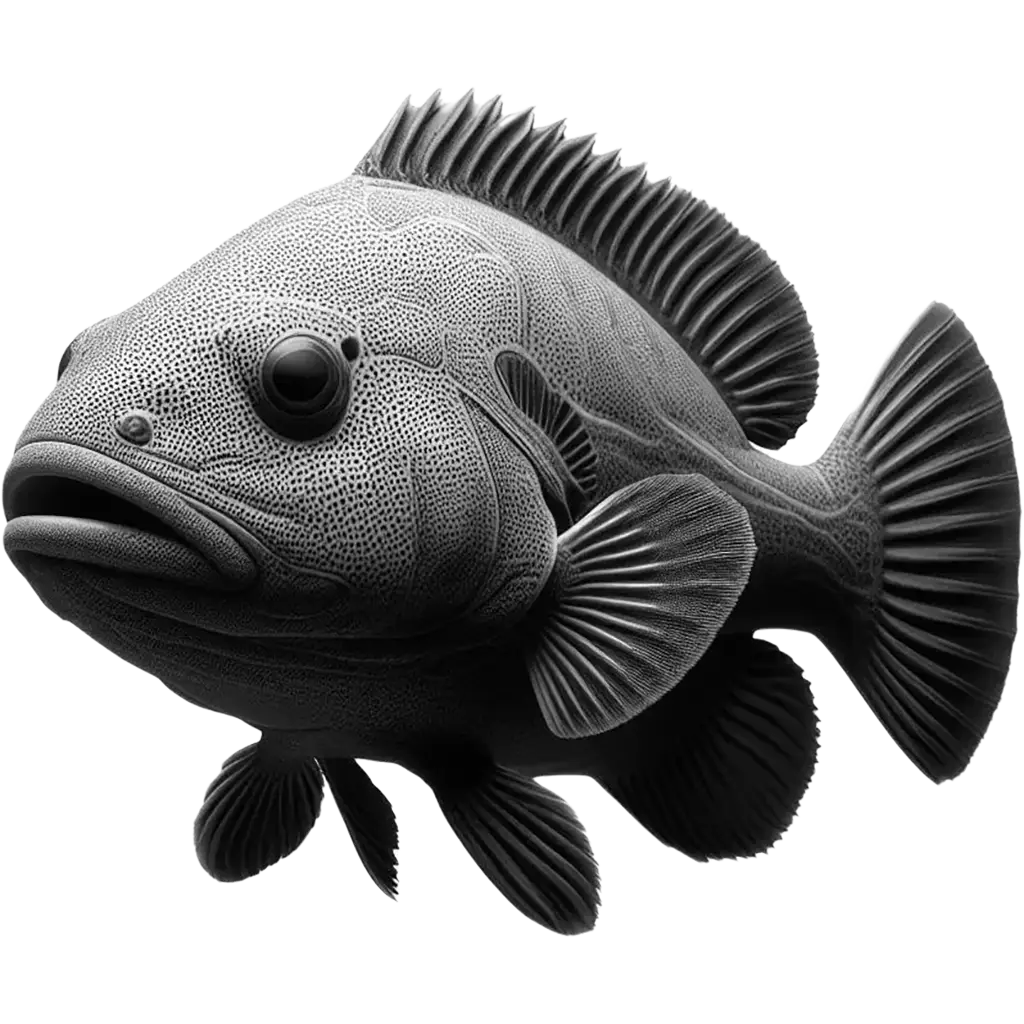
The Doctor Fish, garra rufa, is a small species of freshwater fish native to river basins in the Middle East, particularly found in Turkey, Syria, Iraq, and Iran. This species is renowned for its unique behavior of feeding on dead or diseased skin from the feet and body of humans, a practice that has gained popularity in spa treatments around the world. Adult Doctor Fish typically measure between 7 to 12 centimeters in length and have a slender, olive-grey body with a darker back and a lighter underbelly. Doctor Fish thrive in warm river waters and have adapted to a wide range of environmental conditions, including thermal springs, making them well-suited for the spa environments in which they are often found. They are social creatures that naturally live in groups, using their specialized mouths to remove dead skin, which provides them with nutrition and offers a natural exfoliation service for humans. The diet of Garra rufa in the wild primarily consists of aufwuchs, a combination of algae, small microorganisms, and detritus that accumulates on rocks and other surfaces in their natural habitat. In spa settings, while they are known for the skin-eating behavior that earned them the name 'Doctor Fish,' they are typically fed a balanced diet of fish food to ensure their nutritional needs are fully met. Reproduction in Doctor Fish occurs in freshwater environments, where females lay eggs that are then fertilized externally by males. The specifics of their breeding behavior in the wild are not well-documented, but in controlled environments, breeding requires careful management of water conditions and diet. The Doctor Fish is not currently listed as endangered, but habitat destruction and pollution in their native environments pose potential threats to their populations. Their popularity in spa treatments has led to a global trade, with fish often being bred in captivity for commercial use. Conservation efforts for wild populations of Garra rufa focus on habitat preservation and monitoring the impact of water quality on their survival and distribution.
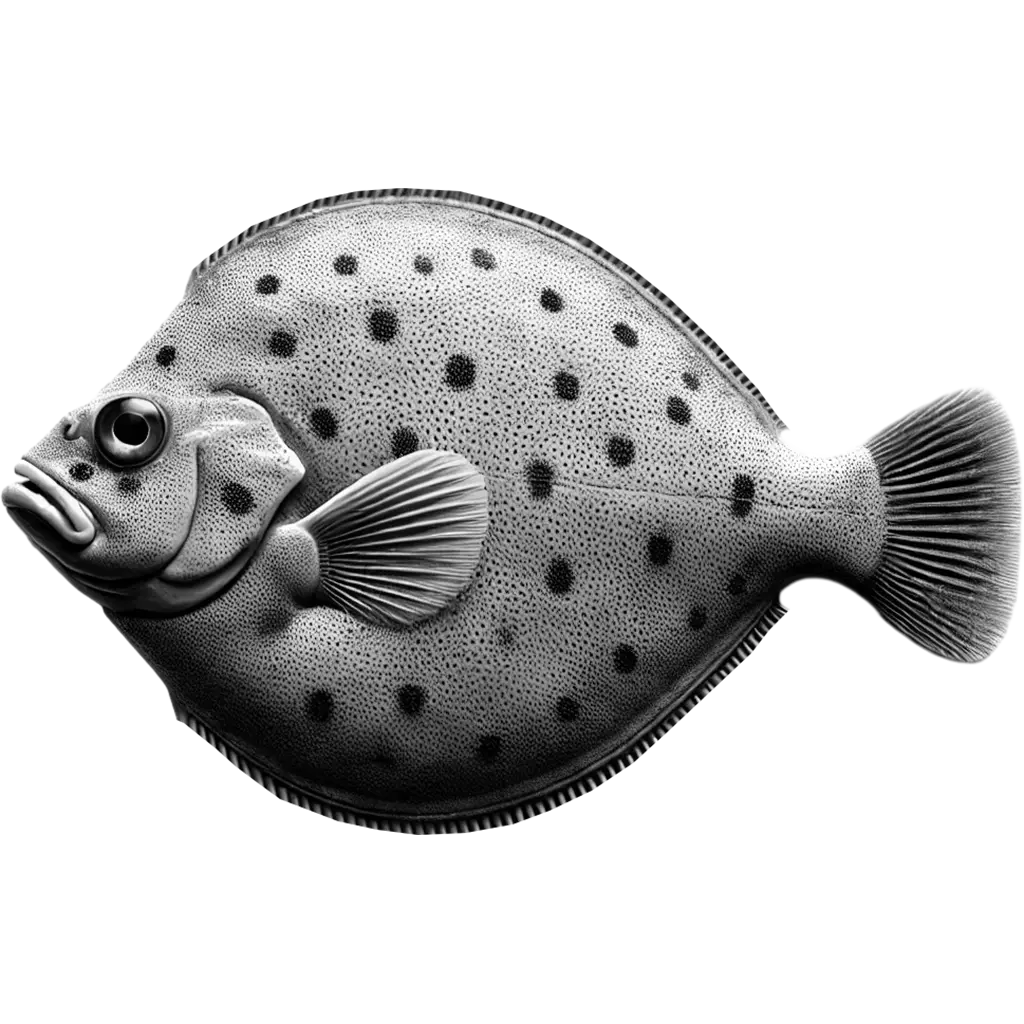
The Egyptian Sole is a flatfish species characterized by its oval-shaped, dorsoventrally flattened body. The upper side displays a greyish-brown coloration with four wide olive-colored saddles, while the underside is white. A distinctive black blotch marks the pectoral fin on the eyed side. Adults can reach up to 65 cm in length. This morphology allows the fish to blend seamlessly with the seabed, aiding in both predation and protection from predators. Inhabiting soft mud and sand substrates, the Egyptian Sole is found in coastal and littoral zones, including brackish lagoons. Its range extends throughout the Mediterranean Sea, from Tunisia to Egypt, and includes the Suez Canal and the southern Adriatic Sea. Recently, it has been recorded in the Gulf of Suez in the Red Sea, indicating a possible range expansion. This species prefers subtropical climates and is typically found at depths ranging from 1 to 100 meters. As a nocturnal predator, the Egyptian Sole feeds on benthic invertebrates, including cnidarians, polychaete worms, and bivalves. It employs a benthic feeding strategy, lying in wait on the seabed and using its camouflaged appearance to ambush unsuspecting prey. This diet plays a crucial role in controlling the population of these invertebrates, thus maintaining the ecological balance of its habitat. Specific details about the reproductive behavior of the Egyptian Sole are limited. However, it is known that spawning occurs in the southern Mediterranean during late autumn and winter. Females reach sexual maturity at around 15 cm in length and can produce up to 38,000 eggs. Further research is needed to fully understand their mating systems and parental involvement. The population of the Egyptian Sole is currently stable, and it is classified as Least Concern by the IUCN. However, it faces threats from overfishing, habitat degradation, and pollution. In Egypt, this species holds significant commercial value and has been successfully bred in aquaculture. Conservation efforts are essential to ensure the sustainability of both wild and farmed populations, as well as the health of their natural habitats.
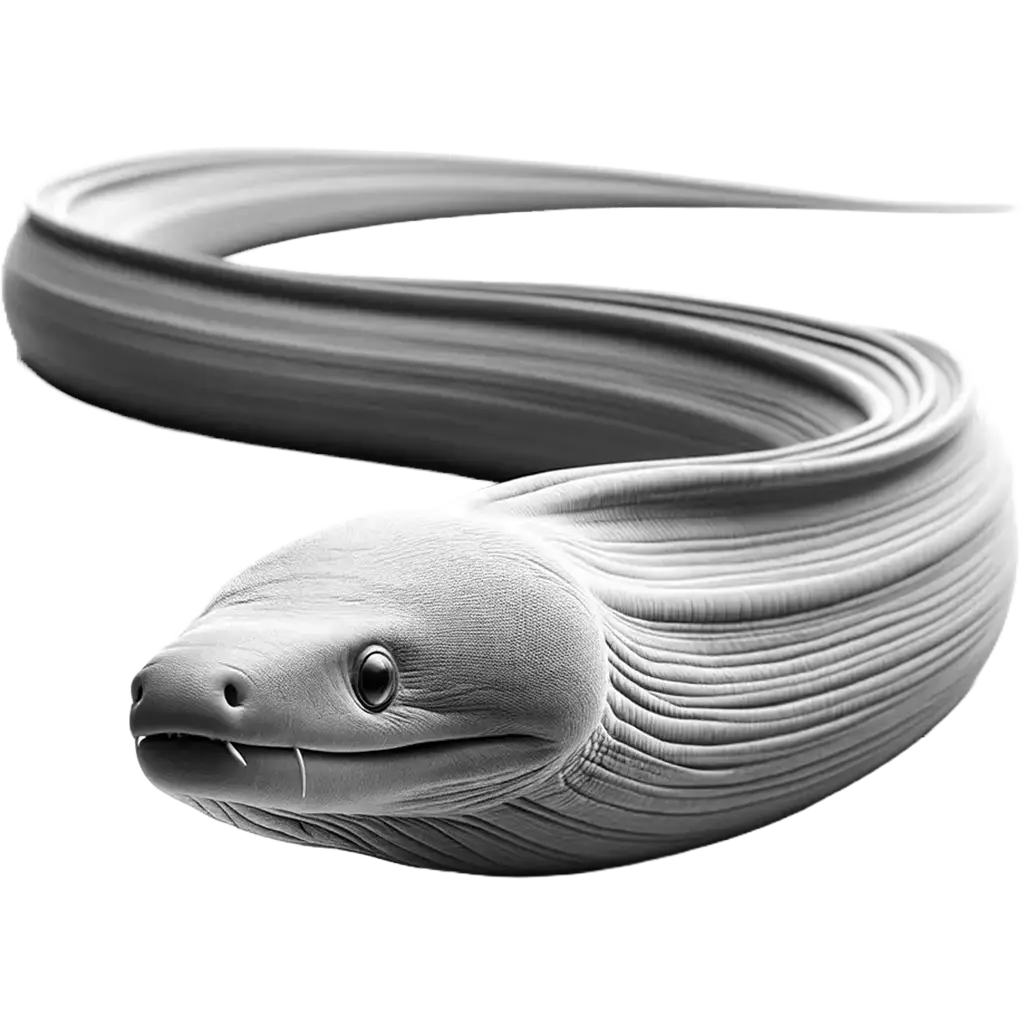
The Electric Eel, electrophorus electricus, is a fascinating species of fish known for its ability to generate powerful electric shocks. This remarkable creature is found in the freshwater habitats of the Amazon and Orinoco River basins in South America. Despite its name, it is not a true eel but is closely related to the catfish. Adult Electric Eels can grow up to 2 meters in length and weigh as much as 20 kilograms, making them one of the largest species of electric fish. They have a cylindrical, snake-like body that is dark green or grayish on the top, with a yellowish or orange underbelly. Electric Eels are solitary creatures that inhabit murky waters of swamps, creeks, small rivers, and floodplains where they can be hidden from predators and find ample food. They rely on their electric organs to navigate, communicate, and forage in these low-visibility environments. These organs are also used defensively to stun or deter potential threats and offensively to incapacitate prey. The diet of the Electric Eel primarily consists of fish, invertebrates, amphibians, and occasionally small mammals and birds that happen to fall into the water. They detect and stun their prey using low-level electric discharges and then use higher voltage shocks to immobilize them before ingestion. This unique hunting method allows the Electric Eel to be a dominant predator in its environment. Reproduction involves a fascinating behavior where the male creates a nest from saliva during the dry season. The female then lays her eggs in this nest, and the male guards them until they hatch. This level of parental care is relatively rare among fish and highlights the unique aspects of Electric Eel biology. The population of the Electric Eel is currently not considered at risk, but they face potential threats from habitat degradation and pollution. Conservation efforts are focused on preserving the freshwater ecosystems of the Amazon and Orinoco basins. The Electric Eel's unique characteristics have made it a subject of interest in both scientific research, particularly in the study of bioelectrogenesis, and in popular culture, where it is often depicted as a powerful natural force.
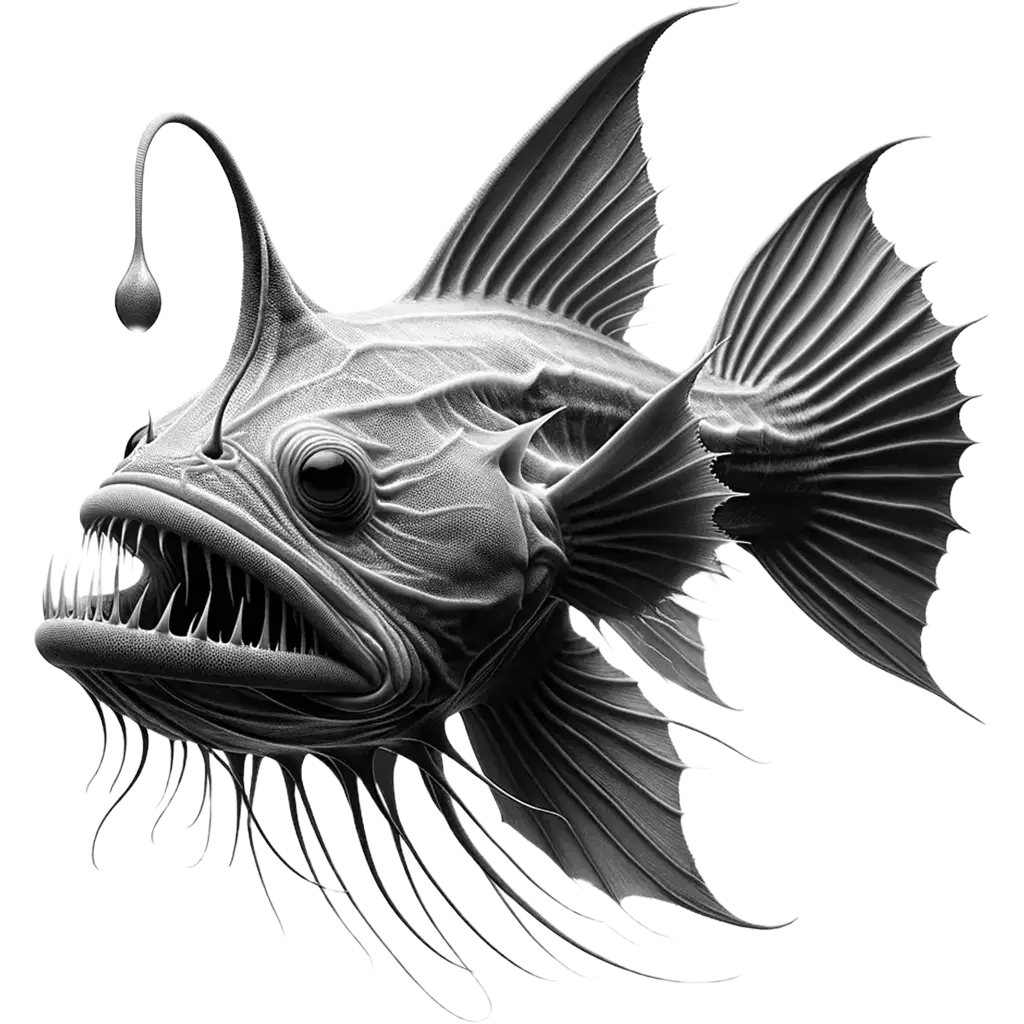
The European Angler, lophius piscatorius, also known as the Monkfish or Fishing Frog, is a unique and fascinating marine predator found in the northeastern Atlantic Ocean, from the Arctic Circle to the coasts of Morocco, including the Mediterranean Sea. This species is characterized by its broad, flat head and mouth, which is equipped with sharp, needle-like teeth. It has a mottled brownish skin that helps it blend with the seabed, providing excellent camouflage against the sandy or muddy bottom. Adult European Anglers can grow up to 2 meters in length and weigh over 20 kg, making them one of the larger species within the anglerfish family. The European Angler inhabits a range of depths, from shallow coastal waters to the continental shelf and slope, down to depths of 600 meters. It prefers temperate waters and is often found lying partially buried on the seabed, where its appearance mimics the surrounding environment, allowing it to ambush prey. The diet of the European Angler is carnivorous, feeding primarily on fish, including both bottom-dwelling and pelagic species, as well as cephalopods and crustaceans. It utilizes a modified spine on its head, known as the illicium or 'fishing rod,' tipped with a bioluminescent 'lure' to attract prey within striking distance. This hunting strategy is highly effective, enabling the angler to consume prey nearly as large as itself. Reproduction in European Anglers involves the release of large quantities of eggs and sperm into the water column, where external fertilization occurs. The eggs form a gelatinous mass that floats on the surface until hatching. This reproductive strategy results in a high mortality rate among eggs and larvae, but it ensures that a sufficient number of offspring survive to adulthood. The population of the European Angler is currently not classified as endangered, but it faces threats from overfishing and habitat destruction. It is a commercially valuable species, prized for its meaty tail, which is considered a delicacy in many European cuisines. Conservation efforts and sustainable fishing practices are essential to ensure the long-term viability of European Angler populations and the marine ecosystems they inhabit.
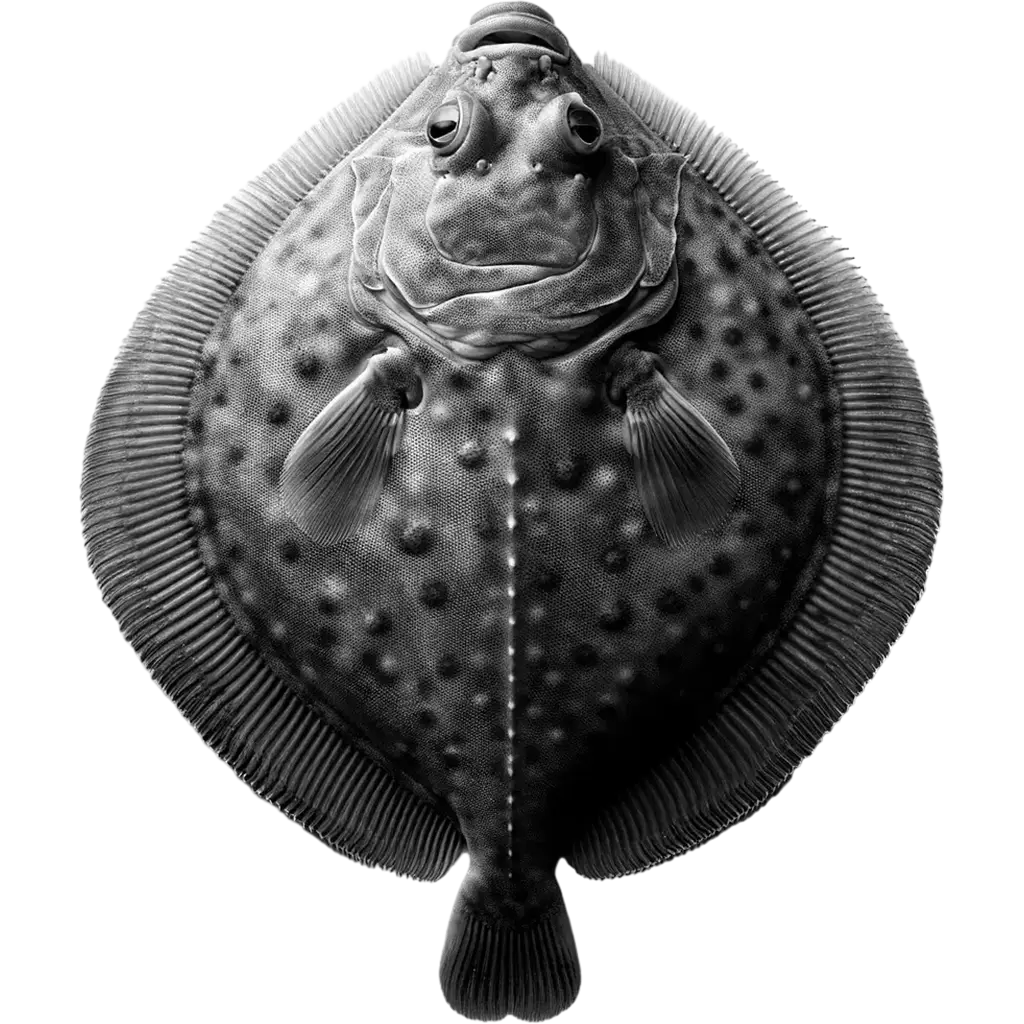
The European Plaice, pleuronectes platessa, is a flatfish species renowned for its distinctive appearance and significant value to commercial fisheries. This species has a smooth, oval body that is adapted to lie flat on the seabed, with both eyes located on its right side. The skin is dark green to brown, speckled with conspicuous orange to red spots, providing camouflage against sandy or muddy bottoms. Adult plaice can reach up to 1 meter in length, though most commonly measure between 40 to 60 cm. The underside of the plaice is pearly white, contrasting sharply with its camouflaged upper side. European Plaice inhabit the sandy and muddy sea floors of the North Atlantic Ocean, ranging from the Barents Sea to the Mediterranean and the Black Sea. They prefer shallow waters but can be found at depths up to 200 meters. This species is known for its seasonal migrations, moving offshore to deeper waters in winter to spawn and returning inshore during the summer. The diet of the European Plaice primarily consists of polychaete worms, crustaceans, and mollusks, which they find by sifting through the seabed sediment. Their mouth structure and sensory capabilities are well-adapted for detecting and capturing prey in the substrate. Reproduction occurs in late winter to early spring, with females releasing hundreds of thousands of eggs that are fertilized externally. The eggs float in the water column until hatching, with larvae eventually settling on the seabed to begin their benthic life. Juvenile plaice are initially symmetrical, with one eye migrating to the other side of the head as they mature. The European Plaice population is subject to significant fishing pressure, leading to concerns over stock sustainability. Conservation efforts and management measures, including quotas and minimum landing sizes, have been implemented to ensure the long-term viability of plaice fisheries. The species plays a crucial role in marine ecosystems and is a key target for both commercial and recreational fishing activities.
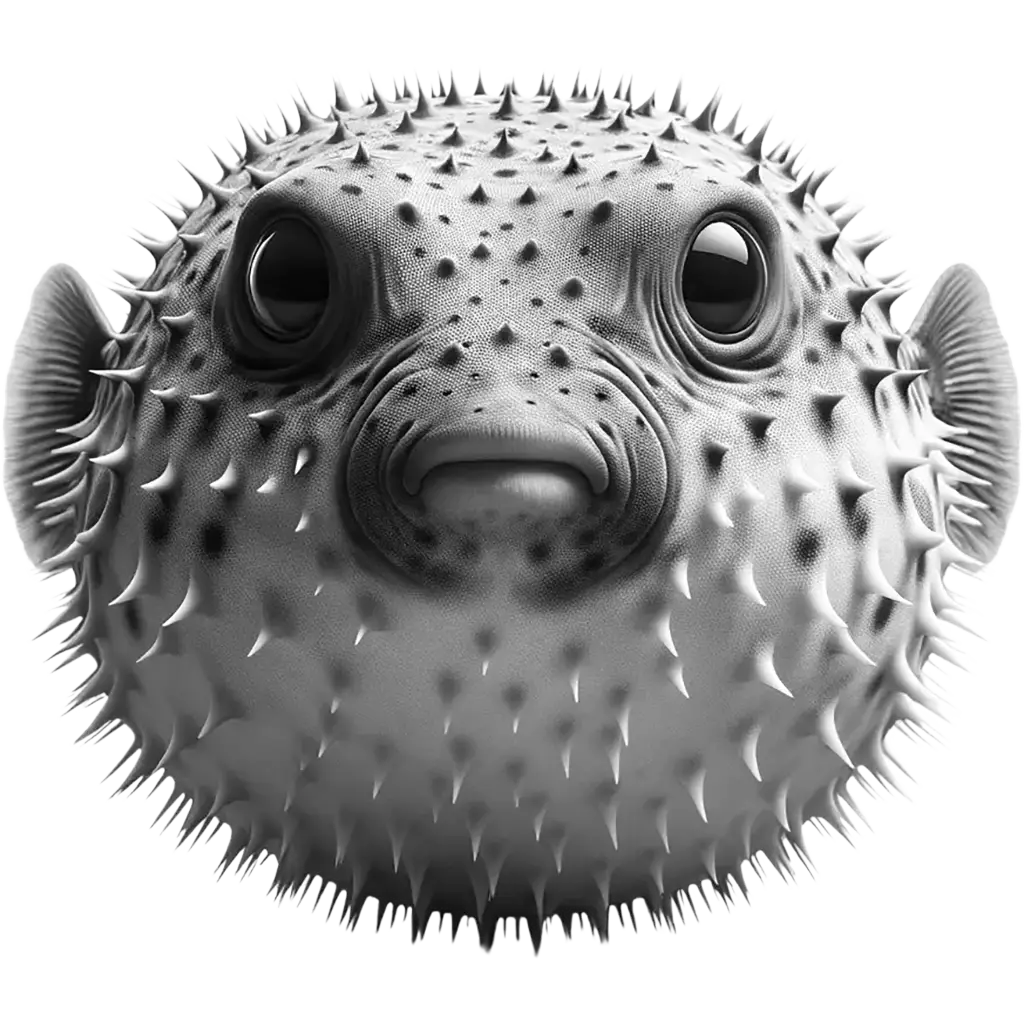
The Fahaka Pufferfish, tetraodon lineatus, also known as the Nile Puffer, is a freshwater species distinguished by its striking appearance and intriguing behavior. This robust fish can grow up to 45 cm (18 inches) in length, showcasing a body covered in intricate patterns of yellow and dark lines that provide camouflage among riverbeds and vegetation. The Fahaka Puffer's most notable feature is its ability to inflate its body dramatically as a defense mechanism against predators, making it appear much larger and more formidable. Native to the Nile River and other freshwater habitats across Africa, the Fahaka Pufferfish thrives in environments with abundant vegetation and slow-moving waters. It exhibits a solitary nature, often displaying territorial behavior towards other fish. This species is known for its intelligence and curiosity, frequently interacting with its environment and even recognizing its human caregivers. The diet of the Fahaka Pufferfish is carnivorous, primarily feeding on mollusks, crustaceans, and smaller fish. Its strong, beak-like teeth are specially adapted to crack open hard-shelled prey. In captivity, it's crucial to provide a diet that includes hard-shelled foods to maintain the health of their teeth, which continuously grow throughout their life. Reproduction in the Fahaka Pufferfish is not well documented in the wild, but in captivity, breeding is rare and challenging. The process involves elaborate courtship displays, with the male often creating nests to entice a female. Successful breeding requires specific water conditions and a large, stress-free environment to mimic their natural habitats. The population status of the Fahaka Pufferfish is not well established, but it faces threats from habitat loss and pollution in its natural range. Their unique appearance and behaviors make them popular in the aquarium trade, which also poses a risk to wild populations if not managed sustainably. Conservation efforts are needed to ensure the protection of their natural habitats and to promote responsible trade practices. The Fahaka Pufferfish's distinct characteristics and ecological role underscore the importance of biodiversity and the need for conservation in freshwater ecosystems.