
Crystallaria Cincotta
Diamond Darter
Large warm-water rivers with clear water and extensive sand and gravel bars
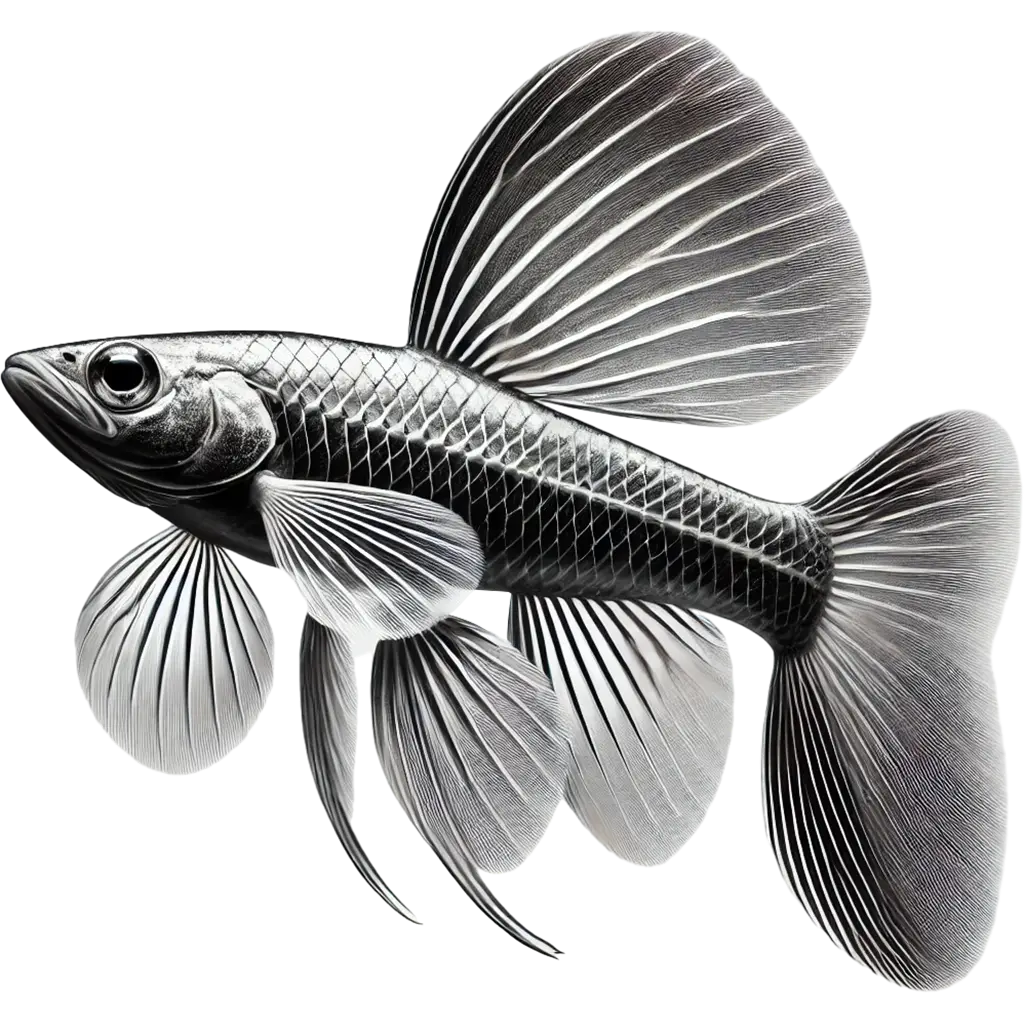
The Diamond Darter is a small, translucent freshwater fish with silvery sides and a white belly. Its back is yellow-tan, adorned with four wide olive-colored saddles, and it features a distinctive dark blotch on the snout below the eyes. Adults typically measure between 3 to 5 inches in length. Notably, the Diamond Darter lacks a swim bladder, an adaptation that allows it to remain near the river bottom with minimal effort.
| Population: | Extremely rare; fewer than 50 individuals collected over the past 30 years |
| Generation Length: | 3-4 years |
| Average Weight: | 20-30 grams |
| Average Length: | 3-5 inches (7.7 cm maximum) |
| Lifespan: | 4-6 years |
| Diet: | Primarily benthic invertebrates |
| Conservation Status: | Critically Endangered (CR) |
This elusive species inhabits large, warm-water rivers characterized by clear water and extensive sand and gravel bars free of mud and silt. Primarily active during dawn and dusk, Diamond Darters lie on the riverbed, often burying themselves in the sand with only their eyes exposed. This behavior serves both as a predatory strategy and a means of evading predators. Their crepuscular nature makes them well-suited to the dim light conditions of their habitat.
Feeding predominantly on bottom-dwelling invertebrates, the Diamond Darter's diet includes mayfly larvae and other aquatic insects. By consuming these organisms, it plays a vital role in maintaining the ecological balance of its riverine environment. Its feeding habits involve lying in wait on the riverbed, using its keen eyesight to detect and ambush prey as it moves along the substrate.
Reproductive behaviors of the Diamond Darter are not well-documented, but related species spawn in early spring, laying eggs over sandy to gravel substrates in swift-flowing streams. The lack of specific data on their mating habits highlights the need for further research to inform conservation efforts. Understanding their reproductive cycle is crucial for developing effective management strategies to support population recovery.
Once found throughout the Ohio River basin, the Diamond Darter's range has dramatically diminished due to habitat alterations such as dam construction, river channelization, and pollution. Currently, it is known to exist only in the Elk River, West Virginia. The species faces significant threats from activities that degrade water quality and riverbed habitats, including mining, logging, and agriculture. Conservation efforts are focused on protecting and restoring its remaining habitat to prevent extinction.
Classifications
The Key Attributes
Features
- Movement:
Benthic; remains near river bottom
- Territorial Behavior:
Not specified
- Speed:
Not specified
- Diet:
Insectivore
- Physical Features:
- Translucent body with silvery sides and white belly
- Yellow-tan back with four wide olive-colored saddles
- Dark blotch on snout below eyes
- Lacks swim bladder
- Primary Senses:
- Sight
Understanding Habitat and Range
Geography
- Habitat:
Large warm-water rivers with clear water and extensive sand and gravel bars
- Migration Patterns:
Non-migratory
- Geographical Range:
Historically in Ohio River basin; currently only in Elk River, West Virginia
- Climate Preferences:
Temperate
Navigating the Wilderness
In the wild
- Predators:
Not specified
- Prey:
Bottom-dwelling invertebrates, such as mayfly larvae and other aquatic insects
- Feeding Behavior:
Crepuscular; active at dawn and dusk
- Diet:
Primarily benthic invertebrates
- Defensive Mechanisms:
- Burrows into sand, leaving only eyes exposed
- Preferred Food Sources:
- Mayfly larvae
- Aquatic insects
Insights Into Reproduction
Mating
- Mating System:
Not specified
- Number of Offspring:
Not specified
- Incubation Period:
Not specified
- Parental Involvement:
- Not specified
Youngsters Section
Diamond Darter
Fun Fact
The Diamond Darter reflects light in a way that resembles a sparkling diamond, especially during nighttime observations.
Despite its name and shimmering appearance, this fish is extremely rare, with fewer than 50 individuals collected over the past three decades. Its elusive nature and limited population make sightings exceptionally uncommon.

Download word search puzzles
Word Search Puzzles


Check Out Other Fish
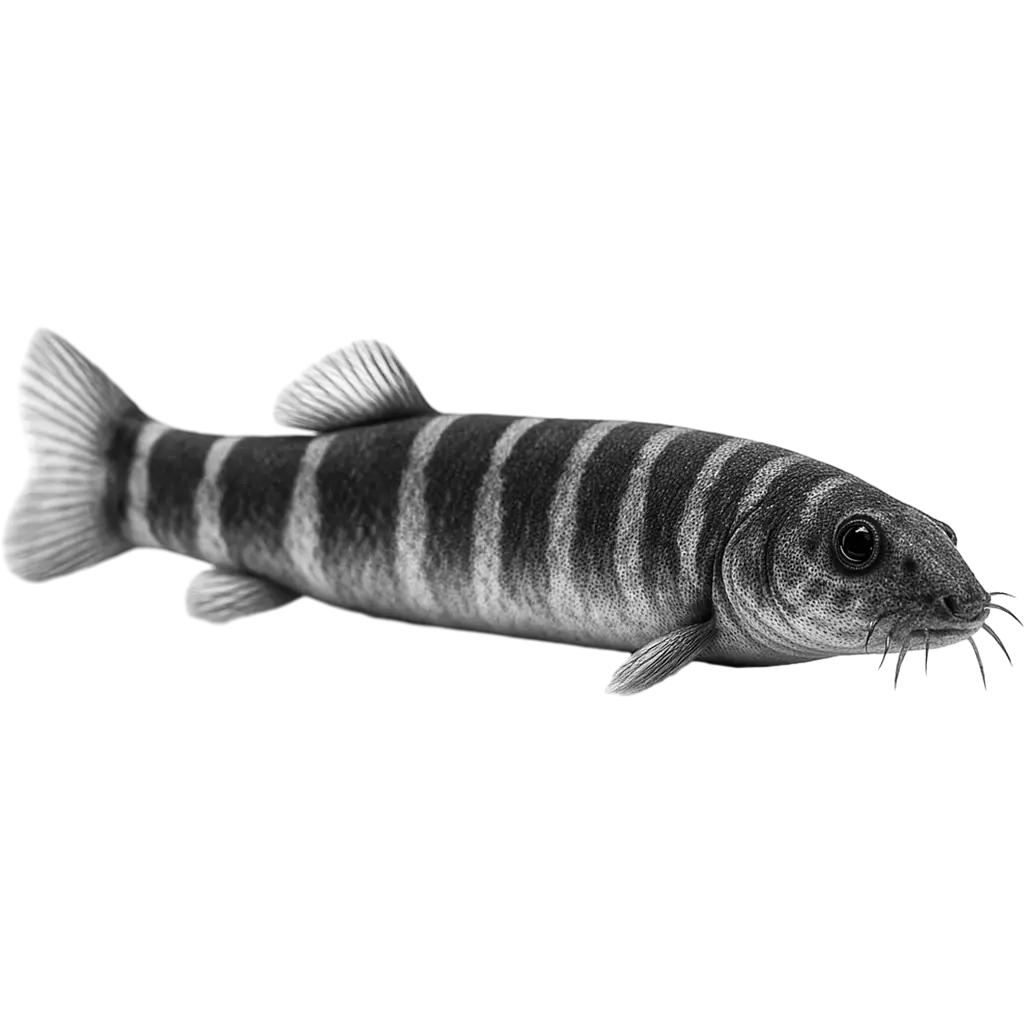
The Java Loach has a distinctive, elongated body slender like an eel, measuring between five and ten centimeters long. Its smooth skin bears alternating dark and light bands that provide camouflage among leaf litter and muddy substrates. Small, beady eyes sit just above a downward-facing mouth fringed with six sensory

The Great Hammerhead, sphyrna mokarran, stands as one of the most distinctive and formidable species of sharks, recognized by its unique 'hammer-shaped' head, known as a cephalofoil. This evolutionary adaptation not only enhances their sensory perception, allowing them to better detect prey, but also provides improved maneuverability. Adult Great Hammerheads
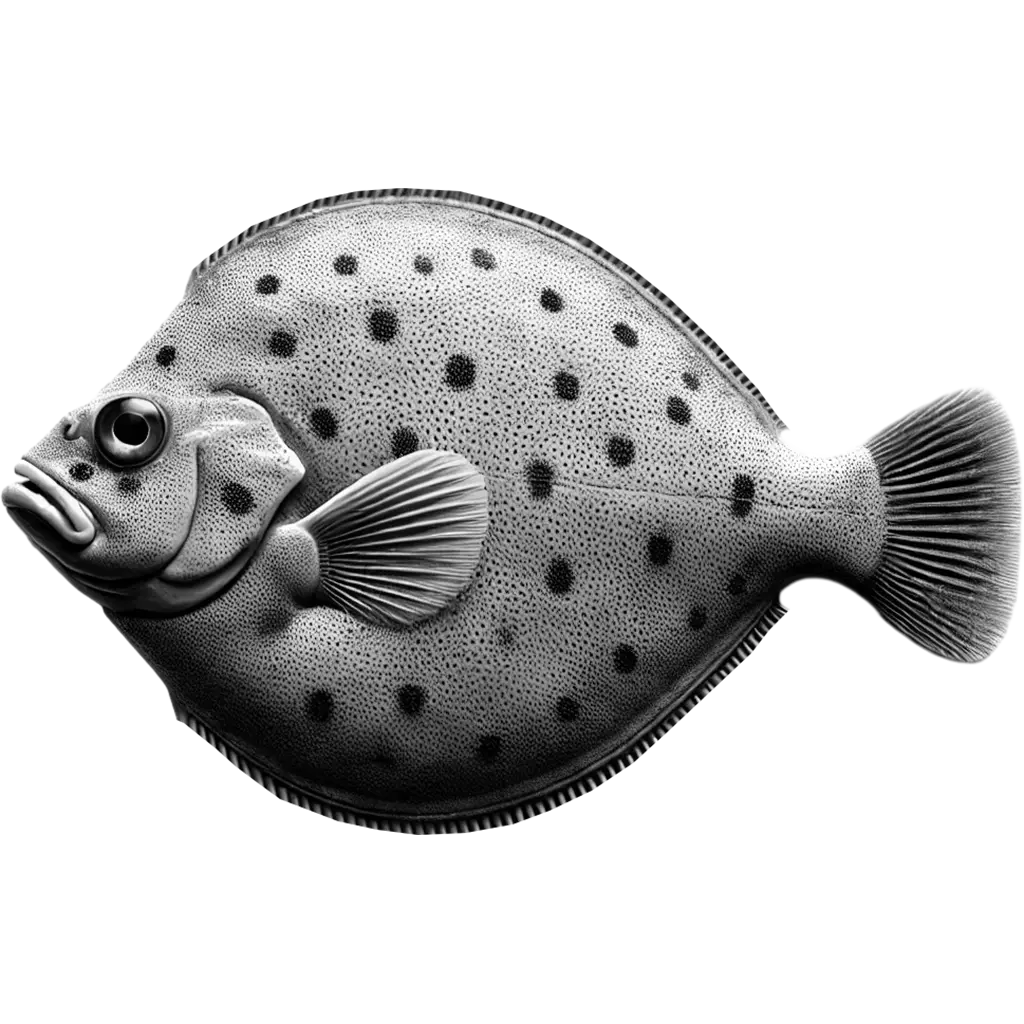
The Egyptian Sole is a flatfish species characterized by its oval-shaped, dorsoventrally flattened body. The upper side displays a greyish-brown coloration with four wide olive-colored saddles, while the underside is white. A distinctive black blotch marks the pectoral fin on the eyed side. Adults can reach up to 65 cm
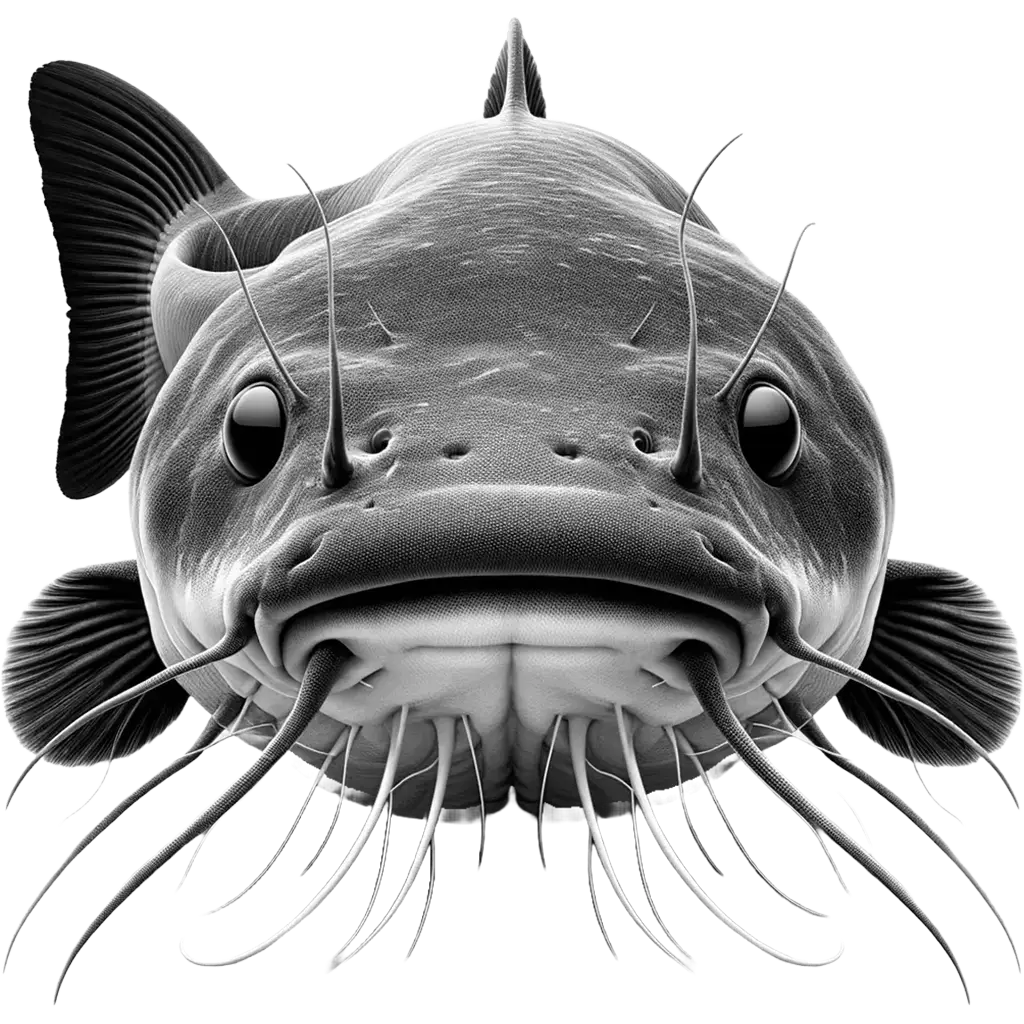
The Wels Catfish, silurus glanis, is one of the largest freshwater fish in Europe and parts of western Asia, renowned for its impressive size and predatory nature. Adult Wels Catfish can reach lengths of over 2 meters and weigh up to 150 kilograms, though most specimens are significantly smaller. They