
Pangio Oblonga
Java Loach
Slow-moving streams, rice paddies, ditches with soft substrate
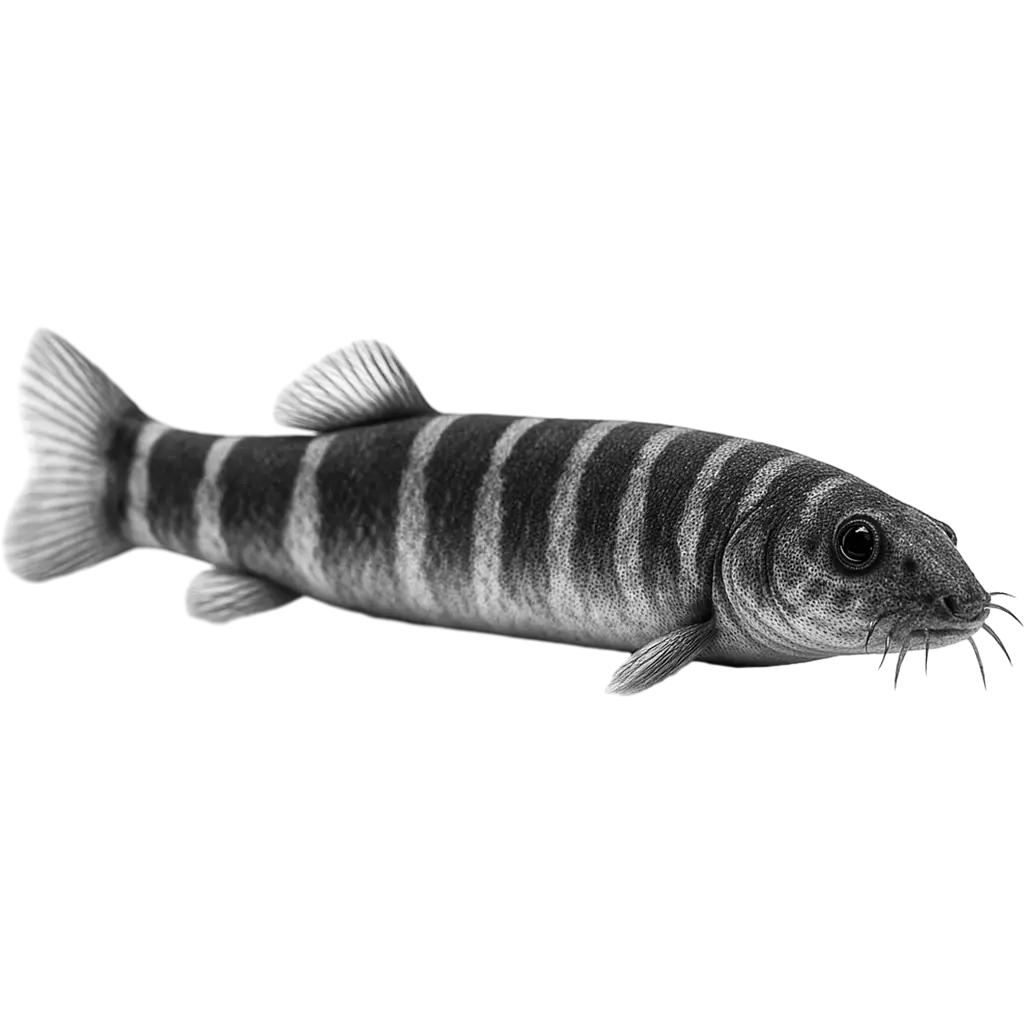
The Java Loach has a distinctive, elongated body slender like an eel, measuring between five and ten centimeters long. Its smooth skin bears alternating dark and light bands that provide camouflage among leaf litter and muddy substrates. Small, beady eyes sit just above a downward-facing mouth fringed with six sensory barbels. The loach's pectoral fins are broad and rounded, enabling precise movements along the bottom, while a long, tapering tail fin aids in swift, undulating propulsion.
| Population: | Widespread and common in slow-moving Southeast Asian streams, with stable populations |
| Generation Length: | 2 years |
| Average Weight: | 5-10 grams |
| Average Length: | 5-10 cm |
| Lifespan: | Approximately 7-10 years in the wild; up to 12 years in captivity |
| Diet: | Feeds on small invertebrates, detritus, algae, and plant matter |
| Conservation Status: | Least Concern (LC) |
Java Loaches are crepuscular and nocturnal, spending daylight hours buried under soft substrate or hiding among aquatic plants. At dusk they emerge in small groups to forage, using tactile barbels to detect food. These loaches are peaceful shoaling fish, rarely displaying aggression even in confined spaces. They navigate slow-moving streams and flooded rice paddies with ease, adapting to fluctuating water levels and gentle currents. Their activity peaks in warm, humid conditions, and they adjust their depth preference based on water clarity and flow.
In the wild, the diet of Java Loaches is highly varied, allowing them to exploit multiple food sources. They feed on detritus, small insect larvae, microfauna, and algae films scraped from submerged surfaces. Their bottom-foraging behavior involves sifting through sediment with barbels and mouth, extracting edible matter. Occasional plant matter and biofilm provide fiber and micronutrients. Seasonal shifts in water parameters influence prey availability, prompting loaches to adjust feeding patterns. A balanced intake of protein from invertebrates and plant-derived carbohydrates supports their growth, metabolism, and reproductive readiness.
Breeding Java Loaches involves group spawning where multiple males and females release gametes simultaneously over flat stones or submerged roots. After fertilization, adhesive eggs stick to surfaces, hatching within three to five days. There is no parental care; fry are left to fend for themselves, relying on yolk reserves before beginning free feeding. Juveniles grow rapidly under favorable conditions, reaching adult size in about six months in the wild.
Java Loach populations remain stable across their native range, thriving in both pristine and disturbed habitats. Their resilience to mild pollution and habitat modification has allowed them to persist where other species decline. However, localized threats from agrochemical runoff, water extraction, and overcollection for the aquarium trade have caused minor declines in some areas. Ongoing monitoring ensures that these charming bottom-dwellers remain common components of Southeast Asian freshwater ecosystems.
Classifications
The Key Attributes
Features
- Movement:
Swimming
- Territorial Behavior:
Peaceful shoaling
- Speed:
Moderate
- Diet:
Omnivore
- Physical Features:
- Slender eel-like body
- Small downward-facing mouth with barbels
- Tiny eyes
- Smooth, scaleless skin
- Primary Senses:
- Sight
- Lateral line
- Chemoreception
Understanding Habitat and Range
Geography
- Habitat:
Slow-moving streams, rice paddies, ditches with soft substrate
- Migration Patterns:
Non-migratory
- Geographical Range:
Southeast Asia (Indonesia, Thailand, Malaysia, Cambodia, Vietnam)
- Climate Preferences:
Tropical freshwater
Navigating the Wilderness
In the wild
- Predators:
Birds, larger fish, amphibians
- Prey:
Detritus, small invertebrates, algae
- Feeding Behavior:
Bottom forager active at twilight
- Diet:
Feeds on small invertebrates, detritus, algae, and plant matter
- Defensive Mechanisms:
- Camouflage coloration
- Burying in substrate
- Nocturnal habits
- Preferred Food Sources:
- Insect larvae
- Microfauna
- Organic detritus
- Algae film
Insights Into Reproduction
Mating
- Mating System:
Group spawning with no parental care
- Number of Offspring:
20-50 eggs per spawn
- Incubation Period:
3-5 days
- Parental Involvement:
- No parental care after spawning
Youngsters Section
Java Loach
Fun Fact
Java loaches can breathe through their intestines, allowing survival in low-oxygen waters.
They often bury themselves in substrate with only their eyes exposed, helping avoid predators and ambush prey. Their eel-like shape enables silent, efficient movement among roots and leaf litter, and they may live over a decade in captivity under ideal conditions.

Download word search puzzles
Word Search Puzzles
Check Out Other Fish
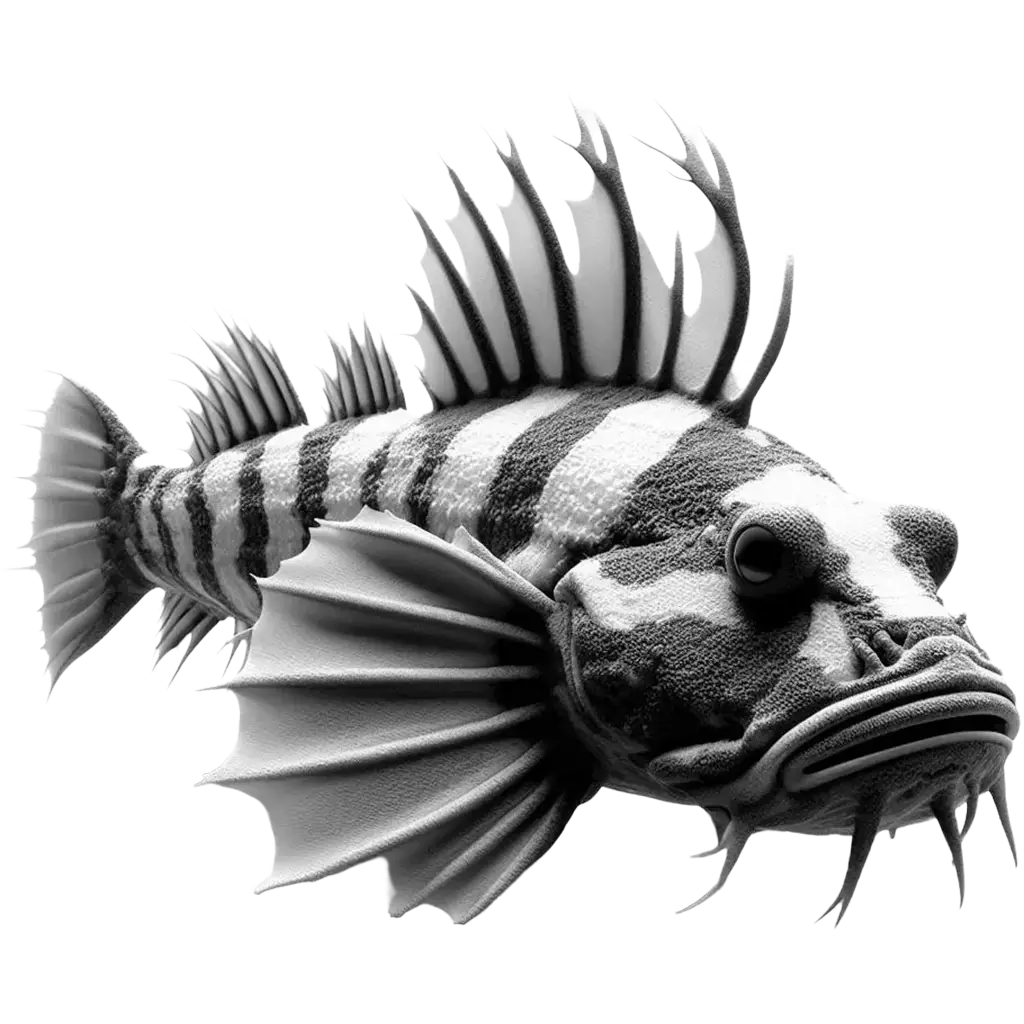
The Mottled Sculpin, cottus bairdii, is a freshwater fish species distinguished by its camouflage pattern of mottling and bars, which blend seamlessly with the rocky streambeds it inhabits. Adults typically measure between 7 to 10 cm in length, with a robust, tapering body and a broad, flattened head featuring large,
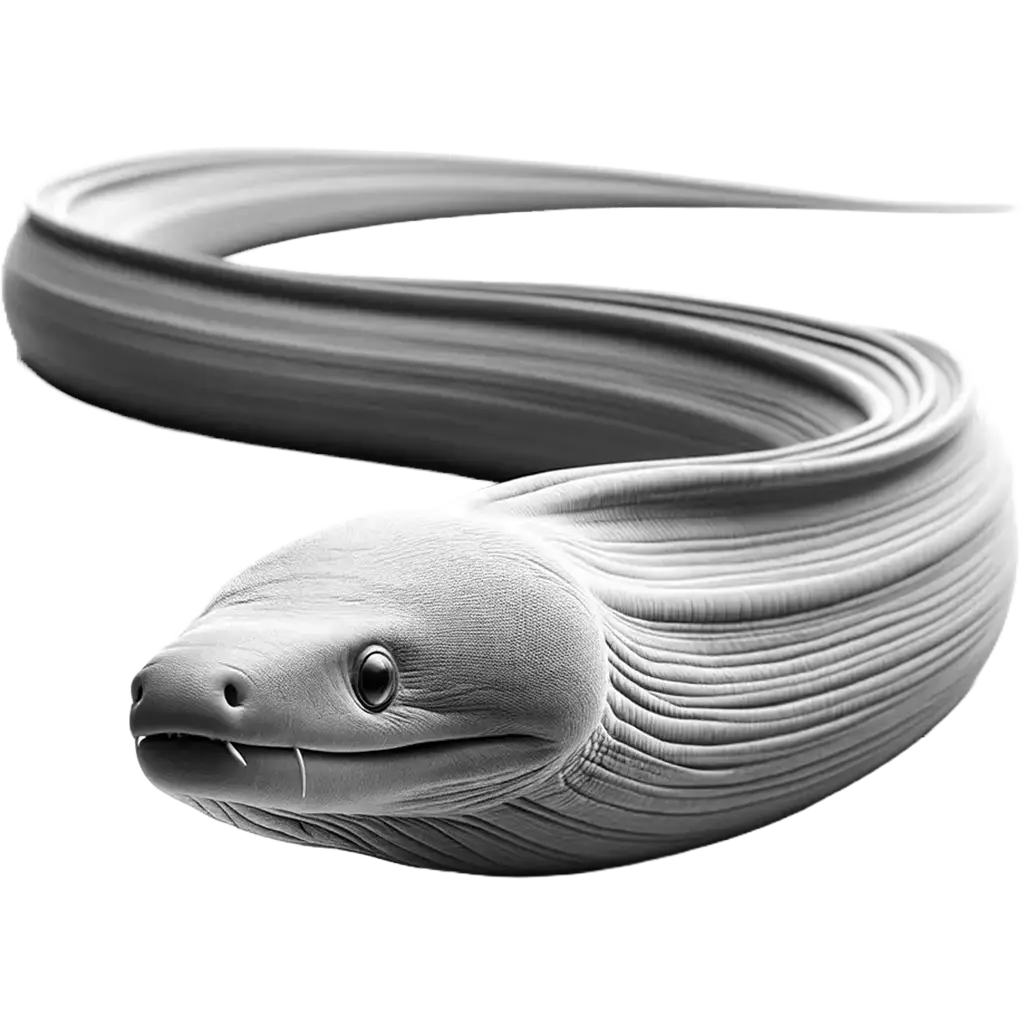
The Electric Eel, electrophorus electricus, is a fascinating species of fish known for its ability to generate powerful electric shocks. This remarkable creature is found in the freshwater habitats of the Amazon and Orinoco River basins in South America. Despite its name, it is not a true eel but is
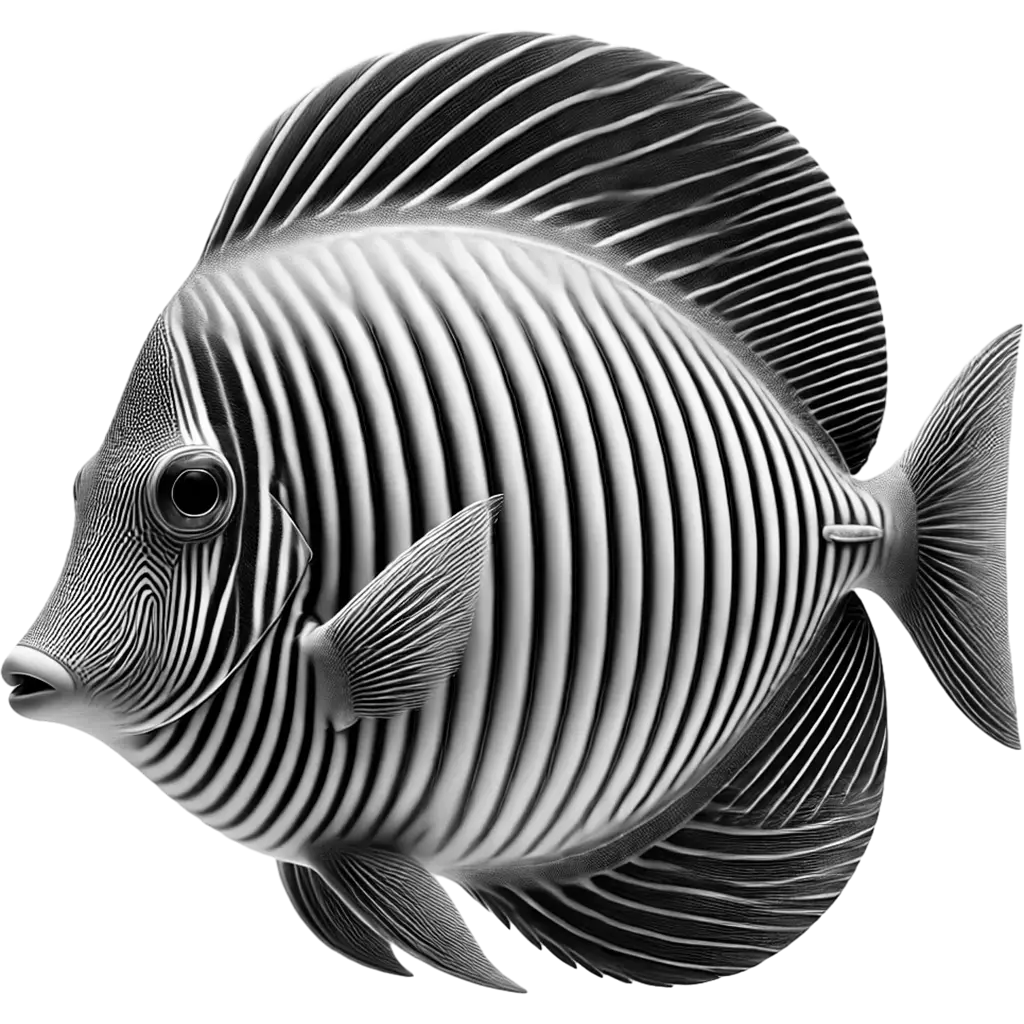
The Sailfin Tang exhibits a laterally compressed, oval-shaped body adorned with shimmering scales that reflect a spectrum of colors under sunlight. Its most distinctive feature is a large, sail-like dorsal fin that stretches gracefully along its back, displaying vibrant hues of yellow and blue. The streamlined body and angular head,
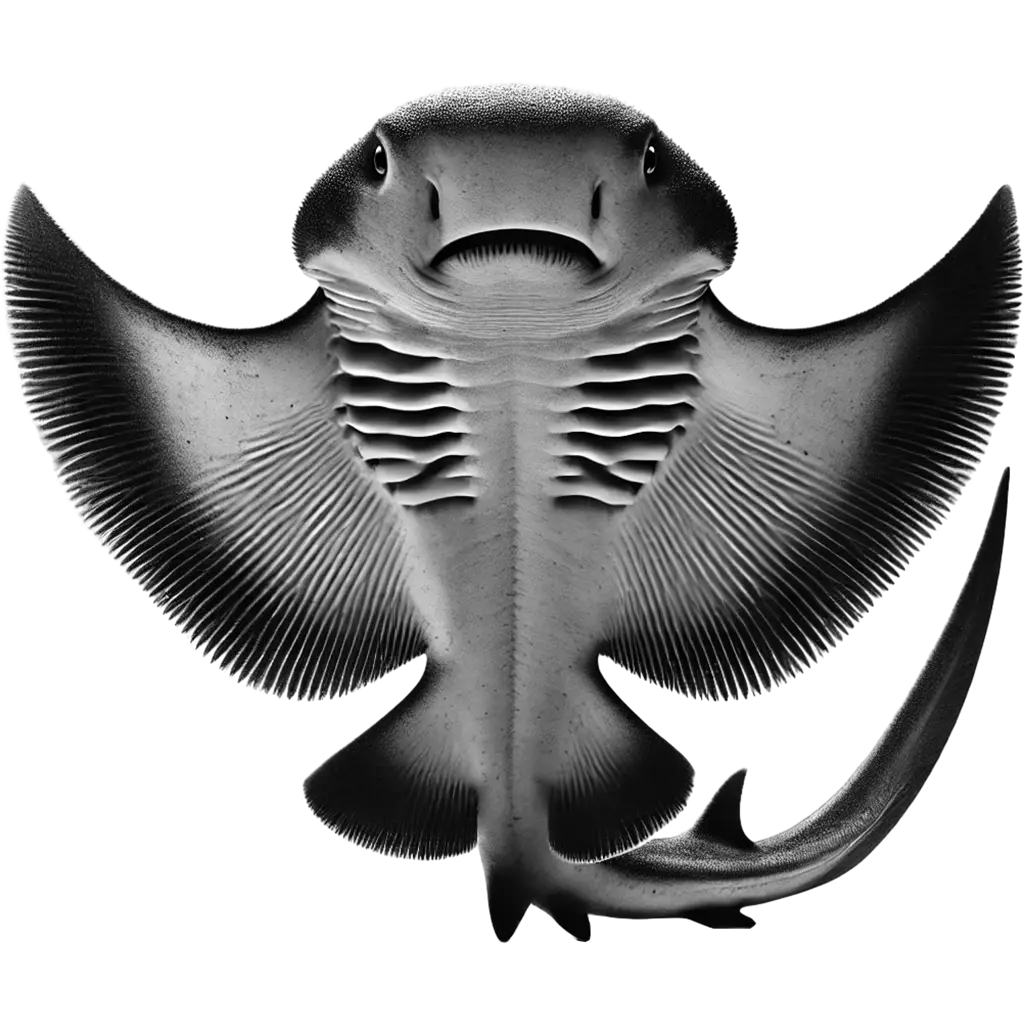
The Sawback Angelshark (Squatina aculeata) displays a striking, flattened body that closely resembles a ray. Its broad, wedge-shaped form is covered with a textured, mottled skin featuring a series of jagged, saw-like spines along its dorsal surface. The eyes and spiracles are positioned on the top of its head, while