
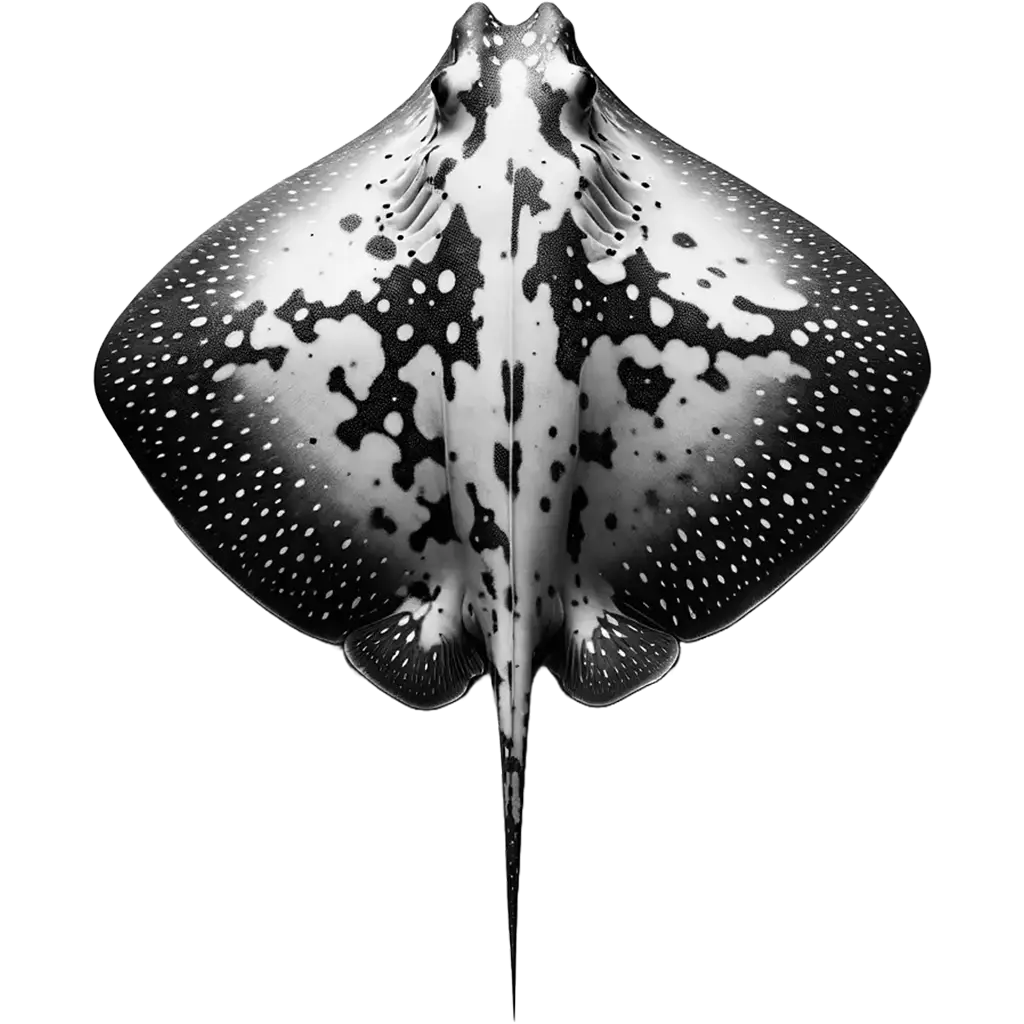
Torpedo Marmorata
Marbled Electric Ray
Coastal waters, usually found on sandy or muddy bottoms
The Marbled Electric Ray, torpedo marmorata, is a peculiar and fascinating species of ray known for its ability to generate electrical charges. This medium-sized ray can reach lengths of up to 60 cm and is characterized by its rounded body, almost disk-like in shape, and a distinctive marbled pattern on its dorsal surface, blending shades of brown, olive, and white. The ventral side is typically lighter, providing camouflage from both predators and prey. Equipped with two electric organs located on either side of its head, the Marbled Electric Ray can produce a substantial electric shock used for defense and to stun prey.
| Population: | Data deficient; not enough information available to accurately assess population status |
| Generation Length: | Unknown due to lack of data |
| Average Weight: | Up to 3 kg |
| Average Length: | 45-60 cm |
| Lifespan: | Estimated 10-15 years |
| Diet: | Electrotrophic feeder, utilizing electric shocks to capture prey |
| Conservation Status: | Vulnerable (VU) |
Native to the Mediterranean Sea and the eastern Atlantic Ocean, from the British Isles to the coast of South Africa, this species prefers sandy or muddy bottoms where it can bury itself and ambush prey. The Marbled Electric Ray is mostly nocturnal, spending the day hidden under the sand with only its eyes and spiracles visible, emerging at night to feed.
The diet of the Marbled Electric Ray consists primarily of small fish and invertebrates, which it captures using its electric shock to immobilize them. This hunting strategy allows it to consume a variety of prey with minimal effort, making it an efficient predator despite its slow and somewhat cumbersome swimming style.
Reproduction in the Marbled Electric Ray is ovoviviparous, with females giving birth to live young after the eggs hatch internally. A litter can consist of up to 20 pups, which are born fully formed and capable of fending for themselves, including generating their own electric shocks.
The population status of the Marbled Electric Ray is currently listed as Least Concern by the IUCN, although it faces threats from habitat degradation, pollution, and incidental capture in fisheries. Conservation measures are necessary to monitor and protect their habitats, ensuring the sustainability of this species. The Marbled Electric Ray's unique electrical abilities not only make it a subject of scientific interest but also underscore the incredible diversity and adaptability of marine life.
Classifications
The Key Attributes
Features
- Movement:
Swimming, often burying itself in sandy or muddy substrates
- Territorial Behavior:
Not well documented; appears to be solitary and sedentary
- Speed:
Not specifically quantified; known for slow movements and lying in wait for prey
- Diet:
Carnivore
- Physical Features:
- Rounded, disk-like body with a smooth, marbled surface
- Two large, kidney-shaped electric organs located on either side of the head capable of producing strong electric discharges
- Short tail and small dorsal fins located far back on the body
- Mouth and gill slits located on the underside of the body
- Primary Senses:
- Electroreception
- Sight
- Smell
Understanding Habitat and Range
Geography
- Habitat:
Coastal waters, usually found on sandy or muddy bottoms
- Migration Patterns:
Non-migratory; limited movement within a localized area
- Geographical Range:
Mediterranean Sea, eastern Atlantic Ocean from the British Isles to South Africa
- Climate Preferences:
Prefers temperate to warm waters
Navigating the Wilderness
In the wild
- Predators:
Larger fish and marine mammals
- Prey:
Fish, octopuses, squid, and crustaceans
- Feeding Behavior:
Uses electric shocks to stun prey before consuming, primarily feeding on fish, cephalopods, and crustaceans
- Diet:
Electrotrophic feeder, utilizing electric shocks to capture prey
- Defensive Mechanisms:
- Electric discharge to deter predators and incapacitate prey
- Camouflage with the seabed to avoid detection
- Preferred Food Sources:
- Areas rich in fish and invertebrates suitable for ambush hunting
Insights Into Reproduction
Mating
- Mating System:
Unknown
- Number of Offspring:
Produces egg cases that hatch into fully formed young
- Gestation Period:
Unknown
- Incubation Period:
Unknown
- Parental Involvement:
- Limited to no parental care after laying eggs
Youngsters Section
Marbled Electric Ray
Fun Fact
The marbled electric ray can generate an electric shock up to 220 volts to stun its prey.
This fascinating creature uses specialized electric organs located on either side of its head to produce electrical discharges. These shocks are not only used for hunting but also as a defense mechanism against potential predators. The marbled pattern on its body provides excellent camouflage, aiding in ambushing prey and avoiding threats in the sandy seabed of its natural habitat.

Download word search puzzles
Word Search Puzzles


Check Out Other Fish
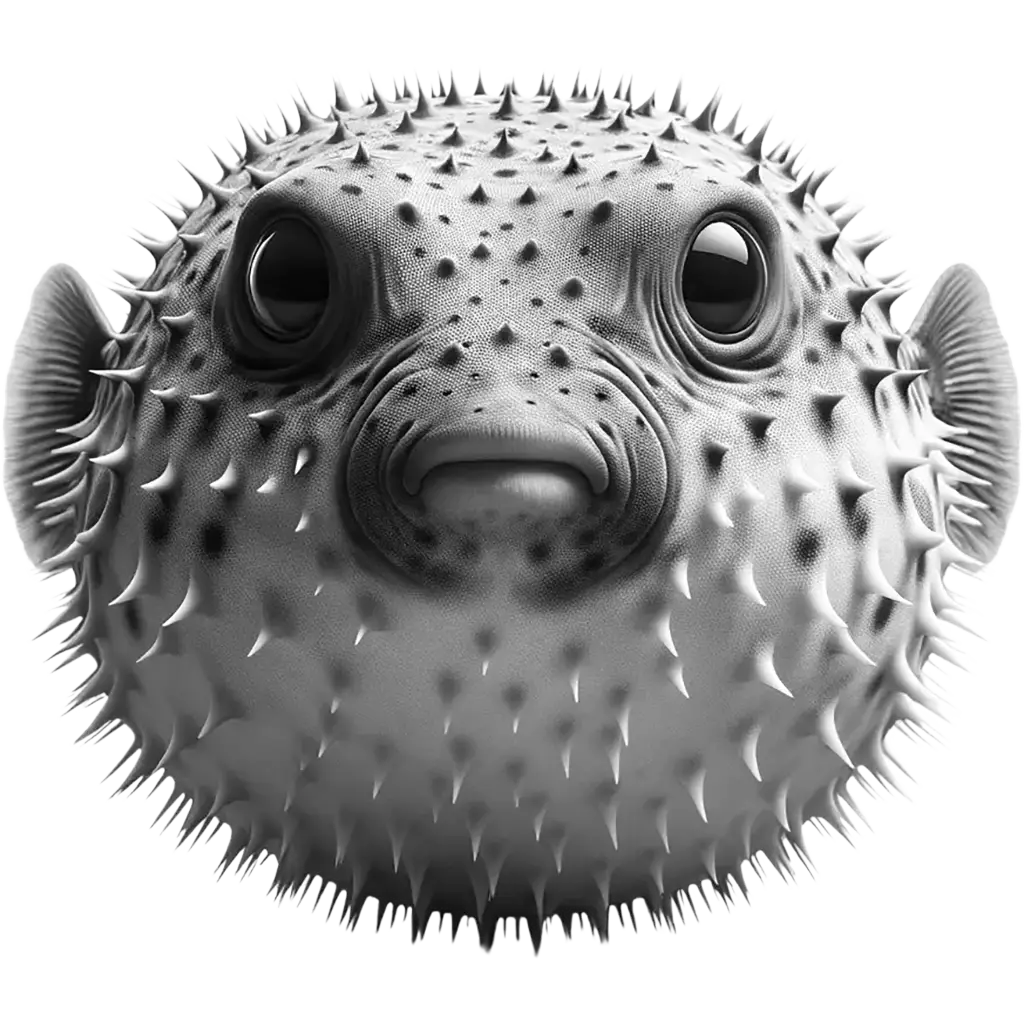
The Fahaka Pufferfish, tetraodon lineatus, also known as the Nile Puffer, is a freshwater species distinguished by its striking appearance and intriguing behavior. This robust fish can grow up to 45 cm (18 inches) in length, showcasing a body covered in intricate patterns of yellow and dark lines that provide
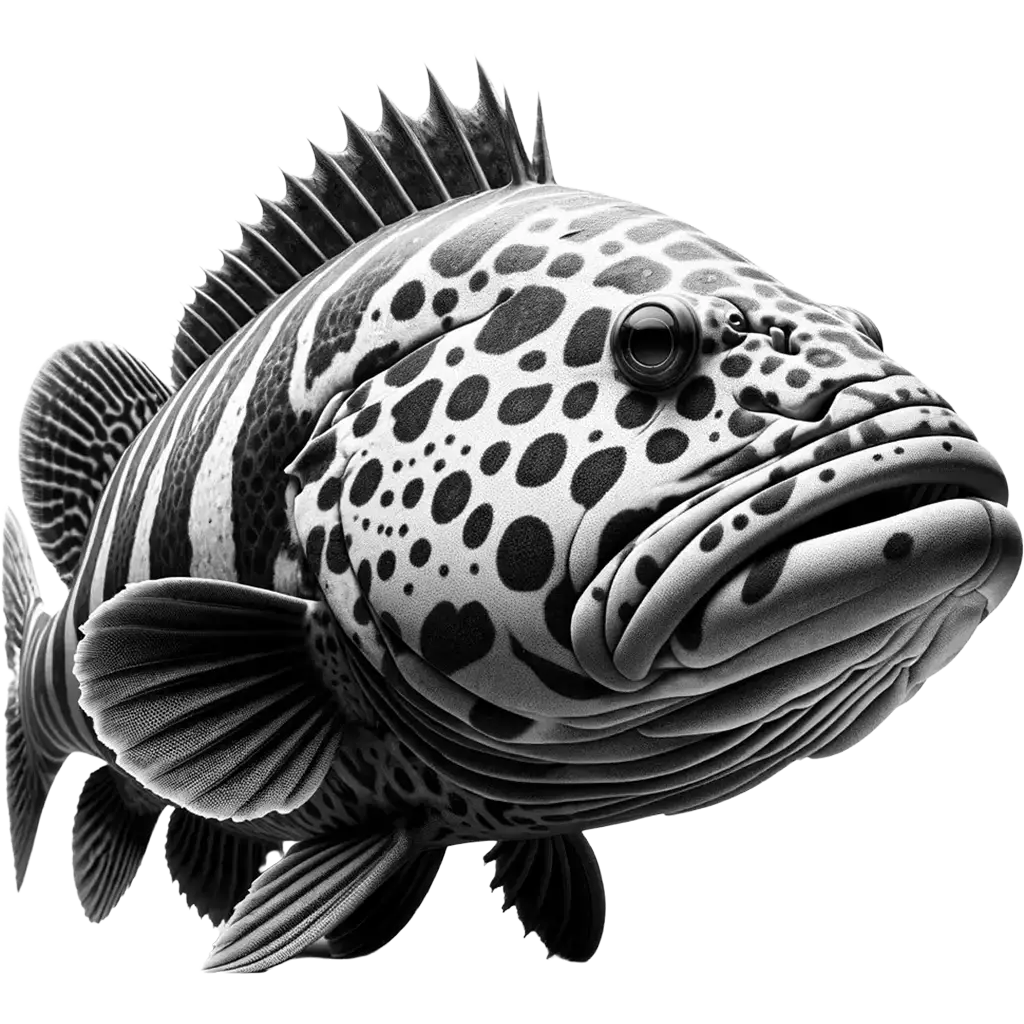
The Humpback Grouper, cromileptes altivelis, also known as the panther grouper or barramundi cod, is a distinctive species of marine fish, notable for its unique body shape and striking appearance. This species has a high, rounded profile that gives the adult fish a humpbacked appearance, from which its common name
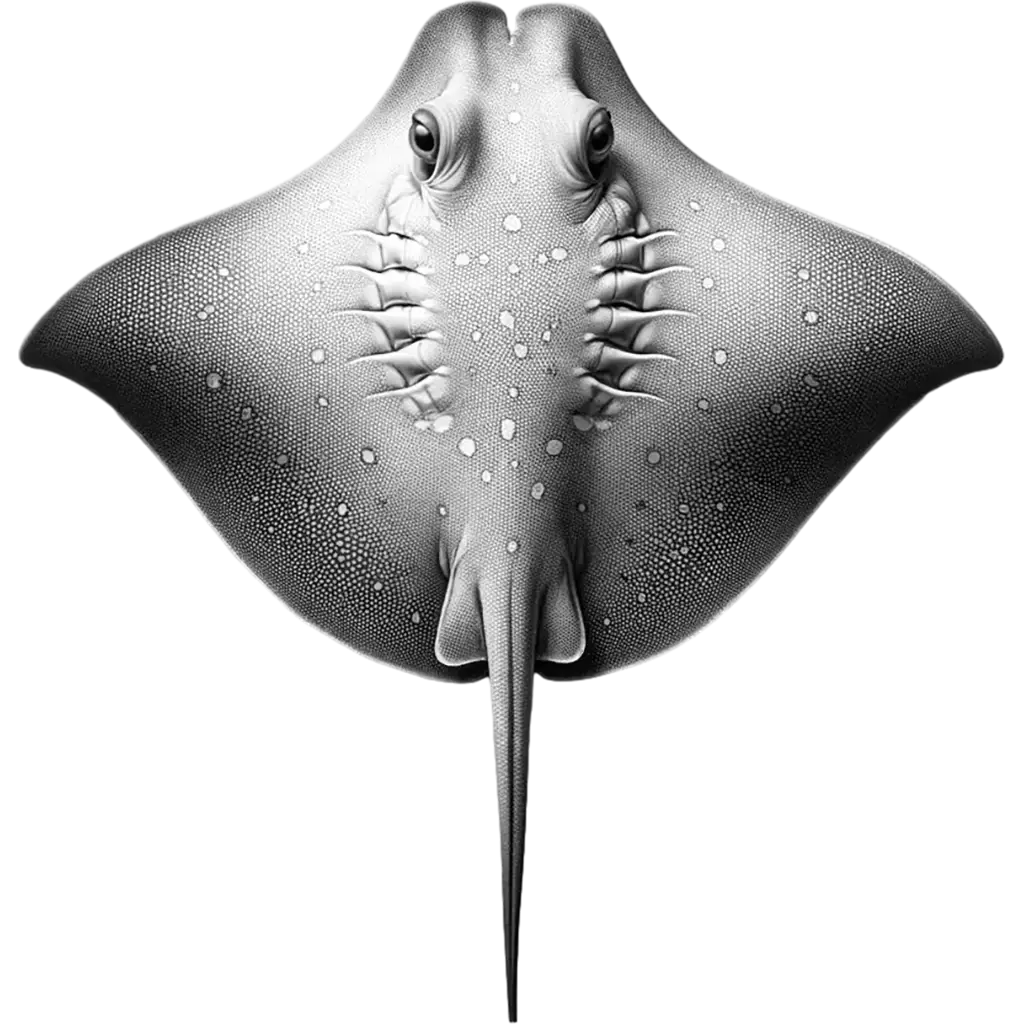
The Thornback Ray, raja clavata, is a species of cartilaginous fish in the family Rajidae, commonly found in the coastal waters of Europe and the Mediterranean Sea. This ray is easily recognizable by its kite-shaped body, which can grow up to 1 meter in length, and its dorsal surface covered
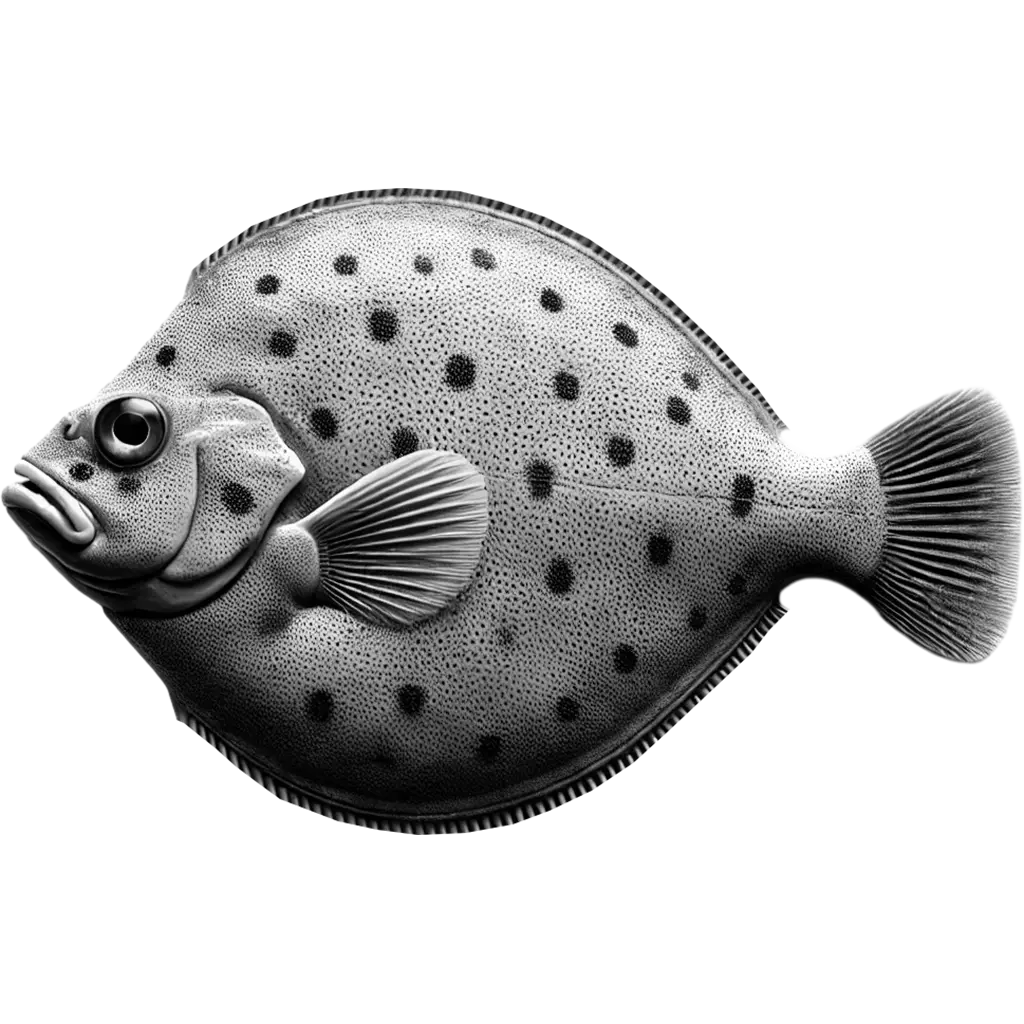
The Egyptian Sole is a flatfish species characterized by its oval-shaped, dorsoventrally flattened body. The upper side displays a greyish-brown coloration with four wide olive-colored saddles, while the underside is white. A distinctive black blotch marks the pectoral fin on the eyed side. Adults can reach up to 65 cm