
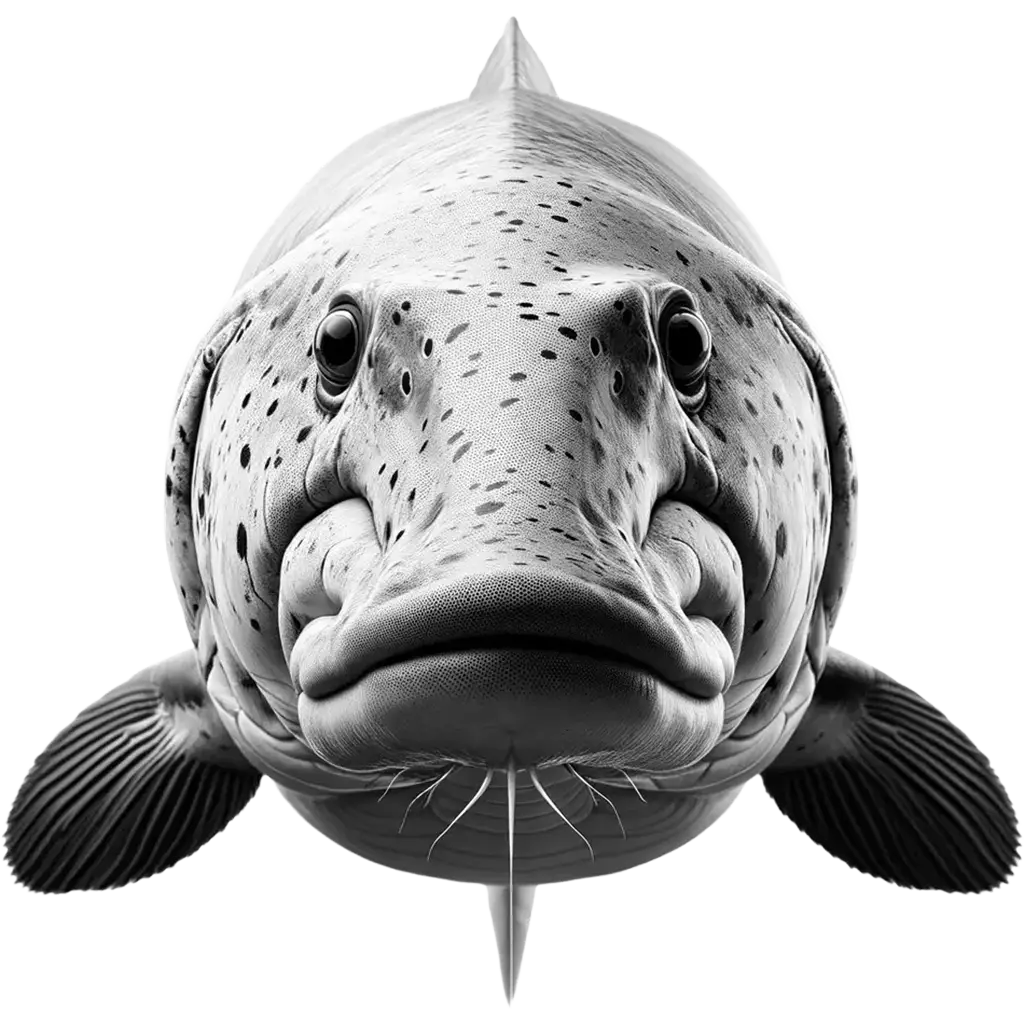
Arapaima Gigas
Pirarucu
Freshwater rivers, lakes, and floodplains in the Amazon Basin
The Pirarucu, arapaima gigas, is one of the largest freshwater fish species in the world, native to the Amazon Basin of South America. Adults can reach lengths of up to 3 meters and weigh as much as 200 kg, making them formidable inhabitants of their aquatic environment. The Pirarucu is distinguished by its elongated body, covered in large, bony scales with a reddish-brown to greenish coloration, providing protection against predators. Its unique ability to breathe air through a modified swim bladder allows it to survive in oxygen-depleted water, a characteristic that necessitates periodic surfacing for air.
| Population: | Listed as Data Deficient, with concerns about overfishing and habitat loss |
| Generation Length: | 5-7 years |
| Average Weight: | Up to 200 kg |
| Average Length: | Up to 3 meters, one of the largest freshwater fish species |
| Lifespan: | Up to 20 years in the wild |
| Diet: | Piscivorous, with opportunistic feeding habits |
| Conservation Status: | Data Deficient (DD) |
Inhabiting the rivers and flooded forests of the Amazon, the Pirarucu prefers shallow, warm waters where it plays a pivotal role in the aquatic ecosystem. It is a top predator, feeding on fish and occasionally birds and small mammals, using its excellent eyesight and large mouth to catch prey. The Pirarucu's presence is indicative of the health of its ecosystem, contributing to the balance of species populations.
The diet of the Pirarucu primarily consists of fish, which it hunts using a powerful suction feeding technique. This method allows it to draw prey into its mouth with remarkable speed and efficiency. The Pirarucu's predatory habits underscore its role as a keystone species within its habitat, controlling populations of other fish and maintaining ecological equilibrium.
Reproduction in the Pirarucu involves nest-building by the male in shallow waters during the flooding season. The male also takes on the responsibility of protecting the eggs and young, showcasing a level of parental care that is rare among fish. This reproductive strategy ensures the survival of offspring in a predator-rich environment.
The population of the Pirarucu has faced significant threats from overfishing, due to its size and the value of its meat and scales. However, sustainable management and conservation efforts, including regulated fishing and community-based initiatives, have been implemented to protect and restore Pirarucu populations. These efforts highlight the importance of the Pirarucu to the Amazon's biodiversity and the livelihoods of local communities.
Classifications
The Key Attributes
Features
- Movement:
Swimming
- Territorial Behavior:
Solitary or in small groups
- Speed:
Powerful but not particularly fast swimmer, relies on stealth and strength
- Diet:
Carnivore
- Physical Features:
- Large, elongated body with massive scales
- Bony tongue used in conjunction with a bony plate in the skull to crush prey
- Capable of breathing air due to a modified swim bladder, surfacing for air regularly
- Primary Senses:
- Sight
- Hearing
- Air-breathing capability
Understanding Habitat and Range
Geography
- Habitat:
Freshwater rivers, lakes, and floodplains in the Amazon Basin
- Migration Patterns:
Moves with seasonal flooding and receding waters
- Geographical Range:
Amazon River Basin in South America
- Climate Preferences:
Prefers warm, tropical freshwater environments
Navigating the Wilderness
In the wild
- Predators:
Humans are the primary threat; few natural predators due to size
- Prey:
Primarily fish but also consumes crustaceans and small land animals
- Feeding Behavior:
Predatory, feeding on fish, crustaceans, and occasionally small mammals and birds
- Diet:
Piscivorous, with opportunistic feeding habits
- Defensive Mechanisms:
- Size and strength to deter most predators
- Air-breathing ability allows survival in oxygen-depleted water
- Preferred Food Sources:
- Rivers and lakes with abundant fish populations
Insights Into Reproduction
Mating
- Mating System:
Likely polygynous, with males building nests and guarding eggs
- Number of Offspring:
Hundreds of eggs per clutch
- Incubation Period:
The male guards the eggs until they hatch, which takes about 24-48 hours
- Parental Involvement:
- Male guards the nest and young, providing protection and possibly leading the fry to feeding areas
Youngsters Section
Pirarucu
Fun Fact
The Pirarucu, or Arapaima, is one of the largest freshwater fish, reaching up to 10 feet long.
Native to the Amazon Basin, they have adapted to breathe air, surfacing every 15-20 minutes. Their scales are armor-like, protecting them from predators. These fish are crucial to local ecosystems and economies, often sought for their meat and unique characteristics.

Download word search puzzles
Word Search Puzzles


Check Out Other Fish
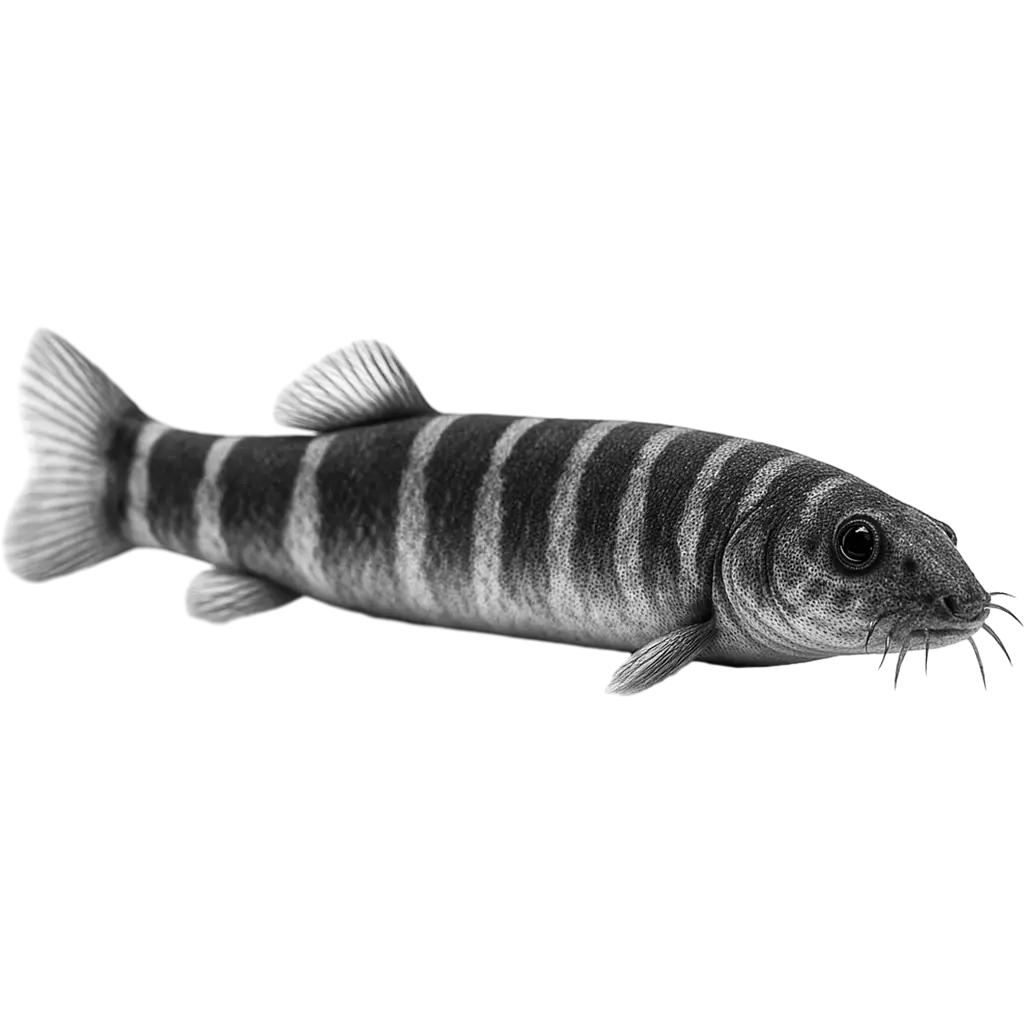
The Java Loach has a distinctive, elongated body slender like an eel, measuring between five and ten centimeters long. Its smooth skin bears alternating dark and light bands that provide camouflage among leaf litter and muddy substrates. Small, beady eyes sit just above a downward-facing mouth fringed with six sensory
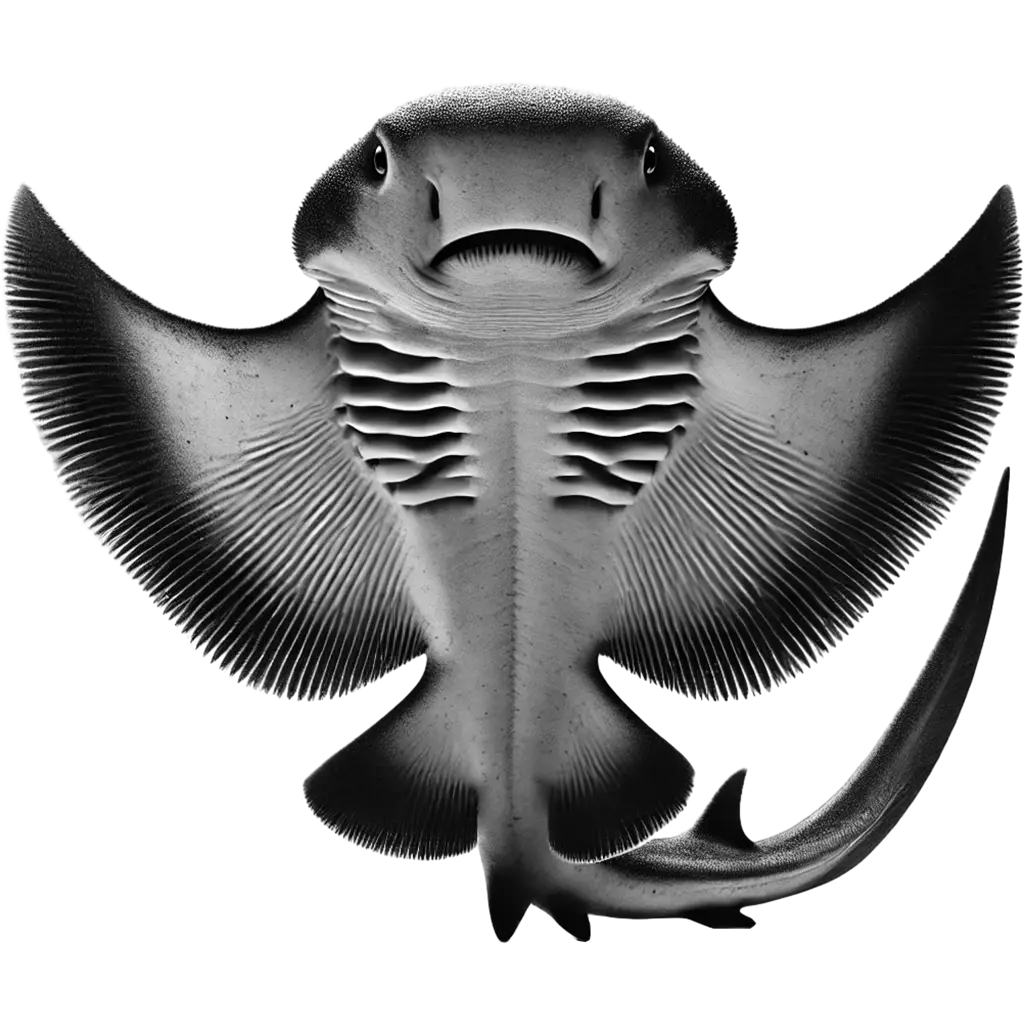
The Sawback Angelshark (Squatina aculeata) displays a striking, flattened body that closely resembles a ray. Its broad, wedge-shaped form is covered with a textured, mottled skin featuring a series of jagged, saw-like spines along its dorsal surface. The eyes and spiracles are positioned on the top of its head, while
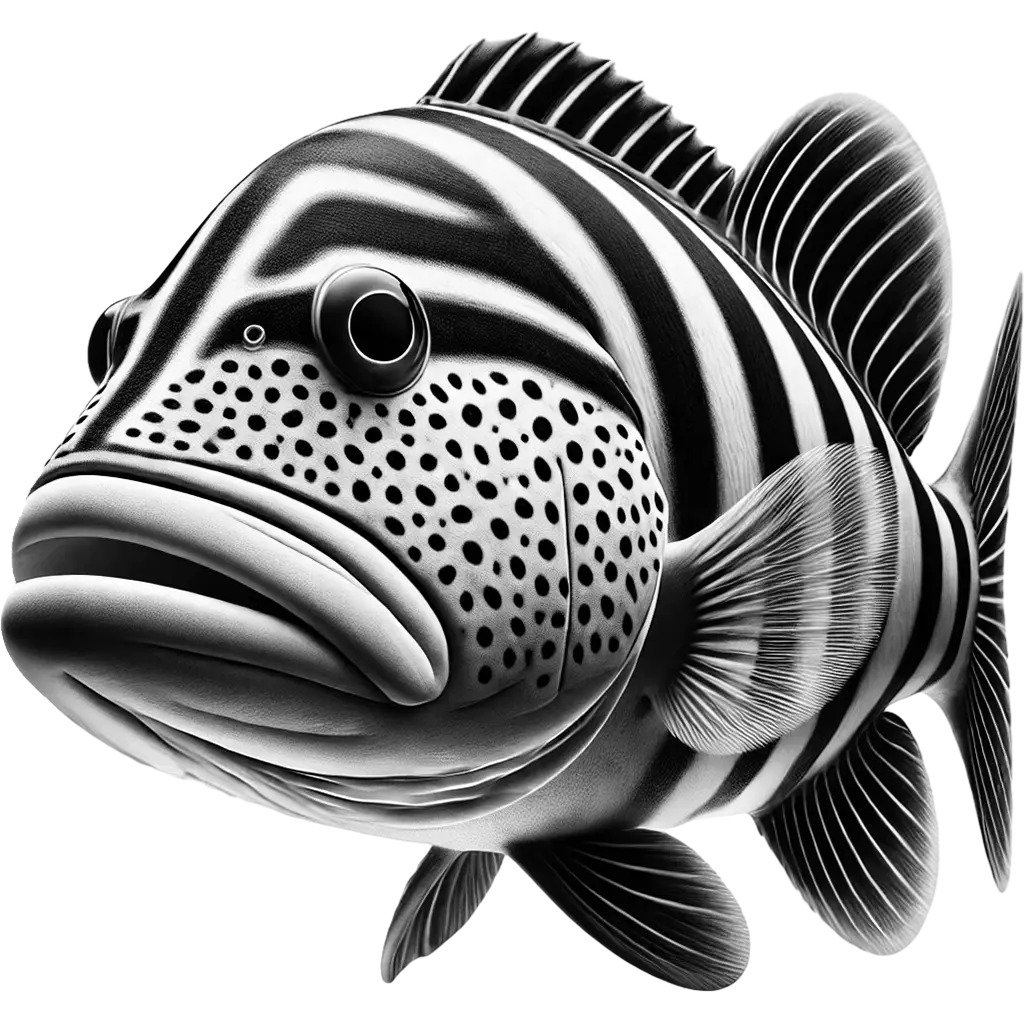
The Painted Sweetlips is a striking fish with a large, laterally compressed body and vivid, colorful markings that set it apart on the coral reef. Its scales shimmer in hues of pink, purple, and yellow, accented by contrasting dark stripes along the flanks and a rounded snout. Its graceful, elongated

The Blobfish, psychrolutes marcidus, scientifically referred to as members of the family Psychrolutidae, are deep-sea fish known for their unique, gelatinous appearance that has captivated public imagination. These fish typically inhabit the deep waters off the coasts of mainland Australia and Tasmania, as well as New Zealand, living at depths