
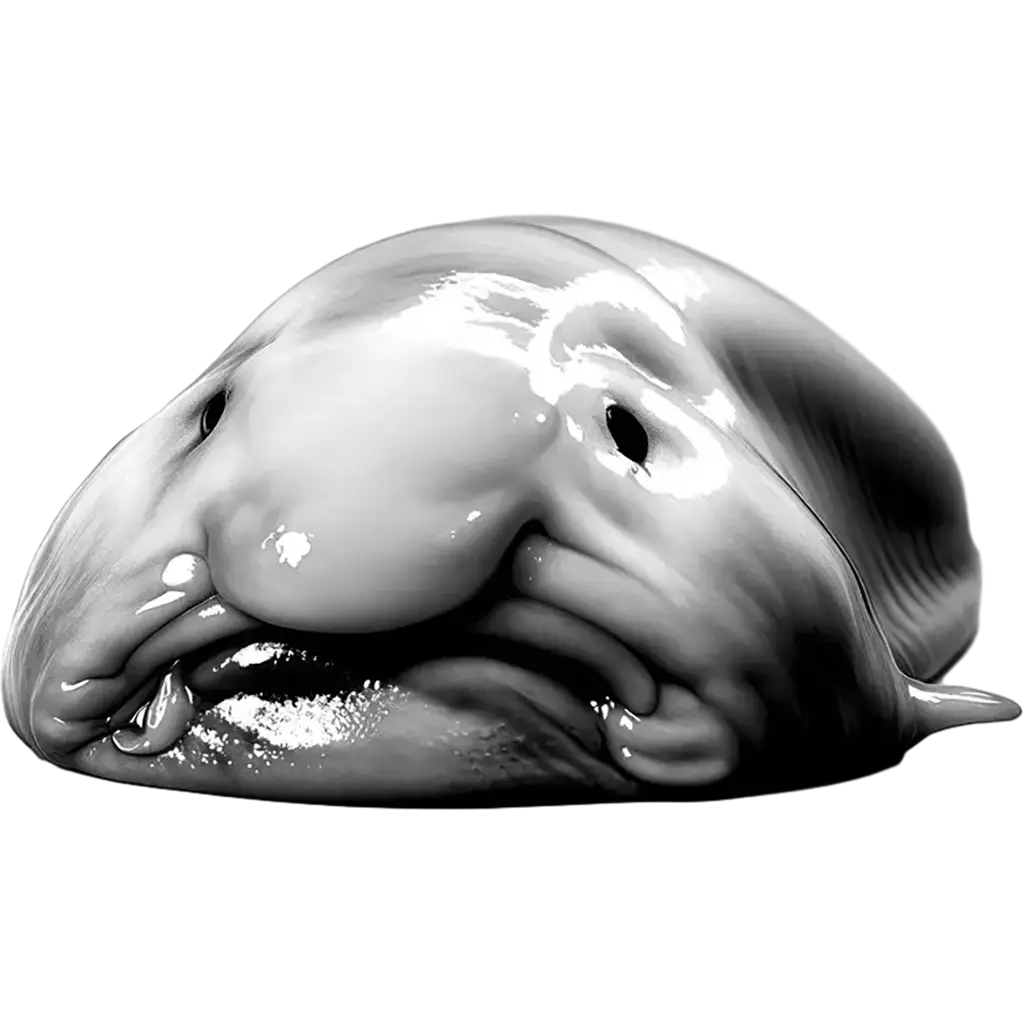
Psychrolutes Marcidus
Blobfish
Deep sea, typically found at depths of 600-1,200 meters
The Blobfish, psychrolutes marcidus, scientifically referred to as members of the family Psychrolutidae, are deep-sea fish known for their unique, gelatinous appearance that has captivated public imagination. These fish typically inhabit the deep waters off the coasts of mainland Australia and Tasmania, as well as New Zealand, living at depths between 600 to 1,200 meters where the pressure is several dozen times higher than at sea level. Blobfish vary in size, but they can reach up to 30 cm in length. Their most notable feature is their soft, jelly-like flesh, which is slightly less dense than water, allowing them to float above the seafloor without expending energy on swimming.
| Population: | Data deficient, little known about exact numbers |
| Generation Length: | Unknown due to lack of detailed studies |
| Average Weight: | Varies, but generally small to medium-sized fish |
| Average Length: | Typically 30 cm or less |
| Lifespan: | Estimated to be several years, exact lifespan unknown |
| Diet: | Assumed to be opportunistic feeders, consuming available deep-sea organisms |
| Conservation Status: | Not Evaluated (NE) |
Due to the extreme depths at which they live, Blobfish are rarely seen by humans, and much of their lifestyle and behavior remain a mystery. They are believed to lead a largely sedentary life, feeding on invertebrates such as crustaceans and sea pens that drift into their mouths. The lack of muscular structure in their bodies means they are not active hunters; instead, they rely on their environment to bring food to them.
The diet of the Blobfish consists primarily of small, benthic invertebrates. They are opportunistic feeders, consuming whatever edible matter comes their way. This feeding strategy is well-suited to the energy-scarce environment of the deep sea, where food is scarce and hard to come by.
Little is known about the reproduction of Blobfish, including their mating rituals or gestation periods. Their reproductive habits are presumed to involve the laying of eggs, which are likely fertilized externally. Given the sparse population density of deep-sea environments, finding a mate is presumably a significant challenge for these creatures.
The population status of the Blobfish is not well-documented, due in part to the difficulties of conducting research in their deep-sea habitats. However, they are believed to be vulnerable to the impacts of deep-sea fishing and trawling, which can destroy their environment and inadvertently catch them as bycatch. Conservation efforts for deep-sea species like the Blobfish are focused on regulating fishing practices and protecting deep-sea habitats from human-induced damage.
Classifications
The Key Attributes
Features
- Movement:
Swimming, often buoyant due to gelatinous body
- Territorial Behavior:
Little is known, likely non-territorial due to deep-sea habitat
- Speed:
Slow-moving, adapted to deep-sea conditions
- Diet:
Carnivore
- Physical Features:
- Soft, jelly-like body with low density to withstand deep-sea pressure
- Small, rudimentary skeleton
- Puckered mouth and large, globular head
- Primary Senses:
- Touch
- Taste
- Possibly pressure sensitivity
Understanding Habitat and Range
Geography
- Habitat:
Deep sea, typically found at depths of 600-1,200 meters
- Migration Patterns:
Unknown, likely limited movement within deep-sea environment
- Geographical Range:
Waters off the coasts of Australia, Tasmania, and New Zealand
- Climate Preferences:
Adapted to the cold, high-pressure environment of the deep sea
Navigating the Wilderness
In the wild
- Predators:
Unknown, likely few due to deep-sea habitat
- Prey:
Likely small marine invertebrates and organic particles
- Feeding Behavior:
Assumed to feed on small invertebrates and detritus
- Diet:
Assumed to be opportunistic feeders, consuming available deep-sea organisms
- Defensive Mechanisms:
- Lack of significant physical defenses; relies on deep-sea environment and camouflage
- Preferred Food Sources:
- Deep-sea environments rich in organic matter and small invertebrates
Insights Into Reproduction
Mating
- Mating System:
Unknown
- Number of Offspring:
Unknown
- Parental Involvement:
- Unknown, presumed minimal due to the nature of deep-sea fish reproductive habits
Youngsters Section
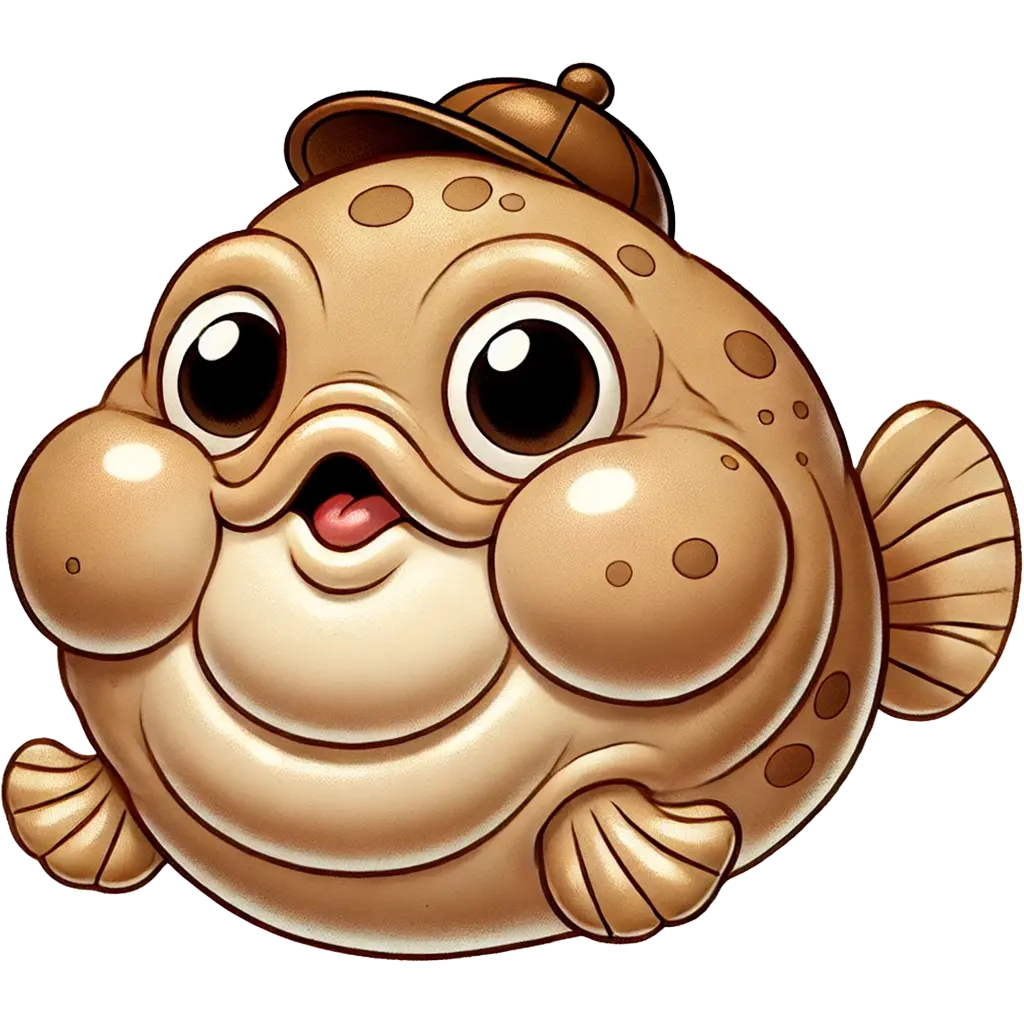
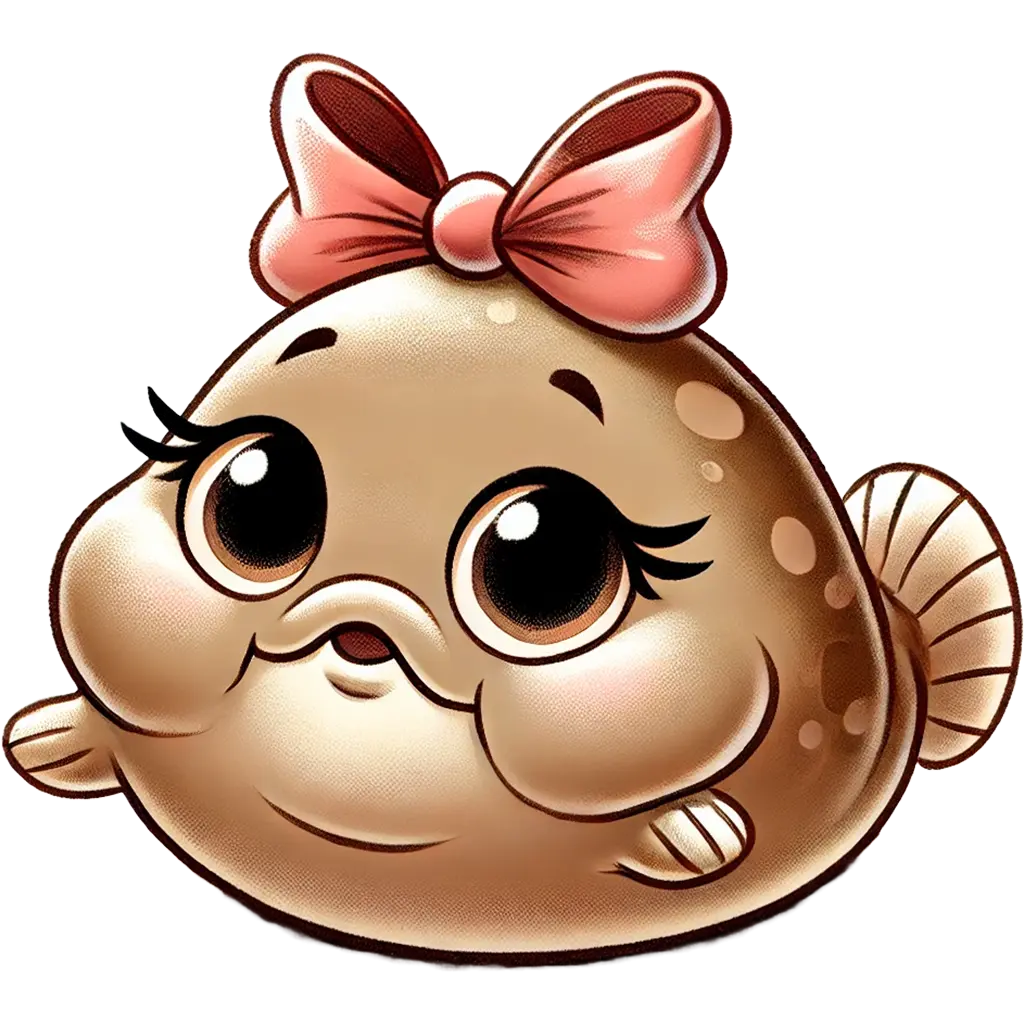
Blobfish
Fun Fact
Blobfish are deep-sea dwellers known for their unique, gelatinous appearance.
They inhabit deep ocean waters off Australia and New Zealand. Their jelly-like bodies help them withstand extreme pressure. Out of water, they appear saggy due to lack of support.

Download word search puzzles
Word Search Puzzles
Check Out Other Fish
The Pink Maomao is a small, vibrant fish with a striking, bright pink to coral-colored body. Its elongated, streamlined form is accentuated by long, graceful pectoral fins and subtle, distinctive markings along its flanks. The fish's smooth, reflective scales shimmer under sunlight, adding a dynamic, iridescent quality to its appearance.
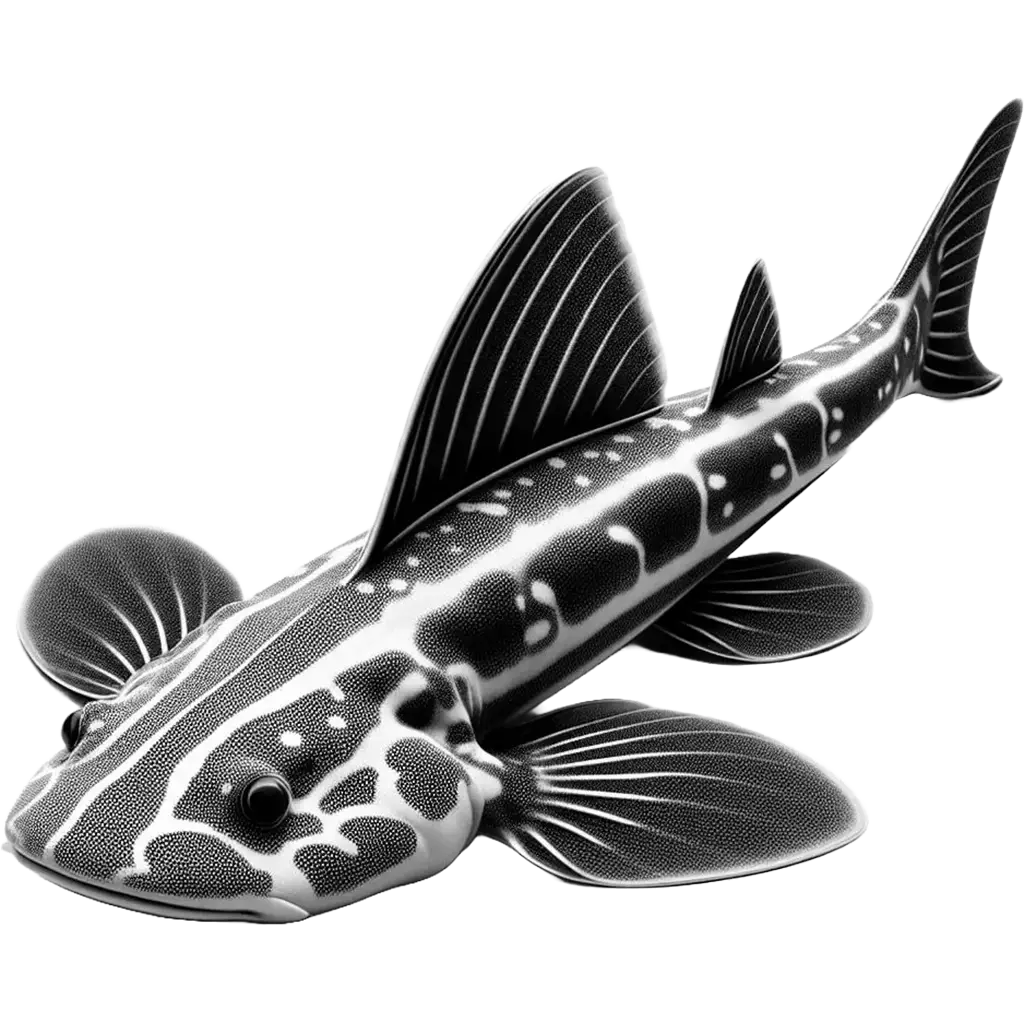
The Giant Guitarfish, rhynchobatus djiddensis, is a large species of ray distinguished by its shark-like body and broad, flattened head, resembling the shape of a guitar. This species can grow up to 3 meters (nearly 10 feet) in length, making it one of the largest members of the ray family.
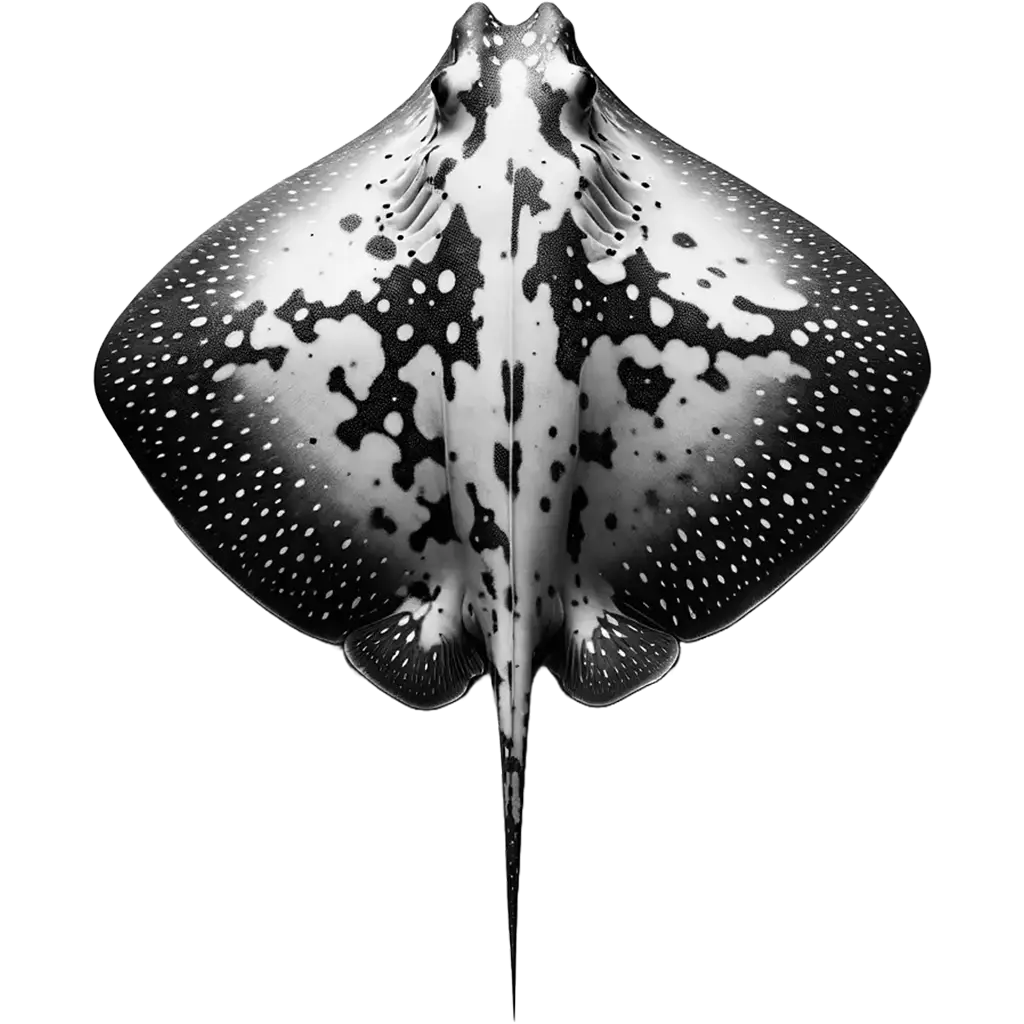
The Marbled Electric Ray, torpedo marmorata, is a peculiar and fascinating species of ray known for its ability to generate electrical charges. This medium-sized ray can reach lengths of up to 60 cm and is characterized by its rounded body, almost disk-like in shape, and a distinctive marbled pattern on
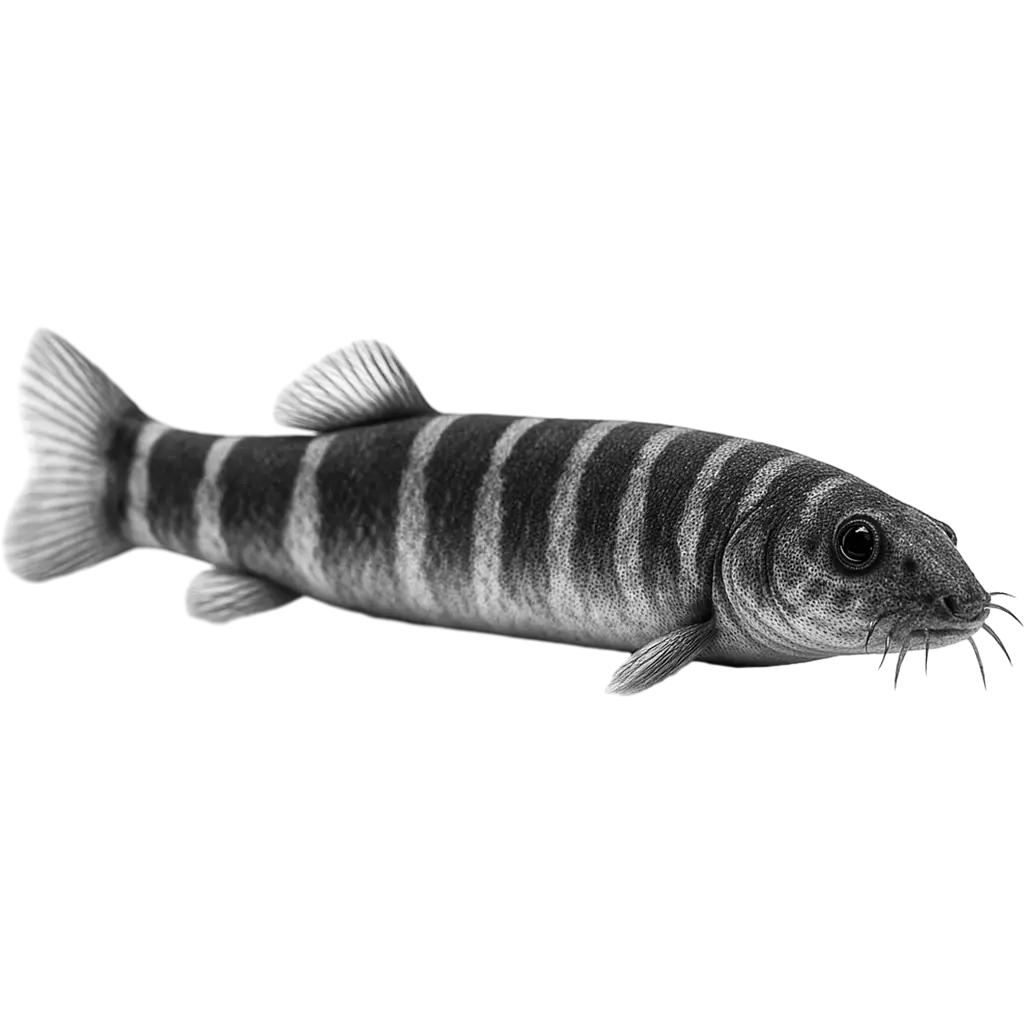
The Java Loach has a distinctive, elongated body slender like an eel, measuring between five and ten centimeters long. Its smooth skin bears alternating dark and light bands that provide camouflage among leaf litter and muddy substrates. Small, beady eyes sit just above a downward-facing mouth fringed with six sensory