
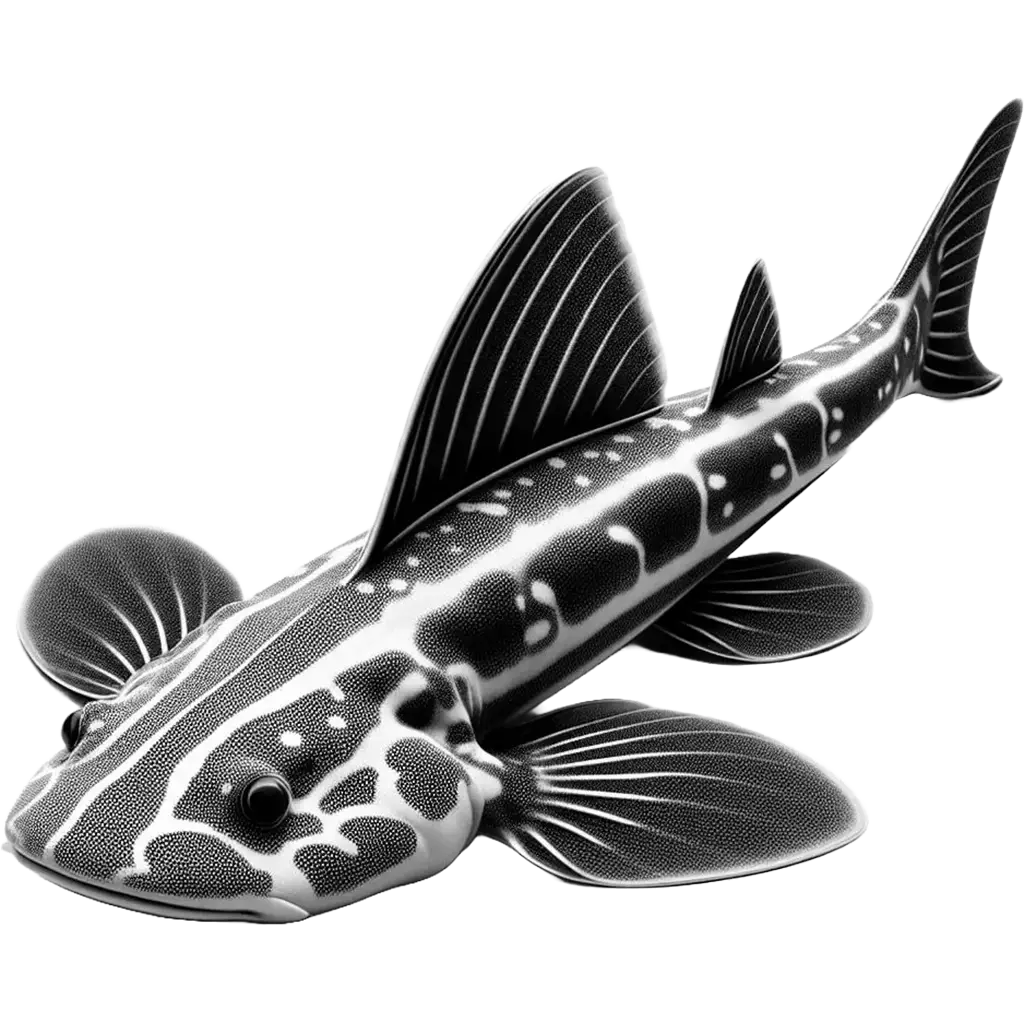
Rhynchobatus Djiddensis
Giant Guitarfish
Coastal waters, estuaries, and sometimes up into freshwater rivers
The Giant Guitarfish, rhynchobatus djiddensis, is a large species of ray distinguished by its shark-like body and broad, flattened head, resembling the shape of a guitar. This species can grow up to 3 meters (nearly 10 feet) in length, making it one of the largest members of the ray family. The Giant Guitarfish has a grey to brownish upper body, with a white underbelly, and its skin is covered in small, hard dermal denticles that give it a rough texture.
| Population: | Listed as Critically Endangered by the IUCN, with populations declining |
| Generation Length: | Approximately 10 years |
| Average Weight: | Up to 135 kg |
| Average Length: | Up to 3 meters |
| Lifespan: | Up to 25 years in the wild, though data are limited |
| Diet: | Primarily benthic organisms |
| Conservation Status: | Critically Endangered (CR) |
Native to the tropical and subtropical waters of the Indian Ocean and the western Pacific, the Giant Guitarfish frequents sandy bottoms, seagrass beds, and coral reefs. These habitats provide not only camouflage from predators but also abundant food sources. The species is known for its bottom-dwelling behavior, where it often buries itself in sand or mud during the day.
The diet of the Giant Guitarfish primarily consists of crustaceans, mollusks, and small fish, which it detects using electroreceptors and captures with its wide, powerful jaws. This diet reflects its role as a predator in maintaining the balance of marine ecosystems.
Reproduction in the Giant Guitarfish is ovoviviparous, meaning the eggs develop inside the female's body until they are ready to hatch, at which point live young are born. Females give birth to litters of up to 4 pups after a gestation period that can last several months. The young are born fully formed and are independent from birth.
The Giant Guitarfish is currently listed as Critically Endangered by the IUCN Red List, facing significant threats from overfishing, habitat destruction, and bycatch in fishing gear. Its large size and valuable fins make it a target for fisheries, while its habitat is increasingly degraded by coastal development and pollution. Conservation efforts for the Giant Guitarfish include implementing sustainable fishing practices, protecting critical habitats, and international cooperation to manage and conserve this species. The survival of the Giant Guitarfish is crucial for the health of marine ecosystems, highlighting the need for urgent conservation action.
Classifications
The Key Attributes
Features
- Movement:
Swimming
- Territorial Behavior:
Solitary or seen in small groups
- Speed:
Not quantified; known for being more sluggish compared to other rays
- Diet:
Carnivore
- Physical Features:
- Large, flat body with a guitar-shaped outline
- Long snout
- Two dorsal fins far back on the body
- Grayish upper body with a white underside
- Primary Senses:
- Electroreception
- Sight
- Smell
Understanding Habitat and Range
Geography
- Habitat:
Coastal waters, estuaries, and sometimes up into freshwater rivers
- Migration Patterns:
Little is known about their migration patterns; some movements likely related to breeding and feeding
- Geographical Range:
Widely distributed in the tropical waters of the Indo-Pacific, from the Red Sea and East Africa to India, Southeast Asia, and Australia
- Climate Preferences:
Tropical and subtropical waters
Navigating the Wilderness
In the wild
- Predators:
Large sharks and potentially other large marine predators
- Prey:
Benthic fish, crustaceans, mollusks
- Feeding Behavior:
Feeds on the seabed, consuming fish, crustaceans, and mollusks
- Diet:
Primarily benthic organisms
- Defensive Mechanisms:
- Camouflage with the seabed
- Burrowing into sand or mud for hiding
- Preferred Food Sources:
- Crustaceans
- Mollusks
- Small fish
Insights Into Reproduction
Mating
- Mating System:
Polygynous
- Number of Offspring:
Litters of 4-16 pups
- Gestation Period:
Unknown, but similar species have gestation periods of several months
- Parental Involvement:
- No parental care after birth; pups are independent from birth
Youngsters Section
Giant Guitarfish
Fun Fact
The Giant Guitarfish is a fascinating species found in the warm waters of the Indo-Pacific region.
Despite its name, the Giant Guitarfish resembles a cross between a shark and a ray. It has a flattened body and is equipped with a long, pointed snout. Being a bottom-dweller, it often camouflages itself in sandy seabeds to ambush prey such as crustaceans and small fish. Conservation efforts are crucial for this species due to habitat loss and overfishing.

Download word search puzzles
Word Search Puzzles

Check Out Other Fish
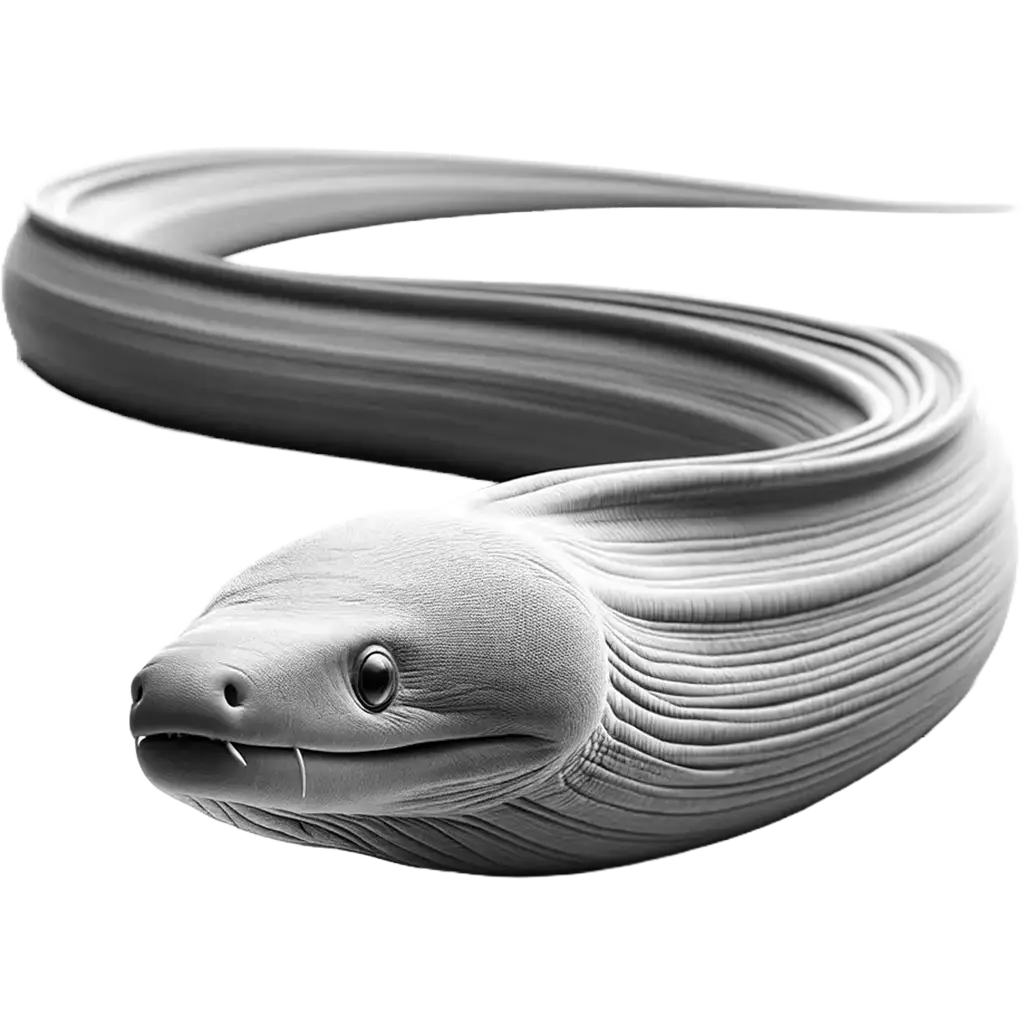
The Electric Eel, electrophorus electricus, is a fascinating species of fish known for its ability to generate powerful electric shocks. This remarkable creature is found in the freshwater habitats of the Amazon and Orinoco River basins in South America. Despite its name, it is not a true eel but is
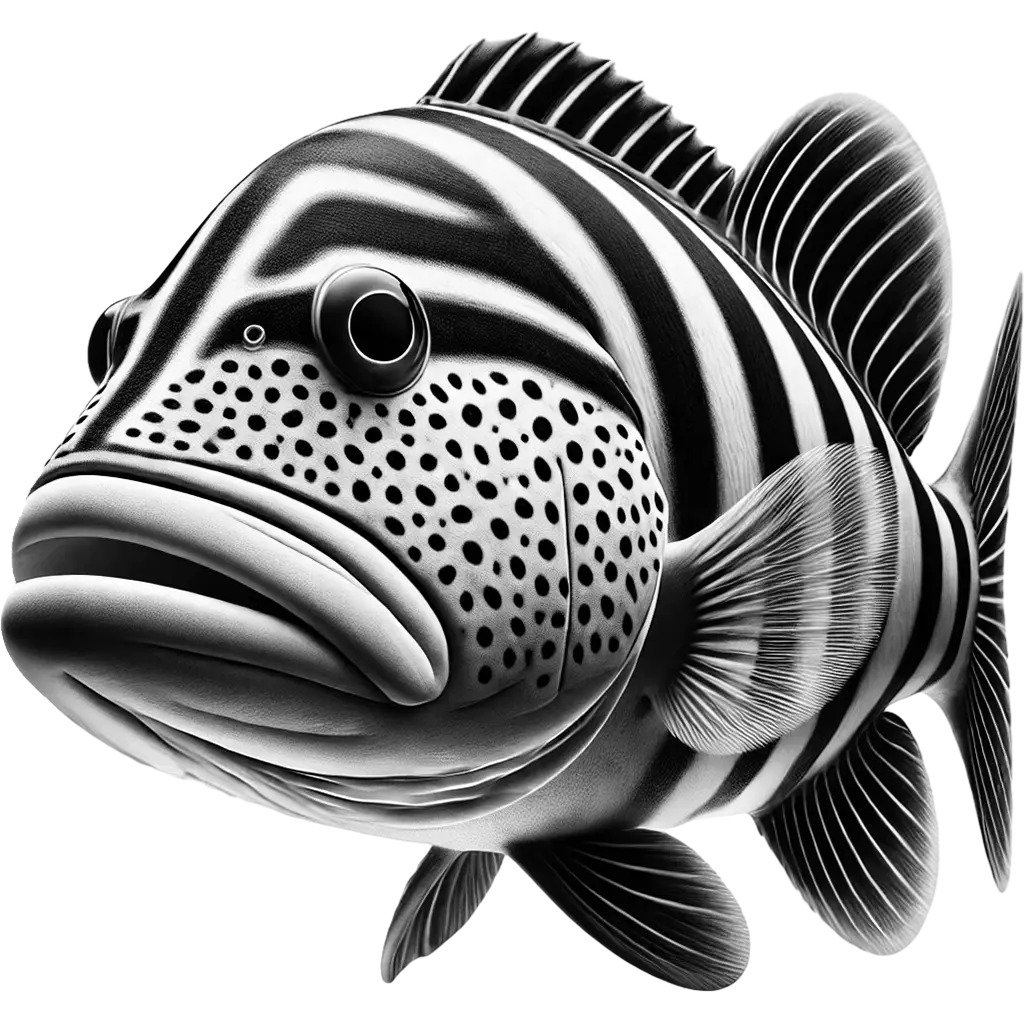
The Painted Sweetlips is a striking fish with a large, laterally compressed body and vivid, colorful markings that set it apart on the coral reef. Its scales shimmer in hues of pink, purple, and yellow, accented by contrasting dark stripes along the flanks and a rounded snout. Its graceful, elongated
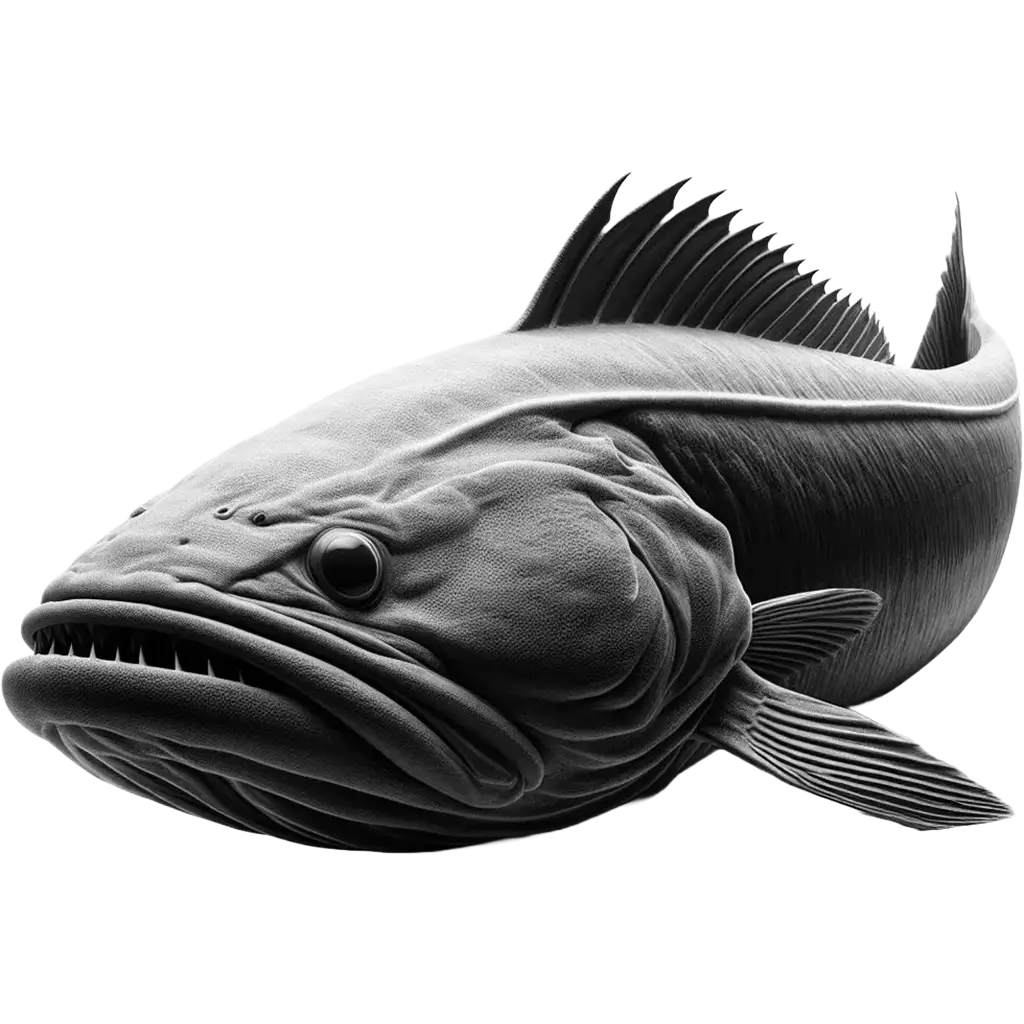
The Northern Wolffish, anarhichas denticulatus, is a distinctive marine fish known for its formidable appearance and unique adaptations to cold-water environments. Found in the North Atlantic Ocean, from the northeastern coast of North America to the waters around Greenland and Iceland, this species inhabits rocky bottoms and cold, deep waters,
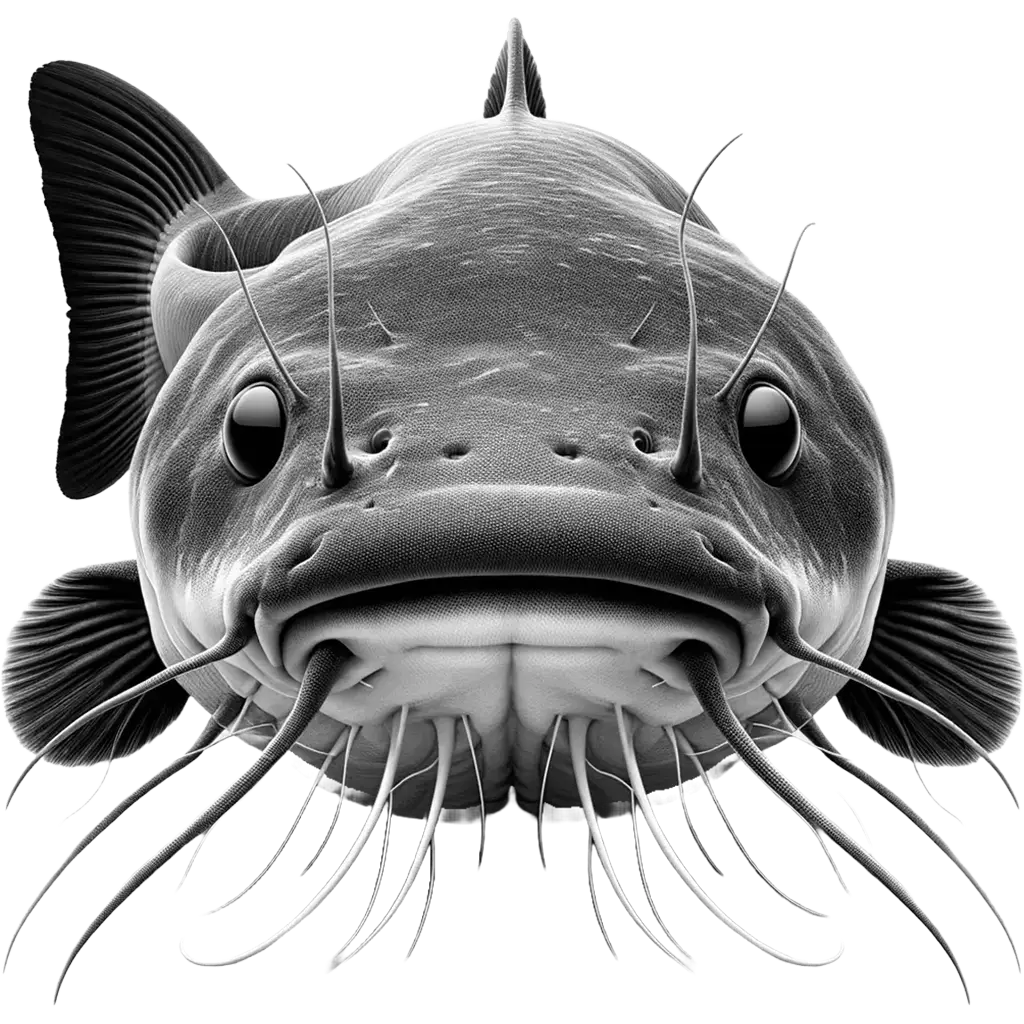
The Wels Catfish, silurus glanis, is one of the largest freshwater fish in Europe and parts of western Asia, renowned for its impressive size and predatory nature. Adult Wels Catfish can reach lengths of over 2 meters and weigh up to 150 kilograms, though most specimens are significantly smaller. They