
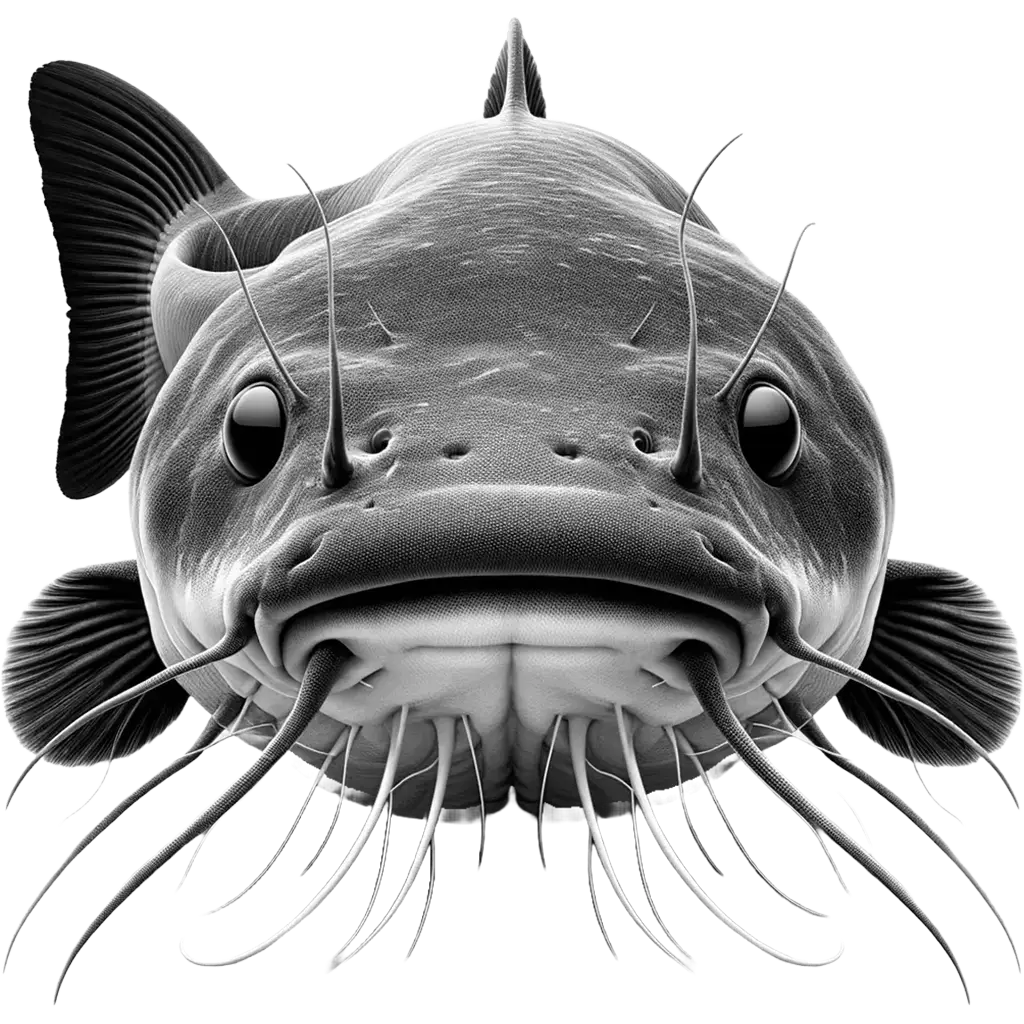
Silurus Glanis
Wels Catfish
Large rivers and lakes
The Wels Catfish, silurus glanis, is one of the largest freshwater fish in Europe and parts of western Asia, renowned for its impressive size and predatory nature. Adult Wels Catfish can reach lengths of over 2 meters and weigh up to 150 kilograms, though most specimens are significantly smaller. They have a distinctive appearance, characterized by their broad, flat head, wide mouth equipped with numerous small, sharp teeth, and a long, scaleless body. Their skin is typically dark, ranging from greenish to brownish, with a paler underside, allowing them to blend into the murky waters of their habitat.
| Population: | Widespread and common in suitable habitats |
| Generation Length: | 4-5 years |
| Average Weight: | 15-20 kg, but can exceed 100 kg in large specimens |
| Average Length: | 1.5-2 m, with maximum lengths of up to 5 m reported |
| Lifespan: | Up to 30 years in the wild |
| Diet: | Opportunistic, primarily piscivorous |
| Conservation Status: | Least Concern (LC) |
Native to a wide range of freshwater environments, the Wels Catfish inhabits large rivers, lakes, and reservoirs, preferring areas with slow-moving water and abundant cover such as submerged logs or vegetation. They are highly adaptable and have been introduced to various other regions, where they often become top predators in their new ecosystems. These catfish are known for their remarkable growth rate and longevity, with some individuals living for decades.
The diet of the Wels Catfish is diverse and opportunistic, including fish, amphibians, crustaceans, and even birds or small mammals. They are nocturnal hunters, relying on their excellent sense of hearing and taste, along with a specialized organ that can detect electric fields produced by other animals. This sensory adaptation allows them to locate prey in complete darkness or murky water.
Reproduction occurs in late spring to early summer when water temperatures rise. Females lay thousands of eggs in nests that are aggressively guarded by males until the eggs hatch. The young catfish grow rapidly, feeding on zooplankton and small invertebrates before progressing to larger prey as they mature.
The Wels Catfish is not considered endangered, with stable populations in many parts of its native range. However, its introduction to non-native habitats has raised concerns about its impact on local ecosystems and species. In some areas, the Wels Catfish is valued as a game fish, attracting anglers with the prospect of catching a true freshwater giant. Conservation efforts in areas outside its native range focus on managing its population to prevent negative impacts on local biodiversity and fisheries.
Classifications
The Key Attributes
Features
- Movement:
Swimming
- Territorial Behavior:
Solitary or in small groups
- Speed:
Not specifically quantified; known for powerful bursts when hunting
- Diet:
Carnivore
- Physical Features:
- Elongated body
- Large mouth with sharp teeth
- Lack of scales
- Primary Senses:
- Tactile (barbels)
- Chemical sensing
Understanding Habitat and Range
Geography
- Habitat:
Large rivers and lakes
- Migration Patterns:
Limited; some movement related to spawning or seasonal changes
- Geographical Range:
Native to Eastern Europe and parts of Asia, introduced to other regions including Western Europe
- Climate Preferences:
Temperate to warm waters
Navigating the Wilderness
In the wild
- Predators:
Primarily humans; few natural predators due to size
- Prey:
Fish, frogs, small mammals, occasionally birds
- Feeding Behavior:
Nocturnal predator, hunting fish, amphibians, and occasionally birds and small mammals
- Diet:
Opportunistic, primarily piscivorous
- Defensive Mechanisms:
- Size
- Camouflage
- Agility in water
- Preferred Food Sources:
- Fish
- Amphibians
Insights Into Reproduction
Mating
- Mating System:
Not well documented
- Number of Offspring:
Thousands of eggs
- Incubation Period:
3-4 days until hatching
- Parental Involvement:
- Limited to guarding the nest site by males in some observed cases
Youngsters Section
Wels Catfish
Fun Fact
The Wels Catfish can grow up to 13 feet long and weigh over 400 pounds, making it a freshwater giant.
Native to European rivers, this fish is a voracious predator with a varied diet. It uses its sensitive barbels to detect prey in murky waters and is known for its capacity to consume a wide range of animals, including fish, birds, and amphibians.

Download word search puzzles
Word Search Puzzles


Check Out Other Fish
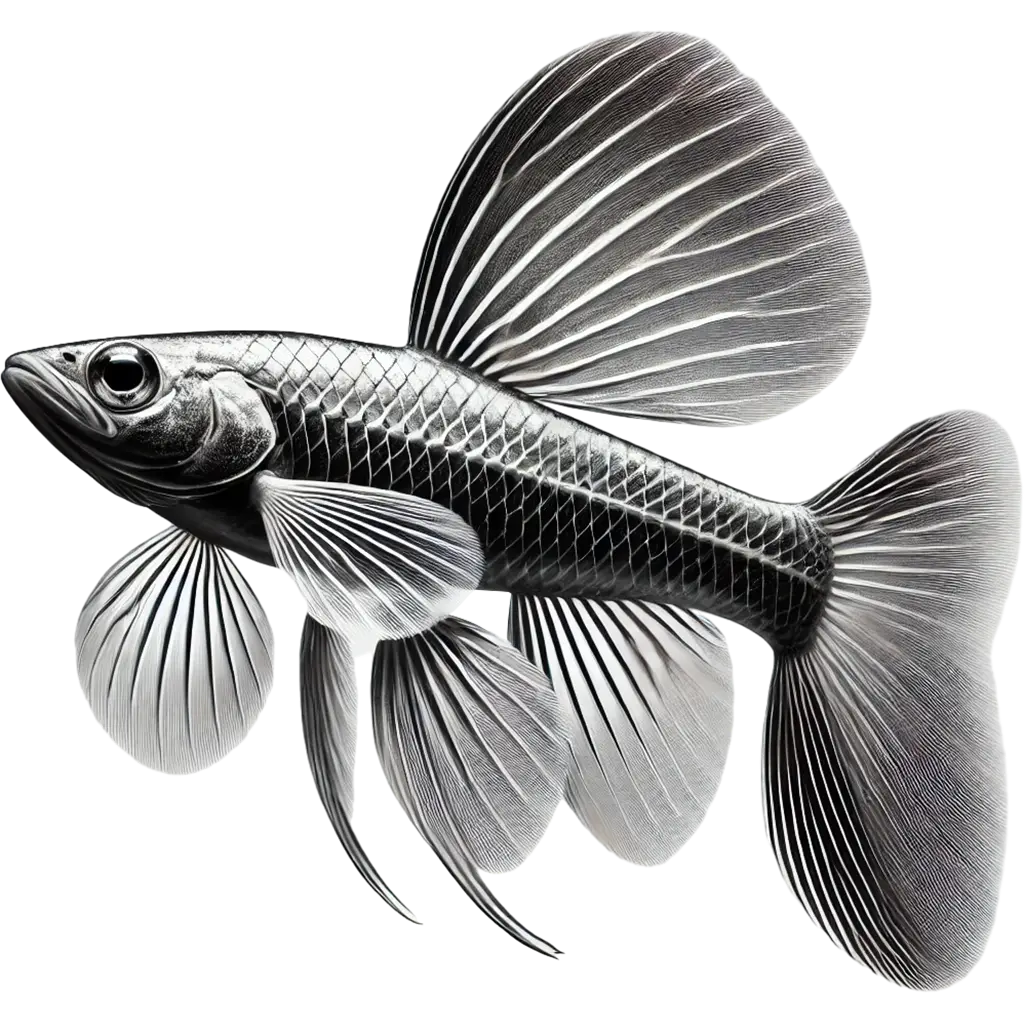
The Diamond Darter is a small, translucent freshwater fish with silvery sides and a white belly. Its back is yellow-tan, adorned with four wide olive-colored saddles, and it features a distinctive dark blotch on the snout below the eyes. Adults typically measure between 3 to 5 inches in length. Notably,
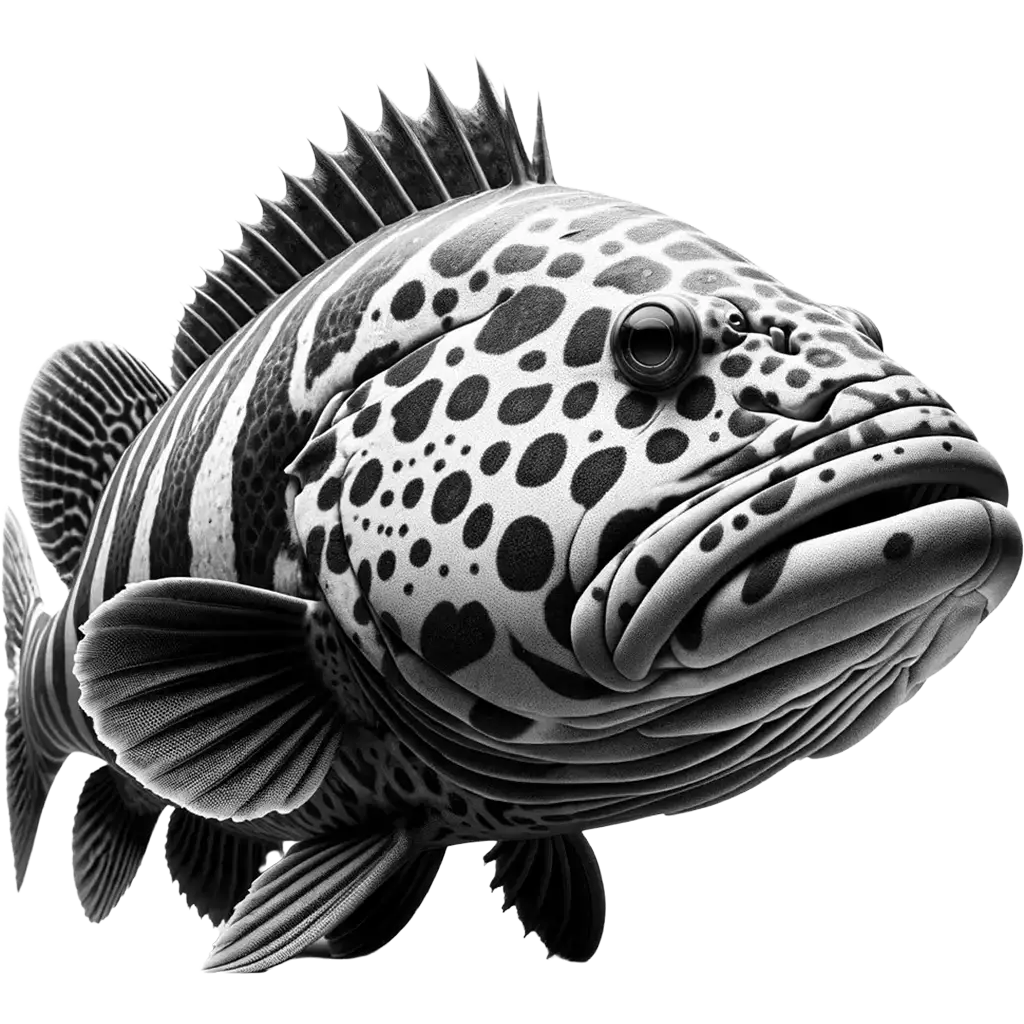
The Humpback Grouper, cromileptes altivelis, also known as the panther grouper or barramundi cod, is a distinctive species of marine fish, notable for its unique body shape and striking appearance. This species has a high, rounded profile that gives the adult fish a humpbacked appearance, from which its common name
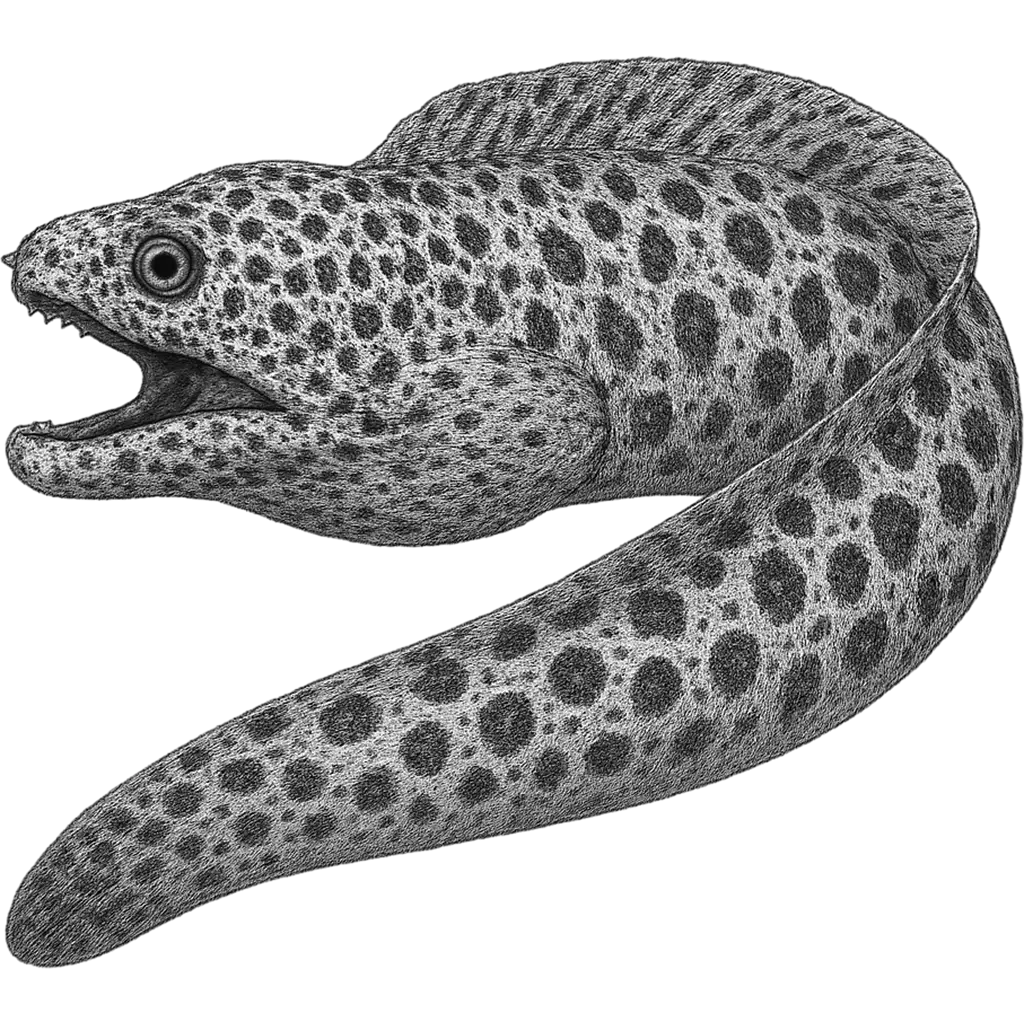
The Spotted Moray has a long, slender, snake-like body reaching up to two meters in length, commonly around sixty centimeters. Its smooth, scaleless skin is pale yellow to off-white, densely covered with small, overlapping reddish-brown to dark-brown spots. The head is broad with small, round gill openings and a pronounced
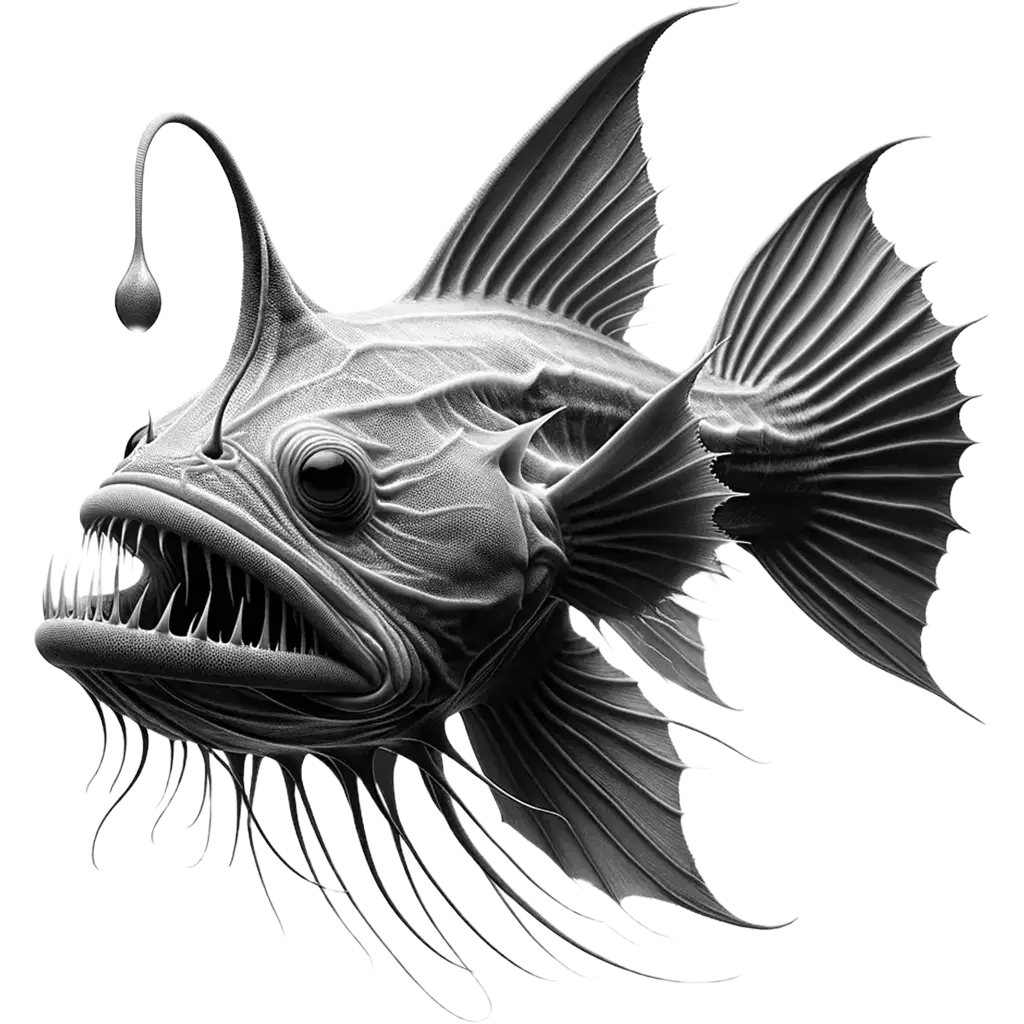
The European Angler, lophius piscatorius, also known as the Monkfish or Fishing Frog, is a unique and fascinating marine predator found in the northeastern Atlantic Ocean, from the Arctic Circle to the coasts of Morocco, including the Mediterranean Sea. This species is characterized by its broad, flat head and mouth,