
Cromileptes Altivelis
Humpback Grouper
Coral reefs and rocky substrates in tropical marine environments
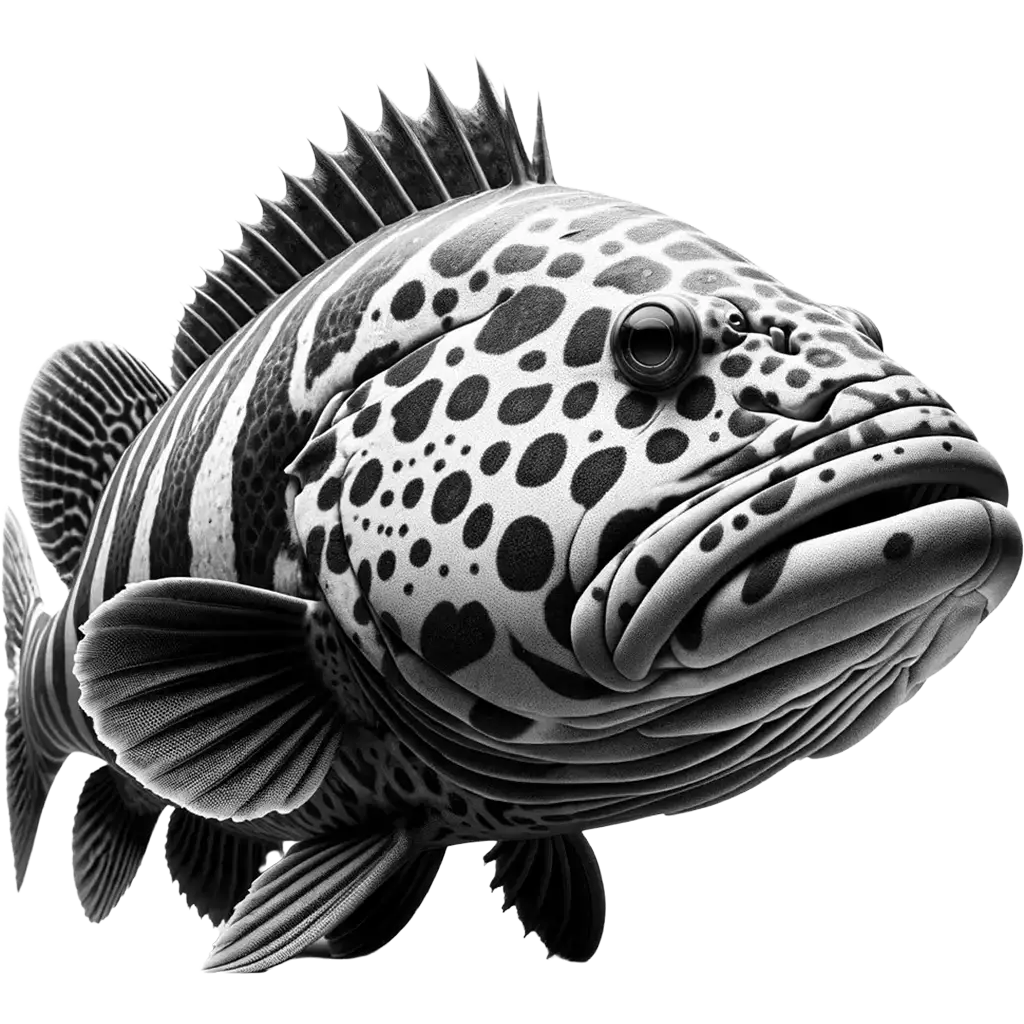
The Humpback Grouper, cromileptes altivelis, also known as the panther grouper or barramundi cod, is a distinctive species of marine fish, notable for its unique body shape and striking appearance. This species has a high, rounded profile that gives the adult fish a humpbacked appearance, from which its common name is derived. Juveniles and adults exhibit a pale to whitish body adorned with numerous small, dark spots that contribute to their panther-like look. The Humpback Grouper can grow to a considerable size, reaching lengths of up to 70 cm (about 28 inches) and weights of up to 7 kg (about 15 lbs).
| Population: | Listed as Vulnerable due to overfishing and habitat loss |
| Generation Length: | 5-7 years |
| Average Weight: | Up to 7 kg |
| Average Length: | 50-70 cm |
| Lifespan: | Up to 40 years in the wild |
| Diet: | Predominantly piscivorous, with occasional crustaceans and other invertebrates |
| Conservation Status: | Data Deficient (DD) |
Native to the Indo-Pacific region, the Humpback Grouper's range extends from the eastern coast of Africa, across the Indian Ocean, to the western Pacific Ocean, including the waters around Australia and up to southern Japan. They prefer coral reefs and rocky areas, where they can find shelter among the crevices and ledges. Juveniles are often found in shallower, protected waters, while adults may inhabit depths of up to 40 meters.
The diet of the Humpback Grouper consists mainly of crustaceans, small fishes, and cephalopods. They are ambush predators, using their camouflage to blend into their surroundings and surprise their prey. This dietary preference highlights their role as key predators within their reef ecosystems, helping to maintain the balance of species populations.
Reproduction in the Humpback Grouper involves external fertilization, where females release eggs and males release sperm into the water column simultaneously, a process known as spawning. This typically occurs in groups, with spawning aggregations forming at specific times of the year, influenced by lunar cycles and water temperatures.
The population of the Humpback Grouper is considered Vulnerable by the IUCN Red List, with numbers declining due to overfishing, habitat destruction, and the aquarium trade. Their slow growth rate and late maturity make them particularly susceptible to overexploitation. Conservation efforts are focused on regulating fishing practices, protecting critical habitats, and raising awareness about the ecological importance of this and other grouper species. The preservation of the Humpback Grouper is crucial for the health and diversity of coral reef ecosystems.
Classifications
The Key Attributes
Features
- Movement:
Swimming
- Territorial Behavior:
Solitary and territorial
- Speed:
Not particularly fast; relies on camouflage and stealth
- Diet:
Carnivore
- Physical Features:
- High, rounded body shape
- Large mouth and protruding lower jaw
- Covered with small brown spots
- Dorsal fins are continuous with rounded lobes
- Primary Senses:
- Sight
- Smell
- Hearing
Understanding Habitat and Range
Geography
- Habitat:
Coral reefs and rocky substrates in tropical marine environments
- Migration Patterns:
Non-migratory, but may move within their habitat
- Geographical Range:
Western Pacific and Indian Oceans, from Australia to Southeast Asia
- Climate Preferences:
Tropical marine environments
Navigating the Wilderness
In the wild
- Predators:
Larger fish and sharks
- Prey:
Small fish, crustaceans, and cephalopods
- Feeding Behavior:
Ambush predator, feeding on smaller fish and crustaceans
- Diet:
Predominantly piscivorous, with occasional crustaceans and other invertebrates
- Defensive Mechanisms:
- Camouflage within its environment
- Rapid escape response to avoid predators
- Preferred Food Sources:
- Coral reefs rich in small fish and crustaceans
Insights Into Reproduction
Mating
- Mating System:
Polygynous
- Number of Offspring:
Releases thousands of pelagic eggs
- Incubation Period:
Eggs hatch within 24-36 hours
- Parental Involvement:
- No parental care after spawning; larvae are pelagic and drift with ocean currents
Youngsters Section
Humpback Grouper
Fun Fact
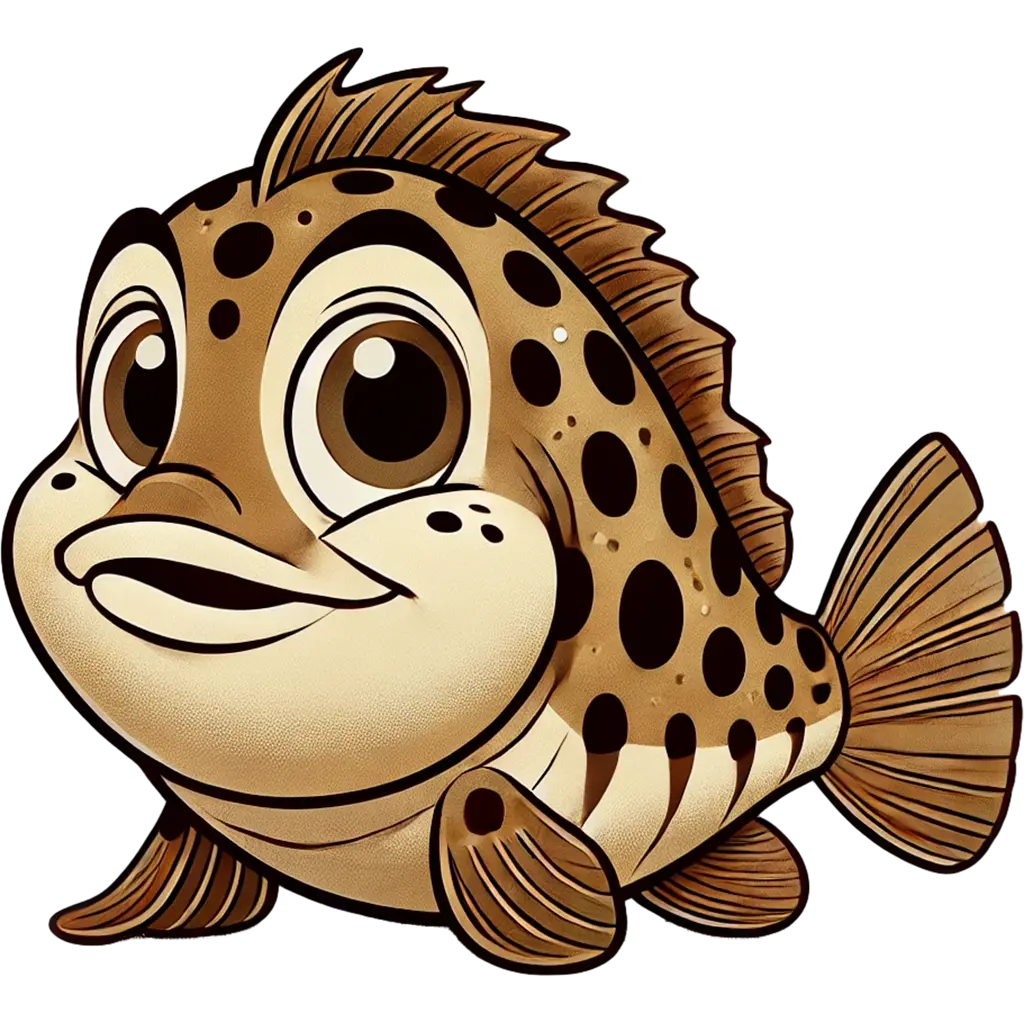
Humpback Groupers are known for their distinctive hump on their back and striking spotted pattern.
These fish are native to the warm waters of the Indo-Pacific region. They can grow up to 70 cm in length. Despite their beauty, they are classified as vulnerable due to overfishing and habitat destruction. Their unique appearance makes them popular in the aquarium trade.
Download word search puzzles
Word Search Puzzles
Check Out Other Fish
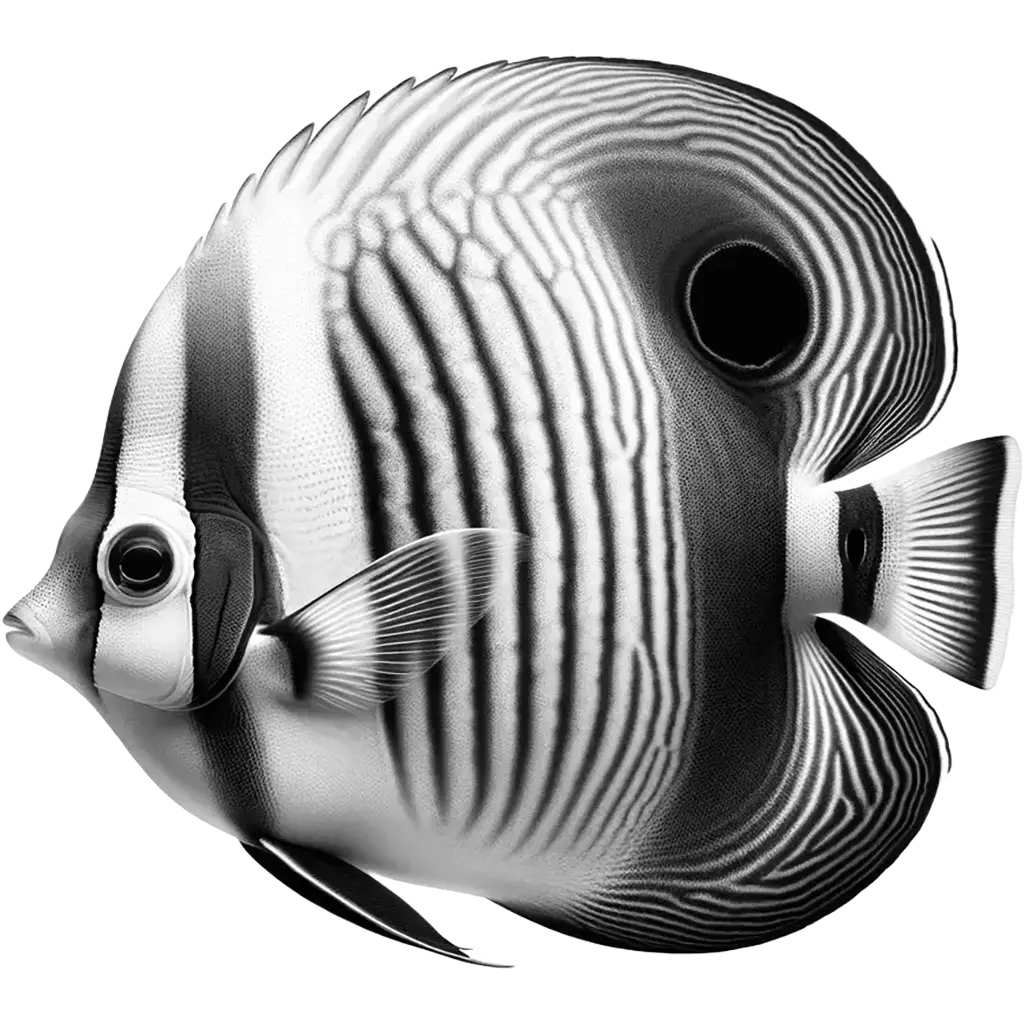
The Oval Butterflyfish, chaetodon lunulatus, is a vibrant and colorful marine species renowned for its striking appearance and widespread distribution across the Indo-Pacific region. This species exhibits a deep, flattened body typical of butterflyfish, reaching up to 20 cm (about 8 inches) in length. The body coloration is predominantly yellow
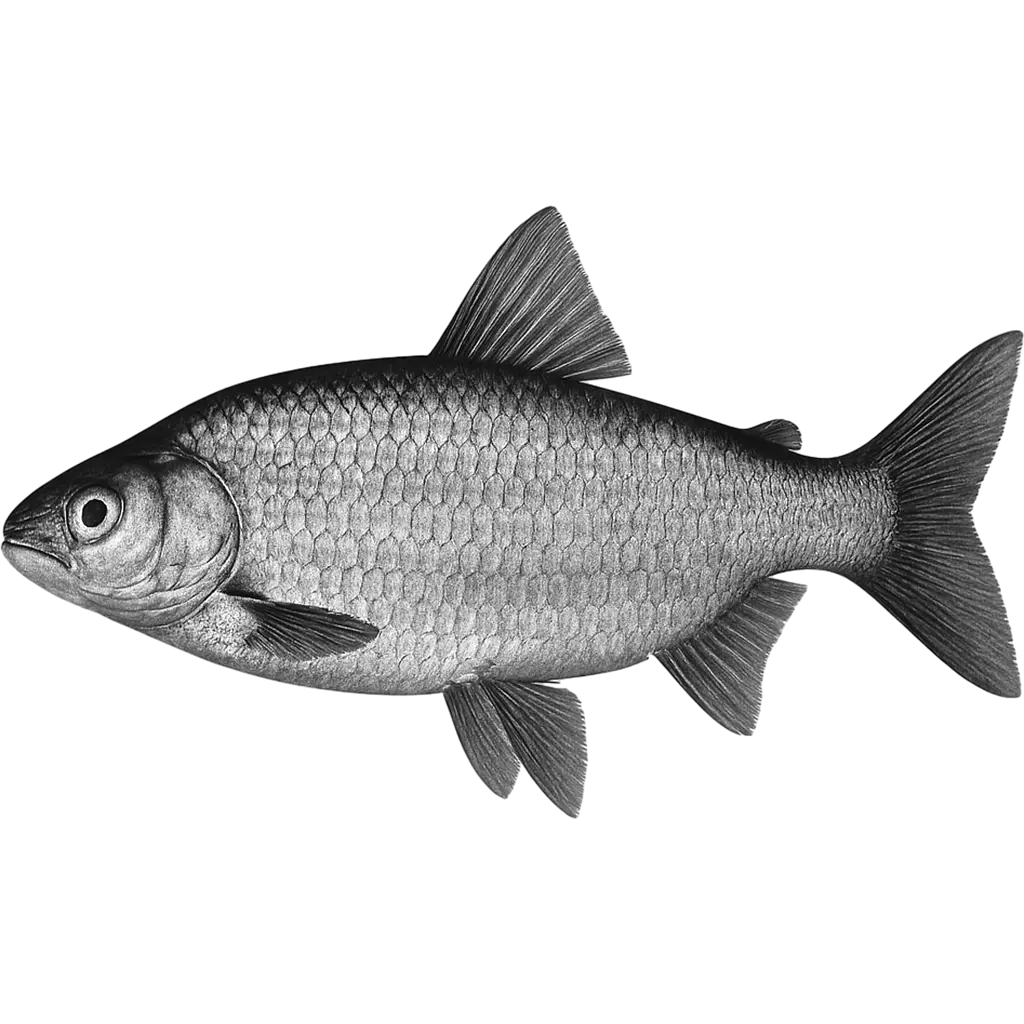
The Gwyniad displays an elegant and streamlined body, characterized by a slender, laterally compressed shape that enhances its buoyancy in clear, deep waters. Its skin glistens with a silvery sheen that reflects subtle hints of pale blue, while delicate, reflective scales form a smooth, almost ethereal surface. A gently rounded
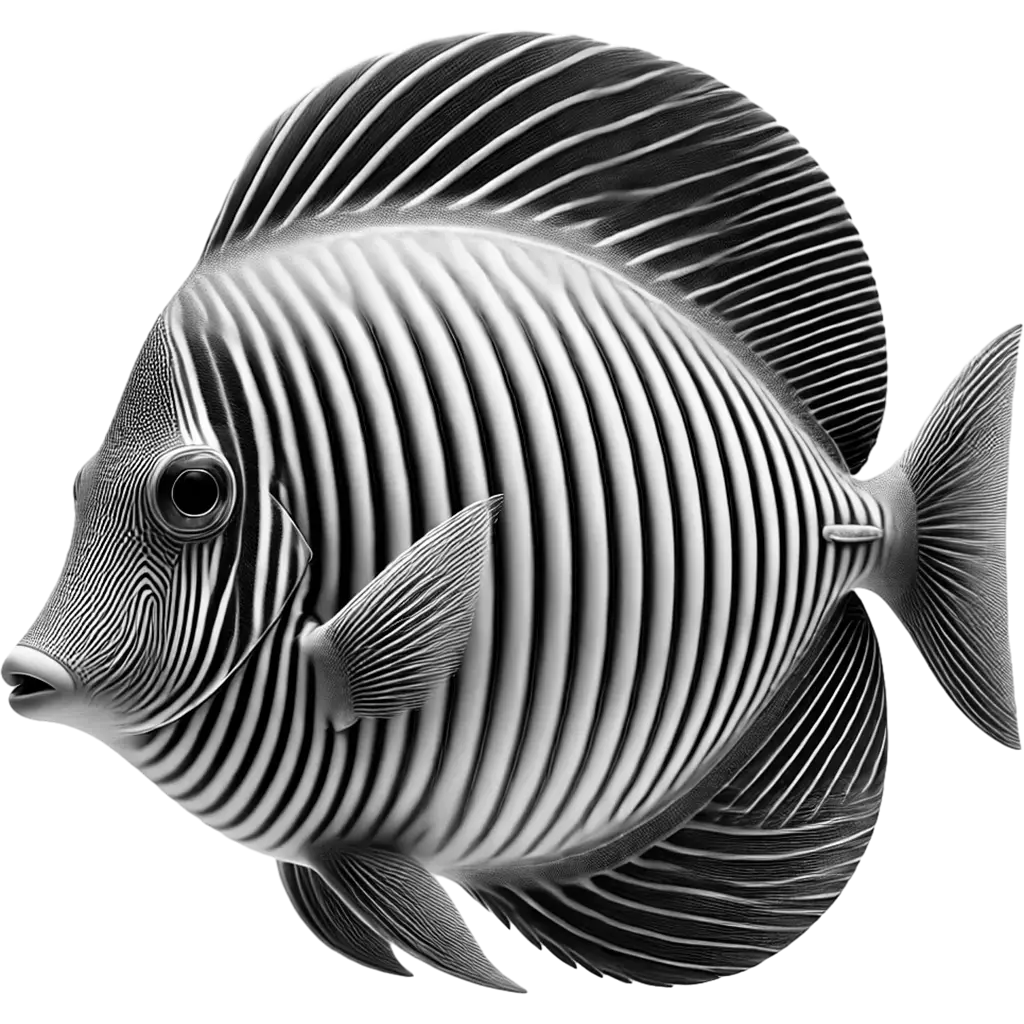
The Sailfin Tang exhibits a laterally compressed, oval-shaped body adorned with shimmering scales that reflect a spectrum of colors under sunlight. Its most distinctive feature is a large, sail-like dorsal fin that stretches gracefully along its back, displaying vibrant hues of yellow and blue. The streamlined body and angular head,
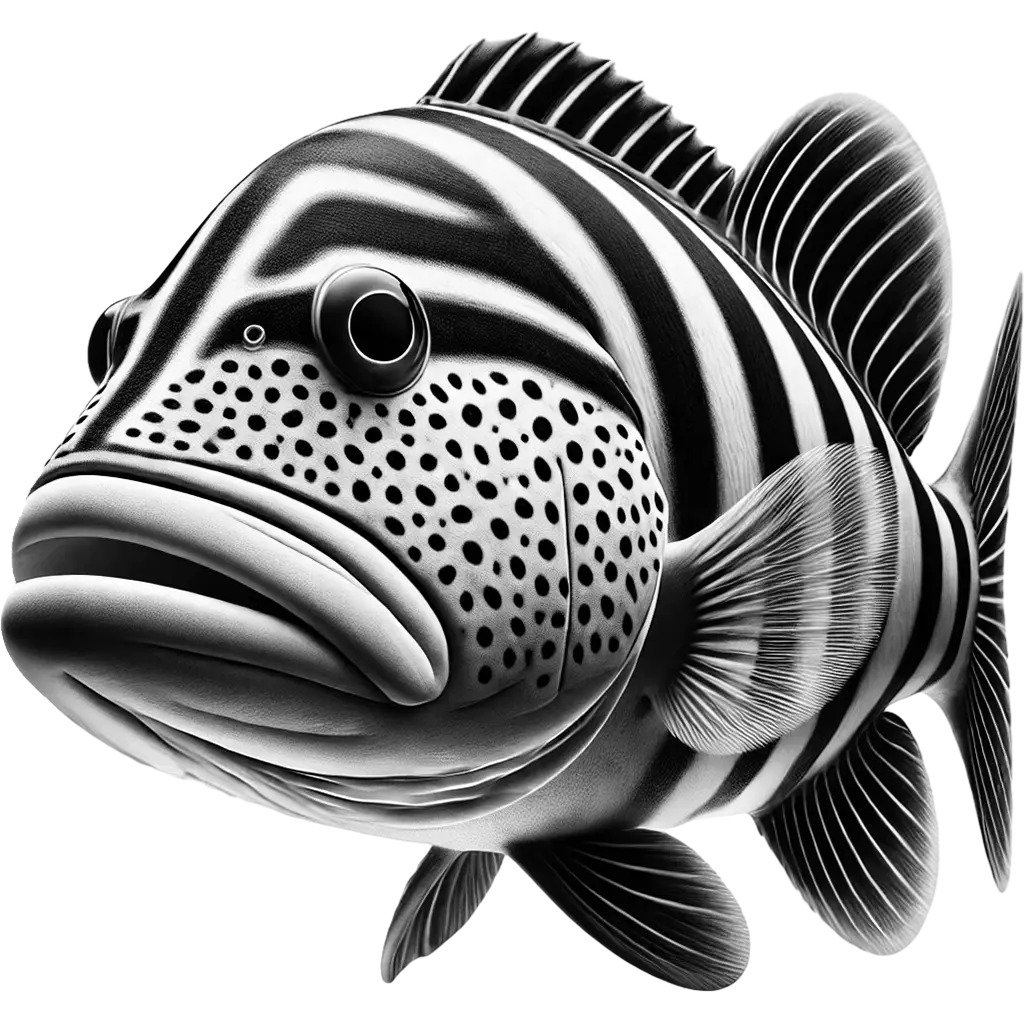
The Painted Sweetlips is a striking fish with a large, laterally compressed body and vivid, colorful markings that set it apart on the coral reef. Its scales shimmer in hues of pink, purple, and yellow, accented by contrasting dark stripes along the flanks and a rounded snout. Its graceful, elongated