
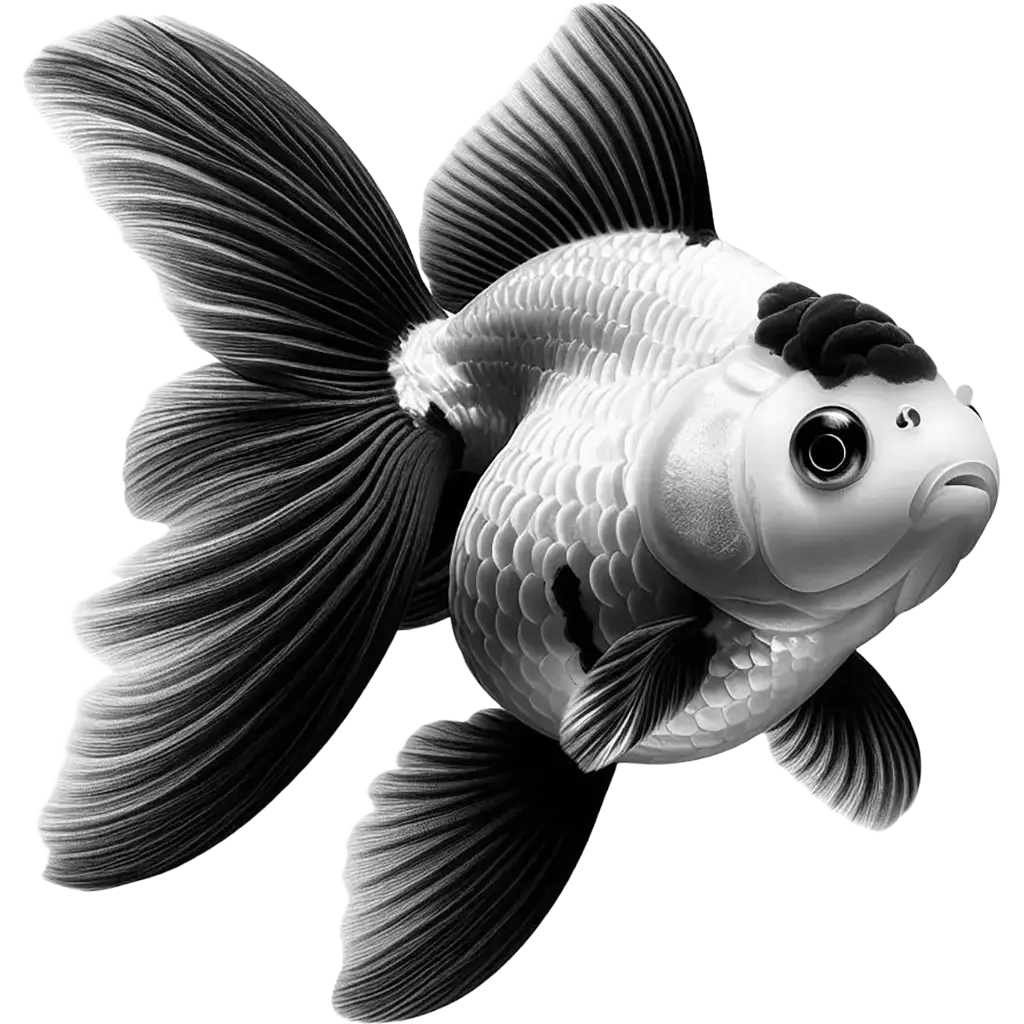
Carassius Auratus
Goldfish
Originally from East Asia; now found worldwide in domestic and ornamental settings, including ponds and aquariums
The Goldfish, carassius auratus, is a popular and recognizable freshwater fish, cherished for its vibrant hues ranging from gold to orange, white, black, and even blue. Adult Goldfish can vary greatly in size, from a few inches to over a foot in length, depending on the breed and living conditions. Their bodies are typically rounded with a variety of fin shapes, from the flowing veils of the fancy varieties to the streamlined fins of the common Goldfish. Selective breeding has produced numerous varieties, each with unique features, such as the bubble-eyed or the lionhead Goldfish, making them a favorite in aquariums and ponds worldwide.
| Population: | Extremely widespread and abundant, both in wild and domestic settings |
| Generation Length: | 2-3 years |
| Average Weight: | Varies by breed and conditions, ranging from 20g to over 2kg |
| Average Length: | Typical pet varieties: 5-15 cm; larger in ponds and wild, can reach over 30 cm |
| Lifespan: | Lives 10-15 years in the wild, longer in captivity, some over 20 years |
| Diet: | Varied diet of plant and animal matter |
| Conservation Status: | Least Concern (LC) |
Goldfish are known for their adaptability and can thrive in various aquatic environments, from small bowls to large ponds. However, to ensure their health and longevity, they require specific care, including ample space to swim, well-filtered water, and a temperature-controlled environment. They are social creatures that enjoy the company of their kind, often seen swimming in groups. Their activity levels and behaviors change with the environment, showing more vibrancy in well-maintained settings. Despite popular belief, Goldfish have a memory span that can last months, debunking the myth of a three-second memory. They can be trained to perform tricks and recognize their caregivers, indicating a level of intelligence often underestimated.
Diet and nutrition are crucial for maintaining the health and coloration of Goldfish. They are omnivores, feeding on a mix of plants, insects, and small crustaceans in the wild. In captivity, their diet should be varied and balanced, including specially formulated Goldfish pellets, vegetables, and occasional treats like brine shrimp. Overfeeding is a common issue that can lead to health problems and water quality degradation. Therefore, it's important to feed them small amounts several times a day, ensuring all food is consumed within a few minutes.
Mating habits of Goldfish are influenced by water temperature and usually occur in the spring. The process begins with the male chasing the female around the pond or aquarium, a behavior known as spawning. The female then lays thousands of eggs, which the male fertilizes. These eggs will hatch within a few days to a week, depending on the temperature. Parent Goldfish do not care for their young; therefore, the fry need to be separated from adult fish to avoid being eaten.
Goldfish populations in captivity are stable, thanks to their popularity and ease of breeding. However, when released into the wild, they can become invasive, outcompeting native species for food and resources. In some regions, released Goldfish have grown significantly in size and number, creating ecological imbalances. Responsible pet ownership, including proper care and avoiding the release of Goldfish into natural waterways, is crucial for maintaining both healthy captive populations and protecting native aquatic ecosystems.
Classifications
The Key Attributes
Features
- Movement:
Swimming
- Territorial Behavior:
Generally peaceful but can display territorial behavior in crowded conditions
- Speed:
Not quantified; varies by breed and environment
- Diet:
Omnivore
- Physical Features:
- Variety of body shapes, from streamlined to round-bodied
- Fins can vary from short to long and flowy depending on the breed
- Coloration varies widely, including solid gold, white, black, and combinations thereof
- Primary Senses:
- Sight
- Taste
- Lateral line system for detecting vibrations
Understanding Habitat and Range
Geography
- Habitat:
Originally from East Asia; now found worldwide in domestic and ornamental settings, including ponds and aquariums
- Migration Patterns:
Non-applicable
- Geographical Range:
Domesticated globally; feral populations in various temperate regions
- Climate Preferences:
Prefer cooler water temperatures but adaptable to a range of conditions
Navigating the Wilderness
In the wild
- Predators:
Larger fish, birds, and mammals when in outdoor settings
- Prey:
Plants, algae, detritus, insects, small aquatic organisms
- Feeding Behavior:
Scavenges and actively seeks out food; diet includes plants, insects, and small crustaceans
- Diet:
Varied diet of plant and animal matter
- Defensive Mechanisms:
- Schooling behavior in wild or feral populations
- Camouflage for some wild types
- Preferred Food Sources:
- Algae
- Vegetation
- Invertebrates
Insights Into Reproduction
Mating
- Mating System:
Spawning in groups
- Number of Offspring:
Can lay thousands of eggs during a single spawning event
- Incubation Period:
Eggs hatch within 48-72 hours under optimal conditions
- Parental Involvement:
- No parental care; eggs are left to develop independently
Youngsters Section
Goldfish
Fun Fact
Goldfish can remember things for months, debunking the myth of a three-second memory.
They can recognize human faces and even learn tricks. Their memory plays a crucial role in avoiding predators and finding food. Goldfish communicate through movements and sounds, adapting well to different environments. This adaptability has contributed to their popularity as pets worldwide.

Download word search puzzles
Word Search Puzzles
Check Out Other Fish
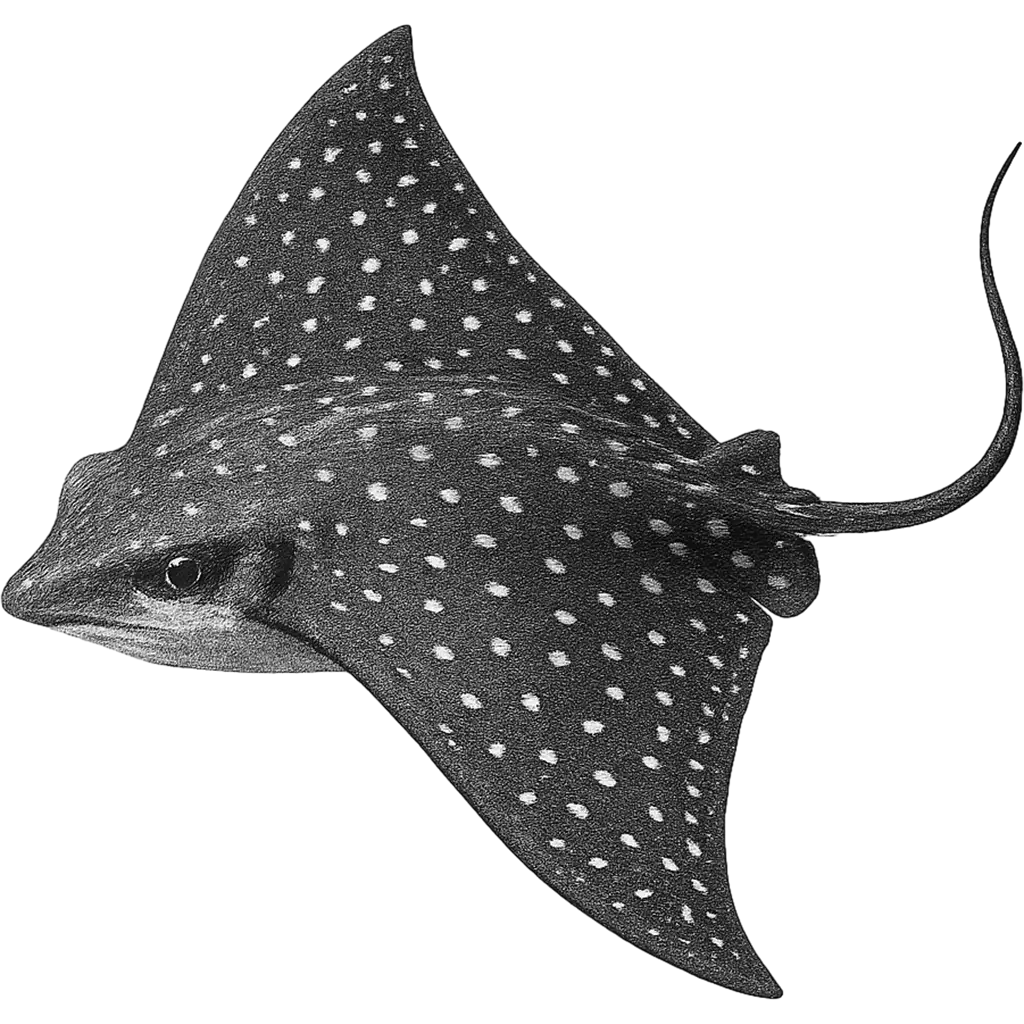
The Spotted Eagle Ray has a flattened, diamond-shaped pectoral disc measuring up to 1.8 meters across, tapering to a slender, whip-like tail. Its dorsal surface is dark blue to black, adorned with numerous bright white or yellowish spots and rings that provide camouflage against the sea floor. The head features
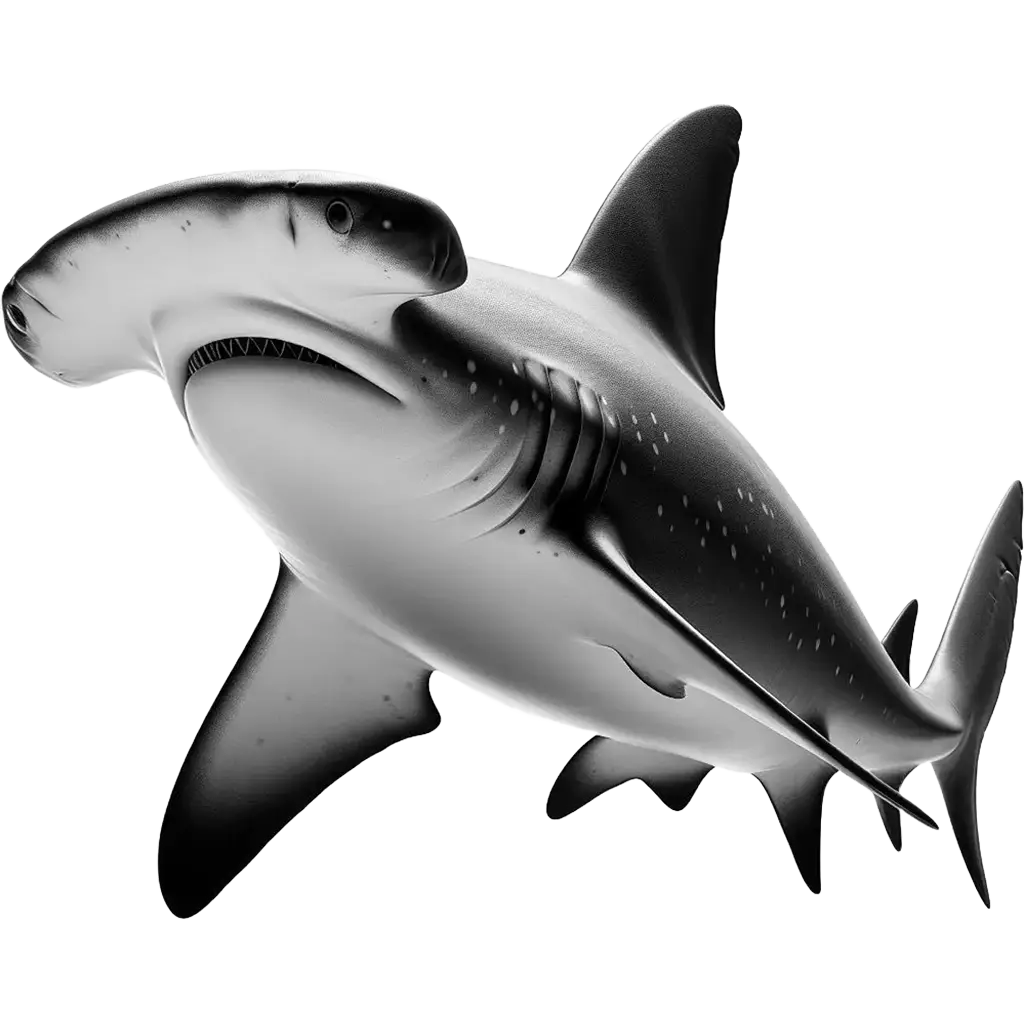
The Great Hammerhead, sphyrna mokarran, stands as one of the most distinctive and formidable species of sharks, recognized by its unique 'hammer-shaped' head, known as a cephalofoil. This evolutionary adaptation not only enhances their sensory perception, allowing them to better detect prey, but also provides improved maneuverability. Adult Great Hammerheads
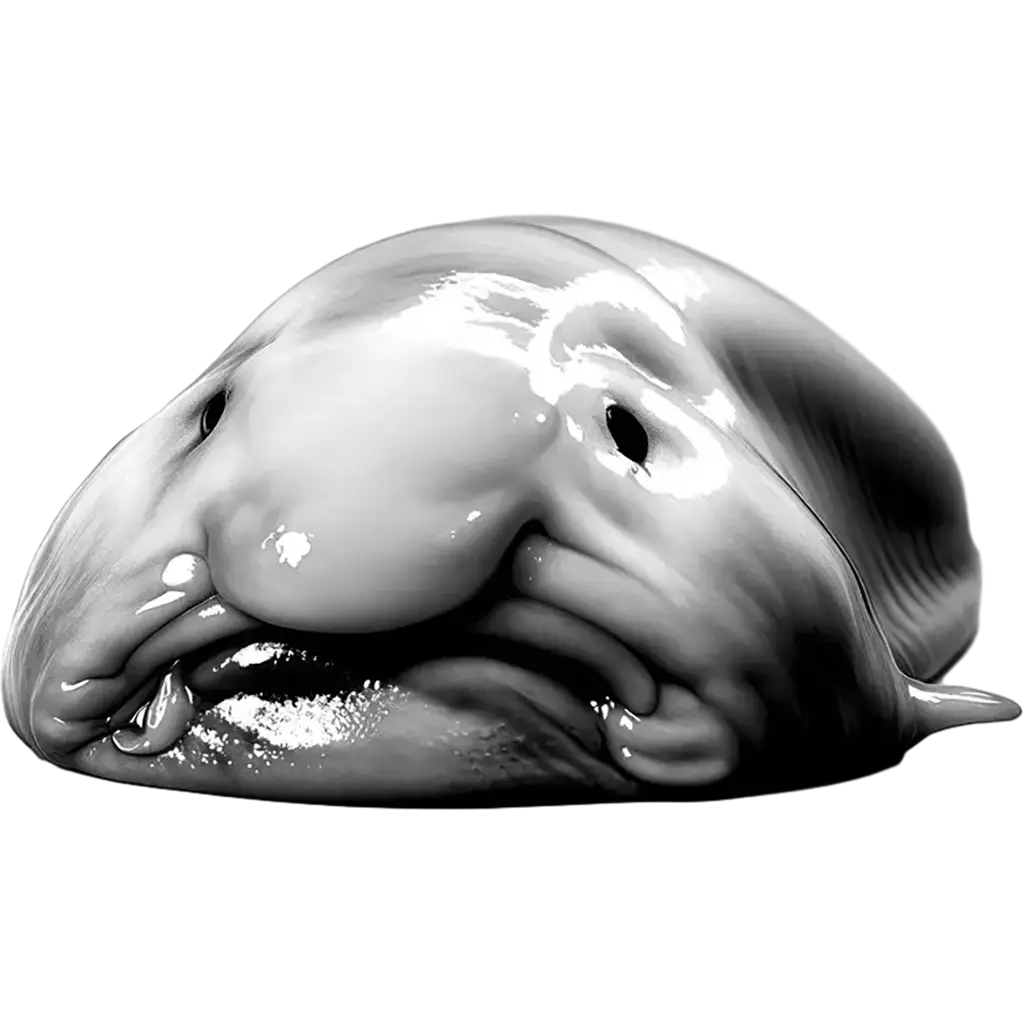
The Blobfish, psychrolutes marcidus, scientifically referred to as members of the family Psychrolutidae, are deep-sea fish known for their unique, gelatinous appearance that has captivated public imagination. These fish typically inhabit the deep waters off the coasts of mainland Australia and Tasmania, as well as New Zealand, living at depths
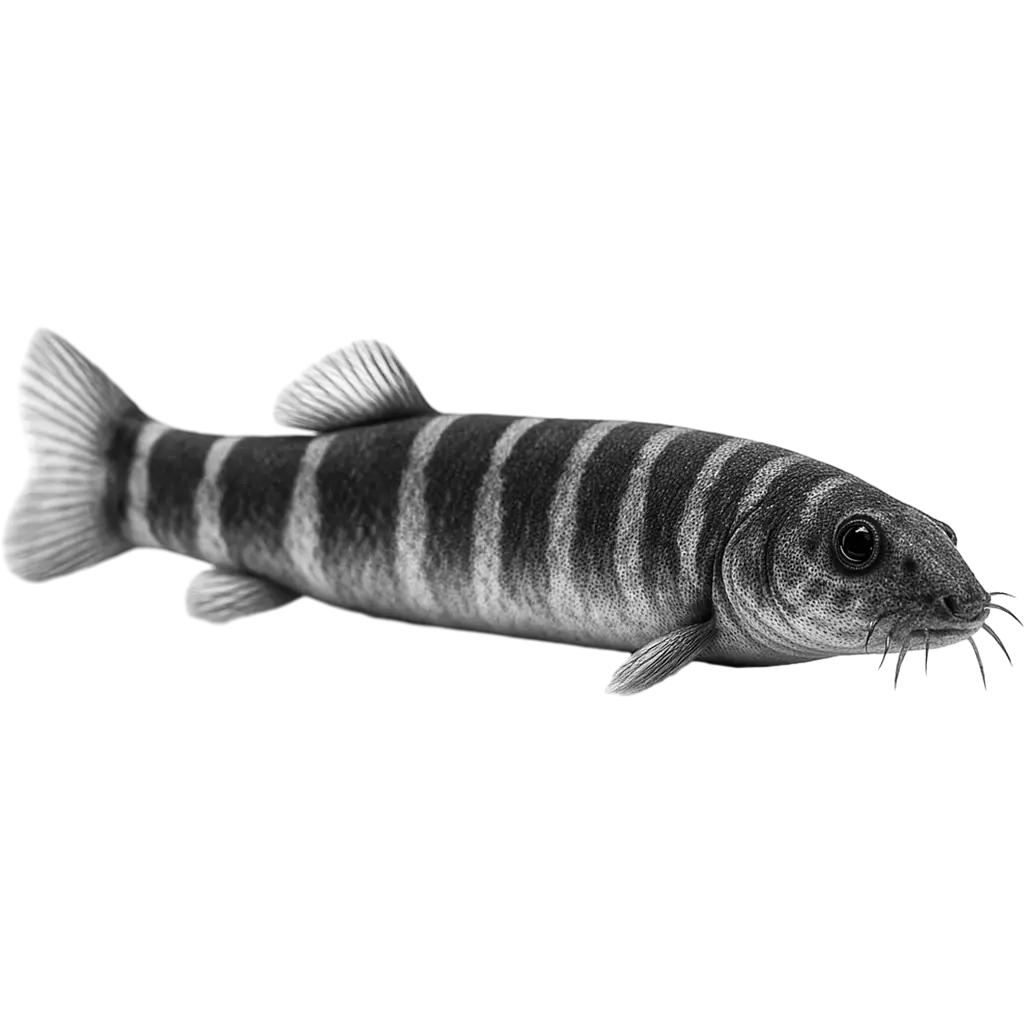
The Java Loach has a distinctive, elongated body slender like an eel, measuring between five and ten centimeters long. Its smooth skin bears alternating dark and light bands that provide camouflage among leaf litter and muddy substrates. Small, beady eyes sit just above a downward-facing mouth fringed with six sensory