
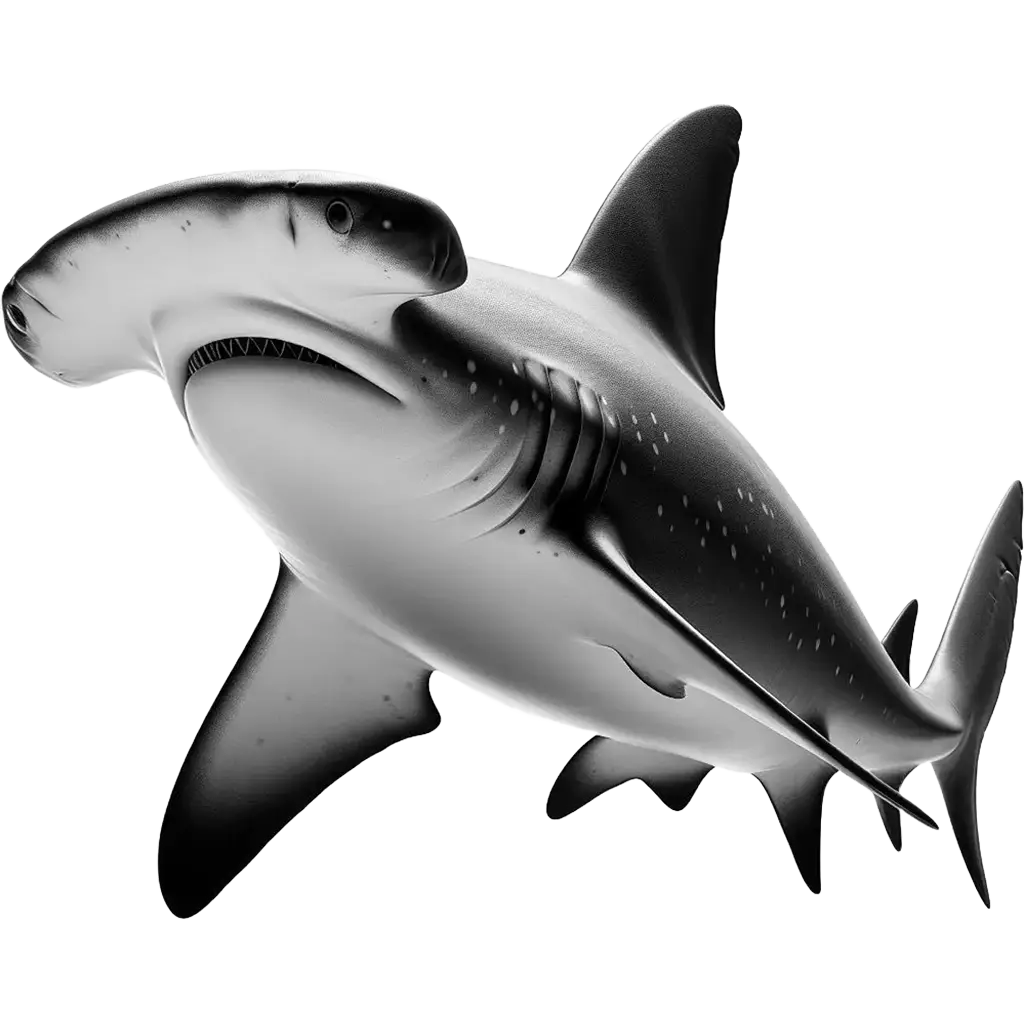
Sphyrna Mokarran
Great Hammerhead
Coastal and offshore waters, over continental shelves and in deeper waters
The Great Hammerhead, sphyrna mokarran, stands as one of the most distinctive and formidable species of sharks, recognized by its unique 'hammer-shaped' head, known as a cephalofoil. This evolutionary adaptation not only enhances their sensory perception, allowing them to better detect prey, but also provides improved maneuverability. Adult Great Hammerheads can reach lengths of up to 6 meters (20 feet), making them the largest of all hammerhead species. Their coloration ranges from olive green to light grey, with a white underbelly, helping them blend into the ocean depths.
| Population: | Classified as Critically Endangered due to significant population declines |
| Generation Length: | Approximately 20 years |
| Average Weight: | Up to 580 kg |
| Average Length: | Typically 3.5-4.5 m, can reach up to 6.1 m |
| Lifespan: | Up to 44 years |
| Diet: | Varied diet including stingrays as a preferred prey item |
| Conservation Status: | Critically Endangered (CR) |
Great Hammerheads are found in warm temperate and tropical waters worldwide, from coastal regions and continental shelves to island terrains. They are highly migratory, capable of traveling long distances to follow food sources or during breeding seasons. These sharks prefer deeper waters but can occasionally be found in shallow bays and coral reefs.
The diet of the Great Hammerhead is diverse, primarily consisting of teleost fishes, cephalopods, and crustaceans. They are particularly known for their predation on stingrays, using their wide heads to pin the rays down on the ocean floor before consuming them. This hunting strategy highlights their role as apex predators, helping maintain the balance within marine ecosystems.
Reproduction in Great Hammerheads is viviparous, with females giving birth to live young after a gestation period of about 11 months. Litters can range from 6 to 55 pups, which are born fully formed and independent, ready to fend for themselves in the open ocean.
The Great Hammerhead is currently listed as Critically Endangered by the IUCN Red List, facing significant threats from overfishing, both as targeted catch and bycatch in fisheries. Their fins are highly valued in the shark fin trade, leading to their decline in numbers. Habitat degradation and pollution also pose risks to their survival. Conservation efforts for the Great Hammerhead include international protection measures, fishing regulations, and research to better understand their migration patterns and habitat needs. The preservation of this iconic species is crucial for maintaining the health and diversity of marine ecosystems.
Classifications
The Key Attributes
Features
- Movement:
Swimming
- Territorial Behavior:
Solitary, occasionally forming schools
- Speed:
Not specifically quantified; capable of quick bursts when hunting
- Diet:
Carnivore
- Physical Features:
- Distinctive hammer-shaped head called a 'cephalofoil'
- Tall, sickle-shaped dorsal fin
- Grey-brown to olive-green on top with a white underside
- Streamlined body with powerful tail
- Primary Senses:
- Electroreception
- Smell
- Sight
Understanding Habitat and Range
Geography
- Habitat:
Coastal and offshore waters, over continental shelves and in deeper waters
- Migration Patterns:
Some populations undertake long migrations
- Geographical Range:
Tropical and warm temperate waters worldwide, from the Atlantic, Indian, and Pacific Oceans
- Climate Preferences:
Prefers warmer waters
Navigating the Wilderness
In the wild
- Predators:
Humans are the primary threat; large individuals have few natural predators
- Prey:
Stingrays, fish, crustaceans, cephalopods
- Feeding Behavior:
Uses its cephalofoil to detect and pin stingrays and other prey to the seabed; also eats fish, crustaceans, and cephalopods
- Diet:
Varied diet including stingrays as a preferred prey item
- Defensive Mechanisms:
- Size and agility
- Cephalofoil might also deter potential predators
- Preferred Food Sources:
- Stingrays
- Schooling fish
- Crustaceans
- Cephalopods
Insights Into Reproduction
Mating
- Mating System:
Polygynous
- Number of Offspring:
13-42 pups per litter
- Gestation Period:
11 months
- Parental Involvement:
- No parental care after birth; pups are born fully formed and self-sufficient
Youngsters Section
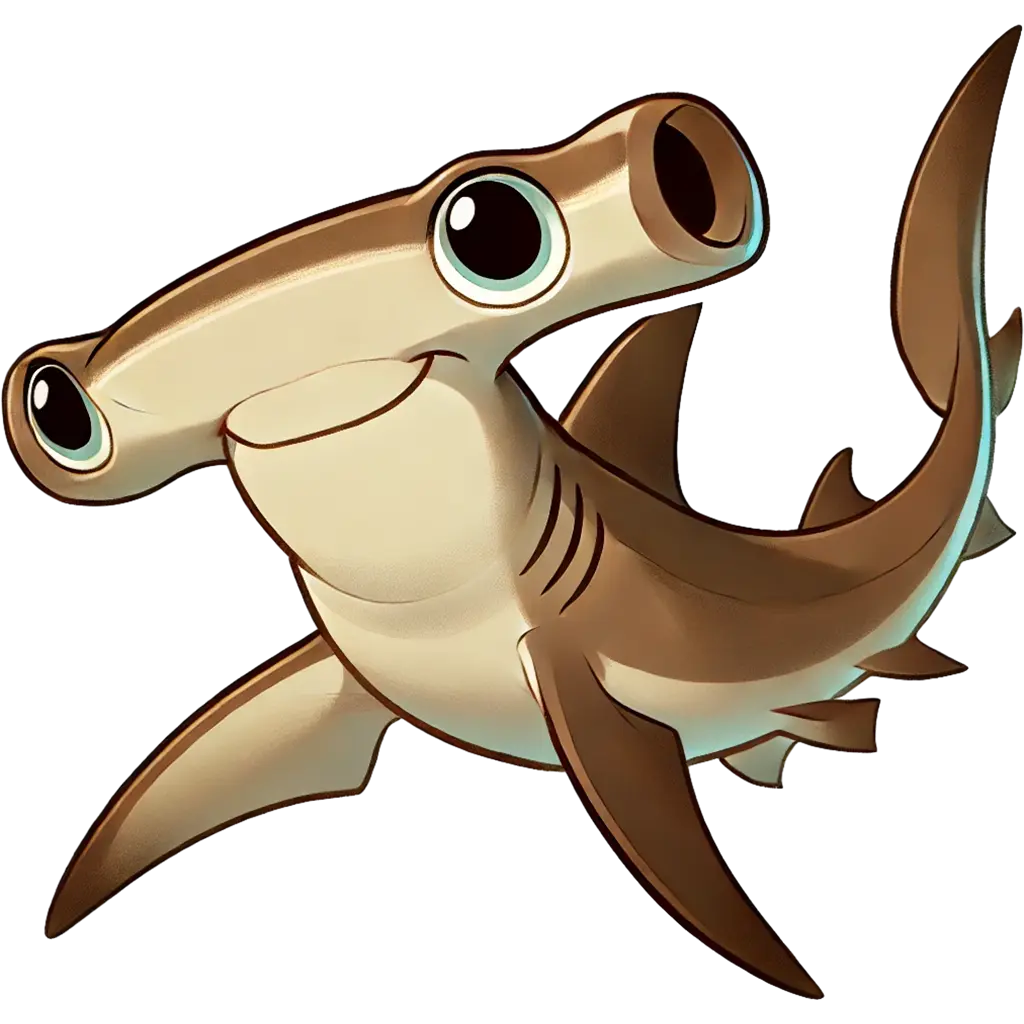
Great Hammerhead
Fun Fact
The great hammerhead has a distinctive T-shaped head called a cephalofoil, aiding in hunting and navigation.
This unique head structure allows it to have a 360-degree vision, enhancing its ability to spot prey. The wide head also helps in pinning stingrays to the ocean floor, a favored prey. Additionally, the cephalofoil is loaded with sensory organs, which help detect electric fields produced by potential prey.

Download word search puzzles
Word Search Puzzles

Check Out Other Fish
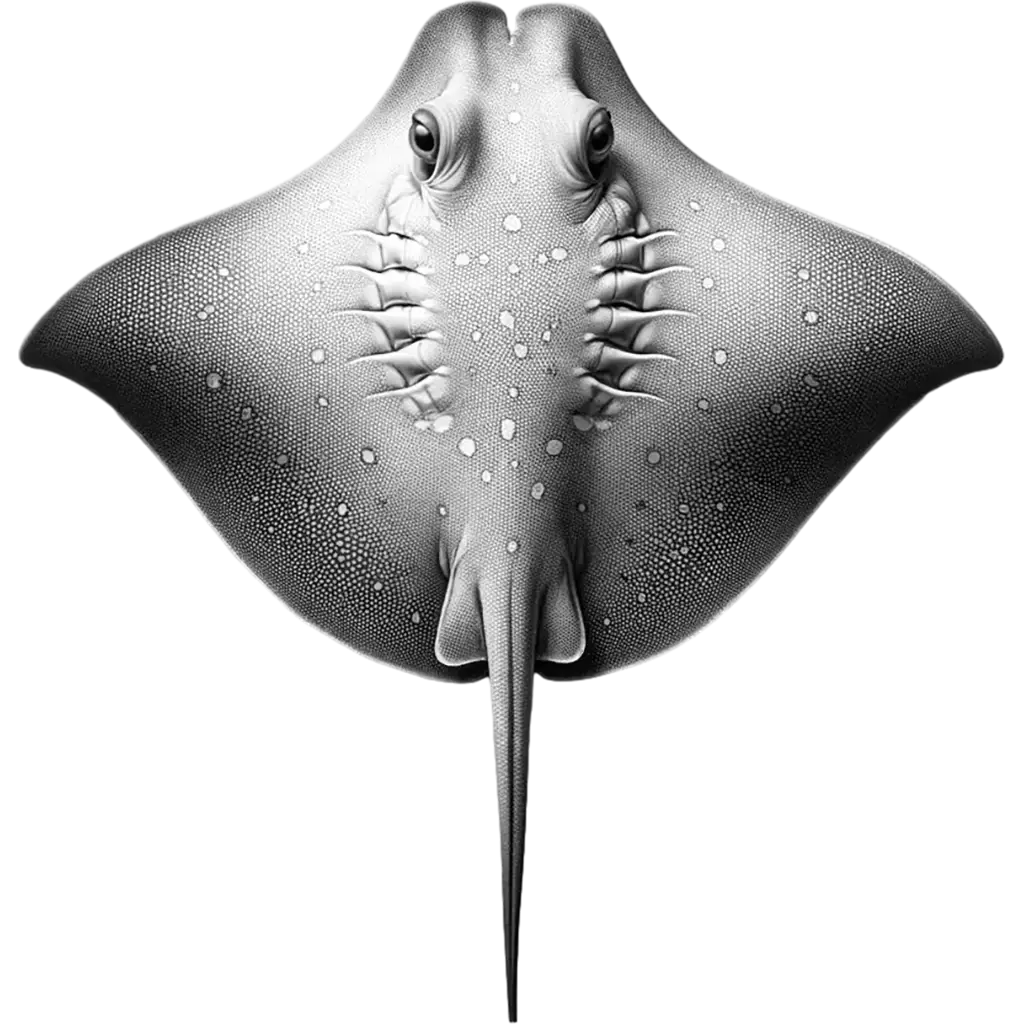
The Thornback Ray, raja clavata, is a species of cartilaginous fish in the family Rajidae, commonly found in the coastal waters of Europe and the Mediterranean Sea. This ray is easily recognizable by its kite-shaped body, which can grow up to 1 meter in length, and its dorsal surface covered
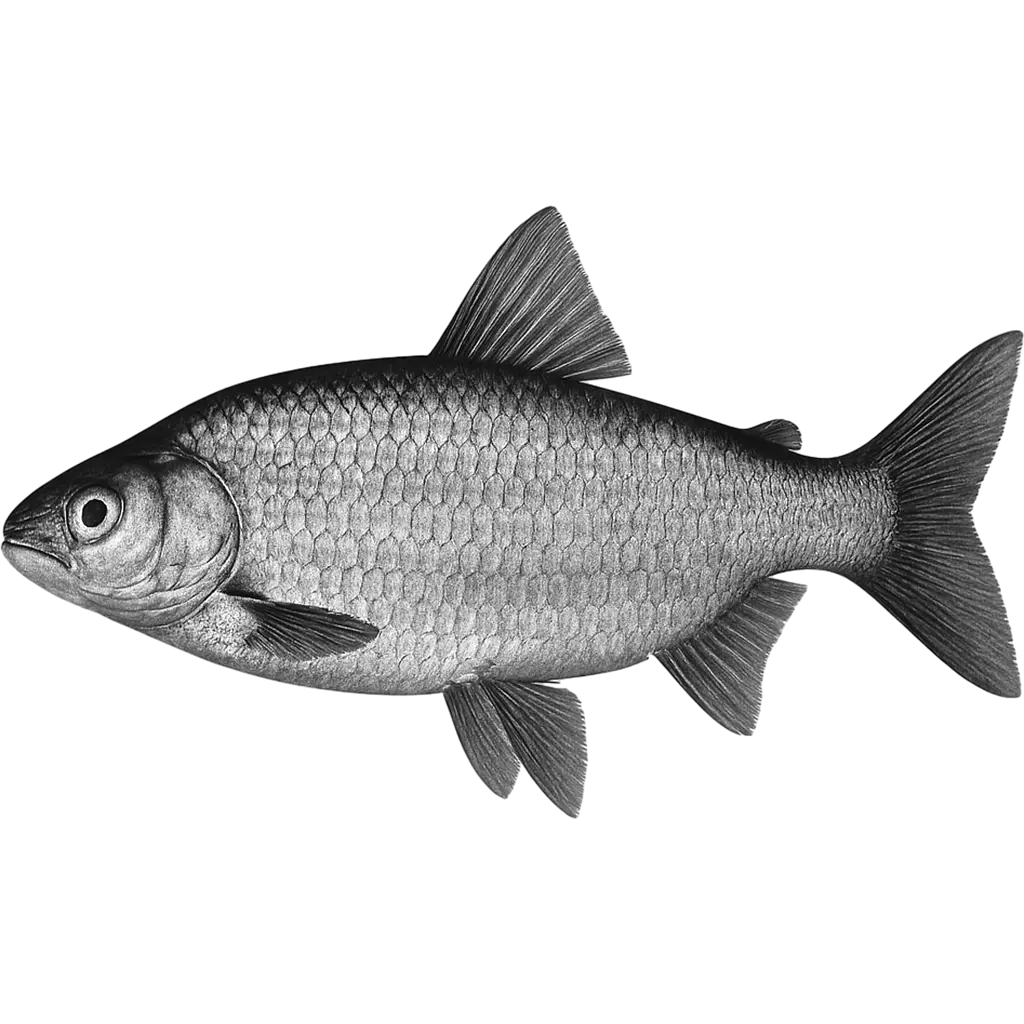
The Gwyniad displays an elegant and streamlined body, characterized by a slender, laterally compressed shape that enhances its buoyancy in clear, deep waters. Its skin glistens with a silvery sheen that reflects subtle hints of pale blue, while delicate, reflective scales form a smooth, almost ethereal surface. A gently rounded
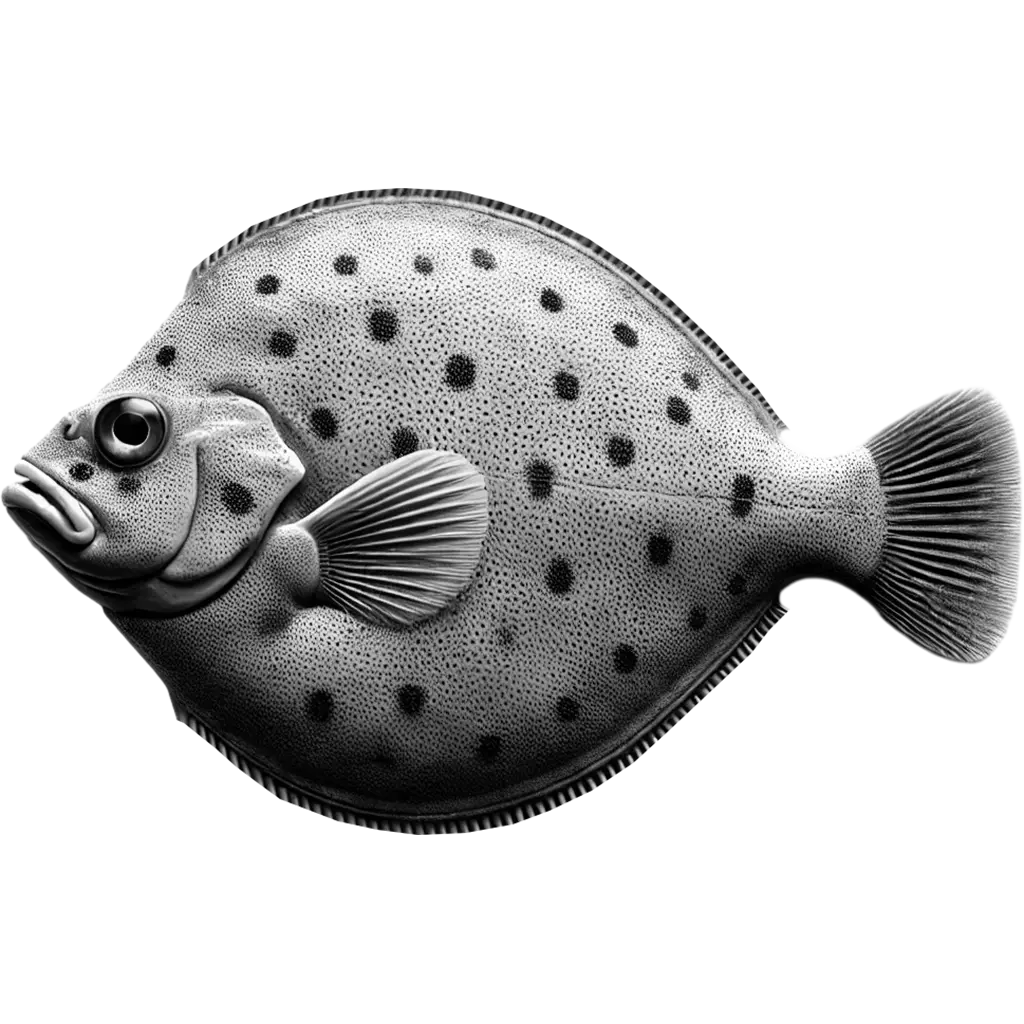
The Egyptian Sole is a flatfish species characterized by its oval-shaped, dorsoventrally flattened body. The upper side displays a greyish-brown coloration with four wide olive-colored saddles, while the underside is white. A distinctive black blotch marks the pectoral fin on the eyed side. Adults can reach up to 65 cm
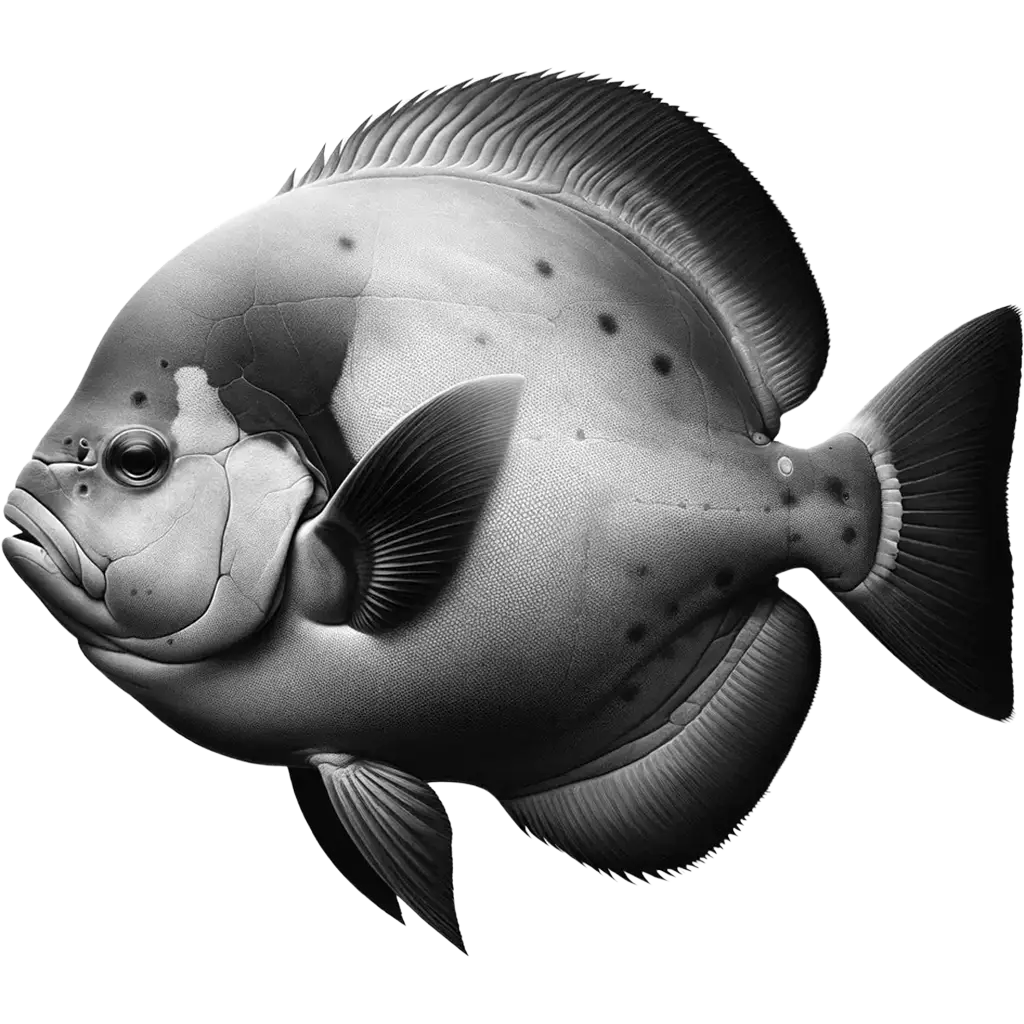
The Moonfish, opah, lampris guttatus, is a strikingly colorful and unique species of pelagic fish found in temperate and tropical waters worldwide. This deep-bodied fish is easily recognizable by its round, flat shape and vibrant coloration, featuring shades of bright reds, blues, and silvery hues, with spots scattered across its