
Pontinus Furcirhinus
Red Scorpionfish
Rocky and sandy bottoms, near reefs and underwater structures
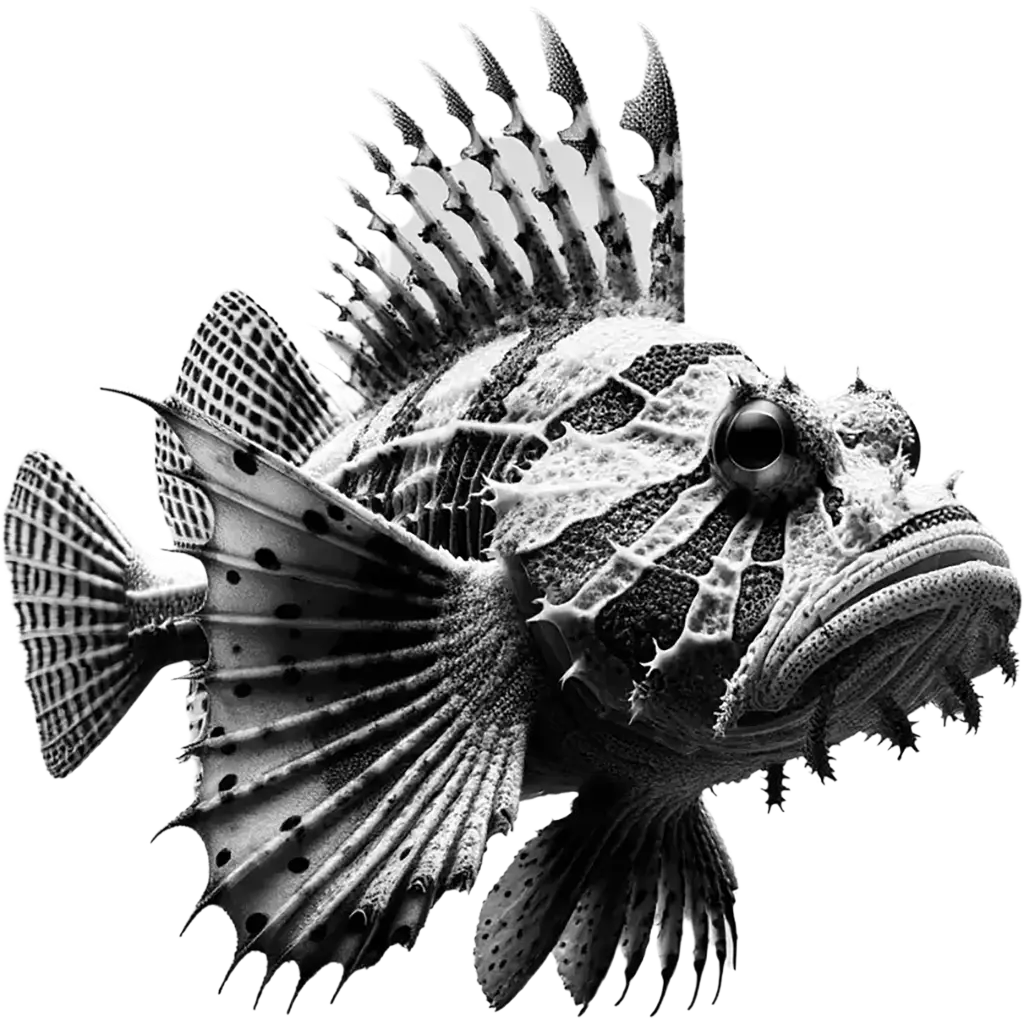
The Red Scorpionfish, pontinus furcirhinus, is a marine species known for its distinctive appearance and potent venom. Found in the deep waters of the Atlantic Ocean, including the Gulf of Mexico and the Caribbean Sea, this fish typically inhabits rocky bottoms and coral reefs at depths ranging from 100 to 400 meters. Adults can reach up to 30 cm in length, showcasing a robust body covered in spines and a mottled pattern of reds, oranges, and browns, allowing them to blend seamlessly with their surroundings. The Red Scorpionfish has a broad, flat head with a forward-facing mouth, adapted for ambushing prey.
| Population: | Not specifically assessed but considered to be relatively common in its range |
| Generation Length: | 5-7 years |
| Average Weight: | 1-2 kg |
| Average Length: | 30-50 cm |
| Lifespan: | Up to 15 years in the wild |
| Diet: | Mainly piscivorous, also consumes a variety of marine invertebrates |
| Conservation Status: | Least Concern (LC) |
Red Scorpionfish lead a predominantly sedentary lifestyle, relying on their camouflage to ambush prey. They are opportunistic predators, feeding on a variety of fish and crustaceans that venture too close. Their dorsal spines are equipped with venom glands, serving as a formidable defense mechanism against potential predators. When threatened, the Red Scorpionfish raises its spines to deter attackers, delivering a painful sting if provoked.
The diet of the Red Scorpionfish is diverse, including small fish, shrimp, and other crustaceans. Their method of feeding involves lying in wait, perfectly camouflaged against the ocean floor, before quickly engulfing unsuspecting prey that passes by. This sit-and-wait strategy is highly effective in the low-light environments of their deep-sea habitats.
Reproduction in Red Scorpionfish involves the release of eggs and sperm into the water column, where fertilization occurs externally. The pelagic larvae that result are carried by ocean currents, settling in suitable habitats as they mature. Little is known about the specific breeding behaviors and seasons of this species, reflecting the general lack of detailed information on the life history of deep-sea organisms.
The population status of the Red Scorpionfish is not well-documented, largely due to the challenges of conducting research in deep-sea environments. However, they are not currently considered at risk. Despite their venomous spines, Red Scorpionfish are targeted by some fisheries, valued for their flesh in certain regional cuisines. Conservation efforts for deep-sea species like the Red Scorpionfish focus on understanding their roles in the ecosystem and the impacts of deep-sea fishing practices.
Classifications
The Key Attributes
Features
- Movement:
Swimming
- Territorial Behavior:
Solitary and territorial
- Speed:
Not known for fast movement; relies on camouflage and ambush to catch prey
- Diet:
Carnivore
- Physical Features:
- Robust, spiny body with a large head and mouth
- Camouflaged coloring with reds and browns to blend with rocky sea bottoms
- Venomous spines on the dorsal fin for defense
- Strong pectoral fins for maneuvering near the seabed
- Primary Senses:
- Sight
- Chemical sensing
Understanding Habitat and Range
Geography
- Habitat:
Rocky and sandy bottoms, near reefs and underwater structures
- Migration Patterns:
Non-migratory, but may move within local areas for feeding
- Geographical Range:
Mediterranean Sea, Eastern Atlantic Ocean from the British Isles to the coast of Africa
- Climate Preferences:
Prefers temperate to warm marine waters
Navigating the Wilderness
In the wild
- Predators:
Larger fish and marine mammals
- Prey:
Small fish, octopuses, crabs, and shrimps
- Feeding Behavior:
Ambush predator, feeding on fish, crustaceans, and mollusks
- Diet:
Mainly piscivorous, also consumes a variety of marine invertebrates
- Defensive Mechanisms:
- Camouflage to blend with surroundings
- Venomous spines for protection against predators
- Preferred Food Sources:
- Areas with abundant small fish and crustaceans
Insights Into Reproduction
Mating
- Mating System:
Broadcast spawning
- Number of Offspring:
Releases thousands of eggs into the water column
- Incubation Period:
Eggs hatch into planktonic larvae within a few days
- Parental Involvement:
- No parental care after spawning; larvae are left to develop independently in the open sea
Youngsters Section
Red Scorpionfish
Fun Fact
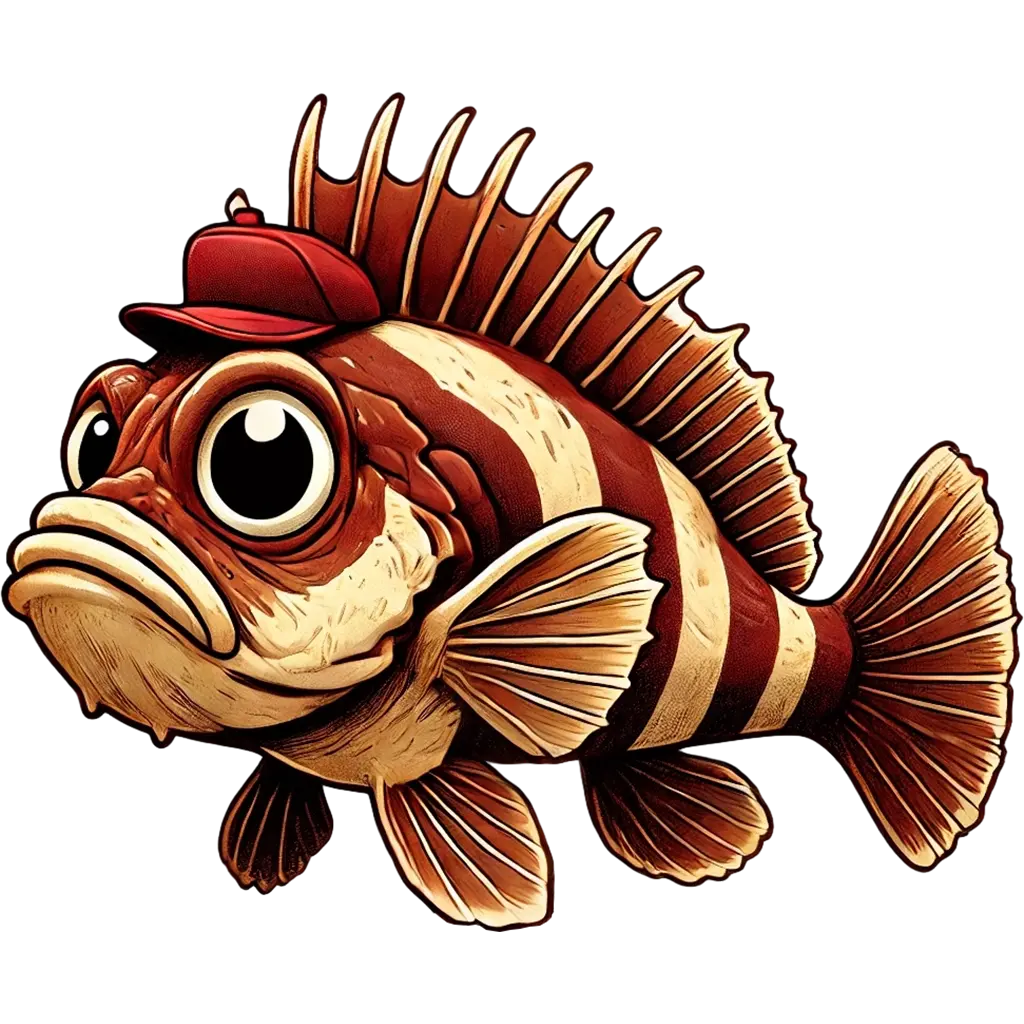
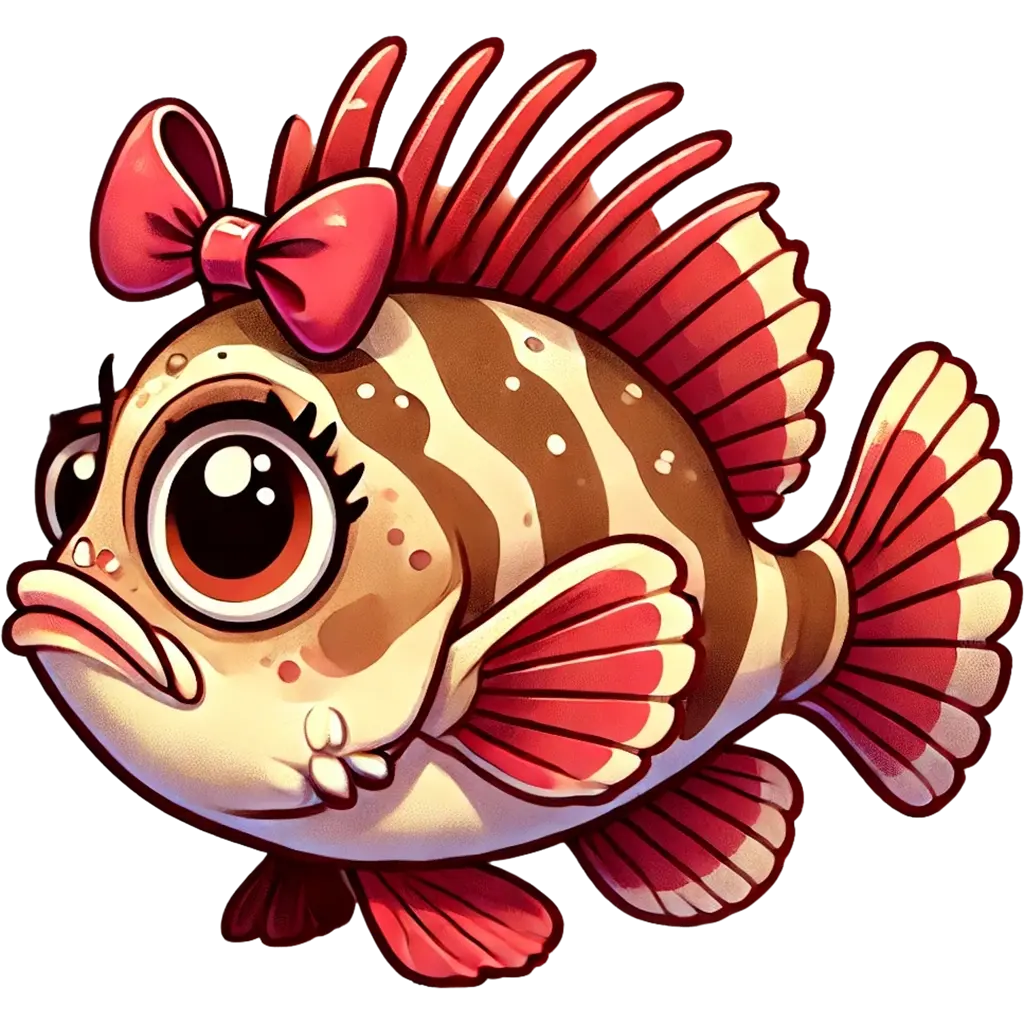
Red scorpionfish are masters of camouflage, blending seamlessly into rocky reefs and ocean floors.
Their venomous spines deter predators, making them skilled hunters. Despite their fearsome appearance, red scorpionfish are not aggressive towards humans unless provoked. Their unique ability to change color helps them ambush prey effectively. They primarily feed on small fish and crustaceans.

Download word search puzzles
Word Search Puzzles
Check Out Other Fish
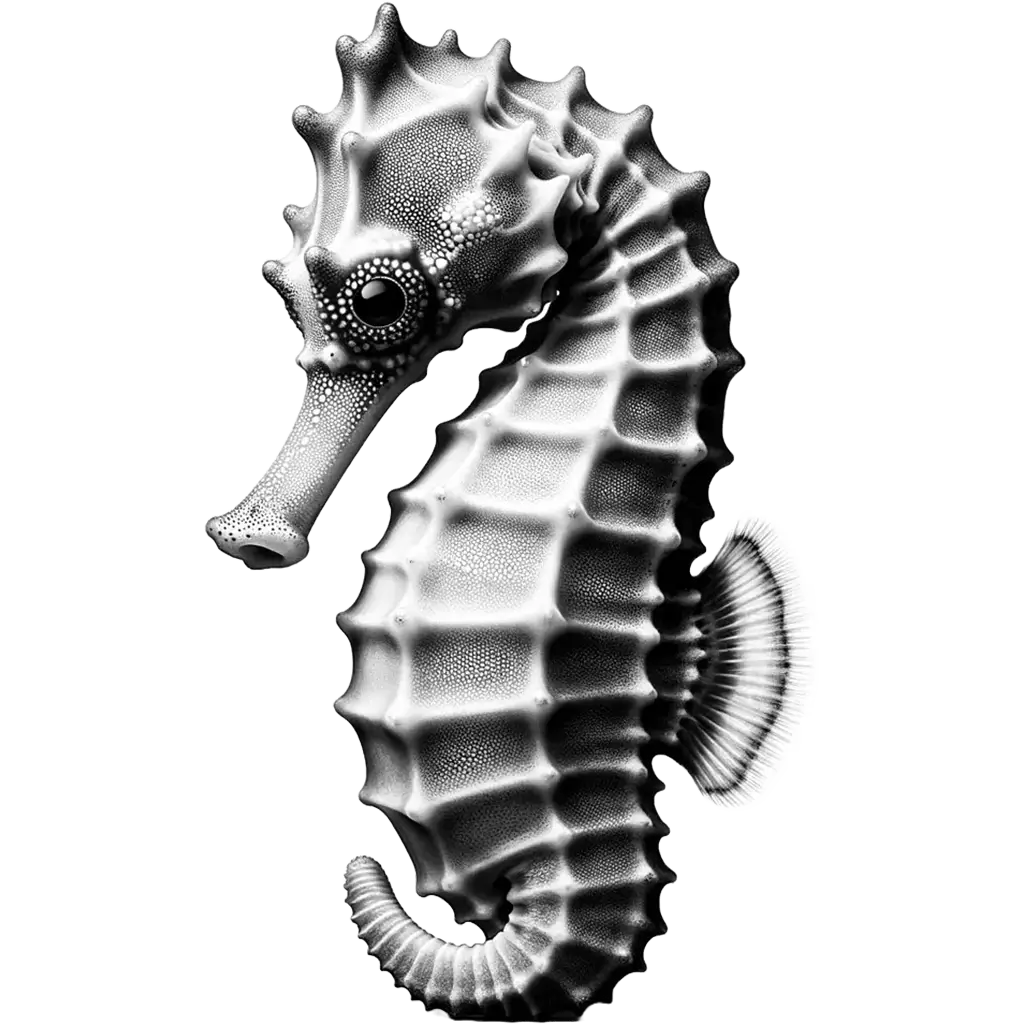
The Short-Snouted Seahorse, hippocampus hippocampus, is a fascinating marine fish known for its distinctive horse-like head and curled tail. This species typically reaches a length of 12 to 15 cm and is characterized by its small, upturned snout, which is shorter than that of other seahorse species. The body is
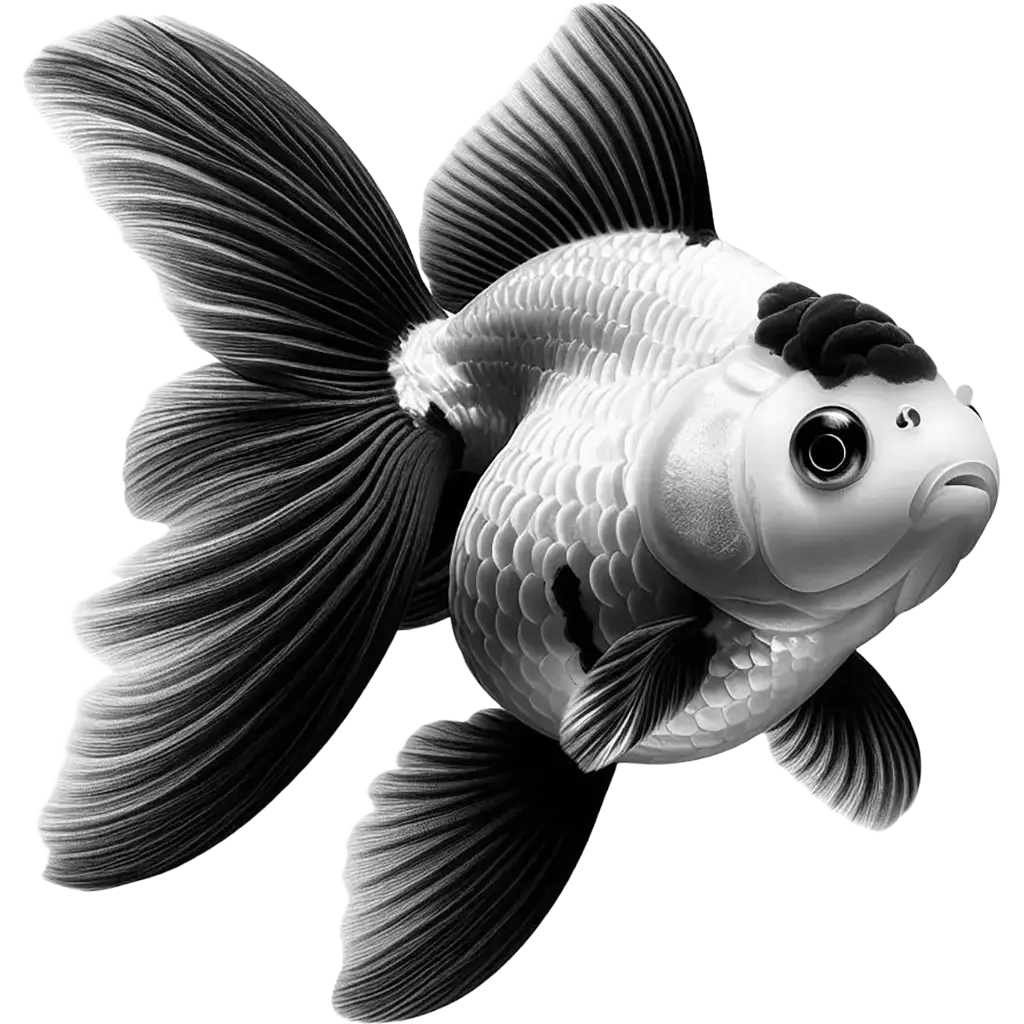
The Goldfish, carassius auratus, is a popular and recognizable freshwater fish, cherished for its vibrant hues ranging from gold to orange, white, black, and even blue. Adult Goldfish can vary greatly in size, from a few inches to over a foot in length, depending on the breed and living conditions.
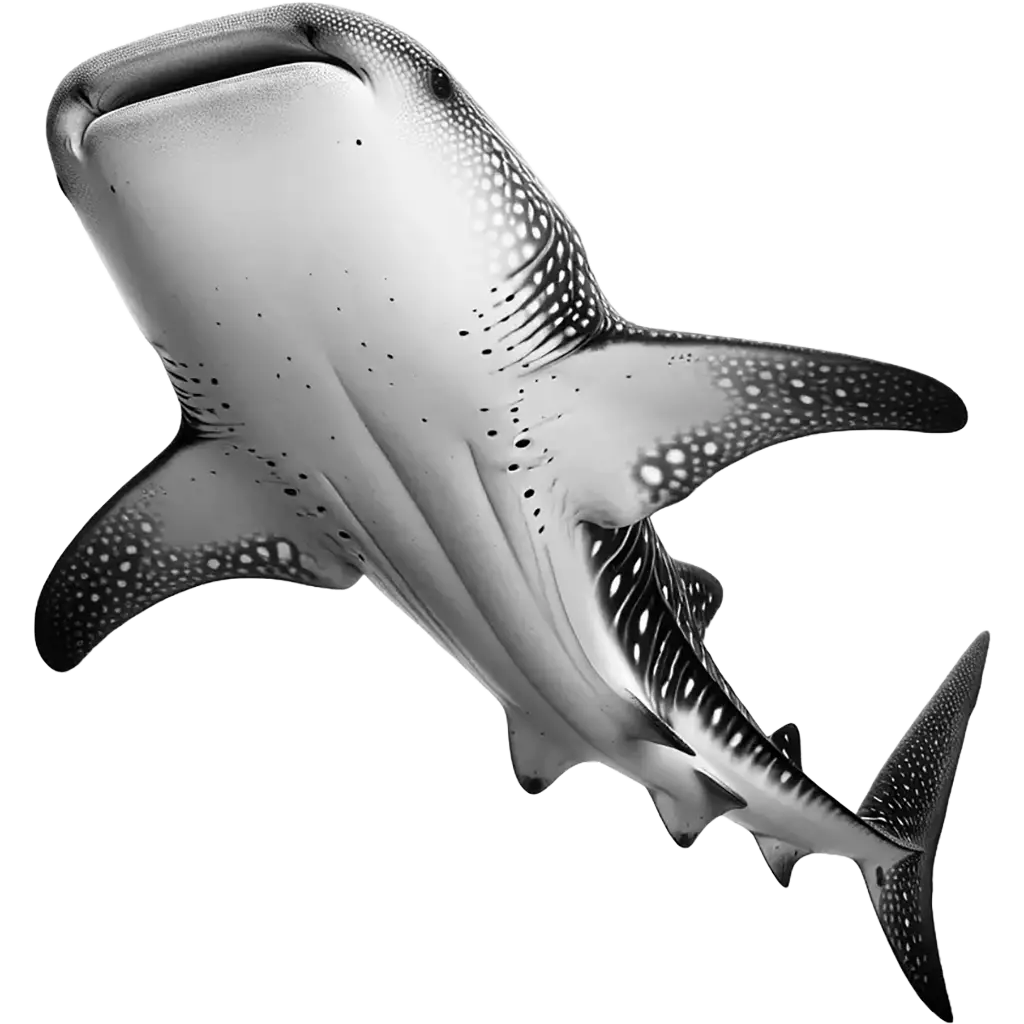
The Whale Shark, rhincodon typus, is the largest known fish species in existence, recognized for its gentle nature and massive size, with adults commonly reaching lengths of 12 to 18 meters. Characterized by its broad, flat head, wide mouth, and distinctive pattern of white spots and stripes on a dark
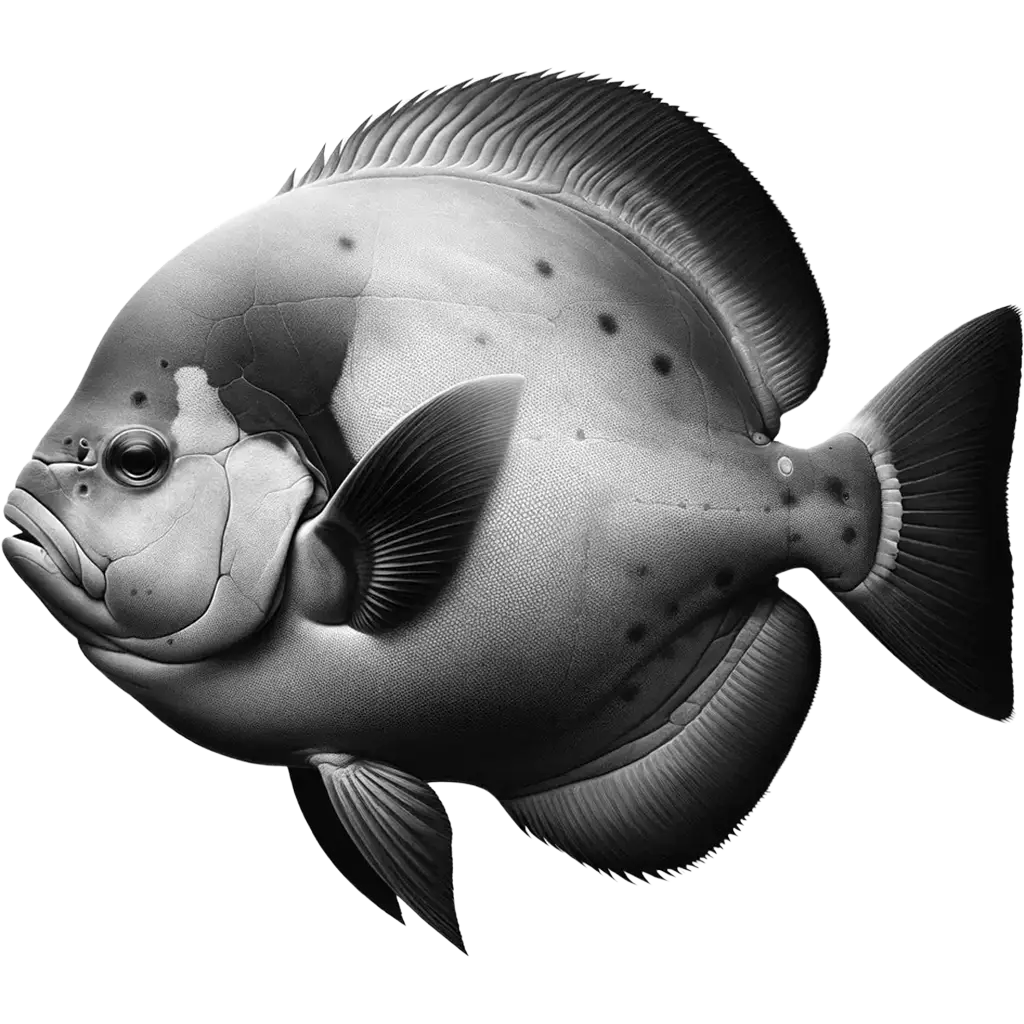
The Moonfish, opah, lampris guttatus, is a strikingly colorful and unique species of pelagic fish found in temperate and tropical waters worldwide. This deep-bodied fish is easily recognizable by its round, flat shape and vibrant coloration, featuring shades of bright reds, blues, and silvery hues, with spots scattered across its