
Atractoscion Nobilis
White Seabass
Coastal waters near rocky reefs and sandy bottoms
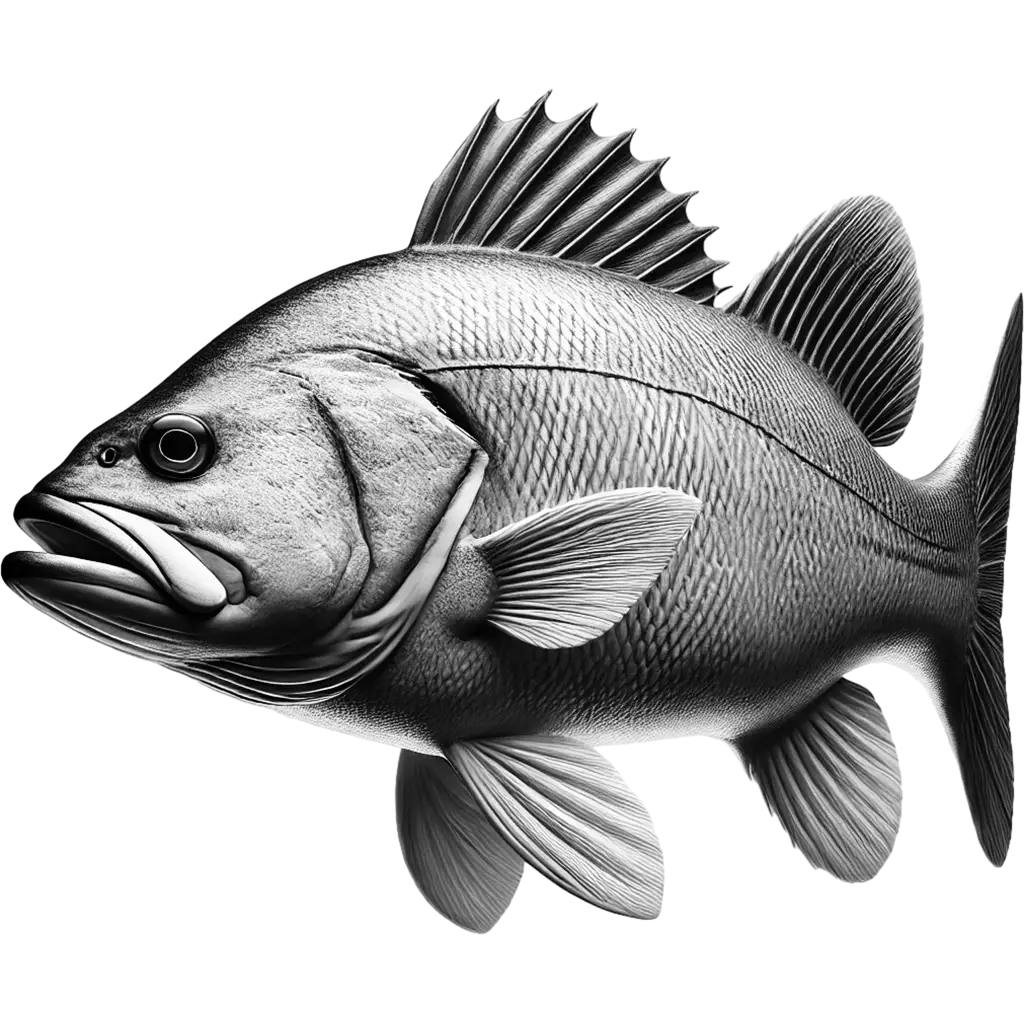
White seabass exhibit a sleek, elongated body with a metallic silver sheen that shimmers under sunlight. Their streamlined profile features a moderately large head, a slightly upturned mouth, and subtle dark markings along the lateral line. The well-proportioned fins and alert eyes contribute to an appearance that is both elegant and efficient for fast swimming in dynamic coastal waters.
| Population: | Common in healthy coastal ecosystems, though local populations may decline due to overfishing and habitat degradation |
| Generation Length: | 7 years |
| Average Weight: | Approximately 1-2 kg |
| Average Length: | Approximately 40-50 cm |
| Lifespan: | Approximately 8-10 years in the wild |
| Diet: | Carnivorous |
| Conservation Status: | Least Concern (LC) |
White seabass are highly active in coastal marine environments, primarily inhabiting shallow waters near rocky reefs and estuaries. They are known to school in large groups, moving in synchronized formations that enhance their ability to locate food and evade predators. During the day, these fish are seen patrolling open waters, occasionally congregating around structures that offer shelter. Their behavior includes periodic surface basking to regulate body temperature, and they adjust their movements in response to tidal changes and seasonal shifts, ensuring optimal foraging conditions and energy conservation.
The diet of white seabass is strictly carnivorous, with a primary focus on small fish, squid, and crustaceans. They employ a high-speed ambush strategy, using acute vision and rapid reflexes to capture agile prey near the seabed. This protein-rich diet is critical for fueling their sustained bursts of speed and supporting muscle development, which is essential for their survival in competitive, predator-rich coastal waters. Seasonal variations in prey availability may lead to subtle shifts in their feeding habits, but their overall nutritional strategy remains centered on high-quality, lean marine protein.
During the breeding season, white seabass engage in aggregative spawning events. Males and females gather briefly in coastal waters where males display rapid, coordinated movements to attract mates. After fertilization, females release eggs into the open water, where external incubation takes place. No parental care is provided, and the young disperse widely, ensuring genetic diversity within the population.
White seabass populations are generally abundant in pristine coastal ecosystems, though localized declines have been observed in areas impacted by overfishing and pollution. Conservation measures, including sustainable fishing practices and habitat restoration, are being implemented to maintain healthy numbers. Continuous monitoring is essential to safeguard these dynamic populations against ongoing environmental pressures.
Classifications
The Key Attributes
Features
- Movement:
Powerful and agile swimmers, white seabass move in open coastal waters with impressive bursts of speed when chasing prey or evading predators.
- Territorial Behavior:
Non-territorial; they are often found schooling, with individual fish mingling freely.
- Speed:
Capable of rapid bursts during hunting and escapes.
- Diet:
Strictly carnivorous, white seabass primarily prey on smaller fish, squid, and crustaceans.
- Physical Features:
- A sleek, elongated body with a metallic silver sheen
- A moderately large head with a slightly upturned mouth
- Subtle dark markings along the lateral line
- Well-proportioned fins that enhance maneuverability
- Primary Senses:
- Sight
- Lateral line sensitivity
Understanding Habitat and Range
Geography
- Habitat:
Coastal waters near rocky reefs and sandy bottoms
- Migration Patterns:
Non-migratory; local movements occur in response to food availability and seasonal changes.
- Geographical Range:
Widely distributed along the eastern Pacific coasts from California to central Mexico.
- Climate Preferences:
Tropical and subtropical marine environments with warm, clear waters.
Navigating the Wilderness
In the wild
- Predators:
Larger predatory fish, marine mammals, and human fishing activities.
- Prey:
Small fish, squid, and crustaceans.
- Feeding Behavior:
Forages actively near the sea floor; employs rapid, coordinated strikes to capture fast-moving prey.
- Diet:
Carnivorous
- Defensive Mechanisms:
- Schooling behavior to confuse predators
- Rapid burst swimming to evade capture
- Preferred Food Sources:
- Small pelagic fish and cephalopods
Insights Into Reproduction
Mating
- Mating System:
Aggregative spawner; individuals form loose spawning aggregations during the breeding season.
- Number of Offspring:
Large numbers of eggs are released during spawning events.
- Incubation Period:
Oviparous; eggs hatch after a short incubation period in open water.
- Parental Involvement:
- No parental care; eggs and larvae develop independently.
Youngsters Section
White Seabass
Fun Fact
The white seabass is a sleek, silvery fish known for its impressive size and graceful movements in the water.
These fish are skilled hunters, often found swimming near kelp forests where they chase smaller fish. White seabass are highly prized by anglers due to their strength and size, and their smooth, silver scales shimmer beautifully as they glide through the ocean.

Download word search puzzles
Word Search Puzzles


Check Out Other Fish
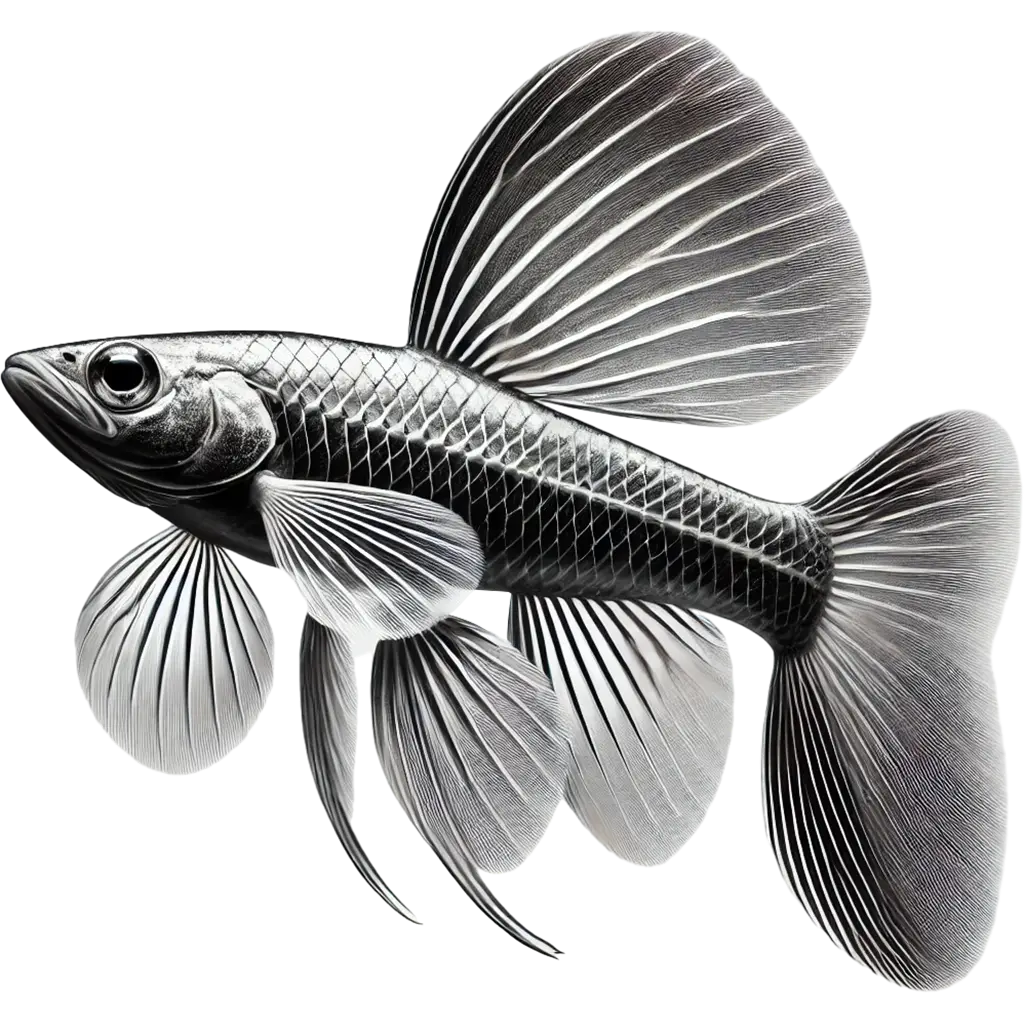
The Diamond Darter is a small, translucent freshwater fish with silvery sides and a white belly. Its back is yellow-tan, adorned with four wide olive-colored saddles, and it features a distinctive dark blotch on the snout below the eyes. Adults typically measure between 3 to 5 inches in length. Notably,

The Electric Eel, electrophorus electricus, is a fascinating species of fish known for its ability to generate powerful electric shocks. This remarkable creature is found in the freshwater habitats of the Amazon and Orinoco River basins in South America. Despite its name, it is not a true eel but is
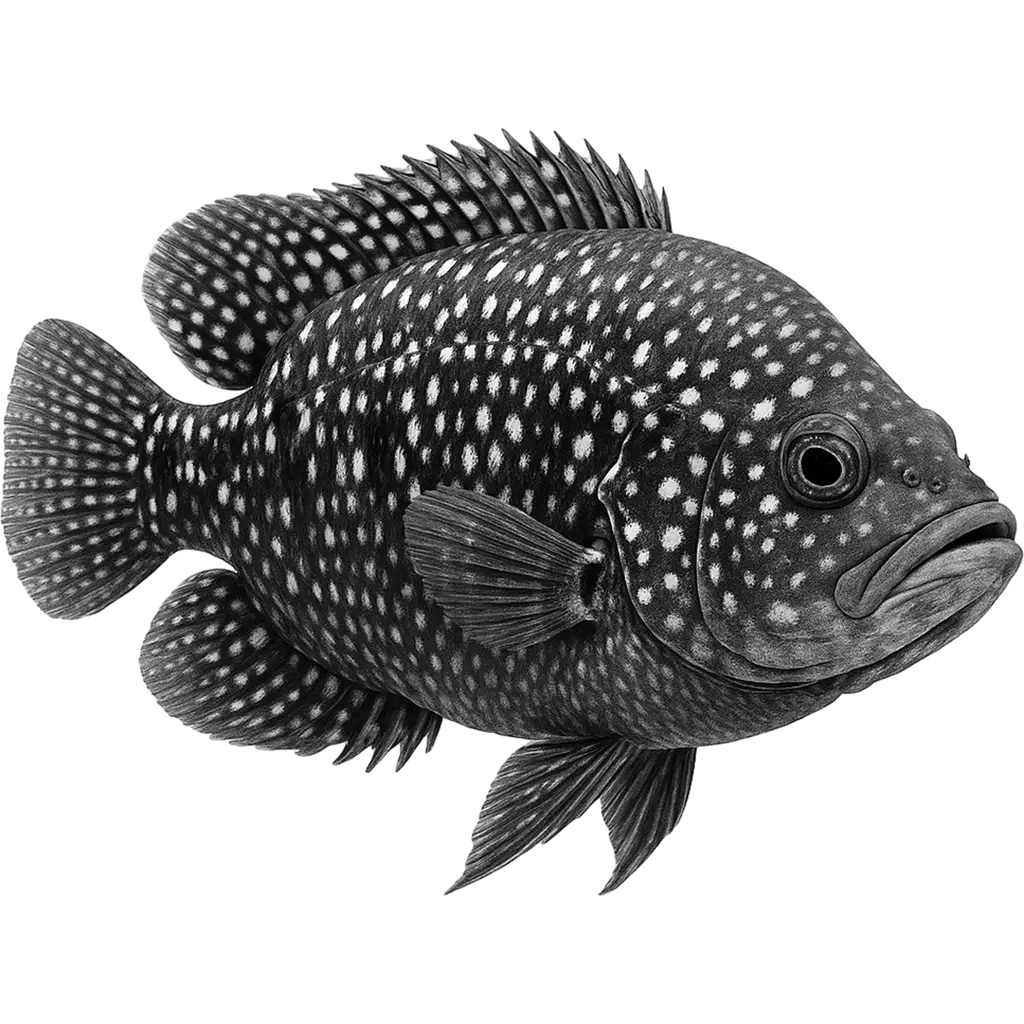
The Jack Dempsey is a robust, laterally compressed cichlid with a rounded body shape and strong muscular profile. Its base coloration ranges from dark olive-green to charcoal, adorned with iridescent blue, green, and gold flecks scattered along its sides and fins. Males often display brighter hues during breeding displays. The

The Mottled Sculpin, cottus bairdii, is a freshwater fish species distinguished by its camouflage pattern of mottling and bars, which blend seamlessly with the rocky streambeds it inhabits. Adults typically measure between 7 to 10 cm in length, with a robust, tapering body and a broad, flattened head featuring large,