
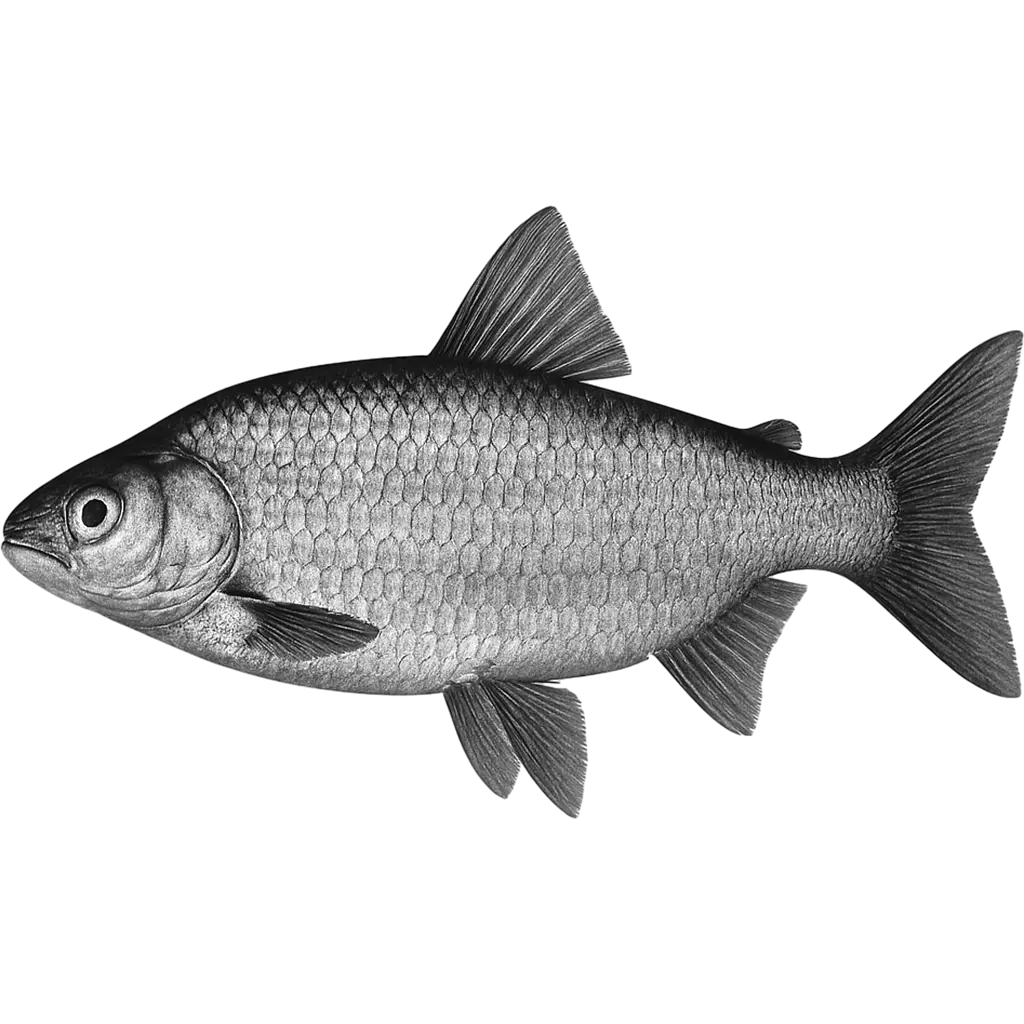
Coregonus Pennantii
Gwyniad
Deep, clear waters of Bala Lake
The Gwyniad displays an elegant and streamlined body, characterized by a slender, laterally compressed shape that enhances its buoyancy in clear, deep waters. Its skin glistens with a silvery sheen that reflects subtle hints of pale blue, while delicate, reflective scales form a smooth, almost ethereal surface. A gently rounded head with understated markings and graceful, flowing fins further contribute to its refined and understated beauty. Overall, the Gwyniad presents a mesmerizing appearance that perfectly adapts it to its pristine freshwater environment.
| Population: | Critically low; endemic to Bala Lake in Wales with very limited numbers remaining |
| Generation Length: | 4-5 years |
| Average Weight: | 0.5-1.0 kg |
| Average Length: | 30-40 cm |
| Lifespan: | 10-12 years in the wild, up to 15 years in captivity |
| Diet: | Omnivorous, gathering plankton and organic detritus |
| Conservation Status: | Critically Endangered (CR) |
The Gwyniad is a shy, reclusive fish that inhabits the clear depths of Bala Lake, where its behavior is marked by slow, deliberate movements and a tendency to seek shelter among underwater vegetation and rocky substrates. It typically swims in secluded areas, avoiding open water where predators may lurk, and is most active during dawn and dusk when the light is soft and diffuse. This species prefers calm, stable environments and exhibits subtle seasonal migrations within the lake, moving to areas with optimum oxygen levels and water clarity. These discreet behaviors allow the fish to remain largely undetected, thereby reducing the risk of predation and interference from human activities.
Feeding primarily on a diet of zooplankton, small invertebrates, and organic detritus, the Gwyniad plays a significant role in the lake's delicate ecosystem. It filters through the water with slow, deliberate movements, capturing nutritious food particles that float in the clear, cold depths. Its feeding behavior is generally opportunistic, taking advantage of seasonal blooms of plankton when available, and it also consumes microscopic organisms that support its metabolic functions. Through its diet, the fish obtains essential proteins, lipids, and carbohydrates that sustain its energy levels and promote healthy growth. Its efficient digestion contributes to the recycling of nutrients within the aquatic environment.
During the breeding season, the Gwyniad engages in broadcast spawning, releasing eggs and sperm simultaneously into the open water. This synchronized reproductive strategy maximizes genetic diversity and increases the chances of fertilization. Males and females perform brief but coordinated spawning events over multiple days, ensuring that eggs are distributed across various parts of the lake to enhance survival rates. This effective mating behavior is crucial for the continuation of the species.
Population estimates indicate that the Gwyniad is critically endangered, with only a few hundred individuals remaining in Bala Lake. Overfishing, habitat degradation, and pollution have severely reduced its numbers. Conservation programs are urgently needed to stabilize and eventually increase the population. Continued efforts in habitat restoration and sustainable fishing practices are vital for its survival. Focused research and strict management interventions are imperative to safeguard this unique species for future generations.
Classifications
The Key Attributes
Features
- Movement:
Swimming
- Territorial Behavior:
Largely non-territorial; exhibits solitary behavior
- Speed:
Moderate, with subtle bursts
- Diet:
Omnivorous, mainly planktonic invertebrates and zooplankton
- Physical Features:
- Slender, laterally-compressed body
- Pale, silvery coloration
- Delicate, reflective scales
- Well-developed fins
- Rounded head with subtle markings
- Primary Senses:
- Sight
- Lateral line sensitivity
Understanding Habitat and Range
Geography
- Habitat:
Deep, clear waters of Bala Lake
- Migration Patterns:
Non-migratory; localized movements within the lake
- Geographical Range:
Endemic to Bala Lake, Wales
- Climate Preferences:
Cool, temperate freshwater environments
Navigating the Wilderness
In the wild
- Predators:
Larger fish and birds, as well as human anglers
- Prey:
Zooplankton and small invertebrates
- Feeding Behavior:
Slow, deliberate swimming while filtering small organisms
- Diet:
Omnivorous, gathering plankton and organic detritus
- Defensive Mechanisms:
- Camouflage in clear water
- Subtle, evasive maneuvers
- Preferred Food Sources:
- Plankton-rich water
- Suspended organic particles
Insights Into Reproduction
Mating
- Mating System:
Broadcast spawning
- Number of Offspring:
Hundreds of eggs per spawning event
- Incubation Period:
Eggs hatch in 7-10 days after fertilization
- Parental Involvement:
- No parental care; eggs develop independently
Youngsters Section
Gwyniad
Fun Fact
The Gwyniad is a rare, endemic whitefish with a shimmering silver body.
Once abundant in Bala Lake, its numbers have drastically dwindled, making conservation efforts critical to preserving this uniquely adapted species for future generations.

Download word search puzzles
Word Search Puzzles


Check Out Other Fish
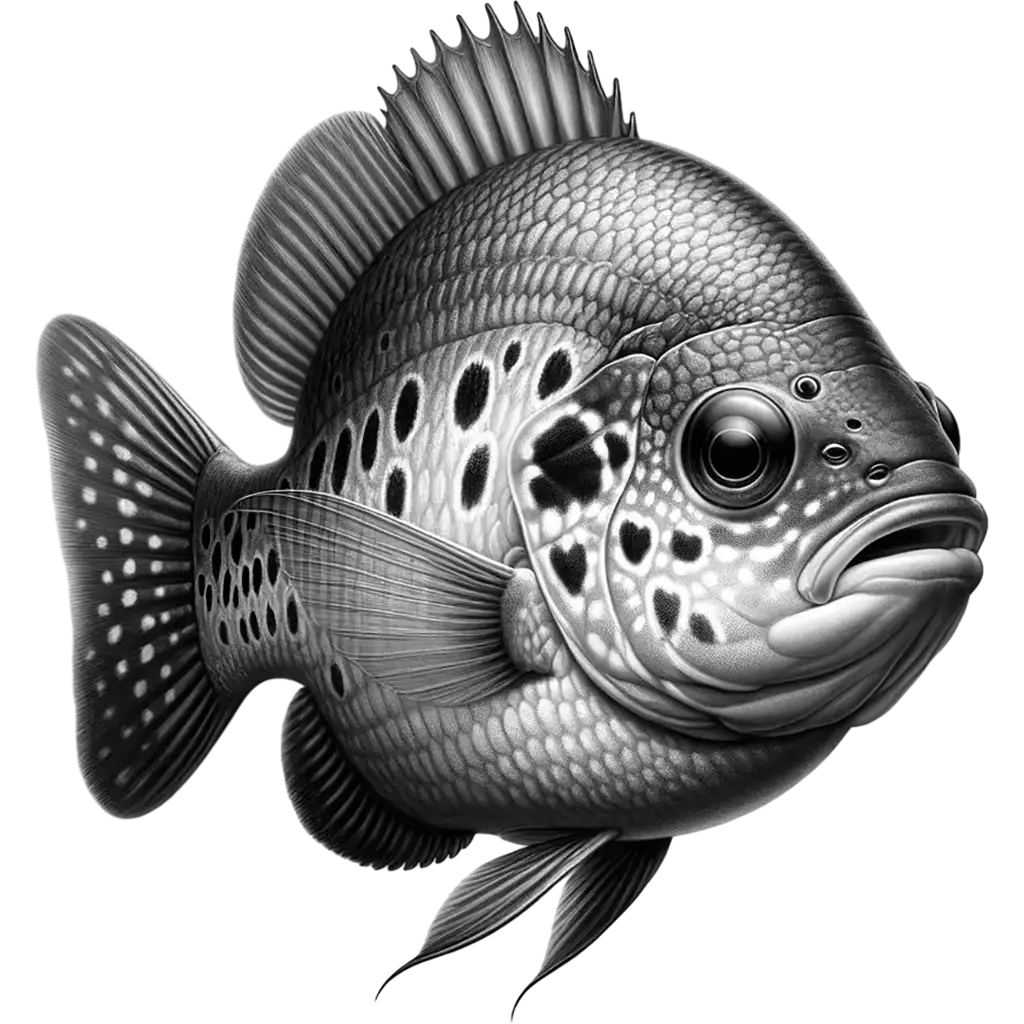
The Pumpkinseed, lepomis gibbosus, is a vibrant and popular freshwater fish, known for its striking coloration and sunfish family membership. Adults can reach up to 20 cm in length, though they commonly measure around 10 cm. Their bodies are laterally compressed with a round, disk-like shape, featuring an array of
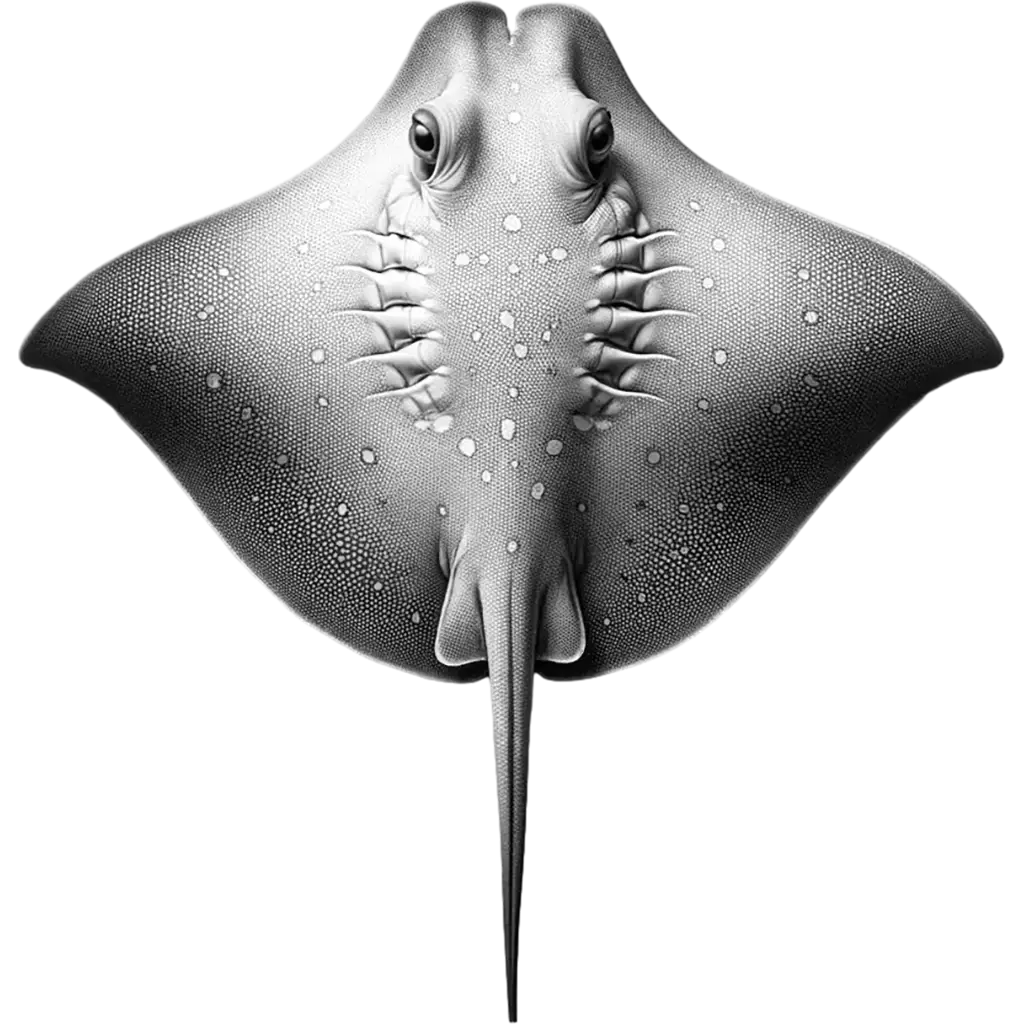
The Thornback Ray, raja clavata, is a species of cartilaginous fish in the family Rajidae, commonly found in the coastal waters of Europe and the Mediterranean Sea. This ray is easily recognizable by its kite-shaped body, which can grow up to 1 meter in length, and its dorsal surface covered
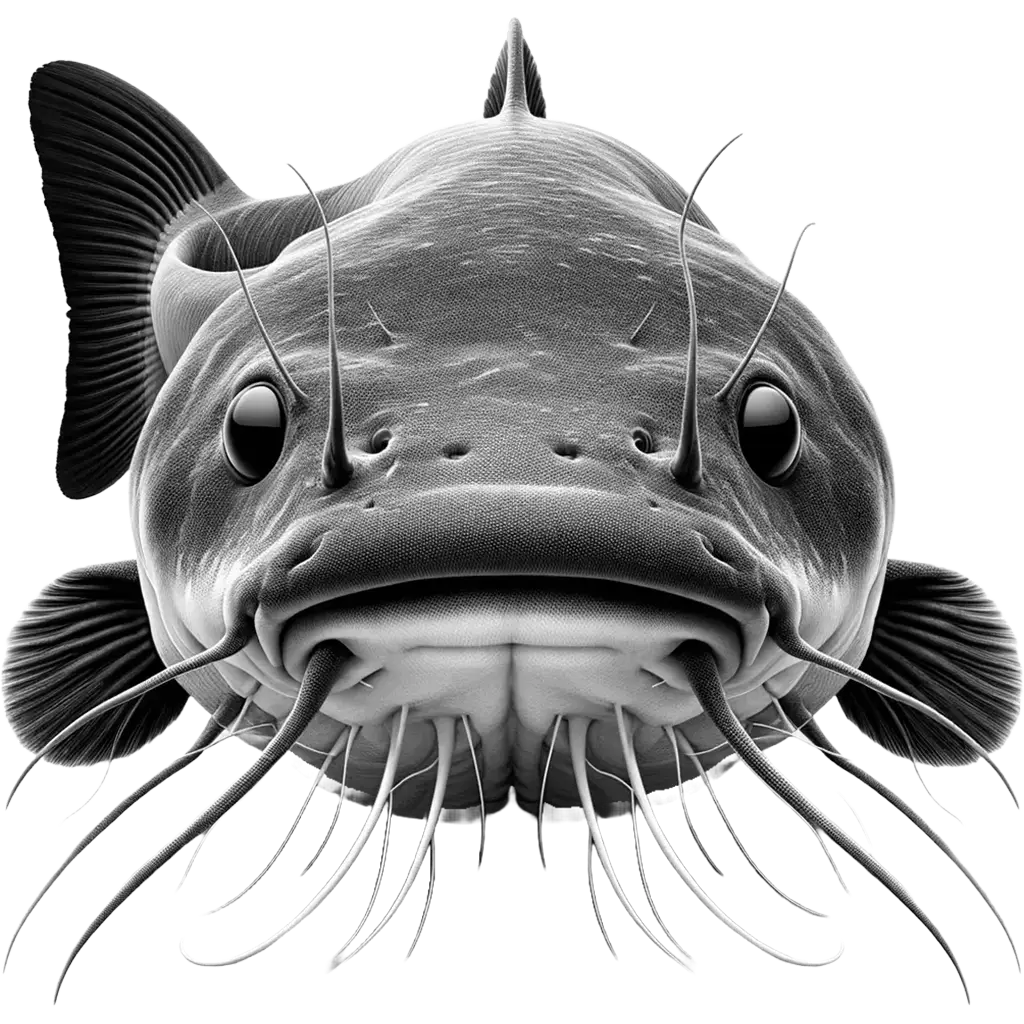
The Wels Catfish, silurus glanis, is one of the largest freshwater fish in Europe and parts of western Asia, renowned for its impressive size and predatory nature. Adult Wels Catfish can reach lengths of over 2 meters and weigh up to 150 kilograms, though most specimens are significantly smaller. They
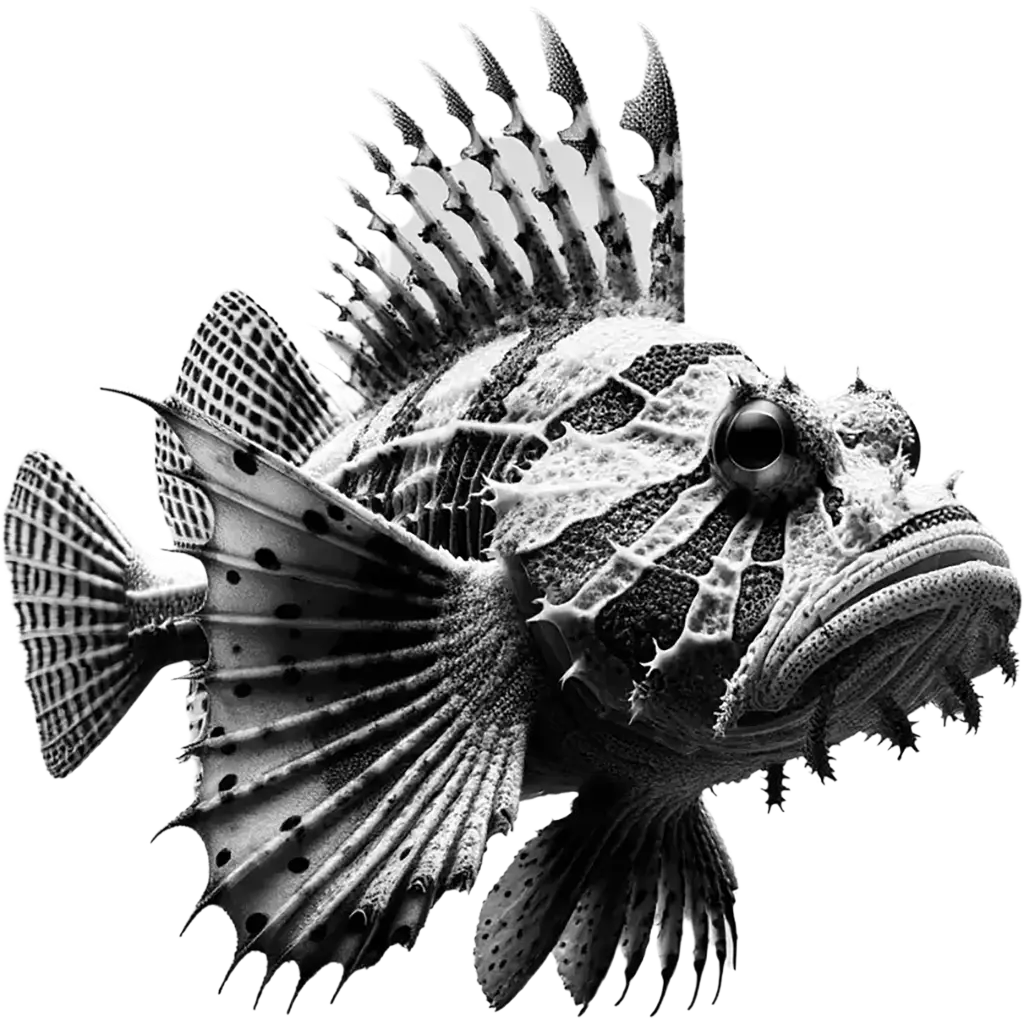
The Red Scorpionfish, pontinus furcirhinus, is a marine species known for its distinctive appearance and potent venom. Found in the deep waters of the Atlantic Ocean, including the Gulf of Mexico and the Caribbean Sea, this fish typically inhabits rocky bottoms and coral reefs at depths ranging from 100 to