
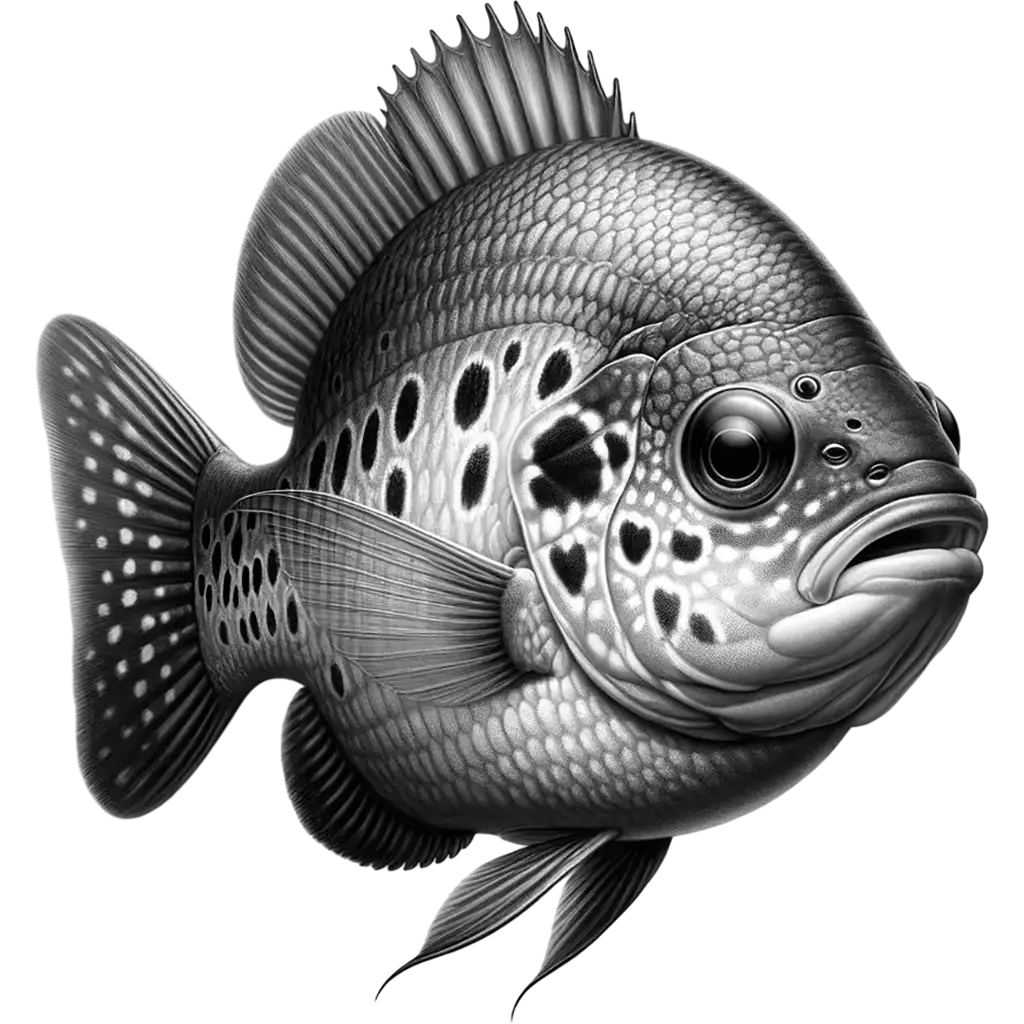
Lepomis Gibbosus
Pumpkinseed
Freshwater lakes, ponds, and slow-moving rivers and streams
The Pumpkinseed, lepomis gibbosus, is a vibrant and popular freshwater fish, known for its striking coloration and sunfish family membership. Adults can reach up to 20 cm in length, though they commonly measure around 10 cm. Their bodies are laterally compressed with a round, disk-like shape, featuring an array of colors including blue, orange, yellow, and green. The most distinctive markings are the blue streaks radiating from the mouth and the black opercular flap edged in red, resembling a human ear. These colors become even more pronounced in males during the breeding season, making them one of the most visually striking fish in North American waters.
| Population: | Listed as Least Concern, but can be invasive outside its native range |
| Generation Length: | 3-4 years |
| Average Weight: | 85-170 grams |
| Average Length: | 7-16 cm |
| Lifespan: | 6-8 years in the wild |
| Diet: | Varied, including insects, snails, small fish, and aquatic vegetation |
| Conservation Status: | Least Concern (LC) |
Native to the eastern United States and Canada, Pumpkinseeds have been introduced to various parts of Europe and South Africa, adapting well to a range of freshwater habitats. They prefer warm, still waters with abundant vegetation, such as ponds, lakes, and slow-moving streams, where they can find shelter and food. Their ability to thrive in diverse environments has contributed to their widespread distribution.
The diet of the Pumpkinseed is varied, including insects, crustaceans, and small mollusks, which they forage from the substrate and vegetation. This opportunistic feeding behavior allows them to play an important role in controlling insect populations and maintaining the ecological balance of their habitats.
Reproduction for Pumpkinseeds occurs in late spring to early summer, when water temperatures reach around 18°C. Males excavate nests in shallow waters, where they aggressively defend territories and attract females to lay eggs. After spawning, males guard the eggs and later the fry, displaying a high degree of parental care uncommon among fish.
While the population of the Pumpkinseed is considered stable and not currently at risk, their introduction outside their native range has raised ecological concerns. In some areas, they compete with native species for food and habitat, highlighting the importance of careful management and monitoring of introduced populations. Despite these challenges, the Pumpkinseed remains a favorite among anglers and aquarium enthusiasts, admired for its beauty and spirited behavior.
Classifications
The Key Attributes
Features
- Movement:
Swimming
- Territorial Behavior:
Can be territorial, especially during breeding season
- Speed:
Capable of quick, short bursts to catch prey or evade predators
- Diet:
Omnivore
- Physical Features:
- Round, laterally compressed body
- Colorful patterning with shades of orange, yellow, and red
- Small mouth with pharyngeal teeth for crushing shells
- Spiny dorsal fins for protection against predators
- Primary Senses:
- Sight
- Taste
- Hearing
Understanding Habitat and Range
Geography
- Habitat:
Freshwater lakes, ponds, and slow-moving rivers and streams
- Migration Patterns:
Non-migratory
- Geographical Range:
Native to North America, but introduced to various locations worldwide
- Climate Preferences:
Prefers temperate water conditions
Navigating the Wilderness
In the wild
- Predators:
Larger fish, birds, and turtles
- Prey:
Small invertebrates, algae, and aquatic plants
- Feeding Behavior:
Feeds on insects, crustaceans, and plant material, often foraging along the bottom or among aquatic vegetation
- Diet:
Varied, including insects, snails, small fish, and aquatic vegetation
- Defensive Mechanisms:
- Uses cover of vegetation and rapid swimming to escape predators
- Spiny fins deter predators from swallowing
- Preferred Food Sources:
- Shallow waters with ample vegetation and diverse invertebrate life
Insights Into Reproduction
Mating
- Mating System:
Polygynous
- Number of Offspring:
Up to several thousand eggs
- Incubation Period:
3-5 days
- Parental Involvement:
- Males guard and aerate the eggs until they hatch
Youngsters Section
Pumpkinseed
Fun Fact
Pumpkinseeds are a type of freshwater sunfish known for their vibrant colors and unique body shape.
They have a distinct, pumpkinseed-like body and a red-orange spot on the edge of their gill cover. Pumpkinseeds are popular among anglers and aquarists due to their striking appearance and adaptability to various freshwater environments.

Download word search puzzles
Word Search Puzzles


Check Out Other Fish
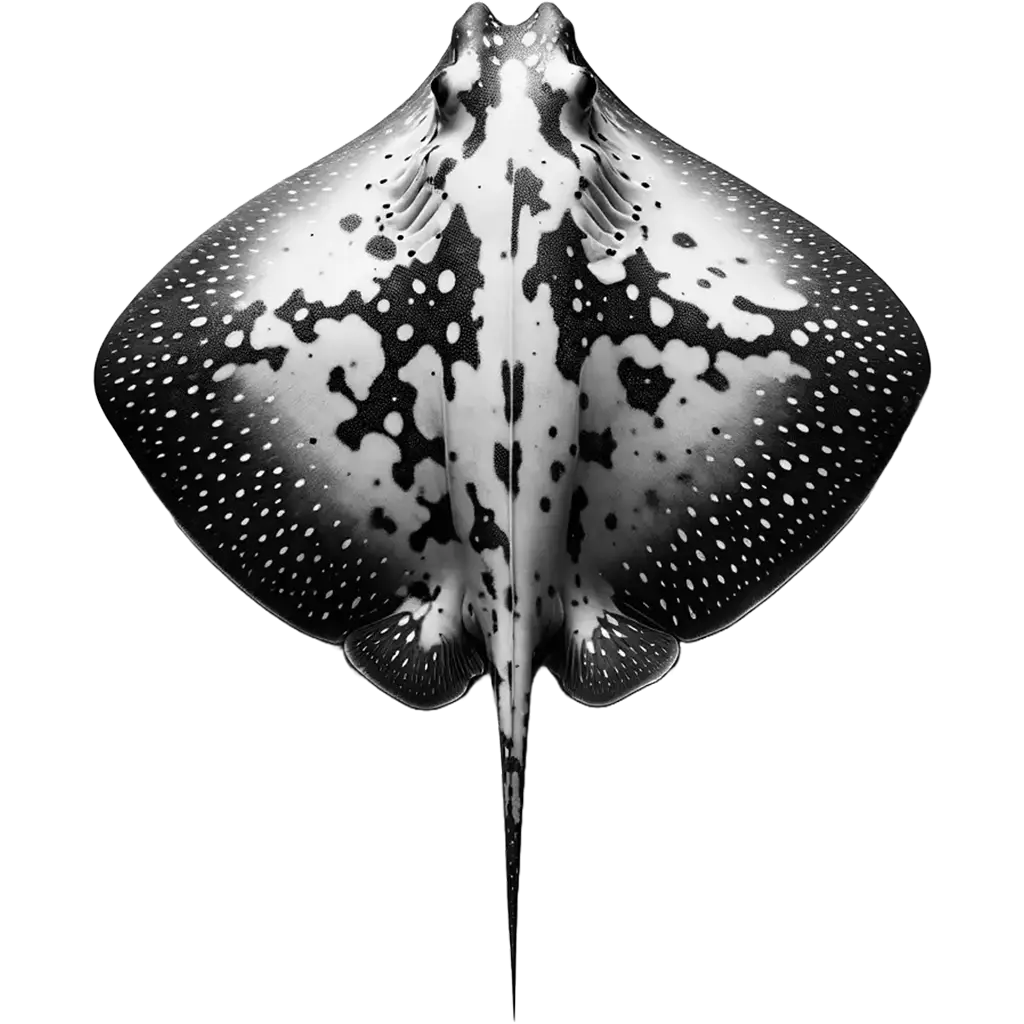
The Marbled Electric Ray, torpedo marmorata, is a peculiar and fascinating species of ray known for its ability to generate electrical charges. This medium-sized ray can reach lengths of up to 60 cm and is characterized by its rounded body, almost disk-like in shape, and a distinctive marbled pattern on
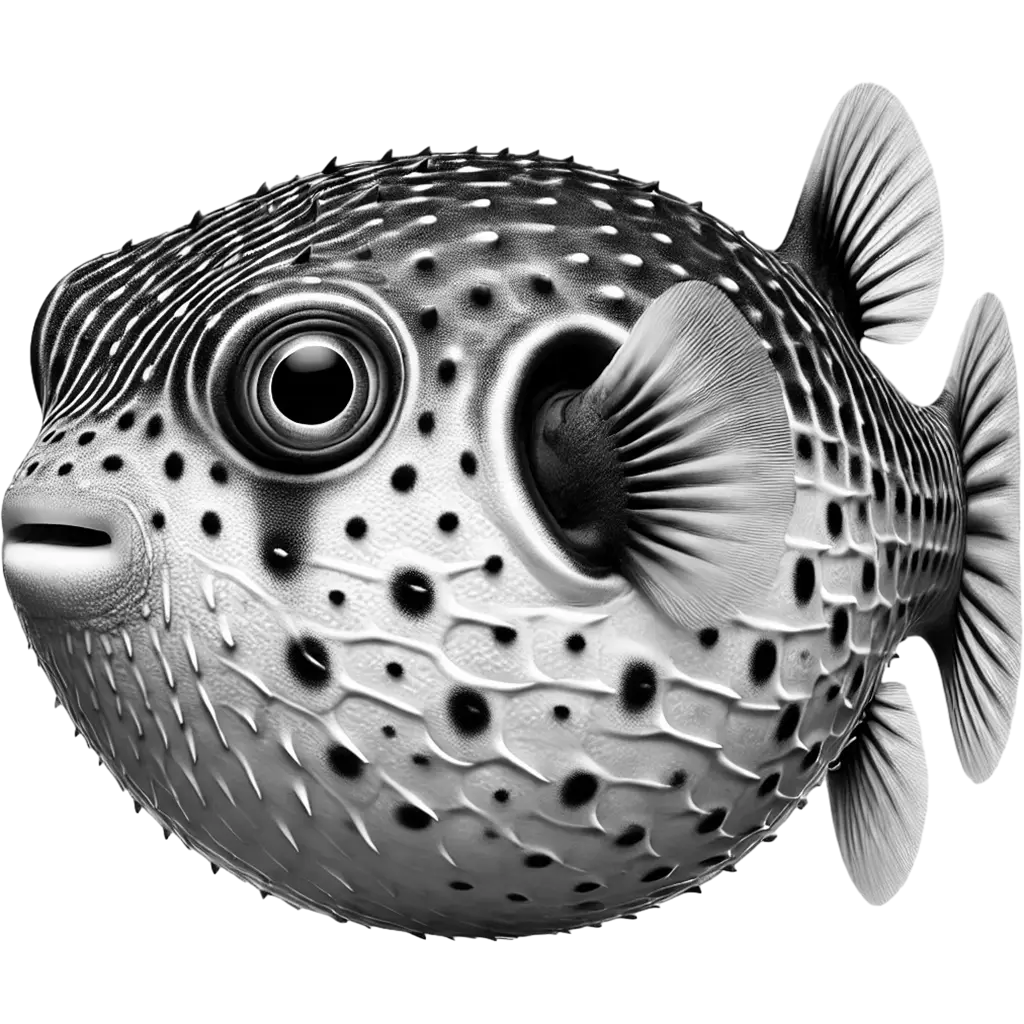
Pao abei is a striking freshwater pufferfish characterized by its compact, rounded body and subtle yet captivating coloration. Its skin features a blend of muted earth tones interspersed with faint patterns, providing effective camouflage among aquatic vegetation. The fish boasts large, expressive eyes and a slightly elongated snout that gives
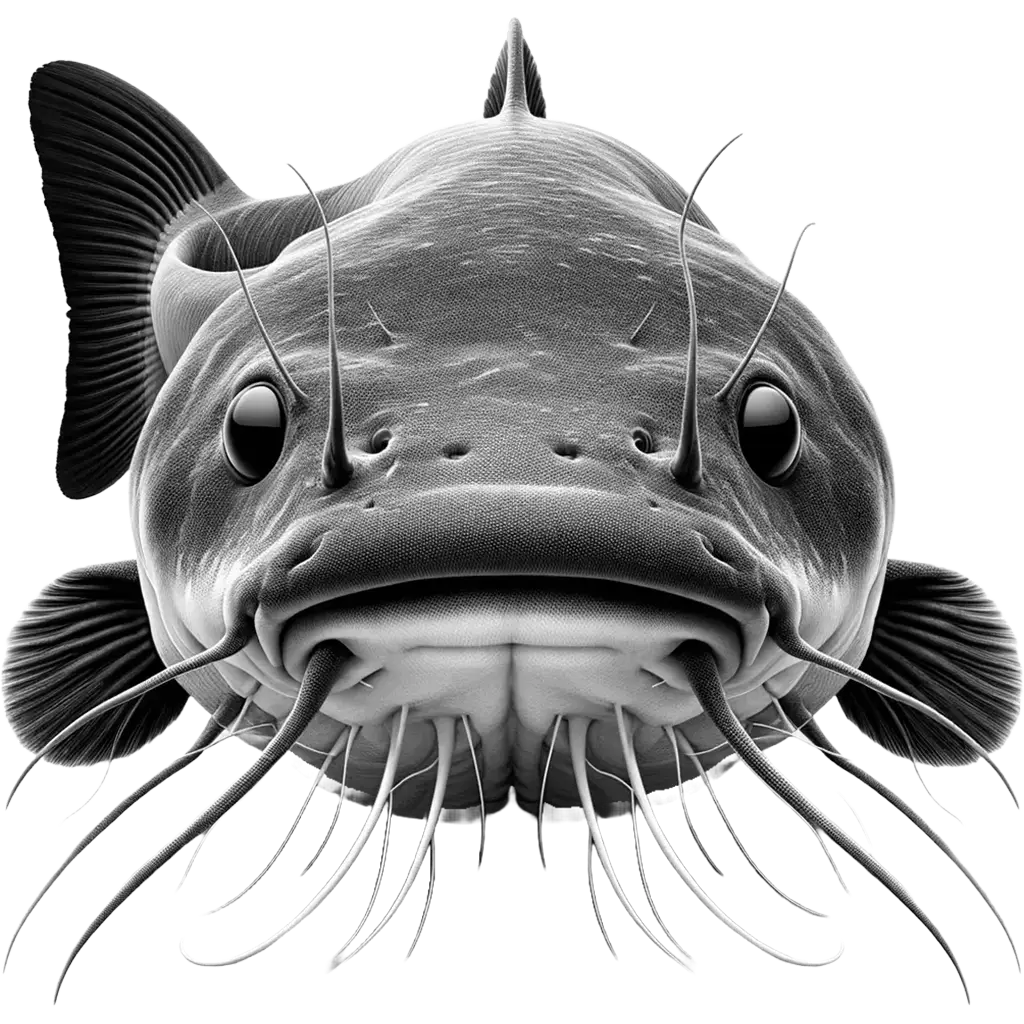
The Wels Catfish, silurus glanis, is one of the largest freshwater fish in Europe and parts of western Asia, renowned for its impressive size and predatory nature. Adult Wels Catfish can reach lengths of over 2 meters and weigh up to 150 kilograms, though most specimens are significantly smaller. They

The Sawback Angelshark (Squatina aculeata) displays a striking, flattened body that closely resembles a ray. Its broad, wedge-shaped form is covered with a textured, mottled skin featuring a series of jagged, saw-like spines along its dorsal surface. The eyes and spiracles are positioned on the top of its head, while