
Pao Abei
Pao Abei
Freshwater rivers and streams
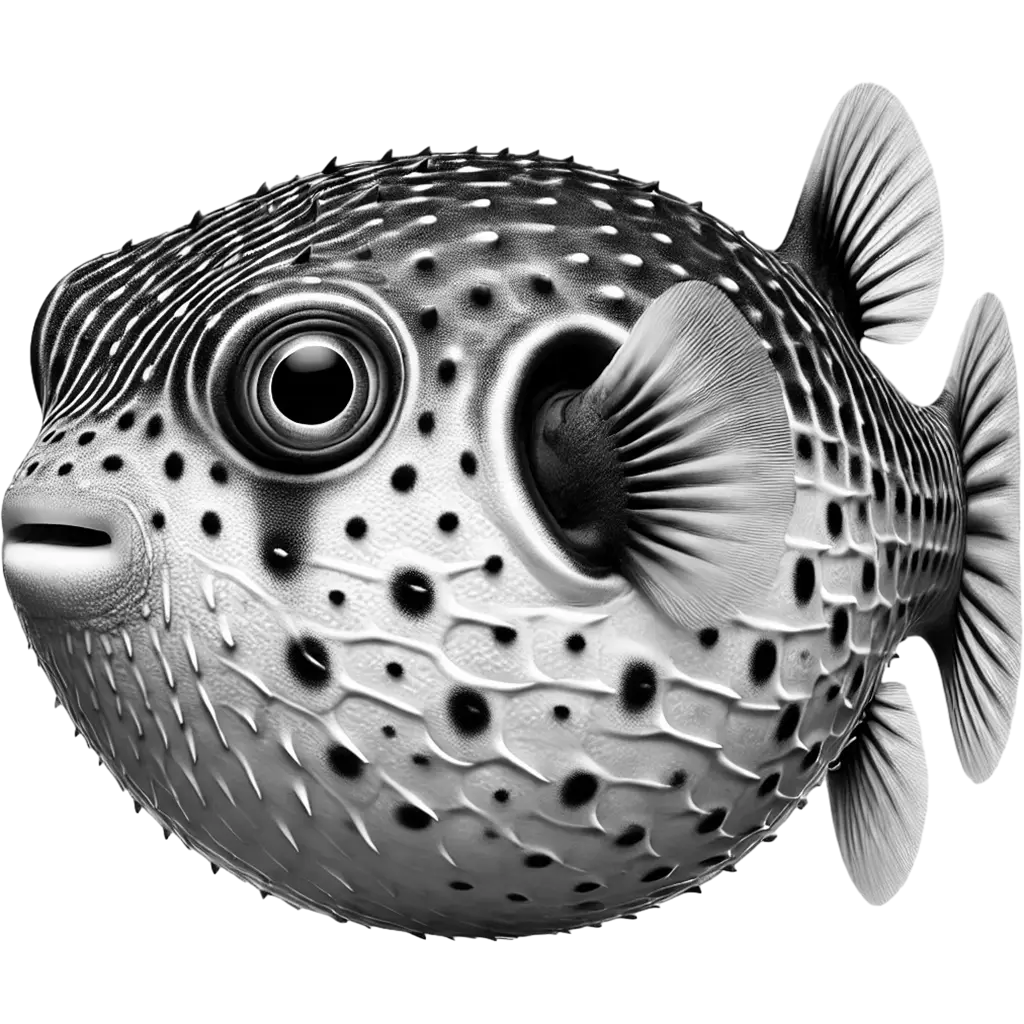
Pao abei is a striking freshwater pufferfish characterized by its compact, rounded body and subtle yet captivating coloration. Its skin features a blend of muted earth tones interspersed with faint patterns, providing effective camouflage among aquatic vegetation. The fish boasts large, expressive eyes and a slightly elongated snout that gives it a unique facial structure. Delicate fins extend gracefully along its sides, and its notable inflation ability further distinguishes its appearance, making it both intriguing and resilient in its natural habitat.
| Population: | Not specified |
| Generation Length: | 2-3 years |
| Average Weight: | 300-400 grams |
| Average Length: | Up to 10.3 cm |
| Lifespan: | 5-7 years |
| Diet: | Carnivorous, feeding on mollusks and small fish |
| Conservation Status: | Least Concern (LC) |
Pao abei exhibits a fascinating lifestyle well adapted to the dynamic freshwater environments it inhabits. This species is known for its crepuscular activity, becoming more active during the early morning and twilight hours when water temperatures are optimal. It prefers slow-moving or still waters rich in vegetation, where it can blend into the surroundings and hide from predators. Highly territorial by nature, Pao abei demonstrates complex social behaviors, often establishing well-defined territories. It frequently engages in exploratory actions, seeking shelter among submerged logs and rocky outcrops, and its agile movements allow it to navigate intricate underwater landscapes with ease, ensuring effective foraging and timely escapes from threats.
Pao abei maintains a varied diet that plays a crucial role in its survival and overall health. As an omnivorous fish, it feeds on a mixture of plant matter and small aquatic animals. Its diet includes algae, aquatic plants, and detritus, supplemented by small invertebrates such as crustaceans, worms, and insect larvae. Occasionally, it may consume smaller fish or eggs when the opportunity arises, demonstrating a flexible approach to feeding. The digestive system is well adapted to break down both fibrous plant material and protein-rich animal matter, allowing it to extract essential nutrients efficiently and sustain its active lifestyle.
Mating in Pao abei is a seasonal and ritualistic process marked by elaborate courtship displays. During the breeding season, males exhibit vivid color changes and engage in synchronized swimming patterns to attract females. The pair bond is typically brief, with both partners displaying mutual interest before the female lays eggs in carefully selected, sheltered sites, ensuring the offspring's optimal chance for survival.
Pao abei is found in scattered populations across Southeast Asian freshwater systems, where its numbers are influenced by habitat quality and environmental stability. While it is not currently classified as endangered, local populations may fluctuate due to water pollution and habitat disruption. Conservation efforts are in place to monitor its distribution and maintain the ecological balance within its native environment. These measures ensure long-term survival.
Classifications
The Key Attributes
Features
- Movement:
Freshwater; non-migratory
- Territorial Behavior:
Aggressive and territorial
- Speed:
Not specified
- Diet:
Carnivore
- Physical Features:
- Numerous pale spots uniformly distributed over a dark background
- Orange spots in certain live specimens
- Primary Senses:
- Sight
- Smell
Understanding Habitat and Range
Geography
- Habitat:
Freshwater rivers and streams
- Migration Patterns:
Non-migratory
- Geographical Range:
Mekong, Chao Phraya, and Mae Klong river basins in Southeast Asia
- Climate Preferences:
Tropical
Navigating the Wilderness
In the wild
- Predators:
Not specified
- Prey:
Mollusks and small fish
- Feeding Behavior:
Molluscivorous and opportunistic piscivorous
- Diet:
Carnivorous, feeding on mollusks and small fish
- Defensive Mechanisms:
- Inflation of the body to deter predators
- Preferred Food Sources:
- Mollusks
- Small fish
Insights Into Reproduction
Mating
- Mating System:
Not specified
- Number of Offspring:
Not specified
- Incubation Period:
Not specified
- Parental Involvement:
- Males guard the clutch until larvae hatch
Youngsters Section
Pao Abei
Fun Fact
Pao abei can rapidly change its coloration based on mood, especially during courtship or when excited, displaying vibrant yellow or orange spots on a dark background.
Pao Abei is a carnivorous species, preying on smaller fish and invertebrates. It's a relatively peaceful fish but can be territorial, especially during breeding season.

Download word search puzzles
Word Search Puzzles


Check Out Other Fish
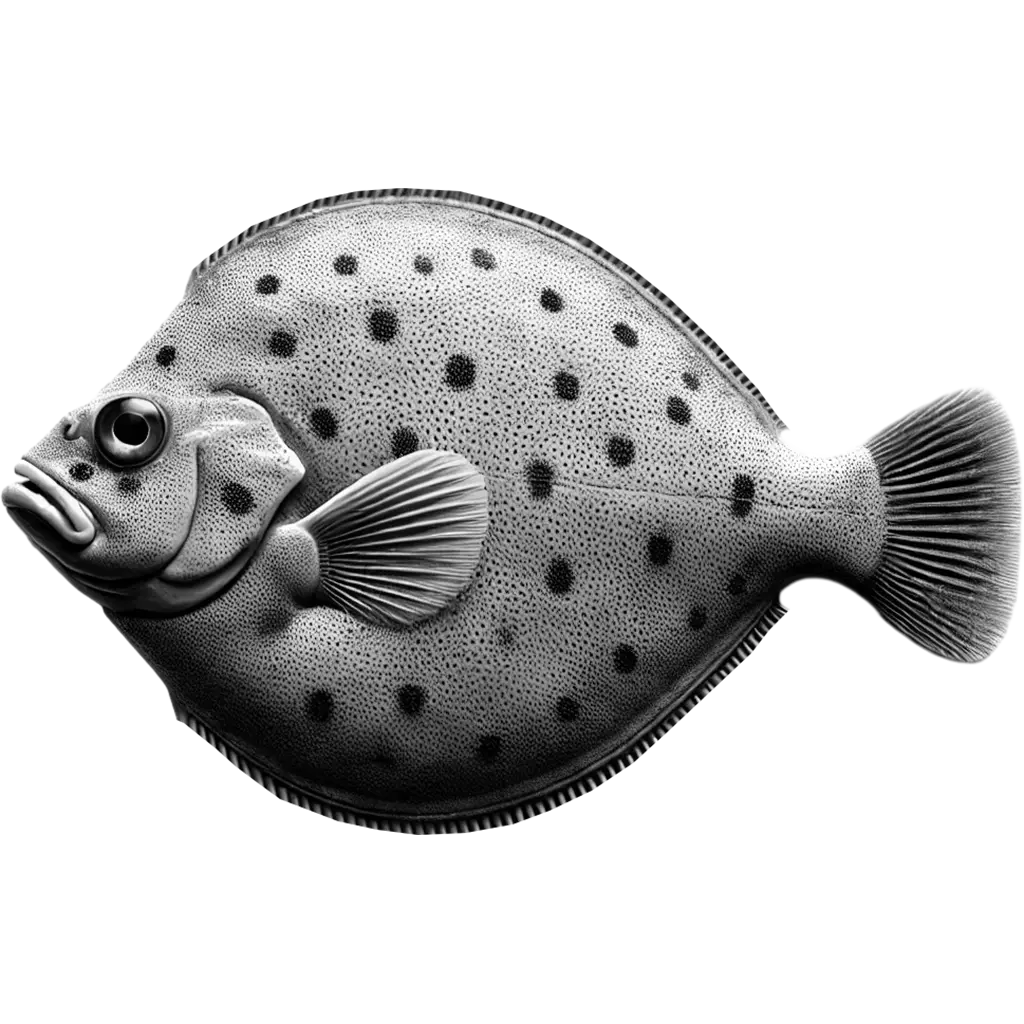
The Egyptian Sole is a flatfish species characterized by its oval-shaped, dorsoventrally flattened body. The upper side displays a greyish-brown coloration with four wide olive-colored saddles, while the underside is white. A distinctive black blotch marks the pectoral fin on the eyed side. Adults can reach up to 65 cm

The False Scad is a moderately large marine fish, reaching up to 60 cm in length and weighing up to 1 kg, though more commonly around 35 cm. It has an elongate, slightly compressed body with a bluish-green to olive green-brown back and a silvery white underside. A narrow yellow
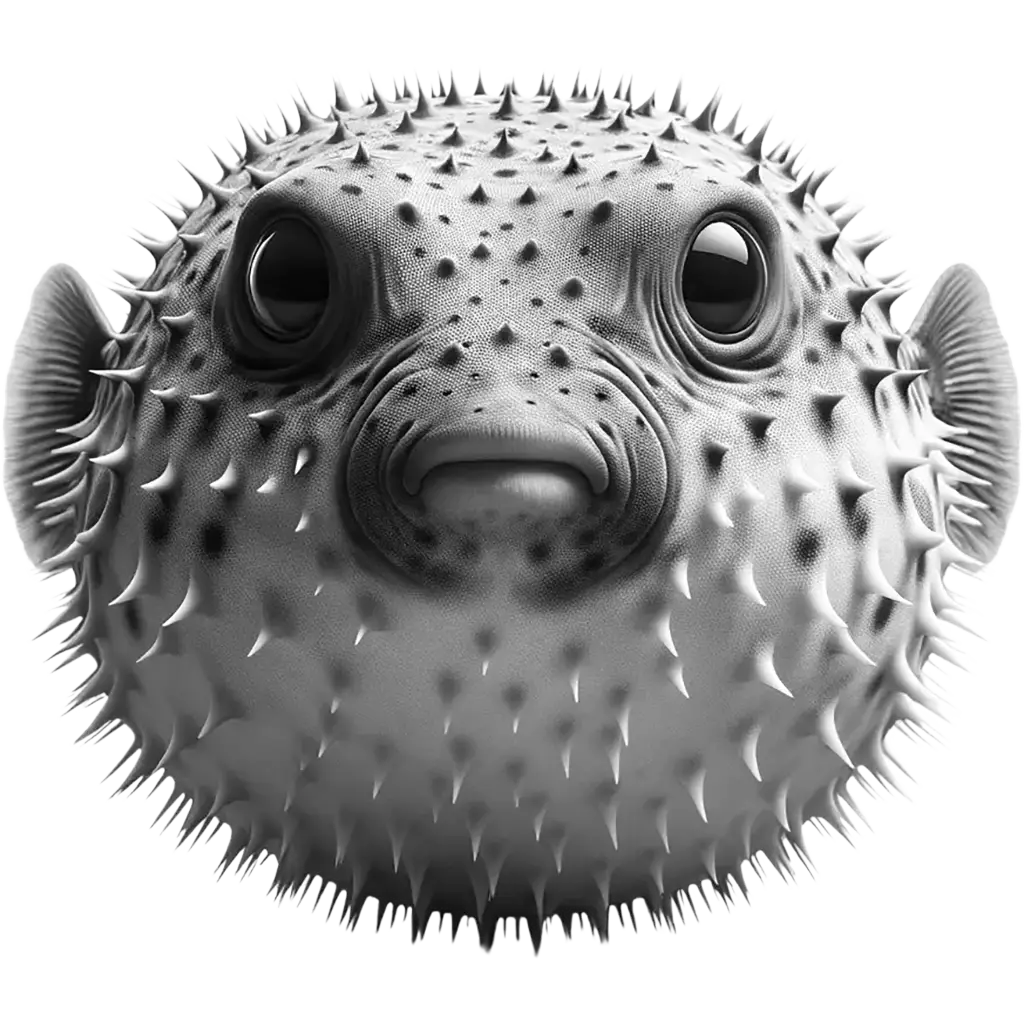
The Fahaka Pufferfish, tetraodon lineatus, also known as the Nile Puffer, is a freshwater species distinguished by its striking appearance and intriguing behavior. This robust fish can grow up to 45 cm (18 inches) in length, showcasing a body covered in intricate patterns of yellow and dark lines that provide
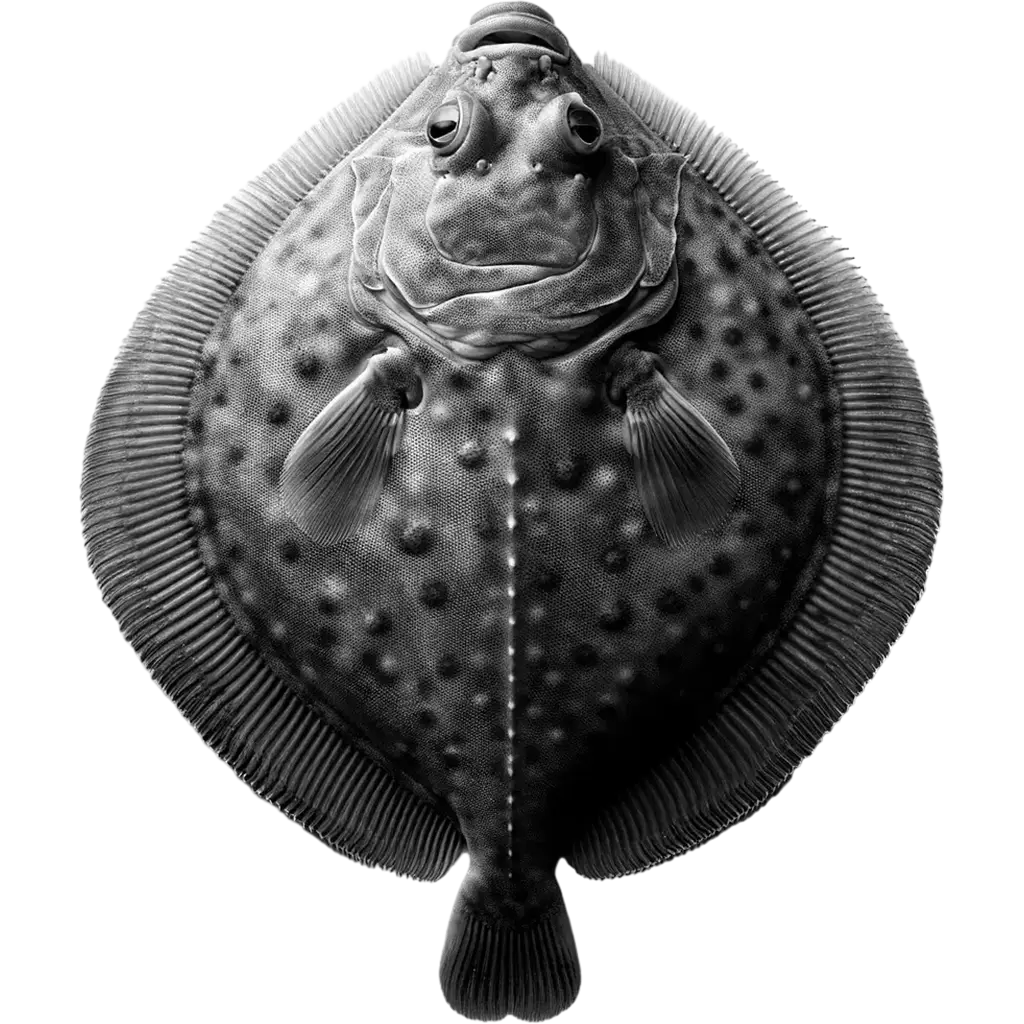
The European Plaice, pleuronectes platessa, is a flatfish species renowned for its distinctive appearance and significant value to commercial fisheries. This species has a smooth, oval body that is adapted to lie flat on the seabed, with both eyes located on its right side. The skin is dark green to