
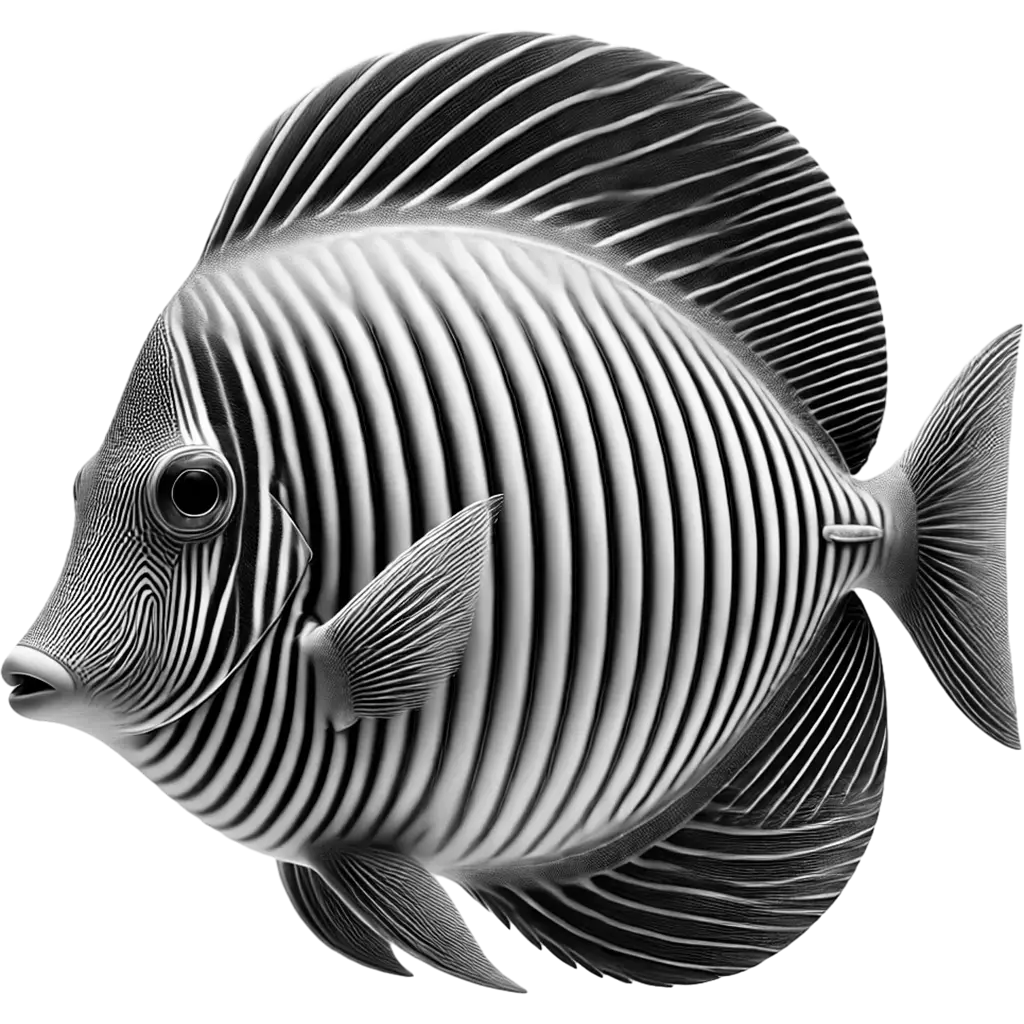
Zebrasoma Velifer
Sailfin Tang
Coral reefs, lagoons, and nearshore areas with abundant coral and algae
The Sailfin Tang exhibits a laterally compressed, oval-shaped body adorned with shimmering scales that reflect a spectrum of colors under sunlight. Its most distinctive feature is a large, sail-like dorsal fin that stretches gracefully along its back, displaying vibrant hues of yellow and blue. The streamlined body and angular head, accented by bright, alert eyes, create an elegant, dynamic appearance that is both captivating and perfectly adapted for life among coral reefs.
| Population: | Common in healthy coral reefs, but declines occur due to coral bleaching and aquarium trade |
| Generation Length: | 5 years |
| Average Weight: | Approximately 300-500 grams |
| Average Length: | Approximately 25-30 cm |
| Lifespan: | Approximately 8-10 years in the wild |
| Diet: | Primarily herbivorous, contributing to reef health by controlling algal growth |
| Conservation Status: | Least Concern (LC) |
In its natural habitat, the Sailfin Tang is highly active, often seen darting between coral outcrops and open reef areas with remarkable agility. It thrives in the bustling, vibrant environment of healthy coral reefs, where social interactions and schooling behavior are common. This tang navigates complex reef structures with ease, using its swift, agile movements to explore crevices and open spaces alike. Its behavior is marked by periods of quiet grazing interspersed with energetic bursts when threatened or during feeding.
Feeding primarily on benthic algae, the Sailfin Tang plays an essential role in controlling algal growth on coral surfaces. It uses its specialized, scraping teeth to efficiently remove algae from rocks and coral, thereby preventing overgrowth that can smother reefs. Occasionally, it supplements its diet with small invertebrates, though algae constitute the majority of its nutritional intake. This herbivorous feeding strategy not only meets its energy needs but also contributes significantly to the overall health and balance of its marine ecosystem.
During the breeding season, Sailfin Tangs form loose aggregations to facilitate spawning. Males and females engage in synchronized swimming displays, releasing eggs and sperm into the water in a coordinated event. This brief yet intense mating ritual, characterized by precise timing and mutual display, ensures genetic diversity and marks a critical reproductive period in the species' life cycle.
The Sailfin Tang is widely distributed across the central and western Pacific, commonly found in vibrant, healthy coral reef ecosystems. Although not currently considered threatened, its populations are vulnerable to coral bleaching, reef degradation, and over-collection for aquaria. Continued conservation efforts and sustainable management of reef habitats are essential to safeguard this species and the delicate ecosystems it inhabits.
Classifications
The Key Attributes
Features
- Movement:
Agile and swift, the Sailfin Tang maneuvers gracefully through coral reef environments, making quick turns and sudden bursts when needed.
- Territorial Behavior:
Generally non-territorial; often seen schooling with conspecifics without aggressive displays.
- Speed:
Capable of rapid bursts during escapes or feeding.
- Diet:
Herbivorous; primarily consumes benthic algae, with occasional intake of small invertebrates.
- Physical Features:
- Laterally compressed, oval-shaped body
- A large, sail-like dorsal fin with vibrant hues
- Shimmering scales that reflect light
- Streamlined profile ideal for agile swimming
- Primary Senses:
- Sight
- Lateral line sensitivity
Understanding Habitat and Range
Geography
- Habitat:
Coral reefs, lagoons, and nearshore areas with abundant coral and algae
- Migration Patterns:
Non-migratory; local movements occur in response to food availability and reef conditions
- Geographical Range:
Found in the central and western Pacific Ocean
- Climate Preferences:
Tropical marine environments with warm, clear waters
Navigating the Wilderness
In the wild
- Predators:
Larger predatory fish and occasional human collection
- Prey:
Benthic algae and occasional small invertebrates
- Feeding Behavior:
Forages by grazing on algae-coated surfaces on rocks and coral, often using slow, deliberate movements
- Diet:
Primarily herbivorous, contributing to reef health by controlling algal growth
- Defensive Mechanisms:
- Camouflage among reef structures
- Rapid burst swimming to evade predators
- Preferred Food Sources:
- Algae
- Benthic plant material
Insights Into Reproduction
Mating
- Mating System:
Aggregative spawner; individuals briefly come together for spawning during the breeding season
- Number of Offspring:
Variable; large numbers of eggs are released during spawning events
- Incubation Period:
Oviparous; eggs hatch after a short incubation period in the open water
- Parental Involvement:
- No parental care; eggs and larvae develop independently
Youngsters Section
Sailfin Tang
Fun Fact
The sailfin tang is a striking fish with a tall, sail-like fin that gives it a graceful, majestic appearance as it swims!
With its vibrant colors and unique shape, the sailfin tang glides smoothly through the water, blending beautifully with coral reefs. It's a social fish, often seen swimming with others in peaceful harmony.

Download word search puzzles
Word Search Puzzles


Check Out Other Fish

The Blobfish, psychrolutes marcidus, scientifically referred to as members of the family Psychrolutidae, are deep-sea fish known for their unique, gelatinous appearance that has captivated public imagination. These fish typically inhabit the deep waters off the coasts of mainland Australia and Tasmania, as well as New Zealand, living at depths
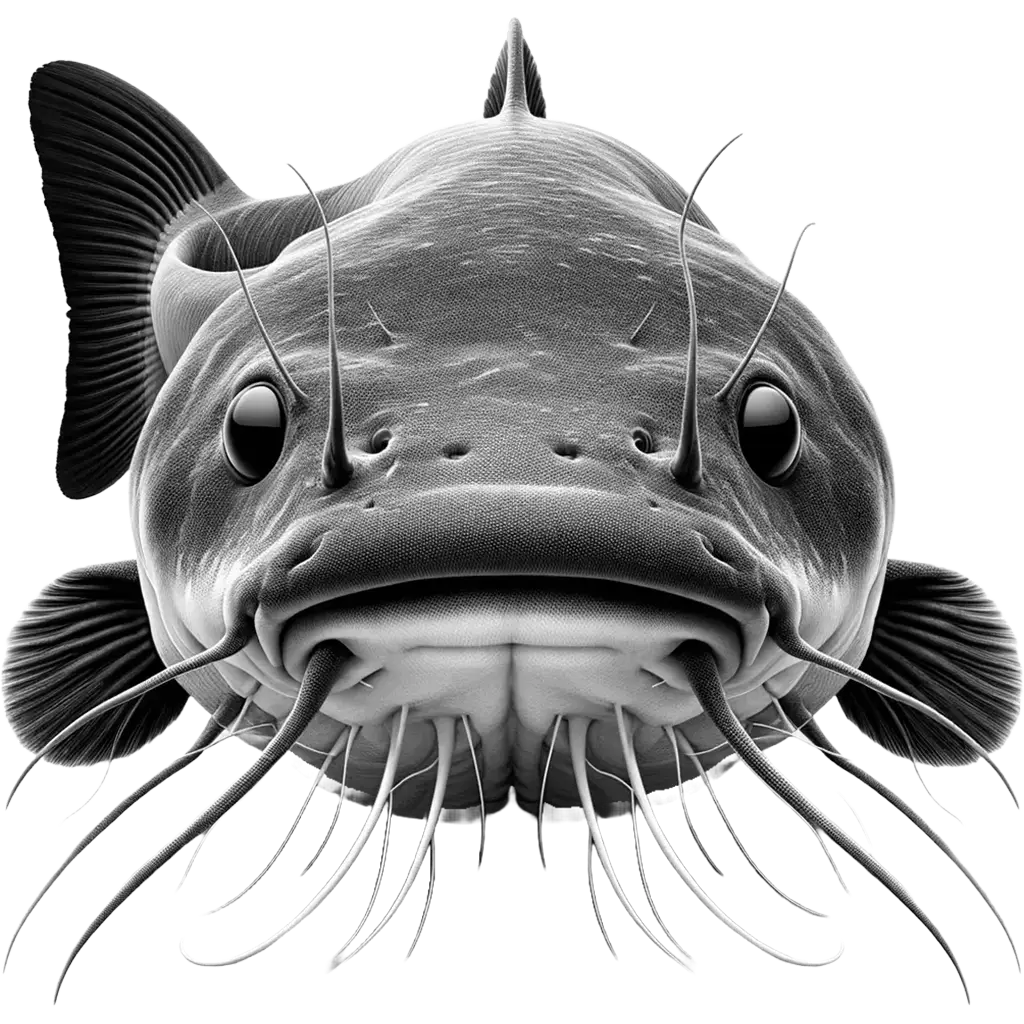
The Wels Catfish, silurus glanis, is one of the largest freshwater fish in Europe and parts of western Asia, renowned for its impressive size and predatory nature. Adult Wels Catfish can reach lengths of over 2 meters and weigh up to 150 kilograms, though most specimens are significantly smaller. They
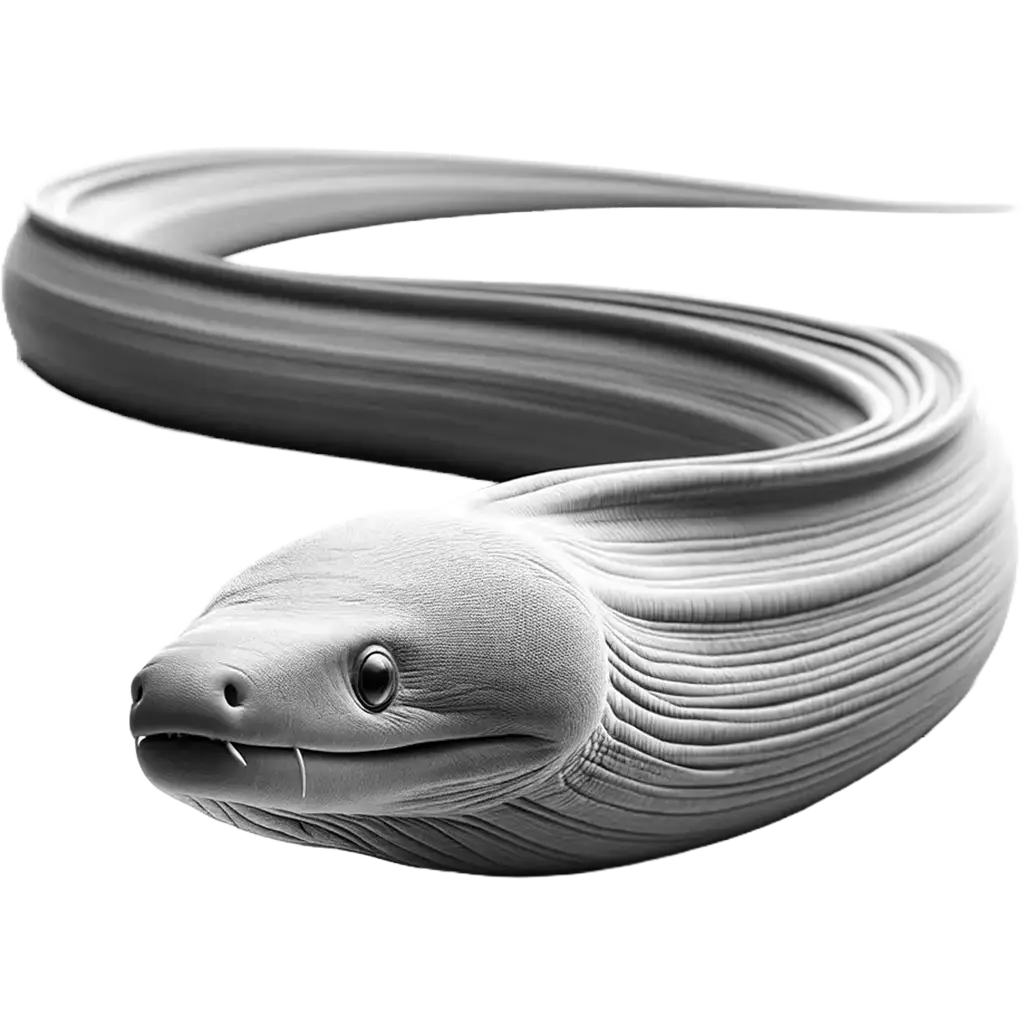
The Electric Eel, electrophorus electricus, is a fascinating species of fish known for its ability to generate powerful electric shocks. This remarkable creature is found in the freshwater habitats of the Amazon and Orinoco River basins in South America. Despite its name, it is not a true eel but is
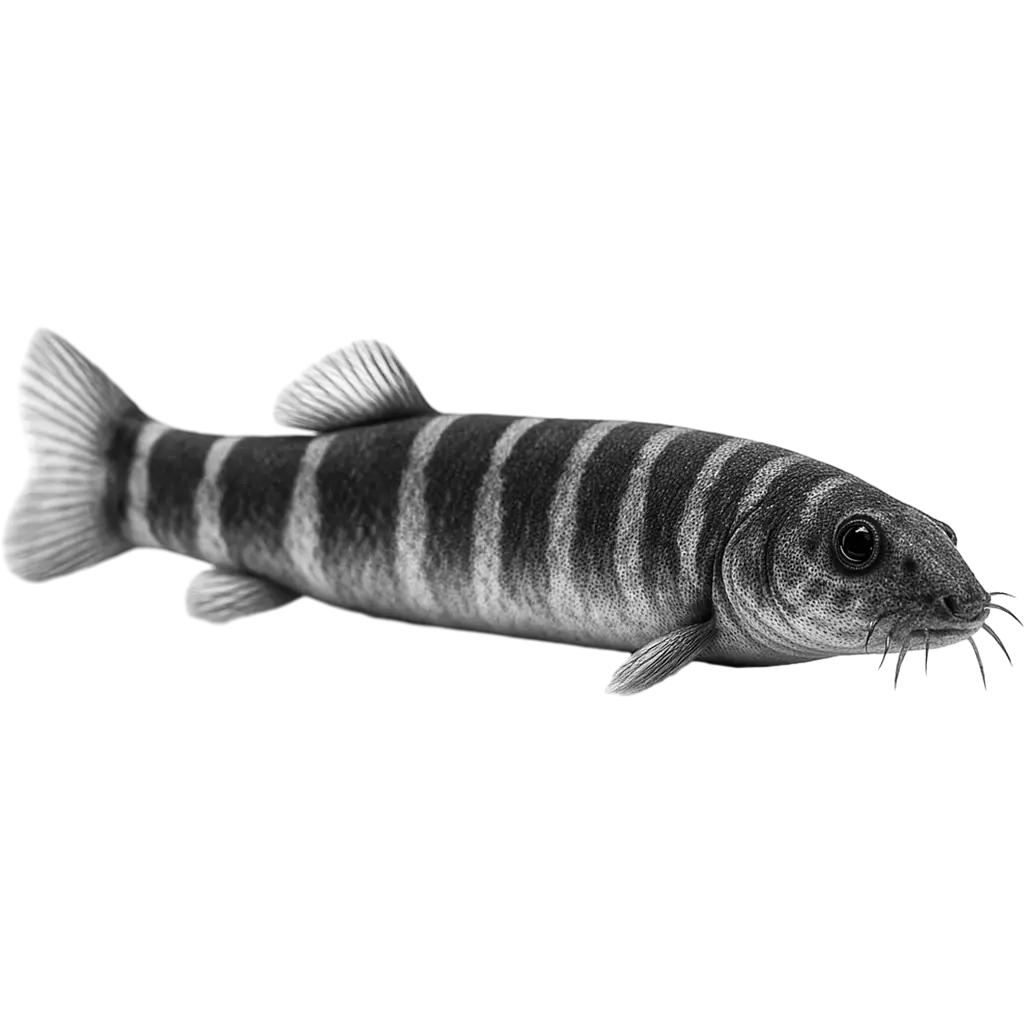
The Java Loach has a distinctive, elongated body slender like an eel, measuring between five and ten centimeters long. Its smooth skin bears alternating dark and light bands that provide camouflage among leaf litter and muddy substrates. Small, beady eyes sit just above a downward-facing mouth fringed with six sensory