
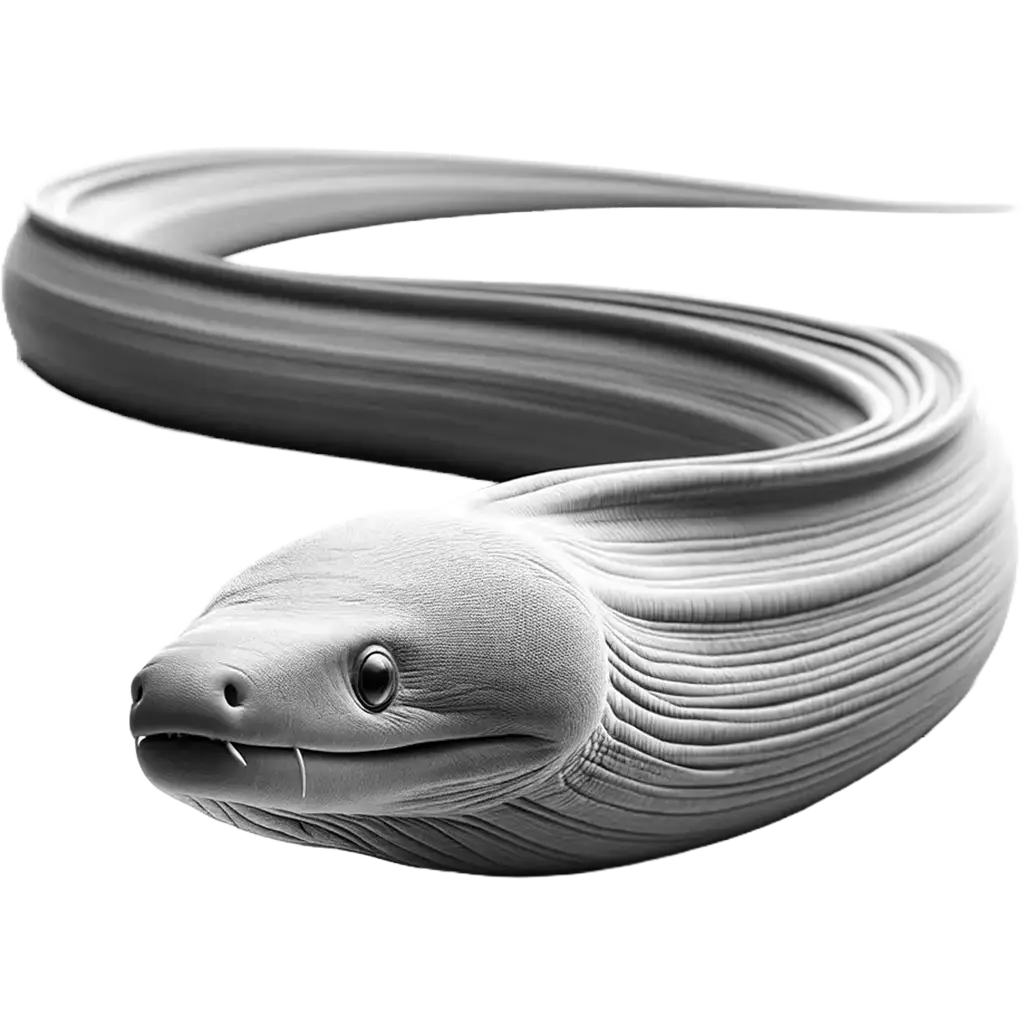
Electrophorus Electricus
Electric Eel
Freshwater environments, primarily in the Amazon and Orinoco river basins
The Electric Eel, electrophorus electricus, is a fascinating species of fish known for its ability to generate powerful electric shocks. This remarkable creature is found in the freshwater habitats of the Amazon and Orinoco River basins in South America. Despite its name, it is not a true eel but is closely related to the catfish. Adult Electric Eels can grow up to 2 meters in length and weigh as much as 20 kilograms, making them one of the largest species of electric fish. They have a cylindrical, snake-like body that is dark green or grayish on the top, with a yellowish or orange underbelly.
| Population: | Not thoroughly assessed, but not currently considered endangered |
| Generation Length: | Approximately 5 years |
| Average Weight: | 20 kg |
| Average Length: | 1.8-2.5 meters |
| Lifespan: | 10-15 years in the wild |
| Diet: | Feeds on a variety of aquatic animals |
| Conservation Status: | Least Concern (LC) |
Electric Eels are solitary creatures that inhabit murky waters of swamps, creeks, small rivers, and floodplains where they can be hidden from predators and find ample food. They rely on their electric organs to navigate, communicate, and forage in these low-visibility environments. These organs are also used defensively to stun or deter potential threats and offensively to incapacitate prey.
The diet of the Electric Eel primarily consists of fish, invertebrates, amphibians, and occasionally small mammals and birds that happen to fall into the water. They detect and stun their prey using low-level electric discharges and then use higher voltage shocks to immobilize them before ingestion. This unique hunting method allows the Electric Eel to be a dominant predator in its environment.
Reproduction involves a fascinating behavior where the male creates a nest from saliva during the dry season. The female then lays her eggs in this nest, and the male guards them until they hatch. This level of parental care is relatively rare among fish and highlights the unique aspects of Electric Eel biology.
The population of the Electric Eel is currently not considered at risk, but they face potential threats from habitat degradation and pollution. Conservation efforts are focused on preserving the freshwater ecosystems of the Amazon and Orinoco basins. The Electric Eel's unique characteristics have made it a subject of interest in both scientific research, particularly in the study of bioelectrogenesis, and in popular culture, where it is often depicted as a powerful natural force.
Classifications
The Key Attributes
Features
- Movement:
Swimming
- Territorial Behavior:
Solitary and territorial
- Speed:
Not known for speed but for stealth and the element of surprise in predation
- Diet:
Carnivore
- Physical Features:
- Long, snake-like body
- No scales
- Mouth contains sharp teeth
- Electric organs along the body capable of generating strong electric shocks
- Primary Senses:
- Electroreception
- Sight
- Taste
Understanding Habitat and Range
Geography
- Habitat:
Freshwater environments, primarily in the Amazon and Orinoco river basins
- Migration Patterns:
Non-migratory, sedentary in its freshwater habitat
- Geographical Range:
South America, particularly in the Amazon and Orinoco river basins
- Climate Preferences:
Tropical freshwater ecosystems
Navigating the Wilderness
In the wild
- Predators:
Few due to its electric shock ability; mainly large fish, caimans, and humans
- Prey:
Fish, amphibians, and occasionally small mammals and birds
- Feeding Behavior:
Uses electric shocks to stun prey before consuming, primarily feeds at night
- Diet:
Feeds on a variety of aquatic animals
- Defensive Mechanisms:
- Electric shock to deter predators and incapacitate prey
- Camouflage in muddy waters
- Preferred Food Sources:
- Waters with abundant fish and other potential prey species
Insights Into Reproduction
Mating
- Mating System:
Not well documented, but believed to be polygynous
- Number of Offspring:
Hundreds to thousands of eggs
- Incubation Period:
10-12 days
- Parental Involvement:
- Limited; eggs are laid in nests created by the male
Youngsters Section
Electric Eel
Fun Fact
Electric eels can generate electric shocks strong enough to knock down a horse.
These fascinating creatures use their electric abilities for hunting and self-defense. They can produce three types of electric organ discharges: low voltage for navigation and communication, and high voltage for hunting and protection. Electric eels can reach up to eight feet in length.

Download word search puzzles
Word Search Puzzles


Check Out Other Fish
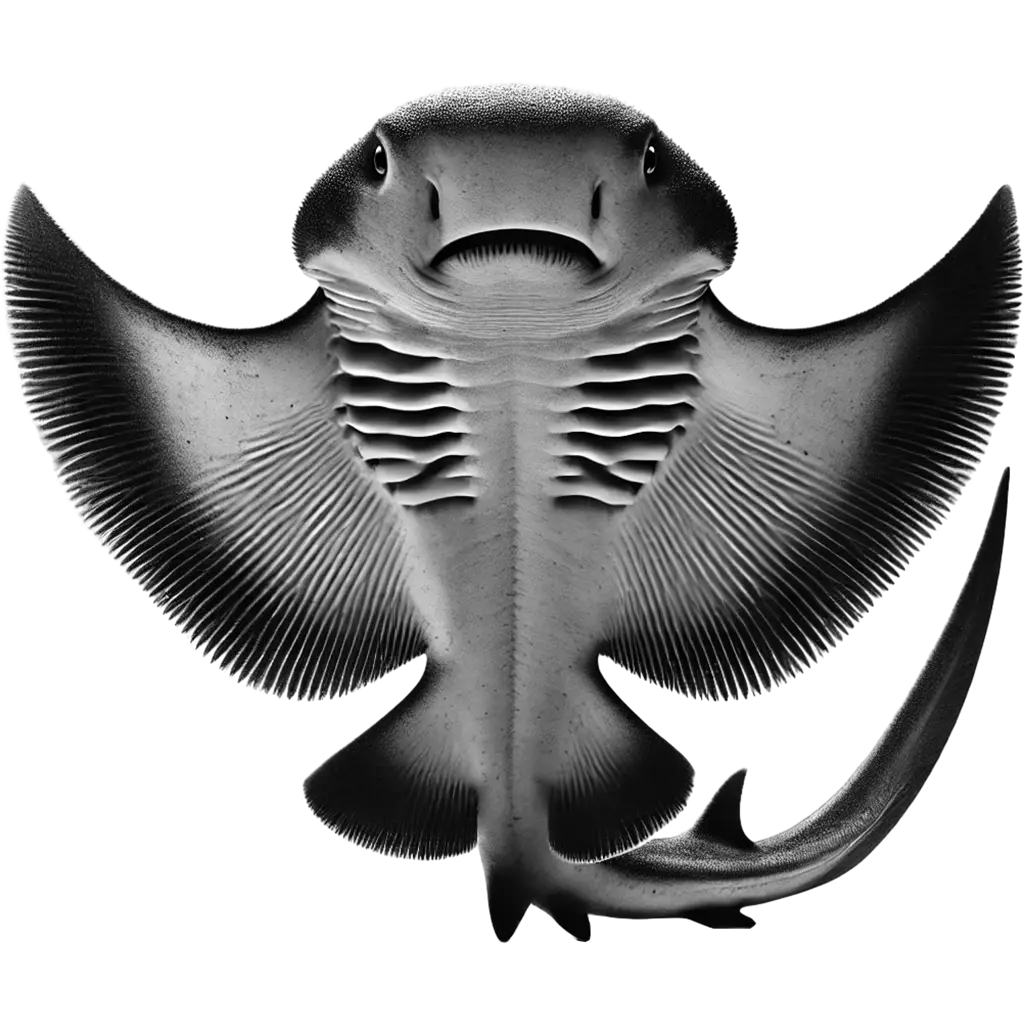
The Sawback Angelshark (Squatina aculeata) displays a striking, flattened body that closely resembles a ray. Its broad, wedge-shaped form is covered with a textured, mottled skin featuring a series of jagged, saw-like spines along its dorsal surface. The eyes and spiracles are positioned on the top of its head, while
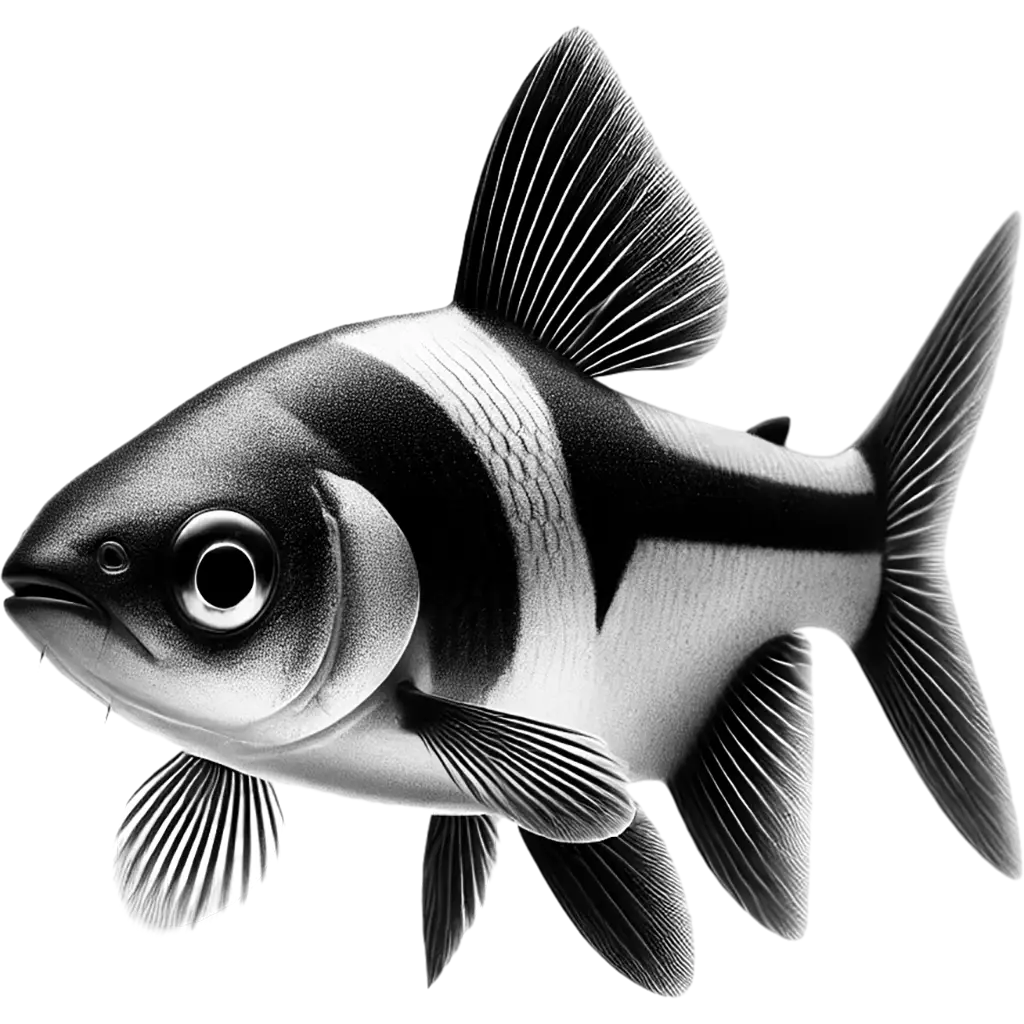
The Harlequin Rasbora is a small, vibrant freshwater fish, reaching up to 4.5 centimeters in length and weighing around 2 grams. Its body exhibits a striking orange-pink hue, complemented by a distinctive black triangular patch covering the posterior half, tapering towards the caudal peduncle. The fins are subtly tinted red,
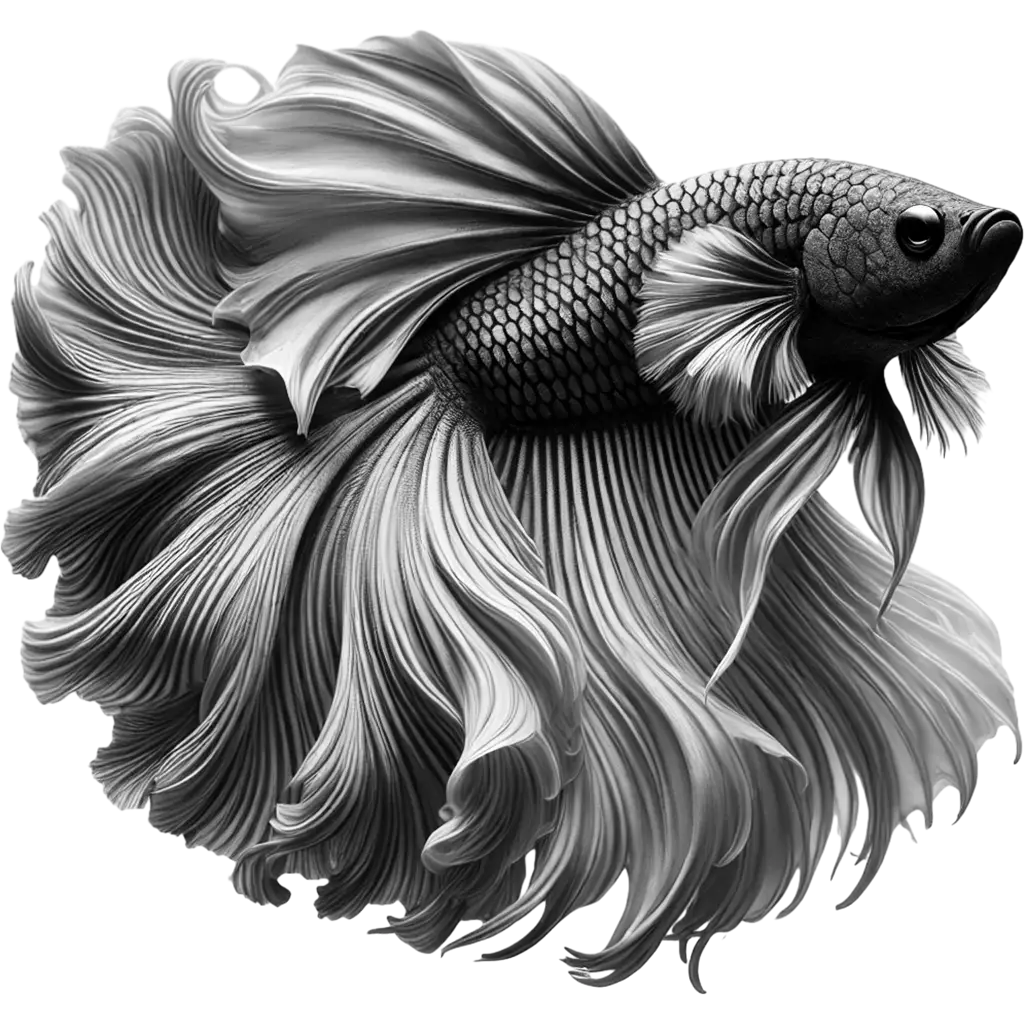
The Betta Bellica is a small, vibrant freshwater fish distinguished by its slender, streamlined body and shimmering scales that reflect a spectrum of iridescent colors. Its most striking features are the elaborate, flowing fins that flare dramatically during courtship and territorial displays. The overall appearance is both elegant and bold,
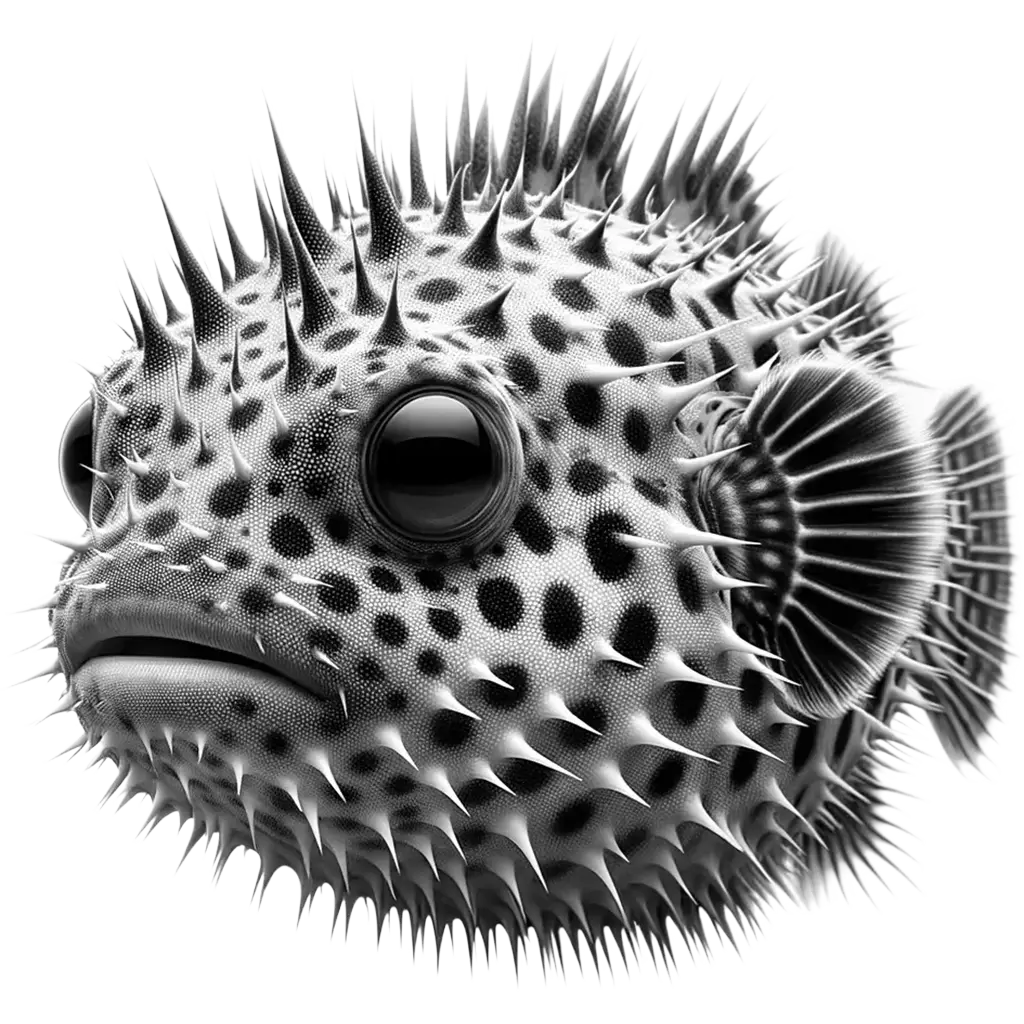
The Spot-Fin Porcupinefish, diodon hystrix, is a unique and fascinating marine species known for its ability to inflate its body as a defense mechanism against predators. This fish is easily recognizable by its spherical shape when inflated, large eyes, and distinctive spines that cover its body, which become erect when