
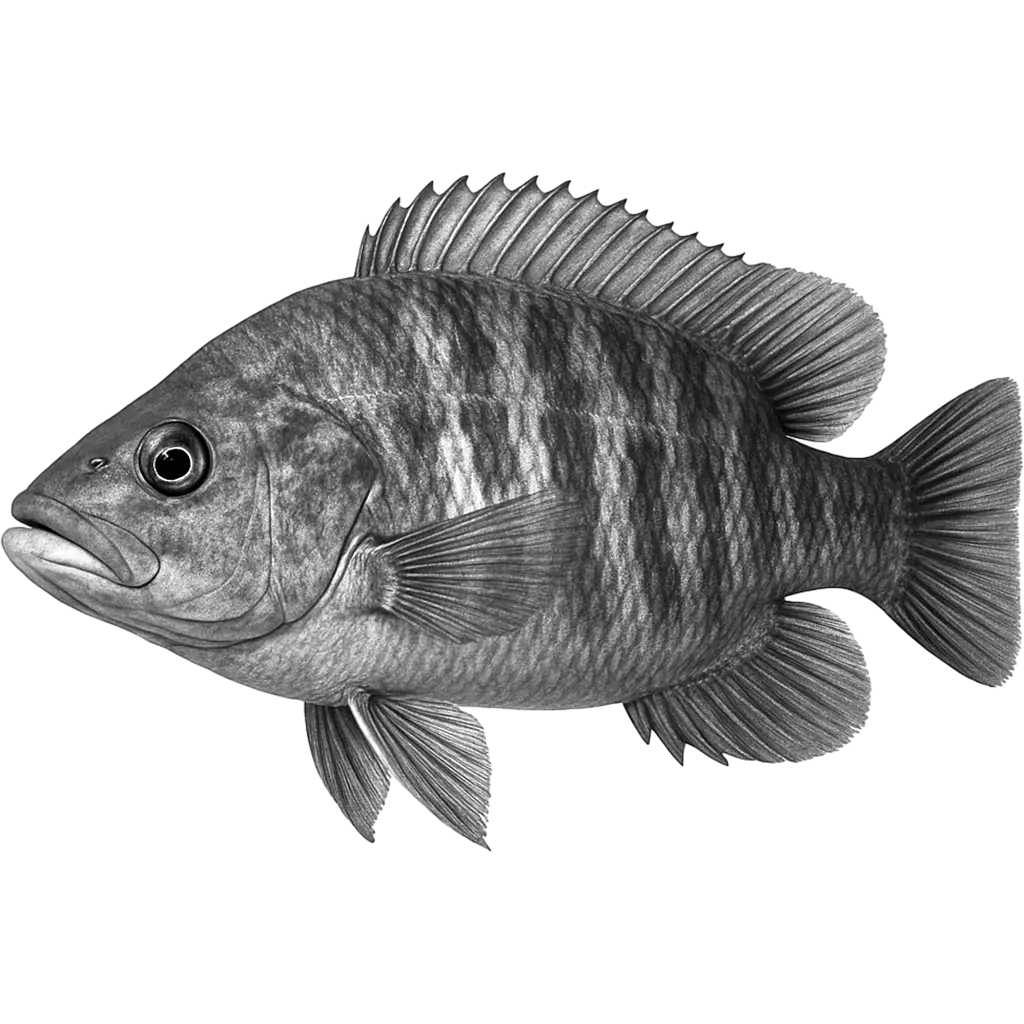
Boulengerochromis Microlepis
Giant Cichlid
Deep, clear waters of Lake Tanganyika
The Giant Cichlid exhibits a striking, robust body with a laterally compressed shape and a broad, powerful head. Its skin displays a mottled blend of deep blue and grey hues, accentuating the pronounced curvature of its streamlined form. Large, expressive eyes and a fierce, angular snout add to its imposing appearance. Muscular fins provide graceful propulsion through the water, while the overall design conveys formidable strength and elegance in its vibrant aquatic habitat.
| Population: | Native to Lake Tanganyika, numbers have declined due to overfishing and habitat disruption |
| Generation Length: | 5-7 years |
| Average Weight: | 15-20 kg |
| Average Length: | 70-90 cm |
| Lifespan: | 15-20 years in the wild, up to 25 years in captivity |
| Diet: | Predominantly smaller fish and aquatic invertebrates |
| Conservation Status: | Vulnerable (VU) |
Found predominantly in the deep, clear waters of Lake Tanganyika, the Giant Cichlid leads a dynamic and territorial lifestyle. It is most active during the early morning and late afternoon when water temperatures are ideal, engaging in deliberate patrolling of its rocky territory. This species forms loose social hierarchies and displays aggressive behavior towards intruders. It rests in shaded underwater crevices during peak heat, conserving energy while remaining vigilant. Brief, rapid bursts allow it to chase prey or escape danger. Subtle changes in body coloration and fin movements are used to communicate mood and territorial claims to nearby conspecifics.
The diet of the Giant Cichlid is primarily carnivorous, consisting of a variety of smaller fish and aquatic invertebrates. It employs its formidable jaws to capture prey in brief, explosive strikes, relying on sharp teeth to secure and process its meals. Its feeding strategy involves careful observation and strategic ambushes near rocky crevices where prey hides. The ingestion of nutrient-rich food provides essential proteins and fats needed to sustain its large size and energetic lifestyle. On occasion, it may scavenge, ensuring that every nutritional opportunity is maximized in its competitive ecosystem.
During the breeding season, the Giant Cichlid exhibits elaborate courtship displays. Males engage in vibrant color changes and assertive movements to attract females, while both sexes partake in nesting and brood care. Their reproductive rituals include territorial contests and mutual grooming, ensuring only the fittest individuals pass on their genes. These mating behaviors ensure strong pair bonds and maximize reproductive success in the competitive aquatic environment.
Recent studies reveal that the Giant Cichlid's population is under pressure from overfishing and habitat alteration. Although historically abundant in Lake Tanganyika, current numbers have declined, prompting conservation measures. Regional efforts focus on sustainable fishing practices and habitat protection to stabilize populations. Continuous monitoring is essential to ensure this magnificent species persists in its natural environment. These initiatives are urgently needed.
Classifications
The Key Attributes
Features
- Movement:
Swimming
- Territorial Behavior:
Somewhat territorial during breeding season
- Speed:
Moderate with occasional bursts
- Diet:
Carnivorous
- Physical Features:
- Massive, laterally compressed body
- Broad, powerful head with strong jaws
- Mottled coloration in shades of blue and grey
- Robust fins and elongated body shape
- Primary Senses:
- Sight
- Lateral line sensitivity
Understanding Habitat and Range
Geography
- Habitat:
Deep, clear waters of Lake Tanganyika
- Migration Patterns:
Non-migratory; localized movements
- Geographical Range:
Endemic to Lake Tanganyika in East Africa
- Climate Preferences:
Tropical freshwater
Navigating the Wilderness
In the wild
- Predators:
Large predatory fish and humans
- Prey:
Smaller fish and aquatic invertebrates
- Feeding Behavior:
Ambush predator near rocky outcrops
- Diet:
Predominantly smaller fish and aquatic invertebrates
- Defensive Mechanisms:
- Powerful bite
- Rapid burst swimming
- Preferred Food Sources:
- Rock crevices
- Open water zones
Insights Into Reproduction
Mating
- Mating System:
Polygynous
- Number of Offspring:
20-40 fry
- Incubation Period:
7-10 days
- Parental Involvement:
- Female guards and mouthbroods eggs
Youngsters Section
Giant Cichlid
Fun Fact
These giant cichlids are renowned for their massive size and striking coloration, setting them apart in Lake Tanganyika.
With their powerful jaws and fierce territorial displays, they contribute significantly to the lake's ecological balance while emphasizing the need for conservation.

Download word search puzzles
Word Search Puzzles


Check Out Other Fish
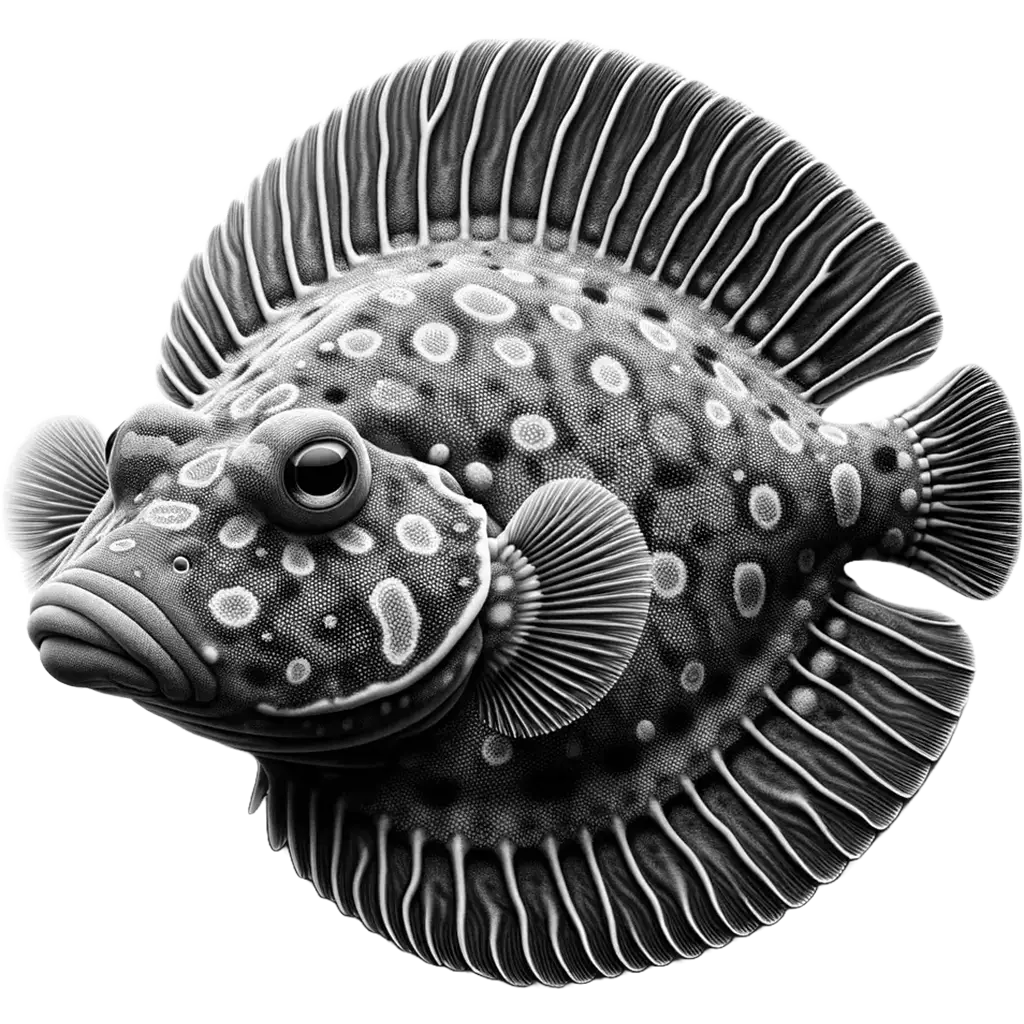
The Plate Fish, bothus lunatus, also known as the Peacock Flounder or Moon Fish, is a remarkable species of flatfish known for its unique appearance and adaptive camouflage capabilities. Native to the shallow, sandy, and seagrass beds of the Western Atlantic, from North Carolina and the Gulf of Mexico to
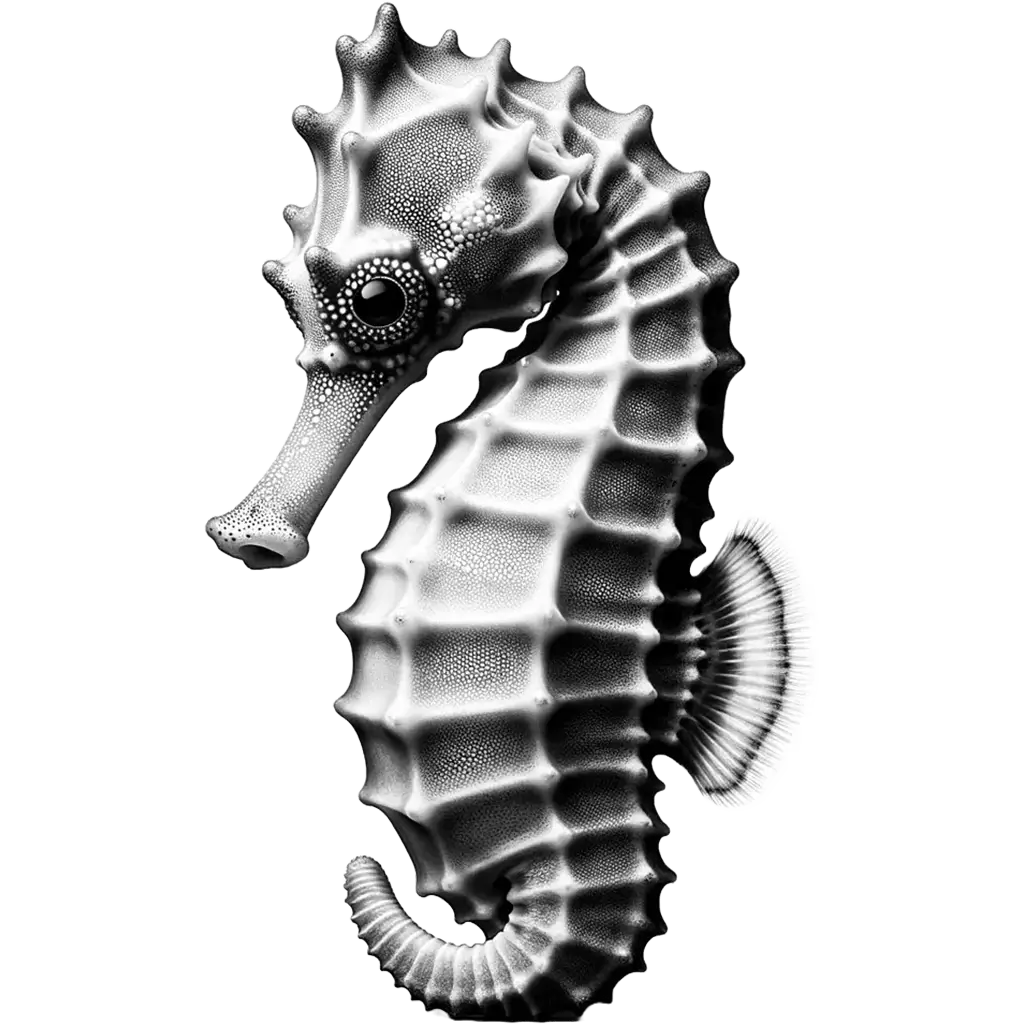
The Short-Snouted Seahorse, hippocampus hippocampus, is a fascinating marine fish known for its distinctive horse-like head and curled tail. This species typically reaches a length of 12 to 15 cm and is characterized by its small, upturned snout, which is shorter than that of other seahorse species. The body is
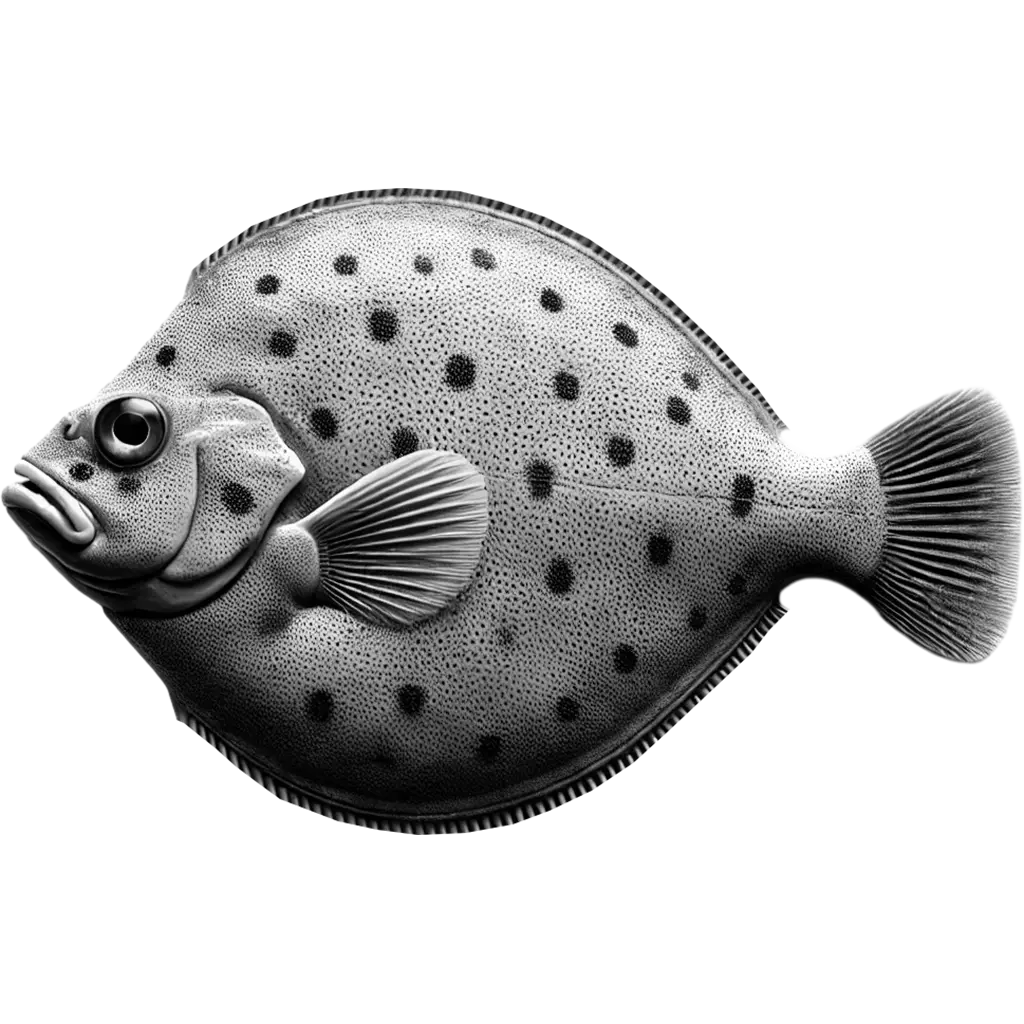
The Egyptian Sole is a flatfish species characterized by its oval-shaped, dorsoventrally flattened body. The upper side displays a greyish-brown coloration with four wide olive-colored saddles, while the underside is white. A distinctive black blotch marks the pectoral fin on the eyed side. Adults can reach up to 65 cm
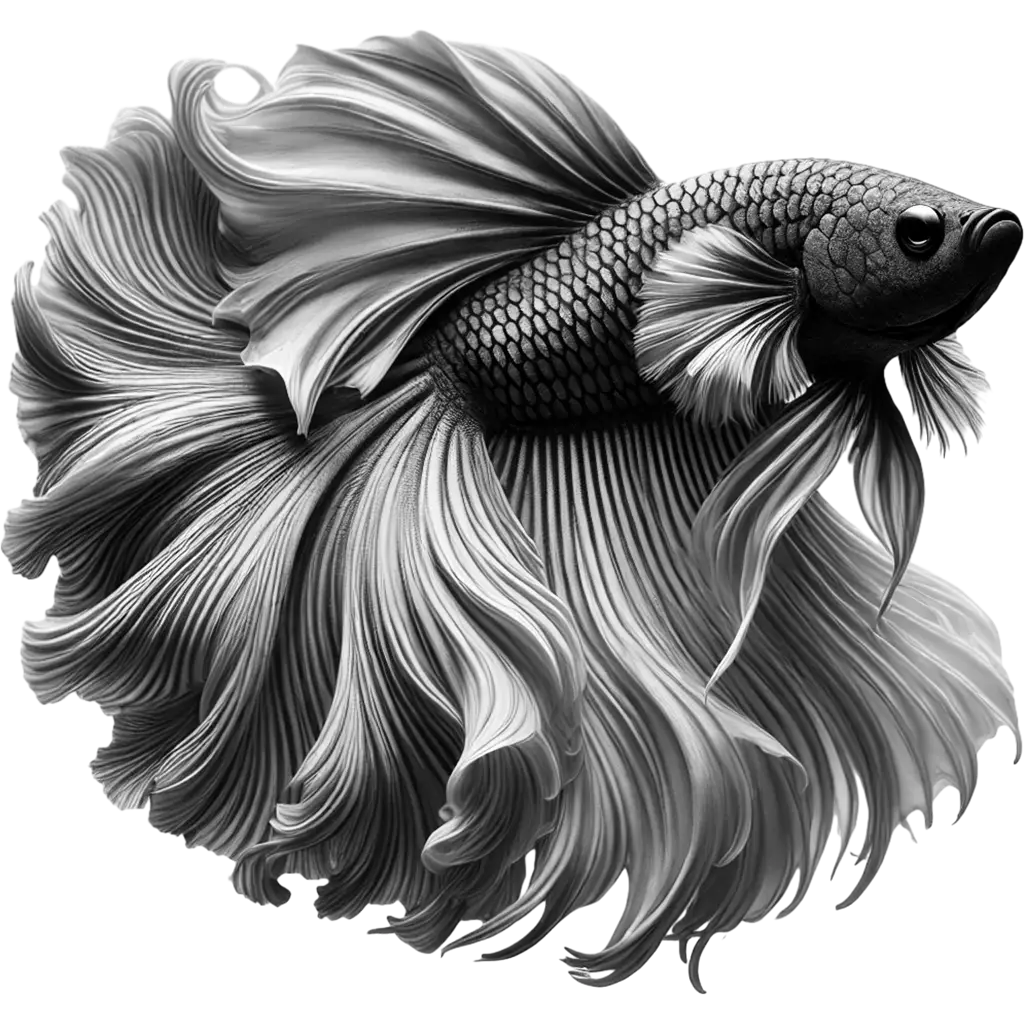
The Betta Bellica is a small, vibrant freshwater fish distinguished by its slender, streamlined body and shimmering scales that reflect a spectrum of iridescent colors. Its most striking features are the elaborate, flowing fins that flare dramatically during courtship and territorial displays. The overall appearance is both elegant and bold,