
Lampris Guttatus
Moonfish
Pelagic, found in both coastal and open ocean environments
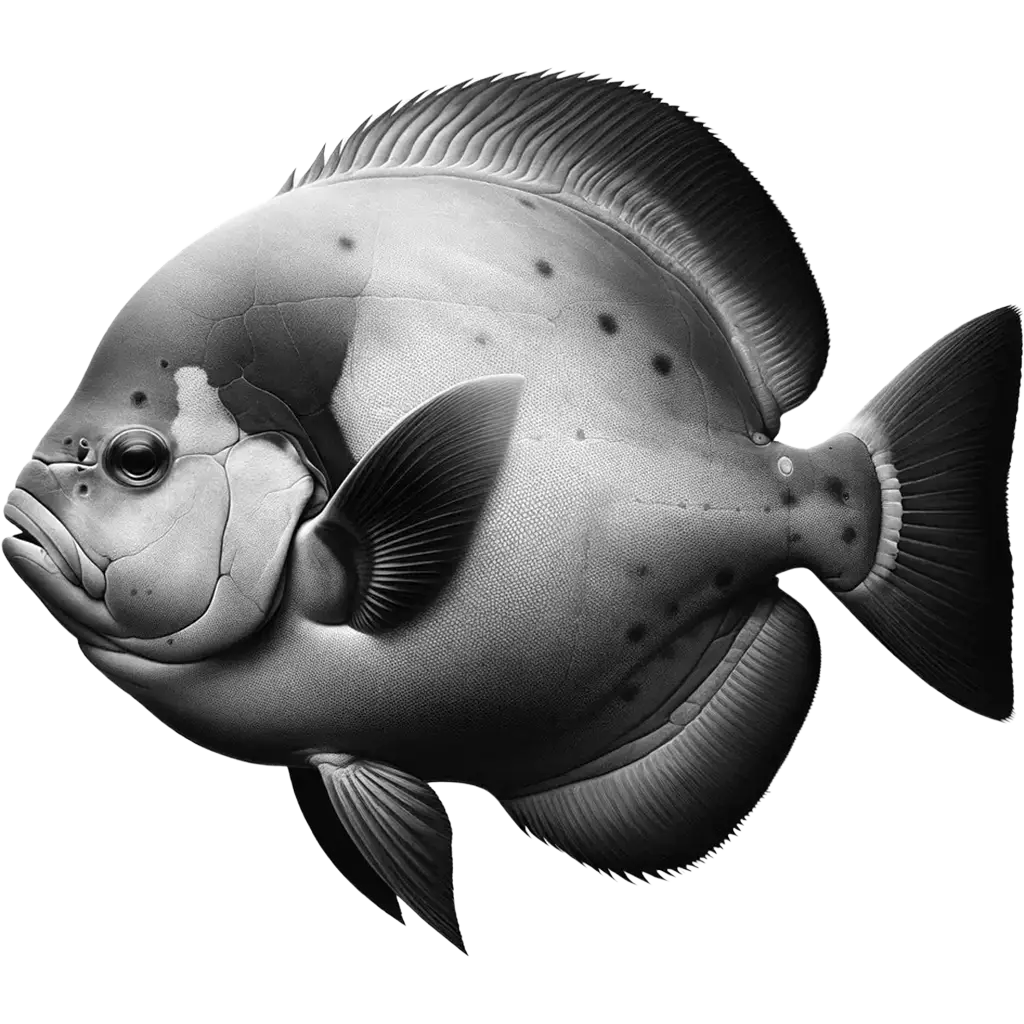
The Moonfish, opah, lampris guttatus, is a strikingly colorful and unique species of pelagic fish found in temperate and tropical waters worldwide. This deep-bodied fish is easily recognizable by its round, flat shape and vibrant coloration, featuring shades of bright reds, blues, and silvery hues, with spots scattered across its body and fins. The Opah can reach a considerable size, with some individuals growing up to 2 meters (6.6 feet) in length and weighing over 270 kg (600 lbs). Unlike most fish, the Opah generates heat through constant flapping of its pectoral fins, allowing it to maintain a body temperature higher than the surrounding water, an adaptation known as endothermy.
| Population: | Not well-documented, Least Concern, unknown population trends |
| Generation Length: | Unknown, but likely several years |
| Average Weight: | Up to 270 kg |
| Average Length: | Up to 2 meters |
| Lifespan: | Up to 10 years or more |
| Diet: | Diverse, primarily feeding on small to medium-sized marine organisms |
| Conservation Status: | Least Concern (LC) |
Opahs inhabit deep, open ocean environments, often several hundred meters below the surface, where they lead a solitary existence. They are rarely seen by humans, except when caught by fishermen. Their unique body shape and the ability to regulate their body temperature enable them to actively pursue prey and swim at high speeds, making them effective predators.
The diet of the Moonfish consists primarily of various fish species and squid, which they capture during their swift, agile hunts in the deep sea. This diet reflects their role as apex predators in their marine ecosystem, contributing to the control of prey populations and the maintenance of a balanced food web.
Reproduction in the Opah is not well understood, but it is believed that they spawn in deep waters, with females releasing thousands of eggs into the water column. These eggs are fertilized externally, and the resulting larvae then drift with ocean currents until they mature.
The population status of the Opah is currently not well-documented, due to their deep-sea habitat and solitary nature. However, they are occasionally caught as bycatch in commercial fisheries, which could pose a threat to their populations. Conservation efforts are focused on understanding more about their biology and ecology to assess their population health and ensure sustainable fishing practices. The Moonfish's unique characteristics and ecological role highlight the diversity and complexity of life in the ocean's depths.
Classifications
The Key Attributes
Features
- Movement:
Swimming
- Territorial Behavior:
Not territorial; often solitary or found in pairs
- Speed:
Capable of quick bursts of speed
- Diet:
Carnivore
- Physical Features:
- Large, rounded body with a distinctive disc shape
- Bright blue and gold coloration with orange spots
- Large eyes and small mouth
- Fins are large and rounded, with the ability to heat their body, enabling them to hunt in cold waters
- Primary Senses:
- Sight
- Taste
- Touch
Understanding Habitat and Range
Geography
- Habitat:
Pelagic, found in both coastal and open ocean environments
- Migration Patterns:
Not well-documented; may perform vertical migrations to feed
- Geographical Range:
Globally distributed in temperate and tropical waters
- Climate Preferences:
Prefers a wide range of temperatures; found from tropical to cold temperate zones
Navigating the Wilderness
In the wild
- Predators:
Large marine predators including sharks and killer whales
- Prey:
Squids, crustaceans, small fish
- Feeding Behavior:
Feeds on a variety of prey including squids, crustaceans, and small fish
- Diet:
Diverse, primarily feeding on small to medium-sized marine organisms
- Defensive Mechanisms:
- Speed and agility in water
- Camouflage in the deep sea to avoid predators
- Preferred Food Sources:
- Mid to deep water areas rich in marine invertebrates and small fish
Insights Into Reproduction
Mating
- Mating System:
Unknown
- Number of Offspring:
Unknown
- Parental Involvement:
- Unknown, likely limited or nonexistent post-spawning
Youngsters Section
Moonfish
Fun Fact
Moonfish, or opah, are unique among fish for their warm-bloodedness, maintaining a stable body temperature.
This endothermic trait allows them to thrive in deep, cold ocean waters, giving them a predatory edge. Unlike most fish, they can sustain high-energy activities for extended periods, thanks to their warm blood circulation. This adaptation also aids in their unique hunting strategies in the deep sea.

Download word search puzzles
Word Search Puzzles


Check Out Other Fish
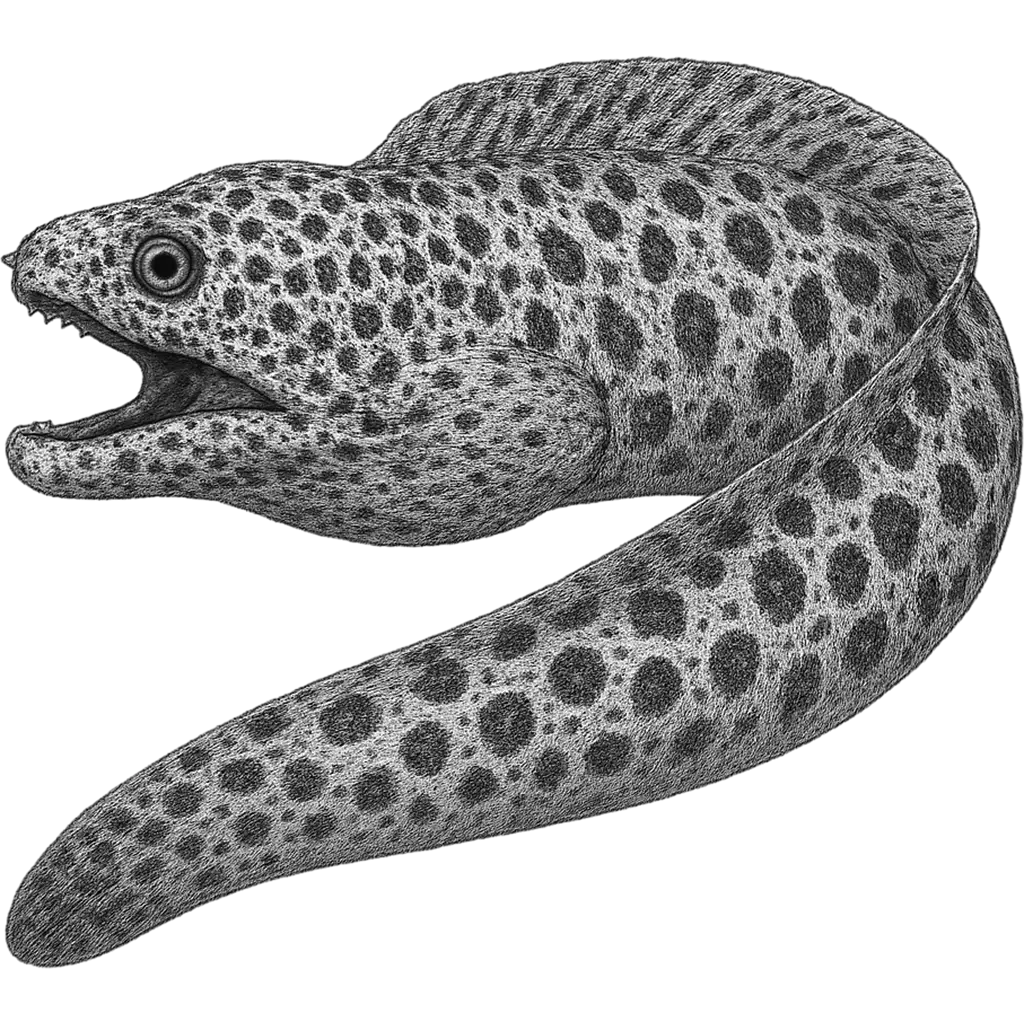
The Spotted Moray has a long, slender, snake-like body reaching up to two meters in length, commonly around sixty centimeters. Its smooth, scaleless skin is pale yellow to off-white, densely covered with small, overlapping reddish-brown to dark-brown spots. The head is broad with small, round gill openings and a pronounced
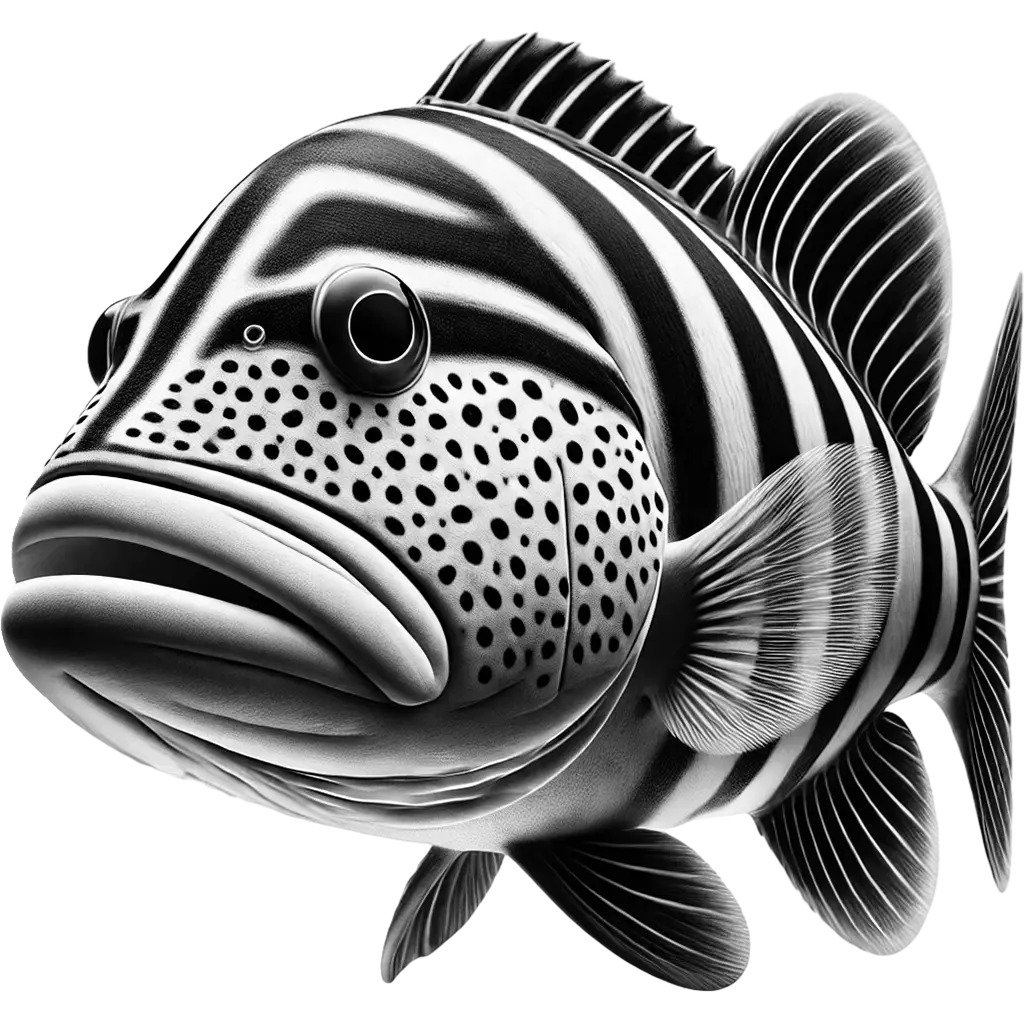
The Painted Sweetlips is a striking fish with a large, laterally compressed body and vivid, colorful markings that set it apart on the coral reef. Its scales shimmer in hues of pink, purple, and yellow, accented by contrasting dark stripes along the flanks and a rounded snout. Its graceful, elongated
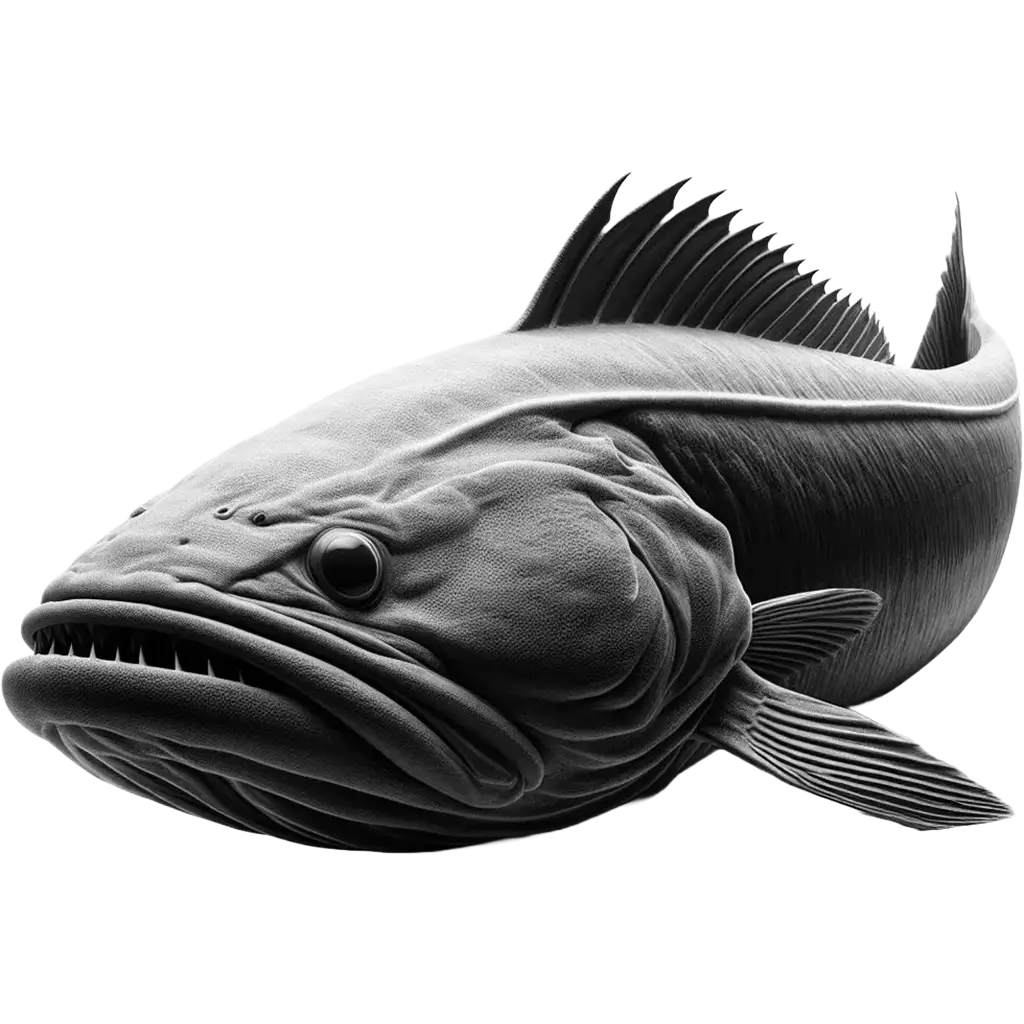
The Northern Wolffish, anarhichas denticulatus, is a distinctive marine fish known for its formidable appearance and unique adaptations to cold-water environments. Found in the North Atlantic Ocean, from the northeastern coast of North America to the waters around Greenland and Iceland, this species inhabits rocky bottoms and cold, deep waters,
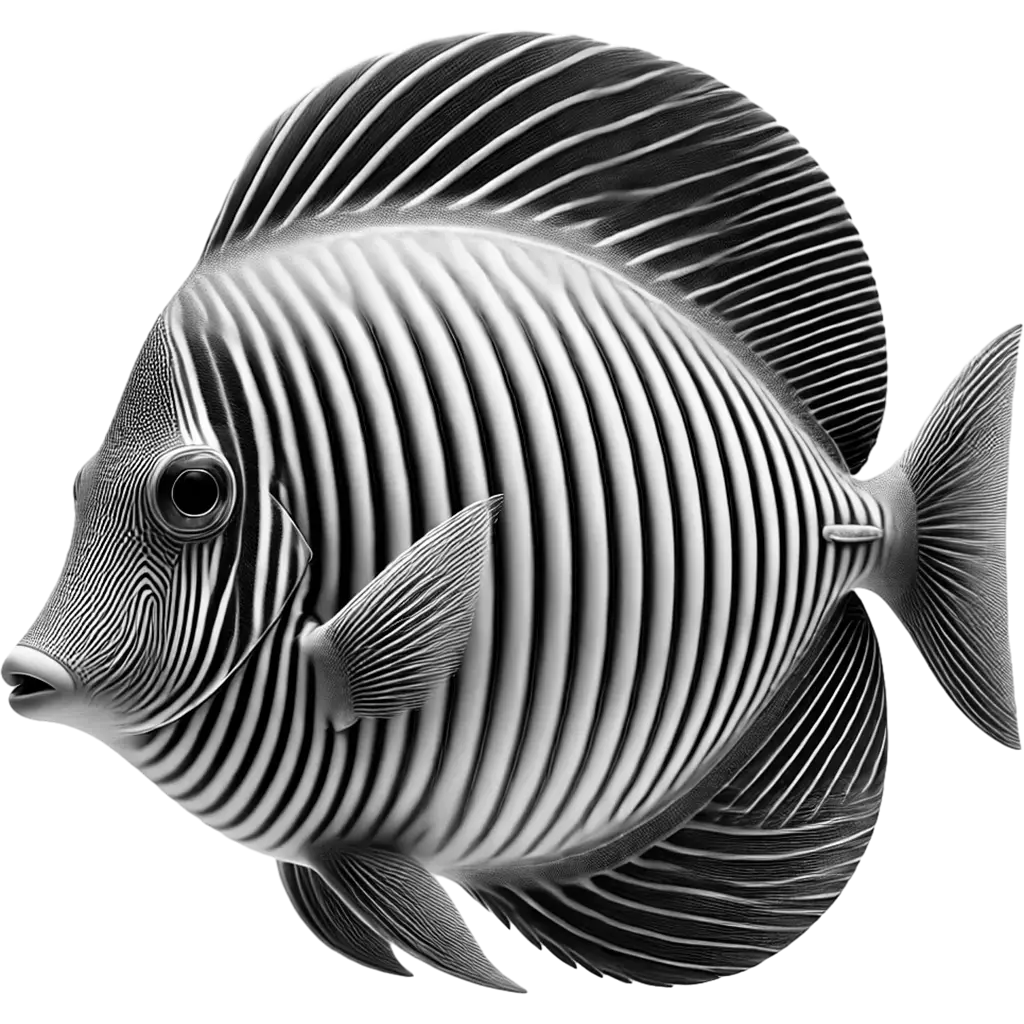
The Sailfin Tang exhibits a laterally compressed, oval-shaped body adorned with shimmering scales that reflect a spectrum of colors under sunlight. Its most distinctive feature is a large, sail-like dorsal fin that stretches gracefully along its back, displaying vibrant hues of yellow and blue. The streamlined body and angular head,