
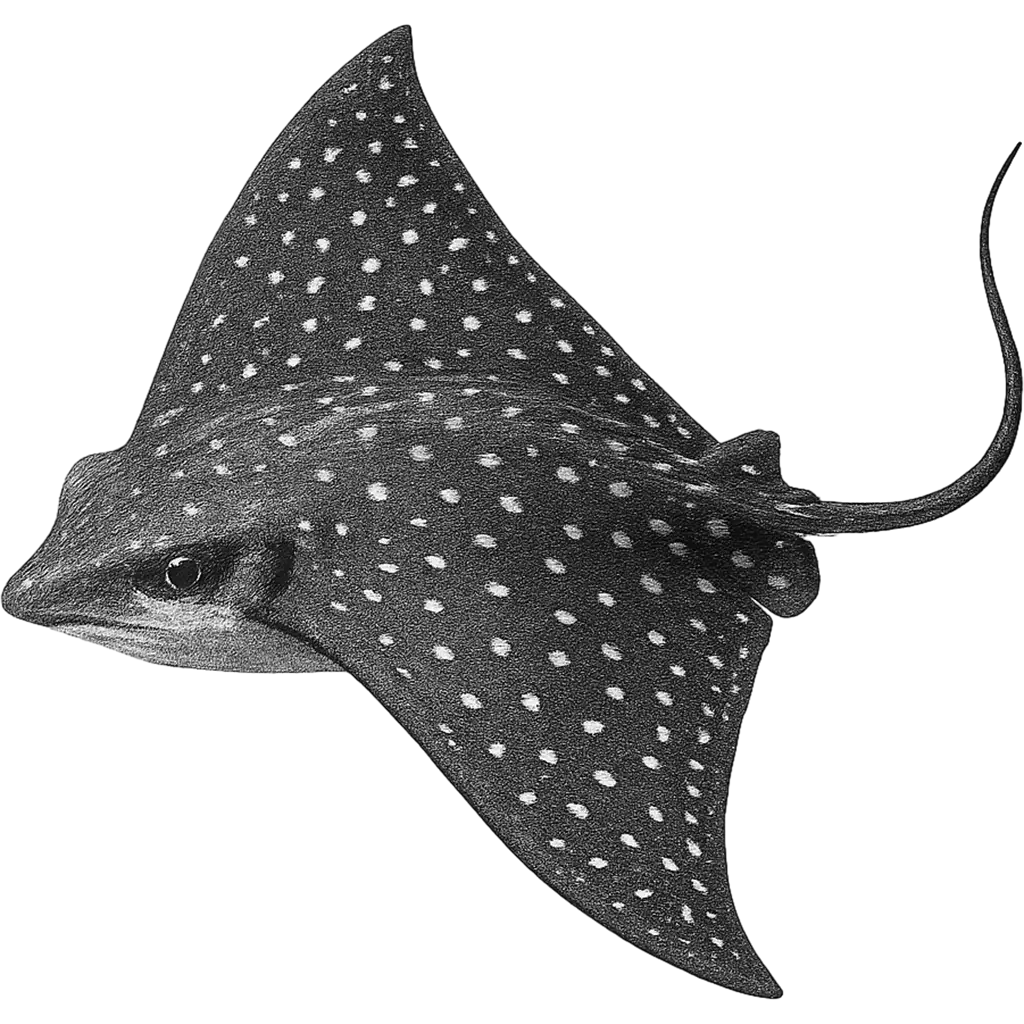
Aetobatus Narinari
Spotted Eagle Ray
Tropical and subtropical coastal waters, coral reefs, seagrass beds, and open ocean
The Spotted Eagle Ray has a flattened, diamond-shaped pectoral disc measuring up to 1.8 meters across, tapering to a slender, whip-like tail. Its dorsal surface is dark blue to black, adorned with numerous bright white or yellowish spots and rings that provide camouflage against the sea floor. The head features a distinctive, protruding snout reminiscent of a duck's bill, leading to a ventrally positioned mouth adapted for crushing prey. Behind the pelvic fins on the tail are one to five venomous, barbed stingers.
| Population: | Global populations are declining due to bycatch, habitat loss, and targeted fishing; numbers are difficult to quantify |
| Generation Length: | 10 years |
| Average Weight: | 180-230 kg |
| Average Length: | 1.8 m disc width |
| Lifespan: | 20-25 years in the wild |
| Diet: | Bivalves, crustaceans, mollusks, and small fish captured by crushing prey with dental plates |
| Conservation Status: | Endangered (EN) |
Spotted Eagle Rays are highly mobile and often found cruising near coral reefs, seagrass beds, and sandy flats in tropical and subtropical coastal zones. They are active by day, using graceful, undulating movements of their pectoral fins to swim efficiently through open water while occasionally gliding in loose aggregations of up to fifty individuals. Although not strictly schooling fish, they may congregate around abundant feeding grounds or migratory corridors. These rays are capable of rapid bursts of speed when evading predators or navigating tidal currents. Outside of feeding and breeding activities, they may make seasonal migrations in response to water temperature and prey availability, moving between shallow bays and deeper offshore waters. Their non-territorial nature allows them to exploit vast areas, covering hundreds of kilometers annually.
The diet of the Spotted Eagle Ray focuses on benthic prey excavated from the sea floor. Using powerful, flattened dental plates, they crush hard-shelled mollusks such as clams, oysters, and whelks, as well as various crustaceans including crabs and shrimp. They also consume small fish, polychaete worms, and sea urchins. Rays forage by probing their snouts into sediment, creating sand plumes that reveal buried prey. Their specialized pharyngeal jaws and robust musculature enable efficient processing of shelled organisms, extracting soft tissues and discarding shells. Nutritionally, the high-protein and calcium content of these prey supports tissue growth, reproduction, and structural maintenance of their cartilaginous skeleton. Seasonal fluctuations in prey abundance lead to dietary adjustments, with increased consumption of softer-bodied invertebrates during limited shellfish availability. These feeding strategies allow Spotted Eagle Rays to thrive in diverse benthic habitats.
Spotted Eagle Rays exhibit ovoviviparous reproduction with internal fertilization. Males pursue females, grasping them by the dorsal fin with their upper jaws before inserting claspers into the female's urogenital opening. Gestation lasts approximately twelve months, after which females give birth to one to four fully formed pups. Newborn rays measure 17-35 centimeters across. Young are independent at birth, receiving no parental care, and reach sexual maturity at four to six years of age, after which they may engage in successive parthenogenesis.
Spotted Eagle Ray populations are classified as Endangered due to bycatch in gillnets, habitat degradation, and targeted fishing. Global numbers are difficult to quantify, but regional studies indicate declining trends in many areas, particularly the Atlantic and Indo-Pacific reefs. Conservation measures include fishing restrictions, protected marine areas, and bycatch reduction initiatives. Some local populations in well-managed habitats remain stable or show slight increases, but continued monitoring and management are essential to prevent further declines.
Classifications
The Key Attributes
Features
- Movement:
Swimming
- Territorial Behavior:
Non-territorial
- Speed:
20-25 km/h
- Diet:
Carnivore
- Physical Features:
- Dark dorsal surface covered in white spots or rings
- Duckbill-like protruding snout
- Slender whip-like tail with barbed stingers
- Broad, diamond-shaped pectoral disc
- Primary Senses:
- Sight
- Electroreception
- Touch
Understanding Habitat and Range
Geography
- Habitat:
Tropical and subtropical coastal waters, coral reefs, seagrass beds, and open ocean
- Migration Patterns:
Seasonal migrations linked to temperature and prey availability
- Geographical Range:
Tropical and warm-temperate regions of the Atlantic, Pacific, and Indian Oceans
- Climate Preferences:
Tropical and subtropical climates
Navigating the Wilderness
In the wild
- Predators:
Large sharks such as tiger, hammerhead, and bull sharks
- Prey:
Bivalves, crustaceans, mollusks, and small fish
- Feeding Behavior:
Forages by swimming over seabed, flipping sand to expose prey
- Diet:
Bivalves, crustaceans, mollusks, and small fish captured by crushing prey with dental plates
- Defensive Mechanisms:
- Camouflage
- Rapid bursts of speed
- Venomous tail spines
- Evasive leaps
- Preferred Food Sources:
- Clams
- Oysters
- Crustaceans
- Small fish
Insights Into Reproduction
Mating
- Mating System:
Polygynous
- Number of Offspring:
1-4 pups per litter
- Gestation Period:
12 months
- Parental Involvement:
- No parental care; pups born live and independent
Youngsters Section
Spotted Eagle Ray
Fun Fact
Spotted Eagle Rays can breach the water, leaping up to two meters above the surface.
They use electroreceptors called ampullae of Lorenzini to locate buried prey, detecting electrical fields generated by muscle contractions. Researchers have observed consecutive parthenogenesis in this species, where females produce viable offspring without mating. These rays also perform acrobatic leaps, possibly to dislodge parasites or facilitate breathing, and their barbed tail spines can inflict painful wounds on predators and humans alike.

Download word search puzzles
Word Search Puzzles


Check Out Other Fish
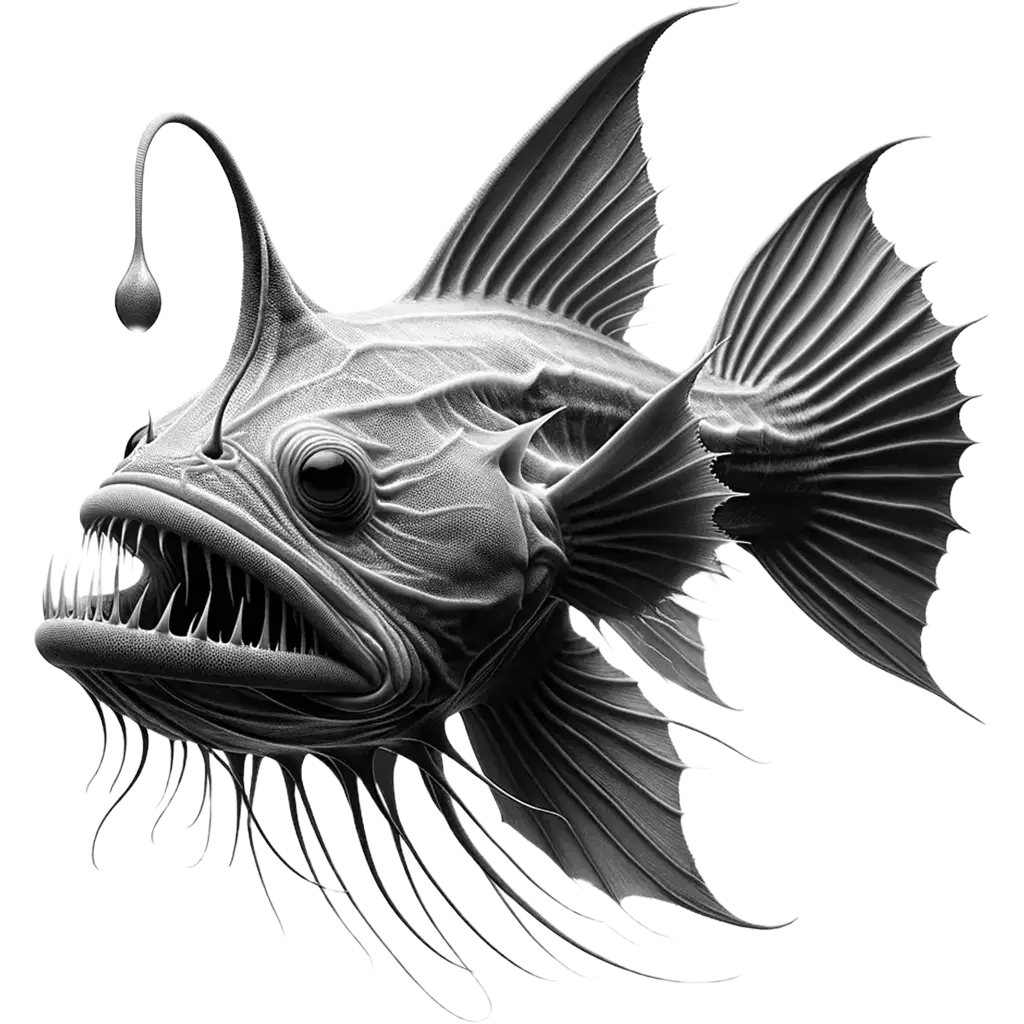
The European Angler, lophius piscatorius, also known as the Monkfish or Fishing Frog, is a unique and fascinating marine predator found in the northeastern Atlantic Ocean, from the Arctic Circle to the coasts of Morocco, including the Mediterranean Sea. This species is characterized by its broad, flat head and mouth,
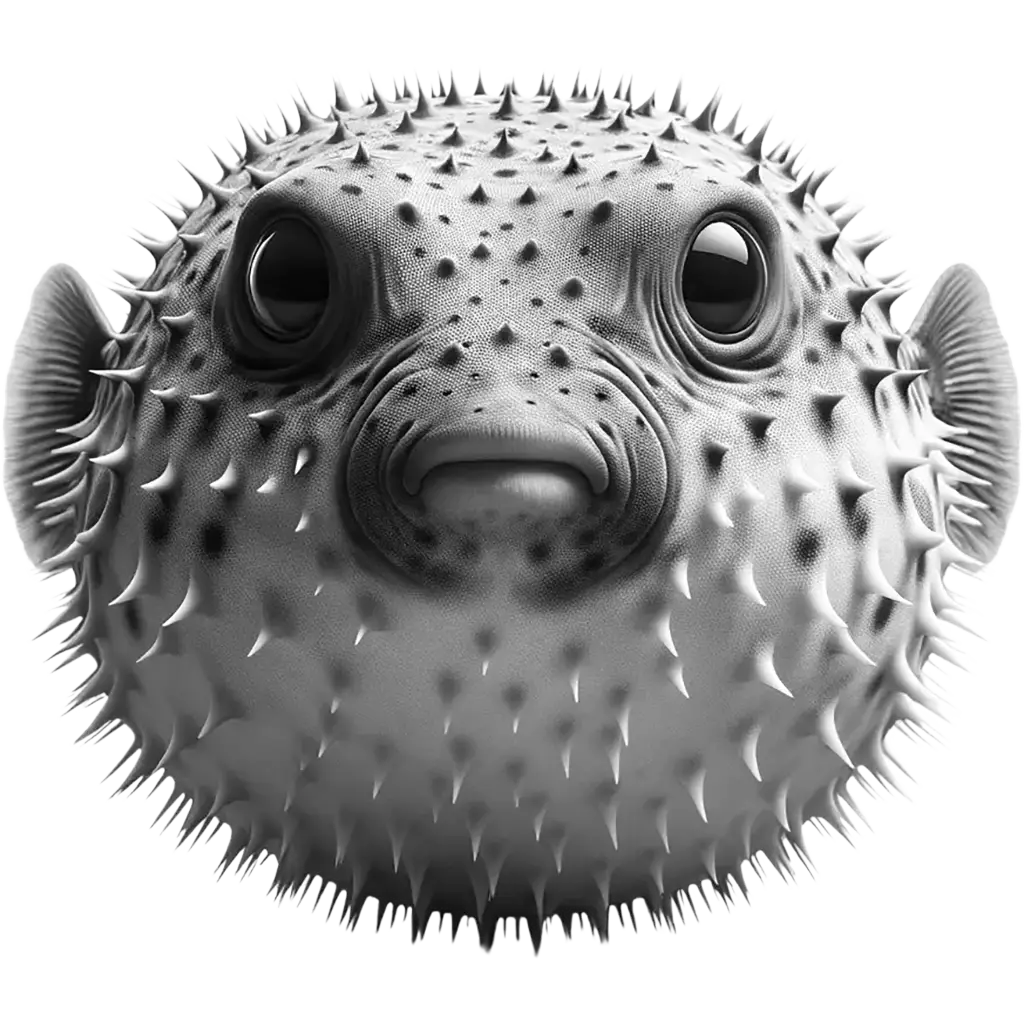
The Fahaka Pufferfish, tetraodon lineatus, also known as the Nile Puffer, is a freshwater species distinguished by its striking appearance and intriguing behavior. This robust fish can grow up to 45 cm (18 inches) in length, showcasing a body covered in intricate patterns of yellow and dark lines that provide
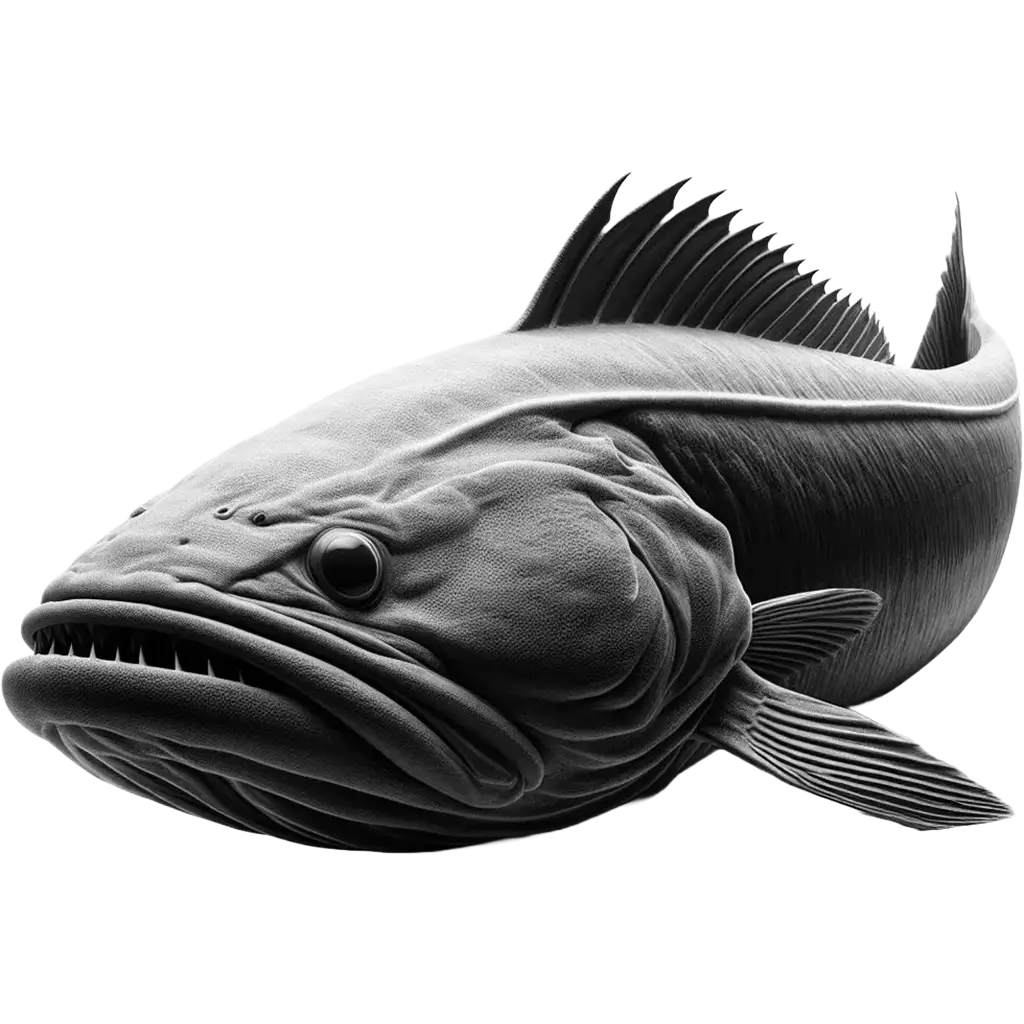
The Northern Wolffish, anarhichas denticulatus, is a distinctive marine fish known for its formidable appearance and unique adaptations to cold-water environments. Found in the North Atlantic Ocean, from the northeastern coast of North America to the waters around Greenland and Iceland, this species inhabits rocky bottoms and cold, deep waters,
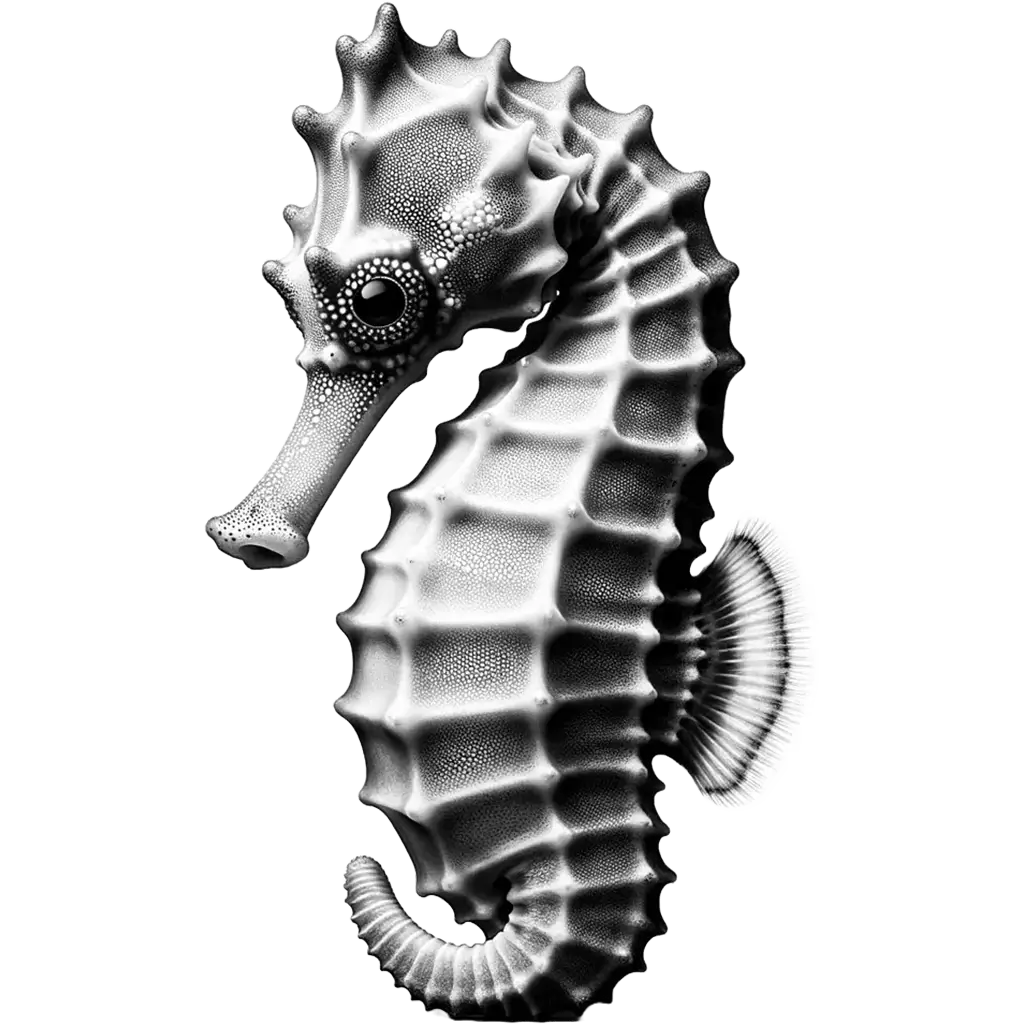
The Short-Snouted Seahorse, hippocampus hippocampus, is a fascinating marine fish known for its distinctive horse-like head and curled tail. This species typically reaches a length of 12 to 15 cm and is characterized by its small, upturned snout, which is shorter than that of other seahorse species. The body is