
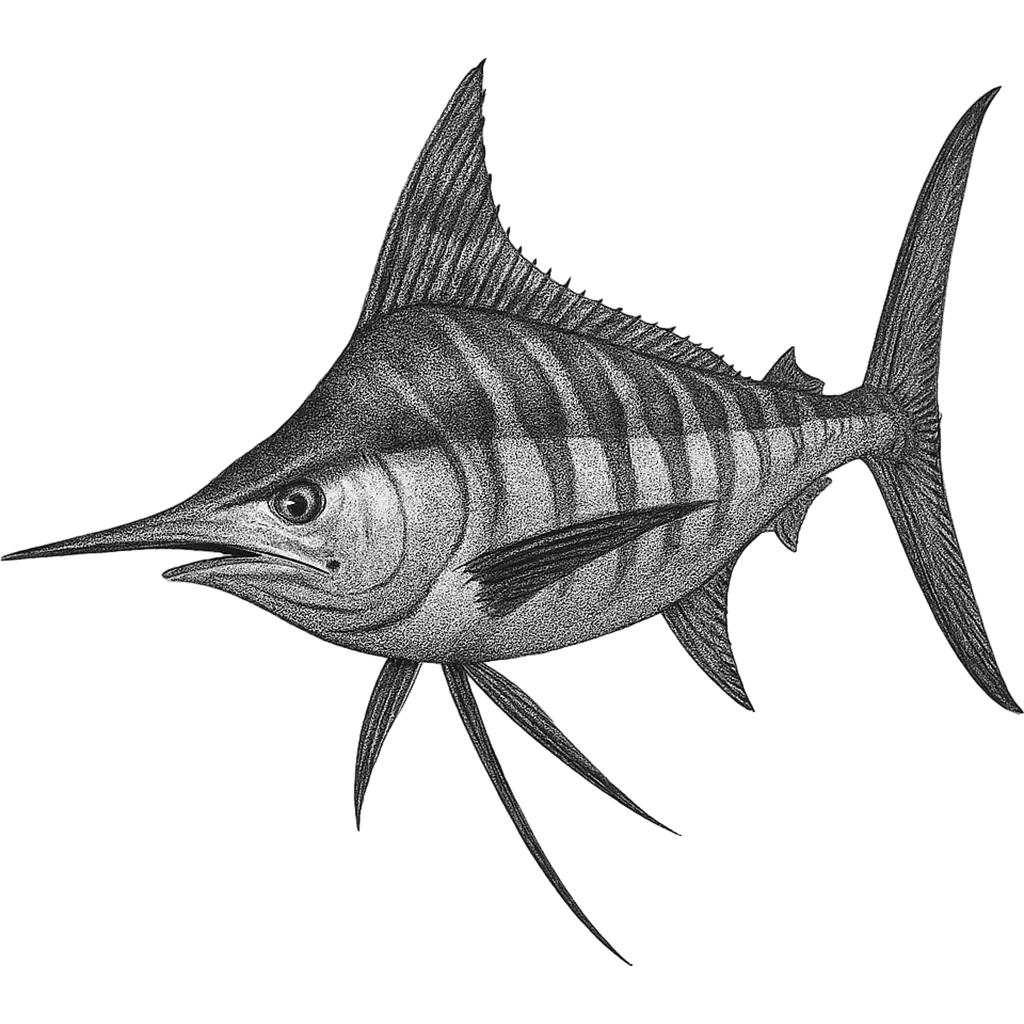
Kajikia Audax
Striped Marlin
Epipelagic zone of tropical and temperate oceans
The Striped Marlin has a sleek, elongated body shaped like a torpedo, measuring on average 2.9 meters in length and tapering to a narrow caudal peduncle that supports a forked tail. Its dorsal surface ranges from deep blue to nearly black, fading to silvery white on the ventral side. The most distinctive feature is a series of 12 to 20 narrow, vertical bluish stripes along its flanks. A tall, prominent first dorsal fin and long, falcate pectoral fins aid stability and maneuverability. It also bears a long, spear-like bill used for hunting, and a small head with keen, large eyes just above the mouth.
| Population: | Global populations are declining due to bycatch, habitat loss, and overfishing; exact numbers unknown |
| Generation Length: | 3 years |
| Average Weight: | 90-220 kg |
| Average Length: | 2.9-4.2 m |
| Lifespan: | Up to 10 years in the wild |
| Diet: | Fish and cephalopods captured by rapid pursuits and bill-slashing |
| Conservation Status: | Least Concern (LC) |
Striped Marlin are highly migratory and inhabit the epipelagic zone of tropical and temperate oceans worldwide. They spend daylight hours near the surface, often hunting in the top 100 meters of the water column. These fish are solitary or form loose schools, using dynamic soaring on thermal currents to conserve energy during long ocean crossings. Slow cruising is interspersed with rapid bursts of acceleration when pursuing schools of small fish or cephalopods. They patrol vast oceanic regions and follow seasonal temperature fronts in search of prey. Juveniles sometimes follow large predators to exploit disturbed prey.
Striped Marlin are apex predators whose diet consists primarily of schooling fish such as sardines, mackerel, anchovies, and small tunas. They also consume cephalopods like squid and octopus. Using their spear-like rostrum, marlin slash through dense schools, stunning or injuring prey before ramming and engulfing them. Their powerful muscles enable rapid bursts of speed up to 80 km/h, allowing them to outpace agile prey. Frequent consumption of fatty fish provides high levels of protein and lipids necessary for growth, reproduction, and thermoregulation. Seasonal shifts in prey abundance drive dietary flexibility, with marlin targeting small pelagic fish in summer and broader prey in cooler months.
Reproduction in Striped Marlin involves pelagic spawning, with females releasing multiple batches of eggs during a prolonged summer season. Spawning may include four to forty successive events, with each female discharging up to 120 million eggs in total. Fertilization is external, and eggs float freely in the open ocean. There is no parental care; larvae hatch after one to three days and join the planktonic community.
The global population of Striped Marlin is considered Least Concern but shows localized declines due to intensive commercial and recreational fishing. Stocks in the Eastern Pacific tend to be stable, while Western and Central Pacific populations face overfishing pressure. Conservation measures including catch limits and protected areas aim to ensure sustainable yields. Despite high fecundity, slow larval survival and bycatch mortality in longline fisheries contribute to regional stock fluctuations.
Classifications
The Key Attributes
Features
- Movement:
Swimming
- Territorial Behavior:
Highly migratory, non-territorial
- Speed:
Up to 80 km/h
- Diet:
Carnivore
- Physical Features:
- Torpedo-shaped body
- Long, spear-like bill
- 12-20 vertical bluish stripes
- Tall first dorsal fin
- Falcate pectoral fins
- Primary Senses:
- Sight
- Electroreception
Understanding Habitat and Range
Geography
- Habitat:
Epipelagic zone of tropical and temperate oceans
- Migration Patterns:
Highly migratory, long-distance seasonal movements
- Geographical Range:
Global tropical and temperate Atlantic, Pacific, and Indian Oceans
- Climate Preferences:
Tropical and temperate climates
Navigating the Wilderness
In the wild
- Predators:
Large sharks and orcas
- Prey:
Fish and cephalopods
- Feeding Behavior:
Diurnal predator near surface, using bill to slash or stun prey
- Diet:
Fish and cephalopods captured by rapid pursuits and bill-slashing
- Defensive Mechanisms:
- High-speed bursts
- Leap out of water
- Preferred Food Sources:
- Sardines
- Mackerel
- Small tuna
- Squid
Insights Into Reproduction
Mating
- Mating System:
Serial batch spawner; no pair bonds
- Number of Offspring:
Up to 120 million eggs per spawning season
- Gestation Period:
Eggs hatch in 1-3 days
- Parental Involvement:
- None; larvae are planktonic
Youngsters Section
Striped Marlin
Fun Fact
Striped Marlin can transform their stripe coloration from lavender to deep blue when excited.
These billfish spawn serially during summer, with females capable of releasing up to 120 million eggs across multiple spawning events. They also breach up to five meters out of water during hunting or to remove parasites, making dramatic jumps that can be spotted from boats.

Download word search puzzles
Word Search Puzzles


Check Out Other Fish
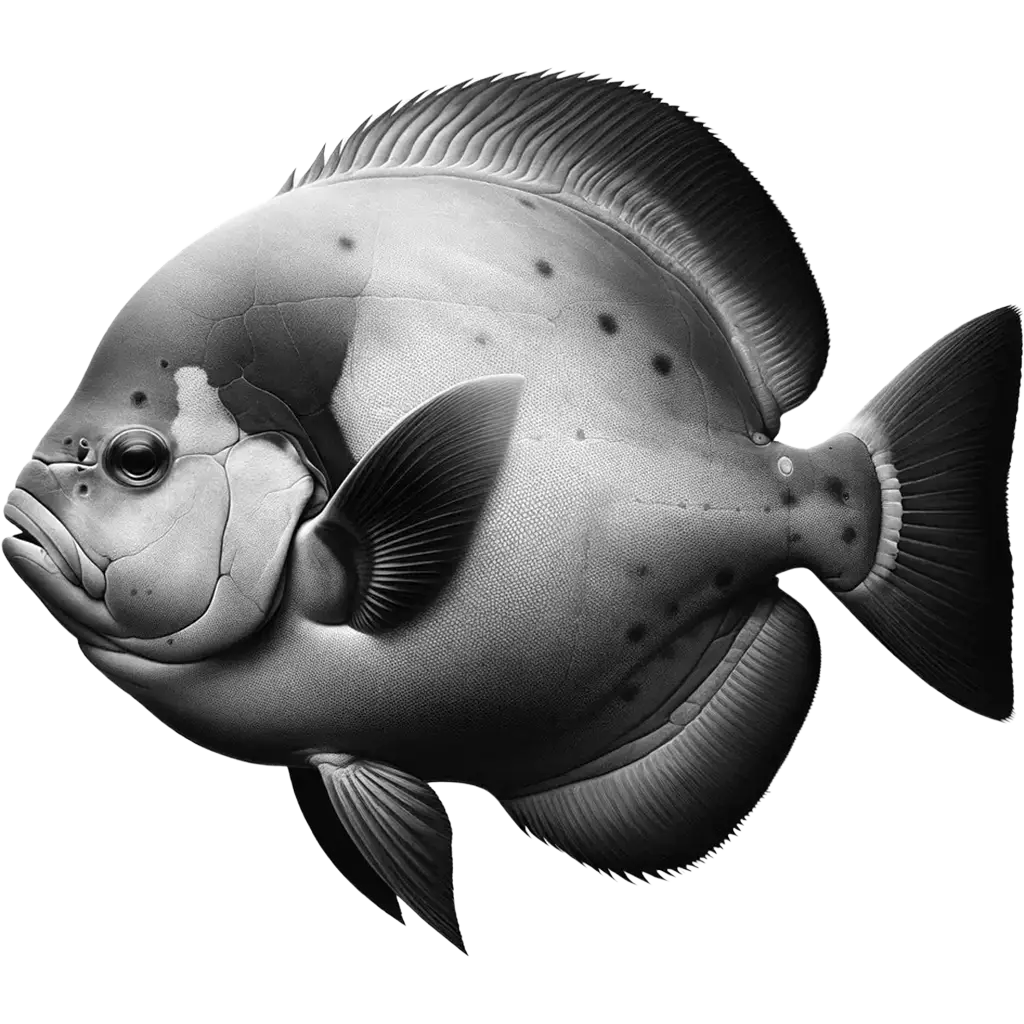
The Moonfish, opah, lampris guttatus, is a strikingly colorful and unique species of pelagic fish found in temperate and tropical waters worldwide. This deep-bodied fish is easily recognizable by its round, flat shape and vibrant coloration, featuring shades of bright reds, blues, and silvery hues, with spots scattered across its
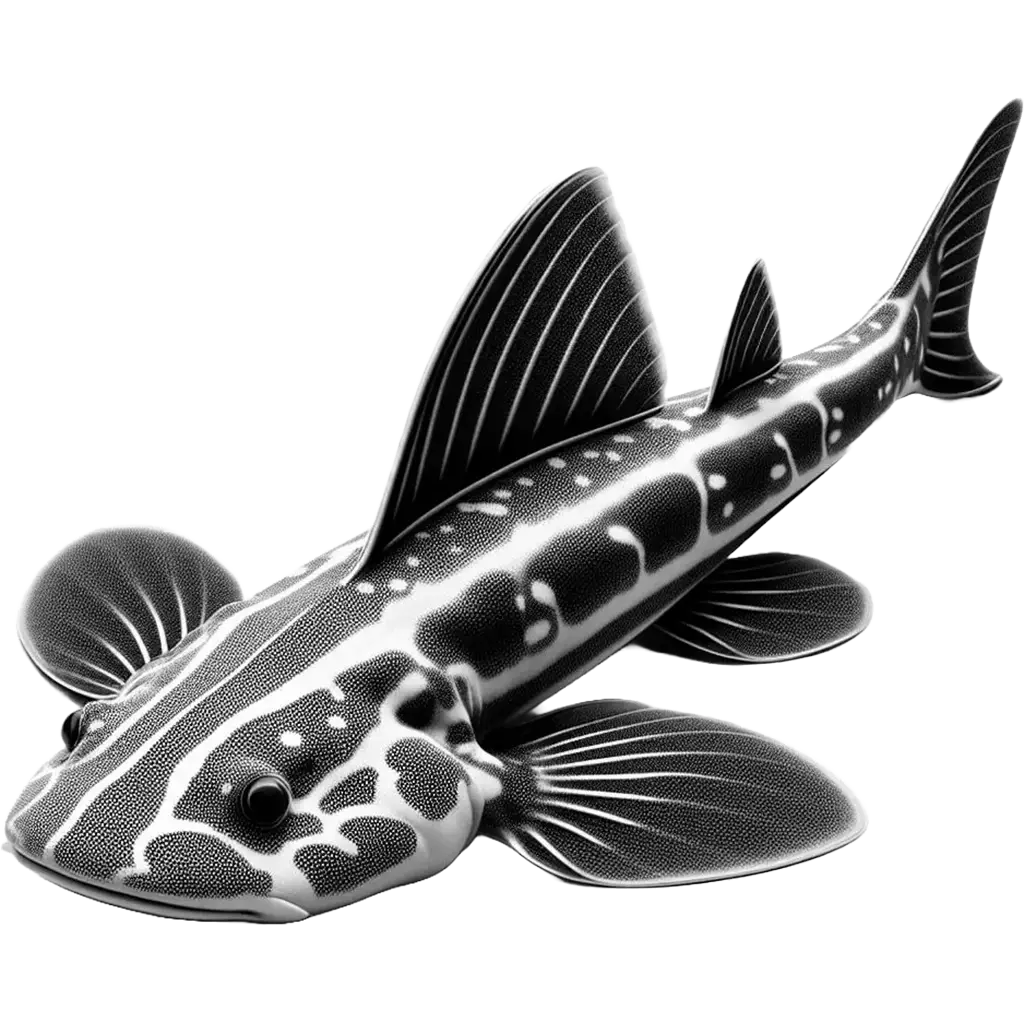
The Giant Guitarfish, rhynchobatus djiddensis, is a large species of ray distinguished by its shark-like body and broad, flattened head, resembling the shape of a guitar. This species can grow up to 3 meters (nearly 10 feet) in length, making it one of the largest members of the ray family.
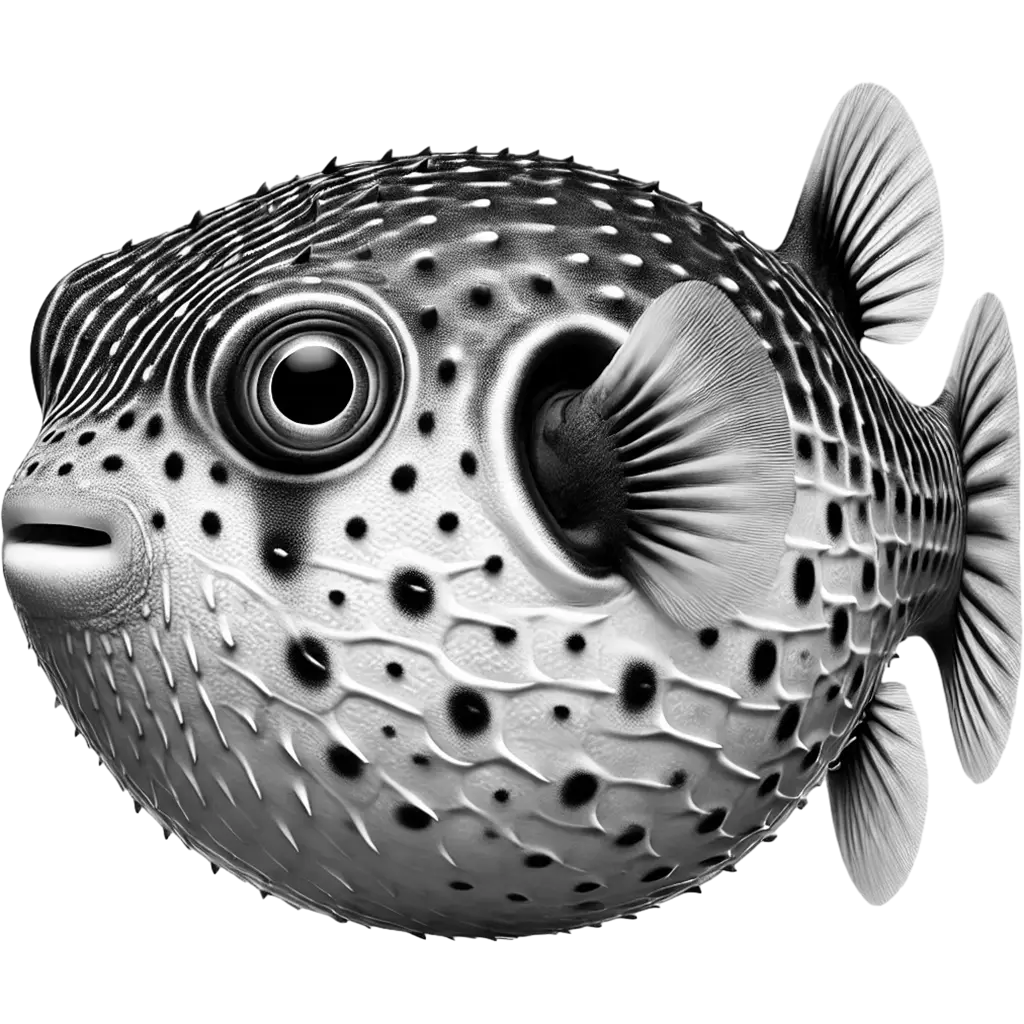
Pao abei is a striking freshwater pufferfish characterized by its compact, rounded body and subtle yet captivating coloration. Its skin features a blend of muted earth tones interspersed with faint patterns, providing effective camouflage among aquatic vegetation. The fish boasts large, expressive eyes and a slightly elongated snout that gives
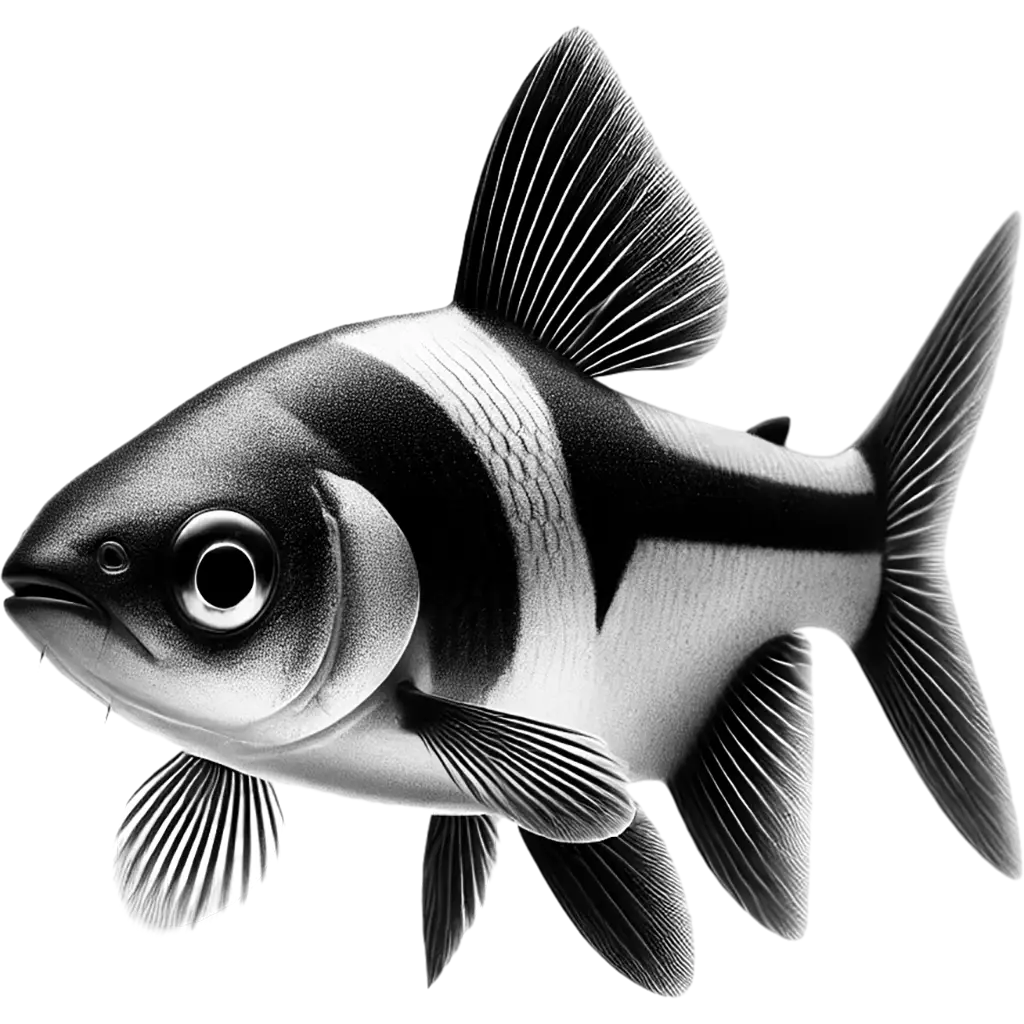
The Harlequin Rasbora is a small, vibrant freshwater fish, reaching up to 4.5 centimeters in length and weighing around 2 grams. Its body exhibits a striking orange-pink hue, complemented by a distinctive black triangular patch covering the posterior half, tapering towards the caudal peduncle. The fins are subtly tinted red,