
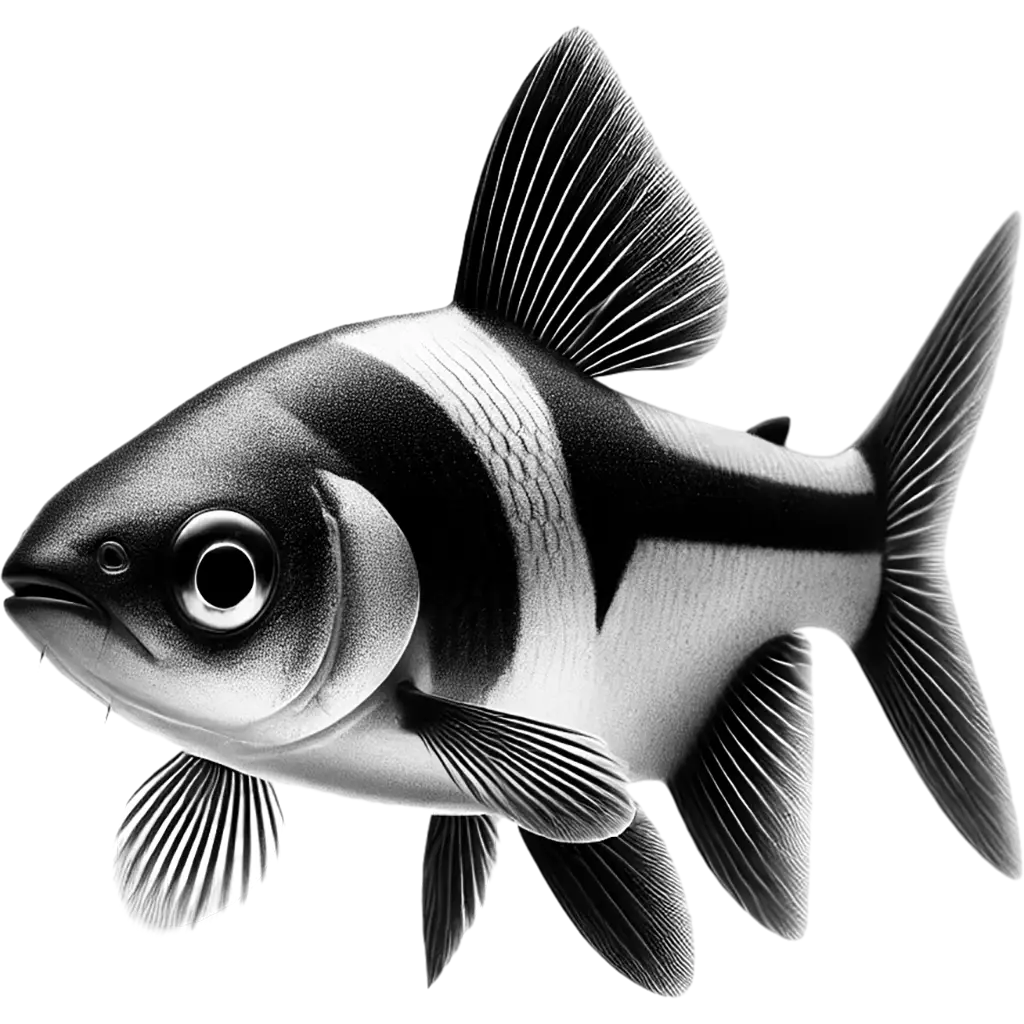
Trigonostigma Heteromorpha
Harlequin Rasbora
Streams and watercourses with low mineral content and high concentrations of dissolved humic acids
The Harlequin Rasbora is a small, vibrant freshwater fish, reaching up to 4.5 centimeters in length and weighing around 2 grams. Its body exhibits a striking orange-pink hue, complemented by a distinctive black triangular patch covering the posterior half, tapering towards the caudal peduncle. The fins are subtly tinted red, enhancing its overall colorful appearance. This species' lozenge-shaped body and unique markings make it a popular choice among aquarium enthusiasts.
| Population: | Stable; classified as Least Concern by the IUCN |
| Generation Length: | 1-2 years |
| Average Weight: | Approximately 2 grams |
| Average Length: | Up to 4.5 cm |
| Lifespan: | Up to 6 years |
| Diet: | Omnivorous, feeding on both animal and plant matter |
| Conservation Status: | Least Concern (LC) |
Native to Southeast Asia, specifically Malaysia, Singapore, Sumatra, and Borneo, the Harlequin Rasbora inhabits streams and watercourses characterized by low mineral content and high concentrations of dissolved humic acids. These conditions result from the waters flowing through peat swamp forests, leading to an environment rich in tannins and resembling South America's blackwater habitats. The species thrives in these tropical climates, preferring temperatures around 28°C and slightly acidic to neutral pH levels.
As an omnivore, the Harlequin Rasbora's diet comprises small invertebrates and plant matter. In the wild, it feeds on worms, crustaceans, and insects, playing a role in controlling these populations within its ecosystem. In captivity, it readily accepts a variety of foods, including high-quality flake foods, micro pellets, and live or frozen options like bloodworms and brine shrimp. Regular feeding of diverse diets ensures optimal health and vibrant coloration.
During breeding, Harlequin Rasboras form monogamous pairs. Spawning typically occurs under plant cover, where the female attaches 80 to 100 adhesive eggs to the undersides of broad leaves. The eggs hatch in approximately 18 hours at a temperature of 28°C. Notably, this species does not exhibit parental care post-spawning; once the eggs are laid and fertilized, both parents may inadvertently consume them if not separated. Therefore, in aquarium settings, it's advisable to remove the adults after spawning to protect the eggs.
Currently classified as Least Concern by the IUCN, the Harlequin Rasbora maintains a stable population. However, it faces threats from habitat loss due to deforestation and pollution in its native regions. Despite these challenges, its adaptability and popularity in the aquarium trade have helped sustain its numbers. Conservation efforts should focus on preserving natural habitats and promoting sustainable practices to ensure the species' continued well-being.
Classifications
The Key Attributes
Features
- Movement:
Active swimmer; schooling behavior
- Territorial Behavior:
Non-territorial; peaceful
- Speed:
Not specified
- Diet:
Omnivore
- Physical Features:
- Lozenge-shaped body
- Orange-pink coloration
- Distinctive black triangular patch on posterior half
- Red-tinted fins
- Primary Senses:
- Sight
Understanding Habitat and Range
Geography
- Habitat:
Streams and watercourses with low mineral content and high concentrations of dissolved humic acids
- Migration Patterns:
Non-migratory
- Geographical Range:
Native to Malaysia, Singapore, Sumatra, and Borneo
- Climate Preferences:
Tropical
Navigating the Wilderness
In the wild
- Predators:
Larger fish species
- Prey:
Worms, crustaceans, insects
- Feeding Behavior:
Feeds throughout the day; consumes small invertebrates and plant matter
- Diet:
Omnivorous, feeding on both animal and plant matter
- Defensive Mechanisms:
- Schooling behavior for protection
- Preferred Food Sources:
- Small invertebrates
- Algae
- Detritus
Insights Into Reproduction
Mating
- Mating System:
Monogamous pairs during breeding
- Number of Offspring:
80 to 100 eggs per spawning event
- Incubation Period:
Approximately 18 hours at 28°C
- Parental Involvement:
- No parental care post-spawning
Youngsters Section
Harlequin Rasbora
Fun Fact
The Harlequin Rasbora is a small, vibrant fish native to Southeast Asia, known for its striking appearance. With its bright orange body and distinctive black triangle-shaped mark on the tail, this fish is a favorite among aquarium enthusiasts.
These fish are also highly social and thrive in schools, often grouping together in the wild to protect themselves from predators.

Download word search puzzles
Word Search Puzzles


Check Out Other Fish
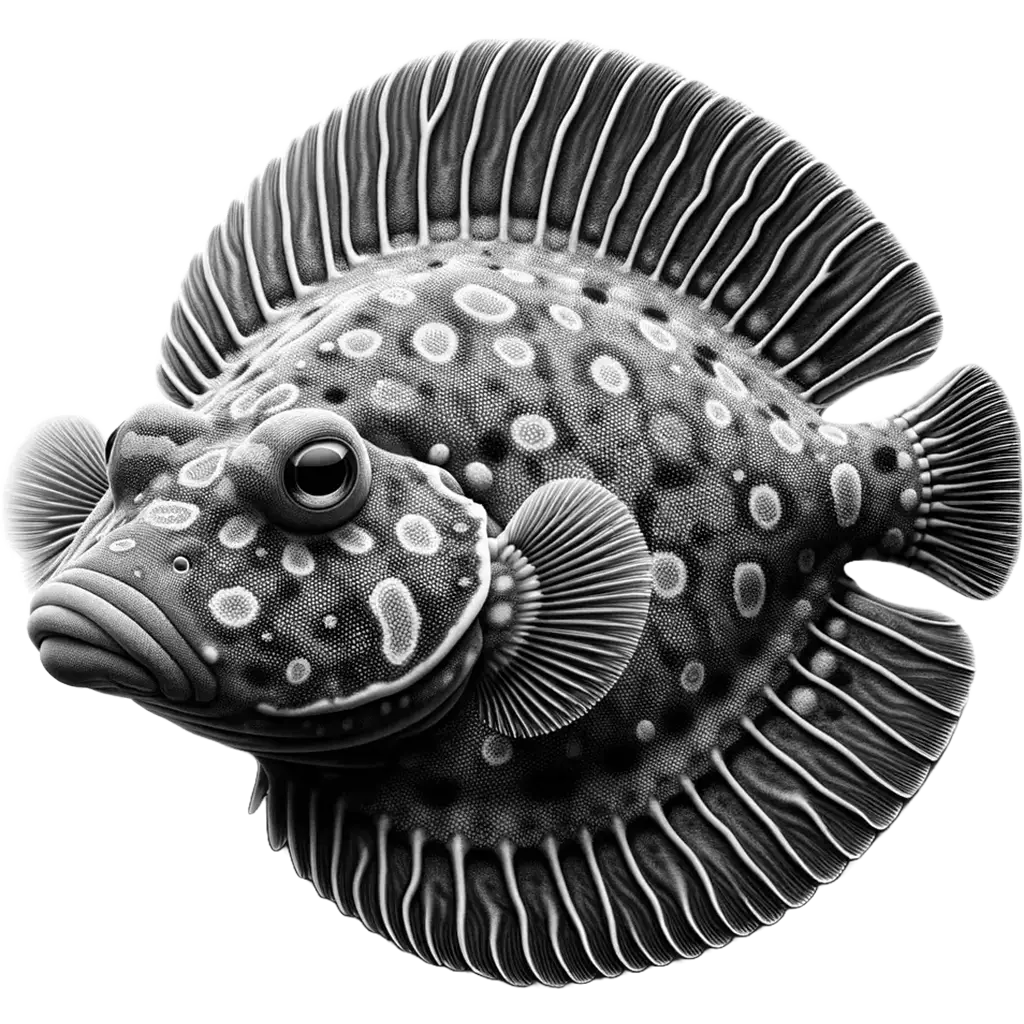
The Plate Fish, bothus lunatus, also known as the Peacock Flounder or Moon Fish, is a remarkable species of flatfish known for its unique appearance and adaptive camouflage capabilities. Native to the shallow, sandy, and seagrass beds of the Western Atlantic, from North Carolina and the Gulf of Mexico to
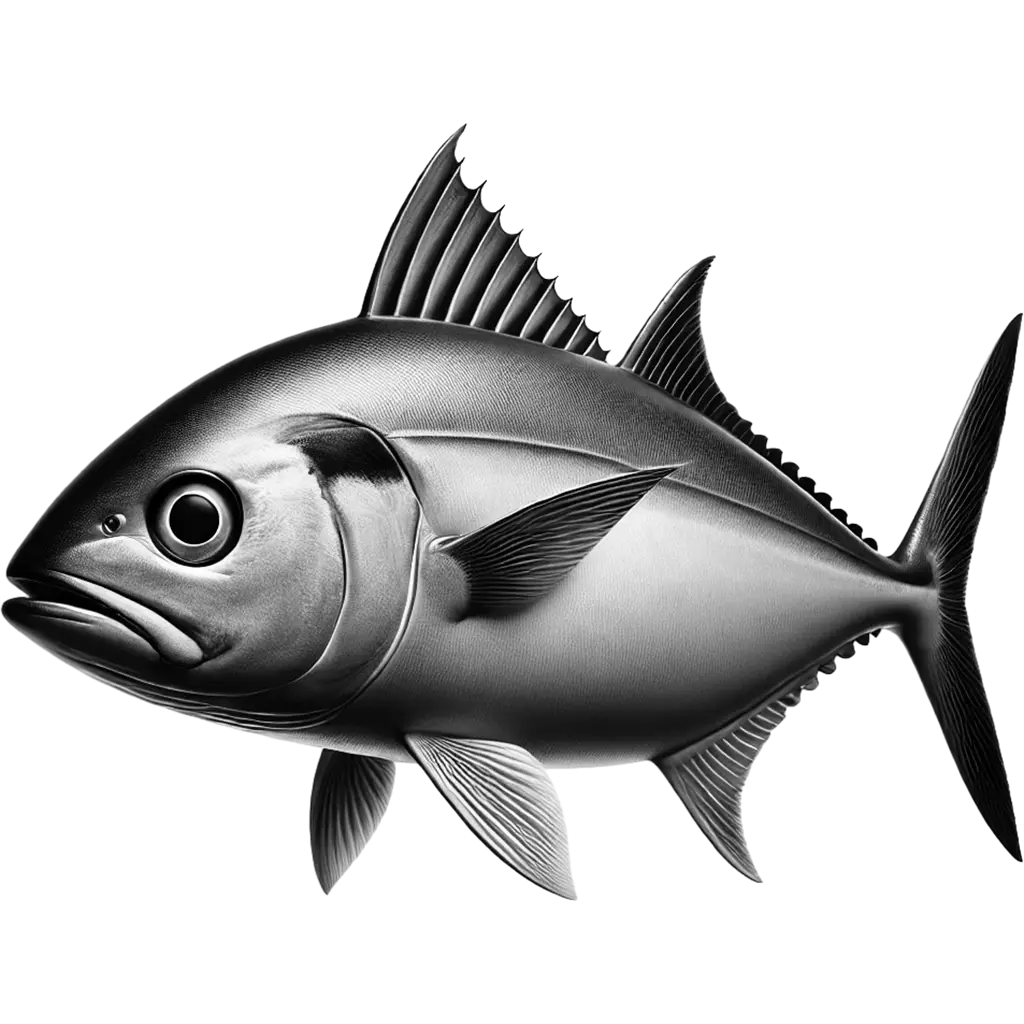
The False Scad is a moderately large marine fish, reaching up to 60 cm in length and weighing up to 1 kg, though more commonly around 35 cm. It has an elongate, slightly compressed body with a bluish-green to olive green-brown back and a silvery white underside. A narrow yellow
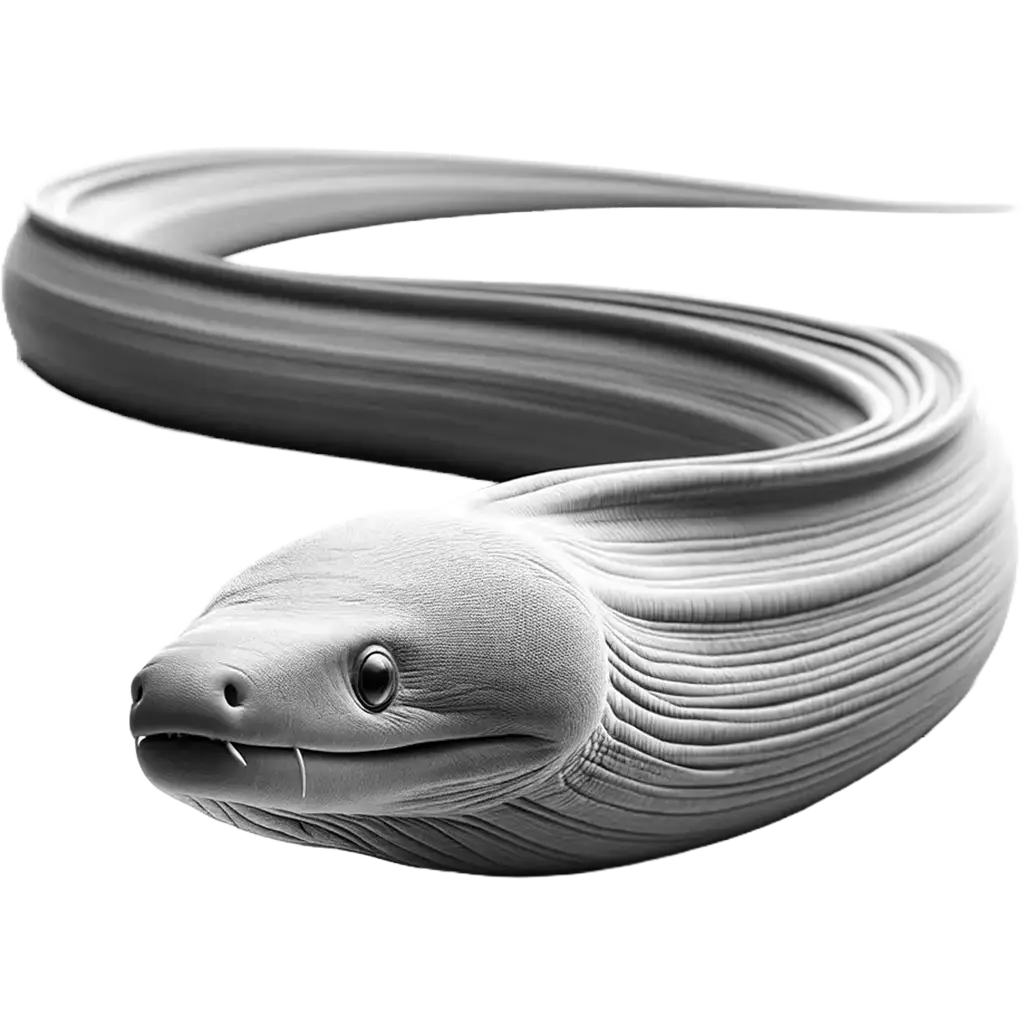
The Electric Eel, electrophorus electricus, is a fascinating species of fish known for its ability to generate powerful electric shocks. This remarkable creature is found in the freshwater habitats of the Amazon and Orinoco River basins in South America. Despite its name, it is not a true eel but is

The Blobfish, psychrolutes marcidus, scientifically referred to as members of the family Psychrolutidae, are deep-sea fish known for their unique, gelatinous appearance that has captivated public imagination. These fish typically inhabit the deep waters off the coasts of mainland Australia and Tasmania, as well as New Zealand, living at depths