
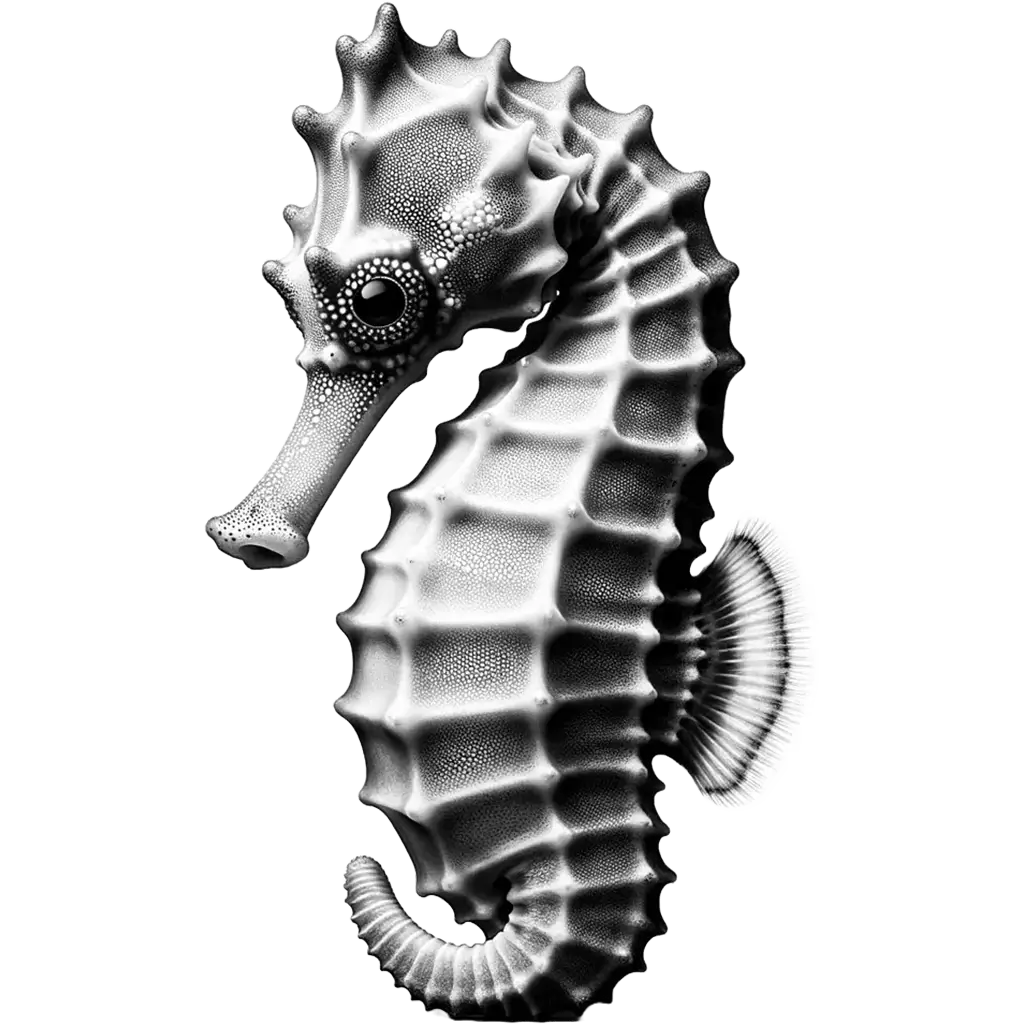
Hippocampus Hippocampus
Short-Snouted Seahorse
Shallow coastal waters, often among seagrass beds, coral reefs, and mangroves
The Short-Snouted Seahorse, hippocampus hippocampus, is a fascinating marine fish known for its distinctive horse-like head and curled tail. This species typically reaches a length of 12 to 15 cm and is characterized by its small, upturned snout, which is shorter than that of other seahorse species. The body is slender and encased in bony plates, providing protection from predators. Coloration varies widely among individuals, ranging from green and brown to yellowish, often with various markings that help camouflage them among seagrass and other underwater vegetation.
| Population: | Listed as Data Deficient by the IUCN, but believed to be under threat from habitat loss and exploitation |
| Generation Length: | 1-2 years |
| Average Weight: | Not well documented; seahorses are generally light due to their small size |
| Average Length: | 10-15 cm |
| Lifespan: | 1-5 years in the wild |
| Diet: | Micro-carnivorous, feeding on small organisms in the water column |
| Conservation Status: | Near Threatened (NT) |
Native to the coastal waters of the Mediterranean Sea, parts of the North Atlantic, including the British Isles and the Canary Islands, the Short-Snouted Seahorse inhabits shallow, temperate waters. It prefers areas with abundant vegetation, such as seagrass beds, where it uses its prehensile tail to anchor itself against currents and hide from predators. Despite their swimming ability, Short-Snouted Seahorses often remain stationary, relying on their camouflage to blend into their surroundings.
The diet of the Short-Snouted Seahorse consists primarily of small crustaceans and plankton. Its unique method of feeding involves sucking prey into its mouth through its elongated snout, acting like a vacuum. This efficient feeding mechanism allows it to consume food particles suspended in the water or picked from the substrate.
Reproduction is a notable aspect of seahorse biology, with males carrying the fertilized eggs in a specialized brood pouch until they hatch. The female deposits her eggs into the male's pouch, where he fertilizes them internally. After a gestation period of about 2 to 4 weeks, the male gives birth to fully formed, miniature seahorses, ranging in number from a few dozen to over a thousand, depending on the species.
The population of the Short-Snouted Seahorse is declining due to habitat destruction, pollution, and bycatch in fishing nets. It is also collected for the aquarium trade and traditional medicine, further impacting its numbers. Conservation efforts are focused on habitat protection, sustainable fishing practices, and legislation to regulate trade. The Short-Snouted Seahorse's unique reproductive strategy and ecological role underline the importance of conserving marine biodiversity.
Classifications
The Key Attributes
Features
- Movement:
Swimming with a dorsal fin, upright posture
- Territorial Behavior:
Solitary or in pairs, often staying within a small home range
- Speed:
Not known for speed; more for stealth and camouflage
- Diet:
Carnivore
- Physical Features:
- Small, horse-like head with a curved neck and tubular mouth
- Prehensile tail for anchoring to vegetation
- Body encased in bony plates
- Ability to change color to blend with surroundings
- Primary Senses:
- Sight
- Water movement detection
Understanding Habitat and Range
Geography
- Habitat:
Shallow coastal waters, often among seagrass beds, coral reefs, and mangroves
- Migration Patterns:
Sedentary, with limited movement within a defined territory
- Geographical Range:
Eastern Atlantic, from the United Kingdom and the Netherlands to the Mediterranean and the coast of Africa
- Climate Preferences:
Temperate to subtropical waters
Navigating the Wilderness
In the wild
- Predators:
Larger fish, crabs, and sea birds
- Prey:
Small crustaceans, planktonic organisms, and other tiny marine creatures
- Feeding Behavior:
Feeds by sucking small prey like plankton and tiny crustaceans through its tubular snout
- Diet:
Micro-carnivorous, feeding on small organisms in the water column
- Defensive Mechanisms:
- Camouflage and mimicry to blend with surroundings
- Static lifestyle to avoid detection
- Preferred Food Sources:
- Areas rich in seagrass and coral reefs which support diverse microfauna
Insights Into Reproduction
Mating
- Mating System:
Monogamous
- Number of Offspring:
Up to 1,500 eggs, but typically fewer
- Gestation Period:
2-3 weeks
- Incubation Period:
Eggs are carried by the male in a brood pouch until hatching
- Parental Involvement:
- Males carry the eggs in a brood pouch, providing oxygenation and nutrients until they hatch
Youngsters Section
Short-Snouted Seahorse
Fun Fact
The short-snouted seahorse can change its color to blend with its surroundings, aiding in camouflage.
This ability helps them avoid predators and communicate with other seahorses. Found in shallow waters, these seahorses use their prehensile tails to anchor themselves to seagrasses and corals. They are monogamous and engage in unique courtship dances, strengthening their bonds.

Download word search puzzles
Word Search Puzzles
Check Out Other Fish
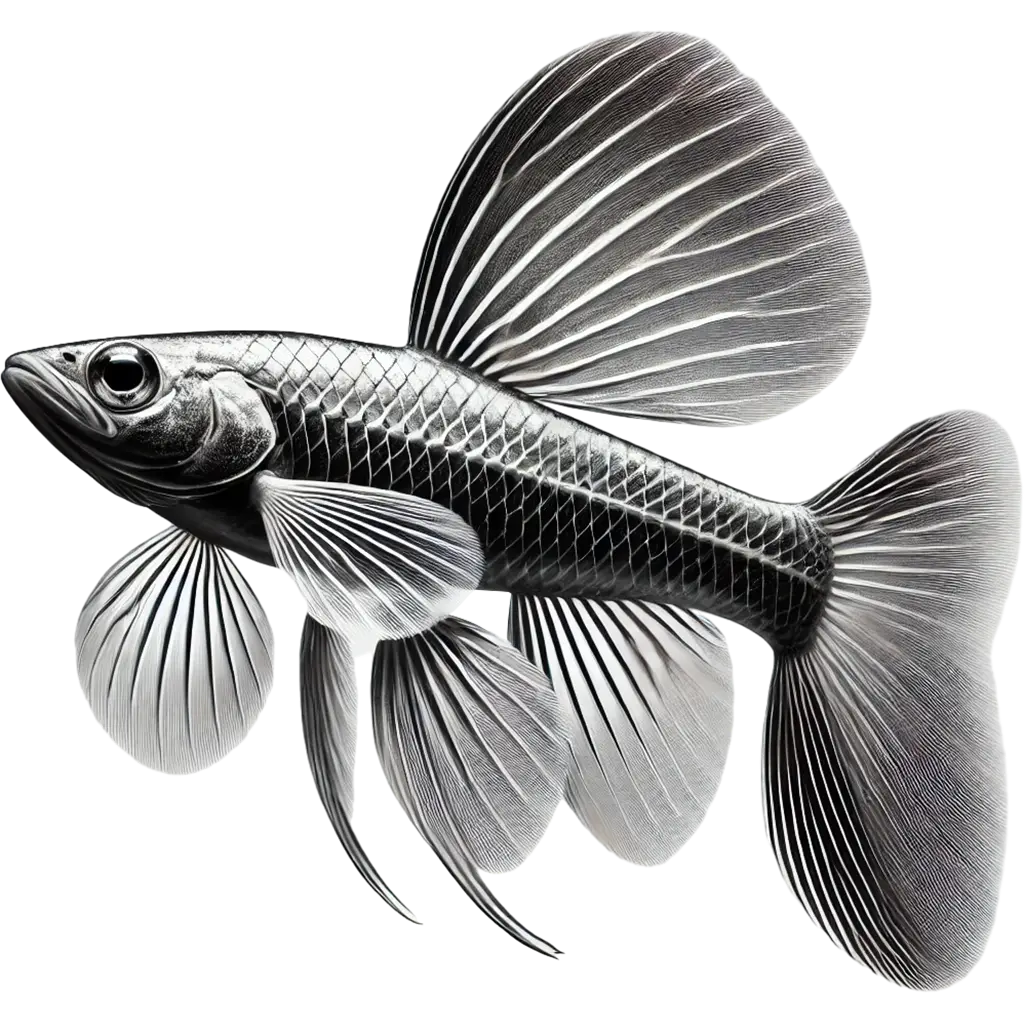
The Diamond Darter is a small, translucent freshwater fish with silvery sides and a white belly. Its back is yellow-tan, adorned with four wide olive-colored saddles, and it features a distinctive dark blotch on the snout below the eyes. Adults typically measure between 3 to 5 inches in length. Notably,
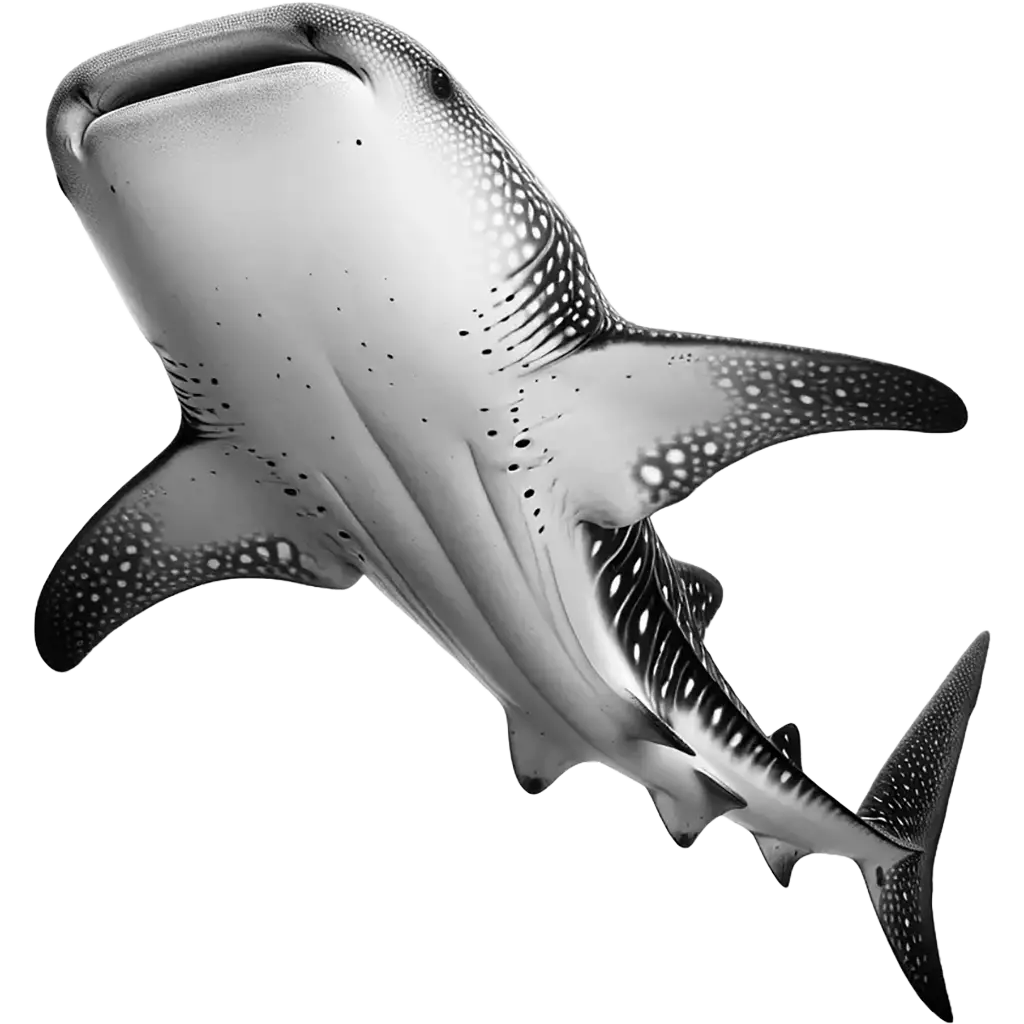
The Whale Shark, rhincodon typus, is the largest known fish species in existence, recognized for its gentle nature and massive size, with adults commonly reaching lengths of 12 to 18 meters. Characterized by its broad, flat head, wide mouth, and distinctive pattern of white spots and stripes on a dark
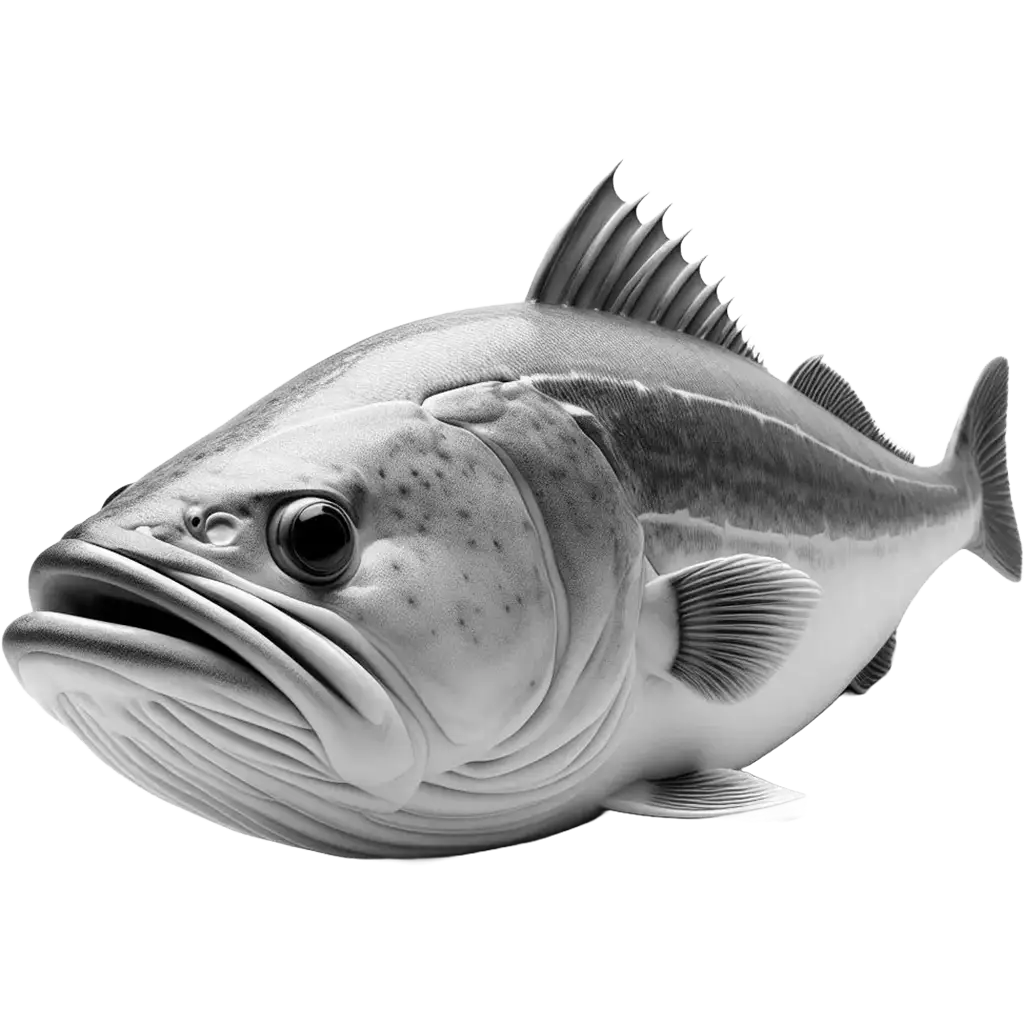
The Haddock, melanogrammus aeglefinus, is a key species in the North Atlantic fishery, widely distributed across the cold and temperate waters of the North Atlantic Ocean. This medium-sized fish typically measures between 30 to 80 centimeters (12 to 31 inches) in length and can weigh up to 1.5 kilograms (3.3
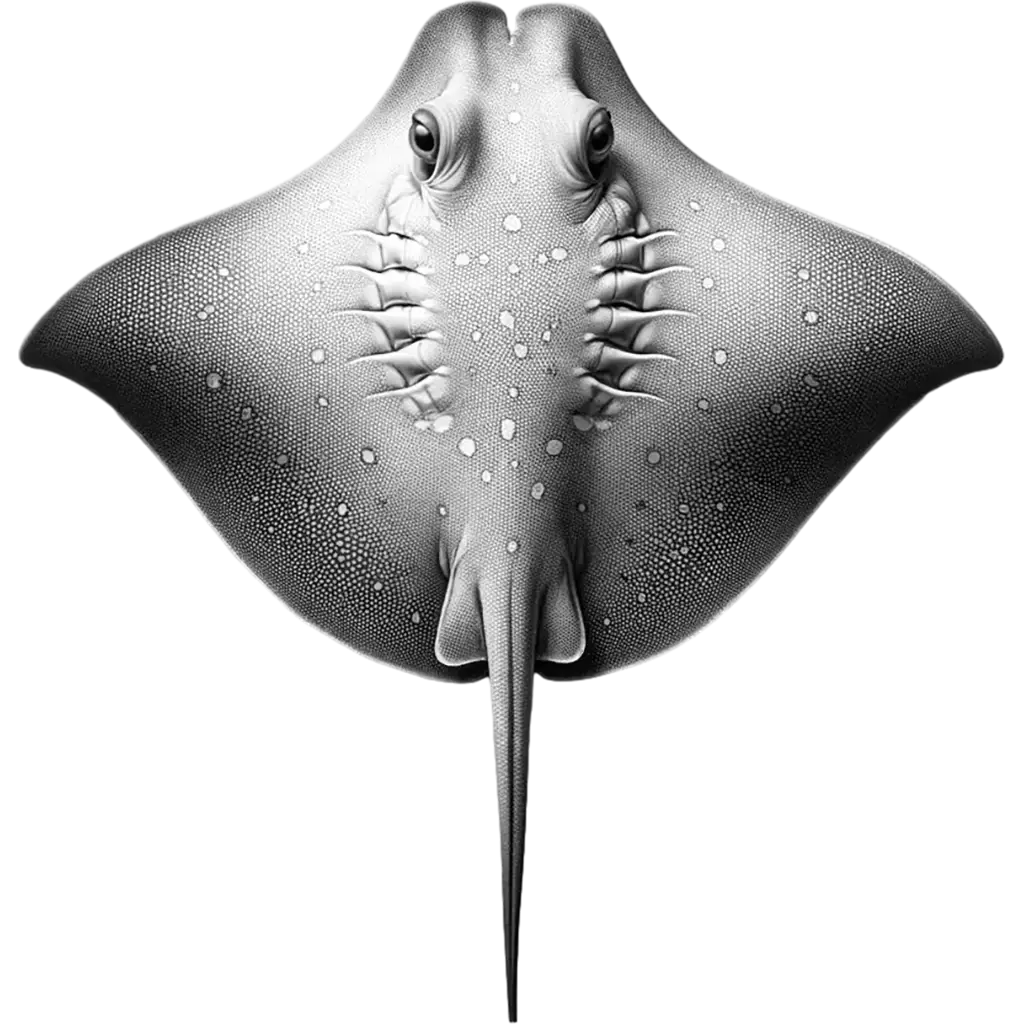
The Thornback Ray, raja clavata, is a species of cartilaginous fish in the family Rajidae, commonly found in the coastal waters of Europe and the Mediterranean Sea. This ray is easily recognizable by its kite-shaped body, which can grow up to 1 meter in length, and its dorsal surface covered