
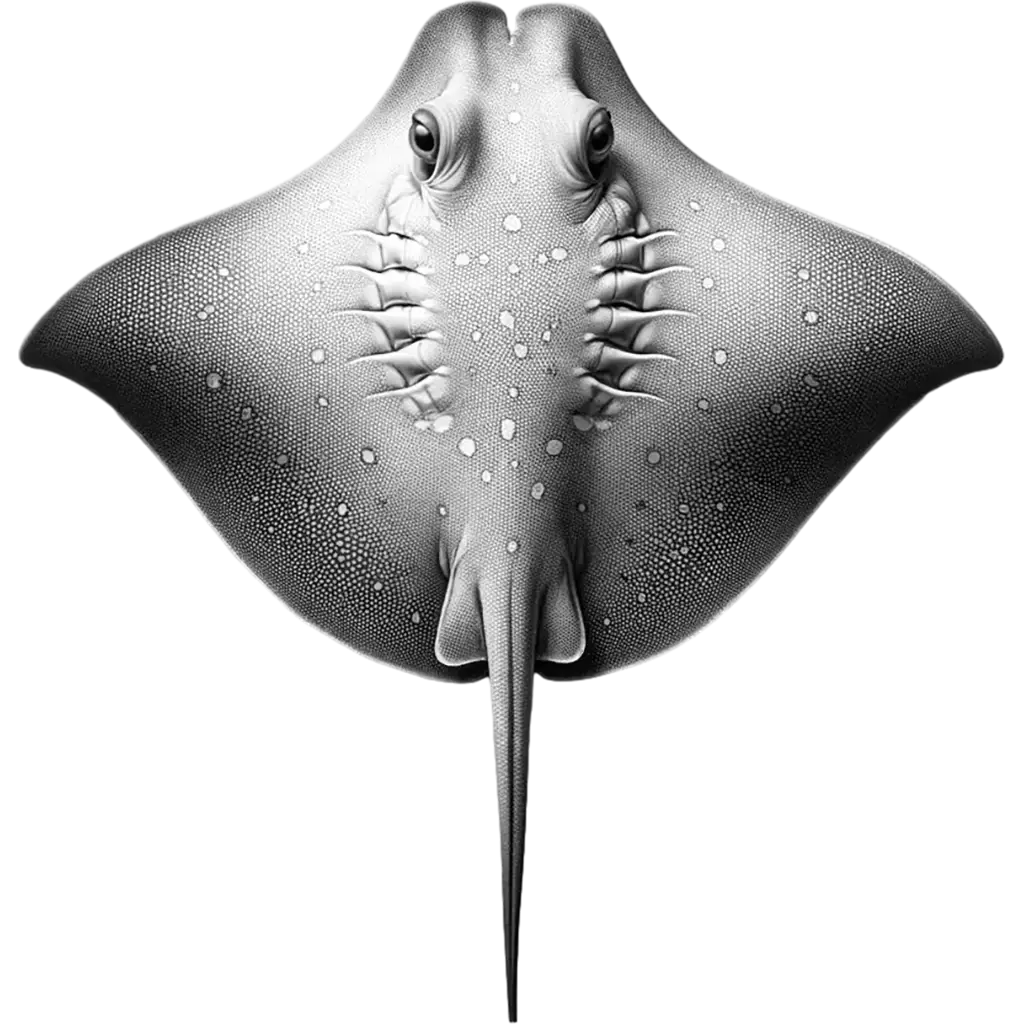
Raja Clavata
Thornback Ray
Coastal waters, often found on sandy, muddy, or gravelly seabeds
The Thornback Ray, raja clavata, is a species of cartilaginous fish in the family Rajidae, commonly found in the coastal waters of Europe and the Mediterranean Sea. This ray is easily recognizable by its kite-shaped body, which can grow up to 1 meter in length, and its dorsal surface covered in numerous thorny spines and bumpy tubercles, giving it its common name. The coloration of the Thornback Ray varies from light brown to grey, often with darker spots and mottled patterns that help camouflage it against the seabed.
| Population: | Listed as Near Threatened due to overfishing and habitat degradation |
| Generation Length: | 7-11 years |
| Average Weight: | 5-8 kg, can reach up to 18 kg |
| Average Length: | 70-120 cm |
| Lifespan: | Up to 15 years in the wild |
| Diet: | Benthic feeder, consuming organisms found on or near the seabed |
| Conservation Status: | Near Threatened (NT) |
Thornback Rays inhabit a variety of marine environments, from shallow inshore waters to depths of up to 300 meters. They prefer sandy, muddy, or gravelly substrates where they can bury themselves for camouflage and protection. These rays are bottom dwellers, spending much of their time lying partially buried on the ocean floor, waiting to ambush prey.
The diet of the Thornback Ray consists mainly of crustaceans, mollusks, and small fish. They use their strong jaws to crush the shells of their prey, extracting the soft bodies inside. This feeding behavior plays a crucial role in the benthic food web, helping to control populations of invertebrates and maintain the balance of the ecosystem.
Reproduction in the Thornback Ray is oviparous, with females laying egg cases known as 'mermaid's purses' that are attached to the seabed or seaweed. Each egg case contains a single embryo, which develops and hatches after approximately four to five months, depending on water temperature. The juvenile rays are fully formed at hatching and are independent from birth.
The population of the Thornback Ray faces pressures from overfishing, habitat destruction, and pollution. They are caught as bycatch in mixed fisheries and targeted in some areas for their meat and skin. Conservation efforts include monitoring fisheries, implementing catch limits, and protecting critical habitats to ensure the sustainability of Thornback Ray populations. Their status varies regionally, with some areas reporting declines, underscoring the need for ongoing research and management to safeguard this species.
Classifications
The Key Attributes
Features
- Movement:
Swimming, gliding along the seabed
- Territorial Behavior:
Solitary, except during breeding season
- Speed:
Not known for speed, but for stealth and bottom-dwelling habits
- Diet:
Carnivore
- Physical Features:
- Diamond-shaped body with a long tail
- Dorsal surface covered with thorny spines
- Ventrum is smooth and pale
- Mouth located on the underside to feed on bottom-dwelling organisms
- Primary Senses:
- Electroreception
- Sight
- Touch
Understanding Habitat and Range
Geography
- Habitat:
Coastal waters, often found on sandy, muddy, or gravelly seabeds
- Migration Patterns:
Some seasonal migration related to water temperature and breeding
- Geographical Range:
Northeast Atlantic, from Norway to the Mediterranean, including the North Sea and Baltic Sea
- Climate Preferences:
Prefers temperate marine environments
Navigating the Wilderness
In the wild
- Predators:
Larger fish, seals, and humans
- Prey:
Crabs, shrimp, small fish, and mollusks
- Feeding Behavior:
Feeds on crustaceans, mollusks, and small fish, often burying itself in the sand to ambush prey
- Diet:
Benthic feeder, consuming organisms found on or near the seabed
- Defensive Mechanisms:
- Camouflage with the seabed
- Covering themselves with sand for ambush and protection
- Thorny spines for defense against predators
- Preferred Food Sources:
- Areas with abundant invertebrate life and suitable cover for ambush hunting
Insights Into Reproduction
Mating
- Mating System:
Polygynous
- Number of Offspring:
50-150 egg capsules, each containing one embryo
- Gestation Period:
Approximately 4-5 months
- Incubation Period:
5-6 months until hatching
- Parental Involvement:
- Females lay egg capsules which are then left to develop independently
Youngsters Section
Thornback Ray
Fun Fact
Thornback Rays get their name from the thorn-like spines on their back and tail.
They are commonly found in the northeast Atlantic and Mediterranean Sea. These rays use their pectoral fins to create a current, uncovering prey hidden in the sand. Their diet includes crustaceans, small fish, and mollusks. They can grow up to 1 meter long.

Download word search puzzles
Word Search Puzzles

Check Out Other Fish
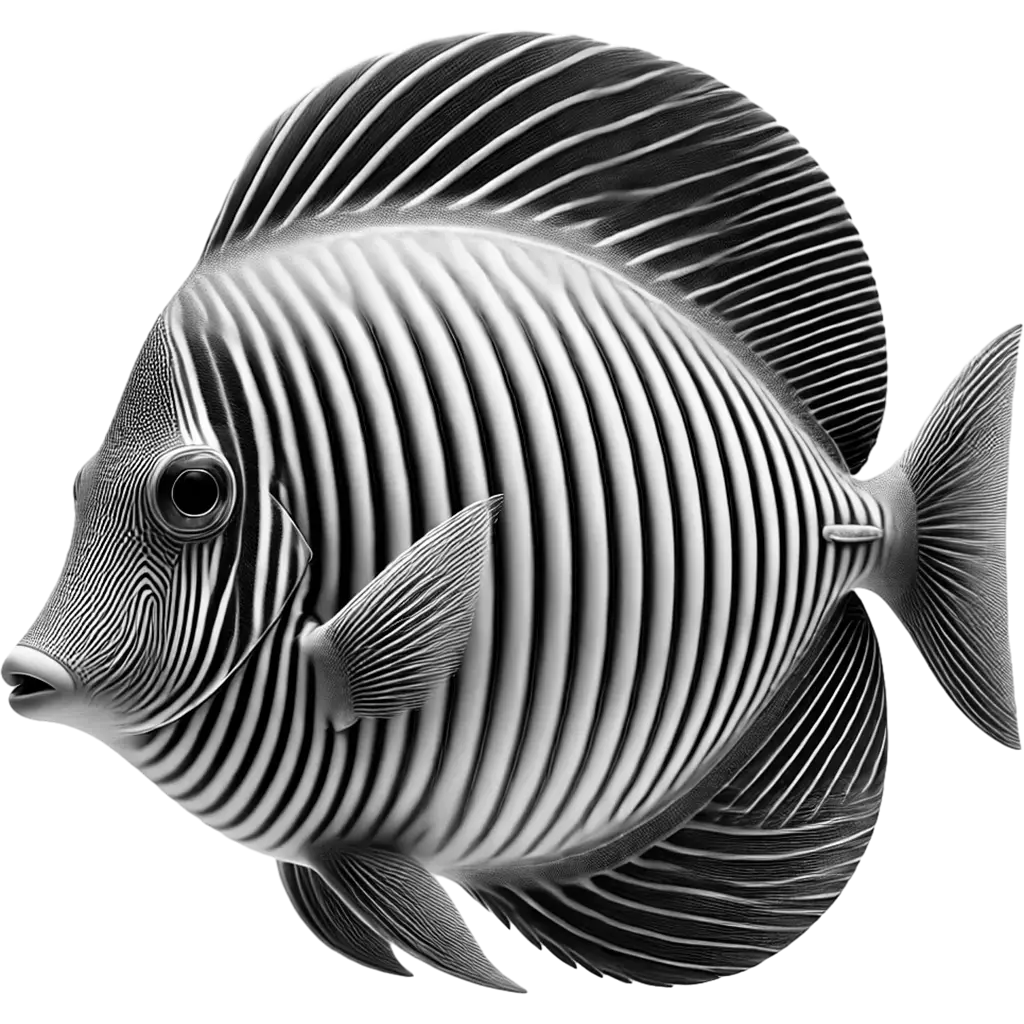
The Sailfin Tang exhibits a laterally compressed, oval-shaped body adorned with shimmering scales that reflect a spectrum of colors under sunlight. Its most distinctive feature is a large, sail-like dorsal fin that stretches gracefully along its back, displaying vibrant hues of yellow and blue. The streamlined body and angular head,
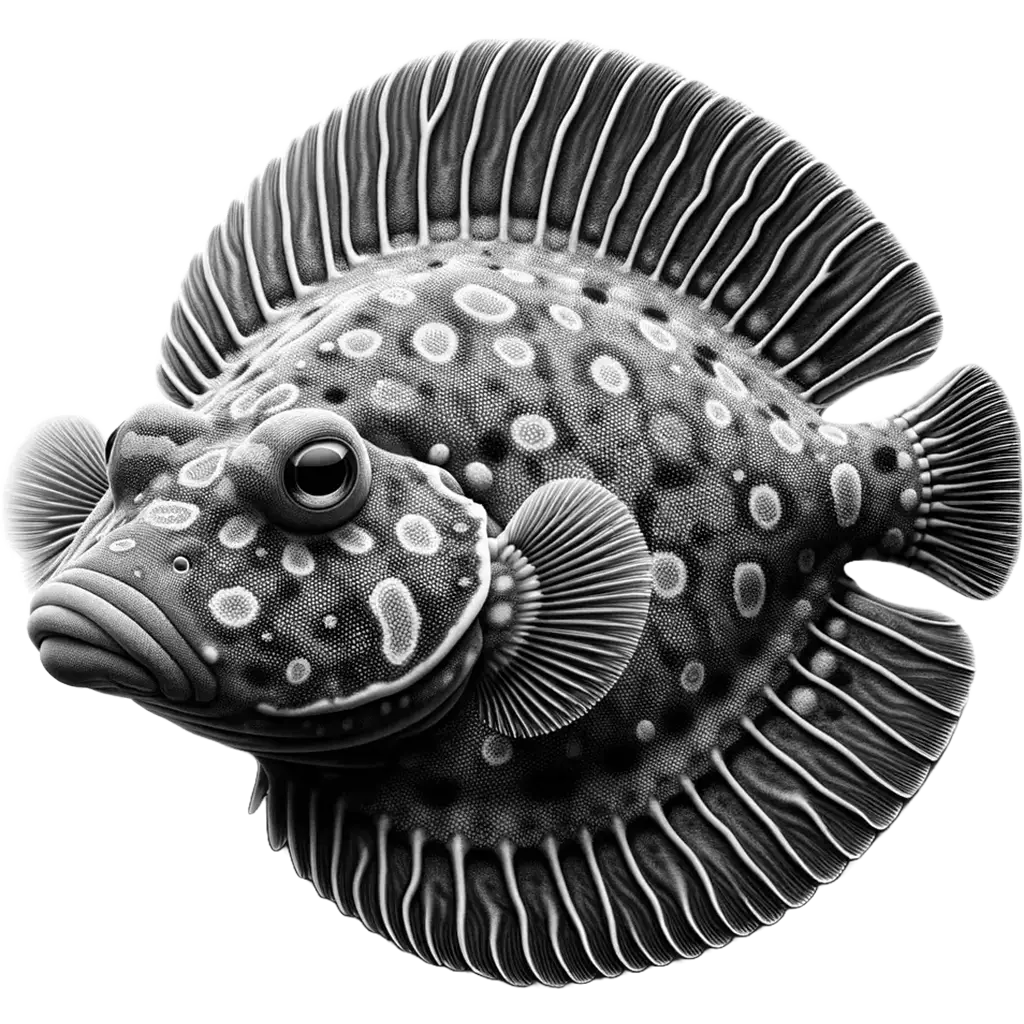
The Plate Fish, bothus lunatus, also known as the Peacock Flounder or Moon Fish, is a remarkable species of flatfish known for its unique appearance and adaptive camouflage capabilities. Native to the shallow, sandy, and seagrass beds of the Western Atlantic, from North Carolina and the Gulf of Mexico to
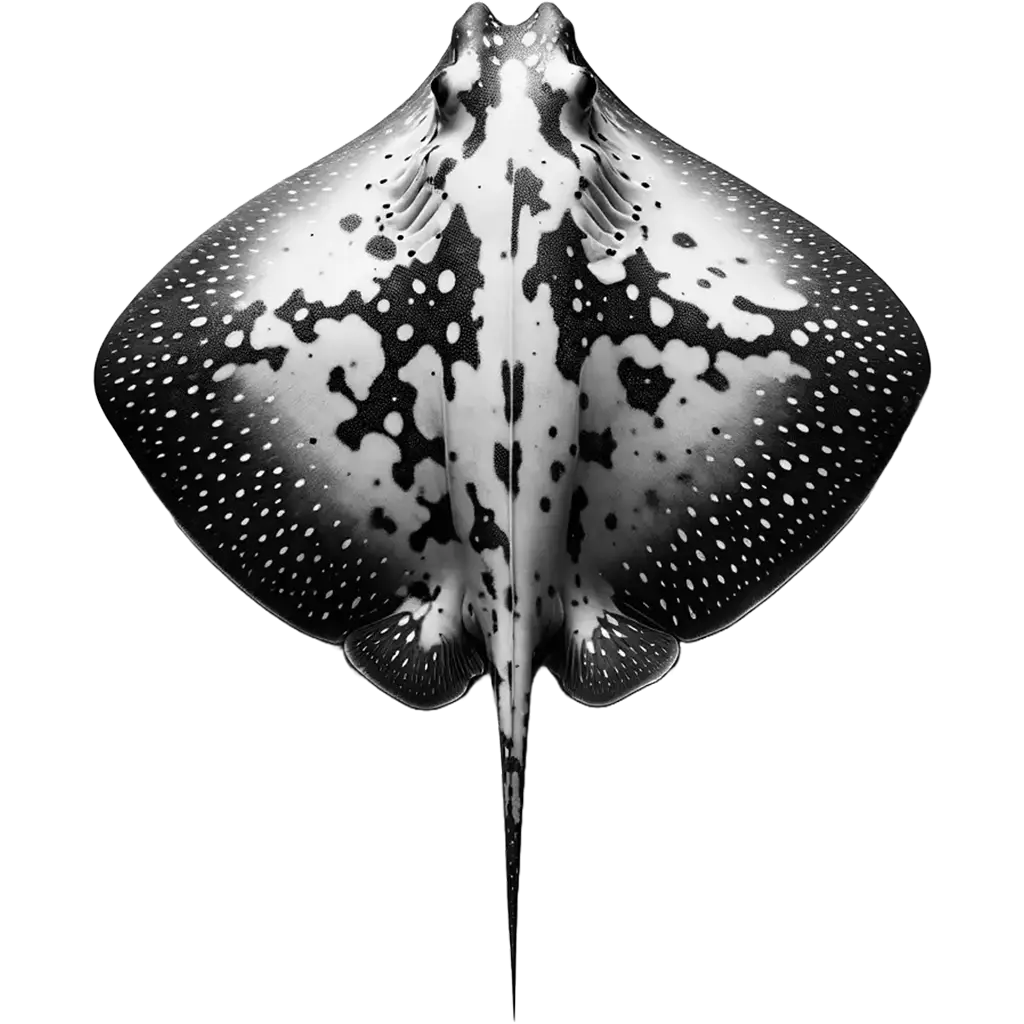
The Marbled Electric Ray, torpedo marmorata, is a peculiar and fascinating species of ray known for its ability to generate electrical charges. This medium-sized ray can reach lengths of up to 60 cm and is characterized by its rounded body, almost disk-like in shape, and a distinctive marbled pattern on
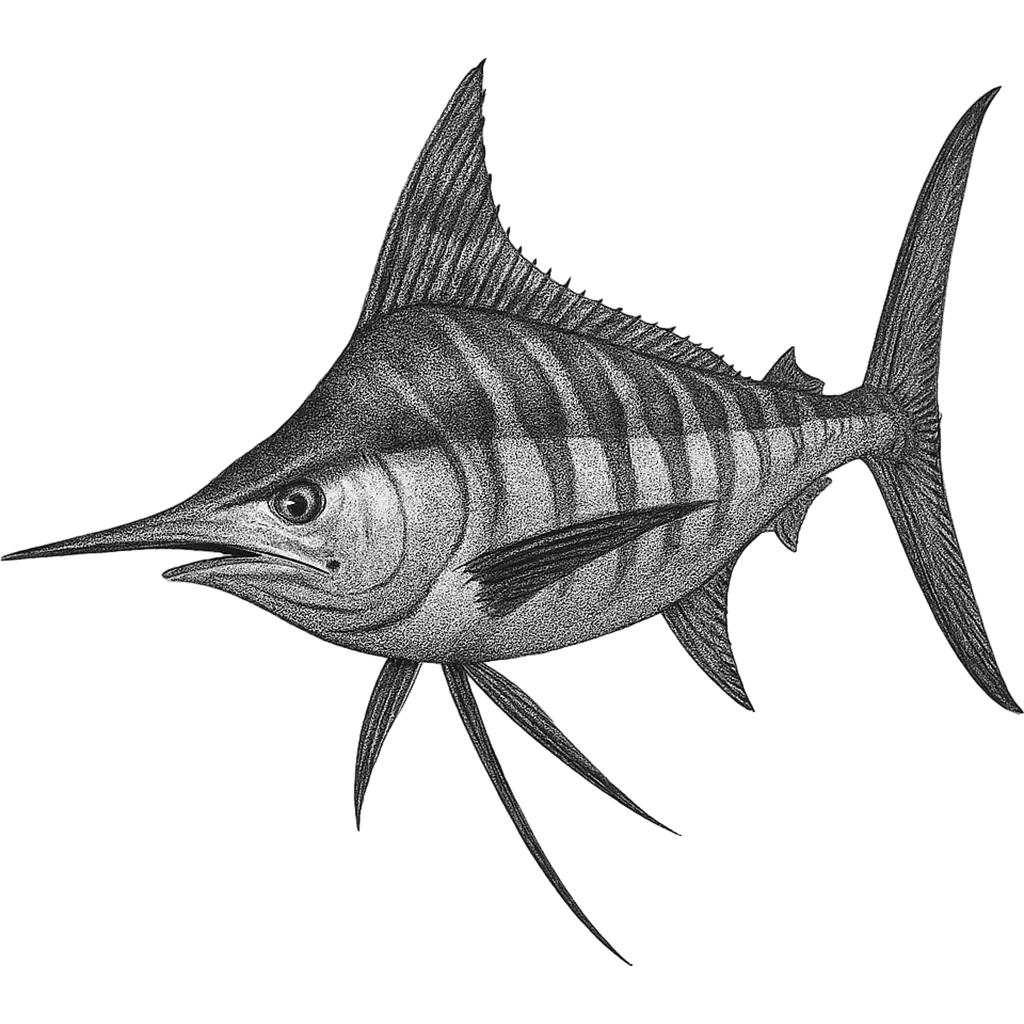
The Striped Marlin has a sleek, elongated body shaped like a torpedo, measuring on average 2.9 meters in length and tapering to a narrow caudal peduncle that supports a forked tail. Its dorsal surface ranges from deep blue to nearly black, fading to silvery white on the ventral side. The