
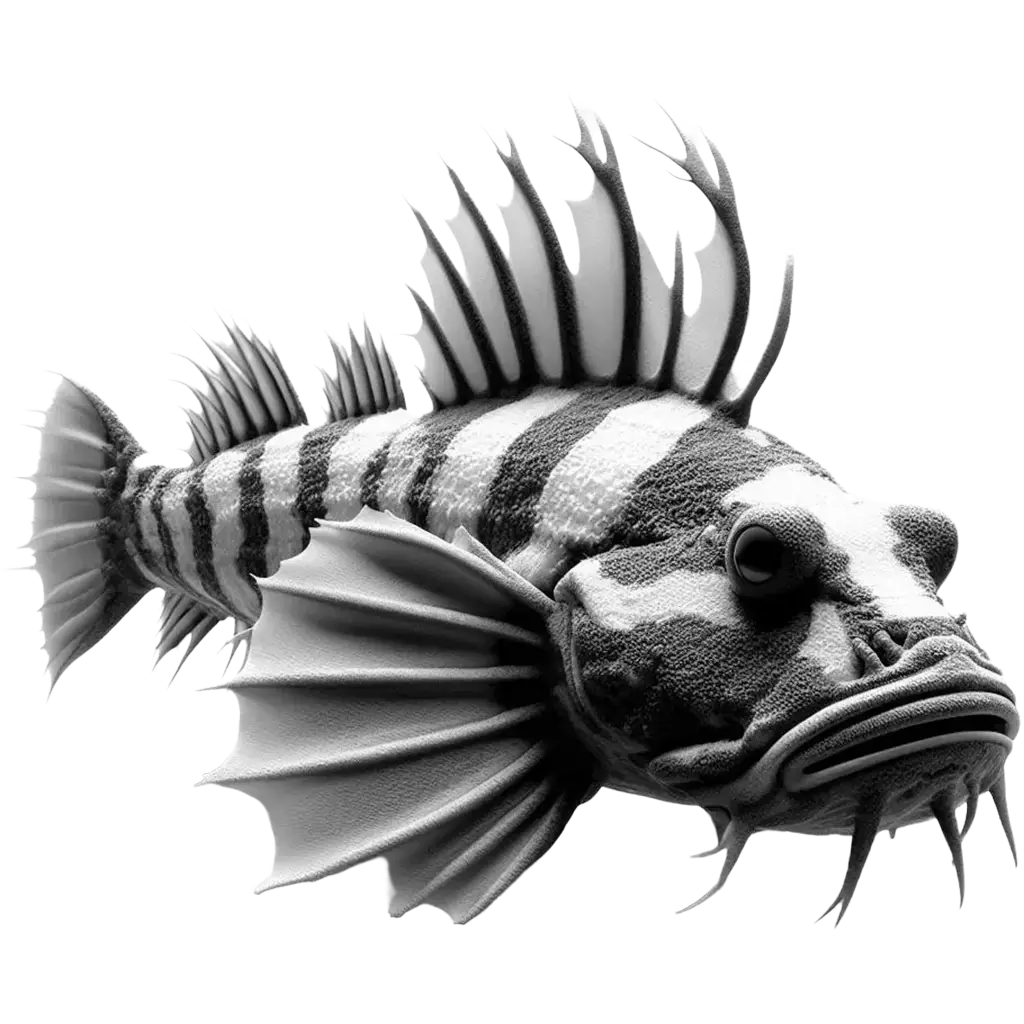
Cottus Bairdii
Mottled Sculpin
Cold, clear freshwater streams and rivers, often in rocky or gravelly areas
The Mottled Sculpin, cottus bairdii, is a freshwater fish species distinguished by its camouflage pattern of mottling and bars, which blend seamlessly with the rocky streambeds it inhabits. Adults typically measure between 7 to 10 cm in length, with a robust, tapering body and a broad, flattened head featuring large, upward-facing eyes. Their pectoral fins are wide and fan-like, aiding in their ability to maintain position in fast-flowing waters. Mottled Sculpins lack scales, a characteristic common to the sculpin family, and possess a single, spiny dorsal fin that contributes to their distinctive silhouette.
| Population: | Widespread and common in suitable habitats, not currently considered threatened |
| Generation Length: | 2-3 years |
| Average Weight: | Not widely documented; small species |
| Average Length: | 7-10 cm, can reach up to 15 cm |
| Lifespan: | Up to 5 years |
| Diet: | Primarily aquatic invertebrates |
| Conservation Status: | Least Concern (LC) |
Mottled Sculpins are found in cold, clear streams and rivers across North America, from Canada to the northern United States. They prefer habitats with abundant rocks and gravel, which offer protection from predators and strong currents. These fish are benthic, spending most of their time on the streambed, where their cryptic coloration provides excellent camouflage. Mottled Sculpins are solitary and territorial, defending their chosen area against intruders with displays of aggression.
The diet of the Mottled Sculpin primarily consists of small invertebrates, including insects, larvae, and crustaceans, which they hunt at night. Their method of feeding involves lying in wait, camouflaged among the substrate, before darting out to capture prey with their large mouths. This predatory behavior underscores their role as an important link in aquatic food webs, controlling populations of aquatic insects and contributing to the overall health of their ecosystem.
Reproduction in Mottled Sculpins takes place in the spring, when males establish and defend nesting sites under rocks or in crevices. Females lay their eggs in these nests, and the males then guard the eggs until they hatch, exhibiting a high degree of parental care uncommon in many fish species. This nesting behavior is crucial for the survival of offspring, as it protects the eggs from predators and the strong currents of their riverine habitats.
The population of the Mottled Sculpin is considered stable throughout much of its range, but it is susceptible to threats from habitat degradation, pollution, and the introduction of non-native species. Conservation efforts for Mottled Sculpins focus on protecting freshwater ecosystems, monitoring water quality, and restoring degraded habitats to ensure the continued survival of this unique and ecologically important species.
Classifications
The Key Attributes
Features
- Movement:
Swimming, benthic (bottom-dwelling)
- Territorial Behavior:
Somewhat territorial, especially during breeding season
- Speed:
Not specified; adapted for quick darting movements
- Diet:
Carnivore
- Physical Features:
- Mottled brown and tan coloration for camouflage
- Large pectoral fins
- Tapered body with a wide, flattened head
- Lacks a swim bladder
- Primary Senses:
- Sight
- Lateral line system for detecting movements in water
Understanding Habitat and Range
Geography
- Habitat:
Cold, clear freshwater streams and rivers, often in rocky or gravelly areas
- Migration Patterns:
Non-migratory, but may move locally within streams
- Geographical Range:
Widely distributed across North America, from Canada to the northern United States
- Climate Preferences:
Prefers cold water environments
Navigating the Wilderness
In the wild
- Predators:
Larger fish, birds, and aquatic mammals
- Prey:
Aquatic invertebrates
- Feeding Behavior:
Feeds on small invertebrates, including insects, larvae, and crustaceans
- Diet:
Primarily aquatic invertebrates
- Defensive Mechanisms:
- Camouflage
- Hiding under rocks and in crevices
- Preferred Food Sources:
- Insects
- Larvae
- Small crustaceans
Insights Into Reproduction
Mating
- Mating System:
Polygynous
- Number of Offspring:
100-200 eggs
- Incubation Period:
2-4 weeks, depending on water temperature
- Parental Involvement:
- Male guards the eggs until they hatch
Youngsters Section
Mottled Sculpin
Fun Fact
Mottled Sculpins are small, bottom-dwelling fish found in freshwater streams across North America.
They have a unique ability to camouflage with their environment, blending into rocky substrates. This adaptation helps them avoid predators and ambush prey. Mottled Sculpins are vital to stream ecosystems, as they control insect populations and serve as food for larger fish.

Download word search puzzles
Word Search Puzzles
Check Out Other Fish
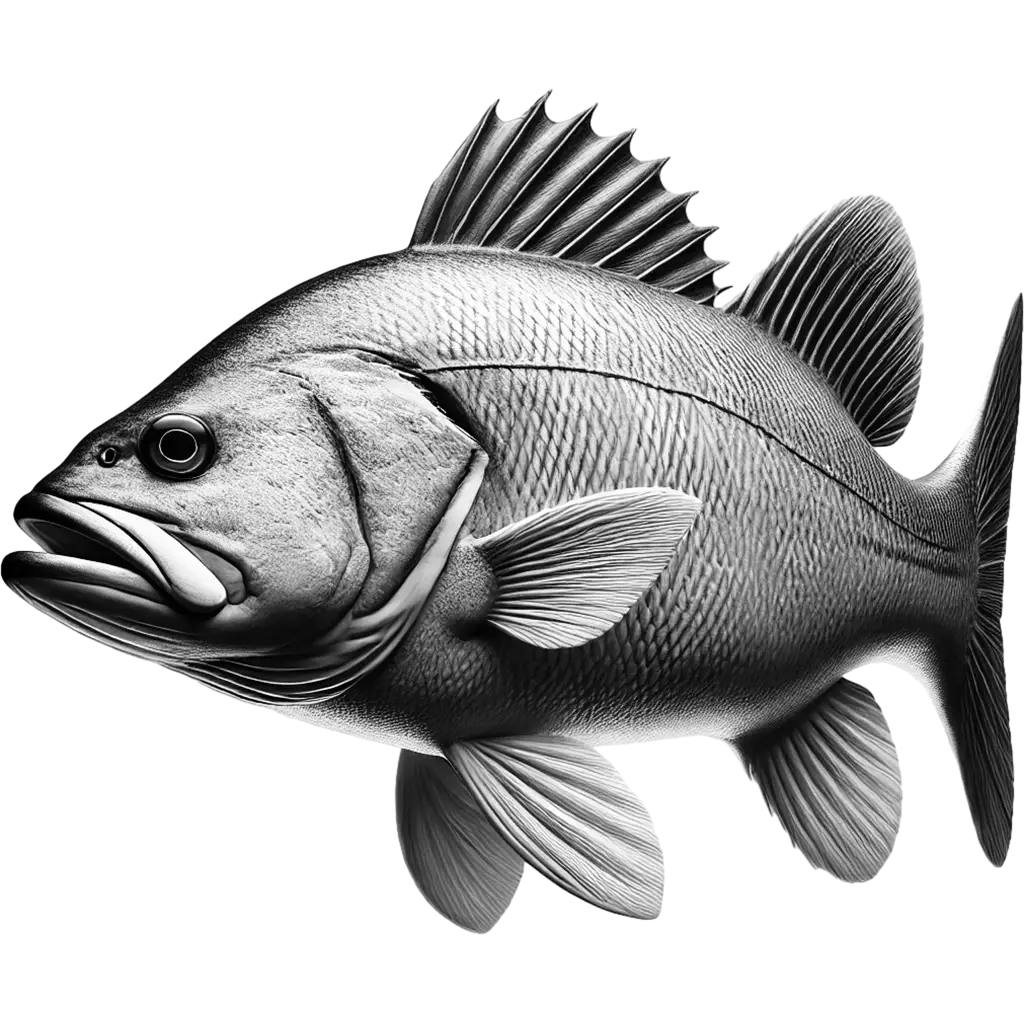
White seabass exhibit a sleek, elongated body with a metallic silver sheen that shimmers under sunlight. Their streamlined profile features a moderately large head, a slightly upturned mouth, and subtle dark markings along the lateral line. The well-proportioned fins and alert eyes contribute to an appearance that is both elegant
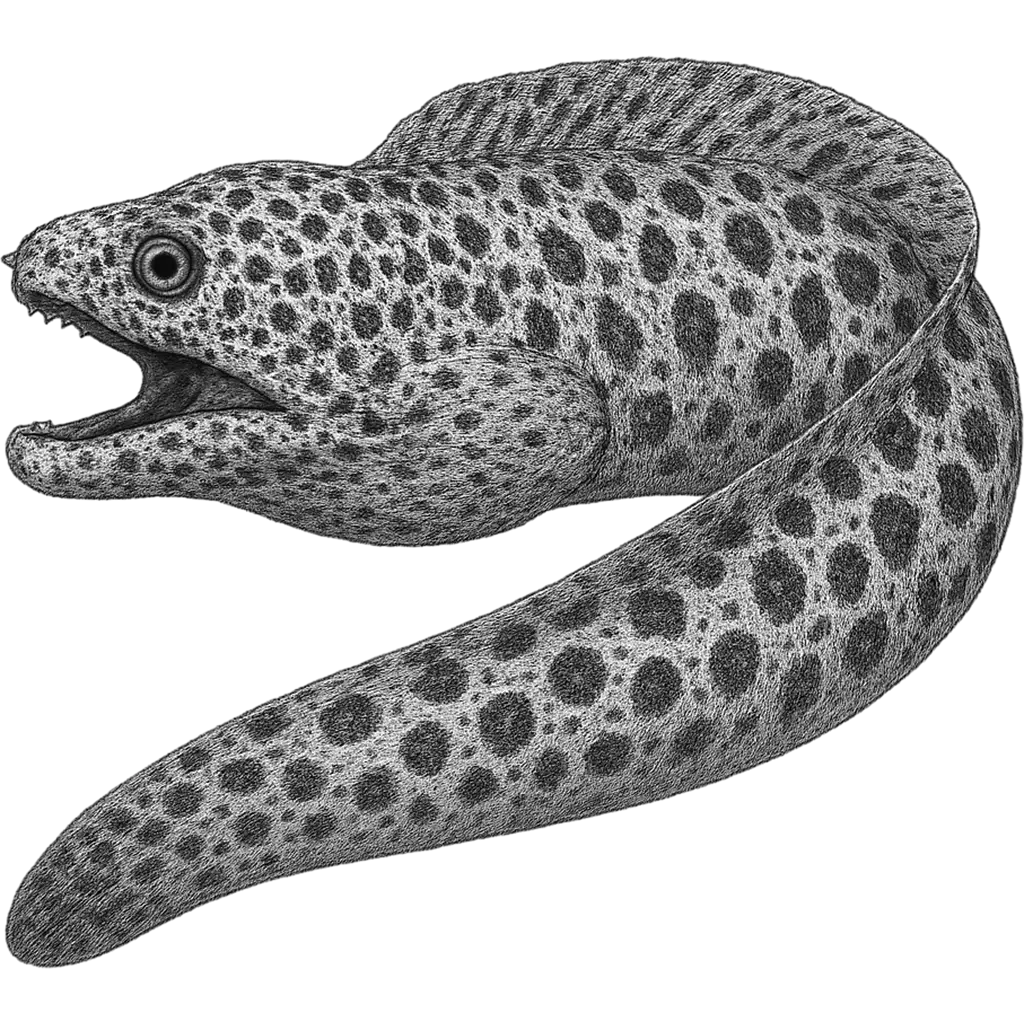
The Spotted Moray has a long, slender, snake-like body reaching up to two meters in length, commonly around sixty centimeters. Its smooth, scaleless skin is pale yellow to off-white, densely covered with small, overlapping reddish-brown to dark-brown spots. The head is broad with small, round gill openings and a pronounced
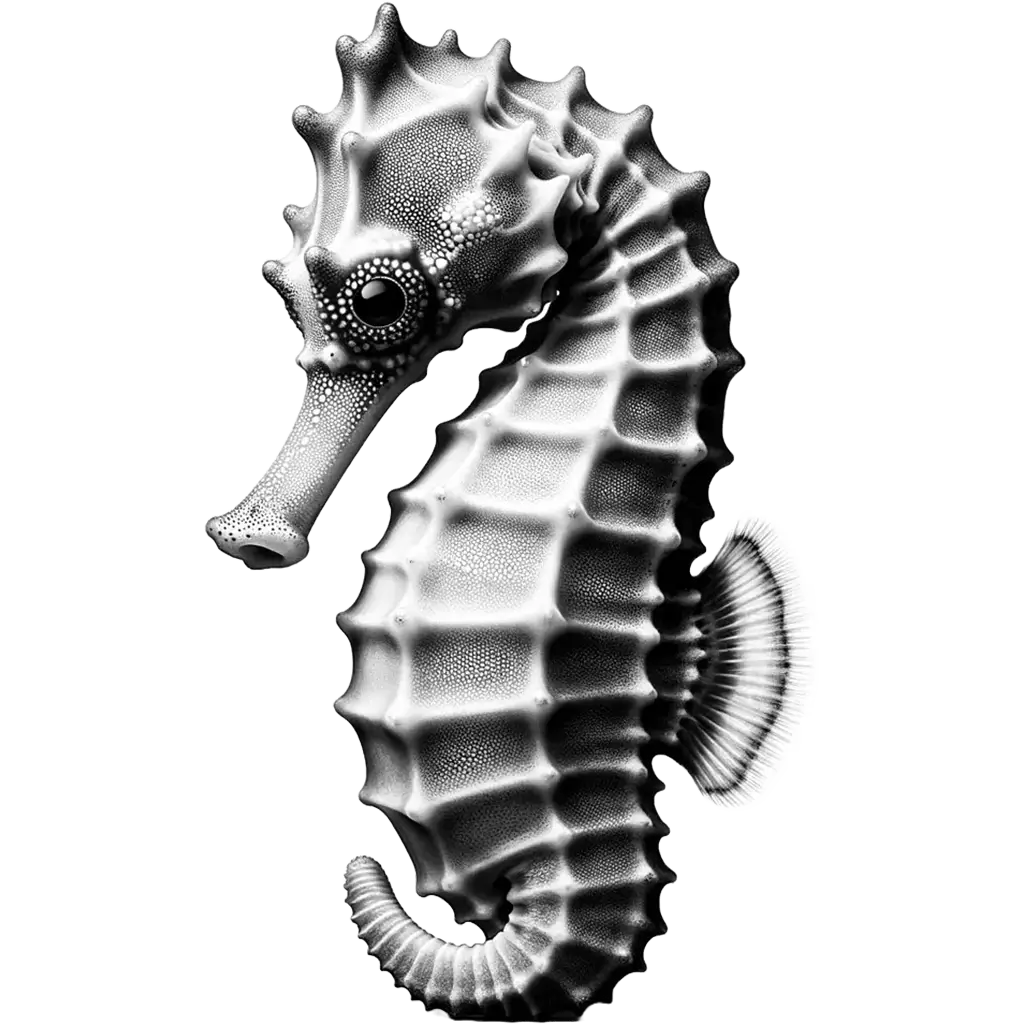
The Short-Snouted Seahorse, hippocampus hippocampus, is a fascinating marine fish known for its distinctive horse-like head and curled tail. This species typically reaches a length of 12 to 15 cm and is characterized by its small, upturned snout, which is shorter than that of other seahorse species. The body is
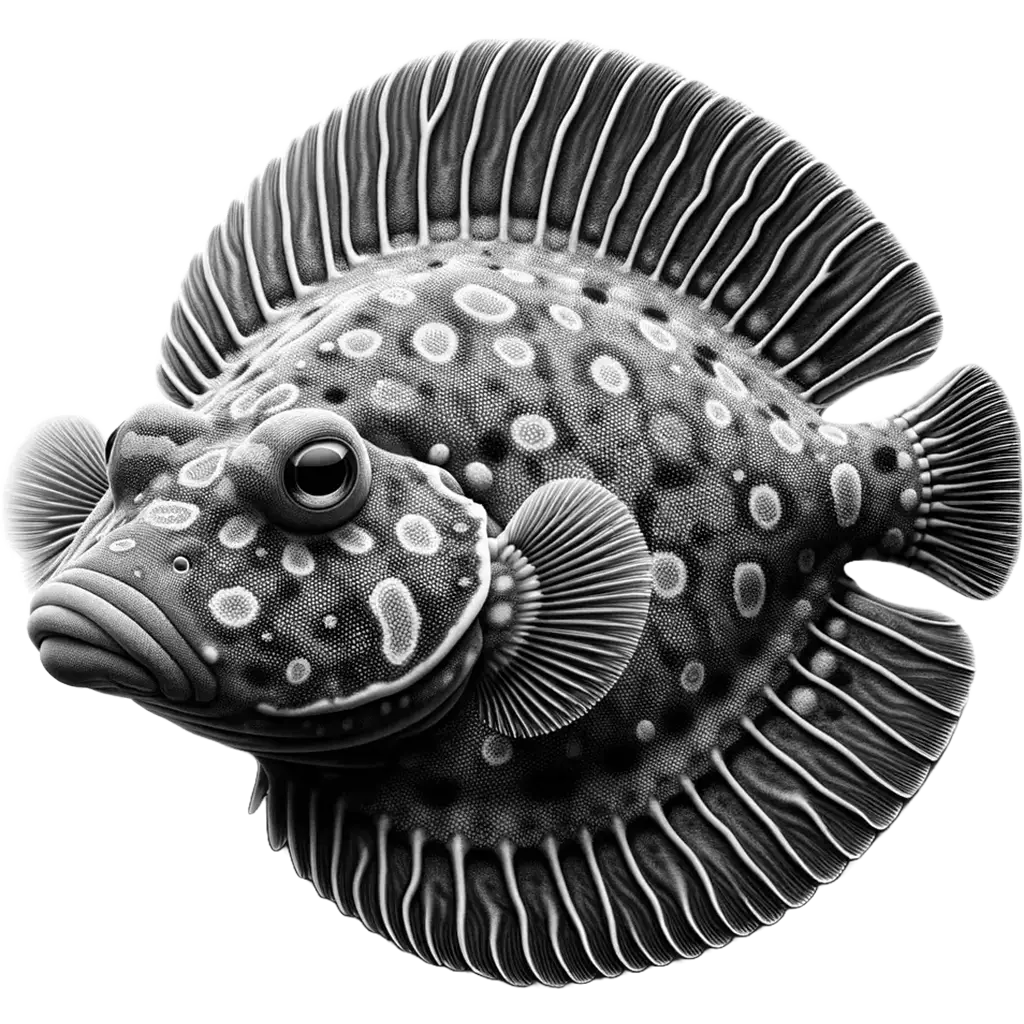
The Plate Fish, bothus lunatus, also known as the Peacock Flounder or Moon Fish, is a remarkable species of flatfish known for its unique appearance and adaptive camouflage capabilities. Native to the shallow, sandy, and seagrass beds of the Western Atlantic, from North Carolina and the Gulf of Mexico to