
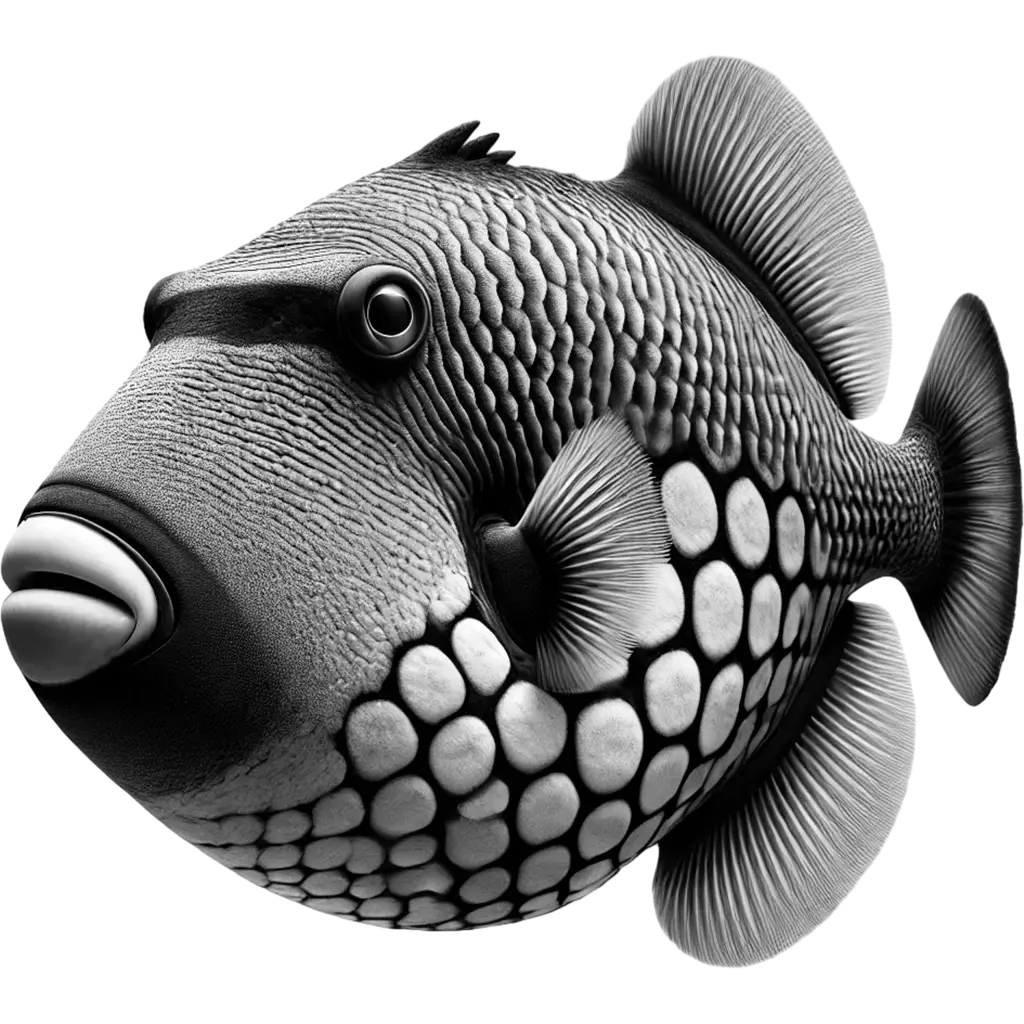
Rhinecanthus Verrucosus
Blackbelly Triggerfish
Coral reefs, rocky outcrops, and nearshore areas in tropical marine environments
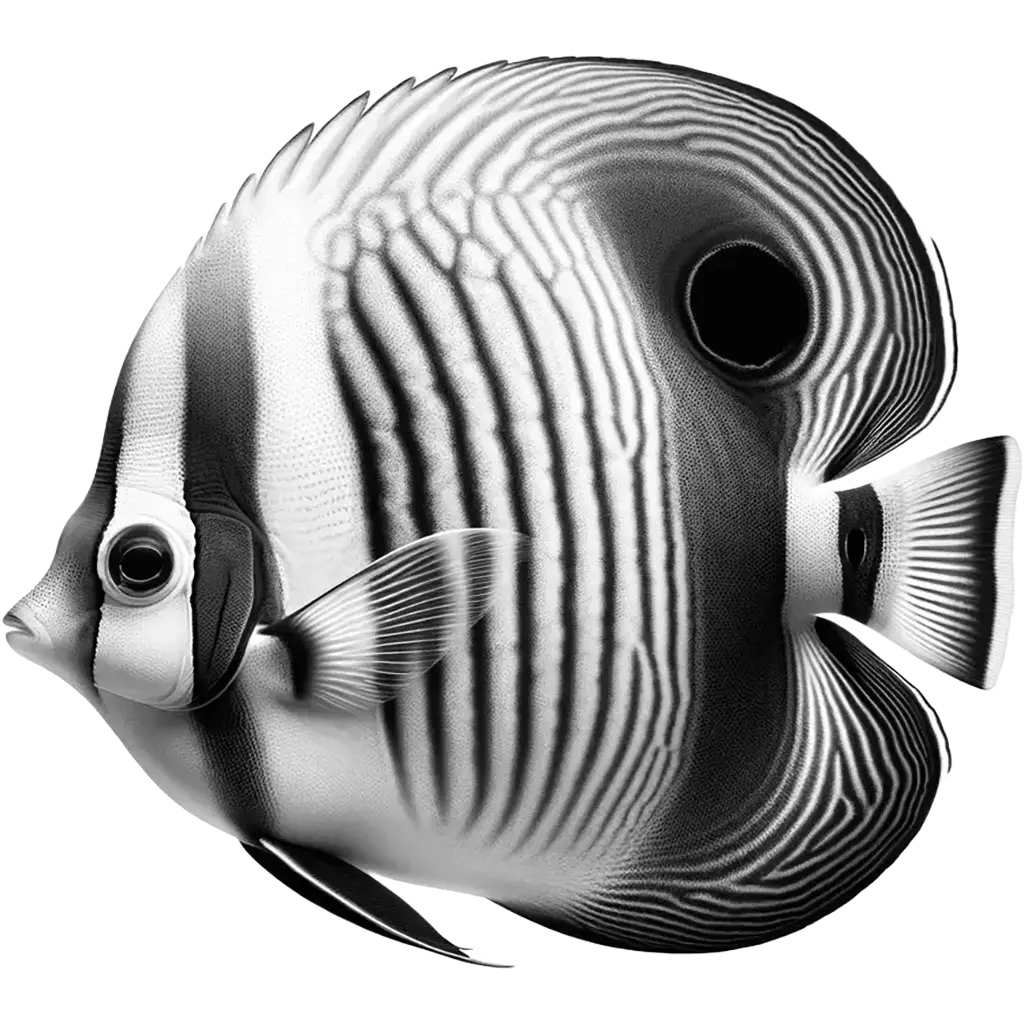
The Blackbelly Triggerfish exhibits a robust, laterally compressed body adorned with striking patterns and a distinctive black belly contrasting with vibrant hues on its fins and upper body. Its rough, textured skin and prominent dorsal 'trigger' spines not only define its appearance but also serve as a defense mechanism. With a broad, angular head and piercing eyes, this fish displays an elegant yet rugged silhouette that is perfectly adapted for life among coral reefs.
| Population: | Generally common in healthy coral reef ecosystems, although local populations may decline due to overfishing and habitat degradation |
| Generation Length: | 4-5 years |
| Average Weight: | Approximately 1-2 kg |
| Average Length: | Approximately 25-30 cm |
| Lifespan: | Approximately 10 years in the wild |
| Diet: | Omnivorous, feeding on both animal protein and plant matter for its active reef life |
| Conservation Status: | Least Concern (LC) |
Active throughout the day, the Blackbelly Triggerfish is typically found patrolling the shallow, sunlit waters of coral reefs and rocky substrates. It often forms small groups or may be seen alone, exhibiting cautious yet confident behavior while navigating complex reef structures. This fish is known for its territorial displays, where it uses rapid, darting movements and aggressive posturing to defend its space from intruders. Its behavior includes periodic resting on the reef floor, where it blends seamlessly with the environment, and sudden bursts of activity when chasing potential prey or evading predators. The triggerfish's lifestyle is characterized by a balanced mix of leisurely foraging and dynamic, high-energy interactions, making it a versatile and remarkably resilient inhabitant of diverse marine ecosystems. Often, these triggerfish are observed engaging in playful, exploratory behavior that further highlights their adaptability.
Feeding primarily on a diet of hard-shelled invertebrates, small fish, and crustaceans, the Blackbelly Triggerfish uses its powerful jaws to crush and consume prey with remarkable efficiency. Its diet is complemented by the occasional ingestion of algae, which helps supplement its nutritional intake during periods of food scarcity. The triggerfish's feeding strategy involves a methodical approach; it surveys the reef with keen vision and then launches sudden, precise strikes at unsuspecting prey. By targeting organisms that dwell in crevices and among coral, it plays a critical role in maintaining the ecological balance of its habitat. This varied diet ensures that the triggerfish obtains a rich mix of proteins, carbohydrates, and essential minerals, which are vital for supporting its energetic bursts of movement and sustaining its overall health in a competitive marine environment.
During the breeding season, Blackbelly Triggerfish engage in brief, vigorous courtship displays. Males exhibit vivid color changes and perform rapid, circling maneuvers to attract females. Once paired, spawning occurs in a communal setting, with eggs released and fertilized externally. This coordinated reproductive strategy ensures high fertilization success, while the absence of parental care allows adults to focus on territorial defense and foraging.
Blackbelly Triggerfish are generally common within healthy reef ecosystems, though localized populations may experience declines due to overfishing and coral degradation. Their numbers are maintained by effective spawning aggregations, yet ongoing environmental pressures and habitat loss continue to pose challenges. Continued conservation efforts are essential to ensure that these striking fish remain a vibrant and robust part of marine biodiversity.
Classifications
The Key Attributes
Features
- Movement:
They move with a deliberate, gliding motion along the reef, interspersed with rapid bursts when chasing prey or evading predators.
- Territorial Behavior:
Highly territorial; individuals aggressively defend small reef patches with swift displays and posturing.
- Speed:
Capable of sudden, rapid bursts during hunting or escapes.
- Diet:
Omnivorous; it preys on small invertebrates and fish, and also scrapes algae from rocky surfaces to supplement its diet.
- Physical Features:
- Robust, laterally compressed body with a distinctive black belly
- Prominent dorsal trigger spines that can be locked for defense
- Shimmering silver scales with bold, dark stripes along the flanks
- A broad, angular head with piercing eyes
- Primary Senses:
- Sight
- Lateral line sensitivity
Understanding Habitat and Range
Geography
- Habitat:
Coral reefs, rocky outcrops, and nearshore areas in tropical marine environments
- Migration Patterns:
Non-migratory; exhibits local movements in response to food availability and reef conditions.
- Geographical Range:
Widely distributed in the Indo-Pacific region.
- Climate Preferences:
Tropical marine environments with warm, clear waters.
Navigating the Wilderness
In the wild
- Predators:
Larger predatory fish, marine mammals, and humans (via fishing) pose threats, especially to juveniles.
- Prey:
Small invertebrates, tiny fish, and occasionally algae.
- Feeding Behavior:
Forages actively among crevices and over reef flats, using sudden bursts of speed to capture small prey.
- Diet:
Omnivorous, feeding on both animal protein and plant matter for its active reef life
- Defensive Mechanisms:
- Aggressive territorial displays and rapid burst swimming
- Use of locked dorsal spines to deter predators
- Preferred Food Sources:
- Small reef invertebrates and tiny fish
- Algal films on rocks and corals
Insights Into Reproduction
Mating
- Mating System:
Solitary outside the breeding season; individuals come together briefly for spawning.
- Number of Offspring:
Large numbers of eggs are released during spawning events.
- Incubation Period:
Eggs hatch after a short incubation period of approximately 3-5 days in open water.
- Parental Involvement:
- No parental care; eggs and larvae develop independently.
Youngsters Section
Blackbelly Triggerfish
Fun Fact
The Blackbelly Triggerfish is renowned for its bold, contrasting coloration and aggressive territorial displays, making it a favorite among reef enthusiasts.
Its unique physical features, such as the prominent dorsal spines and vivid body markings, not only serve as a defense mechanism but also contribute to its striking appearance in the vibrant, competitive world of coral reefs. Observing its behavior offers insights into the complex dynamics of reef ecosystems.

Download word search puzzles
Word Search Puzzles


Check Out Other Fish
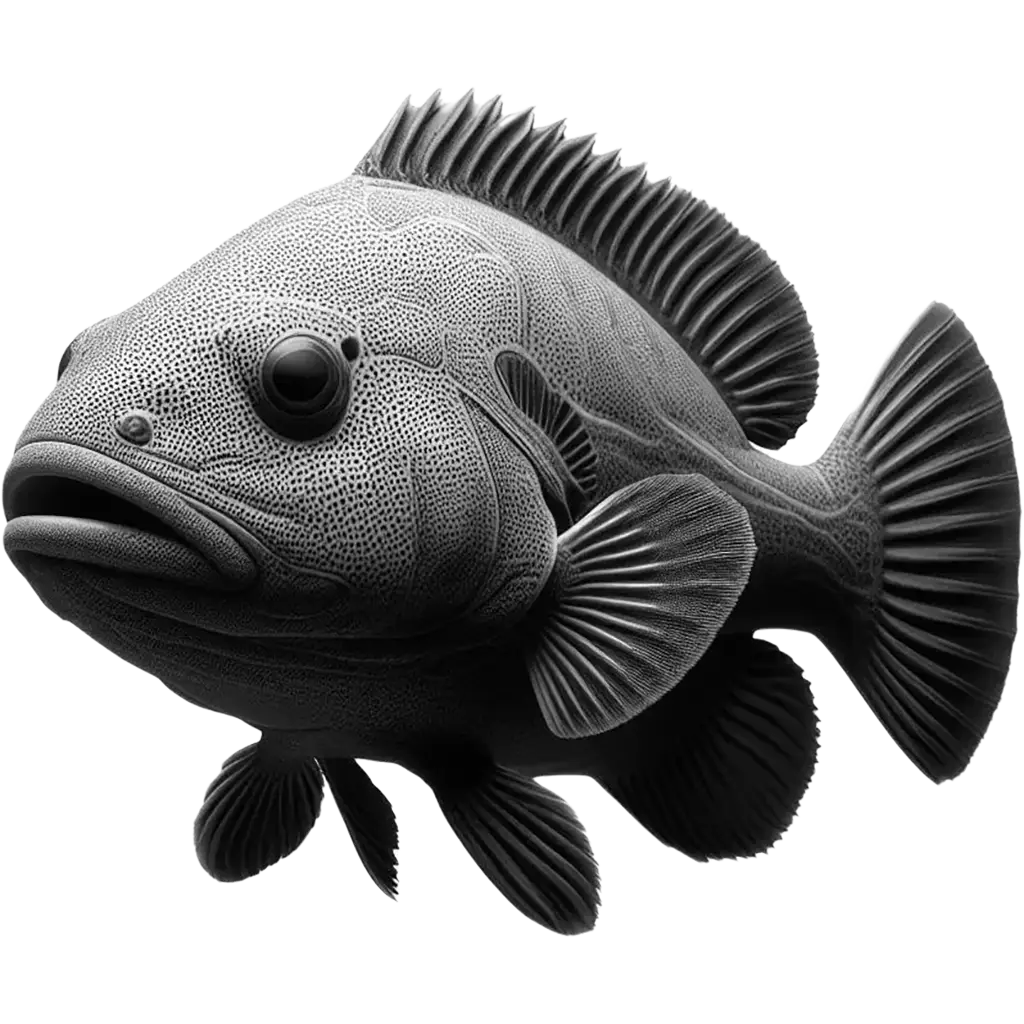
The Doctor Fish, garra rufa, is a small species of freshwater fish native to river basins in the Middle East, particularly found in Turkey, Syria, Iraq, and Iran. This species is renowned for its unique behavior of feeding on dead or diseased skin from the feet and body of humans,
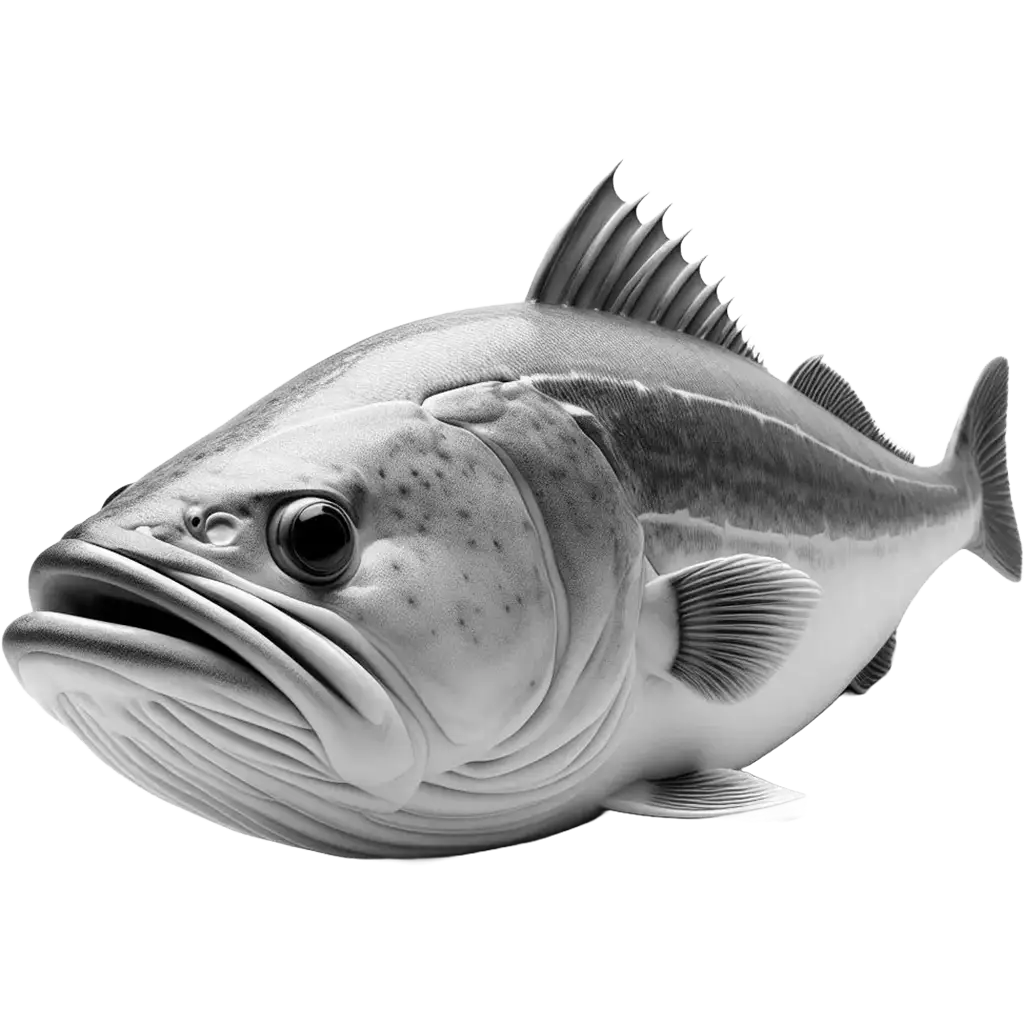
The Haddock, melanogrammus aeglefinus, is a key species in the North Atlantic fishery, widely distributed across the cold and temperate waters of the North Atlantic Ocean. This medium-sized fish typically measures between 30 to 80 centimeters (12 to 31 inches) in length and can weigh up to 1.5 kilograms (3.3
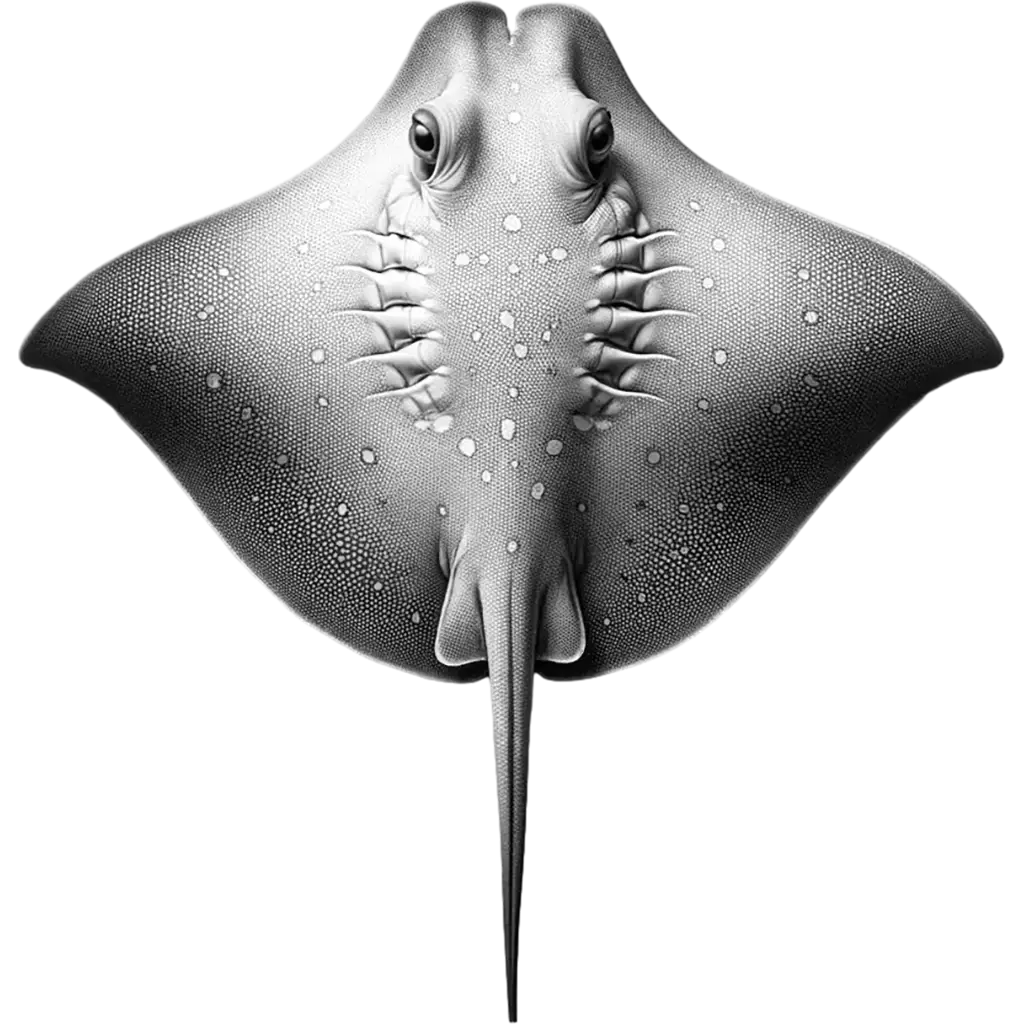
The Thornback Ray, raja clavata, is a species of cartilaginous fish in the family Rajidae, commonly found in the coastal waters of Europe and the Mediterranean Sea. This ray is easily recognizable by its kite-shaped body, which can grow up to 1 meter in length, and its dorsal surface covered
The Oval Butterflyfish, chaetodon lunulatus, is a vibrant and colorful marine species renowned for its striking appearance and widespread distribution across the Indo-Pacific region. This species exhibits a deep, flattened body typical of butterflyfish, reaching up to 20 cm (about 8 inches) in length. The body coloration is predominantly yellow