
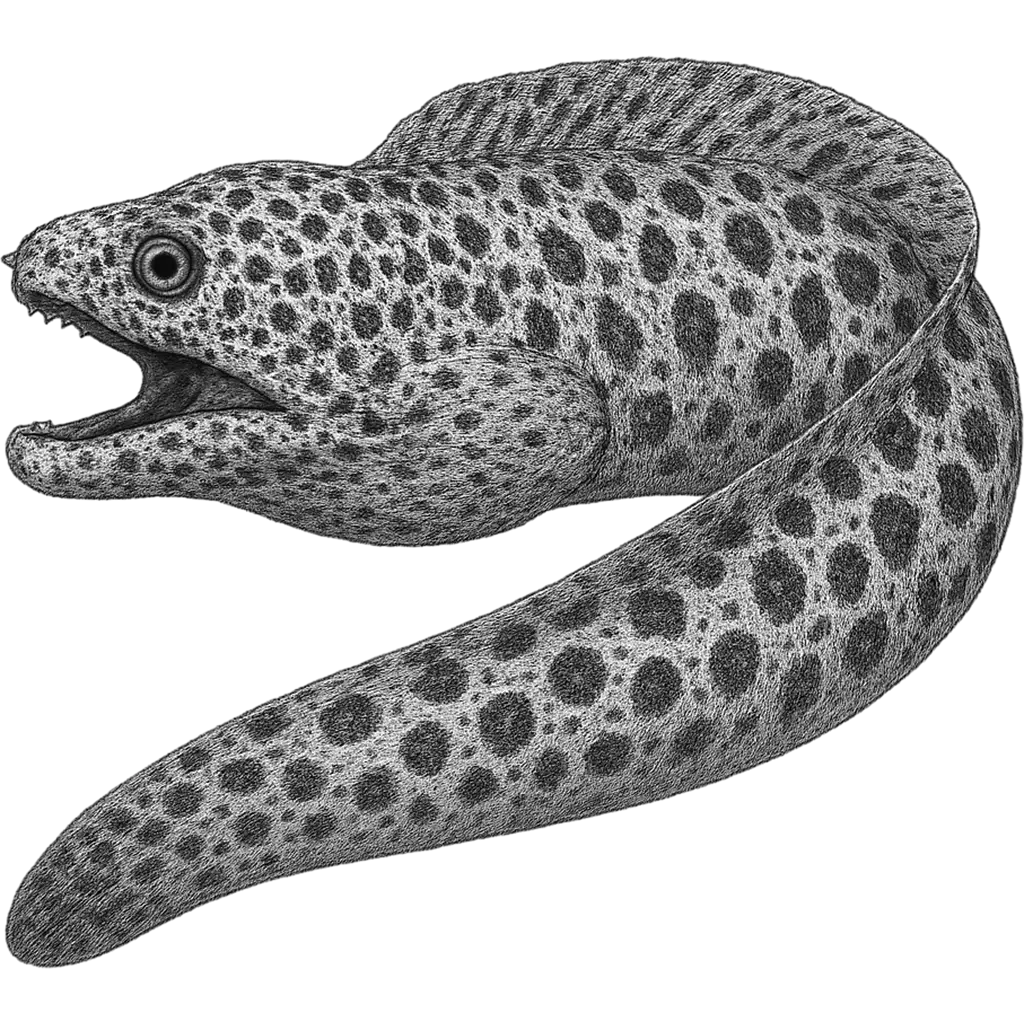
Gymnothorax Moringa
Spotted Moray
Coral reefs and rocky substrates, depth 0-200 m
The Spotted Moray has a long, slender, snake-like body reaching up to two meters in length, commonly around sixty centimeters. Its smooth, scaleless skin is pale yellow to off-white, densely covered with small, overlapping reddish-brown to dark-brown spots. The head is broad with small, round gill openings and a pronounced lower jaw lined with two rows of sharp, pointed teeth. Eyes are small and set high on the head, suited for low-light hunting in crevices.
| Population: | Widespread in Western Atlantic; common, population stable but local declines from bycatch and habitat degradation |
| Generation Length: | 12.3 years |
| Average Weight: | Up to 2.5 kg |
| Average Length: | 60-200 cm |
| Lifespan: | 10-30 years in the wild |
| Diet: | Crustaceans, molluscs, and fish captured by ambush |
| Conservation Status: | Least Concern (LC) |
The Spotted Moray is chiefly solitary, spending most of its day hidden within narrow crevices and holes in coral reefs or rocky substrates. Although active during daylight hours, individuals remain close to their shelters, poking only their heads out to survey for prey. They exhibit strong site fidelity, often returning to the same lair after foraging excursions. Movement involves a sinuous, undulating swim, allowing them to navigate complex reef structures with ease. While not migratory, they can traverse tens of meters nightly in search of food, relying on keen chemoreception and sensitive lateral line detection to locate hidden crustaceans, mollusks, and fish. Spotted Morays are non-territorial toward conspecifics outside breeding aggregations, but may display aggression if their lair is invaded. They are relatively shy around humans but can become conspicuous in aquarium settings when prey is offered.
Diet of the Spotted Moray consists primarily of benthic prey such as crabs, shrimp, small fish, and cephalopods. Using a rapid strike and powerful bite, they seize prey and draw it into their narrow burrows. Their double rows of sharp teeth and pharyngeal jaws enable them to clamp, manipulate, and process slippery prey effectively. Nutritionally, crustaceans and fish provide essential proteins, lipids, and micronutrients critical for muscle maintenance and energy storage. Ambush feeding reduces energy expenditure, while consumption of diverse prey items ensures a balanced intake of nutrients. They forage most intensely at dawn and dusk, matching prey availability, and may feed on up to three percent of their body weight daily. Occasional scavenging of carrion supplements their diet when live prey is scarce, aiding survival in variable reef environments. Digestive enzymes and efficient nutrient absorption enable rapid growth in juveniles and support reproductive investment in adults.
Reproduction in Spotted Morays is poorly documented, but like most moray eels they likely spawn pelagic eggs in open water. Courtship may involve synchronized swimming and tactile interactions near reef edges during night. Females release thousands of buoyant eggs that hatch into planktonic leptocephalus larvae, which drift with currents. No parental care occurs, and larvae metamorphose into juvenile eels before settling on the reef.
The Spotted Moray is classified as Least Concern, with a wide distribution across the Western Atlantic and Atlantic islands. Precise global population numbers are unknown due to cryptic behavior and inaccessible habitats. Local declines occur in areas of high bycatch and reef degradation, but overall stability is supported by their adaptability. Conservation measures include reef protection and bycatch reduction to ensure healthy populations in coastal ecosystems.
Classifications
The Key Attributes
Features
- Movement:
Swimming
- Territorial Behavior:
Solitary, within reef crevices
- Speed:
Moderate
- Diet:
Carnivore
- Physical Features:
- Elongated, snake-like body
- Pale yellow to off-white skin with reddish-brown spots
- Double rows of sharp teeth
- Small round gill openings
- Primary Senses:
- Smell
- Sight
- Lateral line
Understanding Habitat and Range
Geography
- Habitat:
Coral reefs and rocky substrates, depth 0-200 m
- Migration Patterns:
Non-migratory
- Geographical Range:
Western Atlantic from North Carolina and Bermuda to Brazil, including Gulf of Mexico and Caribbean; Mid and Eastern Atlantic islands
- Climate Preferences:
Tropical and subtropical
Navigating the Wilderness
In the wild
- Predators:
Sharks, large predatory fish
- Prey:
Crustaceans, molluscs, and fish
- Feeding Behavior:
Ambush predator from crevices
- Diet:
Crustaceans, molluscs, and fish captured by ambush
- Defensive Mechanisms:
- Camouflage
- Powerful bite
- Potentially toxic saliva
- Rapid retreat into crevices
- Preferred Food Sources:
- Crabs
- Shrimp
- Small fish
- Cephalopods
Insights Into Reproduction
Mating
- Mating System:
Not specifically documented; many fish exhibit spawning behaviors
- Number of Offspring:
Thousands of eggs per spawn
- Gestation Period:
Unknown
- Parental Involvement:
- None; pelagic larvae
Youngsters Section
Spotted Moray
Fun Fact
Spotted Morays possess pharyngeal jaws that extend into their throats, allowing them to capture and transport prey with a second set of teeth.
Their bite is notoriously difficult to treat due to a strong pull-back effect and bacteria-laden saliva. They also exhibit remarkable site fidelity, returning to the same crevice for years and recognizing individual reef structures as home.

Download word search puzzles
Word Search Puzzles

Check Out Other Fish
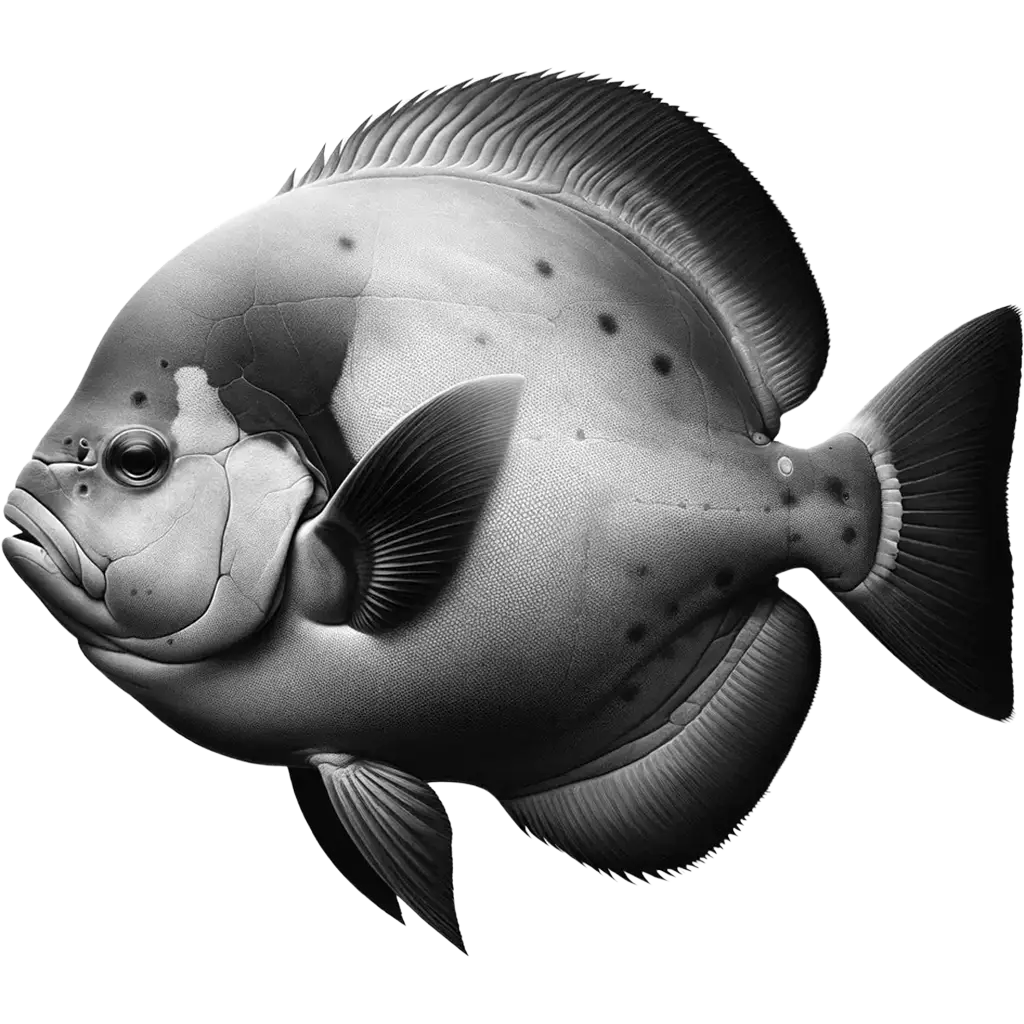
The Moonfish, opah, lampris guttatus, is a strikingly colorful and unique species of pelagic fish found in temperate and tropical waters worldwide. This deep-bodied fish is easily recognizable by its round, flat shape and vibrant coloration, featuring shades of bright reds, blues, and silvery hues, with spots scattered across its
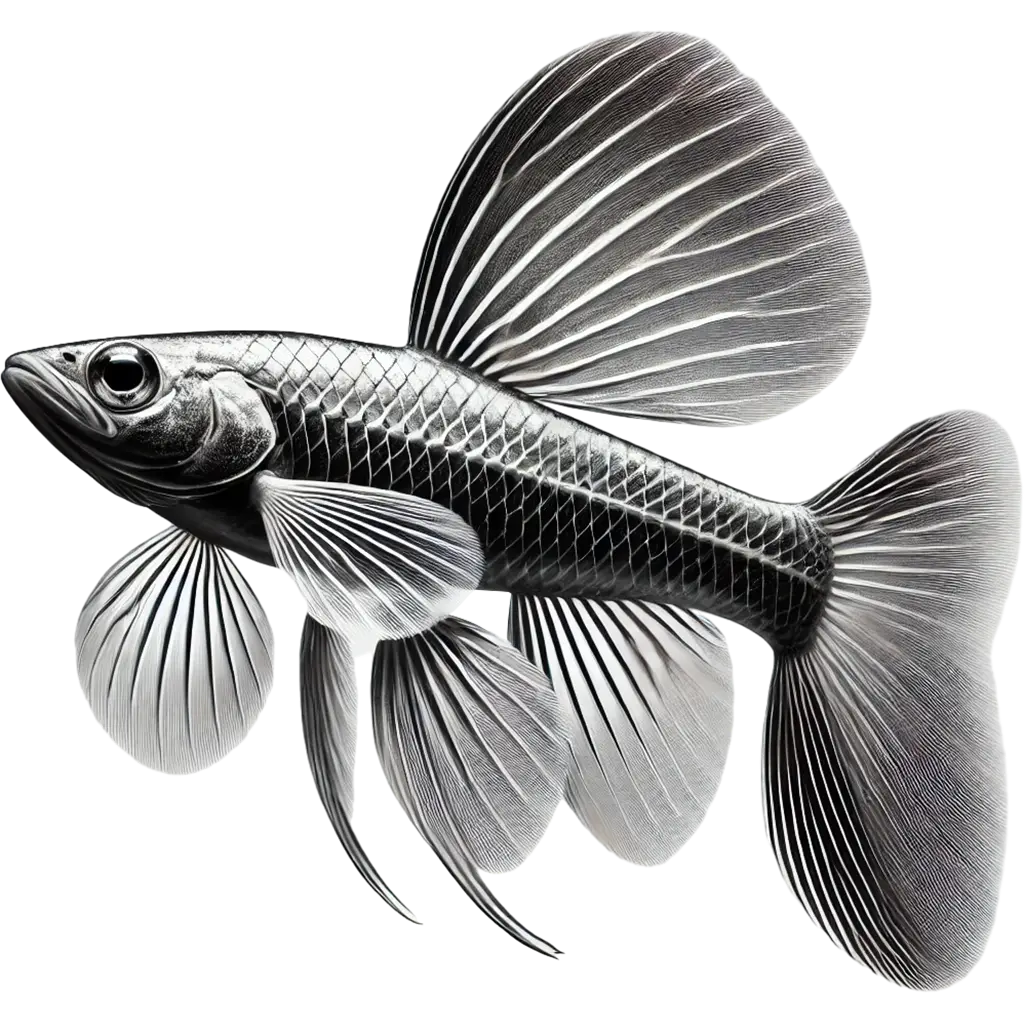
The Diamond Darter is a small, translucent freshwater fish with silvery sides and a white belly. Its back is yellow-tan, adorned with four wide olive-colored saddles, and it features a distinctive dark blotch on the snout below the eyes. Adults typically measure between 3 to 5 inches in length. Notably,
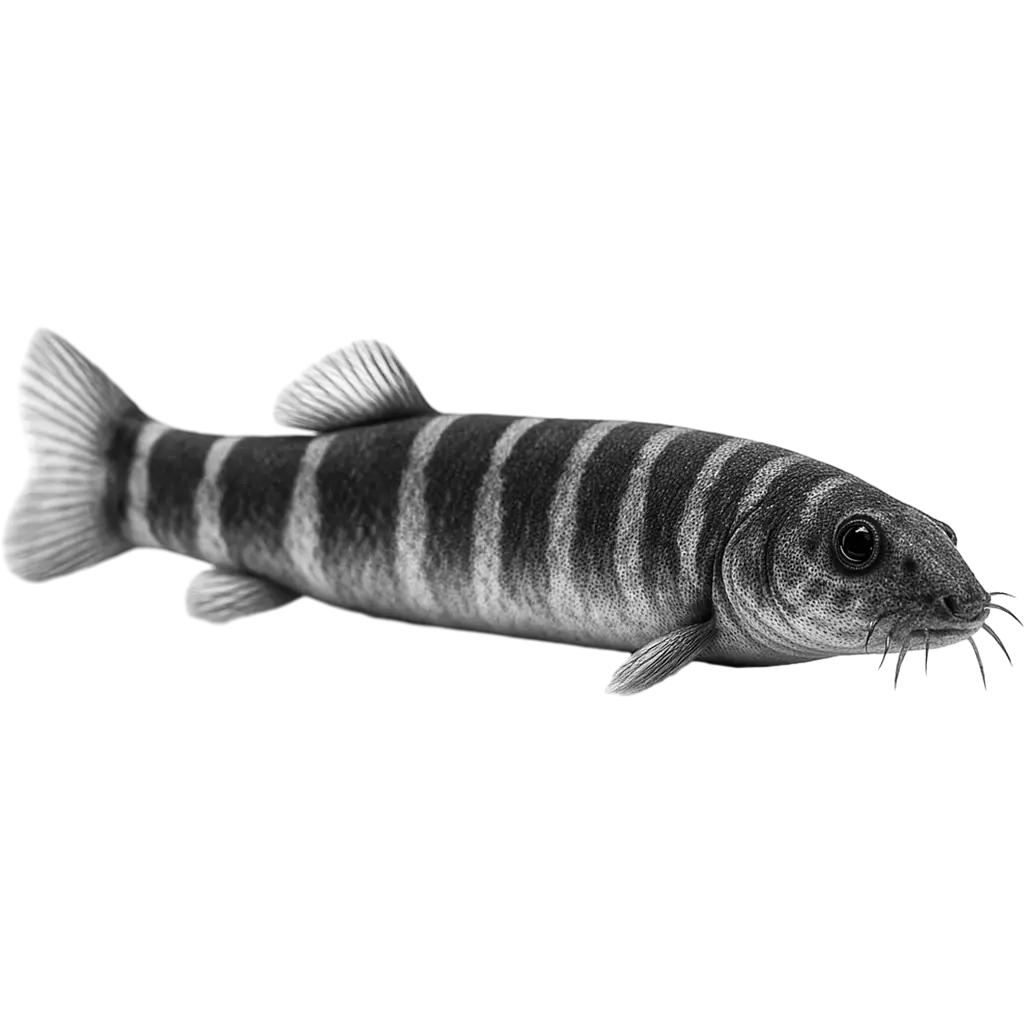
The Java Loach has a distinctive, elongated body slender like an eel, measuring between five and ten centimeters long. Its smooth skin bears alternating dark and light bands that provide camouflage among leaf litter and muddy substrates. Small, beady eyes sit just above a downward-facing mouth fringed with six sensory
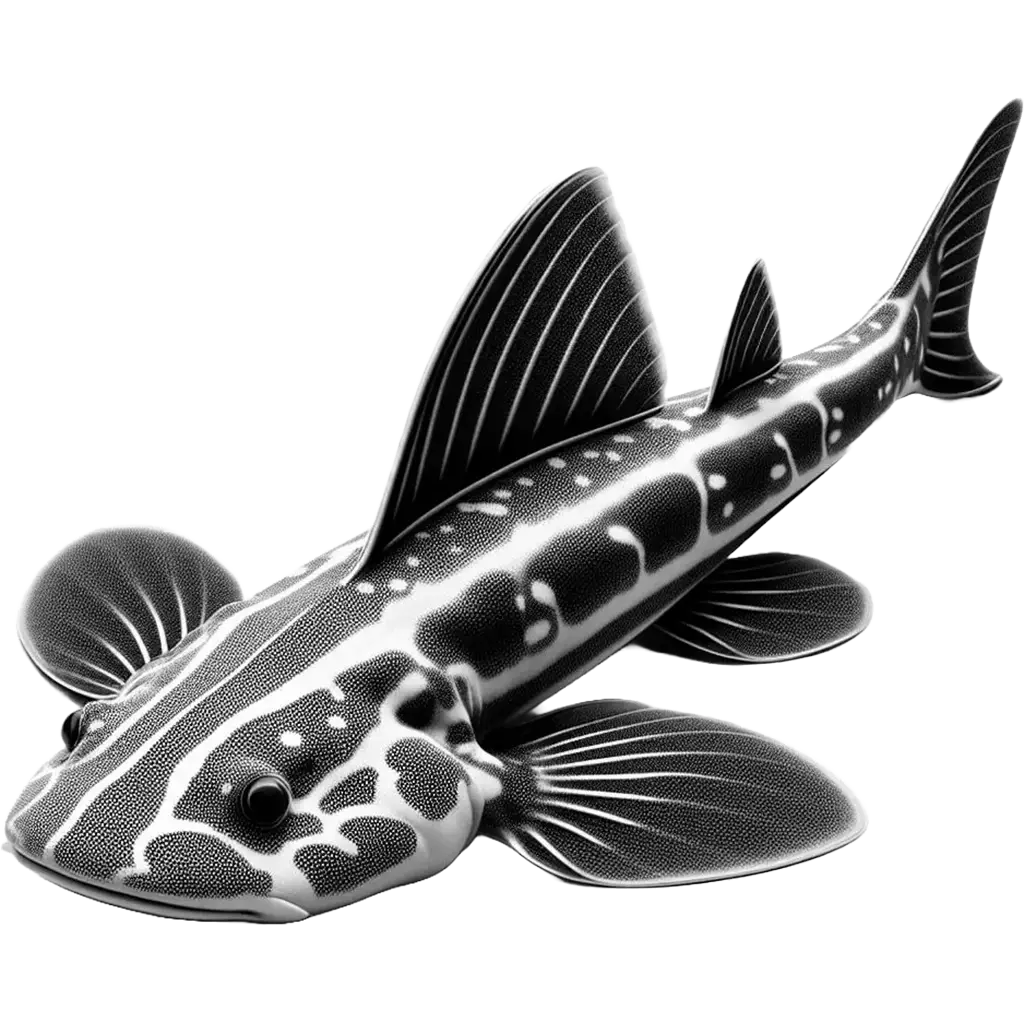
The Giant Guitarfish, rhynchobatus djiddensis, is a large species of ray distinguished by its shark-like body and broad, flattened head, resembling the shape of a guitar. This species can grow up to 3 meters (nearly 10 feet) in length, making it one of the largest members of the ray family.