

Betta Bellica
Betta Bellica
Shallow freshwater bodies in tropical Southeast Asia's warm, still waters
The Betta Bellica is a small, vibrant freshwater fish distinguished by its slender, streamlined body and shimmering scales that reflect a spectrum of iridescent colors. Its most striking features are the elaborate, flowing fins that flare dramatically during courtship and territorial displays. The overall appearance is both elegant and bold, making it a standout among betta species.
| Population: | Native to Southeast Asia, with local populations impacted by habitat loss, pollution, and aquarium trade |
| Generation Length: | 1-2 years |
| Average Weight: | A few grams |
| Average Length: | Approximately 6-8 cm |
| Lifespan: | Approximately 3-5 years in captivity, likely shorter in the wild |
| Diet: | Carnivorous |
| Conservation Status: | Least Concern (LC) |
In its natural habitat, Betta Bellica inhabits shallow, warm freshwater bodies such as rice paddies, streams, and ditches. These fish are highly adapted to stagnant or slow-moving waters, where they navigate through dense aquatic vegetation. Their behavior is marked by frequent, agile movements as they patrol their territory, interspersed with periods of calm hovering near the water's surface during sunny days.
The diet of Betta Bellica is primarily carnivorous, focusing on small aquatic invertebrates, insect larvae, and zooplankton. Their feeding strategy involves a combination of stealth and sudden bursts of speed to capture prey. This high-protein diet supports their energetic metabolism and enhances their ability to sustain rapid, vigorous movements during territorial conflicts and courtship rituals.
During the breeding season, males become highly territorial and engage in vivid display behaviors to attract females. They flare their fins, change their colors, and perform short, aggressive bouts with rival males. Once a female is attracted, the courtship process involves intricate displays and subtle movements, culminating in the release of a large number of eggs. After fertilization, the eggs hatch within a very short period, with minimal parental care required thereafter.
Although Betta Bellica is common in its native range, localized pressures such as water pollution, habitat modification, and overcollection for the aquarium trade necessitate careful management. Conservation efforts that focus on preserving natural freshwater habitats are crucial to maintaining sustainable populations of this striking and dynamic species.
Classifications
The Key Attributes
Features
- Movement:
Graceful swimmers that navigate shallow, still or slow-moving waters with ease; capable of rapid bursts when defending territory.
- Territorial Behavior:
Highly territorial, especially during breeding; males display aggressive behaviors and vivid color changes to ward off intruders.
- Speed:
Moderate; they move steadily during foraging and quickly when provoked.
- Diet:
Primarily carnivorous; feeds on small aquatic invertebrates, insect larvae, and zooplankton.
- Physical Features:
- Slender, streamlined body with shimmering, iridescent scales
- Elaborate, flowing finnage, particularly in males
- Distinctive, elongated dorsal and caudal fins that flare during displays
- Primary Senses:
- Sight
- Lateral line sensitivity
Understanding Habitat and Range
Geography
- Habitat:
Shallow freshwater bodies in tropical Southeast Asia's warm, still waters
- Migration Patterns:
Non-migratory; individuals remain within localized water bodies, with movements largely influenced by seasonal water availability.
- Geographical Range:
Native to parts of Southeast Asia, including regions of Thailand, Malaysia, and Indonesia.
- Climate Preferences:
Tropical climates with warm water temperatures and high humidity.
Navigating the Wilderness
In the wild
- Predators:
Larger fish, birds, and occasionally predatory invertebrates may prey on bettas, especially juveniles.
- Prey:
Small invertebrates, insect larvae, and zooplankton form the bulk of its diet.
- Feeding Behavior:
Adopts an ambush-style approach when foraging; actively hunts by darting quickly toward small prey.
- Diet:
Carnivorous
- Defensive Mechanisms:
- Displays aggressive behavior and vivid coloration when threatened
- Utilizes rapid bursts of speed to escape predators
- Preferred Food Sources:
- Aquatic invertebrates and larvae available in shallow freshwater habitats
Insights Into Reproduction
Mating
- Mating System:
Highly territorial and polygynous during the breeding season; males perform elaborate displays to attract females.
- Number of Offspring:
Clutch sizes range from approximately 20 to 30 eggs per spawning event.
- Incubation Period:
Eggs typically hatch within 24-36 hours after being laid, depending on water temperature.
- Parental Involvement:
- Females tend to the eggs through fanning and protection, while males primarily defend their territory during courtship.
Youngsters Section
Betta Bellica
Fun Fact
Betta Bellica males are renowned for their spectacular, vibrant displays during territorial contests.
Their dazzling finnage and aggressive posturing not only captivate aquarium enthusiasts but also play a crucial role in natural selection and mate attraction in the wild.

Download word search puzzles
Word Search Puzzles


Check Out Other Fish
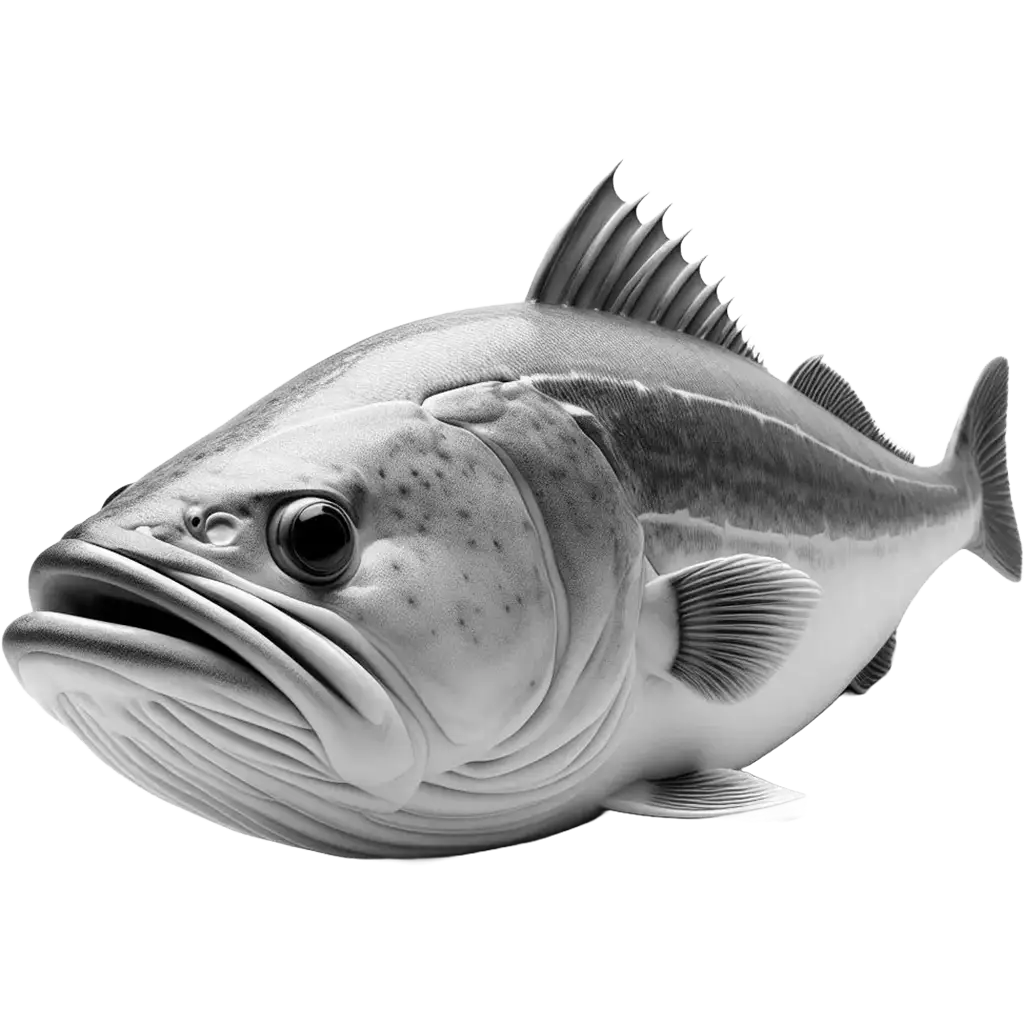
The Haddock, melanogrammus aeglefinus, is a key species in the North Atlantic fishery, widely distributed across the cold and temperate waters of the North Atlantic Ocean. This medium-sized fish typically measures between 30 to 80 centimeters (12 to 31 inches) in length and can weigh up to 1.5 kilograms (3.3
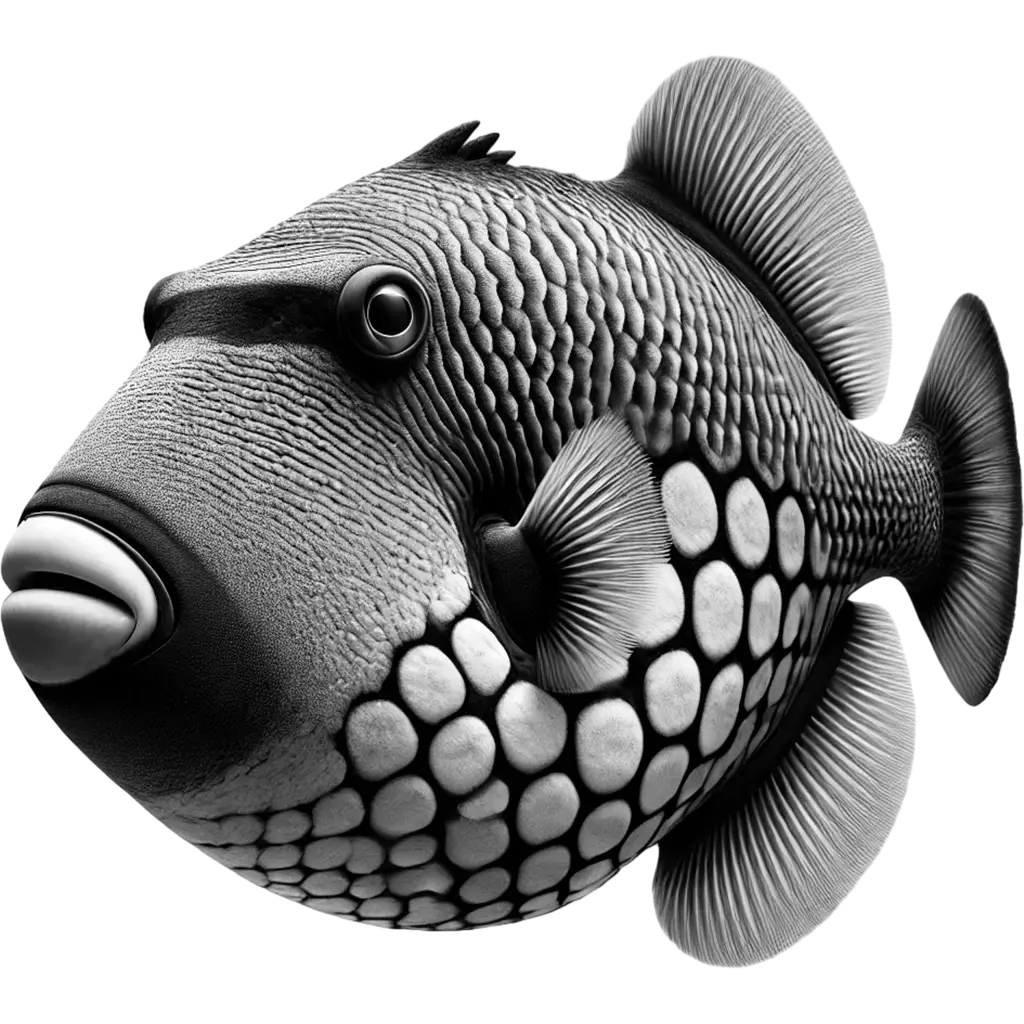
The Blackbelly Triggerfish exhibits a robust, laterally compressed body adorned with striking patterns and a distinctive black belly contrasting with vibrant hues on its fins and upper body. Its rough, textured skin and prominent dorsal 'trigger' spines not only define its appearance but also serve as a defense mechanism. With
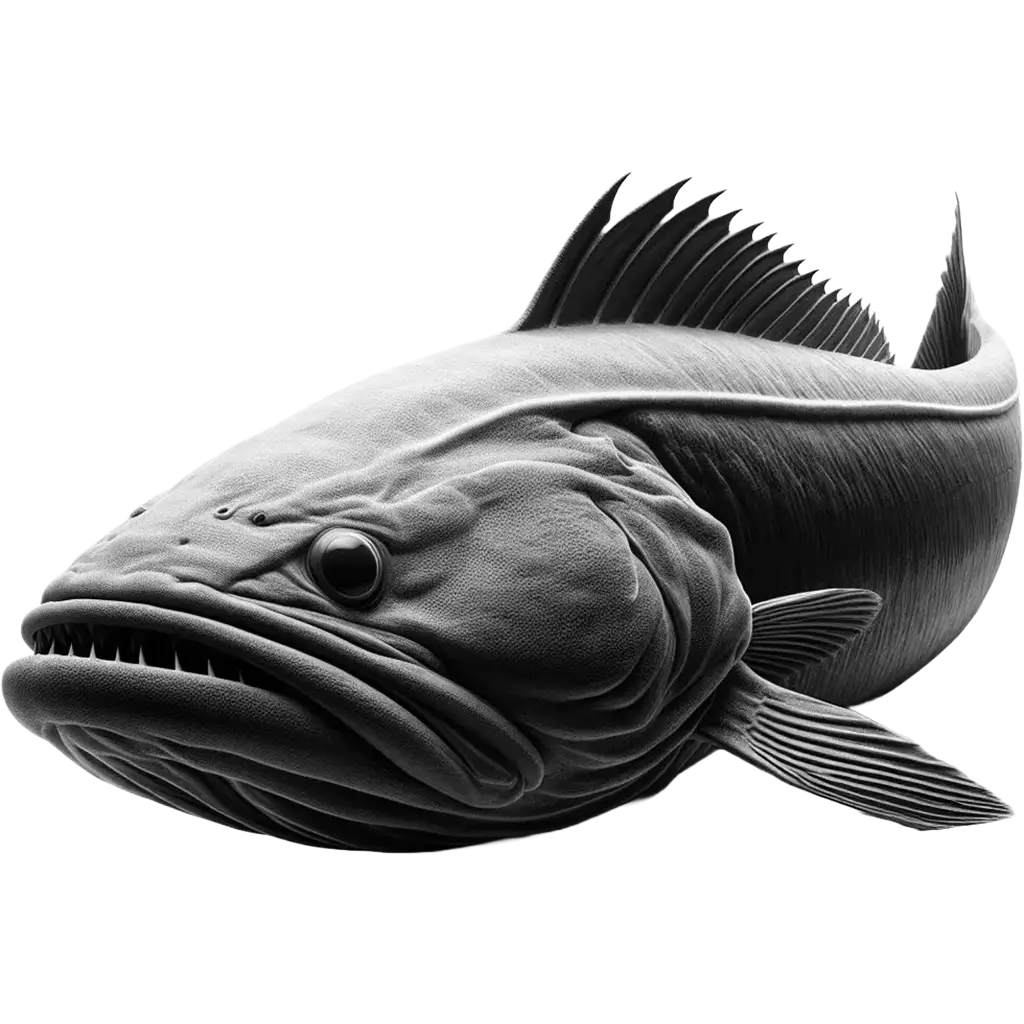
The Northern Wolffish, anarhichas denticulatus, is a distinctive marine fish known for its formidable appearance and unique adaptations to cold-water environments. Found in the North Atlantic Ocean, from the northeastern coast of North America to the waters around Greenland and Iceland, this species inhabits rocky bottoms and cold, deep waters,
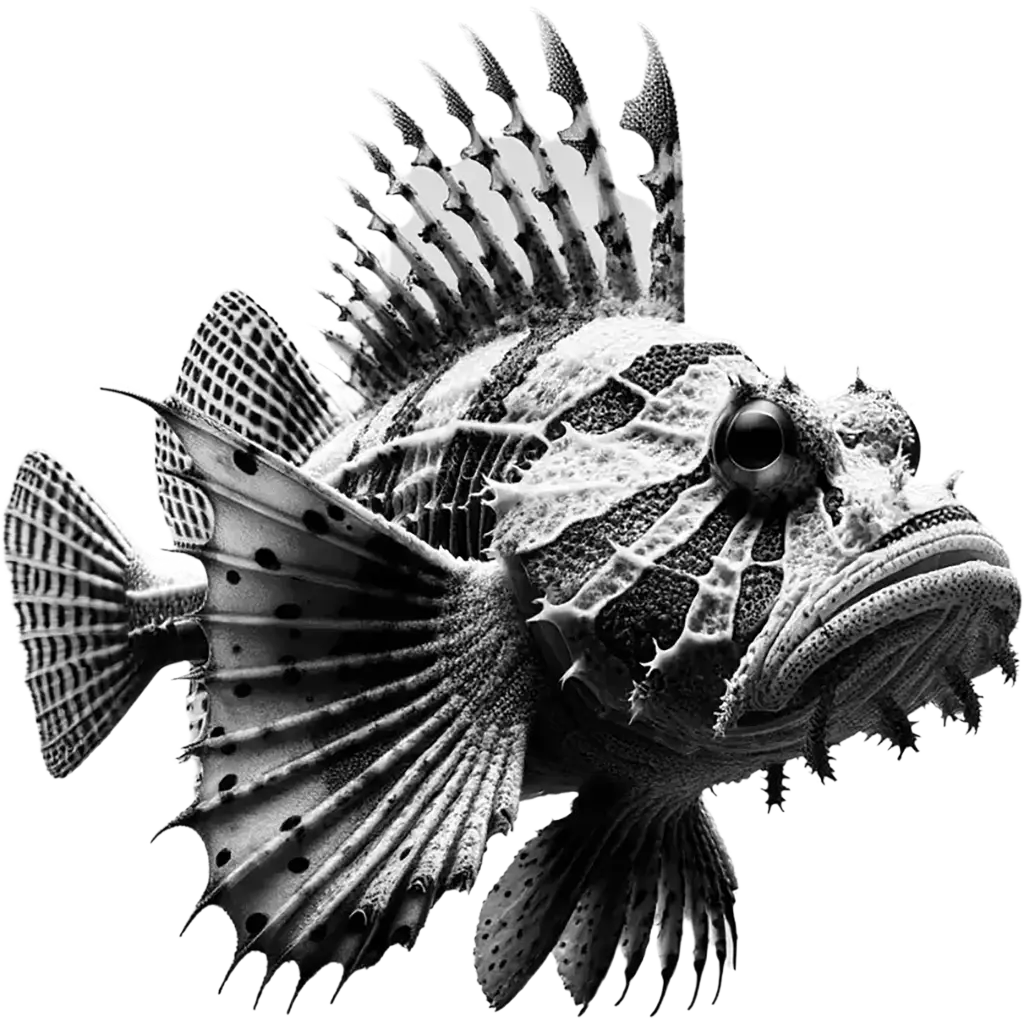
The Red Scorpionfish, pontinus furcirhinus, is a marine species known for its distinctive appearance and potent venom. Found in the deep waters of the Atlantic Ocean, including the Gulf of Mexico and the Caribbean Sea, this fish typically inhabits rocky bottoms and coral reefs at depths ranging from 100 to