
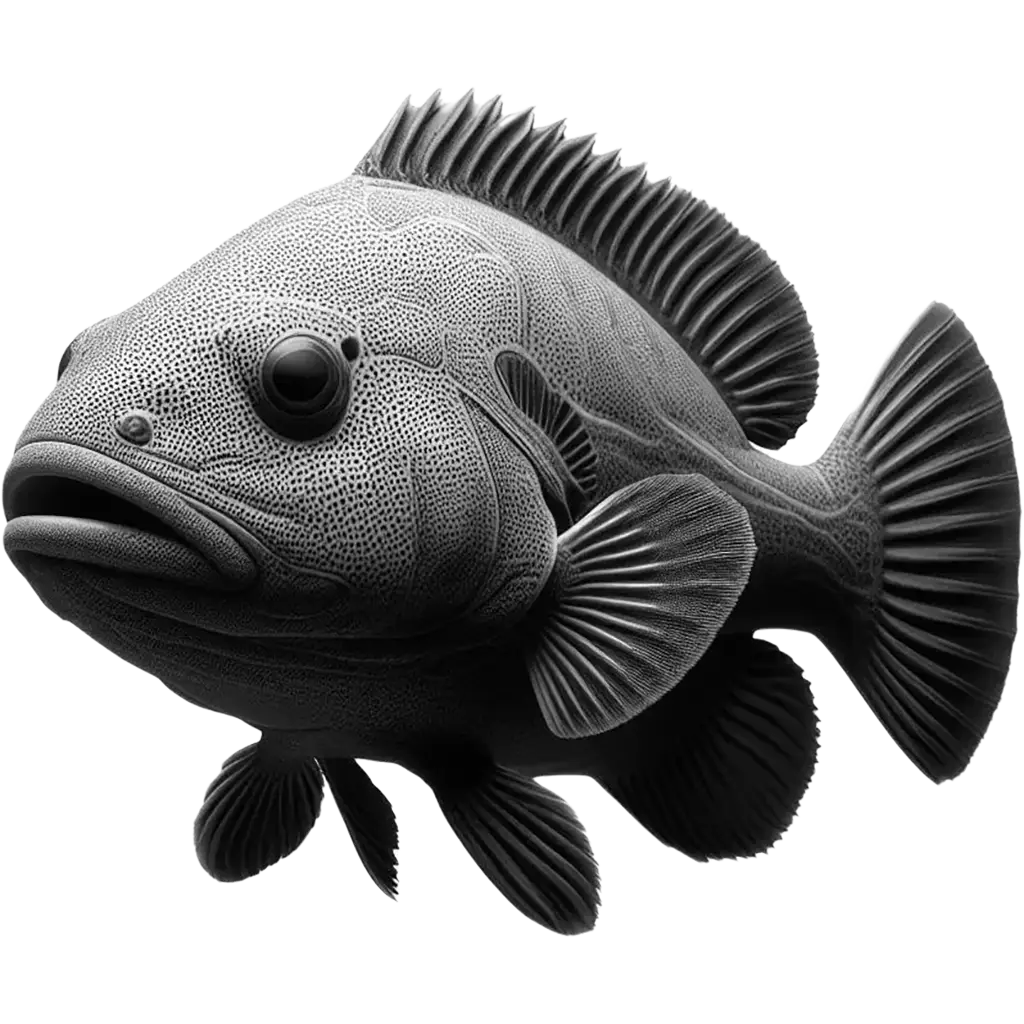
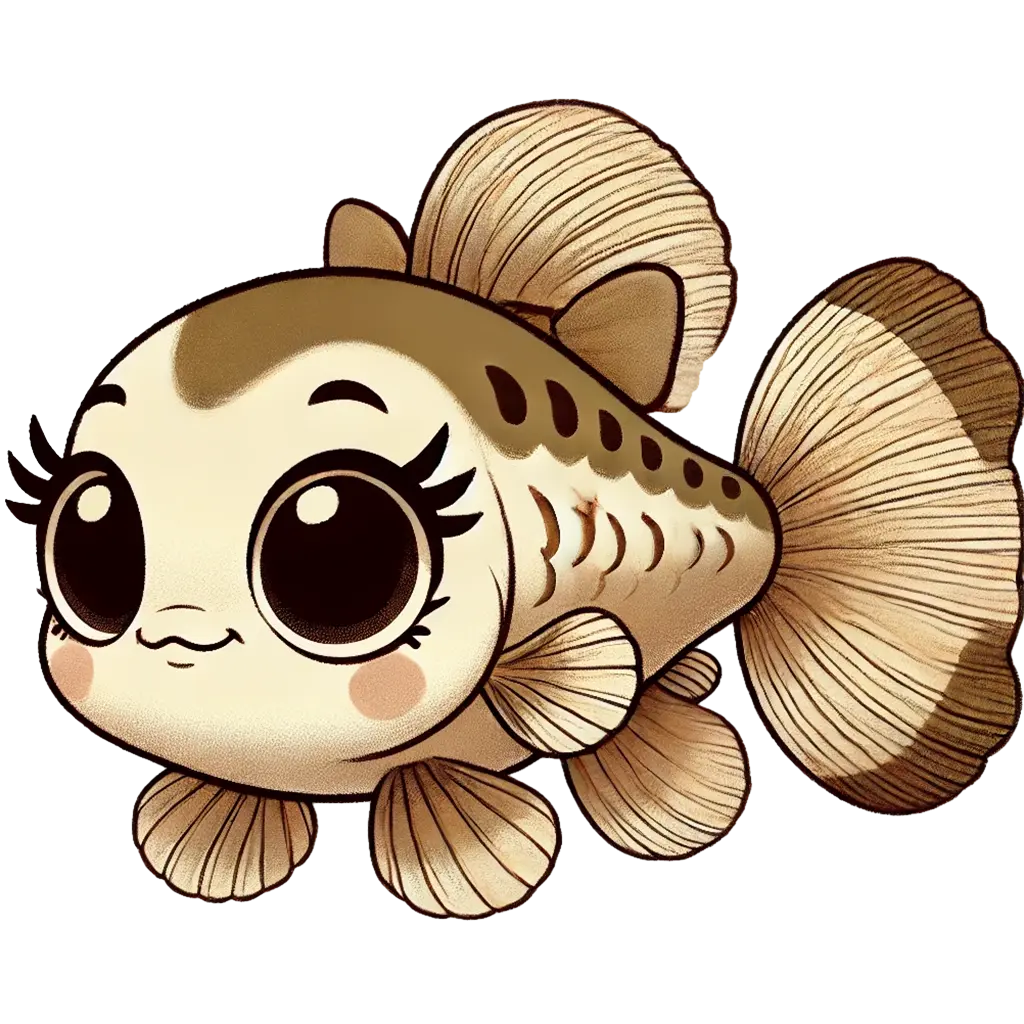
Garra Rufa
Doctor Fish
Rivers, streams, and hot springs
The Doctor Fish, garra rufa, is a small species of freshwater fish native to river basins in the Middle East, particularly found in Turkey, Syria, Iraq, and Iran. This species is renowned for its unique behavior of feeding on dead or diseased skin from the feet and body of humans, a practice that has gained popularity in spa treatments around the world. Adult Doctor Fish typically measure between 7 to 12 centimeters in length and have a slender, olive-grey body with a darker back and a lighter underbelly.
| Population: | Widely distributed, not currently considered endangered |
| Generation Length: | 1-2 years |
| Average Weight: | Not widely documented; small species |
| Average Length: | Up to 14 cm |
| Lifespan: | 4-6 years in the wild, potentially longer in controlled environments |
| Diet: | Omnivorous, with a natural inclination to consume dead or dying tissue |
| Conservation Status: | Least Concern (LC) |
Doctor Fish thrive in warm river waters and have adapted to a wide range of environmental conditions, including thermal springs, making them well-suited for the spa environments in which they are often found. They are social creatures that naturally live in groups, using their specialized mouths to remove dead skin, which provides them with nutrition and offers a natural exfoliation service for humans.
The diet of Garra rufa in the wild primarily consists of aufwuchs, a combination of algae, small microorganisms, and detritus that accumulates on rocks and other surfaces in their natural habitat. In spa settings, while they are known for the skin-eating behavior that earned them the name 'Doctor Fish,' they are typically fed a balanced diet of fish food to ensure their nutritional needs are fully met.
Reproduction in Doctor Fish occurs in freshwater environments, where females lay eggs that are then fertilized externally by males. The specifics of their breeding behavior in the wild are not well-documented, but in controlled environments, breeding requires careful management of water conditions and diet.
The Doctor Fish is not currently listed as endangered, but habitat destruction and pollution in their native environments pose potential threats to their populations. Their popularity in spa treatments has led to a global trade, with fish often being bred in captivity for commercial use. Conservation efforts for wild populations of Garra rufa focus on habitat preservation and monitoring the impact of water quality on their survival and distribution.
Classifications
The Key Attributes
Features
- Movement:
Swimming
- Territorial Behavior:
Generally peaceful but can exhibit territoriality in confined spaces
- Speed:
Not specifically quantified; capable of quick darting movements
- Diet:
Omnivore, known for feeding on dead skin cells in spa treatments
- Physical Features:
- Small, slender body
- Olive-grey to reddish-brown coloration
- Mouth adapted for scraping surfaces
- Primary Senses:
- Sight
- Taste
- Touch
Understanding Habitat and Range
Geography
- Habitat:
Rivers, streams, and hot springs
- Migration Patterns:
Non-migratory
- Geographical Range:
Native to the river basins of the Northern and Central Middle East, including Turkey, Syria, Iraq, and Iran
- Climate Preferences:
Prefers warm waters, especially noted for thriving in hot springs
Navigating the Wilderness
In the wild
- Predators:
Larger fish, birds
- Prey:
Algae, plankton, detritus
- Feeding Behavior:
Feeds on algae, plankton, and detritus; famously used in spas for nibbling dead skin
- Diet:
Omnivorous, with a natural inclination to consume dead or dying tissue
- Defensive Mechanisms:
- Schooling in large numbers for protection
- Quick swimming to escape predators
- Preferred Food Sources:
- Algae
- Plankton
- Organic detritus
Insights Into Reproduction
Mating
- Mating System:
Not specifically documented; many fish exhibit spawning behaviors
- Number of Offspring:
Can lay hundreds of eggs during spawning season
- Incubation Period:
Eggs typically hatch within a few days to a week, depending on water temperature
- Parental Involvement:
- No parental care after laying eggs; eggs and fry are left to fend for themselves
Youngsters Section
Doctor Fish
Fun Fact
Doctor Fish, or Garra Rufa, are small fish known for their unique ability to exfoliate human skin.
These fish are commonly used in spa treatments, where they nibble away dead skin cells, leaving skin smooth. Originating from Middle Eastern countries, they thrive in warm water and are also used to treat skin conditions like psoriasis. Their toothless mouths make the exfoliation process gentle and painless.

Download word search puzzles
Word Search Puzzles

Check Out Other Fish
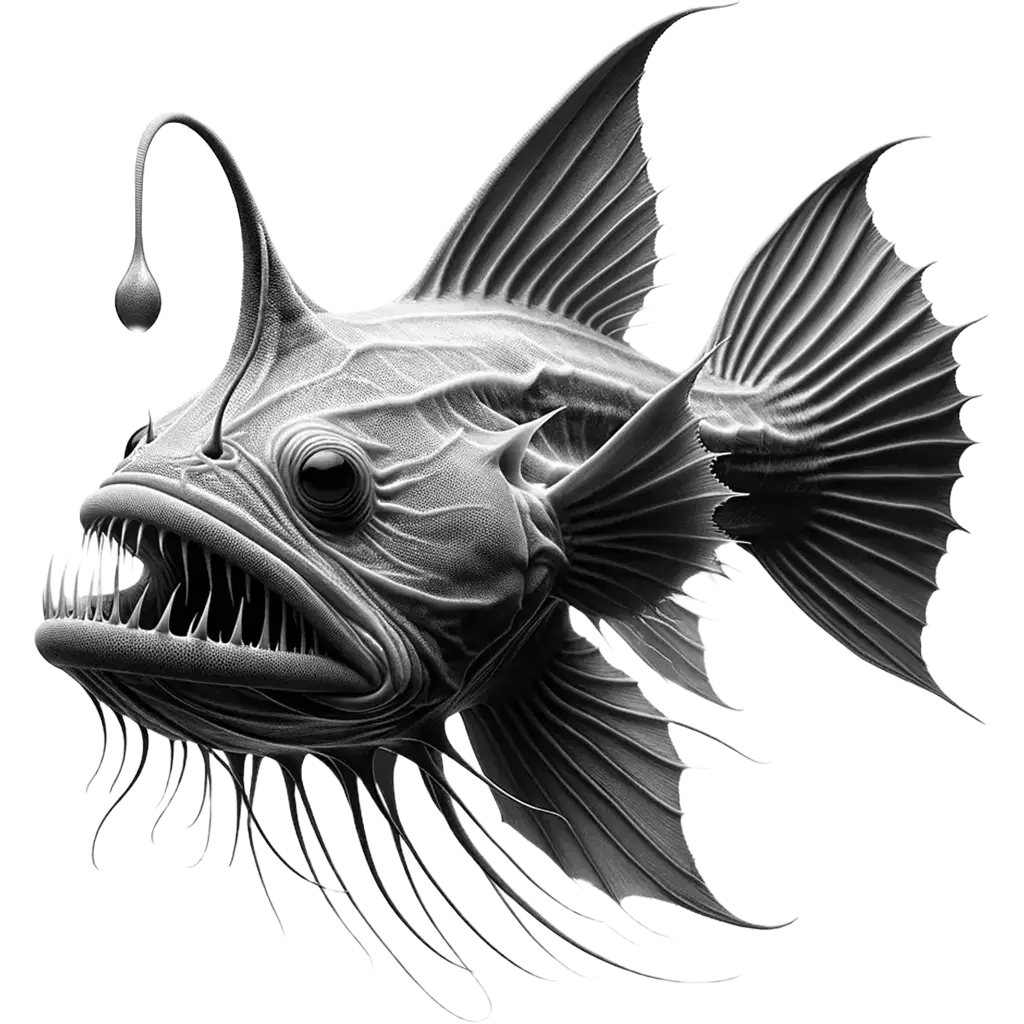
The European Angler, lophius piscatorius, also known as the Monkfish or Fishing Frog, is a unique and fascinating marine predator found in the northeastern Atlantic Ocean, from the Arctic Circle to the coasts of Morocco, including the Mediterranean Sea. This species is characterized by its broad, flat head and mouth,
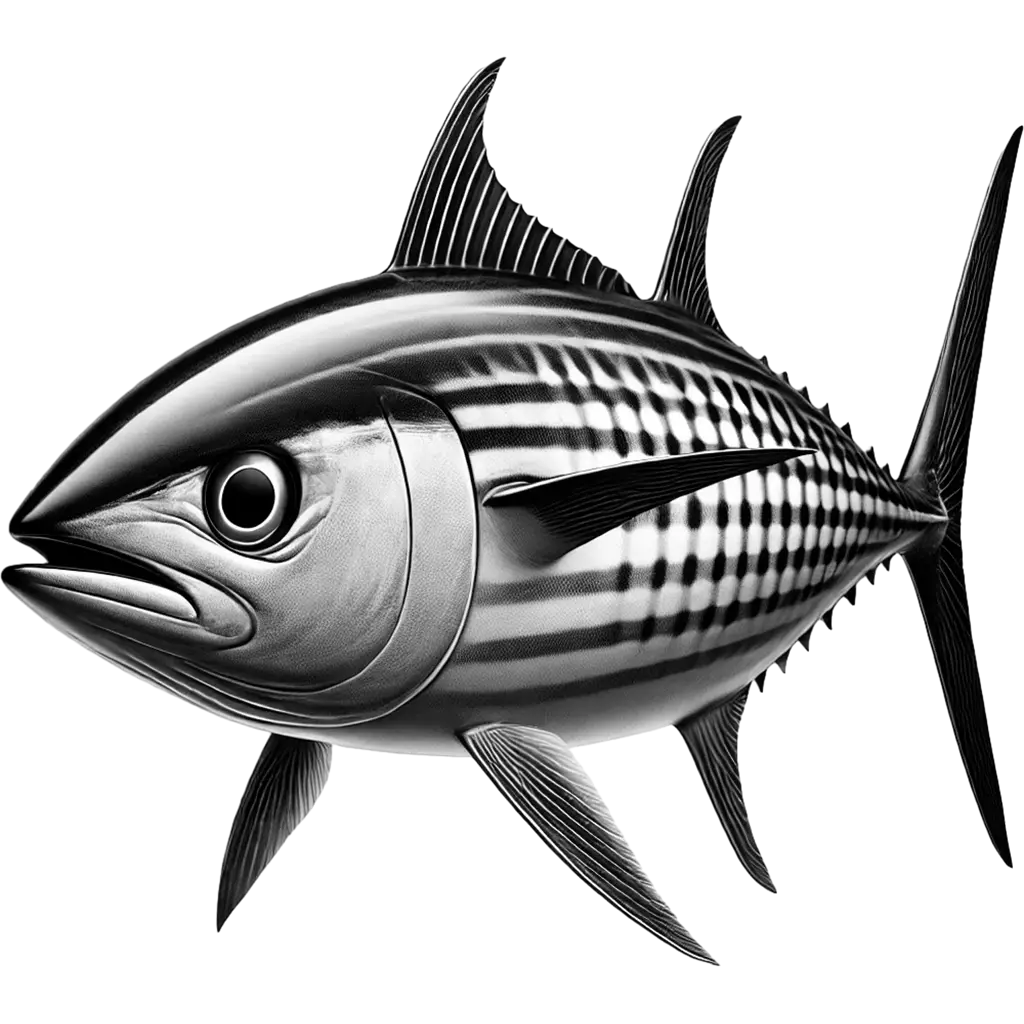
The Striped Bonito exhibits a streamlined, laterally compressed body covered in shimmering silver scales with bold, dark stripes running along its flanks. Its torpedo-shaped form, pointed snout, and large, alert eyes contribute to an appearance that is both dynamic and elegant. The contrasting patterns and iridescent sheen not only enhance
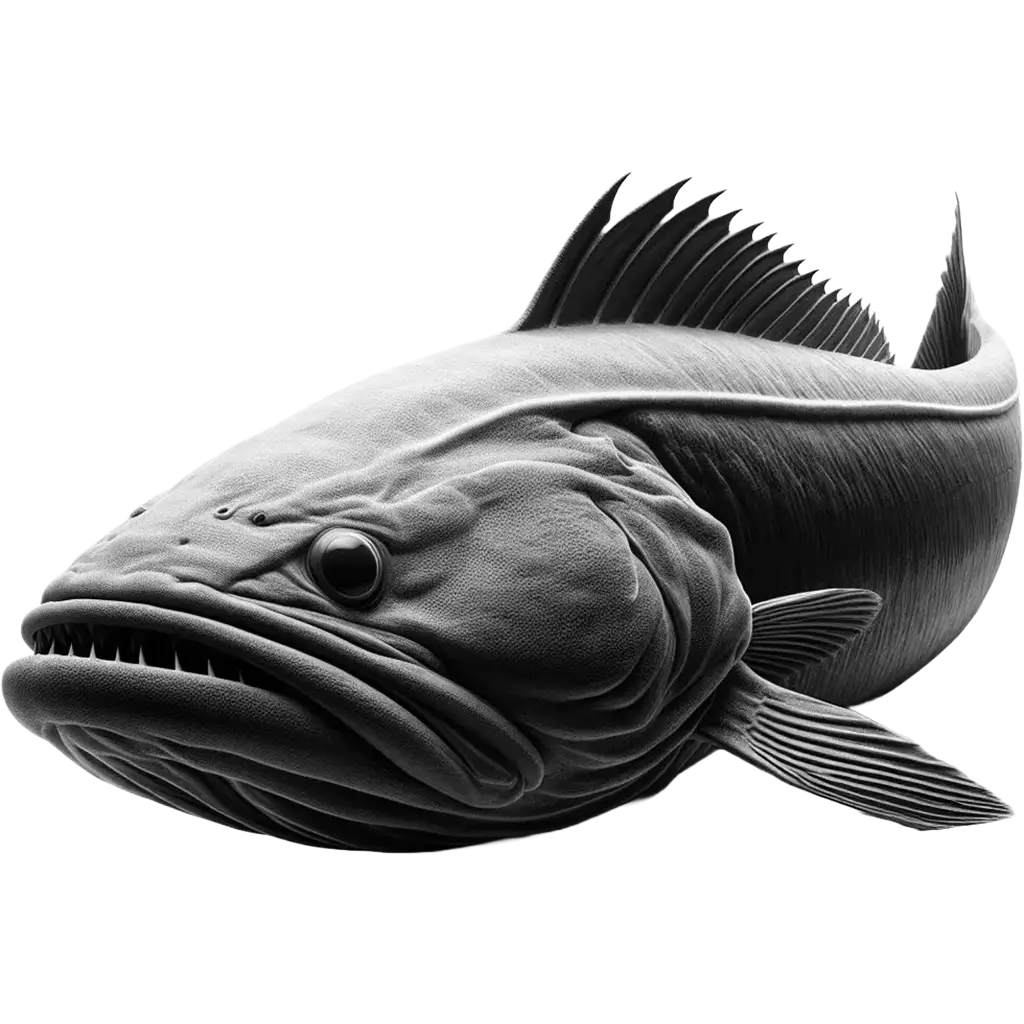
The Northern Wolffish, anarhichas denticulatus, is a distinctive marine fish known for its formidable appearance and unique adaptations to cold-water environments. Found in the North Atlantic Ocean, from the northeastern coast of North America to the waters around Greenland and Iceland, this species inhabits rocky bottoms and cold, deep waters,
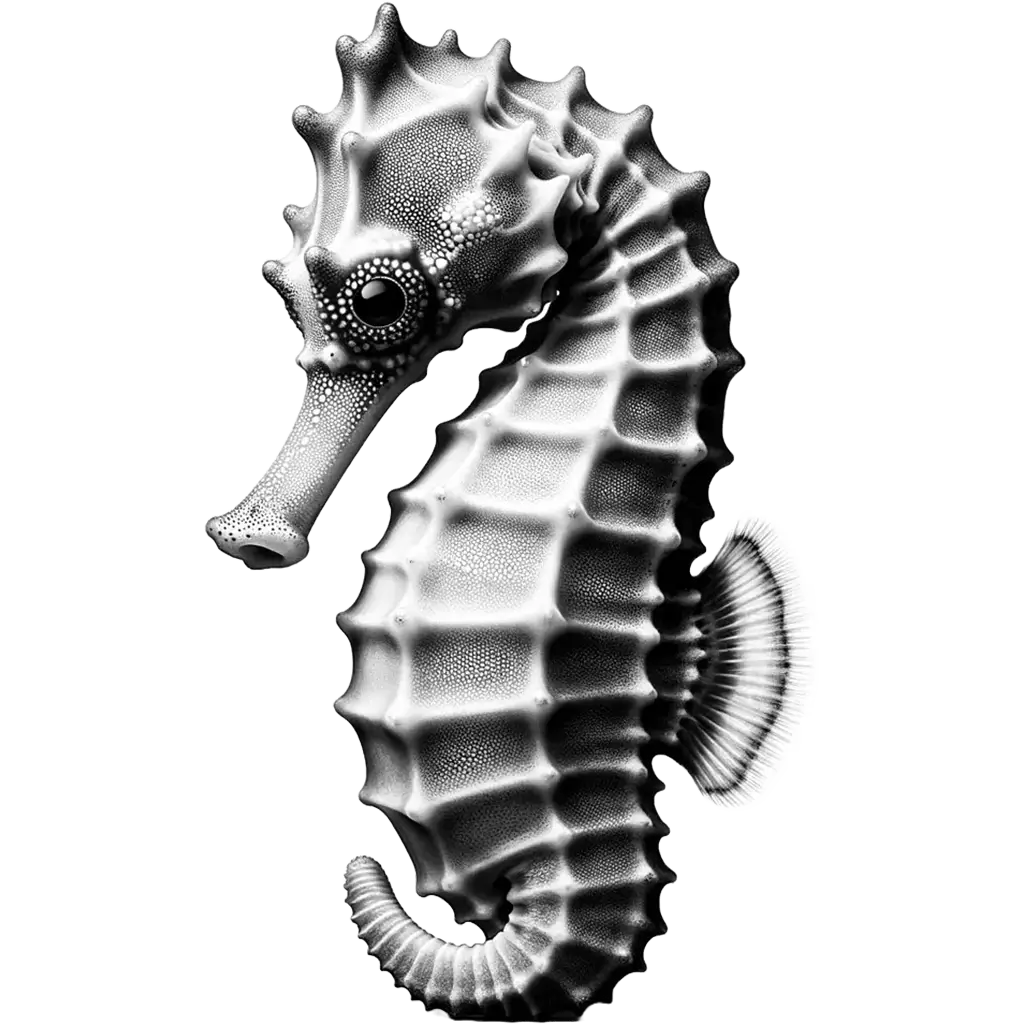
The Short-Snouted Seahorse, hippocampus hippocampus, is a fascinating marine fish known for its distinctive horse-like head and curled tail. This species typically reaches a length of 12 to 15 cm and is characterized by its small, upturned snout, which is shorter than that of other seahorse species. The body is