
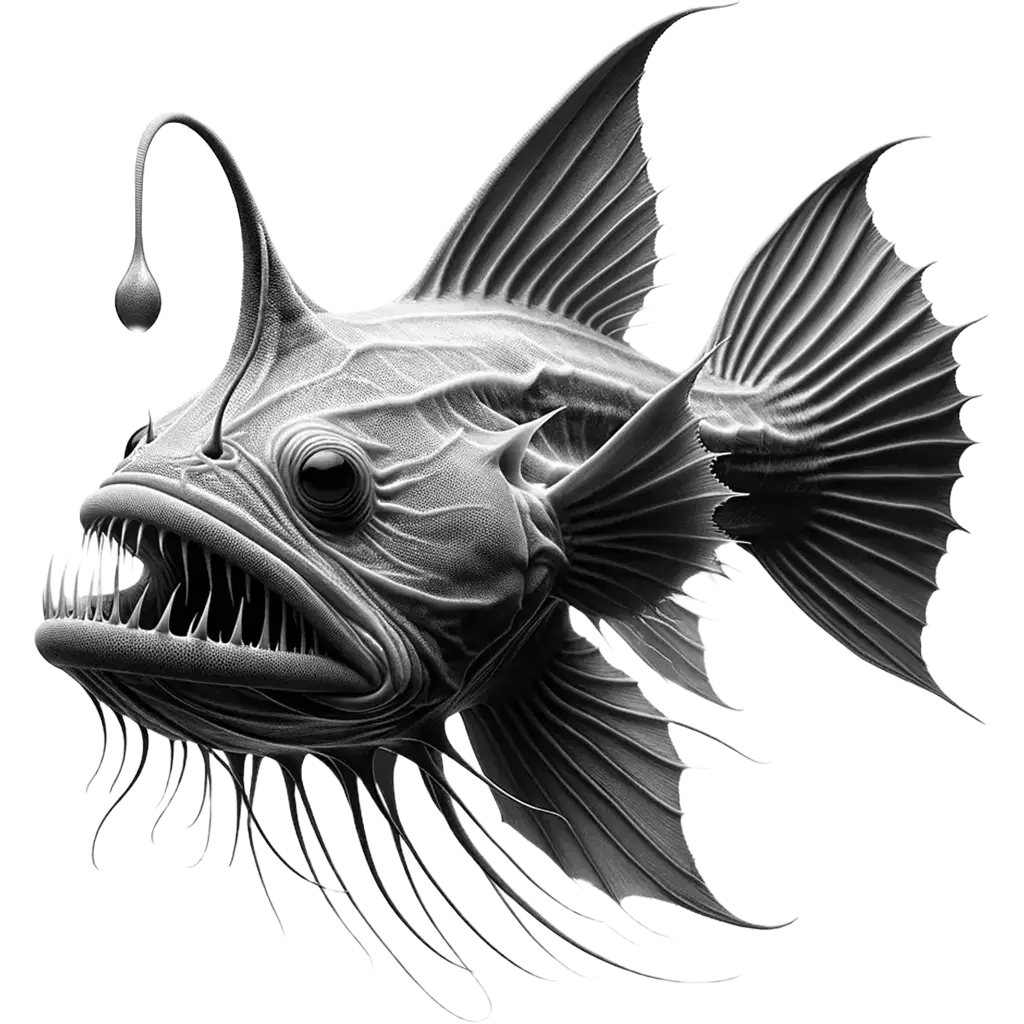
Lophius Piscatorius
European Angler
Marine environments, including rocky, sandy, and muddy seabeds
The European Angler, lophius piscatorius, also known as the Monkfish or Fishing Frog, is a unique and fascinating marine predator found in the northeastern Atlantic Ocean, from the Arctic Circle to the coasts of Morocco, including the Mediterranean Sea. This species is characterized by its broad, flat head and mouth, which is equipped with sharp, needle-like teeth. It has a mottled brownish skin that helps it blend with the seabed, providing excellent camouflage against the sandy or muddy bottom. Adult European Anglers can grow up to 2 meters in length and weigh over 20 kg, making them one of the larger species within the anglerfish family.
| Population: | Not assessed on a global scale, but concerns exist about overfishing in some areas |
| Generation Length: | 5-8 years |
| Average Weight: | Up to 25 kg |
| Average Length: | Commonly up to 1 meter |
| Lifespan: | Up to 20 years |
| Diet: | Primarily piscivorous, consuming a variety of marine organisms |
| Conservation Status: | Least Concern (LC) |
The European Angler inhabits a range of depths, from shallow coastal waters to the continental shelf and slope, down to depths of 600 meters. It prefers temperate waters and is often found lying partially buried on the seabed, where its appearance mimics the surrounding environment, allowing it to ambush prey.
The diet of the European Angler is carnivorous, feeding primarily on fish, including both bottom-dwelling and pelagic species, as well as cephalopods and crustaceans. It utilizes a modified spine on its head, known as the illicium or 'fishing rod,' tipped with a bioluminescent 'lure' to attract prey within striking distance. This hunting strategy is highly effective, enabling the angler to consume prey nearly as large as itself.
Reproduction in European Anglers involves the release of large quantities of eggs and sperm into the water column, where external fertilization occurs. The eggs form a gelatinous mass that floats on the surface until hatching. This reproductive strategy results in a high mortality rate among eggs and larvae, but it ensures that a sufficient number of offspring survive to adulthood.
The population of the European Angler is currently not classified as endangered, but it faces threats from overfishing and habitat destruction. It is a commercially valuable species, prized for its meaty tail, which is considered a delicacy in many European cuisines. Conservation efforts and sustainable fishing practices are essential to ensure the long-term viability of European Angler populations and the marine ecosystems they inhabit.
Classifications
The Key Attributes
Features
- Movement:
Sedentary, lying in wait for prey
- Territorial Behavior:
Solitary, with a large territory for hunting
- Speed:
Not applicable, as it is an ambush predator
- Diet:
Carnivore
- Physical Features:
- Large, flat head with a wide mouth
- Body tapers towards the tail
- Camouflaged coloration with skin flaps and projections
- Modified first spine of the dorsal fin acts as a fishing lure
- Primary Senses:
- Sight
- Taste
- Touch
Understanding Habitat and Range
Geography
- Habitat:
Marine environments, including rocky, sandy, and muddy seabeds
- Migration Patterns:
Limited, mostly sedentary with some movement for breeding
- Geographical Range:
Northeast Atlantic, including North Sea, Baltic Sea, and Mediterranean
- Climate Preferences:
Cold to temperate marine waters
Navigating the Wilderness
In the wild
- Predators:
Larger fish and marine mammals
- Prey:
Fish, cephalopods, and sometimes crustaceans
- Feeding Behavior:
Ambush predator, using its modified dorsal fin spine as a lure to attract prey within reach of its large mouth
- Diet:
Primarily piscivorous, consuming a variety of marine organisms
- Defensive Mechanisms:
- Camouflage to blend in with the seabed
- Large mouth and quick strike to capture prey
- Preferred Food Sources:
- Areas rich in fish and other marine life suitable for ambush predation
Insights Into Reproduction
Mating
- Mating System:
Not well documented, believed to be polygamous
- Number of Offspring:
Unknown
- Parental Involvement:
- Limited; eggs are believed to be released into the water column
Youngsters Section
European Angler
Fun Fact
The European Angler, known for its unique appearance, uses a modified fin as a lure to attract prey.
This fish inhabits the sandy and muddy seafloors of the Atlantic and Mediterranean. It has a large, flat body with a wide mouth and sharp teeth. Its "fishing rod" is an evolved dorsal spine, helping it ambush unsuspecting fish. This adaptation makes it a master of disguise.

Download word search puzzles
Word Search Puzzles


Check Out Other Fish
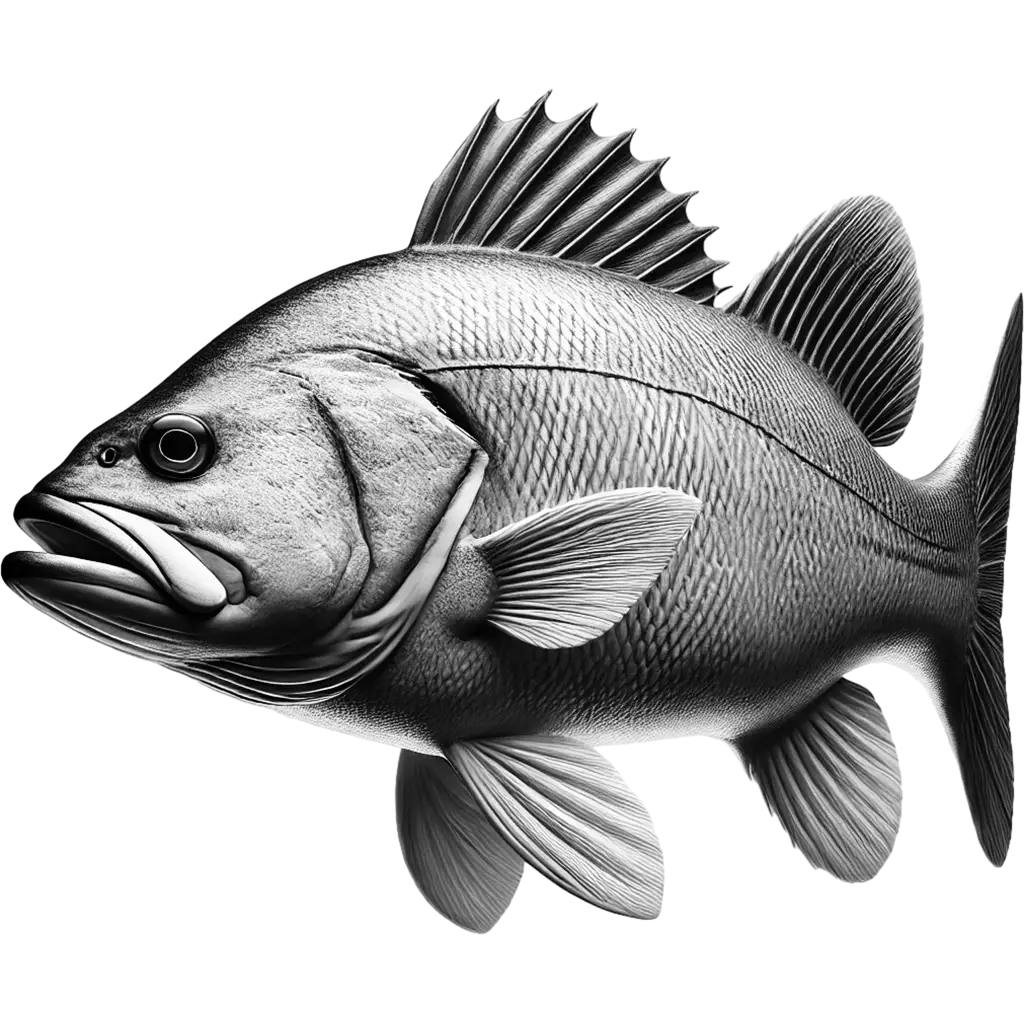
White seabass exhibit a sleek, elongated body with a metallic silver sheen that shimmers under sunlight. Their streamlined profile features a moderately large head, a slightly upturned mouth, and subtle dark markings along the lateral line. The well-proportioned fins and alert eyes contribute to an appearance that is both elegant
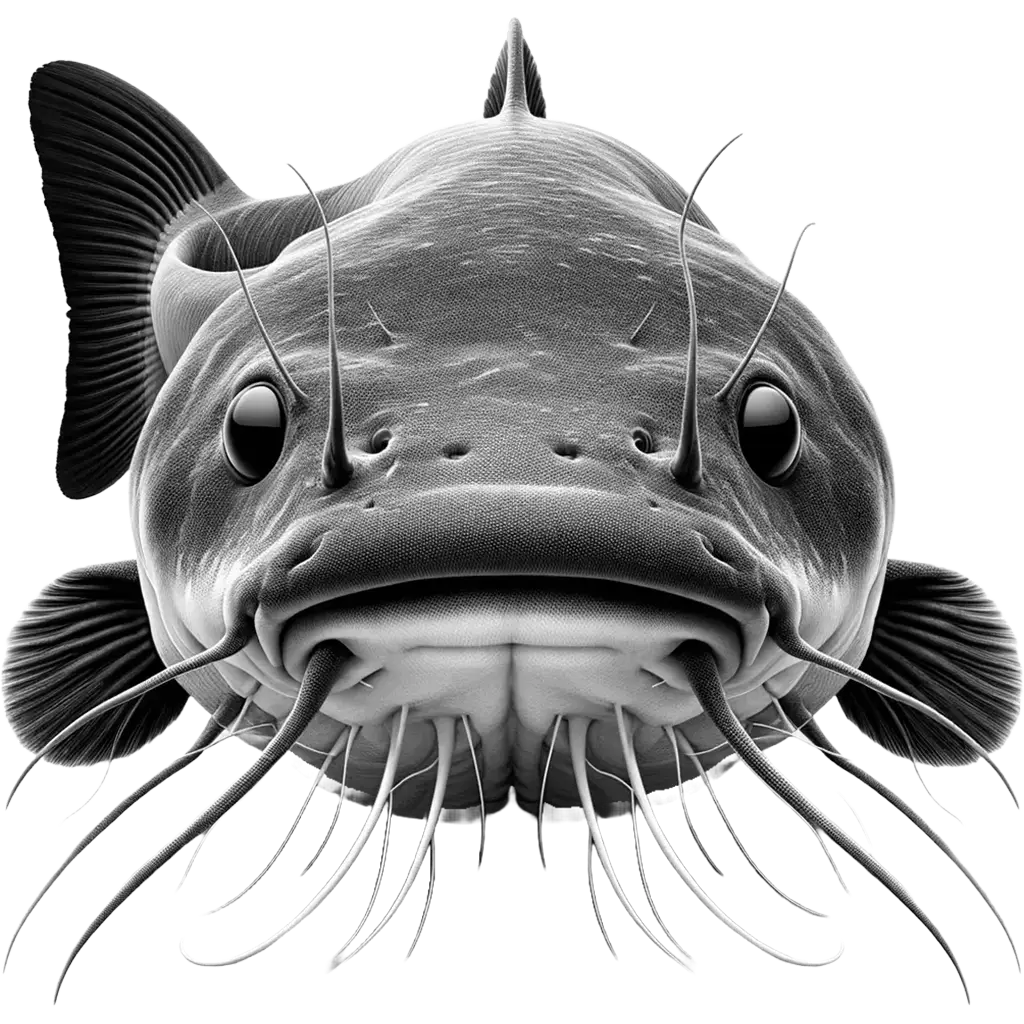
The Wels Catfish, silurus glanis, is one of the largest freshwater fish in Europe and parts of western Asia, renowned for its impressive size and predatory nature. Adult Wels Catfish can reach lengths of over 2 meters and weigh up to 150 kilograms, though most specimens are significantly smaller. They

The Great Hammerhead, sphyrna mokarran, stands as one of the most distinctive and formidable species of sharks, recognized by its unique 'hammer-shaped' head, known as a cephalofoil. This evolutionary adaptation not only enhances their sensory perception, allowing them to better detect prey, but also provides improved maneuverability. Adult Great Hammerheads
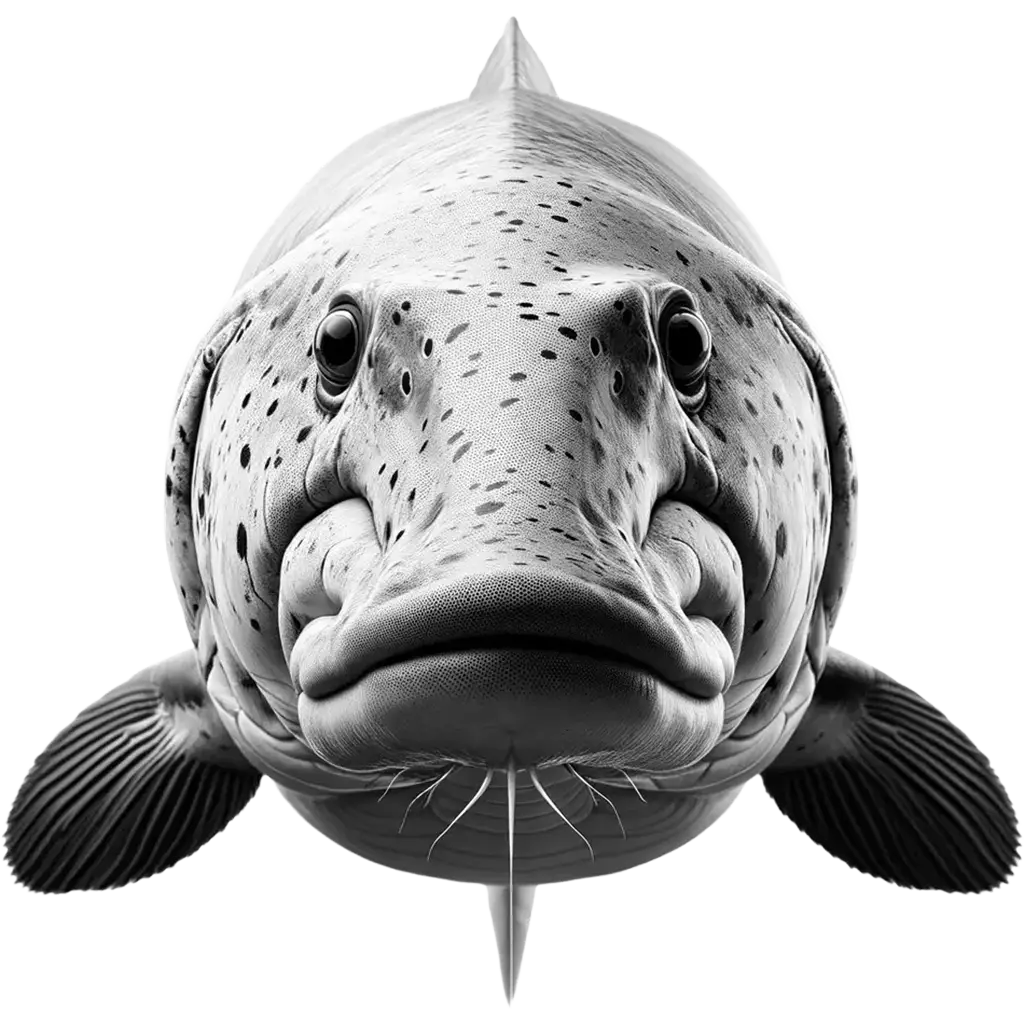
The Pirarucu, arapaima gigas, is one of the largest freshwater fish species in the world, native to the Amazon Basin of South America. Adults can reach lengths of up to 3 meters and weigh as much as 200 kg, making them formidable inhabitants of their aquatic environment. The Pirarucu is