
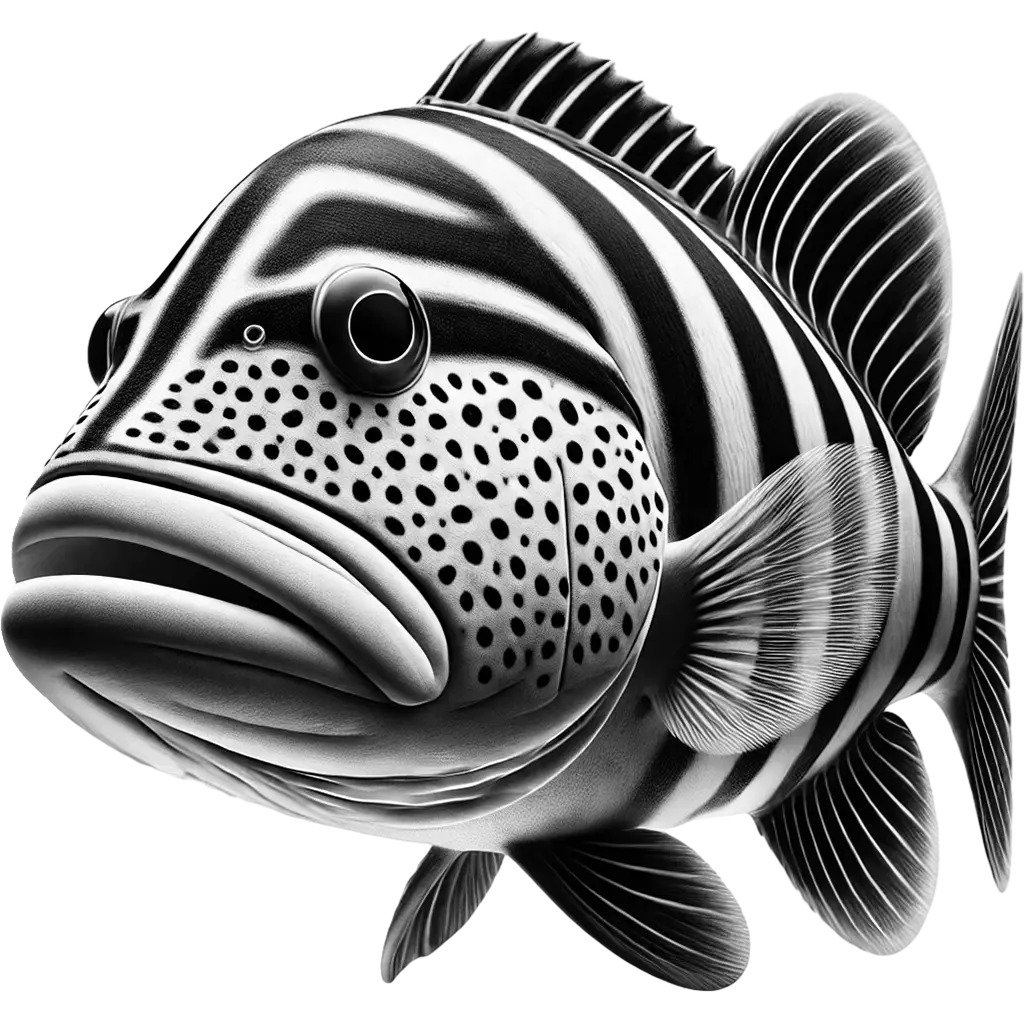
Diagramma Pictum
Painted Sweetlips
Coral reefs, lagoons, and nearshore environments in tropical marine waters
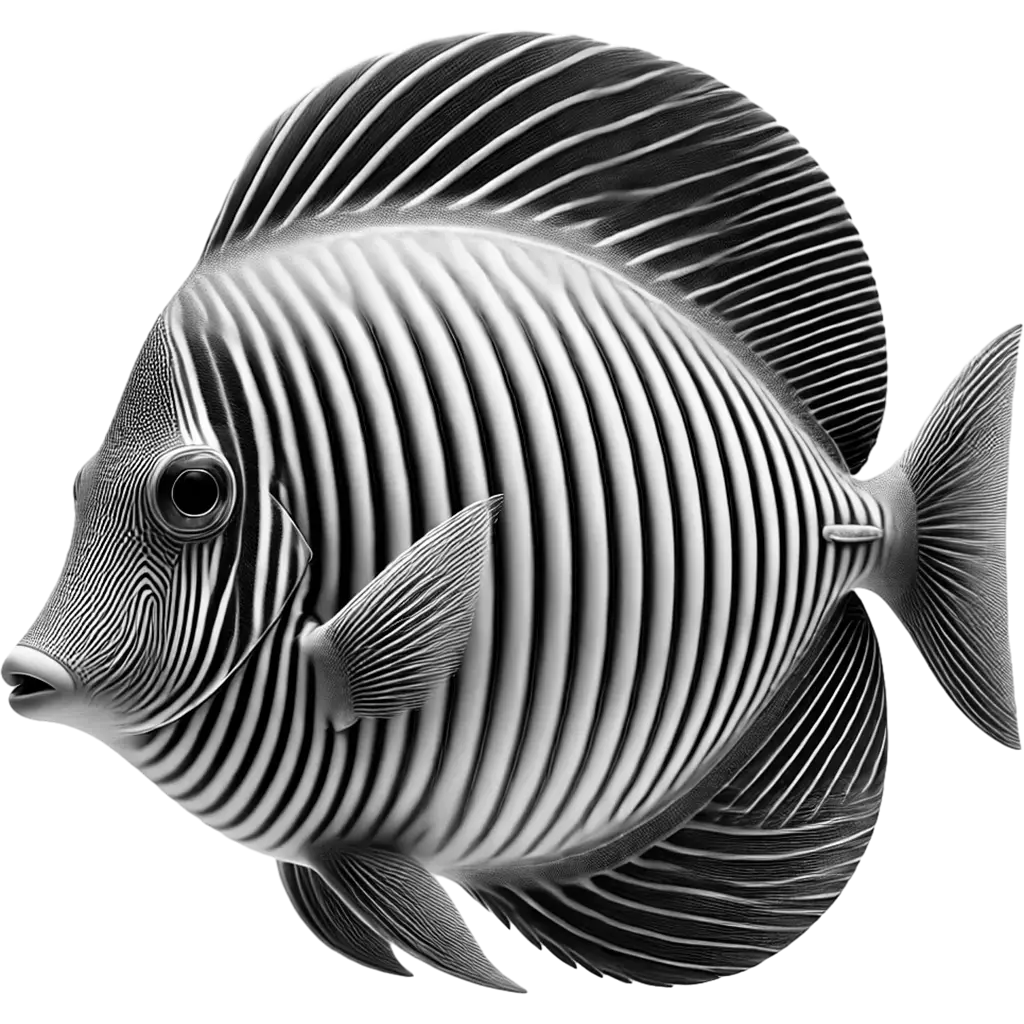
The Painted Sweetlips is a striking fish with a large, laterally compressed body and vivid, colorful markings that set it apart on the coral reef. Its scales shimmer in hues of pink, purple, and yellow, accented by contrasting dark stripes along the flanks and a rounded snout. Its graceful, elongated fins and streamlined profile not only add to its aesthetic appeal but also enhance its agile swimming capabilities. Overall, its vibrant appearance makes it one of the most visually captivating inhabitants of coral reef ecosystems.
| Population: | Common in healthy coral reefs, but local populations may decline due to overfishing and habitat degradation |
| Generation Length: | Approximately 5 years |
| Average Weight: | Approximately 1-2 kg |
| Average Length: | Approximately 40-50 cm |
| Lifespan: | Approximately 10-12 years in the wild |
| Diet: | Omnivorous, with a diet focused on invertebrates and algae that supports reef health |
| Conservation Status: | Near Threatened (NT) |
In its natural habitat, the Painted Sweetlips is an active and social fish commonly seen swimming in loose schools across vibrant coral reef environments. It spends much of its day exploring crevices, hovering near coral heads, and engaging in playful interactions with conspecifics. With a natural curiosity, it navigates the complex reef structure with graceful, darting movements, quickly changing direction in response to shifting light patterns and the movement of potential predators or prey. During the early morning and late afternoon, these fish are particularly active, utilizing the interplay of sunlight and shadow to blend seamlessly into their surroundings while foraging for food. Their communal behavior and synchronized swimming are a testament to their adaptability and social nature.
The Painted Sweetlips maintains a diet that is predominantly carnivorous, with a strong preference for small invertebrates that dwell among the coral. It actively forages along the reef, employing its sharp vision and nimble movements to detect tiny crustaceans, mollusks, and planktonic organisms. In addition to live prey, it occasionally grazes on algae and detritus that accumulate on coral surfaces, supplementing its high-protein requirements. This varied diet not only fuels its energetic lifestyle but also plays a vital role in maintaining the balance of the reef ecosystem by controlling invertebrate populations. Its streamlined body and rapid burst swimming make it an efficient and specialized feeder in the competitive reef environment.
During the breeding season, males display vibrant fin flares and perform dynamic, synchronized swimming displays to attract females. Courtship is brief, involving close interactions and subtle color changes, after which spawning occurs in loose aggregations. No parental care follows, with eggs released into the water to develop independently, ensuring genetic diversity through mass spawning events.
The wild population of Painted Sweetlips remains robust in healthy reef systems, though localized declines have been noted where overfishing and coral degradation occur. Their abundance in the Indo-Pacific is a testament to their adaptability, but ongoing environmental pressures necessitate continued conservation efforts to preserve the vibrant reef ecosystems that support this striking species.
Classifications
The Key Attributes
Features
- Movement:
Swims gracefully among coral reefs, exhibiting agile maneuvers and occasional rapid bursts when chasing prey or evading predators.
- Territorial Behavior:
Not strongly territorial; they are often seen in loose aggregations without aggressive displays.
- Speed:
Moderate, with swift bursts during feeding or escape.
- Diet:
Omnivorous; primarily consumes small invertebrates and algae scraped from coral surfaces.
- Physical Features:
- Large, laterally compressed body with a metallic silver sheen
- Bold, colorful markings in shades of pink, purple, and yellow
- Distinct dark stripes along the flanks
- Streamlined profile and elongated fins ideal for agile swimming
- Primary Senses:
- Sight
- Lateral line sensitivity
Understanding Habitat and Range
Geography
- Habitat:
Coral reefs, lagoons, and nearshore environments in tropical marine waters
- Migration Patterns:
Non-migratory; local movements occur in response to food availability and reef conditions.
- Geographical Range:
Widespread throughout the Indo-Pacific region.
- Climate Preferences:
Tropical marine environments with warm, clear waters.
Navigating the Wilderness
In the wild
- Predators:
Larger predatory fish, sharks, and human fishing activities.
- Prey:
Small crustaceans, mollusks, and planktonic invertebrates.
- Feeding Behavior:
Actively forages among corals, combining grazing on algae with bursts of speed to capture small invertebrates.
- Diet:
Omnivorous, with a diet focused on invertebrates and algae that supports reef health
- Defensive Mechanisms:
- Schooling behavior to confuse predators
- Rapid burst swimming to evade capture
- Preferred Food Sources:
- Small invertebrates and algal films on coral surfaces
Insights Into Reproduction
Mating
- Mating System:
Aggregative spawner; individuals form loose spawning aggregations during the breeding season.
- Number of Offspring:
Large numbers of eggs are released during spawning events.
- Incubation Period:
Oviparous; eggs hatch after a brief incubation period in open water.
- Parental Involvement:
- No parental care; eggs and larvae develop independently.
Youngsters Section
Painted Sweetlips
Fun Fact
The painted sweetlips is a colorful fish with bright yellow and purple patterns that make it look like it's wearing a beautiful, natural costume!
This fish loves to swim in tropical waters, often found near coral reefs. Its striking colors help it stand out, while its playful movements make it a joy to watch. The painted sweetlips is known for its unique, slightly "grinning" appearance, adding to its charm as it swims gracefully through the water!

Download word search puzzles
Word Search Puzzles


Check Out Other Fish
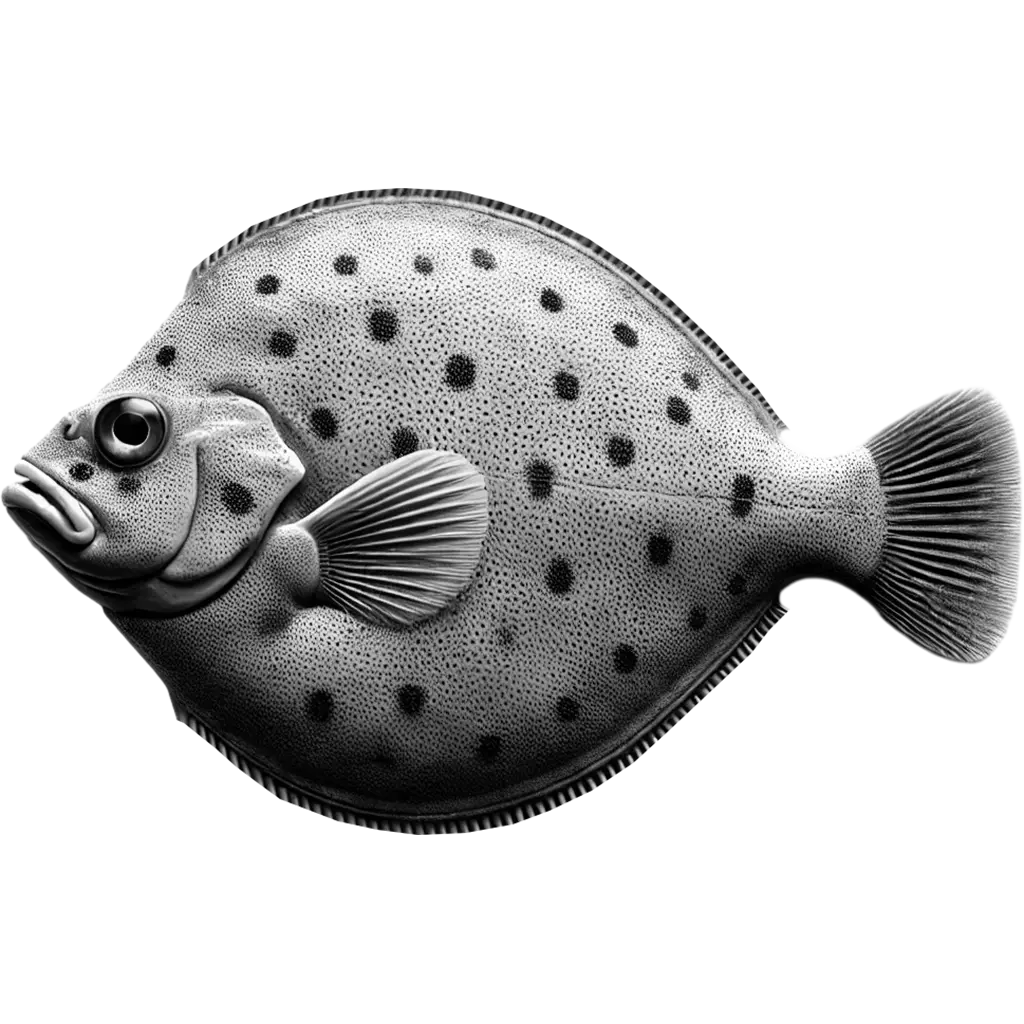
The Egyptian Sole is a flatfish species characterized by its oval-shaped, dorsoventrally flattened body. The upper side displays a greyish-brown coloration with four wide olive-colored saddles, while the underside is white. A distinctive black blotch marks the pectoral fin on the eyed side. Adults can reach up to 65 cm
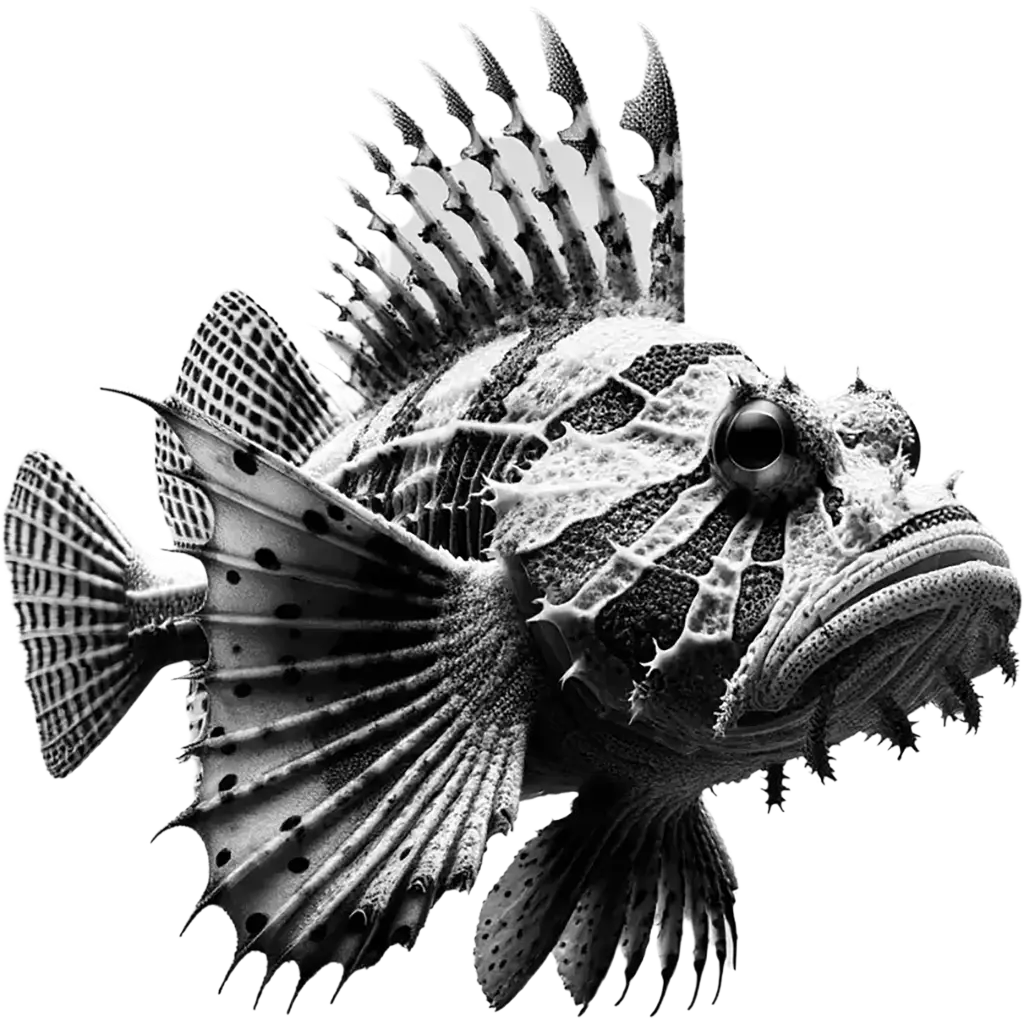
The Red Scorpionfish, pontinus furcirhinus, is a marine species known for its distinctive appearance and potent venom. Found in the deep waters of the Atlantic Ocean, including the Gulf of Mexico and the Caribbean Sea, this fish typically inhabits rocky bottoms and coral reefs at depths ranging from 100 to
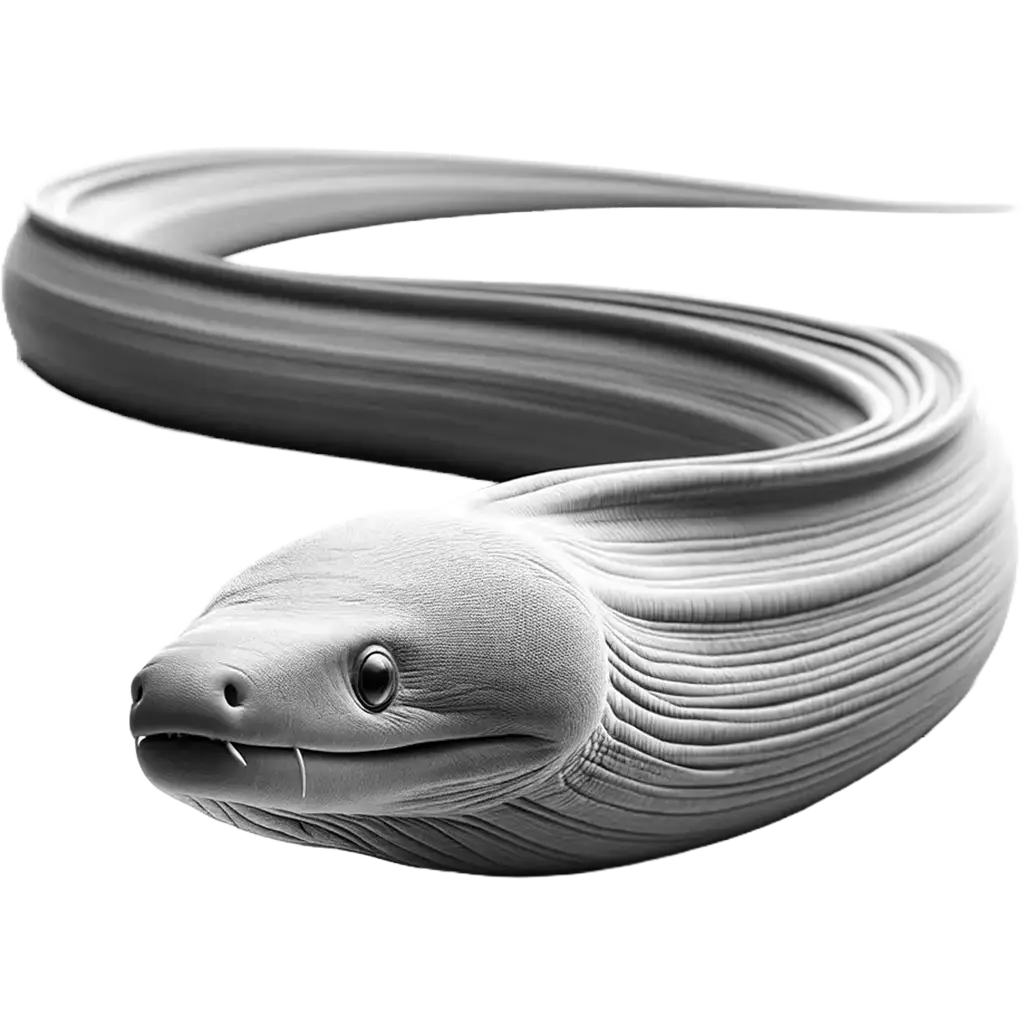
The Electric Eel, electrophorus electricus, is a fascinating species of fish known for its ability to generate powerful electric shocks. This remarkable creature is found in the freshwater habitats of the Amazon and Orinoco River basins in South America. Despite its name, it is not a true eel but is
The Sailfin Tang exhibits a laterally compressed, oval-shaped body adorned with shimmering scales that reflect a spectrum of colors under sunlight. Its most distinctive feature is a large, sail-like dorsal fin that stretches gracefully along its back, displaying vibrant hues of yellow and blue. The streamlined body and angular head,