
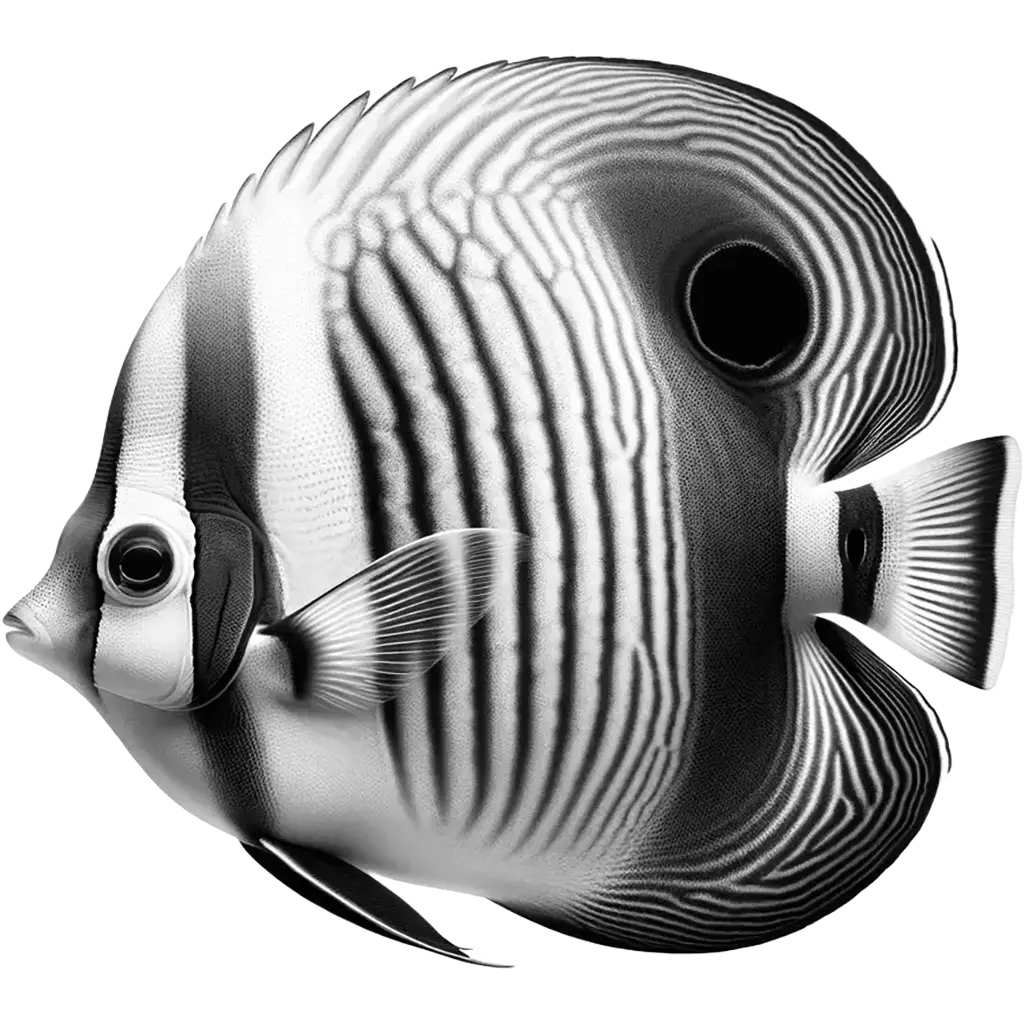
Chaetodon Lunulatus
Oval Butterflyfish
Coral reefs and lagoons
The Oval Butterflyfish, chaetodon lunulatus, is a vibrant and colorful marine species renowned for its striking appearance and widespread distribution across the Indo-Pacific region. This species exhibits a deep, flattened body typical of butterflyfish, reaching up to 20 cm (about 8 inches) in length. The body coloration is predominantly yellow with a complex pattern of black, white, and orange bands and spots, including a distinctive 'eye spot' near the tail, which serves to confuse predators. The oval shape of its body, combined with its vivid color pattern, makes it a standout among coral reef communities.
| Population: | Listed as Least Concern, but susceptible to habitat degradation and coral bleaching |
| Generation Length: | 2-3 years |
| Average Weight: | Not commonly documented; typically small, around 100-200 grams |
| Average Length: | 15-20 cm |
| Lifespan: | 5-7 years in the wild |
| Diet: | Primarily corallivorous, supplementing with small invertebrates and algae |
| Conservation Status: | Least Concern (LC) |
Oval Butterflyfish are found in a variety of reef environments, from shallow lagoons to outer reef slopes, where they prefer areas rich in coral growth. They are diurnal, spending the day actively foraging for food, and seek shelter among the corals at night to avoid predators. This species is particularly noted for its dependence on live coral, feeding on polyps and small invertebrates associated with coral reefs.
The diet of the Oval Butterflyfish primarily consists of coral polyps, making it an obligate corallivore. This specialized diet reflects the intimate relationship between butterflyfish and coral reef ecosystems, with the health of one directly impacting the other. In addition to coral polyps, they may consume small invertebrates, algae, and other reef organisms, contributing to the complex food web of coral reef ecosystems.
Reproduction in the Oval Butterflyfish involves pairs forming strong, monogamous bonds, often breeding for life. Spawning occurs with a dramatic rise to the surface, where eggs are released and fertilized in open water, dispersing with the currents. This reproductive strategy ensures the wide distribution of their offspring, increasing the chances of survival in the diverse and competitive reef environment.
The population status of the Oval Butterflyfish is currently stable across much of its range, but it faces threats from coral reef degradation due to climate change, pollution, and destructive fishing practices. Conservation efforts focusing on coral reef protection and restoration are vital for ensuring the continued survival of this species and the overall health of reef ecosystems. The Oval Butterflyfish serves as an indicator of reef health, highlighting the importance of sustainable marine conservation practices.
Classifications
The Key Attributes
Features
- Movement:
Swimming
- Territorial Behavior:
Often found in pairs or small groups, can be territorial over feeding areas
- Speed:
Agile swimmer, capable of quick darting movements to evade predators and catch prey
- Diet:
Omnivore
- Physical Features:
- Oval-shaped body with a protruding snout for feeding
- Bright yellow coloration with black bands and a white area near the tail
- Dorsal and anal fins that extend almost the length of the body
- Small mouth adapted for picking food off coral and rocks
- Primary Senses:
- Sight
- Taste
- Touch
Understanding Habitat and Range
Geography
- Habitat:
Coral reefs and lagoons
- Migration Patterns:
Non-migratory, but may move locally within their coral reef habitats
- Geographical Range:
Indo-Pacific region from the Red Sea and East Africa to the central Pacific
- Climate Preferences:
Tropical marine environments
Navigating the Wilderness
In the wild
- Predators:
Larger fish, sharks, and seabirds
- Prey:
Coral polyps, small invertebrates, and algae
- Feeding Behavior:
Feeds on coral polyps, invertebrates, and algae
- Diet:
Primarily corallivorous, supplementing with small invertebrates and algae
- Defensive Mechanisms:
- Camouflage within coral reefs
- Rapid swimming to escape predators
- Preferred Food Sources:
- Healthy coral reefs rich in polyps and associated invertebrates
Insights Into Reproduction
Mating
- Mating System:
Monogamous
- Number of Offspring:
Releases thousands of eggs into the water column
- Incubation Period:
Eggs hatch within 24-48 hours
- Parental Involvement:
- No parental care post-spawning; larvae are planktonic and drift with ocean currents
Youngsters Section
Oval Butterflyfish
Fun Fact
The Oval Butterflyfish is known for its vibrant colors and intricate patterns, resembling a butterfly's wings.
These fish have a unique adaptation for survival. They can change their color intensity to blend with their surroundings, an ability that helps them avoid predators. Oval Butterflyfish are often found in coral reefs, feeding on coral polyps and small invertebrates.

Download word search puzzles
Word Search Puzzles
Check Out Other Fish
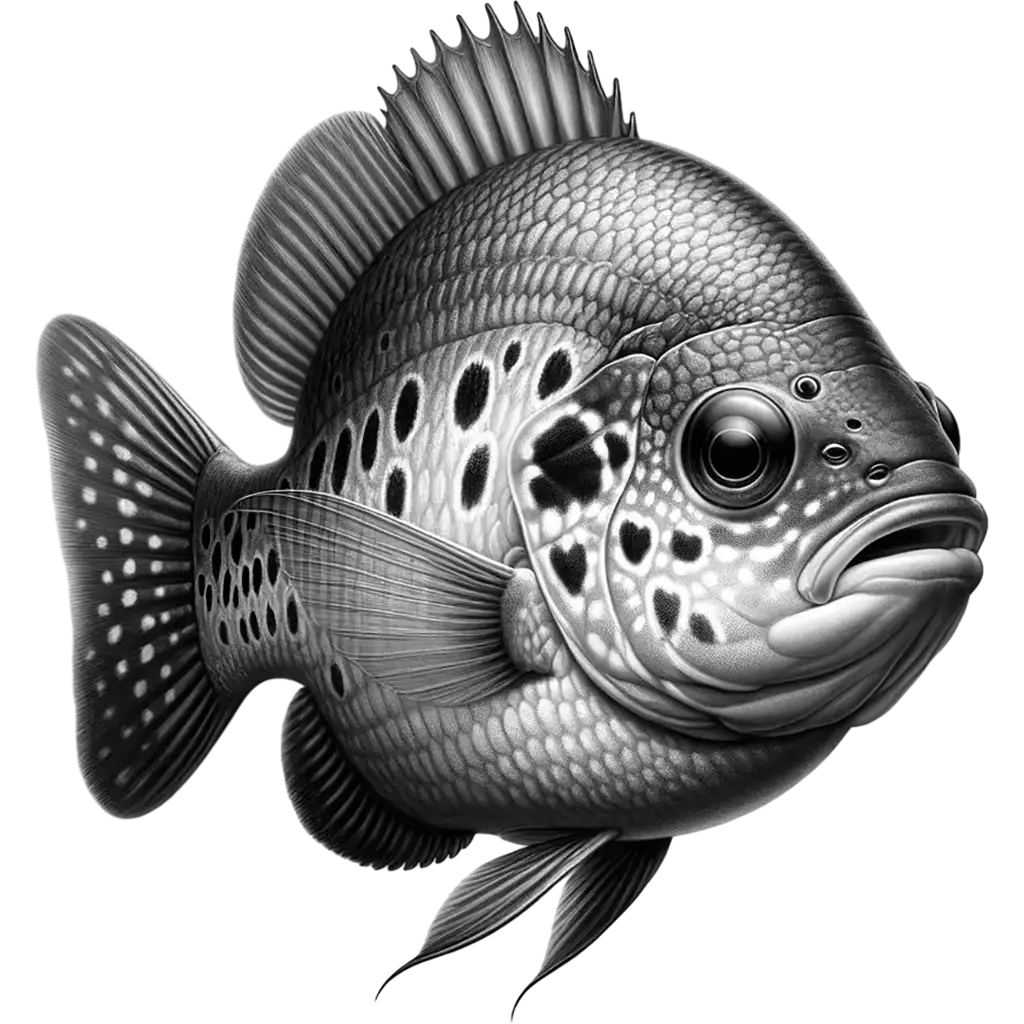
The Pumpkinseed, lepomis gibbosus, is a vibrant and popular freshwater fish, known for its striking coloration and sunfish family membership. Adults can reach up to 20 cm in length, though they commonly measure around 10 cm. Their bodies are laterally compressed with a round, disk-like shape, featuring an array of
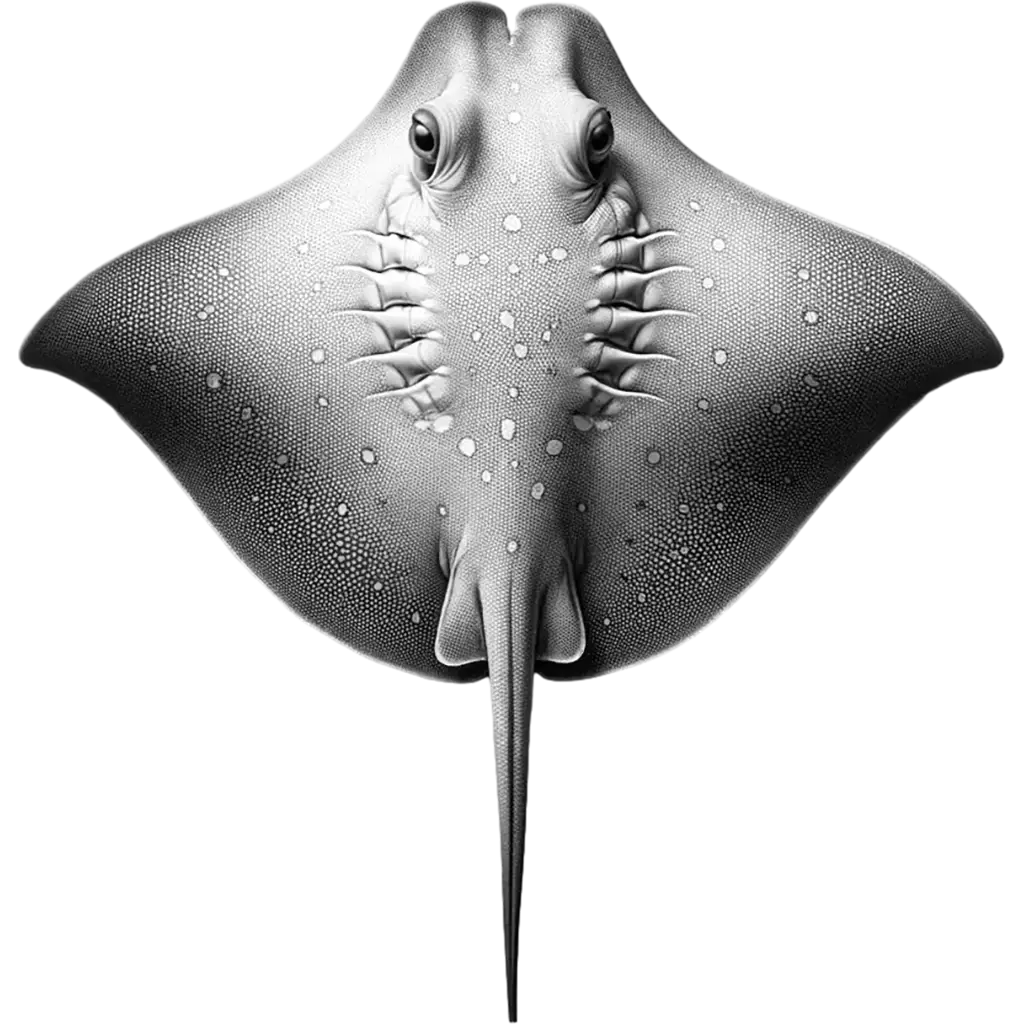
The Thornback Ray, raja clavata, is a species of cartilaginous fish in the family Rajidae, commonly found in the coastal waters of Europe and the Mediterranean Sea. This ray is easily recognizable by its kite-shaped body, which can grow up to 1 meter in length, and its dorsal surface covered
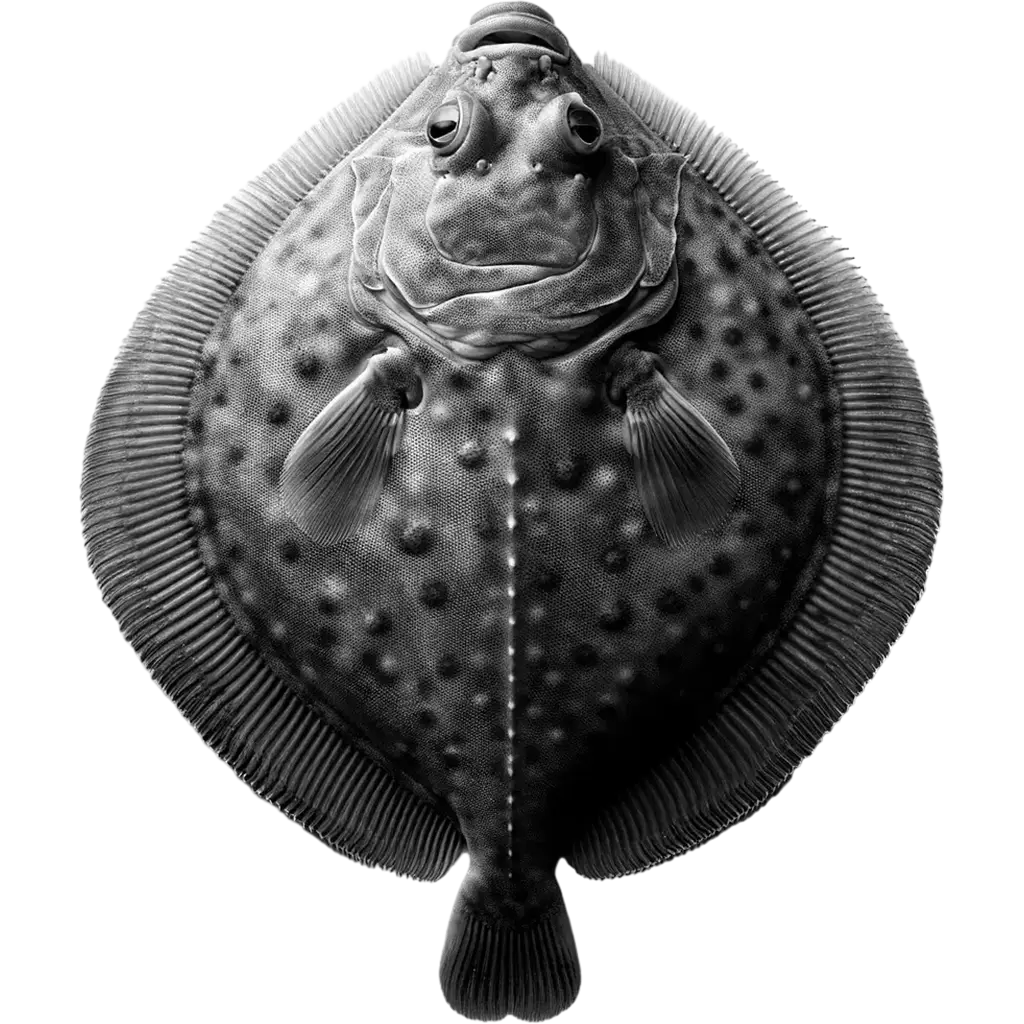
The European Plaice, pleuronectes platessa, is a flatfish species renowned for its distinctive appearance and significant value to commercial fisheries. This species has a smooth, oval body that is adapted to lie flat on the seabed, with both eyes located on its right side. The skin is dark green to
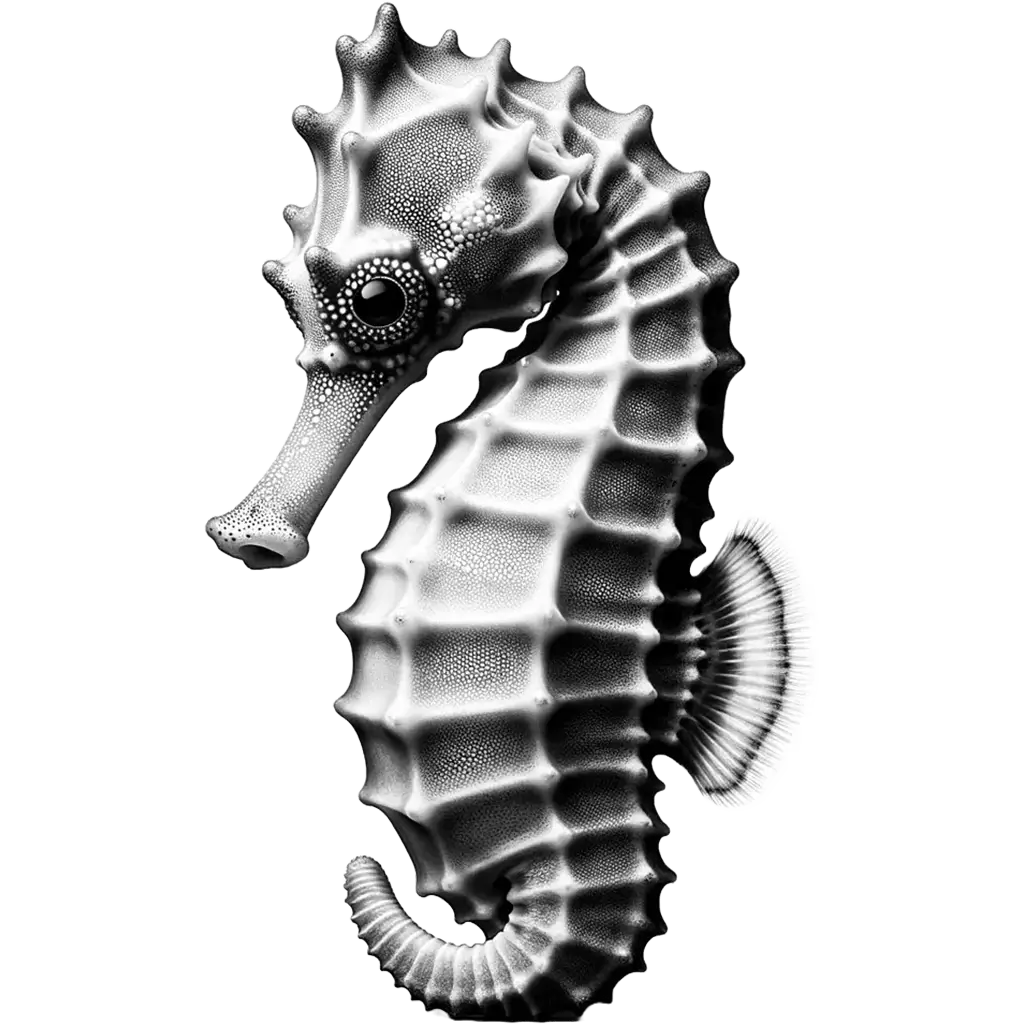
The Short-Snouted Seahorse, hippocampus hippocampus, is a fascinating marine fish known for its distinctive horse-like head and curled tail. This species typically reaches a length of 12 to 15 cm and is characterized by its small, upturned snout, which is shorter than that of other seahorse species. The body is