
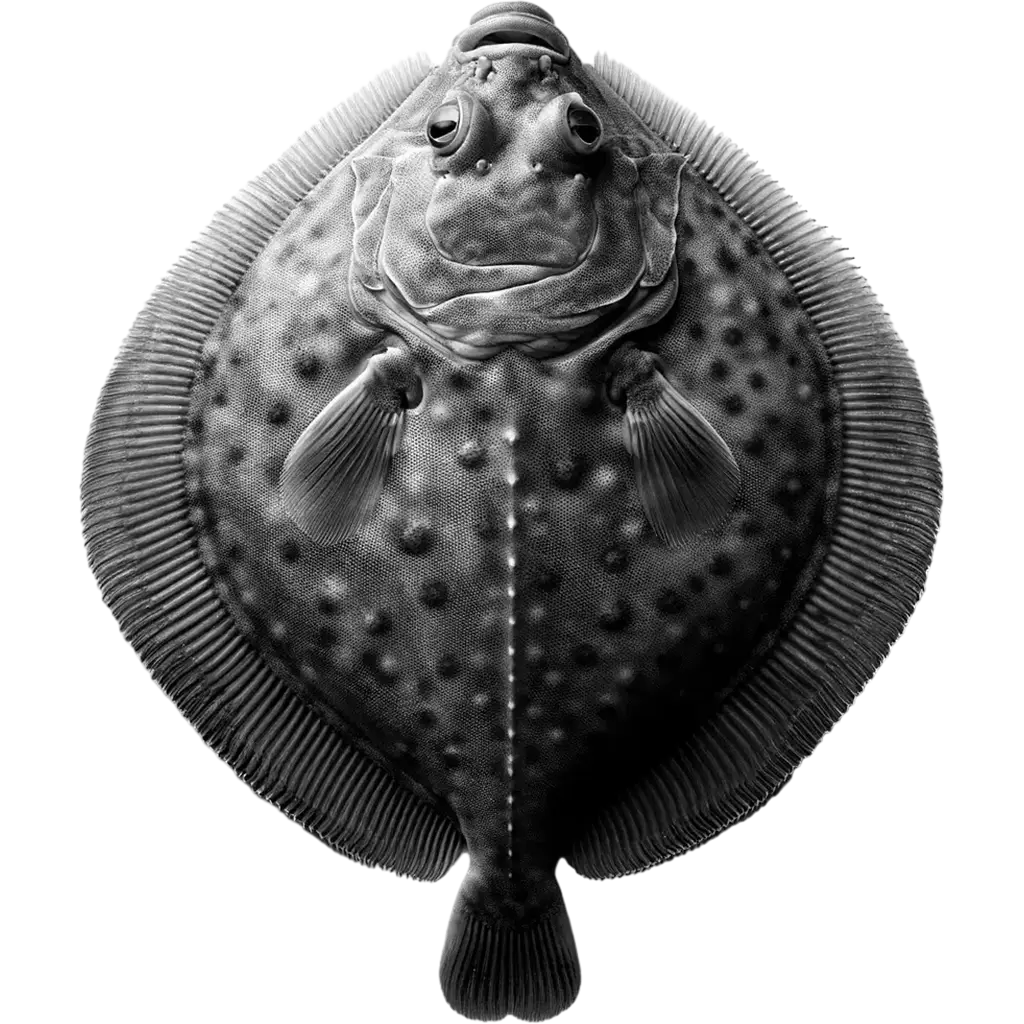
Pleuronectes Platessa
European Plaice
Sandy and muddy sea bottoms in coastal and shelf areas
The European Plaice, pleuronectes platessa, is a flatfish species renowned for its distinctive appearance and significant value to commercial fisheries. This species has a smooth, oval body that is adapted to lie flat on the seabed, with both eyes located on its right side. The skin is dark green to brown, speckled with conspicuous orange to red spots, providing camouflage against sandy or muddy bottoms. Adult plaice can reach up to 1 meter in length, though most commonly measure between 40 to 60 cm. The underside of the plaice is pearly white, contrasting sharply with its camouflaged upper side.
| Population: | Listed as Least Concern, but subject to fishing pressure |
| Generation Length: | 5-6 years |
| Average Weight: | 2-7 kg |
| Average Length: | 50-100 cm |
| Lifespan: | Up to 50 years in the wild |
| Diet: | Benthic feeder, primarily consuming invertebrates found in sediment |
| Conservation Status: | Least Concern (LC) |
European Plaice inhabit the sandy and muddy sea floors of the North Atlantic Ocean, ranging from the Barents Sea to the Mediterranean and the Black Sea. They prefer shallow waters but can be found at depths up to 200 meters. This species is known for its seasonal migrations, moving offshore to deeper waters in winter to spawn and returning inshore during the summer.
The diet of the European Plaice primarily consists of polychaete worms, crustaceans, and mollusks, which they find by sifting through the seabed sediment. Their mouth structure and sensory capabilities are well-adapted for detecting and capturing prey in the substrate.
Reproduction occurs in late winter to early spring, with females releasing hundreds of thousands of eggs that are fertilized externally. The eggs float in the water column until hatching, with larvae eventually settling on the seabed to begin their benthic life. Juvenile plaice are initially symmetrical, with one eye migrating to the other side of the head as they mature.
The European Plaice population is subject to significant fishing pressure, leading to concerns over stock sustainability. Conservation efforts and management measures, including quotas and minimum landing sizes, have been implemented to ensure the long-term viability of plaice fisheries. The species plays a crucial role in marine ecosystems and is a key target for both commercial and recreational fishing activities.
Classifications
The Key Attributes
Features
- Movement:
Swimming
- Territorial Behavior:
Non-territorial, relatively sedentary but migrates for spawning
- Speed:
Not particularly fast; relies on camouflage and slow movements
- Diet:
Carnivore
- Physical Features:
- Flat, oval-shaped body with both eyes on the right side
- Brownish-grey color with distinctive orange-red spots
- Small mouth and smooth scales
- Primary Senses:
- Sight
- Tactile
- Chemical sensing
Understanding Habitat and Range
Geography
- Habitat:
Sandy and muddy sea bottoms in coastal and shelf areas
- Migration Patterns:
Seasonal migrations between feeding and spawning grounds
- Geographical Range:
Northeast Atlantic, from the Barents Sea to the Mediterranean, and Baltic Sea
- Climate Preferences:
Cold to temperate marine waters
Navigating the Wilderness
In the wild
- Predators:
Larger fish, seabirds, and marine mammals
- Prey:
Polychaete worms, bivalves, small crustaceans, and fish
- Feeding Behavior:
Feeds on worms, crustaceans, and small fish, often burying itself in the substrate to ambush prey
- Diet:
Benthic feeder, primarily consuming invertebrates found in sediment
- Defensive Mechanisms:
- Camouflage with the seabed
- Burying in the substrate to avoid detection
- Preferred Food Sources:
- Areas with abundant invertebrate life in the sediment
Insights Into Reproduction
Mating
- Mating System:
Broadcast spawning
- Number of Offspring:
Produces several hundred thousand to several million eggs
- Incubation Period:
Eggs hatch within 10-15 days
- Parental Involvement:
- No parental care; eggs are left to drift and develop in the open sea
Youngsters Section
European Plaice
Fun Fact
The European Plaice is a flatfish known for its distinctive orange spots and ability to camouflage.
This fish is primarily found in the northeastern Atlantic and can live up to 50 years. Its ability to change color helps it blend into sandy or rocky seabeds, providing protection from predators. Plaice are also commercially important, commonly used in dishes like fish and chips.

Download word search puzzles
Word Search Puzzles


Check Out Other Fish

The Deep Angelfish, pterophyllum altum, also known as the Altum Angelfish, is a striking freshwater fish native to the Orinoco and Amazon basins of South America. It is the largest species within the Pterophyllum genus, with adults capable of reaching up to 18 cm in height and 15 cm in
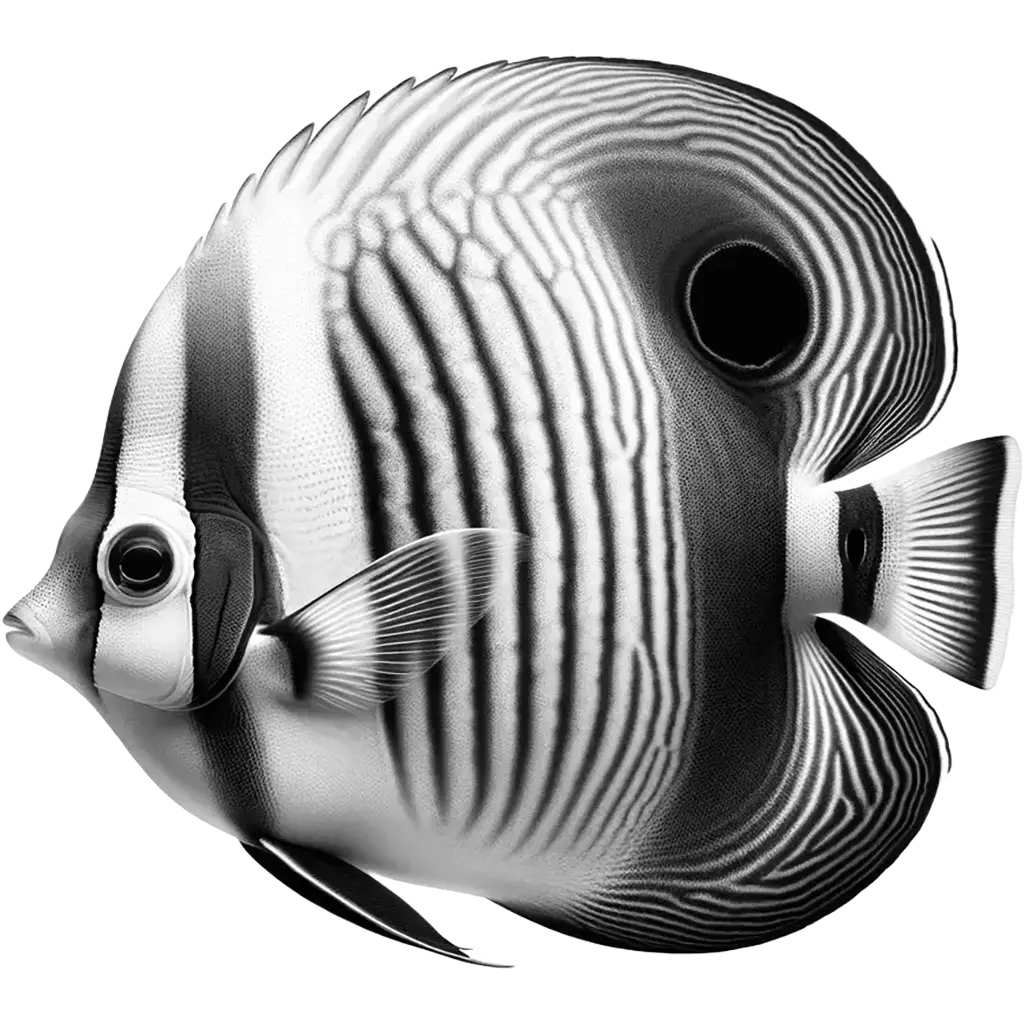
The Oval Butterflyfish, chaetodon lunulatus, is a vibrant and colorful marine species renowned for its striking appearance and widespread distribution across the Indo-Pacific region. This species exhibits a deep, flattened body typical of butterflyfish, reaching up to 20 cm (about 8 inches) in length. The body coloration is predominantly yellow

The Painted Sweetlips is a striking fish with a large, laterally compressed body and vivid, colorful markings that set it apart on the coral reef. Its scales shimmer in hues of pink, purple, and yellow, accented by contrasting dark stripes along the flanks and a rounded snout. Its graceful, elongated
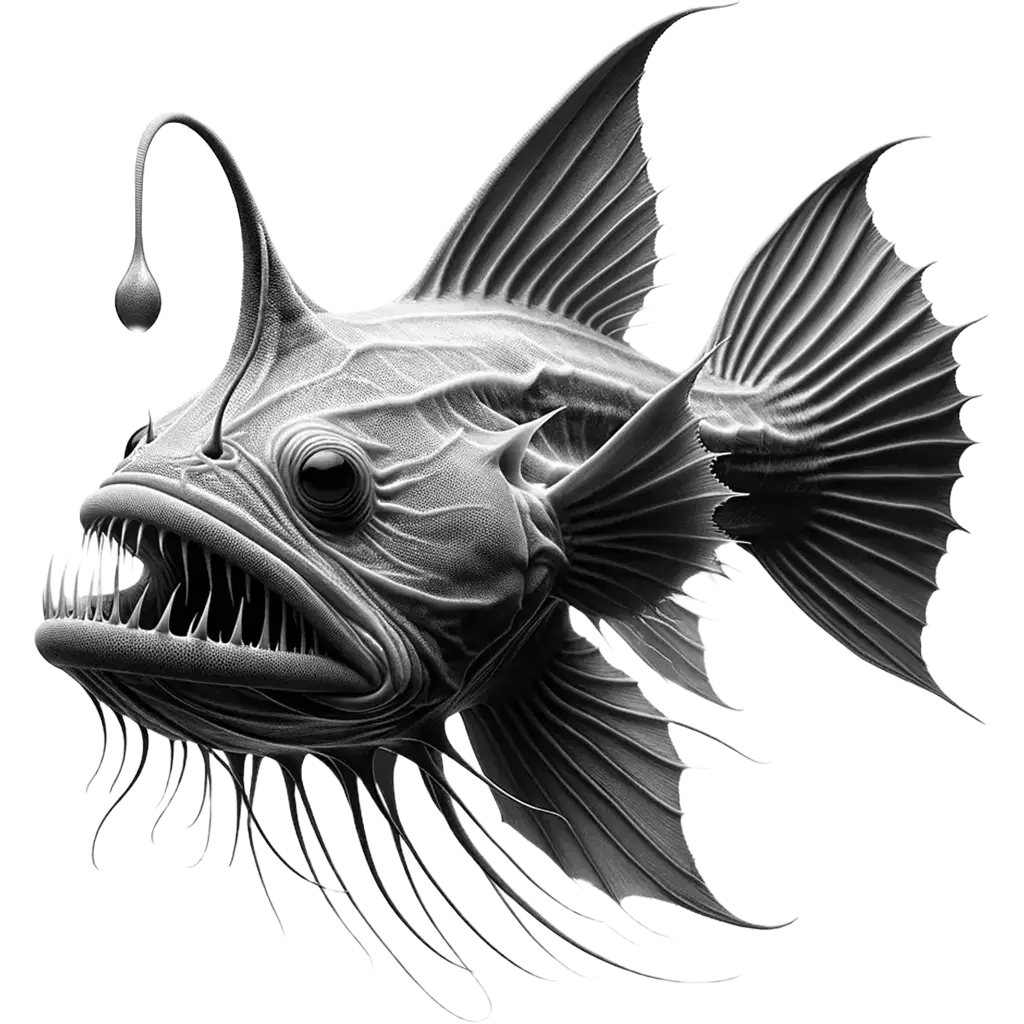
The European Angler, lophius piscatorius, also known as the Monkfish or Fishing Frog, is a unique and fascinating marine predator found in the northeastern Atlantic Ocean, from the Arctic Circle to the coasts of Morocco, including the Mediterranean Sea. This species is characterized by its broad, flat head and mouth,