
Sarda Orientalis
Striped Bonito
Coral reefs, lagoons, and nearshore areas of tropical and subtropical waters
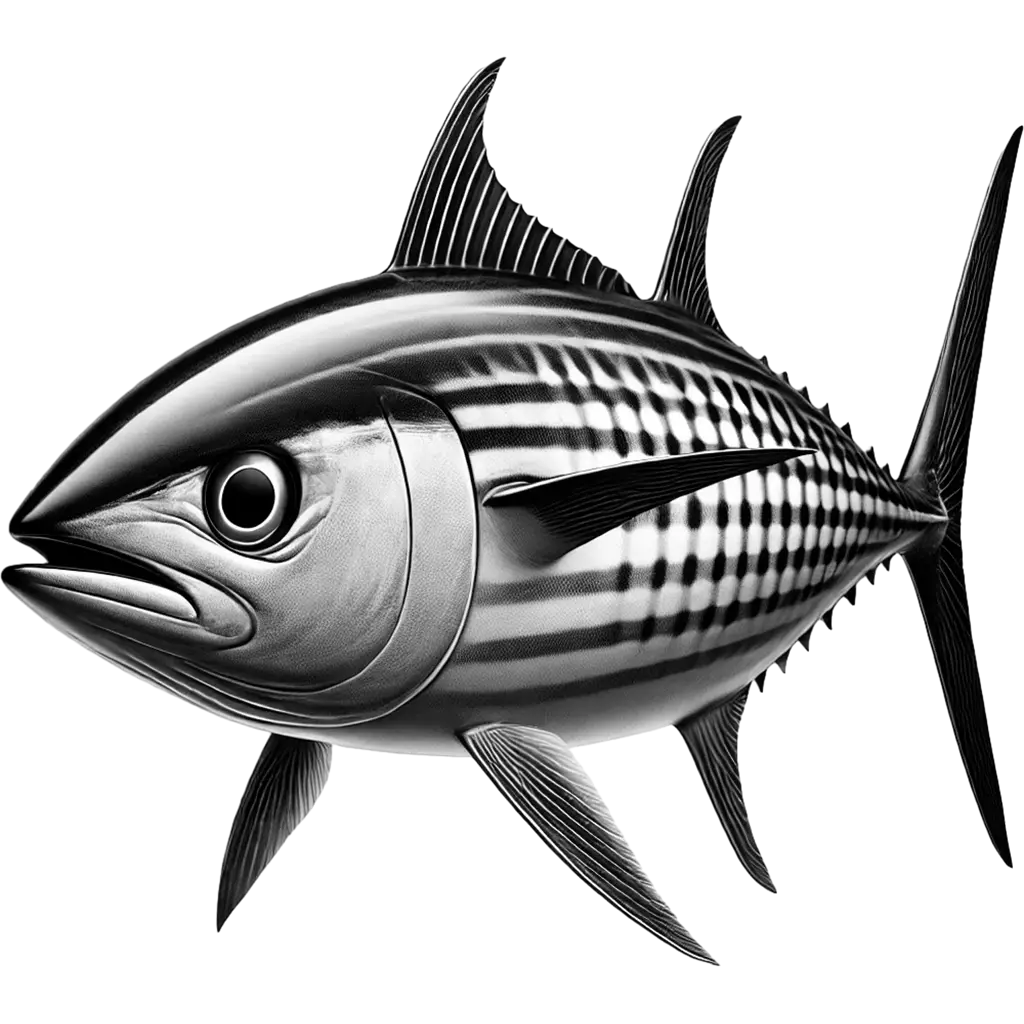
The Striped Bonito exhibits a streamlined, laterally compressed body covered in shimmering silver scales with bold, dark stripes running along its flanks. Its torpedo-shaped form, pointed snout, and large, alert eyes contribute to an appearance that is both dynamic and elegant. The contrasting patterns and iridescent sheen not only enhance its beauty but also provide effective camouflage in the sunlit ocean.
| Population: | Common in tropical and subtropical marine ecosystems, but declines due to overfishing and habitat degradation |
| Generation Length: | Approximately 3 years |
| Average Weight: | Approximately 1-2 kg |
| Average Length: | Approximately 40-50 cm |
| Lifespan: | Approximately 8-10 years in the wild |
| Diet: | Strictly carnivorous, contributing to the regulation of prey populations in its ecosystem |
| Conservation Status: | Least Concern (LC) |
Highly active and social, the Striped Bonito is often seen in large, synchronized schools that navigate the vibrant, bustling environment of coral reefs and adjacent open waters. It is most active during daylight, particularly at dawn and dusk, when it forages and interacts with conspecifics. Its agile, coordinated movements allow it to traverse complex reef structures with ease. These fish rely on collective behavior for both protection and efficient travel, demonstrating impressive communication and energy conservation in a constantly changing marine environment.
A voracious carnivore, the Striped Bonito feeds primarily on small schooling fish, squid, and crustaceans. It employs its sharp teeth and rapid, agile strikes to capture prey with precision. By maintaining a high-protein diet, it meets the energetic demands of its active lifestyle while playing a key role in controlling local prey populations. This feeding strategy not only sustains individual growth and reproduction but also contributes to the overall ecological balance within its marine ecosystem.
During the breeding season, Striped Bonitos form spawning aggregations in which individuals engage in synchronized courtship displays. Males and females release eggs and sperm into the water simultaneously, ensuring high fertilization rates. Following external fertilization, the eggs develop independently with no parental care, relying on sheer numbers to ensure species survival.
Overall, the Striped Bonito is widely distributed in healthy reef ecosystems, though local pressures from overfishing and habitat degradation can affect populations. Conservation efforts focused on sustainable fishing practices and reef restoration are essential to preserve this dynamic species and maintain the vibrant balance of its oceanic habitat.
Classifications
The Key Attributes
Features
- Movement:
Highly agile and powerful; the Striped Bonito swims in synchronized schools, making rapid turns and bursts when evading predators or capturing prey.
- Territorial Behavior:
Non-territorial; commonly found schooling with conspecifics without aggressive displays.
- Speed:
Capable of swift bursts and sustained rapid swimming in open water.
- Diet:
Strictly carnivorous; primarily feeds on small schooling fish, squid, and crustaceans.
- Physical Features:
- Streamlined, laterally compressed body with a torpedo shape
- Shimmering silver scales accented by bold, dark stripes along the flanks
- Pointed snout and large, alert eyes
- Well-developed fins aiding in precise, agile maneuvers
- Primary Senses:
- Sight
- Lateral line sensitivity
Understanding Habitat and Range
Geography
- Habitat:
Coral reefs, lagoons, and nearshore areas of tropical and subtropical waters
- Migration Patterns:
Non-migratory, though local movements occur in response to food availability and reef conditions.
- Geographical Range:
Widely distributed throughout the central and western Pacific Ocean and adjacent regions.
- Climate Preferences:
Tropical marine environments with warm, clear waters.
Navigating the Wilderness
In the wild
- Predators:
Larger predatory fish, marine mammals, and humans (via fishing) may prey on or capture Striped Bonitos.
- Prey:
Small schooling fish, squid, and crustaceans.
- Feeding Behavior:
Forages by grazing on algae-coated surfaces and actively chasing small, fast-moving prey within schools.
- Diet:
Strictly carnivorous, contributing to the regulation of prey populations in its ecosystem
- Defensive Mechanisms:
- Schooling behavior to confuse predators
- Rapid burst swimming to evade capture
- Preferred Food Sources:
- Small pelagic fish
- Cephalopods
- Crustaceans
Insights Into Reproduction
Mating
- Mating System:
Likely polygynous; individuals form spawning aggregations during the breeding season.
- Number of Offspring:
Large numbers of eggs are released during spawning events.
- Incubation Period:
Oviparous; eggs hatch after a brief incubation period in open water.
- Parental Involvement:
- No parental care is provided; eggs and larvae develop independently.
Youngsters Section
Striped Bonito
Fun Fact
Striped Bonitos are celebrated for their dazzling, iridescent appearance and lightning-fast schooling behavior.
Their coordinated movements and rapid bursts of speed not only make them a spectacle for divers and sport fishermen but also serve as a natural defense mechanism against predators.

Download word search puzzles
Word Search Puzzles


Check Out Other Fish
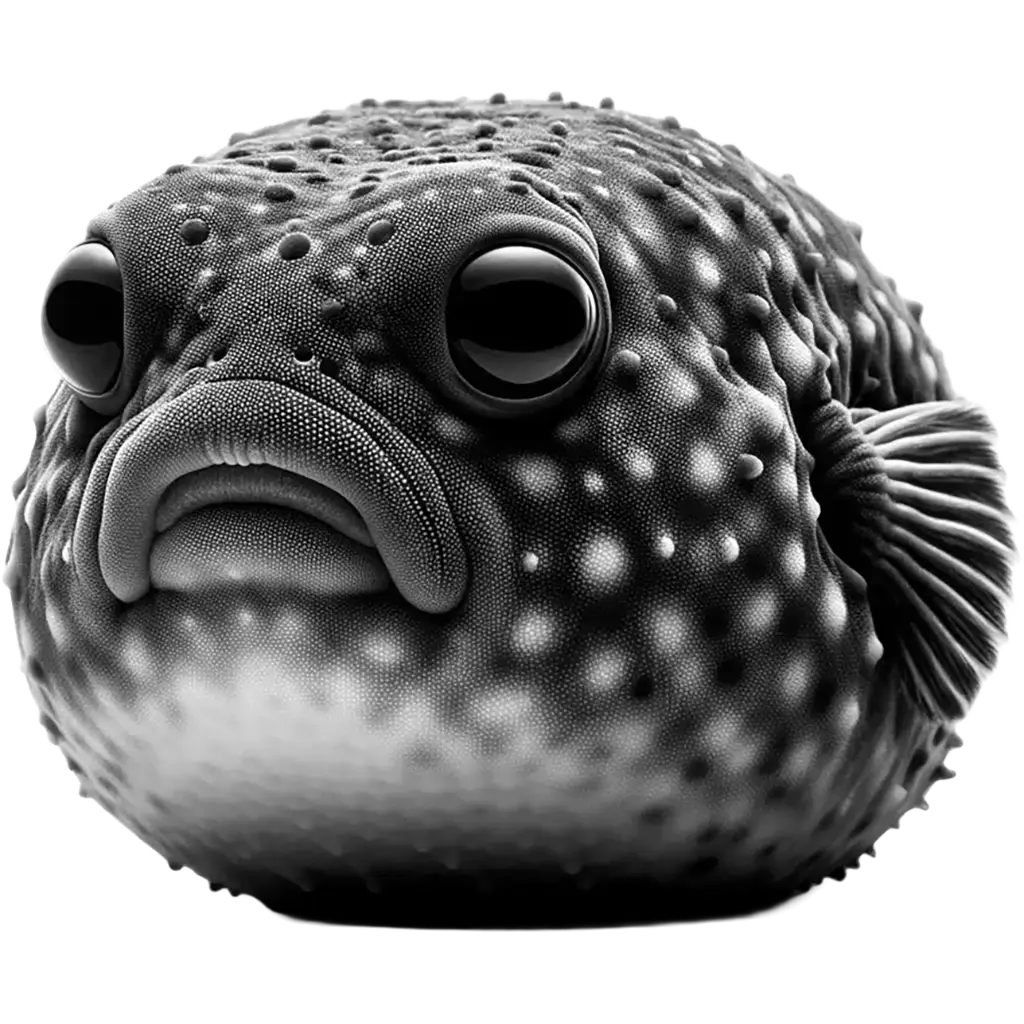
The Cyclopterus, more commonly known as the lumpfish or Cyclopterus lumpus, is a distinctive marine fish known for its rounded body and unique skin texture, which is covered in tubercles rather than scales, giving it a lumpy appearance. Adult lumpfish can vary in color from deep blue and green to
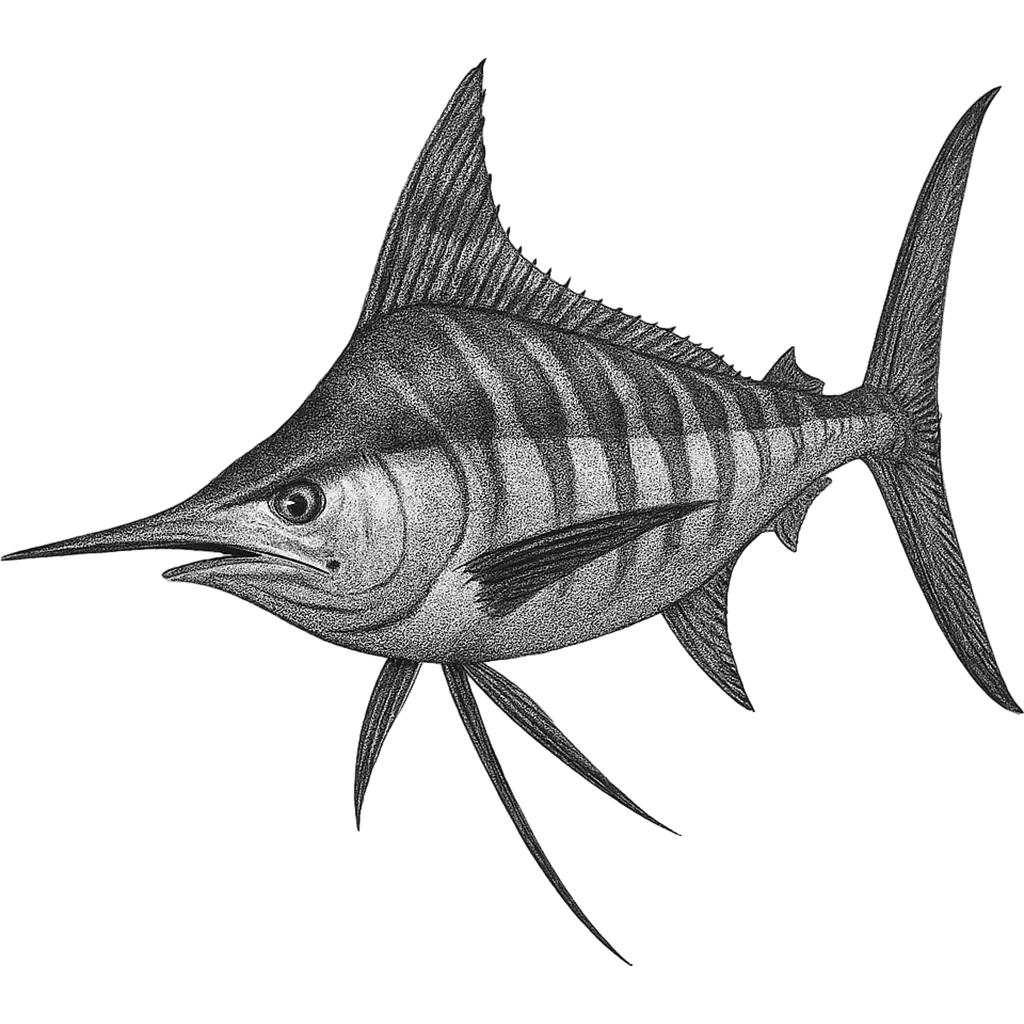
The Striped Marlin has a sleek, elongated body shaped like a torpedo, measuring on average 2.9 meters in length and tapering to a narrow caudal peduncle that supports a forked tail. Its dorsal surface ranges from deep blue to nearly black, fading to silvery white on the ventral side. The
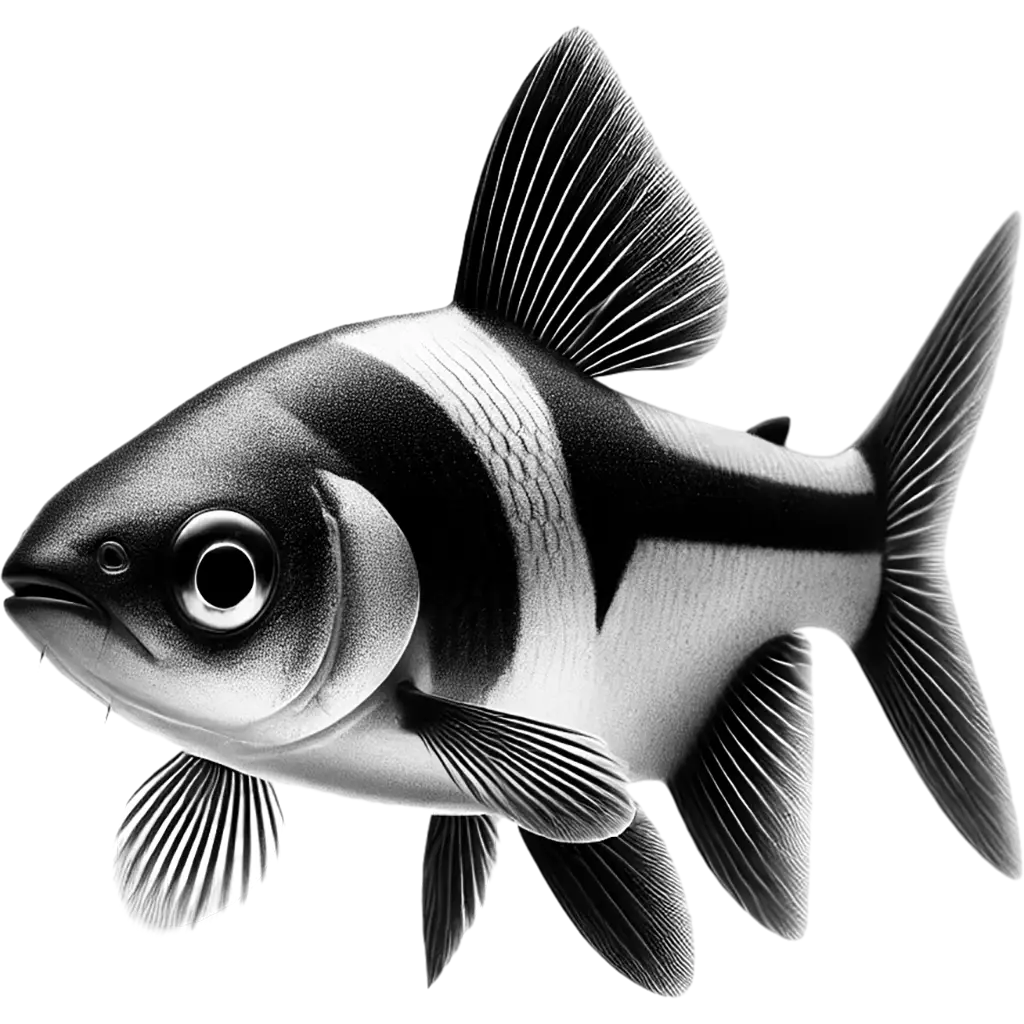
The Harlequin Rasbora is a small, vibrant freshwater fish, reaching up to 4.5 centimeters in length and weighing around 2 grams. Its body exhibits a striking orange-pink hue, complemented by a distinctive black triangular patch covering the posterior half, tapering towards the caudal peduncle. The fins are subtly tinted red,
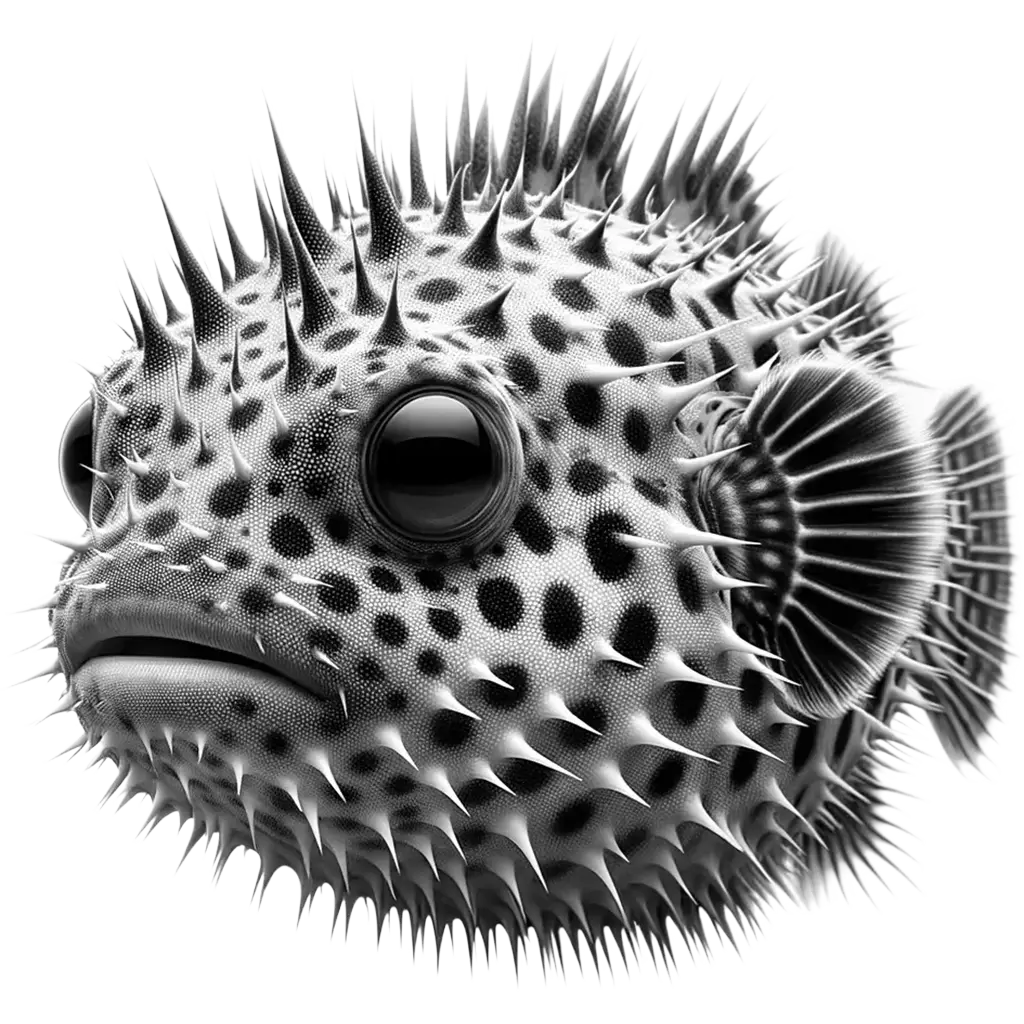
The Spot-Fin Porcupinefish, diodon hystrix, is a unique and fascinating marine species known for its ability to inflate its body as a defense mechanism against predators. This fish is easily recognizable by its spherical shape when inflated, large eyes, and distinctive spines that cover its body, which become erect when