
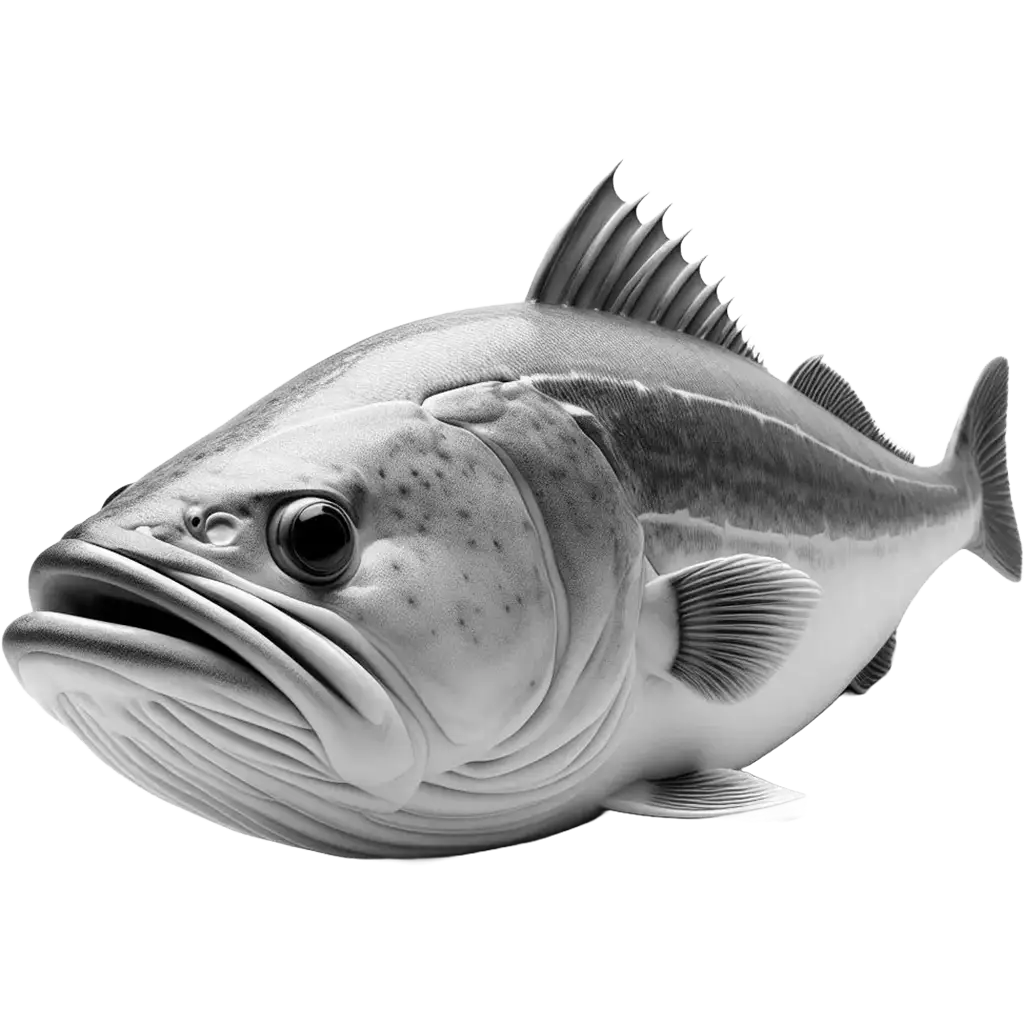
Melanogrammus Aeglefinus
Haddock
Demersal (bottom-dwelling), on the continental shelf and slope
The Haddock, melanogrammus aeglefinus, is a key species in the North Atlantic fishery, widely distributed across the cold and temperate waters of the North Atlantic Ocean. This medium-sized fish typically measures between 30 to 80 centimeters (12 to 31 inches) in length and can weigh up to 1.5 kilograms (3.3 pounds). Haddock are easily recognized by their silvery-grey color on the sides and back, a distinctive black lateral line running along their side, and a characteristic dark blotch, known as the 'Devil's thumbprint,' above their pectoral fin.
| Population: | Subject to fishing pressure; status varies by region with some stocks considered sustainable and others overfished |
| Generation Length: | 4-6 years |
| Average Weight: | 1-5 kg, can reach up to 15 kg |
| Average Length: | Typically 30-70 cm, can reach up to 1 m |
| Lifespan: | Up to 20 years |
| Diet: | Primarily small fish and invertebrates |
| Conservation Status: | Vulnerable (VU) |
Haddock inhabit the benthic zone off the coast, ranging from shallow waters to depths of up to 200 meters (656 feet). They prefer substrates of sand, gravel, or shells where they feed on a diet primarily composed of small invertebrates, including worms, crustaceans, and mollusks, though they also consume fish.
These fish play a crucial role in the marine ecosystem as both predator and prey, contributing to the balance of the benthic community. They are a preferred species in commercial fisheries due to their significant economic value, being targeted for their lean, white flesh that is highly prized in culinary applications.
Reproduction in Haddock involves seasonal migration to spawning grounds, where females can release between 100,000 to 3,000,000 eggs depending on their size. Spawning occurs from January to June, peaking in March and April. The eggs are pelagic, drifting with the currents until hatching, with larvae eventually settling on the ocean floor.
The Haddock is currently listed as of Least Concern by the IUCN, though certain populations are under pressure from overfishing. Management efforts, including quotas and size limits, have been implemented in various regions to ensure sustainable harvest levels. Conservation and sustainable management practices are essential to maintain healthy Haddock populations and the long-term viability of the fishery.
Classifications
The Key Attributes
Features
- Movement:
Swimming
- Territorial Behavior:
Not territorial; forms schools
- Speed:
Not specifically quantified; capable of quick movements to evade predators and capture prey
- Diet:
Carnivore
- Physical Features:
- Dark grey or black lateral line running along its white side
- Distinctive black blotch above the pectoral fin, known as the 'Devil's thumbprint'
- Slender, laterally compressed body
- Primary Senses:
- Sight
- Smell
- Taste
- Lateral line system for detecting movement and vibration in water
Understanding Habitat and Range
Geography
- Habitat:
Demersal (bottom-dwelling), on the continental shelf and slope
- Migration Patterns:
Some seasonal migration related to breeding and feeding
- Geographical Range:
North Atlantic Ocean, including waters off the east coast of North America and across to the coasts of Europe and Iceland
- Climate Preferences:
Cold temperate to subarctic waters
Navigating the Wilderness
In the wild
- Predators:
Large fish, sharks, and marine mammals
- Prey:
Small fish, invertebrates like crustaceans and cephalopods
- Feeding Behavior:
Feeds on smaller fish, crustaceans, and cephalopods
- Diet:
Primarily small fish and invertebrates
- Defensive Mechanisms:
- Schooling to confuse predators
- Rapid swimming to escape
- Preferred Food Sources:
- Crustaceans
- Small fish
- Cephalopods
Insights Into Reproduction
Mating
- Mating System:
Broadcast spawning
- Number of Offspring:
Can release up to several hundred thousand eggs during a spawning event
- Incubation Period:
Eggs hatch in about 2 weeks, depending on water temperature
- Parental Involvement:
- No parental care; eggs and larvae are pelagic (drift in open water)
Youngsters Section
Haddock
Fun Fact
Haddock is known for its distinctive black lateral line and dark blotch above the pectoral fin.
This fish is a staple in North Atlantic fisheries and is often associated with fish and chips. Haddock is also an important part of the marine ecosystem, serving as prey for larger predators while feeding on benthic invertebrates.

Download word search puzzles
Word Search Puzzles

Check Out Other Fish
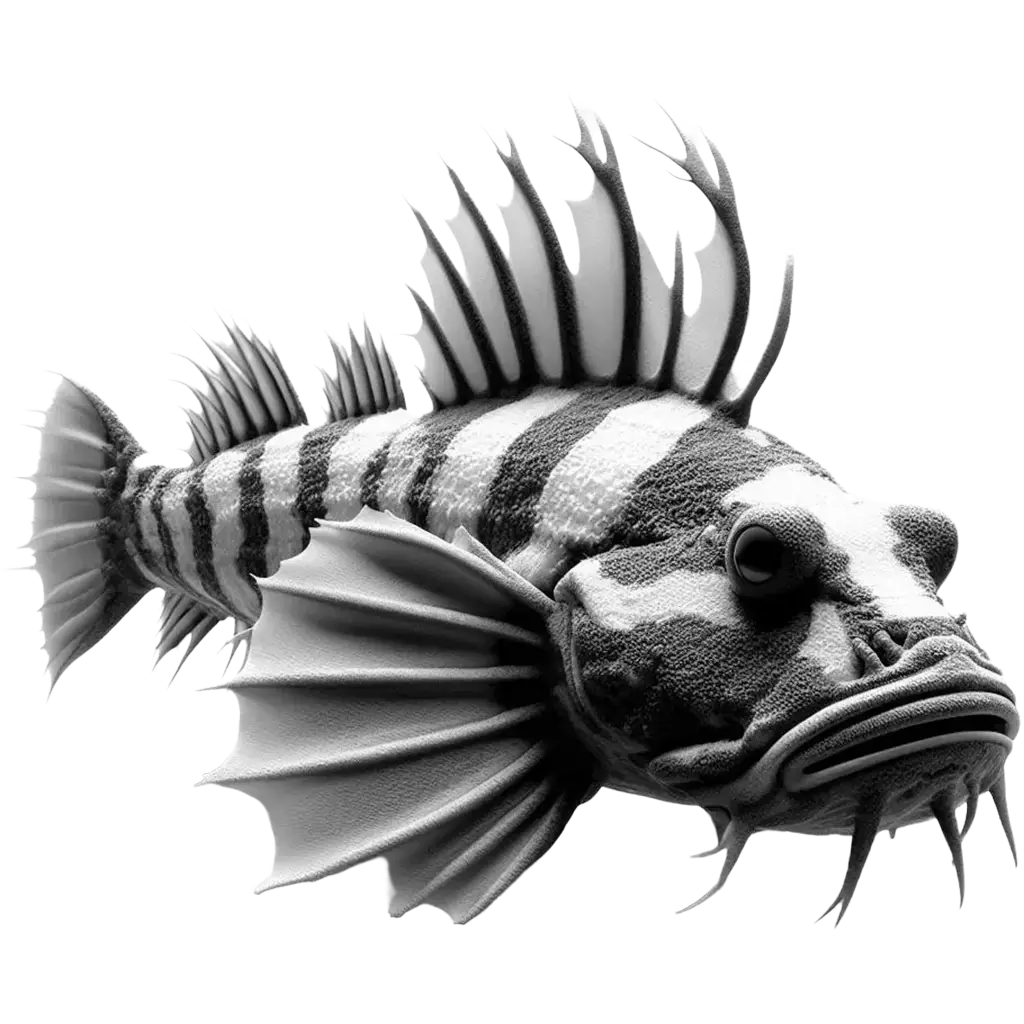
The Mottled Sculpin, cottus bairdii, is a freshwater fish species distinguished by its camouflage pattern of mottling and bars, which blend seamlessly with the rocky streambeds it inhabits. Adults typically measure between 7 to 10 cm in length, with a robust, tapering body and a broad, flattened head featuring large,
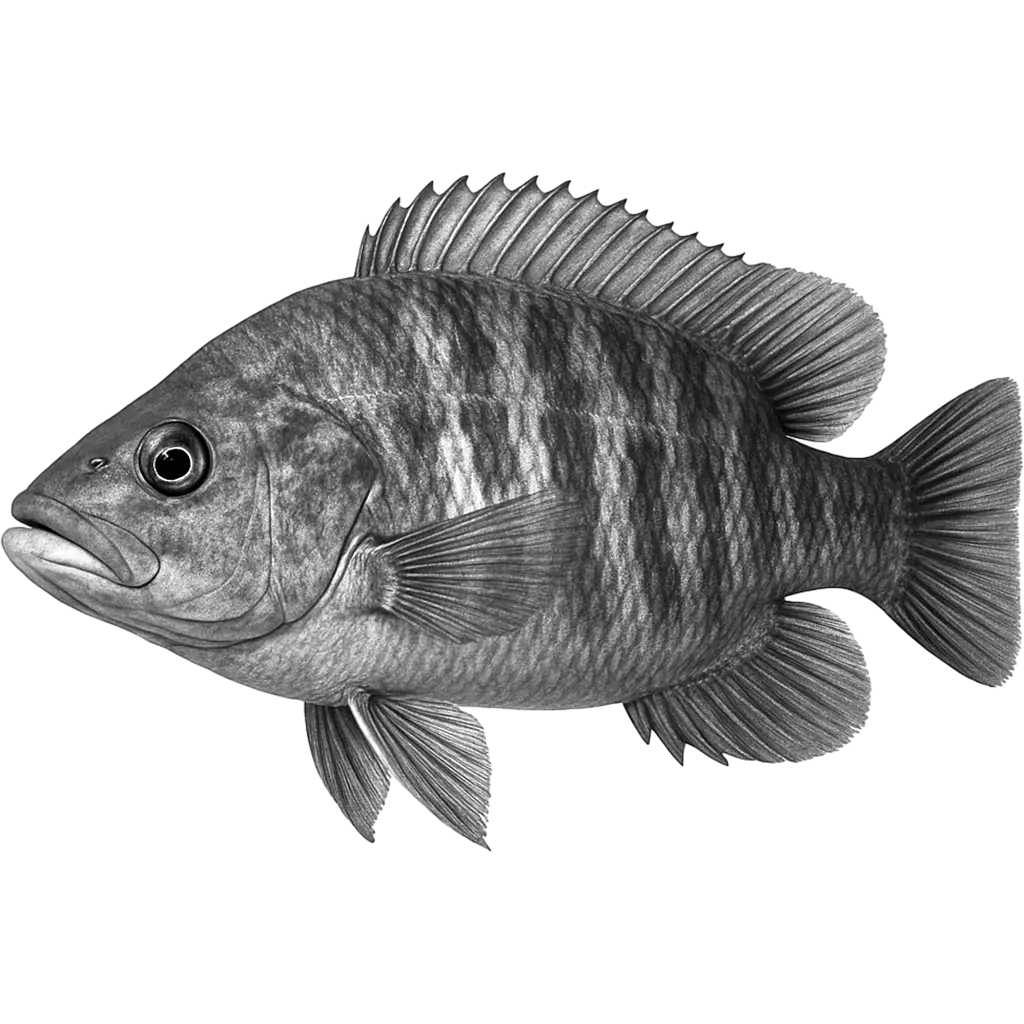
The Giant Cichlid exhibits a striking, robust body with a laterally compressed shape and a broad, powerful head. Its skin displays a mottled blend of deep blue and grey hues, accentuating the pronounced curvature of its streamlined form. Large, expressive eyes and a fierce, angular snout add to its imposing
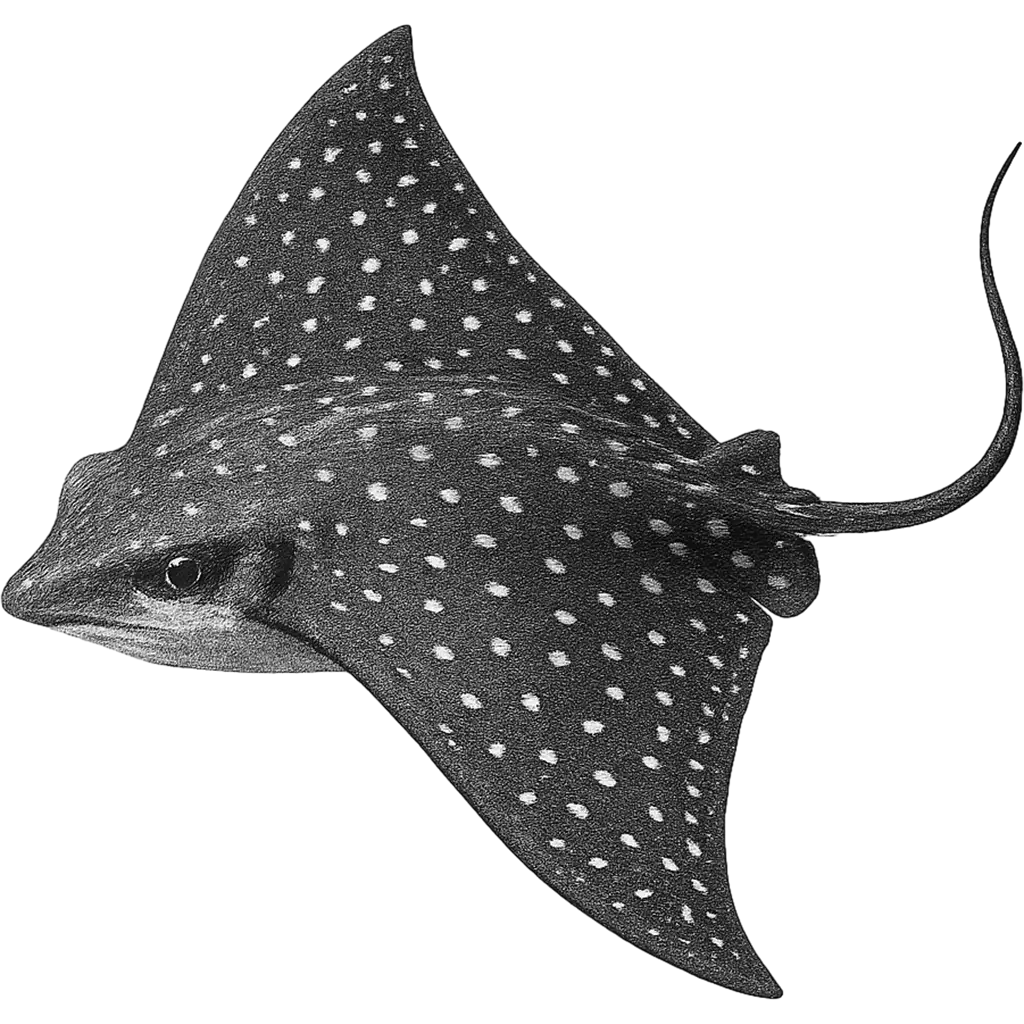
The Spotted Eagle Ray has a flattened, diamond-shaped pectoral disc measuring up to 1.8 meters across, tapering to a slender, whip-like tail. Its dorsal surface is dark blue to black, adorned with numerous bright white or yellowish spots and rings that provide camouflage against the sea floor. The head features
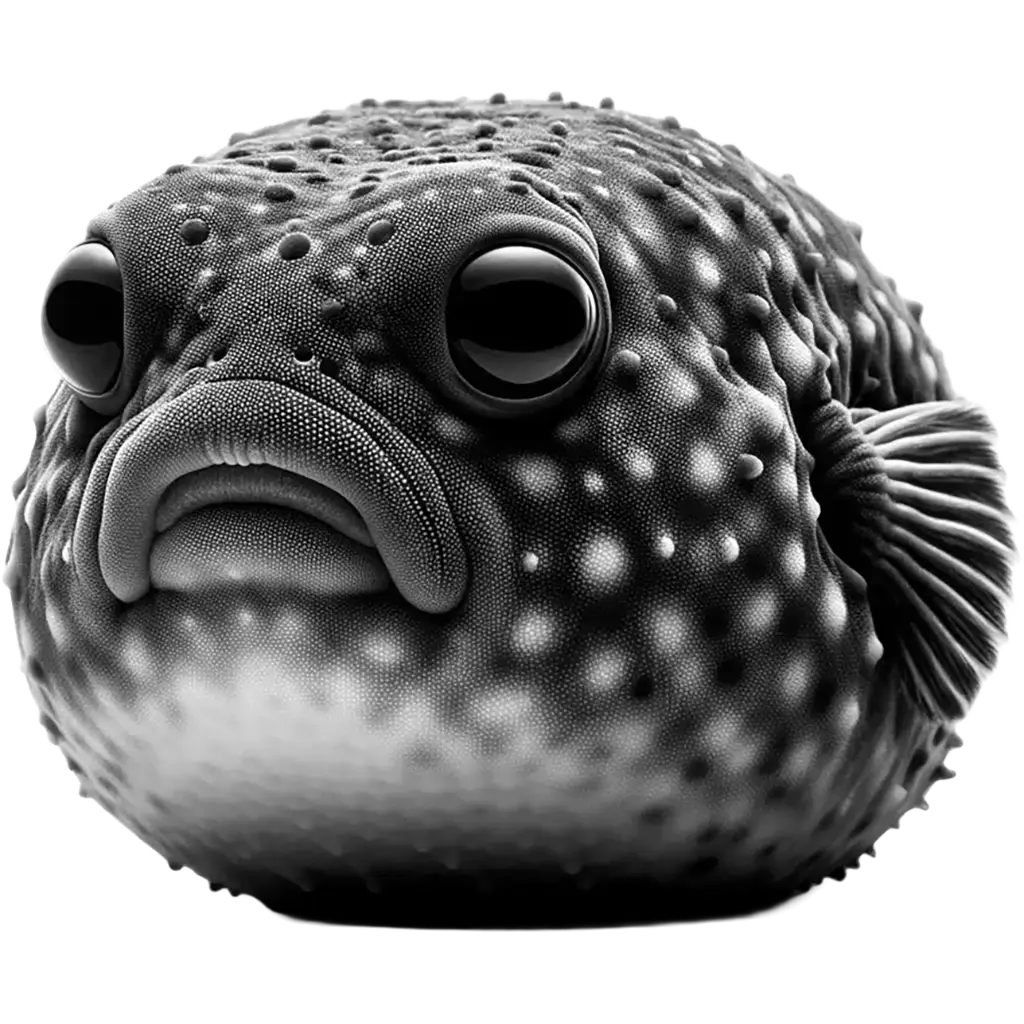
The Cyclopterus, more commonly known as the lumpfish or Cyclopterus lumpus, is a distinctive marine fish known for its rounded body and unique skin texture, which is covered in tubercles rather than scales, giving it a lumpy appearance. Adult lumpfish can vary in color from deep blue and green to