
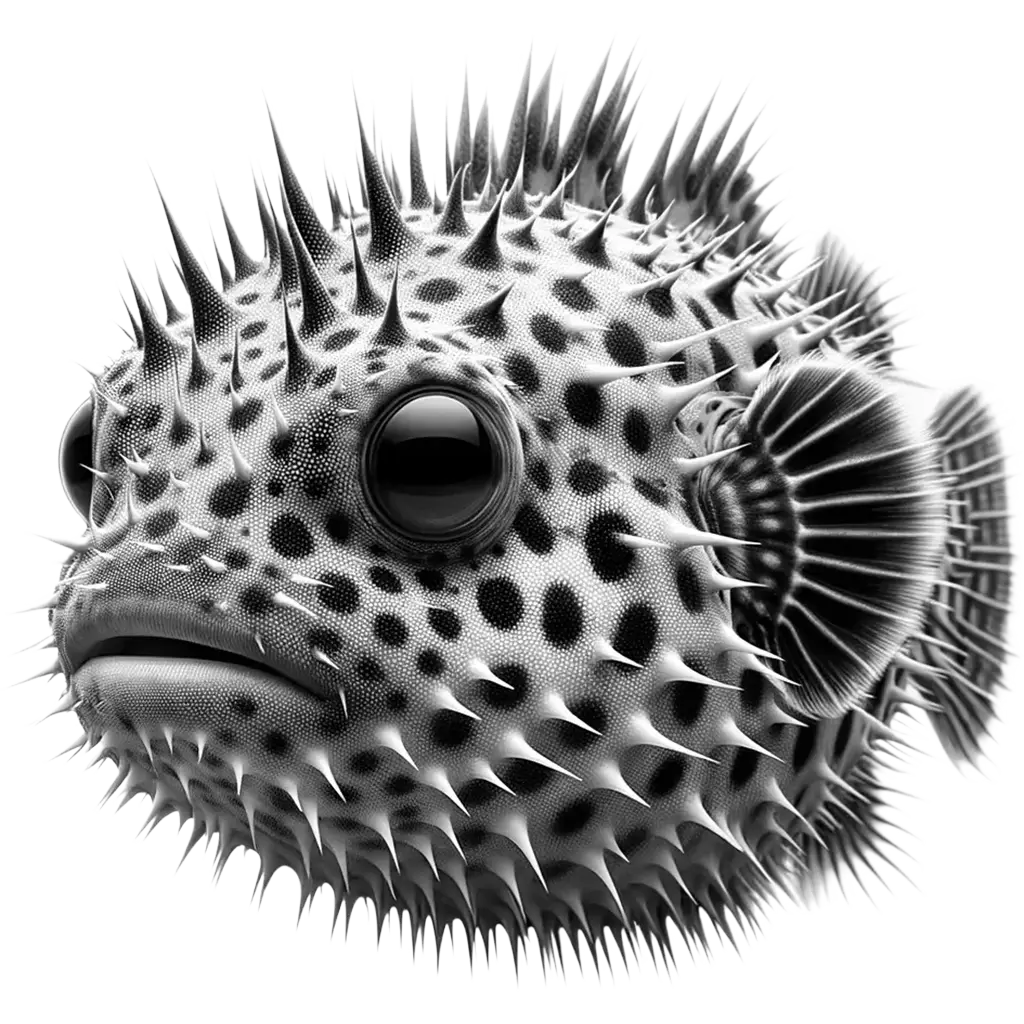
Diodon Hystrix
Spot-Fin Porcupinefish
Coral reefs, rocky outcrops, and seagrass beds
The Spot-Fin Porcupinefish, diodon hystrix, is a unique and fascinating marine species known for its ability to inflate its body as a defense mechanism against predators. This fish is easily recognizable by its spherical shape when inflated, large eyes, and distinctive spines that cover its body, which become erect when the fish puffs up. Adults can reach up to 91 cm in length, making them one of the larger members of the porcupinefish family. Their body coloration is generally pale to dark gray, adorned with dark spots and a characteristic black spot on the dorsal fin base, hence the name 'Spot-fin'.
| Population: | Not currently listed as endangered but affected by habitat loss and fishing pressures |
| Generation Length: | 5-7 years |
| Average Weight: | 1-2 kg |
| Average Length: | 30-65 cm |
| Lifespan: | Up to 10 years in the wild |
| Diet: | Feeds on a variety of invertebrates found in its coral reef and rocky habitat |
| Conservation Status: | Least Concern (LC) |
Inhabiting warm and temperate waters around the world, Spot-Fin Porcupinefish are found in reefs, lagoons, and open ocean environments up to depths of 50 meters. They are solitary nocturnal creatures, spending the day hidden in crevices and under ledges, emerging at night to feed. Their ability to inflate is not only a defense strategy but also enables them to lodge themselves in rock crevices to avoid predation.
The diet of the Spot-Fin Porcupinefish consists mainly of hard-shelled invertebrates such as mollusks, crustaceans, and sea urchins, which they are able to consume thanks to their strong beak-like teeth. This feeding habit plays a significant role in controlling the populations of these invertebrates, contributing to the balance of reef ecosystems.
Reproduction for Spot-Fin Porcupinefish involves external fertilization, where females release eggs into the water to be fertilized by males. Little is known about their breeding behaviors in the wild, including specific breeding seasons or mating rituals. The larvae are pelagic, drifting in open water, which contributes to their wide distribution.
The population status of the Spot-Fin Porcupinefish is currently not well-documented, but they are subject to threats from habitat destruction, pollution, and incidental capture in fishing gear. While not targeted by fisheries, they are sometimes caught as bycatch. Conservation efforts are focused on protecting their habitats, particularly coral reefs, and implementing sustainable fishing practices to ensure the health of marine ecosystems where these remarkable fish reside.
Classifications
The Key Attributes
Features
- Movement:
Swimming
- Territorial Behavior:
Solitary, with a defined home range
- Speed:
Not particularly fast; relies on its ability to inflate and deter predators
- Diet:
Omnivore
- Physical Features:
- Covered with spines that erect when inflated
- Oval body shape, capable of inflating to ward off predators
- Strong beak-like teeth for crushing hard-shelled prey
- Distinctive dark spots on a yellowish background
- Primary Senses:
- Sight
- Taste
- Tactile
Understanding Habitat and Range
Geography
- Habitat:
Coral reefs, rocky outcrops, and seagrass beds
- Migration Patterns:
Non-migratory, but may move within its habitat range for feeding
- Geographical Range:
Widespread in tropical and subtropical oceans worldwide
- Climate Preferences:
Prefers warm marine environments
Navigating the Wilderness
In the wild
- Predators:
Few natural predators due to its defensive spines and ability to inflate; mainly larger fish and sharks
- Prey:
Mollusks, crustaceans, echinoderms
- Feeding Behavior:
Feeds on mollusks, crustaceans, and sea urchins, using its beak-like teeth to crush hard shells
- Diet:
Feeds on a variety of invertebrates found in its coral reef and rocky habitat
- Defensive Mechanisms:
- Inflating its body and erecting spines to deter predators
- Releasing toxins when threatened
- Preferred Food Sources:
- Coral reefs and rocky areas rich in shellfish and other invertebrates
Insights Into Reproduction
Mating
- Mating System:
Not well documented, believed to be polygynous
- Number of Offspring:
Releases thousands of eggs into the water column
- Parental Involvement:
- No parental care after spawning; eggs and larvae are pelagic
Youngsters Section
Spot-Fin Porcupinefish
Fun Fact
Spot-Fin Porcupinefish inflate to scare predators. Their spines become prominent when puffed up.
They inflate by swallowing water or air, doubling their size. This defense mechanism helps deter predators, making them hard to swallow. When deflated, their spines lie flat against their body. They are found in warm waters and are closely related to pufferfish.

Download word search puzzles
Word Search Puzzles


Check Out Other Fish
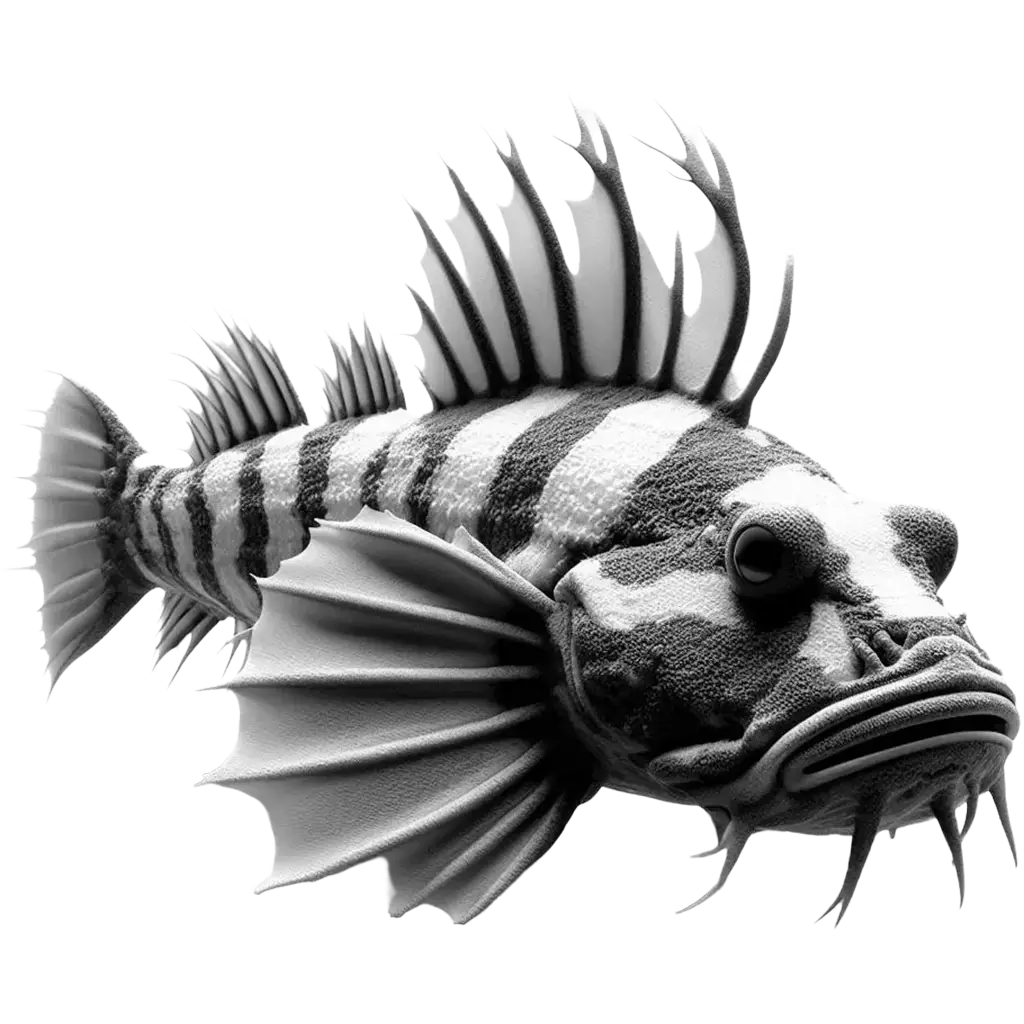
The Mottled Sculpin, cottus bairdii, is a freshwater fish species distinguished by its camouflage pattern of mottling and bars, which blend seamlessly with the rocky streambeds it inhabits. Adults typically measure between 7 to 10 cm in length, with a robust, tapering body and a broad, flattened head featuring large,
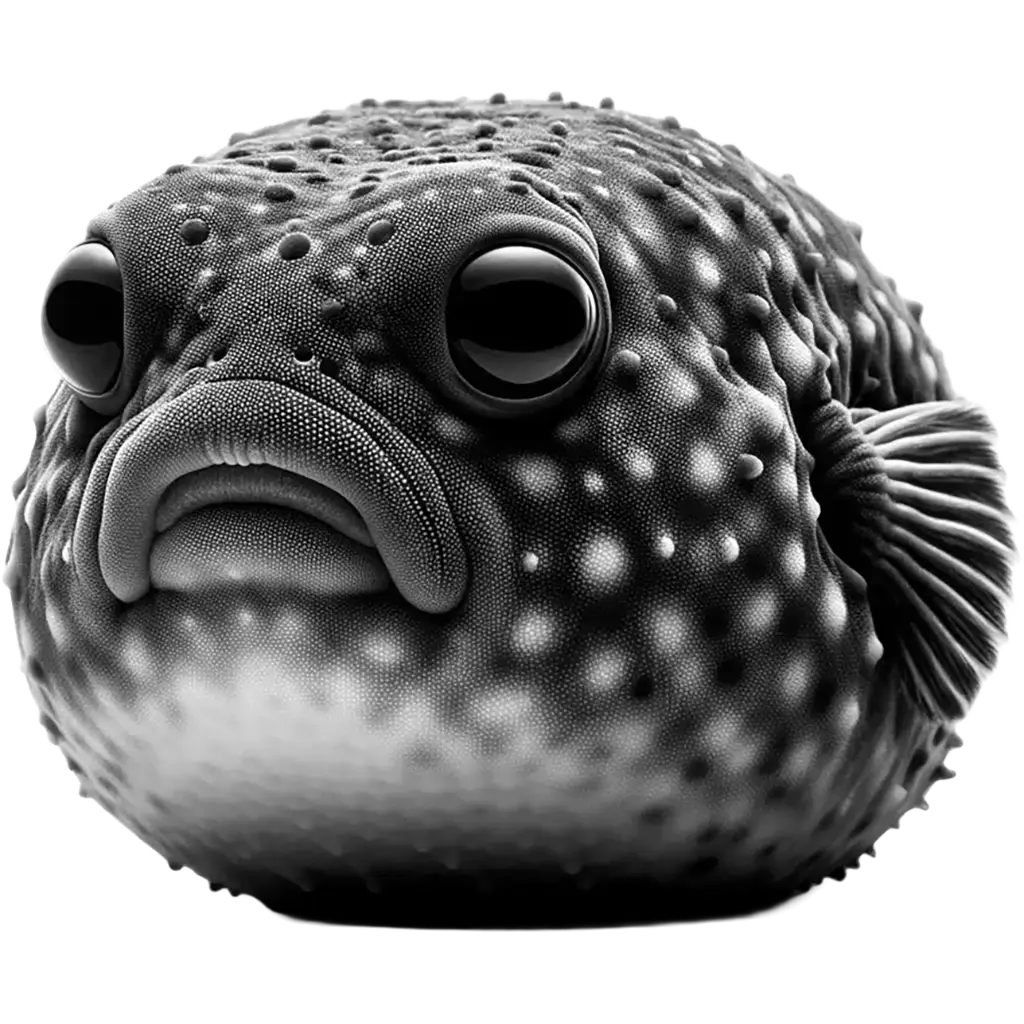
The Cyclopterus, more commonly known as the lumpfish or Cyclopterus lumpus, is a distinctive marine fish known for its rounded body and unique skin texture, which is covered in tubercles rather than scales, giving it a lumpy appearance. Adult lumpfish can vary in color from deep blue and green to
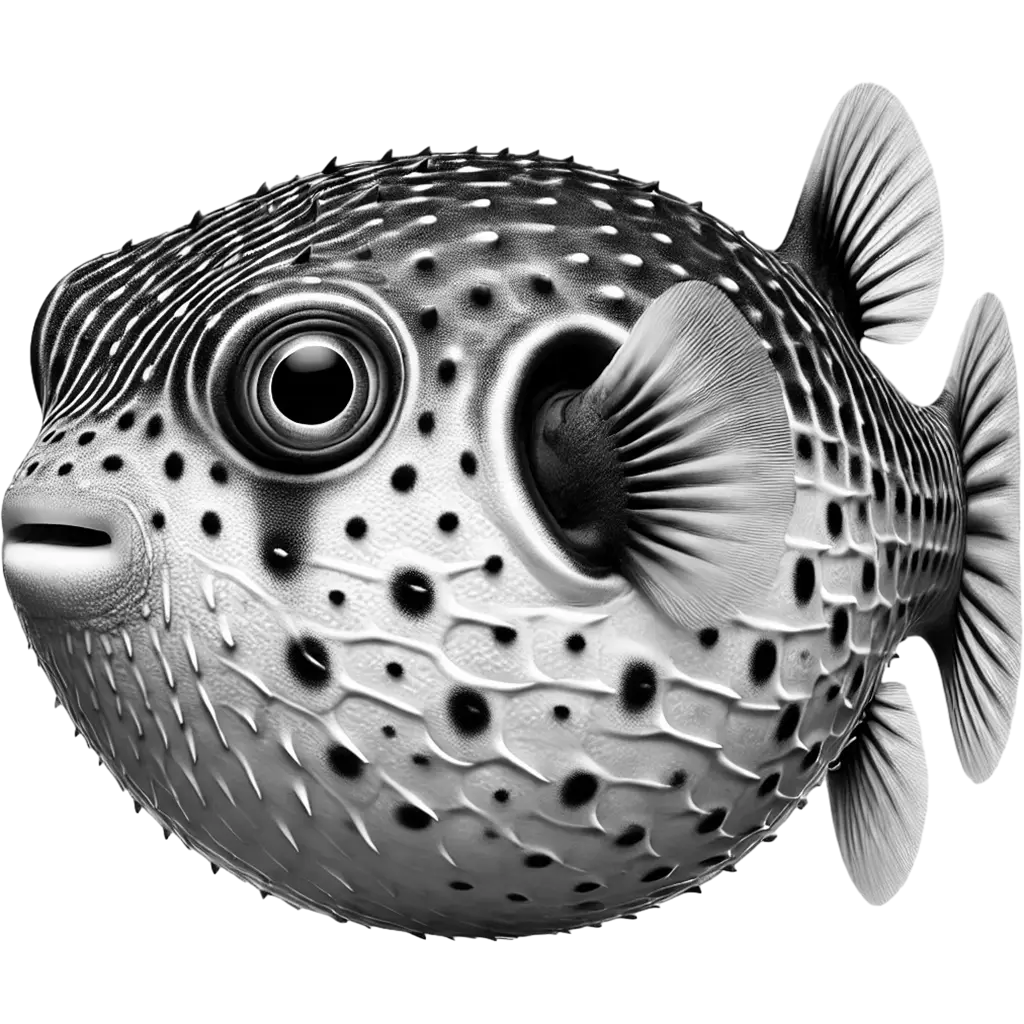
Pao abei is a striking freshwater pufferfish characterized by its compact, rounded body and subtle yet captivating coloration. Its skin features a blend of muted earth tones interspersed with faint patterns, providing effective camouflage among aquatic vegetation. The fish boasts large, expressive eyes and a slightly elongated snout that gives
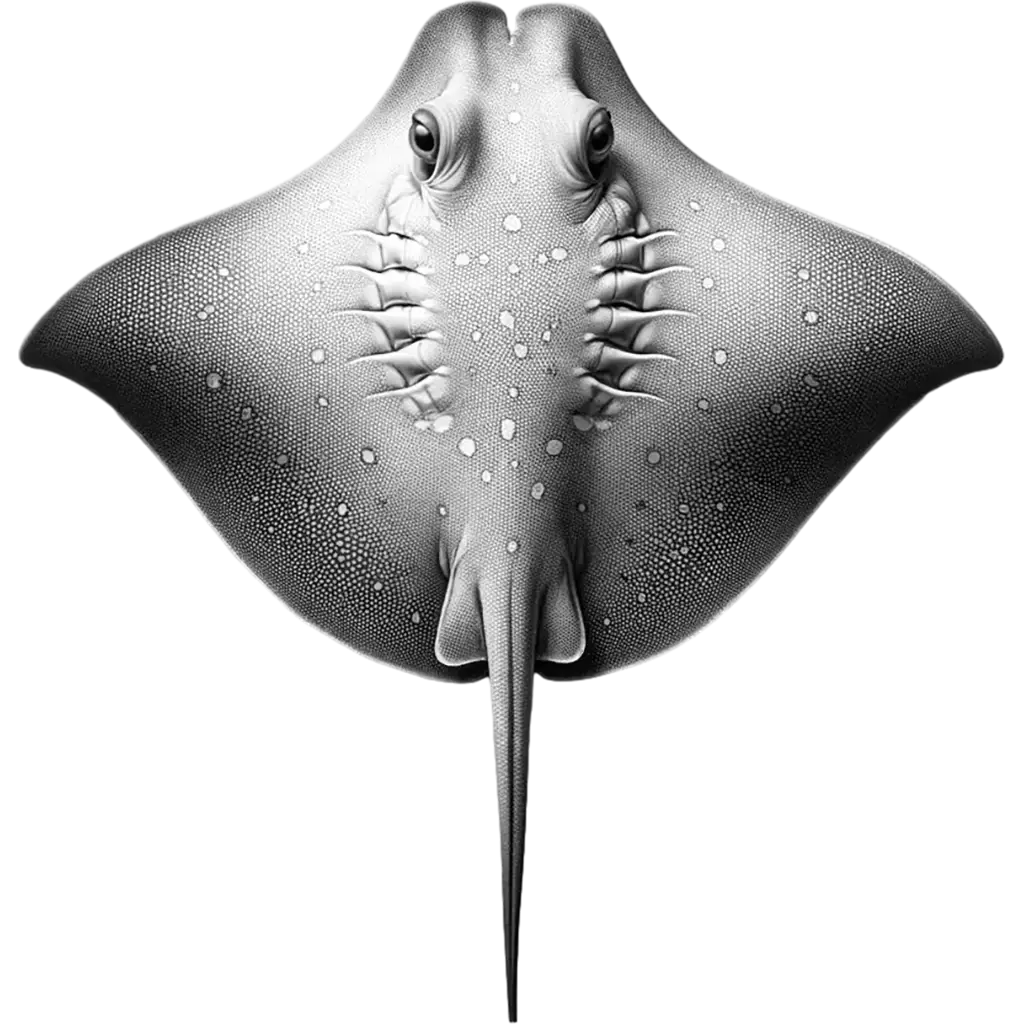
The Thornback Ray, raja clavata, is a species of cartilaginous fish in the family Rajidae, commonly found in the coastal waters of Europe and the Mediterranean Sea. This ray is easily recognizable by its kite-shaped body, which can grow up to 1 meter in length, and its dorsal surface covered