
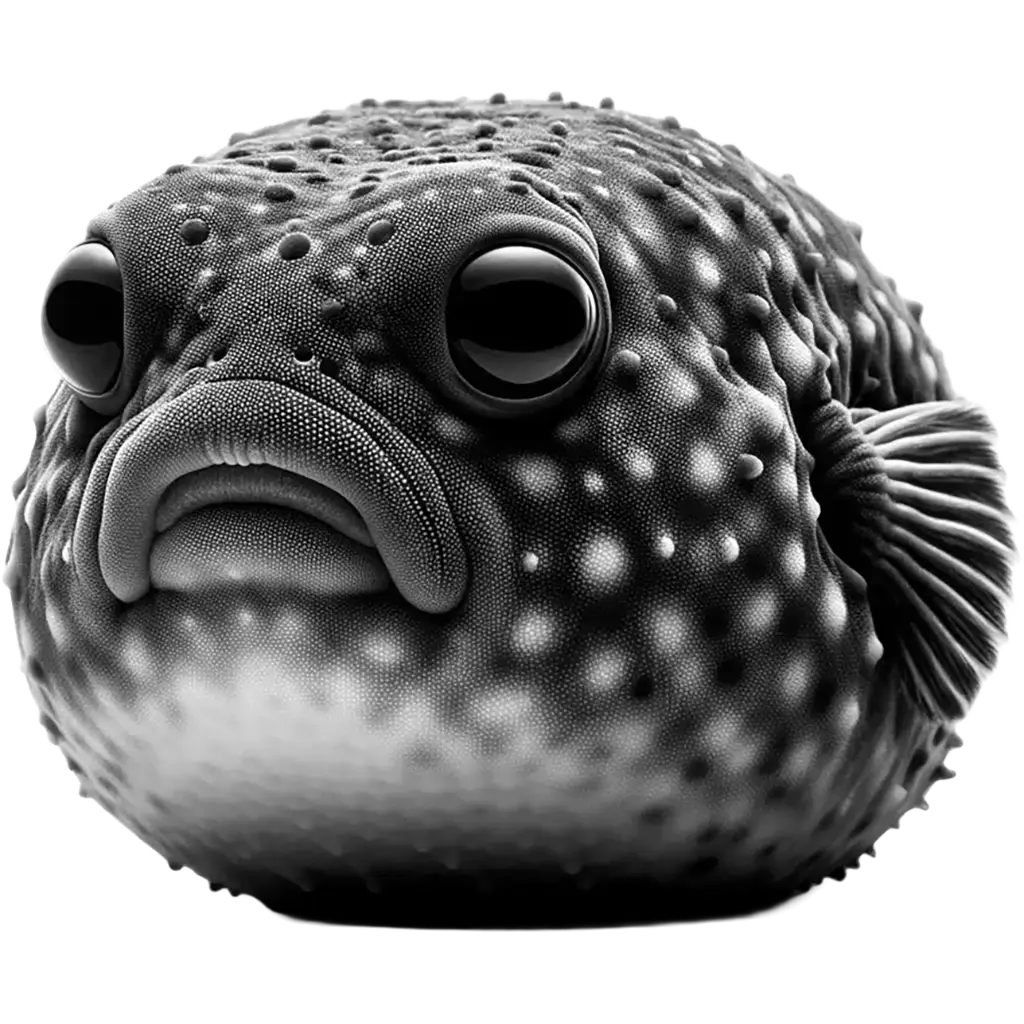
Cyclopterus Lumpus
Cyclopterus
Cold, shallow waters, often found near the seabed
The Cyclopterus, more commonly known as the lumpfish or Cyclopterus lumpus, is a distinctive marine fish known for its rounded body and unique skin texture, which is covered in tubercles rather than scales, giving it a lumpy appearance. Adult lumpfish can vary in color from deep blue and green to purplish hues, with males and females exhibiting different colorations, especially during the breeding season. They can grow up to 60 cm in length and weigh as much as 5 kg, though sizes vary widely across different populations. Their pelvic fins have evolved into a suction disk, allowing them to adhere to rocks and other surfaces in turbulent waters.
| Population: | Considered of Least Concern, but populations are subject to fishing pressures |
| Generation Length: | 5-7 years |
| Average Weight: | 1-5 kg, can reach up to 10 kg in large specimens |
| Average Length: | 30-60 cm |
| Lifespan: | Up to 10 years |
| Diet: | Benthic invertebrates and small fish |
| Conservation Status: | Near Threatened (NT) |
Lumpfish are found in the cold waters of the North Atlantic Ocean, from the northeastern coast of North America to the coasts of Greenland and Europe. They are demersal fish, preferring rocky bottoms and kelp forests where they can use their suction disks to anchor themselves against strong currents. During spawning season, they migrate to shallower waters to reproduce.
The diet of the lumpfish primarily consists of small crustaceans, mollusks, and echinoderms, which they forage from the sea floor. Their feeding habits contribute to the ecological balance of their habitat, controlling the populations of their prey species. Juveniles, known as 'lumpfish larvae', feed on plankton, gradually shifting to a diet of larger prey as they grow.
Reproduction for lumpfish involves a fascinating journey to coastal regions, where females lay thousands of eggs in shallow waters. Males become territorial during this time, guarding and aerating the eggs until they hatch. This parental investment is unusual among fish and highlights the unique reproductive strategies of lumpfish.
The population of Cyclopterus lumpus faces threats from overfishing, particularly due to the demand for their roe, which is marketed as a cheaper alternative to caviar. Additionally, habitat degradation poses a significant risk to their spawning grounds. Conservation measures, including sustainable fishing practices and habitat protection efforts, are crucial for ensuring the continued survival of this intriguing species.
Classifications
The Key Attributes
Features
- Movement:
Swimming
- Territorial Behavior:
Non-territorial, often found on the ocean floor
- Speed:
Not specifically quantified; slow swimmers due to their benthic nature
- Diet:
Carnivore
- Physical Features:
- Rounded body covered in bony tubercles
- Suction cup-like pelvic fins used to adhere to rocks and substrate
- Mouth small, located under the head
- Can exhibit color changes during breeding season
- Primary Senses:
- Sight
- Taste
- Touch
Understanding Habitat and Range
Geography
- Habitat:
Cold, shallow waters, often found near the seabed
- Migration Patterns:
Some migratory behavior, especially during spawning season
- Geographical Range:
North Atlantic Ocean, from the coasts of Canada and Greenland to the North Sea and the Baltic Sea
- Climate Preferences:
Prefers cold marine environments
Navigating the Wilderness
In the wild
- Predators:
Larger fish and marine mammals
- Prey:
Crustaceans, echinoderms, worms, small fish
- Feeding Behavior:
Feeds on small invertebrates, crustaceans, and fish found on the ocean floor
- Diet:
Benthic invertebrates and small fish
- Defensive Mechanisms:
- Camouflages with the seabed
- Suction cup-like fins to anchor against currents and predators
- Preferred Food Sources:
- Benthic environments rich in invertebrates
Insights Into Reproduction
Mating
- Mating System:
Polygynous
- Number of Offspring:
Up to 350,000 eggs
- Incubation Period:
Eggs hatch in about 6-8 weeks
- Parental Involvement:
- Males guard and aerate the eggs until they hatch
Youngsters Section
Cyclopterus
Fun Fact
The lumpfish is known for its unique adhesive discs on its belly.
These discs allow the lumpfish to cling to rocks and kelp in turbulent waters. They are primarily used to stabilize themselves in strong currents. The lumpfish's name is derived from its noticeable, bumpy appearance. They are found in the North Atlantic and Arctic Oceans.

Download word search puzzles
Word Search Puzzles
Check Out Other Fish
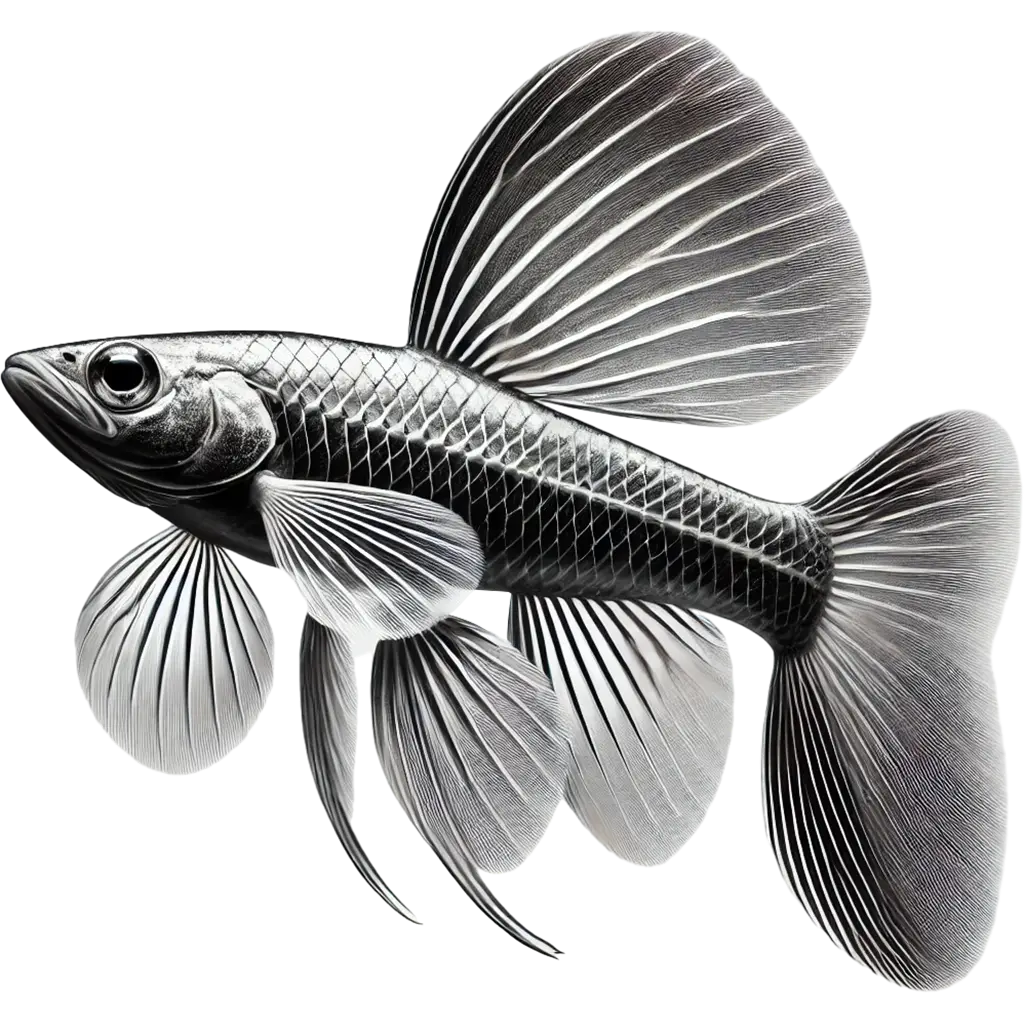
The Diamond Darter is a small, translucent freshwater fish with silvery sides and a white belly. Its back is yellow-tan, adorned with four wide olive-colored saddles, and it features a distinctive dark blotch on the snout below the eyes. Adults typically measure between 3 to 5 inches in length. Notably,
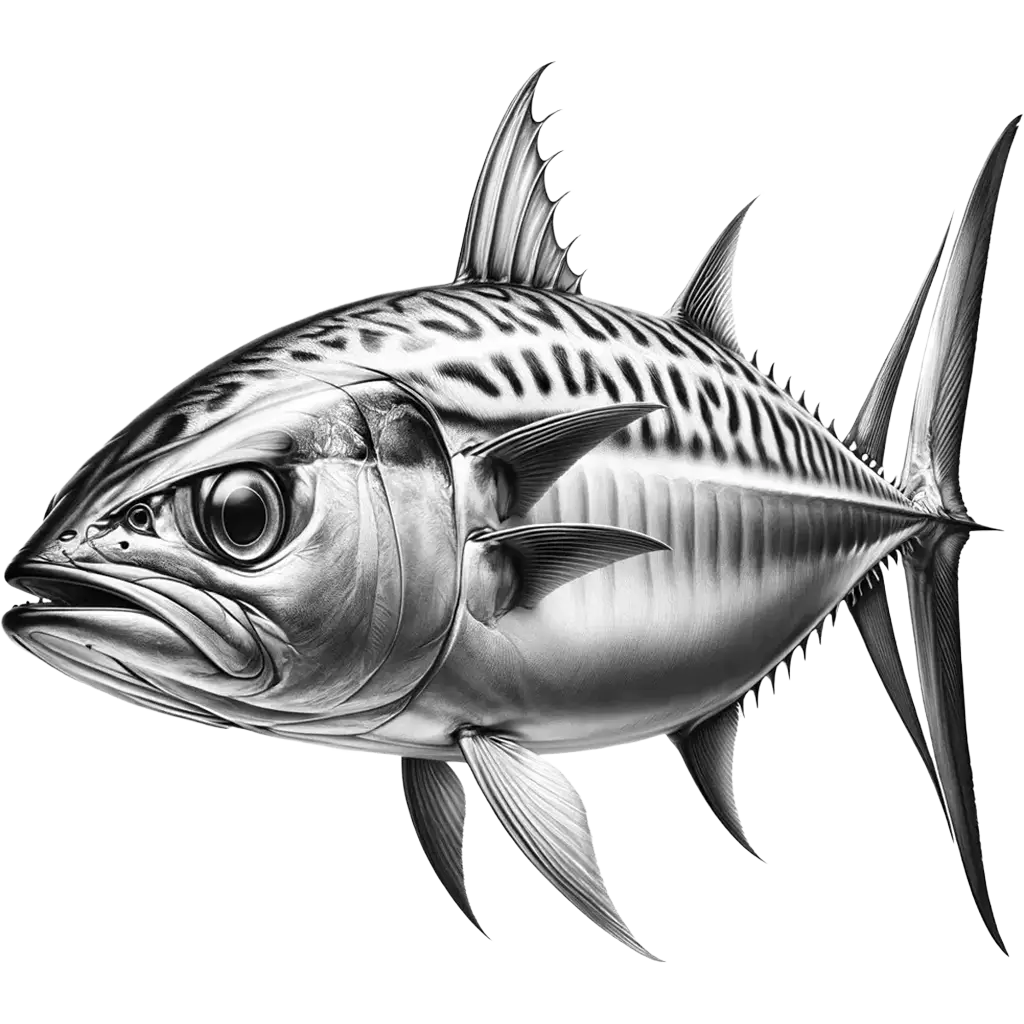
The Pilot Fish, naucrates ductor, is a striking marine species known for its sleek, streamlined body and distinctive coloration, featuring alternating dark and light blue stripes running longitudinally along its sides. This small to medium-sized fish typically measures between 15 to 60 cm in length, with a body shape adapted
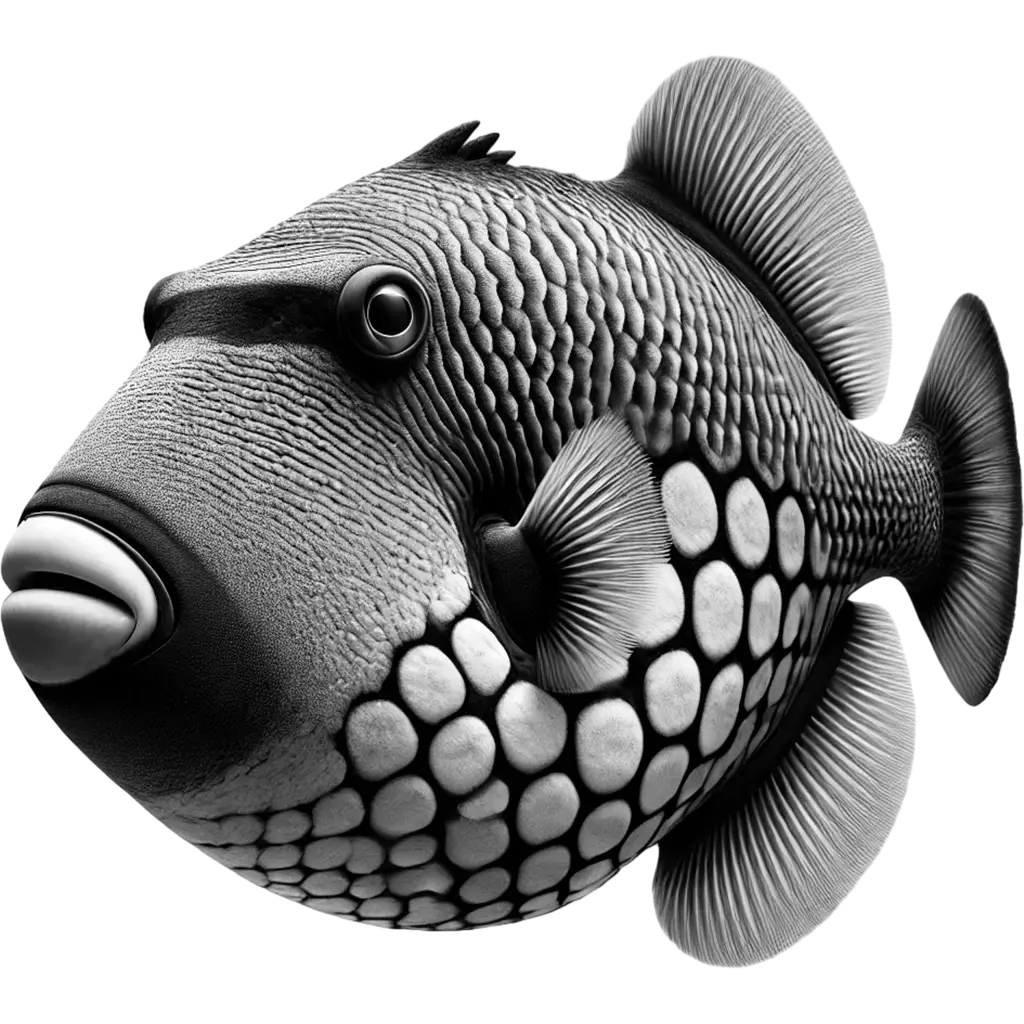
The Blackbelly Triggerfish exhibits a robust, laterally compressed body adorned with striking patterns and a distinctive black belly contrasting with vibrant hues on its fins and upper body. Its rough, textured skin and prominent dorsal 'trigger' spines not only define its appearance but also serve as a defense mechanism. With
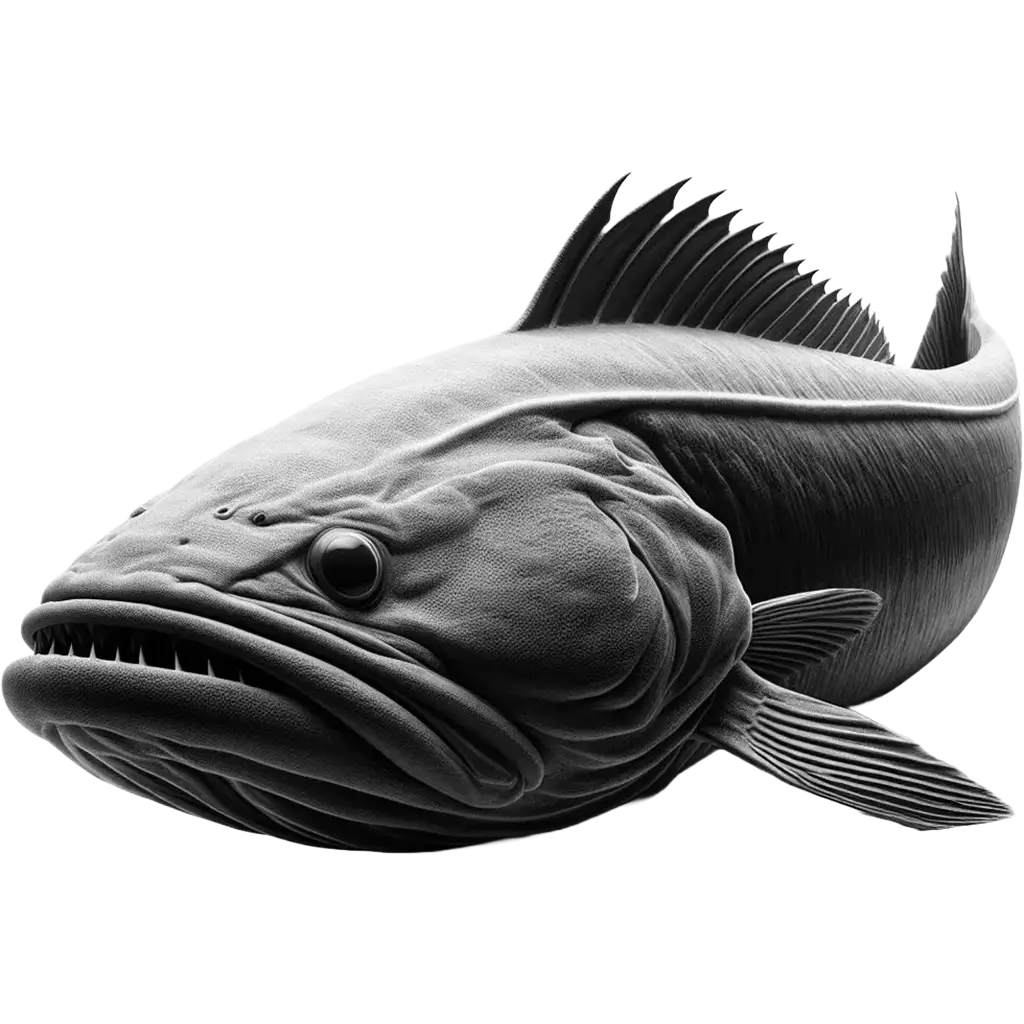
The Northern Wolffish, anarhichas denticulatus, is a distinctive marine fish known for its formidable appearance and unique adaptations to cold-water environments. Found in the North Atlantic Ocean, from the northeastern coast of North America to the waters around Greenland and Iceland, this species inhabits rocky bottoms and cold, deep waters,