
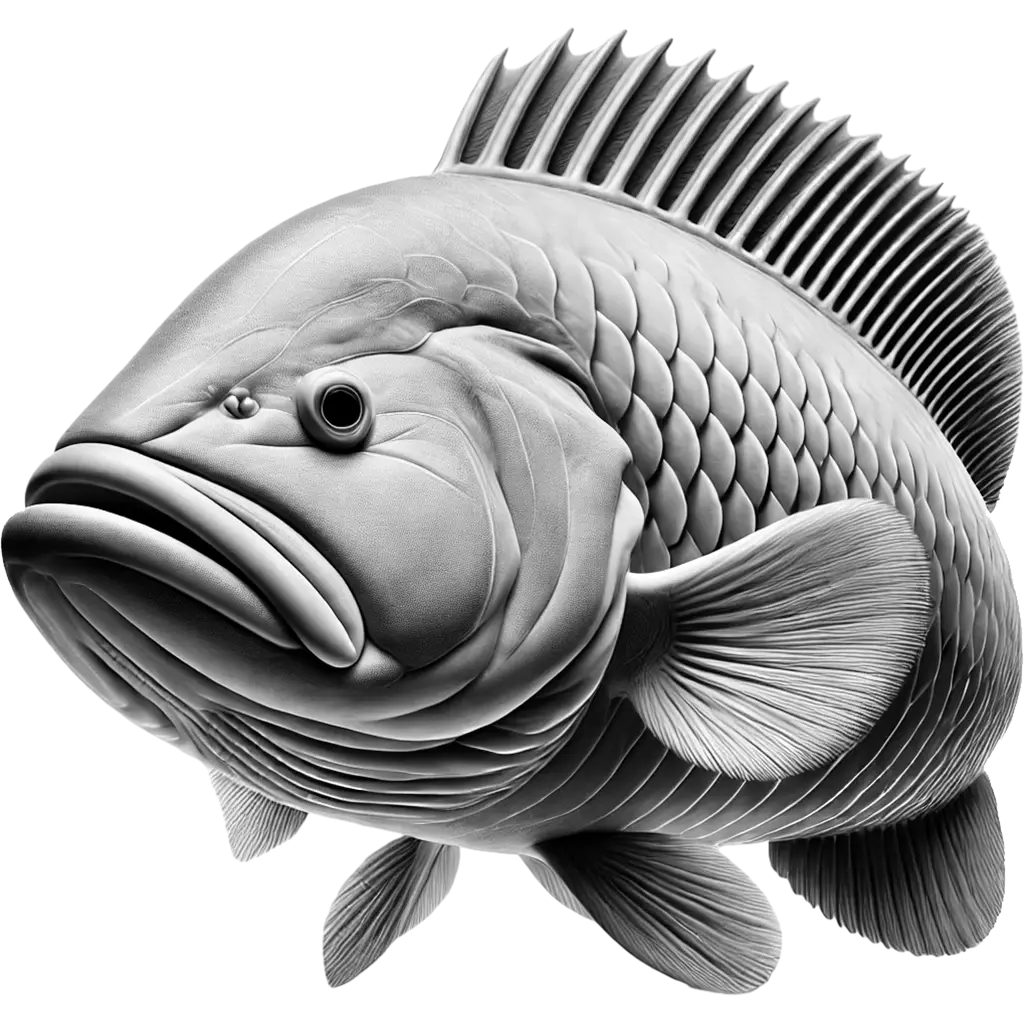
Caprodon Longimanus
Pink Maomao
Rocky reefs and coastal waters in the southwestern Pacific
The Pink Maomao is a small, vibrant fish with a striking, bright pink to coral-colored body. Its elongated, streamlined form is accentuated by long, graceful pectoral fins and subtle, distinctive markings along its flanks. The fish's smooth, reflective scales shimmer under sunlight, adding a dynamic, iridescent quality to its appearance. Its eyes are large and expressive, lending it a curious, alert look that is both captivating and indicative of its agile nature.
| Population: | Common in the southwestern Pacific, but may decline from habitat loss and aquarium trade |
| Generation Length: | Approximately 6 years |
| Average Weight: | 1.5-2 kg |
| Average Length: | Approximately 20-25 cm |
| Lifespan: | Approximately 5-8 years in the wild |
| Diet: | Strictly carnivorous, relying on a high-protein diet to fuel its energetic lifestyle |
| Conservation Status: | Least Concern (LC) |
Living in the clear, warm waters of tropical and subtropical reefs, the Pink Maomao is highly active during daylight hours. It is frequently observed darting among rocky crevices and coral outcrops, using its agile body to navigate complex underwater landscapes. The species is known for its solitary and cautious behavior, often perching briefly on rocky substrates to survey its surroundings before quickly retreating into the shelter of the reef. Its lifestyle is marked by periods of intense activity during foraging interspersed with calm, patient waiting as it hunts for prey. The Pink Maomao is also known to exhibit territorial tendencies, with individuals occasionally displaying subtle aggressive gestures toward intruders in their immediate vicinity, ensuring that each fish maintains a safe and productive foraging territory.
Feeding primarily on small invertebrates and crustaceans, the Pink Maomao employs a precise and efficient hunting strategy to capture its prey. It uses its keen vision and rapid reflexes to detect tiny organisms among the reef's crevices and on the surfaces of rocks and corals. Once prey is detected, the fish darts forward in a swift burst of speed, snapping up its meal with a quick, decisive strike. In addition to live prey, it may also consume planktonic organisms and small algae fragments that provide supplementary nutrients. This varied diet ensures a balanced intake of proteins, fats, and essential vitamins, which support its energetic lifestyle and help maintain the health of the coral reef ecosystem through natural pest control and nutrient cycling.
During the breeding season, Pink Maomaos engage in brief courtship displays where males exhibit vibrant coloration and perform agile, darting movements to attract females. Spawning occurs in shallow, sheltered reef areas, where eggs are released into the water and fertilized externally. This succinct, yet effective, reproductive strategy ensures high fertilization rates and genetic diversity among offspring.
Though widespread in healthy reef ecosystems, the Pink Maomao faces localized pressures from overfishing and habitat degradation. In regions with pristine coral habitats, populations remain stable, while in areas impacted by human activity, numbers have shown declines. Ongoing conservation and sustainable management of reef environments are essential to maintain the species' overall abundance.
Classifications
The Key Attributes
Features
- Movement:
Agile and swift swimmers, Pink Maomaos navigate rocky reef environments with quick bursts of speed and precise maneuverability.
- Territorial Behavior:
Typically non-territorial; often found alone or in loose groups without overt aggressive displays.
- Speed:
Capable of rapid, sudden movements when chasing prey or evading predators.
- Diet:
Carnivorous, feeding on small crustaceans and invertebrates that it captures among rocky substrates.
- Physical Features:
- Bright pink to coral-colored body with a slender, elongated form
- Long, graceful pectoral fins and a streamlined profile
- Distinctive subtle markings along the flanks
- Smooth, reflective scales that shimmer under sunlight
- Primary Senses:
- Sight
- Lateral line sensitivity
Understanding Habitat and Range
Geography
- Habitat:
Rocky reefs and coastal waters in the southwestern Pacific
- Migration Patterns:
Non-migratory; local movements occur in response to food availability and seasonal changes.
- Geographical Range:
Native to parts of the southwestern Pacific region, including areas near New Zealand and eastern Australia.
- Climate Preferences:
Tropical to subtropical marine environments with warm, clear waters.
Navigating the Wilderness
In the wild
- Predators:
Larger predatory fish and seabirds may prey on juveniles.
- Prey:
Small crustaceans and various invertebrates found on and around rocky substrates.
- Feeding Behavior:
Forages by darting among rocky crevices and along reef surfaces, using rapid bursts to capture small invertebrates.
- Diet:
Strictly carnivorous, relying on a high-protein diet to fuel its energetic lifestyle
- Defensive Mechanisms:
- Effective camouflage among coral and rocky environments
- Rapid, agile bursts of speed to evade predators
- Preferred Food Sources:
- Small crustaceans and invertebrates inhabiting rocky reefs
Insights Into Reproduction
Mating
- Mating System:
Likely polygynous, with males exhibiting brief courtship displays to attract females during the breeding season.
- Number of Offspring:
Typically 2-4 eggs are produced per clutch.
- Incubation Period:
Eggs are laid on rocky substrates and hatch after a short incubation period of approximately 45-60 days.
- Parental Involvement:
- No parental care is provided; eggs and larvae develop independently.
Youngsters Section
Pink Maomao
Fun Fact
The pink maomao is a stunning fish with soft, pinkish-red scales and a sleek body that glides effortlessly through the water!
These fish are known for their movements and beautiful coloring, often seen swimming in schools. The pink maomao's vibrant hue helps it blend with the coral reefs, creating a perfect harmony with its underwater home. With their delicate fins and quick swerves, they seem to dance with the current, adding color and life to the ocean!

Download word search puzzles
Word Search Puzzles


Check Out Other Fish
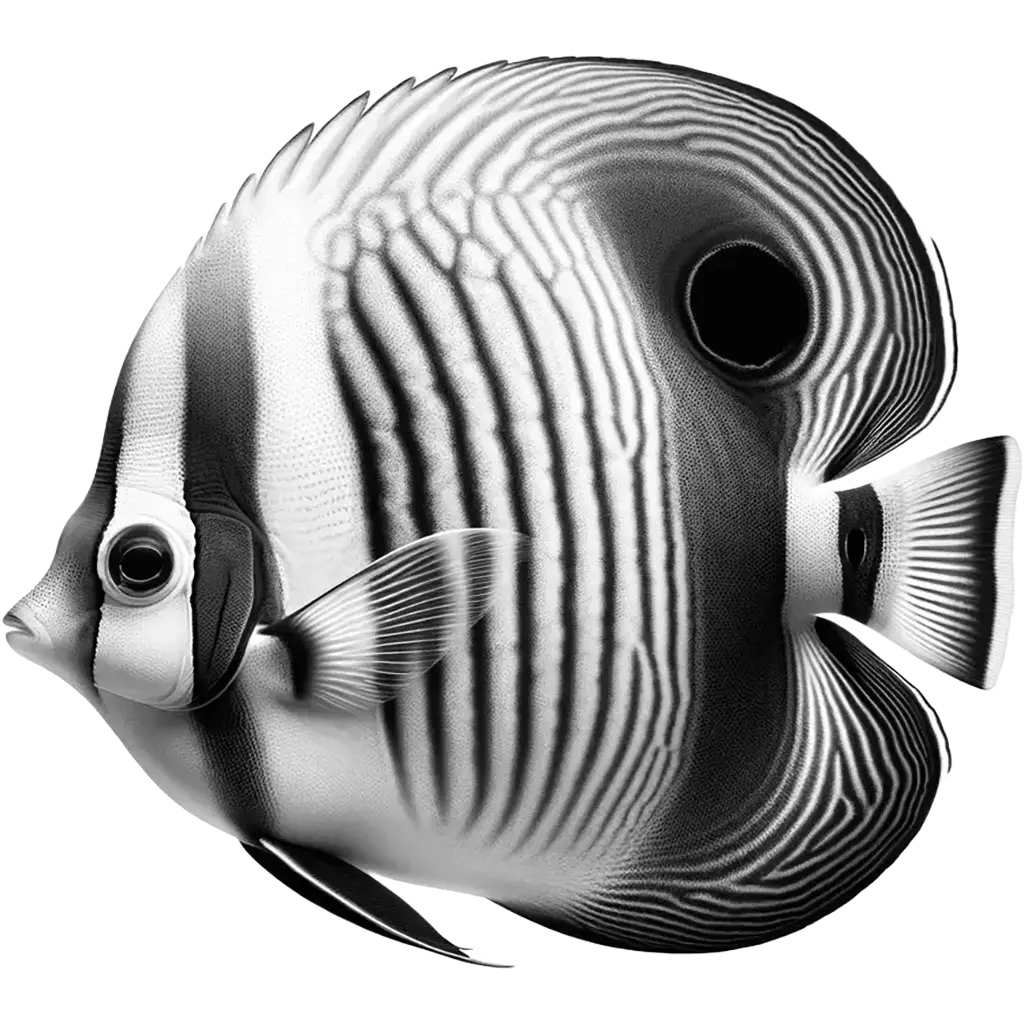
The Oval Butterflyfish, chaetodon lunulatus, is a vibrant and colorful marine species renowned for its striking appearance and widespread distribution across the Indo-Pacific region. This species exhibits a deep, flattened body typical of butterflyfish, reaching up to 20 cm (about 8 inches) in length. The body coloration is predominantly yellow
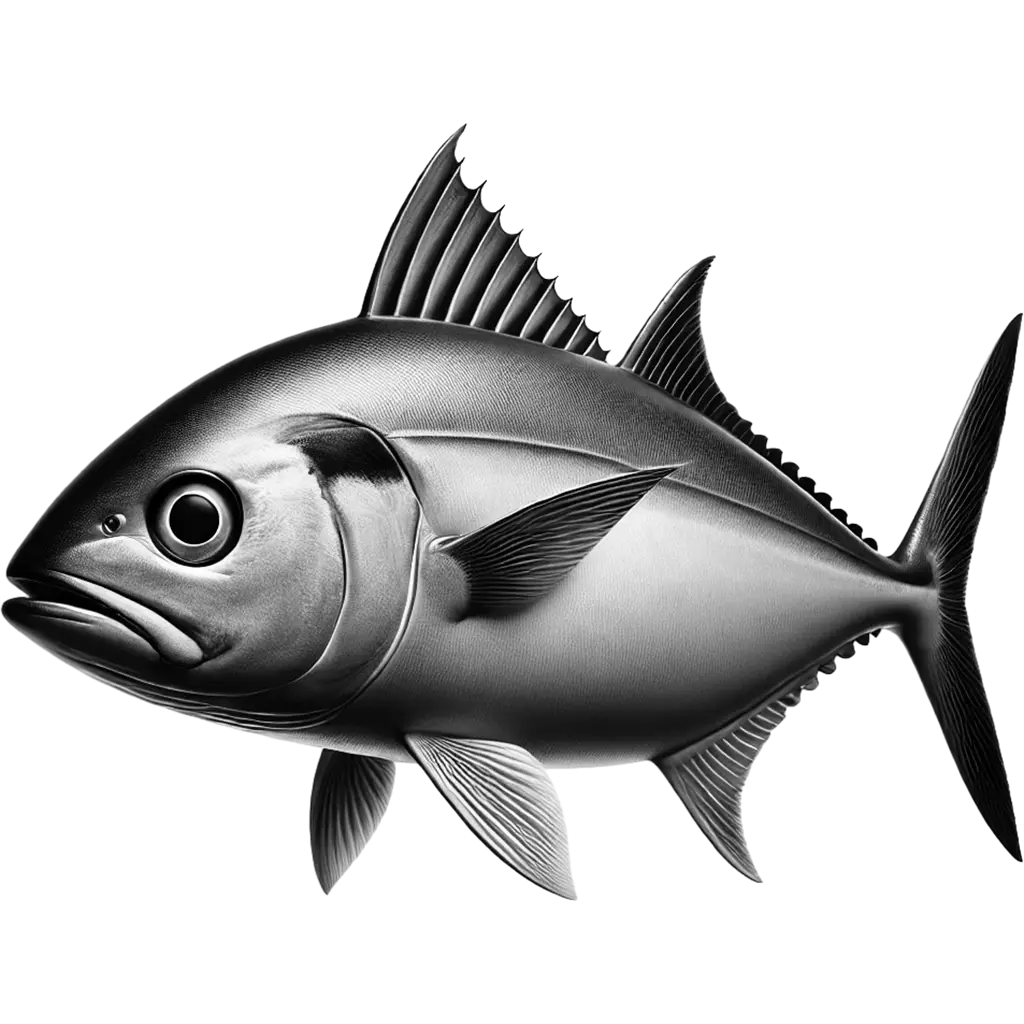
The False Scad is a moderately large marine fish, reaching up to 60 cm in length and weighing up to 1 kg, though more commonly around 35 cm. It has an elongate, slightly compressed body with a bluish-green to olive green-brown back and a silvery white underside. A narrow yellow
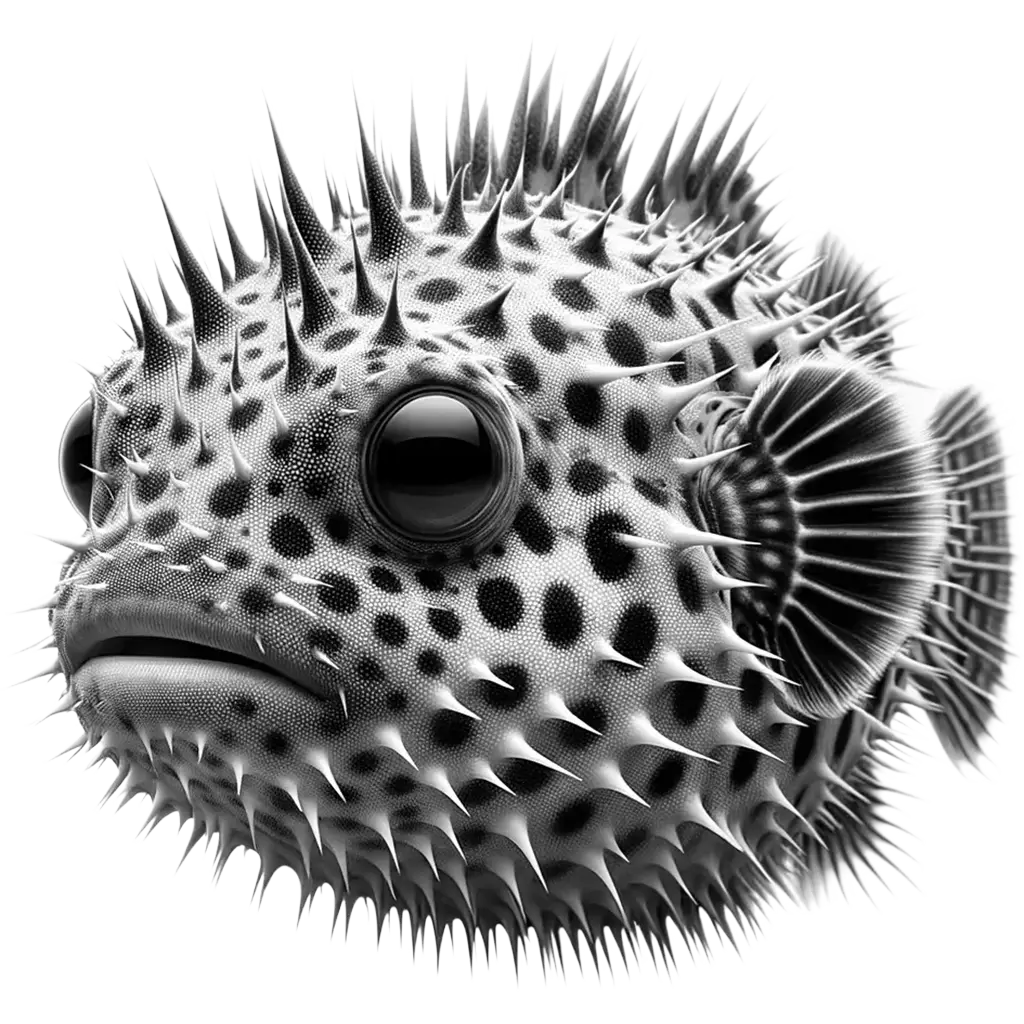
The Spot-Fin Porcupinefish, diodon hystrix, is a unique and fascinating marine species known for its ability to inflate its body as a defense mechanism against predators. This fish is easily recognizable by its spherical shape when inflated, large eyes, and distinctive spines that cover its body, which become erect when
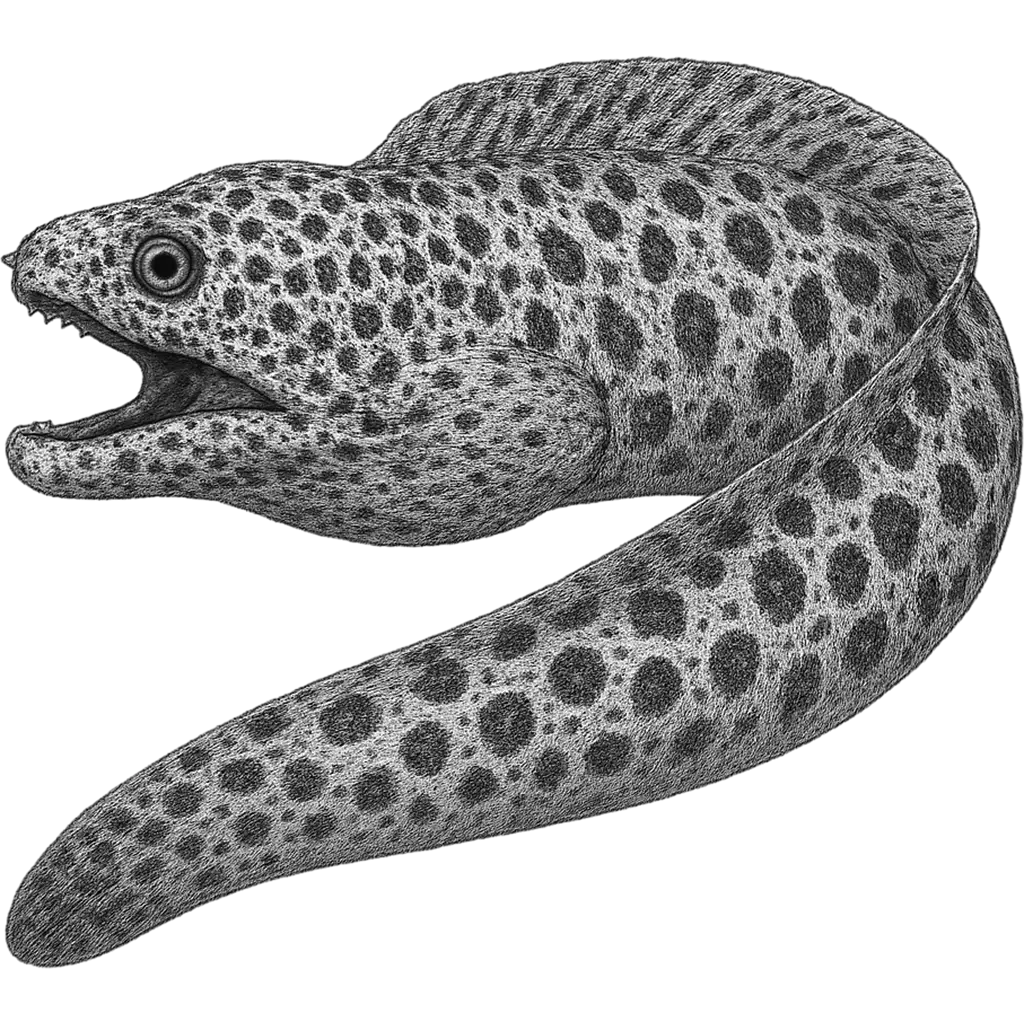
The Spotted Moray has a long, slender, snake-like body reaching up to two meters in length, commonly around sixty centimeters. Its smooth, scaleless skin is pale yellow to off-white, densely covered with small, overlapping reddish-brown to dark-brown spots. The head is broad with small, round gill openings and a pronounced