
Karsenia Koreana
Korean Crevice Salamander
Damp talus slopes and rockslides of limestone forests
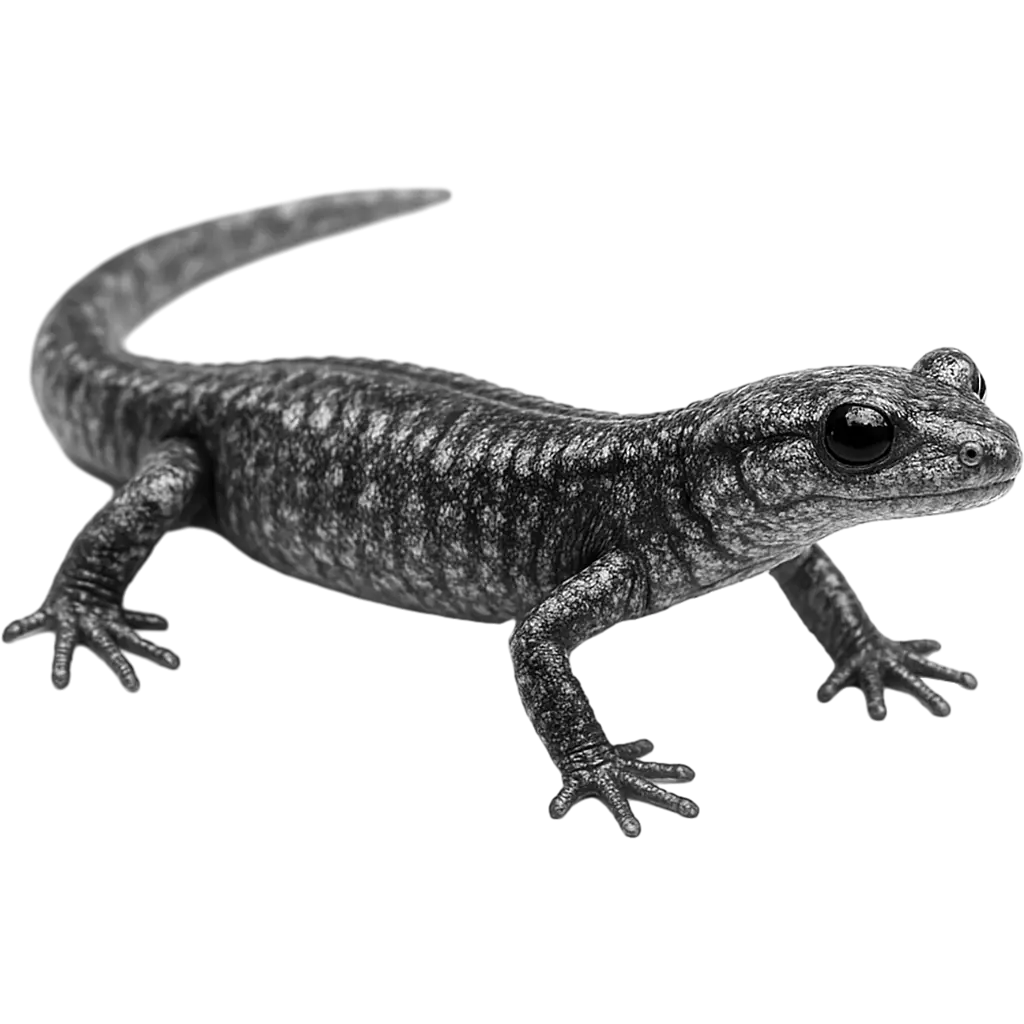
The Korean crevice salamander has a slender, elongated body measuring roughly eight to twelve centimeters in total length, including a laterally compressed tail nearly as long as its torso. Its skin is smooth and moist, colored dark brown to gray with a lighter dorsal stripe that can range from tan to reddish brown. It features fourteen to fifteen distinct costal grooves along its sides, a broad, flattened head with small, protruding eyes, and short limbs adapted for crawling under rocks.
| Population: | Locally common in more than twenty limestone forest sites in southwestern South Korea; overall population stable |
| Generation Length: | 4 years |
| Average Weight: | Approximately 2-5 grams |
| Average Length: | 8-12 cm total length |
| Lifespan: | Unknown, likely 5-10 years in the wild |
| Diet: | Small invertebrates including insects, spiders, and other arthropods |
| Conservation Status: | Least Concern (LC) |
Korean crevice salamanders are primarily nocturnal and secretive, spending daylight hours hidden beneath limestone rocks and within mossy crevices in mixed hardwood and pine forests. These lungless amphibians require consistently moist microhabitats to facilitate cutaneous respiration, moving slowly across damp substrates and rarely venturing into open areas. Typically solitary outside of the breeding season, they emerge at night or during rainfall to forage using their keen sense of smell and vision under low light. Their terrestrial lifestyle involves careful navigation of talus slopes and rockslides, where they exploit narrow gaps to avoid predators. Although plethodontid behaviors vary, Korean crevice salamanders appear to exhibit site fidelity, returning to familiar refuges after foraging. Their activity patterns are closely tied to ambient humidity and temperature, with sun exposure and dry conditions causing them to retreat deeper into crevices until conditions improve.
The diet of the Korean crevice salamander consists chiefly of small terrestrial invertebrates, including insects such as springtails and beetle larvae, arachnids like spiders, and soft-bodied annelid worms. Using a projectile tongue typical of plethodontid salamanders, they capture prey by rapidly extending their jaw structure to snare insects in tight rock crevices. Their hunting strategy combines stealthy approach with sudden tongue projection, often under the cover of darkness or damp conditions. Nutritionally, these invertebrates provide essential proteins, lipids, and micronutrients necessary for growth, cutaneous respiration, and reproduction. Seasonal variations in prey availability influence feeding frequency and activity levels, with increased foraging observed during spring and autumn when humidity is high. By consuming a balanced mix of small arthropods and worms, these salamanders maintain energy reserves vital for survival in cool, mountainous habitats.
Mating behaviors of the Korean crevice salamander remain poorly documented, but they likely follow plethodontid patterns involving internal fertilization via spermatophore deposition. Courtship may include tactile displays, such as head rubbing and tail fanning to transfer pheromones. Females presumably lay small clutches of eggs in moist crevices under rocks or leaf litter. Embryonic development is expected to be direct, with miniature juvenile salamanders emerging without an aquatic larval stage.
Currently classified as Least Concern, the Korean crevice salamander is endemic to southwestern Korean limestone forests and is known from over twenty sites, where it is locally common. Despite its restricted range, habitat conditions remain favorable, and no major population declines have been recorded. Ongoing surveillance aims to monitor potential threats, such as deforestation and rock extraction, but existing populations show resilience, maintaining stable numbers in protected and undisturbed areas.
Classifications
The Key Attributes
Features
- Movement:
Walking and crawling
- Territorial Behavior:
Non-territorial
- Speed:
Slow
- Diet:
Carnivore
- Physical Features:
- Slender body with laterally compressed tail
- Moist, smooth skin without lungs
- Four short limbs with small digits
- Distinct costal grooves (14-15)
- Primary Senses:
- Sight
- Smell
- Touch
Understanding Habitat and Range
Geography
- Habitat:
Damp talus slopes and rockslides of limestone forests
- Migration Patterns:
Non-migratory
- Geographical Range:
Southwestern South Korea
- Climate Preferences:
Cool temperate
Navigating the Wilderness
In the wild
- Predators:
Small mammals, snakes, birds
- Prey:
Small invertebrates, insects, spiders
- Feeding Behavior:
Nocturnal forager under rocks
- Diet:
Small invertebrates including insects, spiders, and other arthropods
- Defensive Mechanisms:
- Camouflage in rock crevices
- Slime secretion
- Retreat into narrow gaps
- Preferred Food Sources:
- Springtails
- Beetle larvae
- Annelid worms
Insights Into Reproduction
Mating
- Mating System:
Unknown
- Number of Offspring:
Unknown
- Incubation Period:
Unknown
- Parental Involvement:
- Unknown
Youngsters Section
Korean Crevice Salamander
Fun Fact
Korean crevice salamanders breathe entirely through their skin and lack lungs.
Discovered in 2003, it is the only lungless salamander species native to Asia, linking Asian forests to ancient American plethodontid lineages.

Download word search puzzles
Word Search Puzzles

Check Out Other Amphibians

The Sardinian Tree Frog, hyla sarda, is a small, vibrant amphibian native to the Mediterranean islands of Sardinia and Corsica. Characterized by its striking green to turquoise coloration, which can vary depending on environmental conditions and the frog's mood, this species typically measures between 3 to 5 centimeters in length.
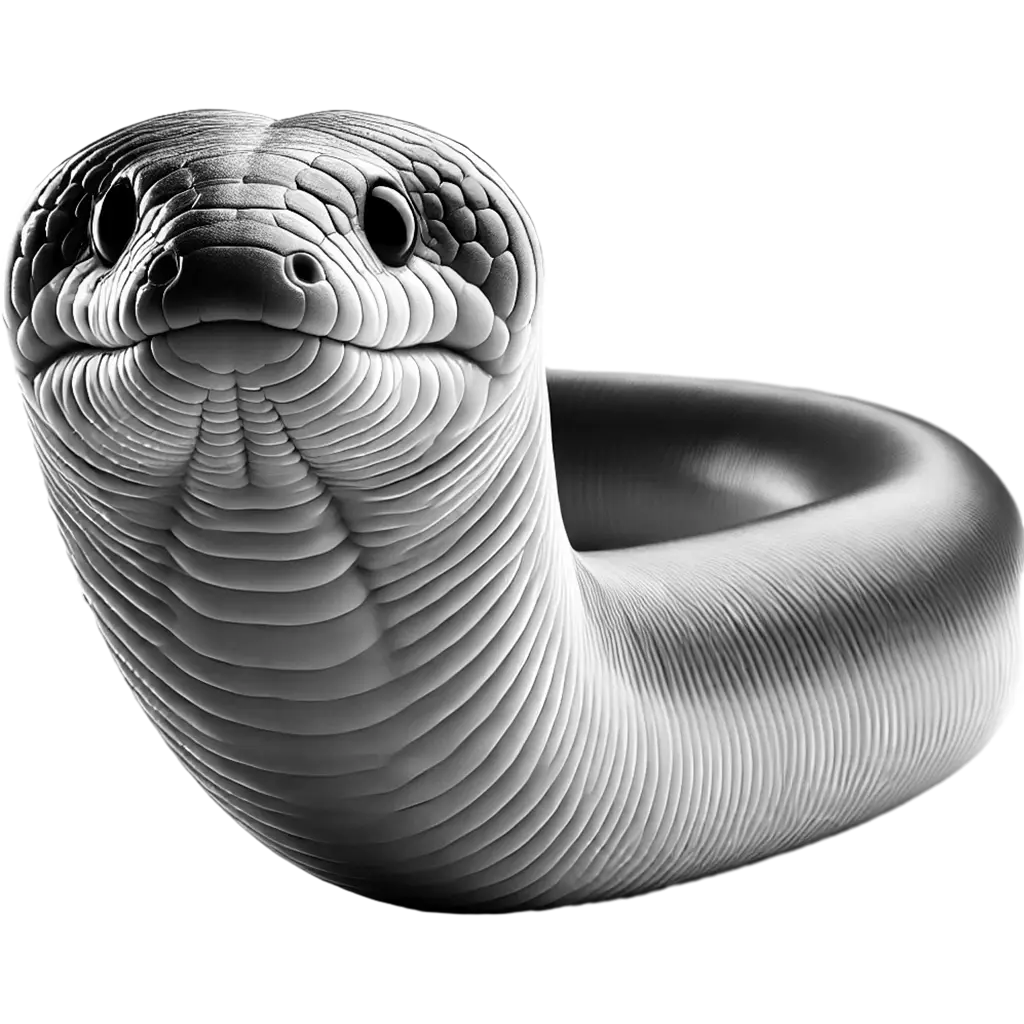
Ichthyophis tricolor, commonly known as the Three-colored Caecilian, is an intriguing amphibian with an elongated, limbless body that resembles a worm. Its skin displays a remarkable combination of three distinct colors—deep brown, vibrant orange, and creamy white—that form striking patterns along its length. The head is modest with reduced eyes,

The Ornate Chorus Frog, pseudacris ornata, is a small, vibrantly patterned amphibian native to the southeastern United States. This species is known for its striking appearance, featuring a background color that can range from green to brown, overlaid with darker markings that often form a bold, net-like pattern. Adult Ornate
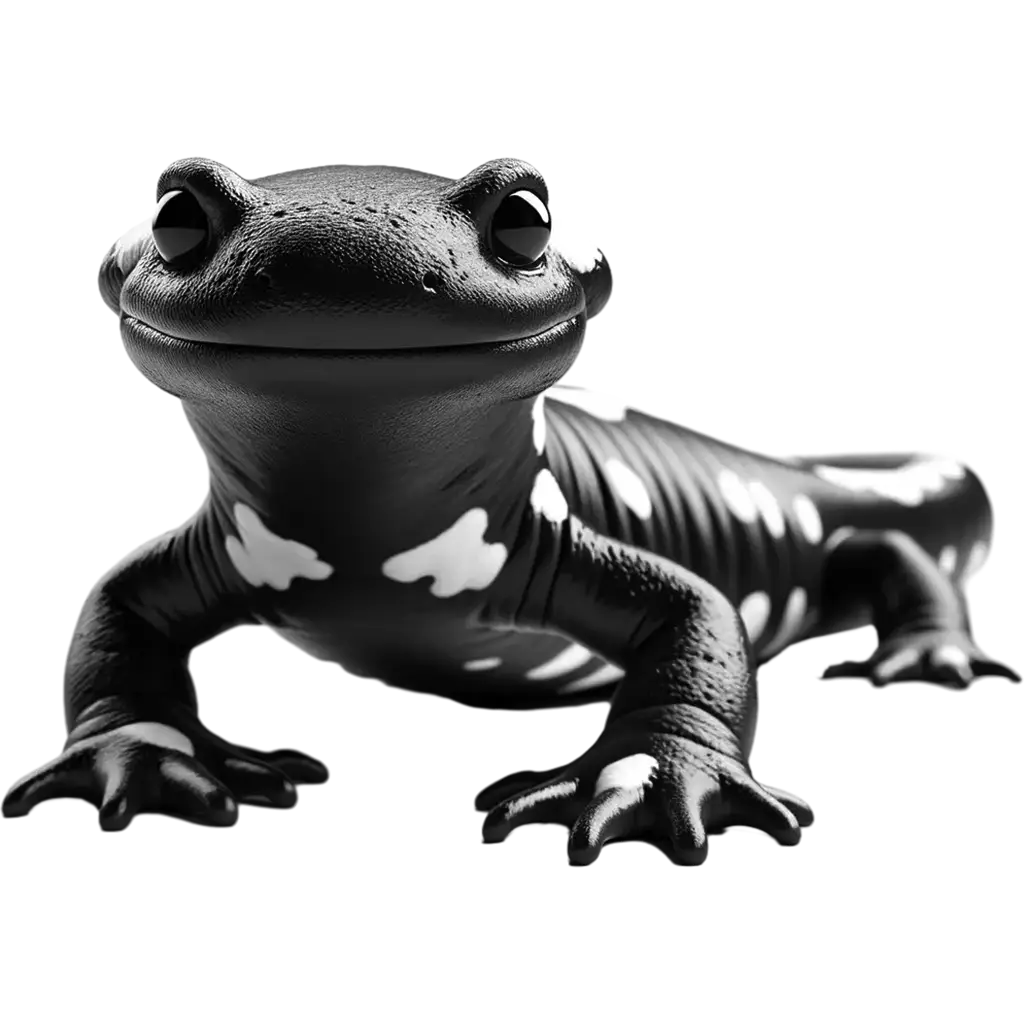
The Alpine Salamander, Salamandra atra, is a unique species of salamander native to the mountainous regions of central and southern Europe. Characterized by its completely black, glossy skin, this amphibian can reach up to 14 centimeters in length. Its robust body, short limbs, and distinctive yellow or white markings (in